Tokyo with Kids · Guide №144
Tokyo with Toddlers & Babies: Stroller Guide & Tips
Visiting Tokyo with babies and toddlers and a stroller: navigating the subway, renting gear, finding nursing rooms, buying diapers, jet lag, airports and calm toddler neighbourhoods.
目次 — Contents
- Navigating the Tokyo subway with a stroller
- Fares, IC cards and the 2026 contactless update
- Bring your own stroller, or rent baby gear in Tokyo?
- Where to find nursing rooms and diaper-change facilities
- Buying diapers, formula, baby food and medicine
- Jet lag with a baby or toddler
- Stroller-friendly Tokyo (and where a carrier wins)
- The best low-key neighbourhoods and parks for toddlers
- Airport tips: Narita, Haneda, taxis and car seats
- Tokyo toddler packing and logistics cheat sheet
- Frequently Asked Questions
- Photo Credits
This article contains advertising. Our booking links are routed through a partner that adds commission tracking automatically, so if you book through one we earn a commission from the provider, at no extra cost to you. It never affects what we recommend. Affiliate disclosure
Doing Tokyo with babies, toddlers and a stroller is far easier than the wall of neon and the rush-hour photos suggest, but it does run on its own set of rules. Strollers are welcome on every train, nearly every station has an elevator (often hidden at the far end of the platform), clean diaper-change and nursing rooms are standard in department stores, and konbini and drugstores stock diapers and formula on every corner. This guide is the practical, been-there reality: the subway, the gear, the rooms, and the calm neighbourhoods that make it work.
I write this as someone who has pushed a buggy through Shinjuku Station at the wrong time of day and lived to regret it. The single biggest lesson: Tokyo with a toddler is wonderful if you respect the clock, plan around elevators, and slow your pace to about half of what you’d do solo. Get those three things right and Tokyo with toddlers is astonishingly child-friendly: spotless toilets, heated train seats, staff who will carry your stroller up the stairs before you even ask. Below is everything I wish I’d known on day one.
For the bigger picture of visiting the city with children, start with our complete guide to Tokyo with kids. For the green space that saves every toddler day, see our guide to Tokyo’s parks and gardens, and when you need to actually eat, our kid-friendly restaurants guide covers high chairs and kids’ meals.
Navigating the Tokyo subway with a stroller
Strollers are allowed on every train in Tokyo and you do not need to fold them during normal hours. The catch is that “allowed” and “comfortable” are different things, and the whole game is timing and elevators. Get those two right and the rest is easy.
Avoid rush hour, full stop
This matters more than any app or hack. Do not even attempt to board with a stroller between roughly 7:30 and 9:30 a.m. or 5:30 and 7:30 p.m. on weekdays. Some lines hit 180% capacity, and fitting a stroller in is physically miserable and genuinely unsafe for a small child. The family sweet spot is 10:00 a.m. to 4:00 p.m., when trains are half-empty and you can spread out, plus all day at weekends, when the commuter crush simply vanishes. Most toddler-friendly attractions don’t open until 9:30 or 10:00 anyway, so build your day around a slow breakfast and a 10:00 departure.
Where to stand and board
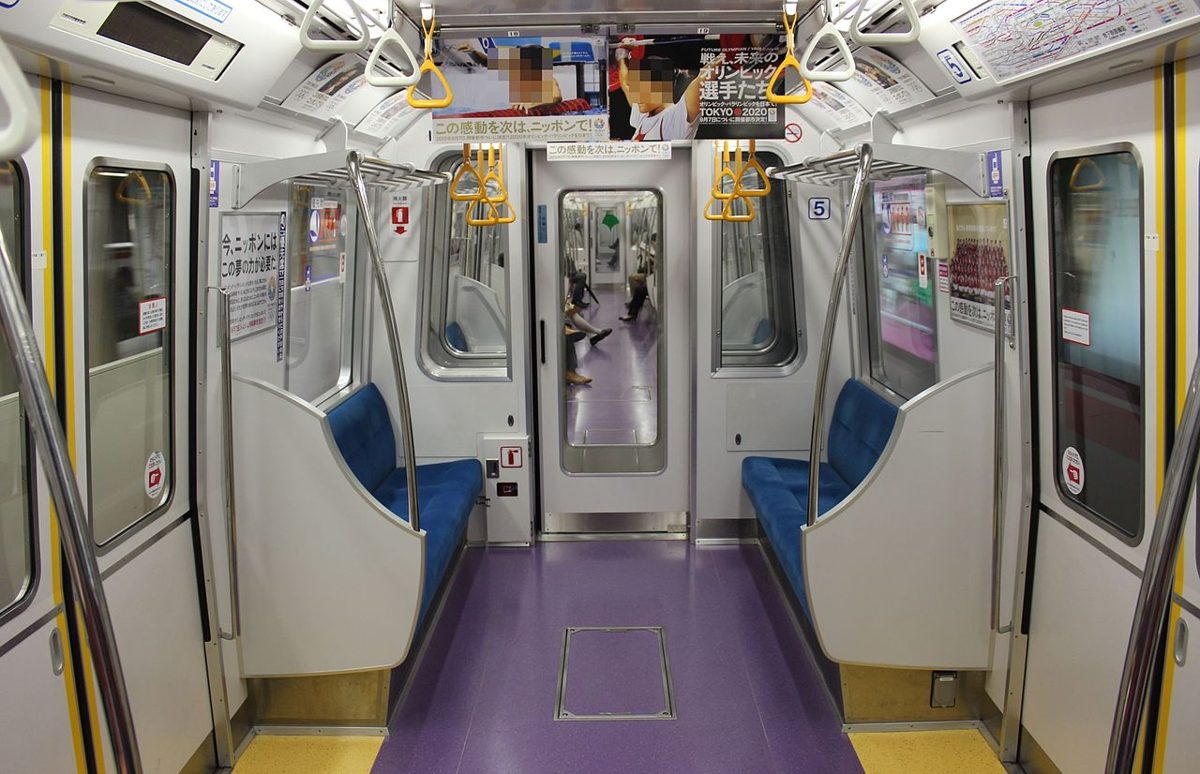
Board at the wheelchair and stroller space, a designated open area without seats usually at the very end of each car, marked with a stroller or wheelchair sticker on the outside of the door. If that car’s space is already taken, walk along the platform to the next car. Look for the yellow signs on platform pillars: they tell you which car number stops nearest the elevator at your destination, so you step off right beside it instead of hauling the stroller 200 metres down the platform. A genuinely lovely detail: Toei’s Oedo Line has dedicated “Childcare Support Spaces” (子育て応援スペース) in certain cars, often near cars 3 and 6, where noise and strollers are explicitly welcomed.
The elevator problem
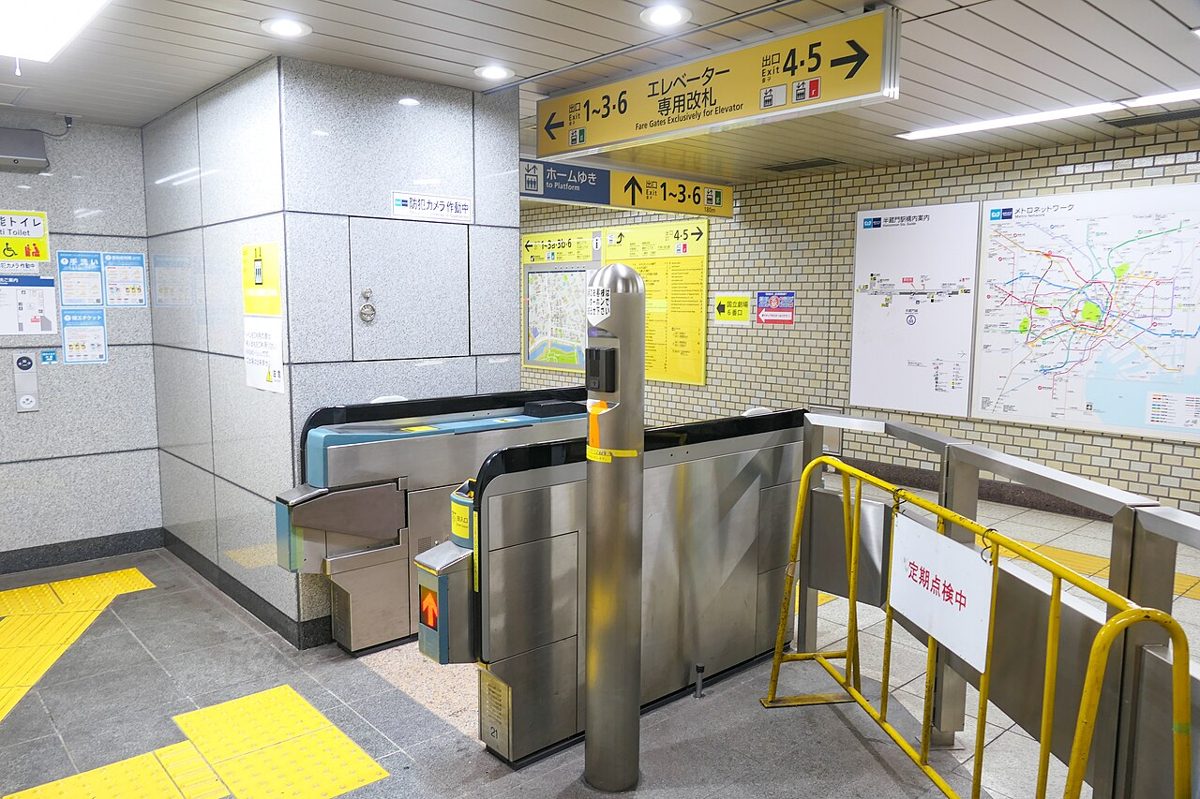
Every Tokyo Metro station technically has elevator access, but in practice that often means exactly one elevator, at the far end of the platform, up to a specific exit that may not be the one you wanted. Budget an extra 10-15 minutes per trip when you need step-free access. Two fixes save the day. First, in Google Maps, tap Options and switch on “Wheelchair accessible” before searching your route; it prioritises elevator paths and will sometimes suggest exiting and walking above ground to a nearby entrance, which is frequently faster and far less stressful with a buggy. Second, the newer lines, the Fukutoshin, Namboku and Toei Oedo, were built barrier-free from the start, with elevators connecting street, concourse and platform at every station. Older lines are patchier.
Two more things that make the difference. Above-ground lines skip the elevator hunt almost entirely: the JR Yamanote loop runs at or near ground level with escalators and minimal elevation, so when your route offers a choice between an underground transfer and staying on JR for an extra stop, JR is almost always easier. And avoid transferring at the monster stations, Shinjuku, Shibuya, Tokyo and Ikebukuro, where a JR-to-Metro change can be a 10-minute underground hike. The single best transfer station in the city is Omotesando, where the Ginza and Hanzomon lines share one platform, so you step off one train and walk ten metres onto the other. Our Tokyo public transport guide breaks down the lines and IC cards in detail.
Asking for help and a few etiquette notes
If you’re alone with a stroller and facing stairs, do not hesitate to ask station staff; they will carry it up, and often offer before you ask. At a gap between train and platform, back the large wheels in first or pop the front wheels up, and accept the ramp staff sometimes lay down. On the train, use the priority seats, keep your voice and your child’s devices low (trains are quiet), and if your child kneels up to look out of the window, take their shoes off first, the single most-noticed behaviour by Japanese passengers. During morning rush only, the women-only cars (女性専用車両, marked with pink signs, first or last car on many lines) are noticeably calmer for mums travelling with small children.
Fares, IC cards and the 2026 contactless update
Children under 6 ride the trains free (up to two preschoolers per paying adult), so a baby or toddler costs you nothing on transport. Kids aged 6-11 pay half fare. Get yourself an IC card, a Suica or Pasmo, either a physical green card from a JR machine (¥500 refundable deposit plus whatever you load) or a digital one in your phone’s wallet, and tap for everything: trains, buses, konbini, vending machines and coin lockers.
A genuinely useful 2026 change: since 25 March 2026 you can tap a contactless credit card or phone directly at the gates across 11 Tokyo-area rail operators, including Tokyo Metro, Toei, Tokyu, Keio, Odakyu, Seibu and Tobu, covering more than 700 stations. Visa, Mastercard, JCB, Amex and Diners all work. The one catch for families is that contactless cards charge the adult fare only, so if you have a 6-11 year old you still want a child Suica (issued on the spot at a JR ticket counter with their passport) for the half-price rate. For under-6s it doesn’t matter, since they’re free.
Bring your own stroller, or rent baby gear in Tokyo?
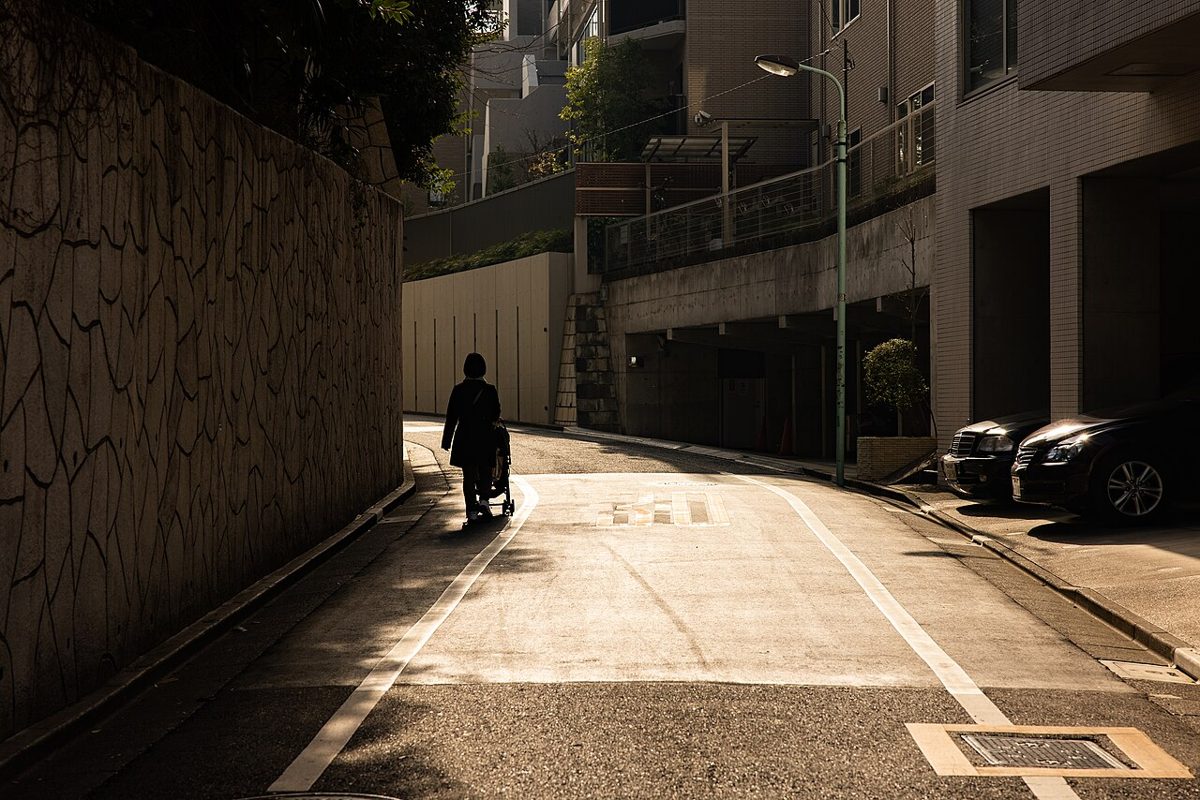
Single, lightweight strollers are the norm in Tokyo; you’ll rarely see a double, and tight shop aisles, narrow older-station gates and the occasional flight of stairs all reward a compact, easily-folded buggy. If you have more than one small child, the local move is one in a slim stroller and one in a soft carrier. Whether to bring yours or rent comes down to your trip.
Bring your own if you’re comfortable with your travel buggy and want it from the moment you land, gate-checking it on the plane is free with most airlines. Rent if you’d rather travel light or only need gear for part of the trip. Several services deliver clean, safety-checked equipment, strollers, car seats, cribs, high chairs, even toys, straight to your hotel, Airbnb or the airport:
- Babyrenta rents a wide catalogue with round-trip delivery; a one-week stroller rental runs in the region of ¥5,000 plus a delivery fee, paid in cash on arrival.
- Babonbo delivers premium strollers, car seats and cribs to hotels, Airbnbs or the airport, often same-day, through local hosts.
- MomoMama offers cribs, travel strollers, carriers and toys with delivery within Tokyo and shipping further afield.
- Lileo delivers to hotel front desks and can arrange an airport pickup at Narita, so a stroller is waiting the minute you arrive.
One practical note: most Japanese department stores, larger shopping malls and some museums lend strollers for free while you’re inside (ask at the information desk), which can save you carrying yours up through the building.
Where to find nursing rooms and diaper-change facilities
This is where Tokyo quietly excels. Look for the words 授乳室 (nursing room) and おむつ替え (diaper change). They are clean, common and often better equipped than anything back home, frequently with hot-water dispensers for making up formula, private nursing booths, a sink, a microwave and a baby scale. The reliable places to find them:
- Department stores (Takashimaya, Isetan, Marui, Sogo, Tokyu) almost always have a dedicated “baby room” (ベビールーム), usually on an upper or children’s-wear floor, with private nursing booths and changing tables.
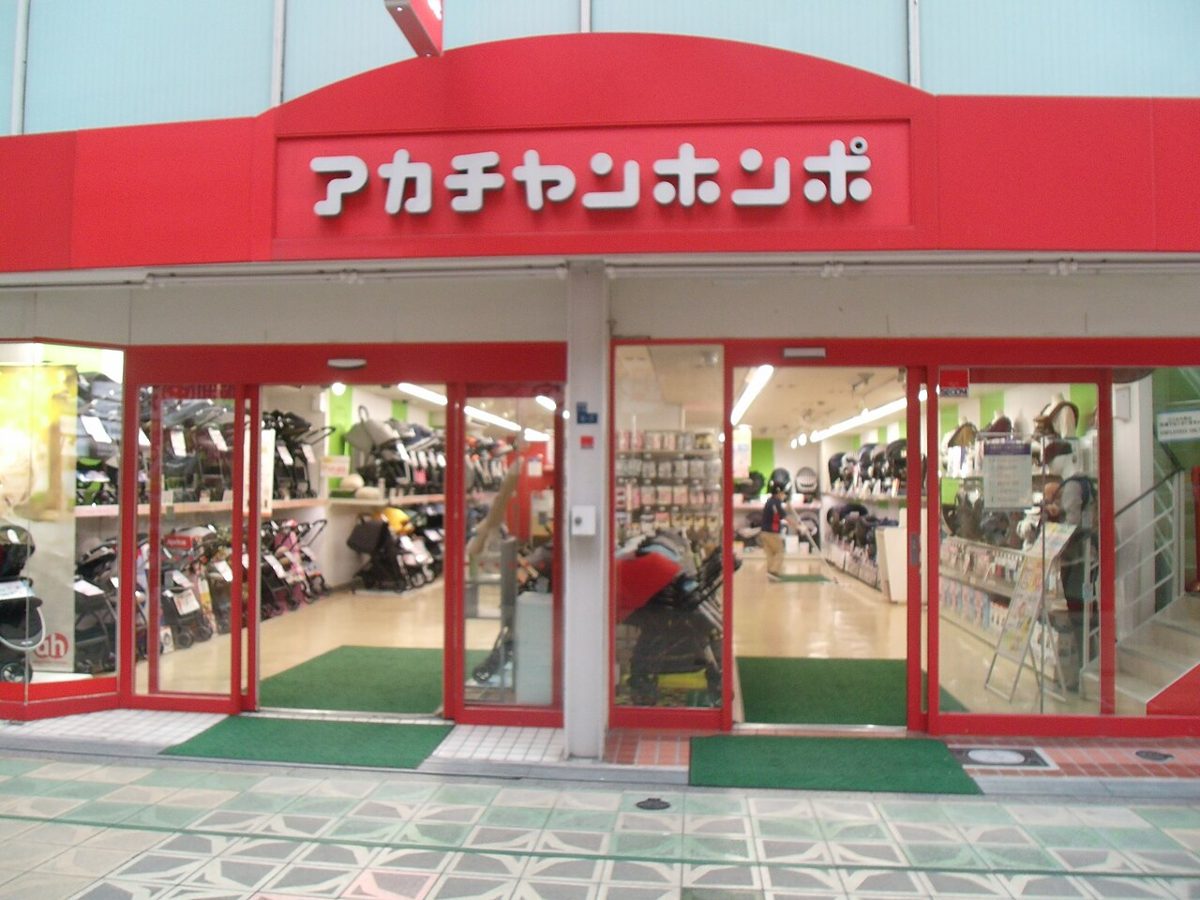
- Akachan Honpo and Babies R Us (the big baby superstores) have excellent nursing and changing rooms. Handy Akachan Honpo branches include the large Gotanda TOC store, LaLaport Toyosu and Arcakit Kinshicho.
- Shopping malls such as LaLaport, Aeon Mall, Tokyo Midtown, Coredo and the Skytree’s Solamachi all have well-signed baby rooms, often with a microwave and bottle-warming water.
- Stations: nursing rooms inside stations are rarer, but most stations have a large “multipurpose toilet” (多目的トイレ) inside the gates with a diaper-changing table, stroller space and sometimes a fold-down baby seat. The department stores attached to major stations (Shibuya Scramble Square, Lumine, Tokyo Midtown) have proper nursing rooms on their upper floors.
- Tourist attractions and parks: most big ones (Ueno Zoo, teamLab, the major museums) have baby rooms; the Tokyo Metropolitan Government and many wards run a free app/map of “akachan no eki” (baby stations).
Buying diapers, formula, baby food and medicine
You do not need to pack a month of supplies. Tokyo’s drugstores and convenience stores have you covered. Drugstores (Matsumoto Kiyoshi, Welcia, Sundrug, Cocokara Fine, Tomod’s) are everywhere and stock Japanese-brand nappies (Merries, Moony, Goon, Pampers), formula (both powdered tins and the genuinely brilliant ready-to-use liquid cartons), jarred and pouch baby food, wipes and bottles. Sizes run small by Western standards, so size up. Convenience stores (7-Eleven, Lawson, FamilyMart) carry a small range of nappies in a pinch plus snacks, milk and hot water any hour of the day or night.
For anything medical, drugstores sell children’s fever reducers, rehydration drinks (the pedialyte-equivalent “OS-1” and Aquarius) and the like over the counter, though packaging is in Japanese, so use a translation app on the box or ask the pharmacist, many speak some English. Bring a small supply of your child’s usual medicines from home, as exact equivalents and dosages differ. Pharmacies for prescriptions (調剤薬局) are separate from drugstores and cluster around clinics and hospitals.
Jet lag with a baby or toddler
The honest version: the time difference is rough for about three days, and then it lifts. Plan your first 48-72 hours to be gentle. This is not the moment for Disneyland or a complicated train day; pick one quiet neighbourhood, stay close to your hotel, and let a convenience-store breakfast and a short walk be the whole agenda. A few things that genuinely help:
- Sunlight is the reset button. Get everyone up and outside first thing in the morning, and out again at dusk. Daylight does more than anything to shift little body clocks.
- Protect naps. Try to keep naps as close to home timing as you can at first, and resist letting an overtired toddler crash at 4 p.m., which wrecks the night.
- Pack for early sunrises. The sun can be up by 4-5 a.m. in summer, and many hotel rooms have thin rice-paper shades, so a few clip-on blackout panels or even bin bags and clothes pegs can buy you a couple of hours.
- Use Tokyo’s late rhythm. The city starts late; many shops don’t open until 10-11 a.m. and restaurants run late into the night, so a slow start is not just tolerated, it’s normal. Give yourself permission to begin the day at 10.
Stroller-friendly Tokyo (and where a carrier wins)
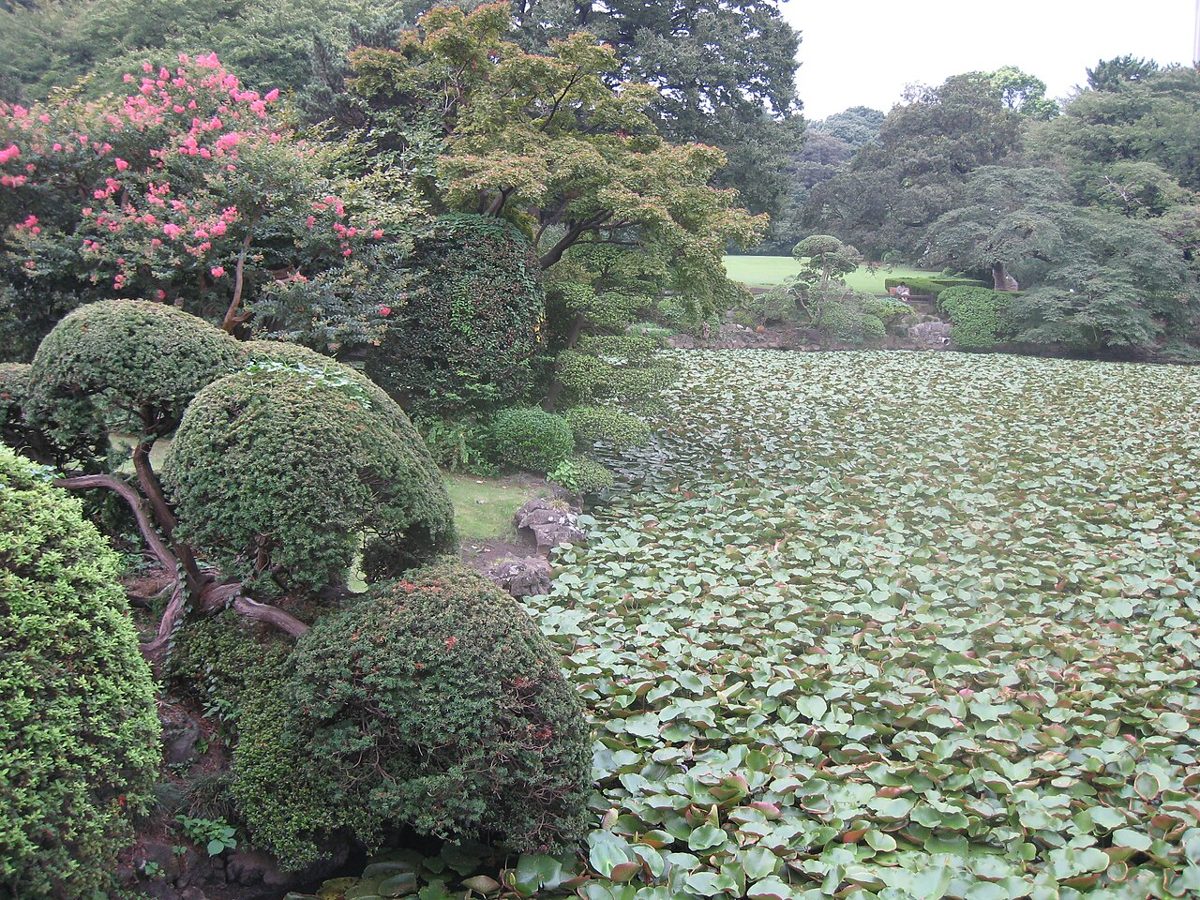
Plenty of Tokyo is a dream to push a stroller around, and a few classic sights are a fight. Knowing which is which saves a lot of grief. As a rule: modern districts, waterfronts, department stores and the big flat parks are stroller heaven; historic temples and shrines, with their gravel approaches, steps and crowds, are where you’ll wish you had a carrier.
| Place / type | Stroller-friendly? | Notes |
|---|---|---|
| Shinjuku Gyoen, Yoyogi Park, Ueno Park | Yes | Flat, wide, paved paths; huge lawns to run on |
| Department stores & malls | Yes | Elevators, baby rooms, often free stroller loan |
| Odaiba, Toyosu, Minato Mirai waterfronts | Yes | Wide, modern, level promenades |
| teamLab Planets / Borderless | Partly | Stroller parking at entry; carry baby inside (some barefoot/water areas) |
| Senso-ji (Asakusa), Meiji Jingu | Carrier better | Gravel approaches, crowds, some steps; stroller is awkward |
| Older subway stations at rush hour | Carrier better | Stairs-only gaps, packed cars; fold and carry if stuck |
| Hilly/temple day trips (Enoshima, parts of Hakone) | Carrier better | Slopes and steps; a soft carrier is far easier |
The best low-key neighbourhoods and parks for toddlers
With little ones, base yourself somewhere calmer than the Shibuya scramble and lean on green space. A few areas and parks consistently work:
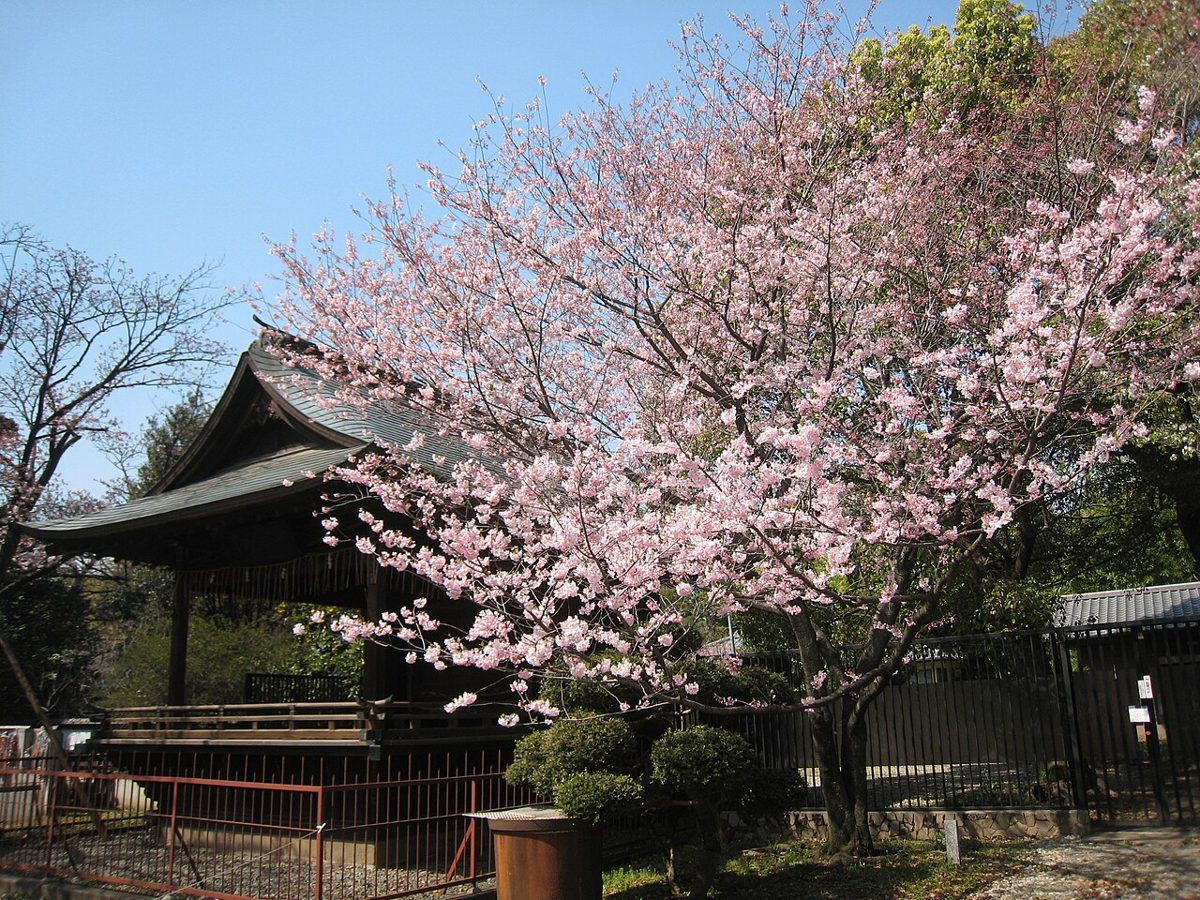
- Ueno is a toddler all-rounder: Ueno Park is flat and green, with Ueno Zoo (home to the pandas), the shallow Shinobazu Pond, and several museums, all walkable from one JR station.
- Shinjuku Gyoen (¥500 adults, small kids free) has enormous lawns where a toddler can finally run free, plus a greenhouse for rainy days; it’s a short walk from Shinjuku’s chaos but feels a world away.
- Nakameguro and Daikanyama are low-rise, leafy and relaxed, full of pram-friendly cafés along the canal, an ideal first-few-days base while you shake off jet lag.
- Kichijoji pairs Inokashira Park (paddle-boats, a small zoo, big open space) with easy shopping and the Ghibli Museum nearby.
- Odaiba and Toyosu are modern, flat and stroller-perfect, with indoor attractions (KidZania, teamLab Planets, a maritime science museum) for when the weather turns.
For the wider green list, see our Tokyo parks and gardens guide, and for actual play equipment and the city’s best playgrounds (including the famous “playpark” adventure grounds), our Tokyo playgrounds guide has the toddler-tested list.
Airport tips: Narita, Haneda, taxis and car seats
If you can choose, fly into Haneda, it’s much closer to central Tokyo (about 30-40 minutes by car versus 60-90 from Narita), which is a big deal with a fried, jet-lagged toddler. Whichever airport you land at, the two easiest transfers with a baby and luggage are:
- Airport Limousine Bus: direct to major hotels in Shinjuku, Tokyo, Ikebukuro and more, with no transfers, under-seat luggage storage and comfy seats, ideal with a stroller and bags.
- A pre-booked taxi or private van: best for late arrivals or tired kids. Family-focused services such as Taxi Bambino will fit a child seat if you request one in advance.
On car seats: Japanese law requires children under 6 to use a car seat in a private car, but, importantly, the rule does not apply to taxis and hired vehicles, so a regular taxi can legally carry your child without one; our guide to cab fares and apps covers the flat-rate airport runs. If you’d rather have a seat anyway (sensible on a longer airport run), either book a transfer that provides one or bring a packable travel seat. Strollers come out at baggage claim if you gate checked, and both airports have baby rooms and family toilets landside and airside, so you can change and feed before the journey into town.
Tokyo toddler packing and logistics cheat sheet
A quick reference for what to sort before and during the trip:
| Need | In Tokyo? | What to do |
|---|---|---|
| Diapers / wipes | Widely available | Buy at any drugstore (Merries, Moony, Goon); size up vs Western sizing |
| Formula / baby food | Widely available | Drugstores carry powder, ready-to-use liquid cartons and pouches |
| Stroller | Bring or rent | Gate-check yours free, or rent from Babyrenta / Babonbo / Lileo to hotel or airport |
| Carrier | Bring | Essential for temples, hills and crowded trains |
| Nursing / changing | Excellent | Department stores, Akachan Honpo, malls; look for 授乳室 / おむつ替え |
| Car seat (taxi) | Not legally required | Book a family transfer with a seat, or bring a travel seat |
| Child medicine | Bring a starter supply | Drugstores sell fever/rehydration OTC, but bring your usual brands |
| IC card | Set up on arrival | Suica/Pasmo for all; under-6s ride free, 6-11 half fare (child Suica) |
Frequently Asked Questions
Is Tokyo easy to navigate with a stroller?
Yes, with two caveats: avoid rush hour (7:30-9:30 a.m. and 5:30-7:30 p.m.) and plan around elevators. Strollers ride free on every train, nearly every station has an elevator (often at the far end of the platform), and staff will help you with stairs. Use Google Maps in wheelchair-accessible mode to route step-free.
Should I bring my own stroller to Tokyo or rent one?
Bring a compact travel stroller if you want it the moment you land (gate-checking is free). Rent from a service like Babyrenta, Babonbo or Lileo if you’d rather travel light; they deliver clean strollers and car seats to your hotel or even the airport. Many department stores also lend strollers free while you shop.
Where can I find nursing and diaper-changing rooms in Tokyo?
Department stores, baby superstores like Akachan Honpo, and shopping malls almost always have clean, well-equipped baby rooms (look for 授乳室 and おむつ替え), often with hot water for formula. Inside stations, large multipurpose toilets (多目的トイレ) have changing tables. They’re far more common and better equipped than most visitors expect.
Can I buy diapers and formula easily in Tokyo?
Yes. Drugstores (Matsumoto Kiyoshi, Welcia, Sundrug) are everywhere and stock Japanese-brand diapers, powdered and ready-to-use liquid formula, baby food and wipes. Convenience stores carry a small backup range around the clock. Japanese diaper sizes run small, so size up versus what you’d buy at home.
Do toddlers need a car seat in a Tokyo taxi?
No. Japanese law requires car seats for children under 6 in private cars, but taxis and hired vehicles are exempt, so a regular taxi can legally carry your child without one. For longer rides, such as the trip from the airport, you can book a family transfer service that provides a child seat or bring a packable travel seat.
Photo Credits
- Most Tokyo Metro stations have at least one elevator, though it may be at the far end of the platform — Photo: MaedaAkihiko / CC BY-SA 4.0 via Wikimedia Commons
- A single, lightweight stroller is the norm in Tokyo; double strollers are rare — Photo: mrhayata from Tokyo, Japan / CC BY-SA 2.0 via Wikimedia Commons
- Priority seats at the car ends are for parents with small children, among others — Photo: Rsa / CC BY-SA 3.0 via Wikimedia Commons
- Akachan Honpo, a baby superstore with clean nursing and diaper-change rooms — Photo: Mr.ちゅらさん / CC BY-SA 4.0 via Wikimedia Commons
- Ueno Park: flat, wide paths and a zoo make it an easy toddler day — Photo: Syced / CC0 via Wikimedia Commons
- The big lawns at Shinjuku Gyoen are perfect for letting a toddler run — Photo: Syced / CC0 via Wikimedia Commons