Tokyo Anime & Pop Culture · Guide №173
AnimeJapan, Comiket and Design Festa: Attending Tokyo’s Fan Events
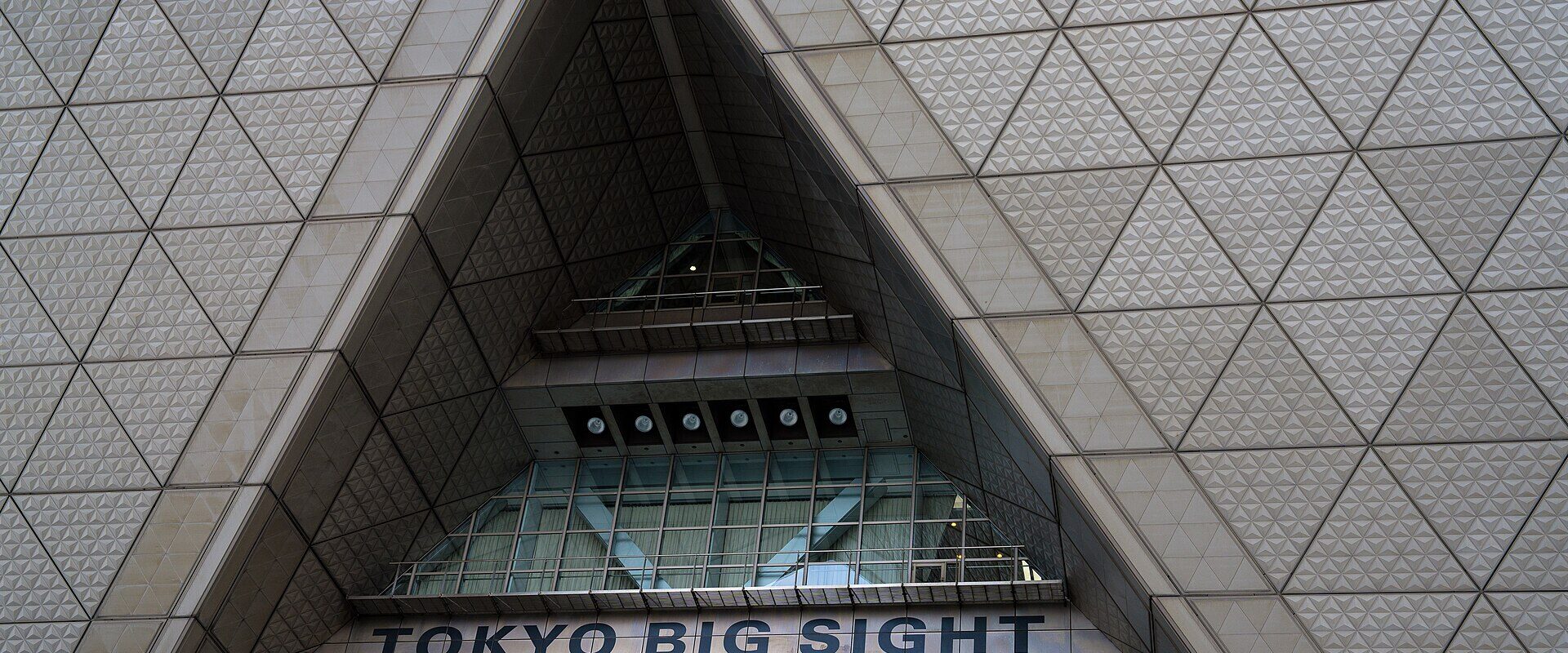
Comiket, AnimeJapan and Design Festa are three completely different events. Dates, how international visitors get tickets, what to bring, how to escape Tokyo Big Sight afterwards, and which one you should actually attend.
目次 — Contents
This article contains advertising. Our booking links are routed through a partner that adds commission tracking automatically, so if you book through one we earn a commission from the provider, at no extra cost to you. It never affects what we recommend. Affiliate disclosure
The Comiket Tokyo hosts twice a year is widely described as the largest fan convention on earth — the December 2025 edition recorded 300,000 visits over two days at Tokyo Big Sight, with people selling self-published comics to each other. It is free to attend in principle, brutal in practice, and unlike anything in the Western convention circuit. Here is how to go, and whether you should.
Tokyo’s fan-event calendar has three pillars: Comic Market in August and December, AnimeJapan in spring, and Design Festa twice a year. They are not variations on the same thing. One is a marketplace, one is an industry trade show, one is an open art fair, and turning up at the wrong one expecting the other is the most common mistake visitors make.
Comic Market (Comiket)
Held twice a year at Tokyo Big Sight in Odaiba, in mid-August and at the very end of December. Comic Market 109 runs 29–31 December 2026, three days. Comic Market 110 follows on 14–15 August 2027 at Tokyo Big Sight, so check the official site rather than a blog before booking anything around either edition.
What it actually is
A marketplace for doujinshi — self-published comics, novels, art books, music and games, made by individuals and small groups called circles. Tens of thousands of circles take a table each. They sell directly to readers, and each circle sets its own prices and stock.
Around the edges, company booths sell limited-edition merchandise you cannot get elsewhere, and an outdoor area hosts cosplay. But the heart of it is people selling self-published work to each other, which has been true since the first Comic Market in December 1975 and remains the point.
Getting in
Entry arrangements have changed since 2020, and they differ from one edition to the next. For visitors, the organiser’s own site is the place to check how to get in for the edition you plan to attend. Do that first, before booking anything else around it.
Do not buy tickets from resellers, and do not assume a blog’s description of the entry system is current — admission arrangements have changed since 2020, so check the organiser’s rules for the edition you plan to attend.
Surviving it
- Bring cash in small notes. Circles take cash, and payment methods vary from circle to circle, so small notes are the safest thing to carry.
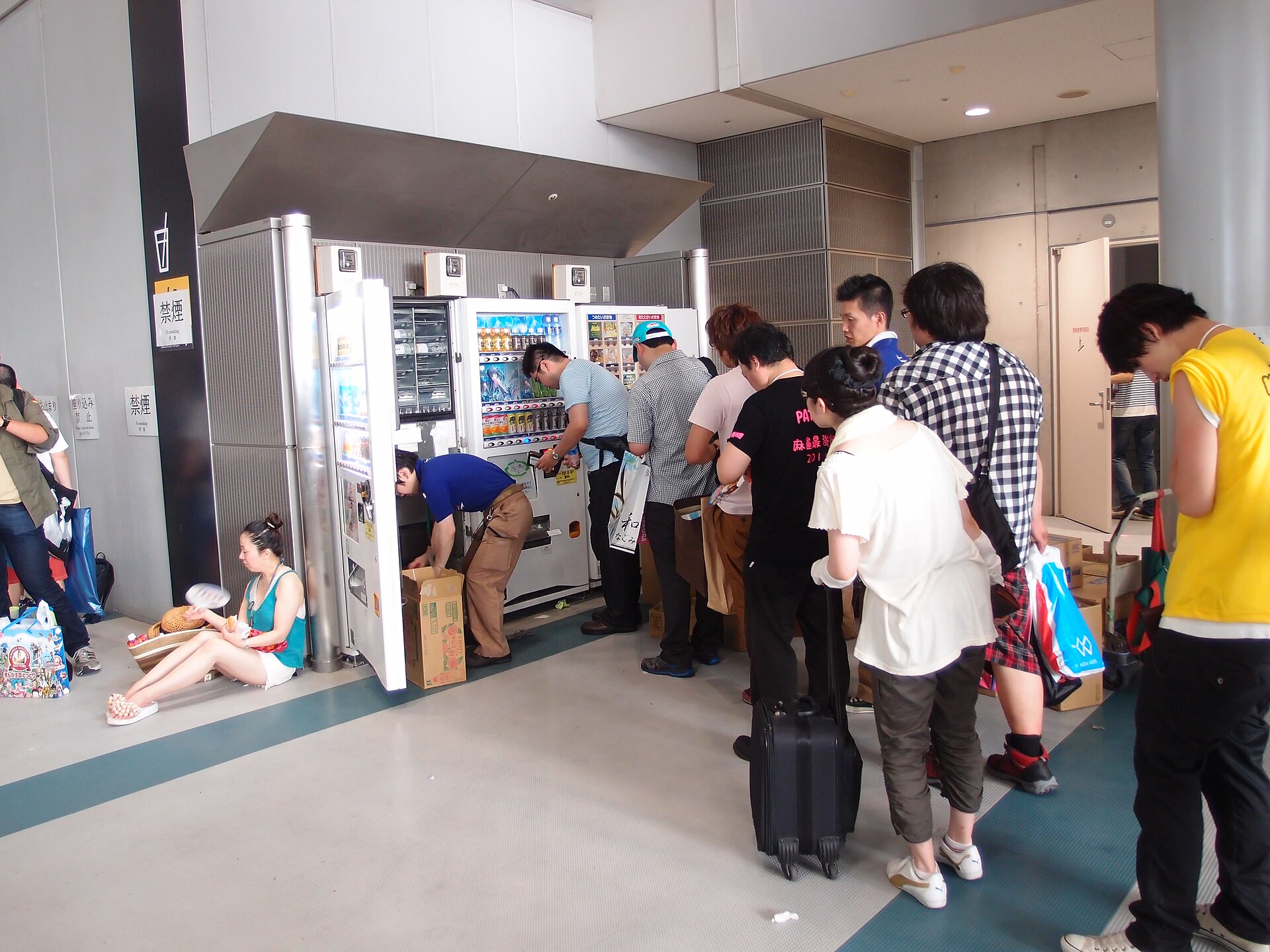
- Bring water and food. The vending machines inside run dry, and the queues for what remains are long. August Comiket is the one to prepare for: Tokyo’s August daily highs average about 31°C, hot days can reach 35°C, and the humidity is punishing.
- Bring a bag that can take punishment. Circles hand you unbagged paper goods. Most attendees carry a flat, rigid case for exactly this.
- Know your circle numbers before you arrive. The catalogue exists for this. Wandering a hall of thousands of identical tables hoping to stumble on something is not a strategy.
- Do not photograph anyone without asking. This applies especially in the cosplay area, where the etiquette is well established: ask, wait, and do not photograph people who are moving between areas rather than posing.
How a Comiket day actually runs
Entry times vary by edition, so check the organiser’s notice for yours. Serious attendees are inside within the first half hour, walk directly to three or four tables, buy, and are done with the urgent part before noon. Everything after that is browsing.
The halls themselves are laid out in a grid with aisle markers, and circles are placed by genre — so once you find the right block, the neighbouring tables are all making similar work, which is how most people find things they did not know they wanted. The company booths, in a separate hall, run their own queues for limited items and those queues can be an hour.
Cosplay happens in designated outdoor and rooftop areas rather than in the halls, with a registration and changing-room system for participants. Spectators are welcome; the etiquette is to ask before photographing and to stay out of the flow of people. This is not a costume parade laid on for an audience, it is a participation area that happens to be worth watching.
By mid-afternoon the halls thin noticeably. The last hour is the most pleasant time to be inside and the worst time to leave, because everyone leaves at once.
Should you go?
Honest verdict: only if you are genuinely interested in doujinshi or in seeing a subculture at full scale. It is not a general anime day out. The halls are hot, packed, and organised around a language and a catalogue you probably cannot read; the merchandise is largely fan work about series you may not know; and a first-timer with no plan will spend six hours queueing and come away with three things they could have bought in Nakano.
If that description still appeals — and for a lot of people it genuinely does, because the scale of the thing is extraordinary — go, and go on a weekday of the run rather than the final day. If it does not, Akihabara and Otome Road sell much of the same material year-round without the crowd.
AnimeJapan
The industry trade show: studios, publishers and streaming platforms with large stages and elaborate booths, announcing new seasons and showing trailers. Held in spring, historically at Tokyo Big Sight, with two business days followed by two public days.
Important for anyone planning a 2027 trip: AnimeJapan is going to Osaka for 2027 and 2028, with INTEX Osaka as the 2027 venue. The 2027 edition is scheduled for 27–28 March in Osaka, not Tokyo. Any guide telling you to go to Big Sight in March 2027 is out of date. If you want to attend, plan a trip to Osaka around it — a straightforward Shinkansen ride from Tokyo, but not a day trip you can improvise.
When it does run, AnimeJapan is the most accessible of the three for a foreign visitor with no Japanese: it is visual, it is corporate, the stages are subtitled or at least comprehensible, and the merchandise is official rather than fan-made. It is also the most like a Western convention, which is either a recommendation or a warning depending on what you came for.
Design Festa
The one nobody tells visitors about, and arguably the best of the three for a casual attendee. Held twice a year at Tokyo Big Sight — Vol. 64 on 14–15 November 2026.
Design Festa is an open art event rather than an anime one. Anyone can exhibit: illustrators, ceramicists, jewellers, live painters, performance artists, people selling extremely strange objects they made in a flat in Koenji. There is no jury and no theme, which produces a hall with genuinely no centre of gravity and a much broader range than any of the fan conventions.
Practical numbers: advance tickets around ¥800, at the door ¥1,000, a two-day combined ticket around ¥1,500, and elementary school children and under free. Confirm on the official site before you travel, but this is the cheapest of the three by a wide margin.
Why it suits visitors: no catalogue required, no circle numbers, no queueing strategy, and everything for sale is original work by the person standing behind the table. It is also far less crowded than Comiket and the exhibitors are pleased to talk to you, in whatever mixture of languages is available.
One practical note for buyers: exhibitors at Design Festa are individuals, prices are low by gallery standards, and cash is still the norm even though card readers are increasingly common. Original illustration, small ceramics and printed work in the ¥1,000–5,000 range is where the event is strongest, and it is far better souvenir value than anything a gift shop sells. Shipping abroad is not something most exhibitors offer, so buy what you can carry.
The three compared
| Comiket | AnimeJapan | Design Festa | |
|---|---|---|---|
| What it is | Doujinshi marketplace | Industry trade show | Open art fair |
| When | Mid-Aug and late Dec | Late March | May and November |
| Where | Tokyo Big Sight | Osaka for 2027–28 | Tokyo Big Sight |
| Entry | Check the official site for the current entry system | Paid, advance | ¥800 advance, ¥1,000 door |
| Crowd | Enormous, intense | Large, managed | Moderate, relaxed |
| Japanese needed | A lot | Some | Very little |
| Best for | Doujinshi collectors | Industry news, official goods | Almost everyone else |
Getting to Tokyo Big Sight
The venue is in Ariake, on the Odaiba side of Tokyo Bay, and the transport is the single most underestimated part of attending anything there.
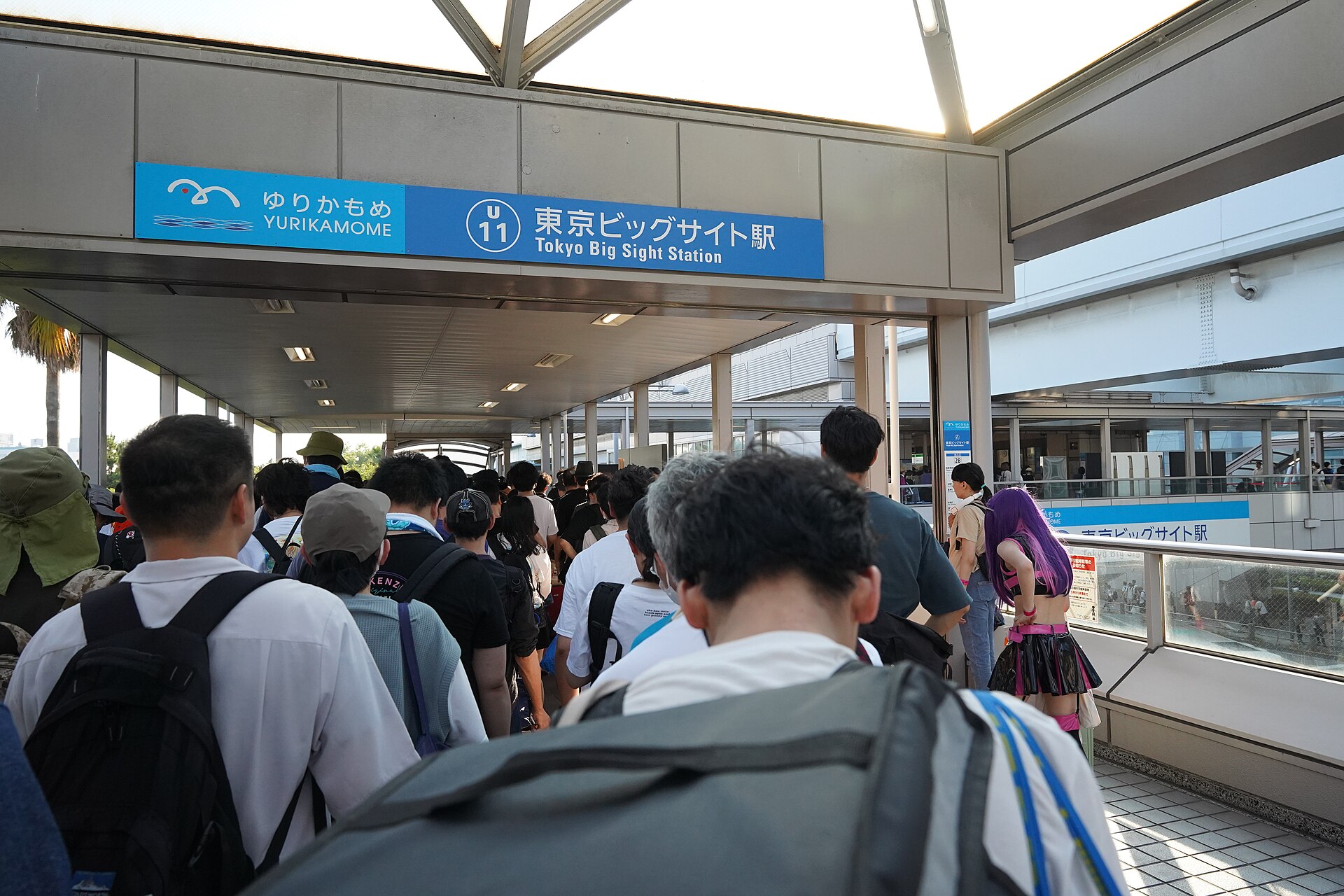
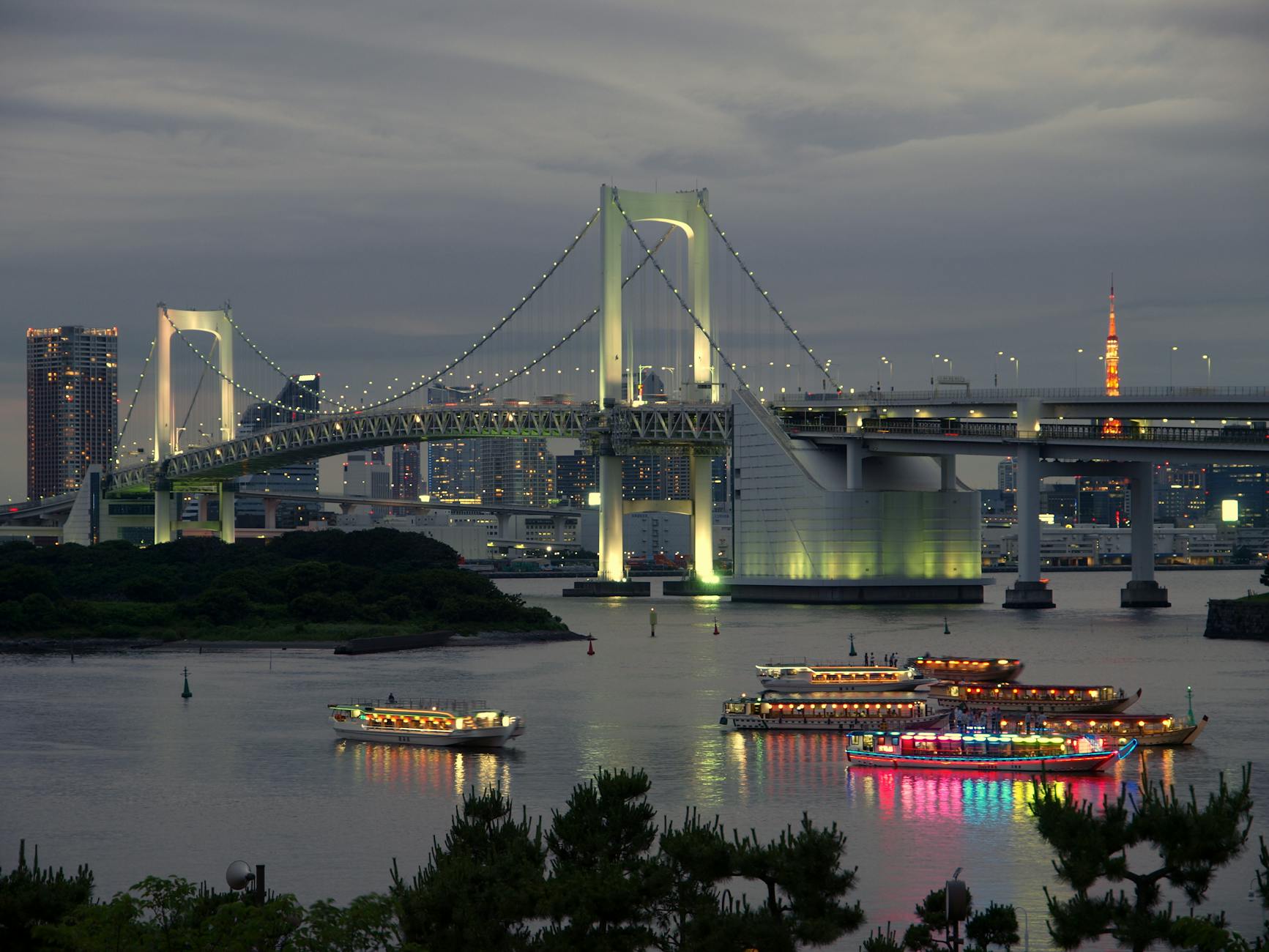
Yurikamome is the elevated automated line from Shimbashi to Tokyo Big Sight Station, about twenty minutes, and it is the scenic route over the Rainbow Bridge. It is also a small-capacity line, and after a major event the queue to board snakes back into the station concourse for an hour or more.
Rinkai Line from Osaki, Shibuya or Shinjuku via Tokyo Teleport or Kokusai-Tenjijo is the sensible alternative — higher capacity, less scenic, and much faster to escape on. Locals use the Rinkai Line on the way out for exactly this reason.
Water bus and buses exist from Hinode and central Tokyo, and are pleasant when they run but are not a plan for a crowd day.
The practical advice: arrive by Yurikamome for the view, leave by Rinkai Line from Kokusai-Tenjijo, and do not schedule anything for the ninety minutes after a big event ends. Our transport guide covers how these lines fit with the rest of the network, and the Odaiba guide covers what else is out there to fill an afternoon.

The events that are not at Big Sight
Jump Festa, Shueisha’s showcase for the Weekly Shonen Jump properties, runs in December at Makuhari Messe in Chiba — the 2027 edition on 19–20 December 2026, roughly 09:00 to 17:00. It has historically been free but requires advance registration, and it is the single best event for anyone whose interest is mainstream shonen series. Makuhari is about forty minutes from Tokyo Station on the Keiyo Line, and it is a genuinely separate trip.
The Ikebukuro Cosplay Festival takes over the streets around Sunshine City for a weekend in late October, with cosplayers using the actual city as a set rather than a convention hall. It is free, it is outdoors, and it is the best cosplay watching in Tokyo — particularly now that Shibuya’s Halloween has been shut down by the ward.
Smaller sales events run most weekends somewhere in the city — genre-specific doujinshi events, idol goods exchanges, one-series-only fairs — typically in the smaller halls at Big Sight, Sunshine City or Makuhari. These are where Japanese fans actually spend their weekends, and they are far more approachable than Comiket, though almost none of them publish English information.
A note on what you are buying
Worth saying plainly, because it surprises people: the doujinshi economy is enormous, largely tolerated rather than licensed, and built on an understanding between rights holders and fans that has held for fifty years without ever being written down. Circles publish work using other people’s characters, publishers mostly look the other way because the scene feeds the industry that feeds them, and the whole arrangement depends on everyone staying within unspoken limits — small print runs, event sales, no mass commercial distribution.
Two practical consequences. If you miss a title at the event, the second-hand shops in Ikebukuro and Nakano are where to look afterwards. And photographing or scanning and reposting what you buy is a genuine breach of the etiquette, not a technicality. Buy it, read it, keep it.
Planning a trip around an event
Two warnings worth having up front. First, accommodation prices near the venue spike around Comiket and AnimeJapan, and the Odaiba and Ariake hotels sell out months ahead. Staying in Shinjuku or Shibuya and taking the Rinkai Line in is usually cheaper and no slower — see our where to stay guide.
Second, the December Comiket falls in the days before New Year, inside the typical 29 December to 3 January holiday period, when some businesses close for several days. That combination catches visitors out. Our New Year guide explains what is actually open.
If you are building a wider fan itinerary, the year-round destinations are the better backbone and the events are the bonus — our Tokyo anime guide lays those out, and Tokyo’s events calendar covers the non-fan side of the year.
Frequently Asked Questions
When is Comiket in Tokyo?
Comic Market is held twice a year at Tokyo Big Sight in Odaiba, in mid-August and at the end of December. Comic Market 109 runs 29–31 December 2026. Comic Market 110 follows on 14–15 August 2027. Check the official Comic Market site rather than relying on secondary listings.
How do foreign visitors get tickets for Comiket?
Check the official Comic Market site for how to get in for the edition you plan to attend, since the arrangements for international visitors can differ between editions. Avoid resellers, and check the current system rather than an old guide — admission arrangements have changed since 2020.
Is AnimeJapan held in Tokyo?
Not in 2027 or 2028. AnimeJapan is going to Osaka for both years, with INTEX Osaka as the 2027 venue and the 2027 edition scheduled for 27–28 March in Osaka rather than at Tokyo Big Sight. If attending matters to you, plan a trip to Osaka rather than assuming it will be a day out from Tokyo.
What is Design Festa and is it worth going to?
Design Festa is an open, unjuried art fair held twice a year at Tokyo Big Sight — Vol. 64 on 14–15 November 2026. Anyone can exhibit, so it covers illustration, ceramics, jewellery, live painting and performance rather than anime specifically. Advance tickets are around ¥800. For most visitors it is the most enjoyable and least stressful of Tokyo’s big fan events.
Can you attend Comiket if you do not speak Japanese?
Yes, but you will get less out of it. Signage and the catalogue are overwhelmingly Japanese, circle names and series titles are in Japanese, and most sellers have limited English. The transactions themselves are simple — point, pay in cash, receive item — so buying is not the problem. Finding what you want is. Identify your target circles and their table numbers in advance, and the day becomes manageable.
Photo Credits
- Tokyo Big Sight exterior – Tokyo Big Sight (52779502042) by Chad Davis from Minneapolis, United States, CC BY 2.0, via Wikimedia Commons.
- Queue for the Yurikamome after a Comiket day – Queueing for the Yurikamome line after day 2 of Comiket 106 by Benlisquare, CC BY-SA 4.0, via Wikimedia Commons.
- Vending machines inside Tokyo Big Sight during Comiket – Company booths @ Comiket 84 – Summer 2013 @ Tokyo Big Sight (9493139682) by Guilhem Vellut from Paris, France, CC BY 2.0, via Wikimedia Commons.