Tokyo Events & Festivals · Guide №118
Tokyo New Year Traditions: Hatsumode, Food & Celebrations Guide
A guide to Tokyo New Year traditions and hatsumode: the best shrines, how to pray, joya no kane and the countdown, osechi food, decorations and what's open over the holiday.

目次 — Contents
- Oshogatsu: Japan’s Most Important Holiday
- Hatsumode: The First Shrine Visit
- Best Shrines and Temples for Hatsumode in Tokyo
- Tokyo Hatsumode Spots Compared
- How to Do Hatsumode: Etiquette and What to Buy
- New Year’s Eve: Joya no Kane and the Countdown
- New Year Food: Osechi, Soba and Mochi
- New Year Decorations
- What’s Open and Closed Over New Year
- Fukubukuro: Lucky Bags and New Year Sales
- Tips for Visiting Tokyo at New Year
- More New Year Customs Worth Knowing
- A New Year Day-by-Day for Visitors
- Is New Year a Good Time to Visit Tokyo?
- Frequently Asked Questions
- Photo Credits
This article contains advertising. Our booking links are routed through a partner that adds commission tracking automatically, so if you book through one we earn a commission from the provider, at no extra cost to you. It never affects what we recommend. Affiliate disclosure
Tokyo New Year traditions centre on hatsumode — the first shrine or temple visit of the year, when millions pour into Meiji Shrine and Senso-ji to pray for good fortune. Oshogatsu, the New Year holiday, is the biggest of the Japanese year, mixing quiet ritual with symbolic food, lucky decorations and lucky-bag sales. Here’s how it all works, where to go, and how to take part respectfully.
Oshogatsu: Japan’s Most Important Holiday
If Christmas is the West’s big family holiday, oshogatsu is Japan’s — except it lands a week later and runs with a deeper sense of renewal. The main days are January 1 to 3, when most people are off work, families gather, and the country resets. Homes are cleaned top to bottom before the year turns (osoji), debts and obligations are settled, and the first days of January are spent on ritual, rest and food rather than shopping or sightseeing. Understanding this rhythm is the key to enjoying a New Year trip — and to not being caught out by the closures. It sits at the heart of the city’s culture and traditions.
Hatsumode: The First Shrine Visit
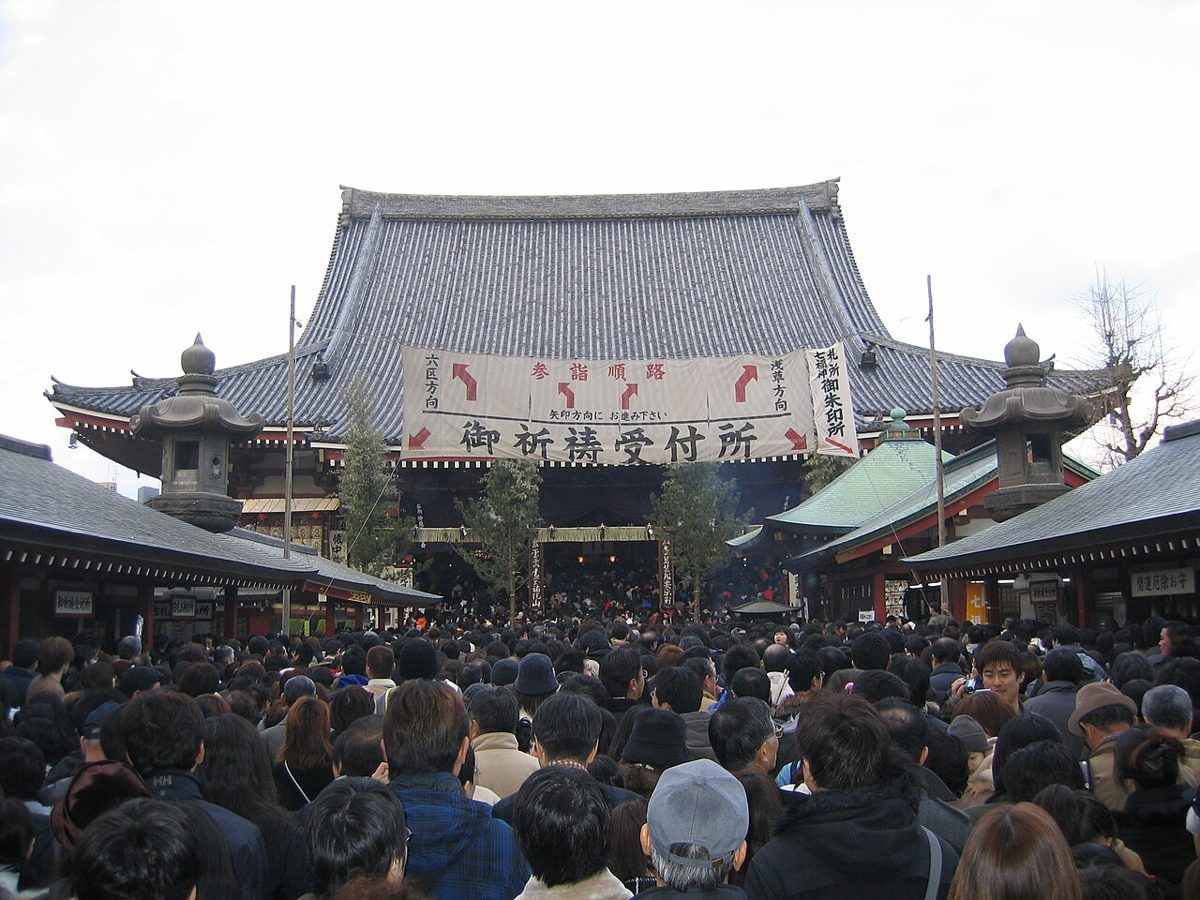
Hatsumode is the single most important New Year custom, and the one you’re most likely to join. It means making your first visit of the year to a shrine or temple to give thanks and pray for the year ahead. Shrines open their gates on New Year’s Eve and stay open through the night, so many people go straight at midnight; others spread the visits across January 1-3, and the period technically runs to around January 7 (matsu-no-uchi), when the New Year decorations come down.
The scale is hard to overstate. Across the country, tens of millions do hatsumode in the first three days, and the big Tokyo sites handle crowds you have to see to believe. It’s festive rather than solemn — food stalls line the approaches, people come in kimono, and there’s a warm, hopeful buzz in the cold air. For background on the sites themselves, see our guide to Tokyo’s temples and shrines.
Best Shrines and Temples for Hatsumode in Tokyo
Meiji Shrine — the biggest of all (Harajuku)
Meiji Shrine, in its forest beside Harajuku, records the largest hatsumode attendance in Japan — around three million people over the first three days. The wide gravel approach under the great wooden torii gates absorbs the crowds better than you’d expect, but expect to shuffle slowly toward the main hall on January 1-2. At the rear you’ll find stalls selling omikuji fortunes and ema plaques stamped with the year’s zodiac animal (2026 is the Year of the Horse). It’s the definitive Tokyo hatsumode experience; our Meiji Shrine guide covers the grounds in detail.
Senso-ji — the great temple (Asakusa)
Senso-ji in Asakusa is the temple counterpart, and just as mobbed. The Nakamise shopping street leading to it is strung with New Year decorations, the giant red lantern of the Kaminarimon glows, and the smell of incense and grilled snacks fills the air. Come early morning or late evening on the first days to avoid the worst crush. See our guide to the Asakusa temple for layout and timing.
Zojoji — the Goldilocks option (Tokyo Tower)
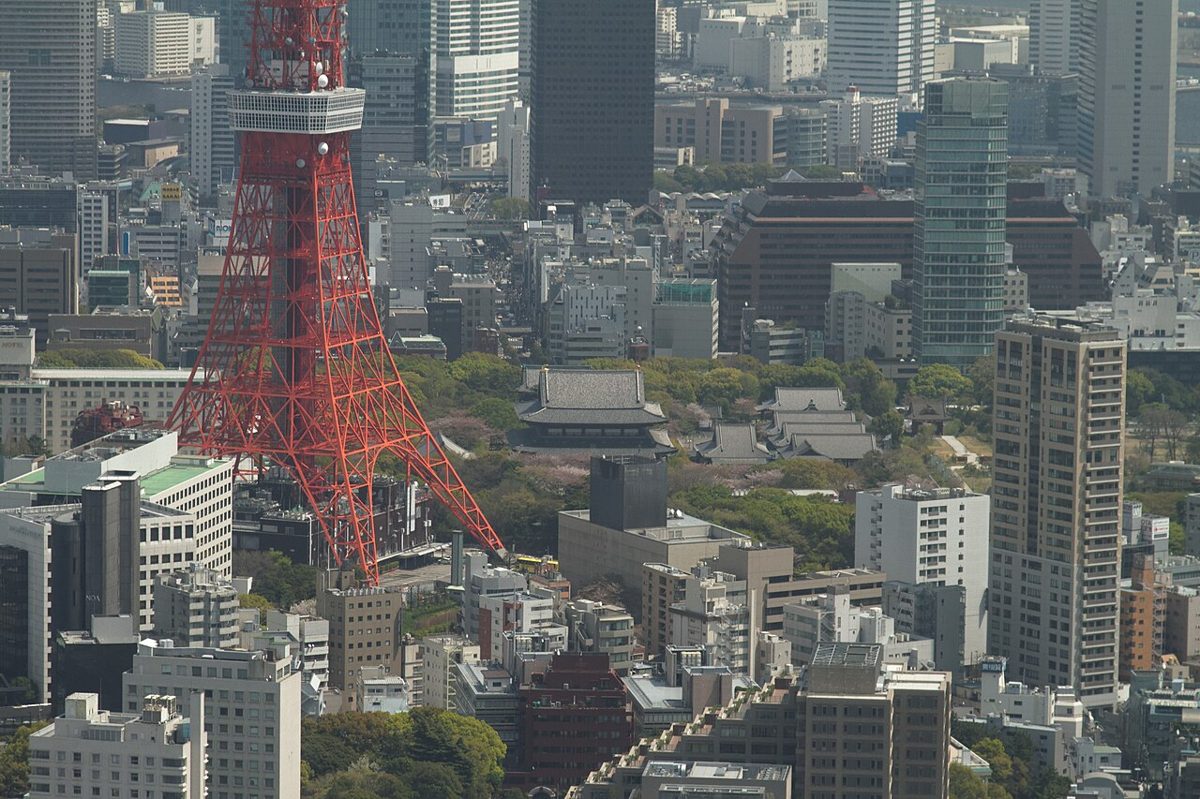
If the millions at Meiji sound like too much, Zojoji is the answer: a major temple with wide-open grounds and Tokyo Tower lit up directly behind it, so it never feels as packed as the headline spots while still buzzing. It also hosts one of the city’s best New Year’s Eve countdowns (more below). For a balance of atmosphere and elbow room, this is the pick.
Kanda Myojin and Naritasan — strong alternatives
Kanda Myojin, near Akihabara, is beloved by tech and business people who come to pray for prosperity — fittingly, it sells IT-protection charms alongside the traditional ones. A little further out, Naritasan Shinshoji (in Narita, handy if you’re near the airport) is one of Japan’s most visited temples at New Year, with a grand hall and pilgrimage atmosphere. Hie Shrine and Tomioka Hachiman round out the options.
Tokyo Hatsumode Spots Compared
| Spot | Area / station | Crowd level | Why go |
|---|---|---|---|
| Meiji Shrine | Harajuku | Extreme (~3 million) | The definitive, biggest hatsumode |
| Senso-ji | Asakusa | Very high | Iconic temple, lantern-lit Nakamise |
| Zojoji | Onarimon / Shibakoen | Moderate-high | Tokyo Tower backdrop, countdown |
| Kanda Myojin | Ochanomizu / Akihabara | Moderate | Business & ‘IT’ luck charms |
| Naritasan Shinshoji | Narita | Very high | Grand pilgrimage temple near airport |
How to Do Hatsumode: Etiquette and What to Buy
The ritual is simple, and locals are happy to see visitors take part if you follow the flow. At a shrine: toss a coin (a ¥5 coin, go-en, is considered lucky because it sounds like ‘good fortune’) into the offering box, bow twice, clap twice, make your wish silently, then bow once more. At a Buddhist temple you don’t clap — you put your hands together quietly and bow. Either way, keep it brief; there’s a long line behind you.
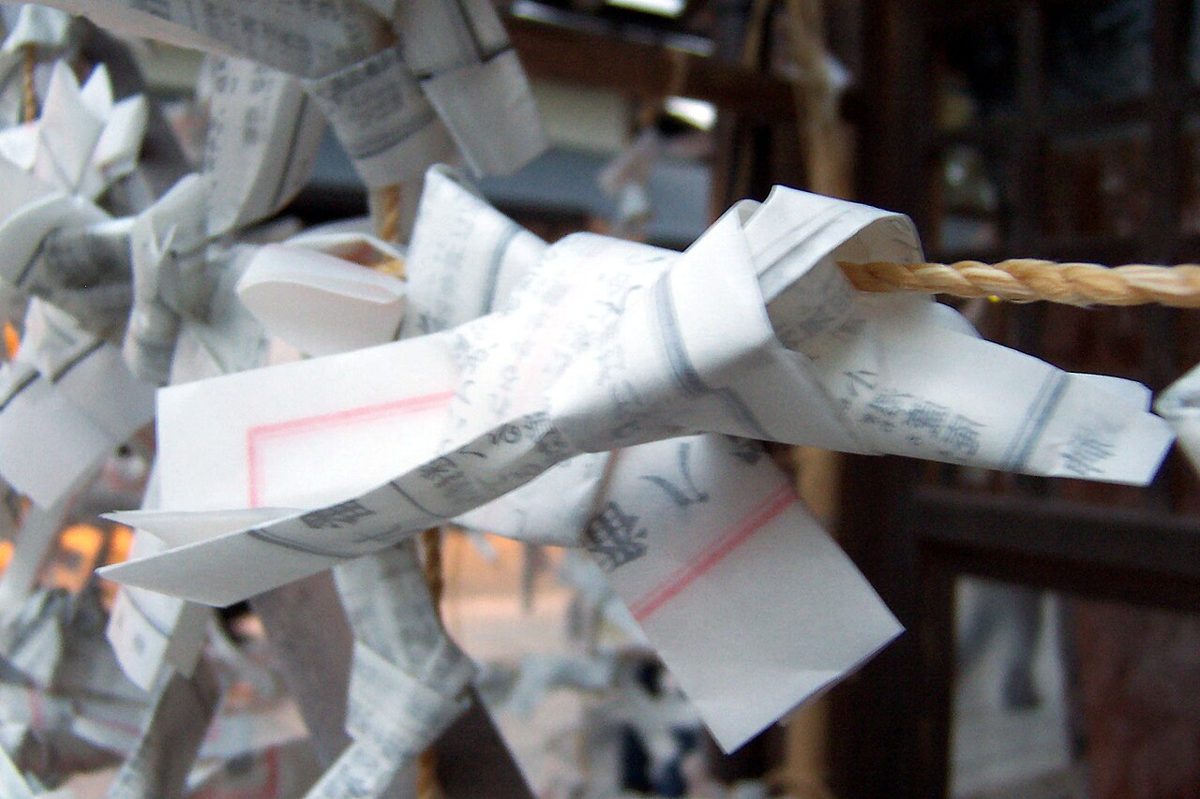
Afterward, most people buy something to carry the luck home. Omikuji are paper fortunes (from great luck to bad) — if you draw a poor one, tie it to the provided rack to leave the bad luck behind. Omamori are cloth amulets for specific wishes (health, study, traffic safety, love), usually ¥500-1,000. Ema are small wooden plaques you write a wish on and hang up. And many people return last year’s charms to be ceremonially burned. A quick read of our etiquette primer for Japan will have you moving through it like you’ve done it before.
New Year’s Eve: Joya no Kane and the Countdown
December 31, omisoka, has its own rituals. As midnight nears, Buddhist temples across the city ring their great bells 108 times — joya no kane — once for each of the earthly desires that, in Buddhist thought, cause human suffering; the slow tolling is meant to cleanse them as the year turns. At some temples you can queue to strike the bell yourself.
Tokyo also does a modern countdown. Shibuya’s scramble crossing becomes a vast, good-natured street party as the year flips. Zojoji releases thousands of balloons carrying people’s wishes at midnight, with Tokyo Tower glowing behind — one of the most photogenic moments of the Tokyo year. And on the morning of January 1, many people seek out hatsuhinode, the year’s first sunrise, from high decks, hilltops and bayside spots, believed to bring good fortune. Handily, the major train lines run all night on December 31 so you can move between the countdown and a midnight shrine visit. More on the season around it in our Tokyo winter guide.
New Year Food: Osechi, Soba and Mochi
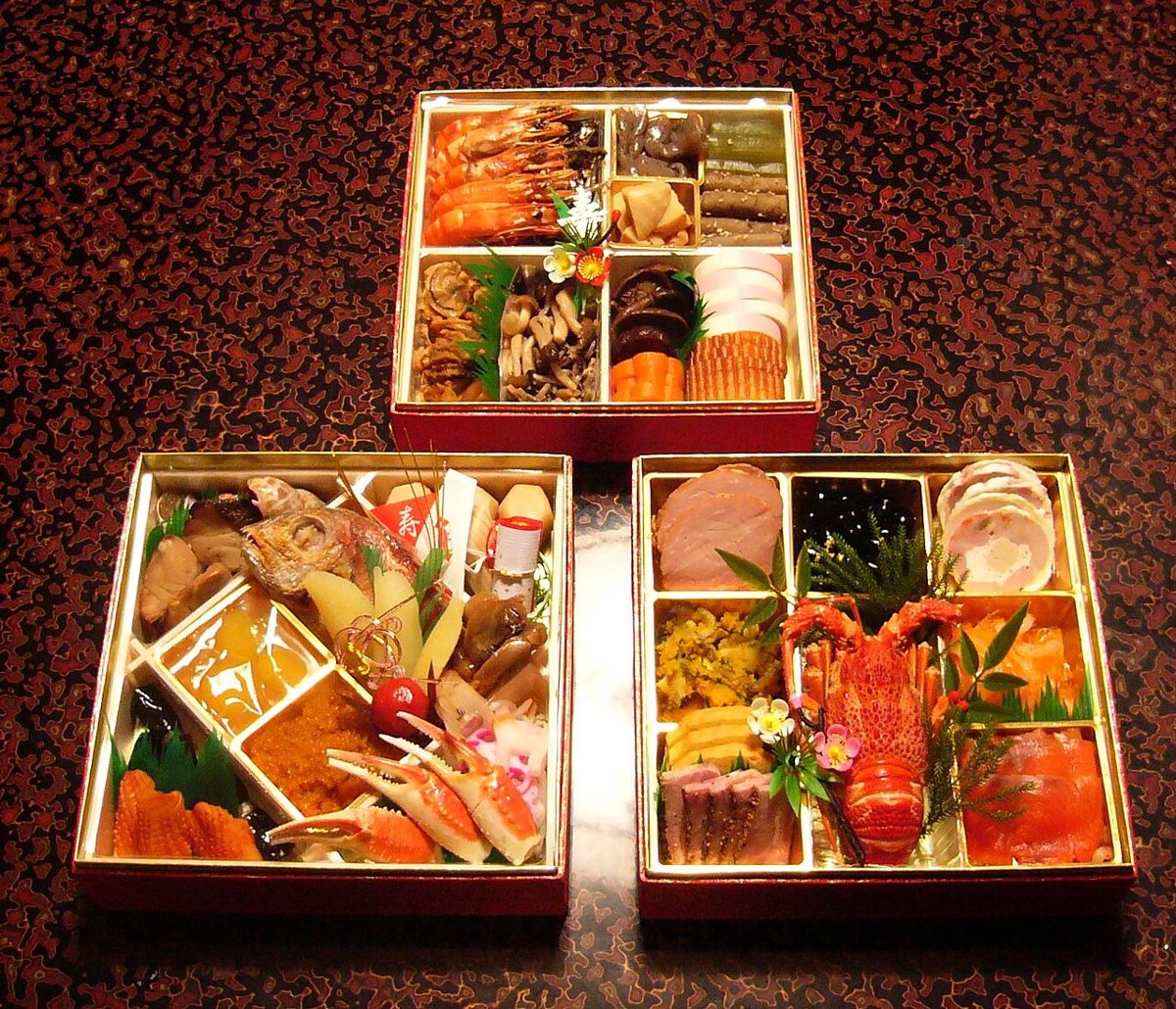
Food carries a lot of meaning at oshogatsu. On New Year’s Eve, families eat toshikoshi soba — ‘year-crossing’ buckwheat noodles — whose long strands symbolise a long life and whose easy snapping represents cutting off the year’s misfortunes. Then, from January 1 to 3, comes the centrepiece: osechi ryori, a spread of small symbolic dishes arranged in stacked lacquer boxes (jubako), originally so no one had to cook during the holiday.
Each osechi item carries a wish. A few you’ll spot:
- Kuromame (sweet black soybeans) — for health and hard work.
- Kazunoko (herring roe) — for fertility and many descendants.
- Tai (sea bream) — its name puns on ‘medetai’, meaning auspicious.
- Ebi (prawns) — their bent backs symbolise long life.
- Datemaki (sweet rolled omelette) — shaped like a scroll, for learning.
- Kobumaki (rolled kelp) — puns on ‘yorokobu’, to rejoice.
On New Year’s morning, families eat ozoni, a soup with mochi rice cakes (the broth and ingredients vary by region). Mochi appears everywhere over the holiday — and a word of caution that locals take seriously: the sticky cakes are a real choking hazard, causing deaths every year, especially among the elderly and young children. Cut it small, chew well. Children, meanwhile, receive otoshidama — New Year money in small decorated envelopes — the highlight of the holiday if you’re under twelve. To try the seasonal flavours yourself, even the convenience stores stock New Year specials; our guide to festival and stall snacks points to more seasonal eats.
New Year Decorations
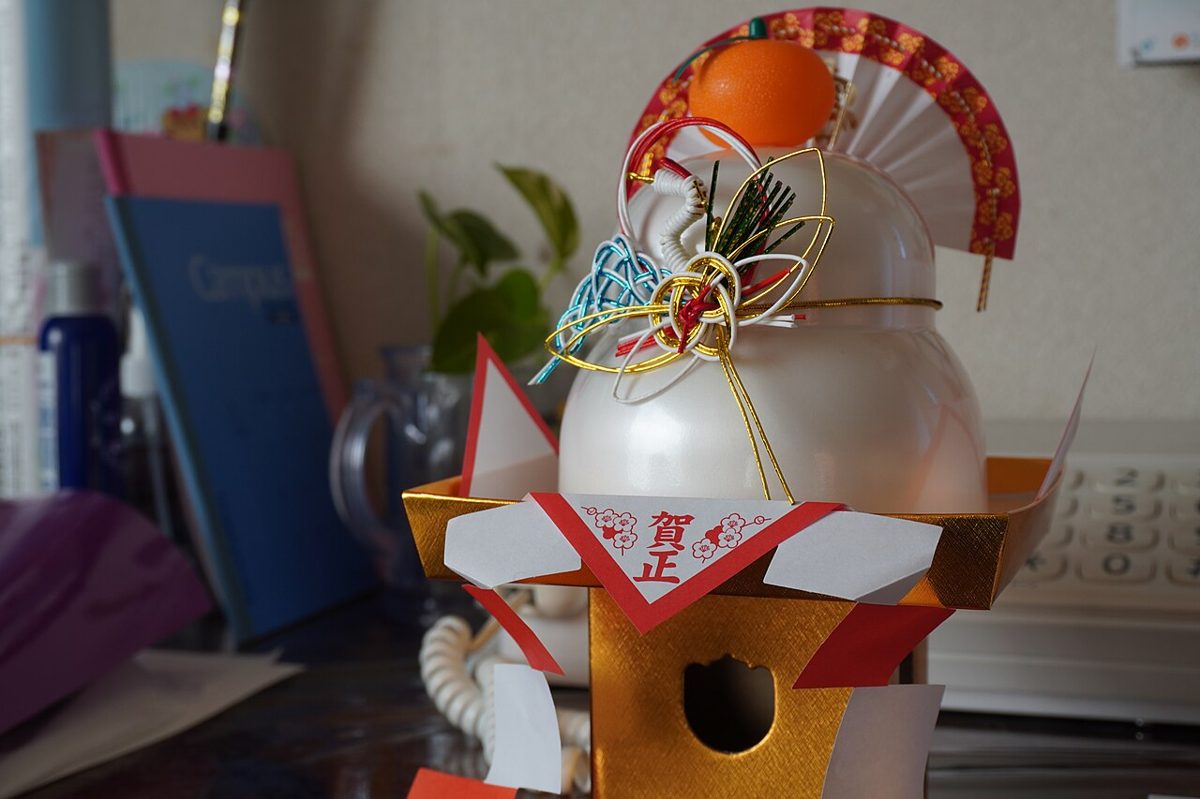
In the days before January 1, you’ll notice special decorations appear at doorways and in shop windows. Kadomatsu — arrangements of cut bamboo and pine, sometimes with plum sprigs — stand in pairs at entrances to welcome the New Year deities. Shimekazari, a wreath-like rope-and-paper ornament hung on doors, marks the home as purified and ready. Indoors, families display kagami mochi: two round rice cakes stacked with a bitter orange (daidai) on top, a ‘mirror’ offering broken and eaten in mid-January. And in the post, nengajo — New Year greeting cards, often featuring the year’s zodiac animal — are timed by the post office to all arrive on January 1. Spotting these decorations is a quiet pleasure of a New Year visit; they turn the whole city subtly festive.
What’s Open and Closed Over New Year
This is the practical part that trips visitors up. Unlike Golden Week, the New Year holiday genuinely slows Tokyo down. From around December 31 to January 3, many independent restaurants, small shops, clinics and some museums close, and department stores typically shut on January 1, reopening on the 2nd. If you have a specific restaurant or sight in mind, check its New Year hours rather than assuming.
What stays open and lively: convenience stores and many chain restaurants, the temples and shrines (the busiest they ever are), Tokyo Disney Resort and teamLab, and the big entertainment districts in the evening. The smart move for January 1 is a day built around hatsumode, walking, and the open attractions, saving the shopping and museums for January 2 onward. For the wider winter context — illuminations, weather, day trips — pair this with our winter guide.
Fukubukuro: Lucky Bags and New Year Sales
From January 1-2, the shopping mood returns with a bang in the form of fukubukuro — sealed ‘lucky bags’ that stores fill with discounted mystery stock worth two or three times the price, often ¥5,000-11,000. Fashion brands, electronics chains, cafes and even some restaurants sell them, and the popular ones draw long queues before opening; some now reveal the contents in advance or let you reserve online. Alongside the lucky bags, winter clearance sales sweep Ginza, Shinjuku and Shibuya. It’s the best shopping window of the year — bring a foldable bag, because you’ll fill it. Our breakdown of Tokyo’s shopping districts covers where to go.
Tips for Visiting Tokyo at New Year
Time your shrine visit
For the big sites, the absolute peak is the first hour of January 1 and the daytime of January 1-2. Go in the early morning or after dark, or wait until January 4-7 (still within hatsumode season) for a calmer visit with the decorations still up.
Plan January 1 carefully
Assume reduced services on New Year’s Day: build the day around shrines, parks, the open attractions and a meal somewhere you’ve confirmed is open. By January 2-3 the city is reawakening, and from the 4th most things are back to normal.
Dress warm and carry cash
You’ll be standing outdoors in the cold, often late at night, so layer up and bring hand-warmers. Shrine stalls, charms and fortunes are cash-only, and ATMs can run dry over the holiday, so carry enough yen. For more of what the season offers, see our hub of Tokyo events and festivals.
More New Year Customs Worth Knowing
Hatsuhinode — the first sunrise
Watching the first sunrise of the year, hatsuhinode, is one of the most cherished New Year customs, believed to bring a year of good fortune. People rise before dawn on January 1 and head for somewhere with a clear eastern horizon — high observation decks, hilltops, bayfront parks and beaches. In Tokyo, the open decks of skyscrapers and the Odaiba waterfront are popular, and some observatories open specially for early-morning sunrise viewing (book ahead, as these sell out). Wrap up warmly; you’ll be standing still in the coldest hour of the day. For more vantage points, see our Tokyo photo spots guide.
The Emperor’s New Year greeting
On January 2, the Imperial Palace opens its normally closed inner grounds for Ippan Sanga, when the Emperor and Imperial Family appear on a balcony to greet the public several times through the day. It’s one of only two days a year the inner palace is accessible, and tens of thousands come to wave flags and receive the greeting — a rare, free chance to glimpse the heart of the Japanese state.
Old games and the lion dance
Traditional New Year play still lingers, especially at shrines and family gatherings: karuta (a fast card-matching game), hanetsuki (a badminton-like game with wooden paddles), kite-flying (takoage), and spinning tops. You may also catch a shishimai lion dance, where a performer in a lion mask ‘bites’ onlookers’ heads to ward off bad luck and illness for the year — getting a gentle bite is considered good fortune, so don’t flinch.
A New Year Day-by-Day for Visitors
Here’s how to thread the holiday as a traveller. December 31 (omisoka): have an early dinner of toshikoshi soba at a noodle shop, then choose your midnight — the Shibuya countdown, the balloon release and bell at Zojoji, or a temple where you can hear (or strike) the joya no kane. The trains run all night, so you can even do a countdown and then a midnight shrine visit.
January 1: sleep in after the late night, or rise for hatsuhinode, then do a relaxed hatsumode at a shrine in the afternoon or evening when the first-hour crush has eased. Keep the day simple — many shops are shut. January 2: the city reopens; catch the Emperor’s greeting at the Imperial Palace in the morning and dive into the fukubukuro lucky bags and sales as the department stores throw open their doors. January 3 onward: normal service resumes, with hatsumode still possible at calmer shrines through about the 7th. Slot it all into a flexible plan with our 3-day Tokyo itinerary.
Is New Year a Good Time to Visit Tokyo?
For the right traveller, it’s a special one. You trade a few days of closures and some cold, late nights for something most tourists never see: a great city in its most heartfelt, ritual mood, the shrines alive with millions of hopeful people, the food and decorations rich with meaning, and a genuine sense of a year turning over. If you come curious and plan around the holiday rhythm — shrines and open attractions early in the period, shopping and museums from January 2 — a New Year trip becomes one of the most memorable ways to experience Tokyo.
The days leading up to all of this matter almost as much. From about 29 December Tokyo begins shutting down — museums, gardens and most independent restaurants close, department stores follow on 1 January, and Ameyoko turns into a shouting scrum of New Year food shopping. Our guide to Tokyo in December sets out exactly what closes and when, so the week does not catch you out.
One thing worth saying plainly: hatsumode runs all month, not just on the first three days. Going early on the 4th or later gives you the same ritual and the same charms with a tiny fraction of the crowd — and the rest of January is the cheapest, clearest, emptiest stretch of the Tokyo year. Our guide to Tokyo in January covers the whole month.
On New Year’s Eve, many Tokyo families eat toshikoshi soba, year-crossing noodles, for a long life. The old soba houses are packed on 31 December, so go early in the day or pick up a bowl at a standing counter. Our best soba and udon in Tokyo guide lists the classic shops.
Frequently Asked Questions
What is hatsumode?
Hatsumode is the first shrine or temple visit of the new year, when people go to pray for health and good fortune in the year ahead. It’s the central custom of the Japanese New Year. Most people go in the first three days of January, often right at midnight on New Year’s Eve when the shrines open through the night. At the shrine you make a small offering, pray, and usually buy a fortune slip and a lucky charm.
Where is the best place for hatsumode in Tokyo?
Meiji Shrine is the most famous and the busiest in all Japan, with around three million visitors in three days. Senso-ji in Asakusa is the big-temple equivalent, with its lantern-lit Nakamise street. For something with the same atmosphere but more breathing room, Zojoji by Tokyo Tower is the sweet spot, and Kanda Myojin (popular with tech workers praying for business luck) and Naritasan are great alternatives.
Is Tokyo closed over New Year?
Partly. The New Year holiday (roughly Dec 31-Jan 3) is the one time Tokyo genuinely slows down — many restaurants, small shops and museums close for a few days, and department stores shut on Jan 1 before reopening Jan 2. But convenience stores, chain restaurants, temples and shrines (packed for hatsumode), Tokyo Disney and teamLab stay open. Plan a shrine-and-walking day for Jan 1 rather than a shopping-and-museum one.
What do Japanese people eat at New Year?
Several special foods. On New Year’s Eve they eat toshikoshi soba, year-crossing buckwheat noodles for longevity. From Jan 1-3 comes osechi ryori, an assortment of symbolic dishes in tiered lacquer boxes, plus ozoni, a soup with mochi rice cakes. Sweet rice mochi appears everywhere — delicious, but eat it carefully, as it’s a genuine choking hazard, especially for the very young and old.
Can tourists join Japanese New Year celebrations?
Yes, and it’s a wonderful time to visit if you don’t mind some closures. Anyone can do hatsumode at a shrine, watch the joya no kane bells at midnight, join the Shibuya or Zojoji countdown, try the seasonal food at convenience stores and open restaurants, and queue for fukubukuro lucky bags from Jan 1. Just go respectfully, follow the crowd’s lead at the shrine, and plan around the holiday closures.
Photo Credits
- Meiji Shrine draws around three million people for hatsumode each New Year — Photo: wilford peloquin / CC BY 2.0 via Wikimedia Commons
- Zojoji temple, framed by Tokyo Tower, hosts a famous New Year’s Eve countdown — Photo: KimonBerlin / CC BY-SA 2.0 via Wikimedia Commons
- Osechi ryori — symbolic dishes in tiered lacquer boxes — eaten over the first three days — Photo: Unknown / Public domain via Wikimedia Commons
- Kagami mochi: two stacked rice cakes topped with a bitter orange, a New Year display — Photo: clvs7 / CC0 via Wikimedia Commons
- Senso-ji in Asakusa, one of Tokyo’s busiest hatsumode temples — Photo: Benjamin Hollis / CC BY 2.0 via Wikimedia Commons
- Omikuji fortune slips and ema plaques are part of the hatsumode ritual — Photo: Chris Gladis (MShades) from Kyoto, Japan / CC BY 2.0 via Wikimedia Commons