Tokyo Transportation · Guide №061
Haneda Airport to Tokyo: The Complete Transfer Guide
How to get from Haneda Airport to Tokyo in 2026 - the Monorail, Keikyu Line, Limousine Bus and flat-rate taxis - with current fares, times and a clear comparison table.
目次 — Contents
- The quick answer: which Haneda route to take
- Tokyo Monorail: 13 minutes to Hamamatsucho
- Keikyu Line: 15 minutes to Shinagawa, direct to Asakusa
- How the trains connect to the major hubs
- Airport Limousine Bus: door-to-door comfort
- Taxis and flat-rate fares
- Haneda to Tokyo: the options compared
- Why Haneda is usually faster and closer than Narita
- IC cards: tap and go
- Very late or very early flights
- Accessibility
- Mistakes to avoid
- Step by step: riding the train from arrivals
- Getting to Disney, Odaiba and other spots
- Which terminal, and getting between them
- Tickets and passes worth buying
- Keikyu vs Monorail: the honest comparison
- Frequently Asked Questions
- My bottom line
- Photo Credits
This article contains advertising. Our booking links are routed through a partner that adds commission tracking automatically, so if you book through one we earn a commission from the provider, at no extra cost to you. It never affects what we recommend. Affiliate disclosure
Getting from Haneda Airport to Tokyo is refreshingly easy. The airport sits just 15 km from the city centre, so you can be at Shinagawa in about 15 minutes on the Keikyu Line or at Hamamatsucho in 13 minutes on the Tokyo Monorail, often for around 500 yen. Below is every route into town with current 2026 fares, journey times and exactly how to ride.
After enough trips through both of Tokyo’s airports, my honest take is this: if you have the choice, fly into Haneda. It is closer, the trains are cheaper, and even a late arrival is far less stressful than it is out at Narita. The trade-off is almost nothing. Here is how to make the most of it, starting with the two trains you will actually use.
First, the layout. Haneda has three passenger terminals. Terminal 1 and Terminal 2 mostly handle domestic flights (JAL is based in T1, ANA in T2), though T2 also takes some international departures. Terminal 3 is the main international terminal — if you have flown in from overseas, you most likely land here. All three terminals are linked by free shuttle buses and, more usefully, by the same two train lines, so wherever you arrive you have the same options. The Keikyu and Monorail platforms sit on the basement level (B1F) of Terminals 1 and 2; at Terminal 3 the gates are on the arrivals floor.
The quick answer: which Haneda route to take
Before the detail, the short version:
- Staying near the Yamanote loop — Shinjuku, Shibuya, Tokyo Station, Ueno? Take the Keikyu Line to Shinagawa and change to JR, or the Monorail to Hamamatsucho and change to JR. Both are quick and cheap.
- Heading to Asakusa, Nihombashi, Ginza or the Skytree side? The Keikyu Line through-service runs straight onto the Toei Asakusa subway, no transfer.
- Going to a specific hotel with heavy bags? The Airport Limousine Bus drops you at the door.
- Arriving on a red-eye after the trains stop? A late-night bus, a flat-rate taxi, or wait for the first train around 5am.
For how all of this connects to the wider network once you are in the city, start with our Tokyo transportation guide. And if you are still booking, our guide to flights to Tokyo spells out which routes use Haneda versus Narita.
Tokyo Monorail: 13 minutes to Hamamatsucho
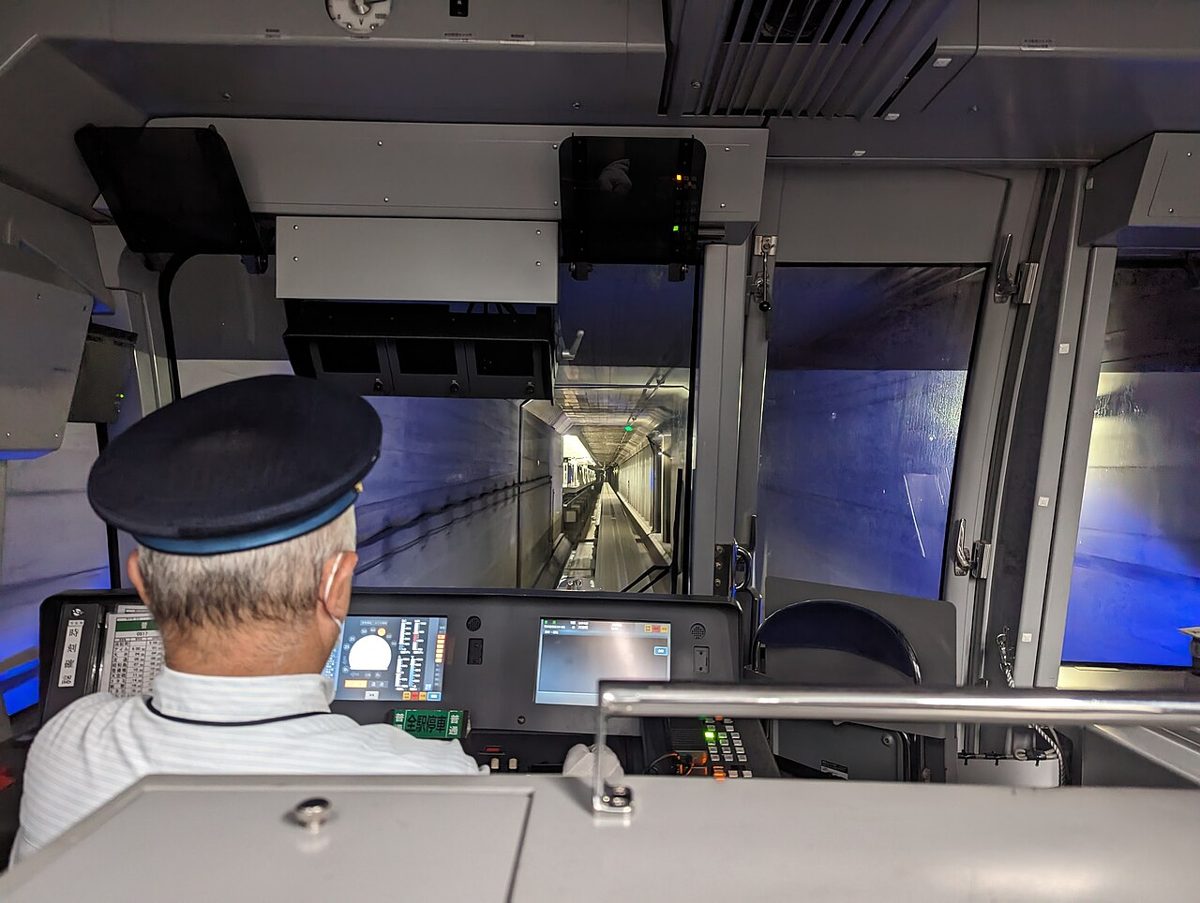
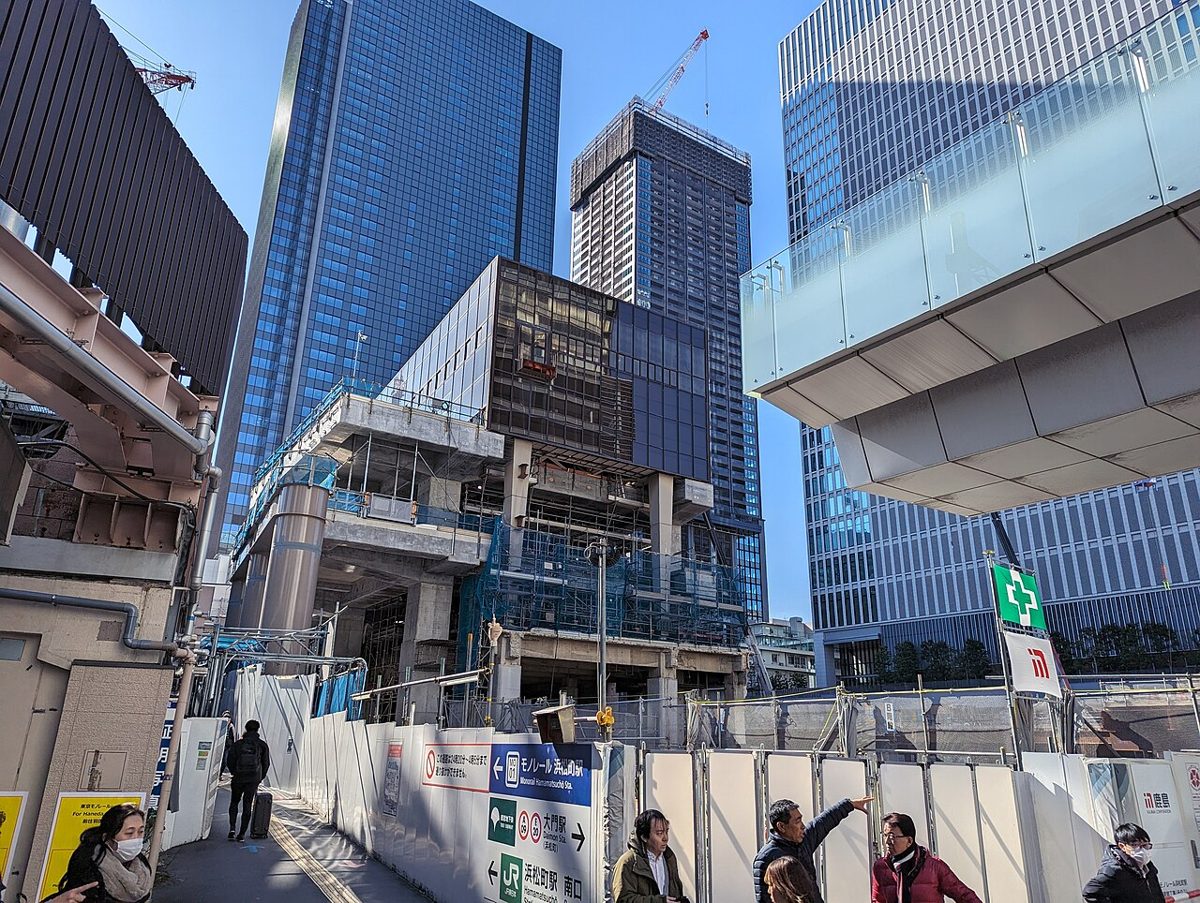
The Tokyo Monorail glides along an elevated track over Tokyo Bay and reaches Hamamatsucho Station in as little as 13 minutes from Haneda. The fare is about 520 yen with an IC card (519 yen, to be exact). At Hamamatsucho you transfer to the JR Yamanote Line and the JR Keihin-Tohoku Line, which carry you on to Tokyo Station, Shimbashi, Shinagawa and around the loop to Shibuya, Shinjuku and Ueno.
There are three service patterns — Haneda Express (fewest stops, fastest), Rapid, and Local — but they all cost the same and the time difference is only a few minutes, so just board whatever turns up. Trains run very frequently, roughly every 4 minutes at peak, from around 5am to past midnight. The views over the bay and the runways on the way in are a genuinely nice first taste of the city.
The weekend Monorail discount
Here is a tip most visitors miss: on Saturdays, Sundays and public holidays, the Monorail & Yamanote Line Discount Ticket lets you ride from Haneda to Hamamatsucho and then continue to any JR Yamanote Line station for a flat 540 yen — saving up to 260 yen over buying the two legs separately. You buy it at the ticket machines in the Haneda Monorail stations. If you land on a weekend and you are headed to Shinjuku, Shibuya, Ueno or anywhere on the loop, this is the cheapest way in, full stop.
Keikyu Line: 15 minutes to Shinagawa, direct to Asakusa
The Keikyu Airport Line is my usual pick, especially for the east and central side of the city. It reaches Shinagawa in about 11-14 minutes (depending on which terminal and which train) for roughly 327 yen with an IC card. Shinagawa is a major JR hub — change there for the Yamanote Line, the Tokaido Line, and the Tokaido Shinkansen if you are heading out of town. For its speed and price, the Keikyu is hard to beat.
Its real party trick is the through-service. Many Keikyu trains run straight onto the Toei Asakusa subway line without stopping, carrying you directly to Sengakuji, Shimbashi, Higashi-Ginza, Nihombashi, Asakusabashi, Asakusa and Oshiage (for Tokyo Skytree) — no transfer at all. From Haneda, that is roughly 20 minutes to Tokyo Station-area stops, 24 minutes to Shimbashi, and about 32-35 minutes to Asakusa. If your hotel is anywhere along the Asakusa Line, you can ride from the airport to the nearest station in one sitting.
A small thing worth knowing about Keikyu trains
Keikyu runs several train types — Airport Limited Express (Airport Kyuko), Limited Express, and Rapid — and not all of them continue onto the Asakusa Line; some terminate at Shinagawa or branch toward Yokohama instead. The platform displays at Haneda show the final destination in English, so glance at the board: if it shows an Asakusa Line station you can ride through, and if it shows Shinagawa you will simply change there for JR. To buy a ticket, press the “Toei Line” or “Transfer to JR at Shinagawa” button on the machine. Honestly, with an IC card you can skip all of that and just tap through.
How the trains connect to the major hubs
Here is how to reach the districts where most visitors stay, using the official Haneda travel times:
- Shinagawa: Keikyu direct, 11-14 min. The fastest hop into the city.
- Hamamatsucho: Monorail direct, 13 min, then JR.
- Tokyo Station: about 20-23 min via Keikyu (Asakusa Line area) or Monorail + JR.
- Shibuya: about 26 min — Keikyu to Shinagawa, then Yamanote; or Monorail to Hamamatsucho, then Yamanote.
- Shinjuku: about 30-33 min via the same transfers.
- Ueno / Asakusa: about 35-40 min — Keikyu through-service is the cleanest route to Asakusa.
- Yokohama: about 23-30 min on the Keikyu Main Line, direct.
Airport Limousine Bus: door-to-door comfort
If you would rather not deal with stairs and transfers, the Airport Limousine Bus runs from all three Haneda terminals to Shinjuku, Ikebukuro, Tokyo Station, Ginza, Asakusa, Odaiba, Toyosu and a long list of named hotels. You stow your bags in the hold and step off at, or very near, your accommodation. Fares to the Shinjuku and Ikebukuro hotels run around 1,300 yen daytime, and the trip takes roughly 35-55 minutes depending on traffic and your stop.
Because Haneda is so close to the city, the bus is far more competitive here than it is from Narita — the journey is short enough that traffic rarely turns it into an ordeal. Buy at the Limousine Bus counters in the arrivals halls, where staff will tell you the numbered stop for your bus. Keikyu also runs its own limousine coaches to some areas. For a family arriving with a stack of suitcases, the bus straight to the hotel lobby is often worth the extra few hundred yen over the train.
Taxis and flat-rate fares
A regular metered taxi from Haneda into central Tokyo is genuinely viable — because the distance is short, it will not bankrupt you the way a Narita taxi can. Better still, Haneda offers a flat-rate (teigaku) taxi system with the fare fixed by destination ward, so there are no surprises. As a rough 2026 guide, expect around 7,600 yen to Tokyo Station, 7,800 yen to Shinjuku, 8,500 yen to Shibuya and 9,100 yen to Asakusa, plus the expressway toll (capped at about 1,950 yen).
Flat rates cover a wide list of wards and cities — Chiyoda, Chuo, Minato, Shinjuku, Shibuya, Taito, Sumida and many more, plus Musashino and Mitaka. A late-night surcharge of around 20% applies between 22:00 and 05:00. Only taxis queued at the official rank guarantee the flat fare, so use the rank rather than flagging a passing cab. If the driver does not bring it up, say “teigaku” and confirm the destination and price before you set off. For two to four people splitting the cost late at night, a flat-rate taxi is often the smartest move.
Haneda to Tokyo: the options compared
Everything side by side. Times are to central Tokyo; fares are typical 2026 one-way prices.
| Option | Time to central Tokyo | Fare (one way) | Best for |
|---|---|---|---|
| Keikyu Line | 11-14 min to Shinagawa; ~32 to Asakusa | ~327 yen IC to Shinagawa | Speed & value; direct to Asakusa/Ginza |
| Tokyo Monorail | 13 min to Hamamatsucho | ~520 yen (540 weekend Yamanote deal) | Yamanote loop; bayside views |
| Airport Limousine Bus | 35-55 min (traffic) | ~1,300 yen to Shinjuku | Door-to-door to a specific hotel |
| Flat-rate taxi | 20-40 min (traffic) | ~7,600-9,100 yen + toll | Groups of 3-4; late-night; heavy luggage |
| Late-night bus | 40-60 min | ~1,300 yen | Arrivals after the trains stop |
Why Haneda is usually faster and closer than Narita
The contrast is stark. Haneda sits about 15 km south of central Tokyo; Narita is some 60 km east, out in Chiba. From Haneda you reach Shinagawa in 15 minutes and most central districts in 20-35 minutes, often for around 500 yen. From Narita, even the fastest train — the Keisei Skyliner — needs 36 minutes just to reach the edge of the city, and most options cost two to five times more. If your flight gives you a choice, Haneda saves you time, money and the late-night anxiety of missing the last train. If you are landing at Narita instead, our full guide to getting from Narita Airport to Tokyo breaks down every option there too.
IC cards: tap and go
Do yourself a favour and pick up a Suica or Pasmo IC card the moment you arrive. You tap it at the gate, the exact fare is deducted automatically, and you never have to decode a fare chart or buy the right paper ticket. Both cards work identically on the Monorail, the Keikyu Line, every Tokyo subway and JR train, buses and even convenience stores. Buy and top up at the ticket machines in the Haneda train stations. Our Suica vs Pasmo guide covers the minor differences, but either one is fine — and Mobile Suica on an iPhone or Android phone works just as well if you would rather go cardless.
With an IC card, the Monorail and Keikyu, including the Keikyu through-service to Asakusa, are pure tap-in, tap-out journeys with no extra surcharge. The only times you need a separate ticket are the discount deals (like the weekend Monorail-Yamanote ticket) or the bus.
Very late or very early flights
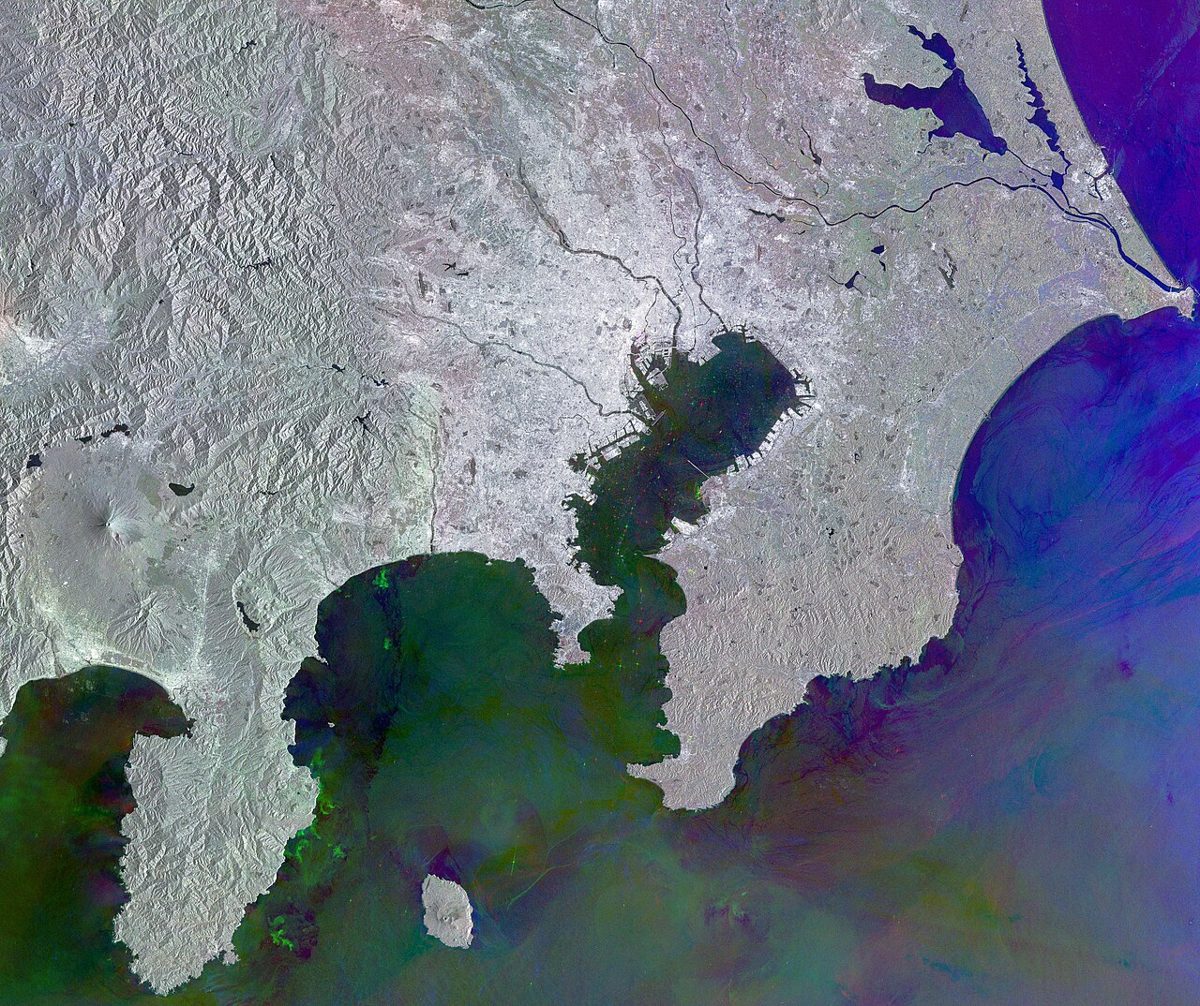
Haneda runs flights around the clock, which is exactly why this matters. The Monorail and Keikyu both stop running around midnight and the first trains start about 5am. If you land in that overnight gap — say a 1am arrival — you have three realistic choices.
First, the late-night Limousine Bus: a limited number of departures run into the small hours (roughly the 24:00-02:00 window) mainly toward Shinjuku and Ikebukuro for about 1,300 yen. Second, a flat-rate taxi with the late-night surcharge — pricier, but it runs whenever you land and is reasonable split between a few people. Third, simply wait for the first train: Haneda has comfortable 24-hour areas, cafes and convenience stores, and plenty of travellers happily camp out for a couple of hours rather than pay for a midnight taxi. For an early-morning departure, remember the first trains do not run until around 5am, so if you need to be at the airport before that, plan a taxi or an airport hotel the night before.
Accessibility
Haneda is one of the most accessible airports anywhere. Every terminal has step-free routes, elevators to the B1F train platforms, and accessible toilets, and the airport publishes detailed barrier-free guidance. The Tokyo Monorail and Keikyu trains both accommodate wheelchairs, with staff at the gates ready to set up a boarding ramp and radio ahead to your destination station — just flag them when you arrive. The Limousine Bus accepts foldable wheelchairs in the luggage hold. If you are travelling with a stroller, small children or reduced mobility, you will find Haneda noticeably easier to navigate than most airports you have used.
Mistakes to avoid
- Overthinking Monorail vs Keikyu. They cost about the same and are both quick. Pick by where you are going: Keikyu for Shinagawa, Asakusa and Ginza; Monorail for Hamamatsucho and the Yamanote loop.
- Missing the weekend Monorail deal. On Saturdays, Sundays and holidays, the 540-yen Monorail & Yamanote ticket beats paying for two legs. Grab it at the machine.
- Boarding a Keikyu train that branches to Yokohama. Check the destination board — some trains head south to Yokohama rather than into the city.
- Assuming trains run all night. They stop around midnight. For a 1am landing, plan the late-night bus or a flat-rate taxi in advance.
- Flagging a random taxi instead of using the rank. Only taxis at the official rank guarantee the flat fare. Say “teigaku” and confirm the price first.
- Skipping the IC card. Tapping through is faster and removes all fare-chart guesswork. Buy one before you leave the station.
Step by step: riding the train from arrivals
If this is your first time, here is exactly what happens after you clear customs at Terminal 3. You follow the clear signs (in English) down to the train level — the Keikyu and Monorail gates are well marked and only a few minutes’ walk from the arrivals hall. You will pass a row of ticket machines and, usually, a staffed counter where you can buy an IC card. Tap your new Suica or Pasmo at the gate, walk to the platform, and board. Onboard screens and announcements call every stop in English, so you will know when to get off or change. The whole process, from immigration to sitting on a train, is genuinely about ten minutes once your bags are with you.
Buying a paper ticket instead is easy too: the machines switch to English, show a route map with fares, and take cash and cards. For the Keikyu, if you are continuing past Shinagawa onto the Toei Asakusa Line, press the “Toei Line” button so the machine charges the through-fare. But for nearly everyone, an IC card is simpler and you can stop reading fare charts entirely.
Getting to Disney, Odaiba and other spots
A few destinations come up again and again, so here is the quick guidance. For Tokyo Disney Resort (Maihama), the official travel time from Haneda is about 50 minutes; the cleanest route is the Monorail to Hamamatsucho, then JR to Tokyo Station, then the JR Keiyo Line to Maihama, though a direct Limousine Bus to the Disney hotels also runs and saves you the transfers with luggage. For Odaiba, the bayside entertainment area, the Limousine Bus runs there directly, or you can take the train to Shimbashi and change to the Yurikamome. For Tokyo Skytree, ride the Keikyu through-service to Oshiage, which is the Skytree’s own station — no transfer needed.
And if you are connecting onward to Narita for an international flight, the same Keikyu through-service runs all the way across the city and onto the Narita Sky Access Line — Haneda to Narita in roughly 95 minutes without leaving the train, which is a neat trick when you have a tight airport-to-airport connection.
Which terminal, and getting between them
Worth a closer look if your itinerary is split. Terminal 3 is the international hub and where most overseas arrivals land; Terminals 1 and 2 are primarily domestic (with some international flights now using T2). If you arrive internationally at T3 and have a connecting domestic flight from T1 or T2, you do not need to drag your bags far — a free shuttle bus loops between all three terminals every few minutes, and the train lines also stop at each terminal so you can hop one stop on the Keikyu or Monorail. Allow a little buffer for the transfer, but it is a smooth, well-signed process, and there are 24-hour areas in case your connection is overnight.
One practical note: at Terminal 3 the Keikyu ticket gates differ by direction — the gates for downtown Tokyo and Yokohama are on the 2nd-floor arrivals level, while the gates toward Terminals 1 and 2 are down on B2F. The signage makes this clear, but if you are heading into the city, look for the arrivals-floor gate rather than going down a level.
Tickets and passes worth buying
Beyond a plain IC-card tap, a few deals can save real money depending on your plans. The Monorail & Yamanote Line Discount Ticket (540 yen, weekends and holidays) is the standout for a weekend arrival heading anywhere on the loop. Keikyu sells the Keikyu Hanetoku Ticket & Tokyo Subway Ticket, which pairs a discounted Haneda-to-central-Tokyo Keikyu ride with an unlimited Tokyo subway pass — excellent if you will be hopping the Metro and Toei lines for the next day or two. There are also one-day Tokyo and Yokohama tickets on the Keikyu network for sightseeing further afield.
My rule of thumb: if you are only making the single airport hop and then using pay-as-you-go trains, just tap your IC card and skip the passes. If you arrive on a weekend, grab the 540-yen Monorail deal. And if you know you will be riding the subway heavily, a combined Keikyu-plus-subway ticket usually pays for itself within a day. All of these are sold at the airport station counters and machines, so you can decide on arrival.
Keikyu vs Monorail: the honest comparison
People agonise over this more than they need to, so let me settle it. On price, the Keikyu wins narrowly — about 327 yen to Shinagawa versus around 520 yen on the Monorail to Hamamatsucho — though the weekend Monorail-Yamanote deal flips that on Saturdays and Sundays. On speed, they are nearly identical: 11-14 minutes versus 13 minutes to their respective hubs. On reach, the Keikyu is more versatile because of its through-service to the Asakusa Line and onward to Yokohama, while the Monorail is a single short shuttle to Hamamatsucho.
So the tie-breaker is your destination. Going to Shinagawa, Shinjuku, Shibuya, Yokohama, Ginza, Nihombashi, Asakusa or the Skytree? Take the Keikyu. Staying right by Hamamatsucho, or just want the bay views and a dead-simple single transfer to the Yamanote loop? Take the Monorail. Either way, you are looking at a quick, cheap ride — there is no wrong answer, and on a busy arrival you can simply take whichever platform is closer and leaving sooner. That flexibility is part of what makes Haneda such a stress-free place to land.
Frequently Asked Questions
What is the cheapest way from Haneda Airport to Tokyo?
The trains are the cheapest. The Keikyu Line reaches Shinagawa for about 327 yen with an IC card, and the Tokyo Monorail reaches Hamamatsucho for about 520 yen. On weekends and holidays the Monorail & Yamanote Line Discount Ticket gets you from Haneda to any Yamanote Line station for a flat 540 yen, which is the best value of all.
How long does it take to get from Haneda to central Tokyo?
Very little. The Keikyu Line reaches Shinagawa in 11-14 minutes and the Monorail reaches Hamamatsucho in 13 minutes. From there, Tokyo Station is about 20-23 minutes total, Shibuya about 26, Shinjuku about 30-33, and Asakusa about 32-40 minutes via the Keikyu through-service.
Is the Tokyo Monorail or the Keikyu Line better from Haneda?
It depends on your destination. The Keikyu Line is best for Shinagawa, Yokohama, and the Asakusa Line corridor (Ginza, Nihombashi, Asakusa, Skytree) thanks to its no-transfer through-service. The Monorail is best for Hamamatsucho and a quick change to the Yamanote loop. They cost roughly the same, so choose by where you are staying.
How do I get from Haneda to Tokyo late at night?
The trains stop around midnight and restart about 5am. After the trains stop, take a late-night Limousine Bus (a few departures run roughly 24:00-02:00 toward Shinjuku and Ikebukuro for about 1,300 yen) or a flat-rate taxi with a late-night surcharge. Many travellers simply wait in the 24-hour airport areas for the first morning train.
Is Haneda or Narita closer to Tokyo?
Haneda is much closer. It sits about 15 km from central Tokyo and connects in 15-30 minutes by train, while Narita is around 60 km away and takes 36 minutes or more even on the fastest train. If you can choose your airport, Haneda is the easier and cheaper arrival.
My bottom line
Haneda makes arriving in Tokyo about as painless as international travel gets. For most people the decision is simple: tap an IC card and take the Keikyu Line if you are headed toward Shinagawa, Ginza or Asakusa, or the Monorail if you are aimed at the Yamanote loop. Spend the extra few hundred yen on the Limousine Bus if you are loaded with luggage, and keep a flat-rate taxi in your back pocket for a very late landing. Whatever you pick, you will be in the city before you have finished shaking off the flight.
Photo Credits
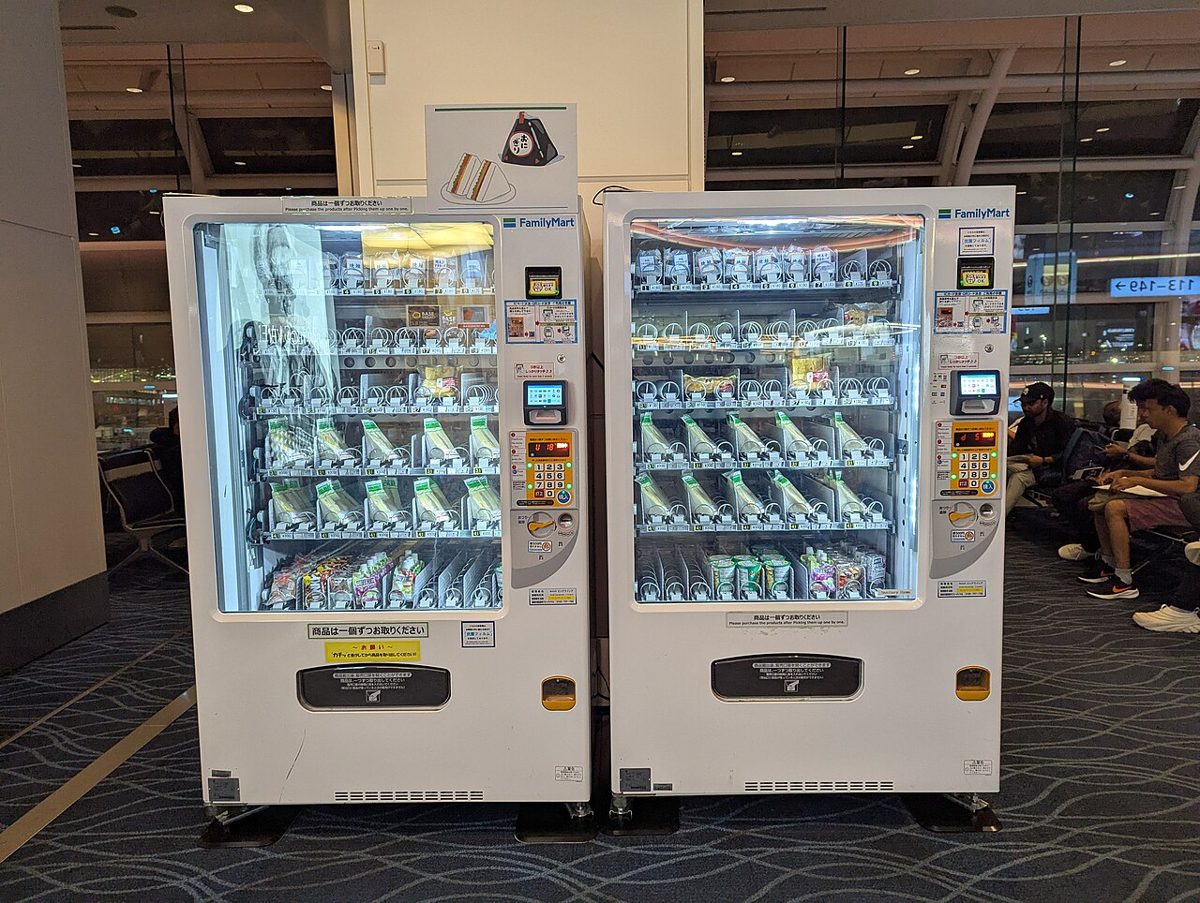
- Haneda sits just 15 km from central Tokyo, far closer than Narita — Photo: Momiji.Takinogawa / CC BY-SA 4.0 via Wikimedia Commons via Wikimedia Commons
- The Tokyo Monorail reaches Hamamatsucho in 13 minutes for around 520 yen — Photo: Syced / CC0 via Wikimedia Commons via Wikimedia Commons
- The Keikyu Line links Haneda to Shinagawa and runs through to Asakusa — Photo: Tennen-Gas / CC BY-SA 3.0 via Wikimedia Commons via Wikimedia Commons
- At Shinagawa you transfer to the JR Yamanote Line and the Tokaido Shinkansen — Photo: Syced / CC0 via Wikimedia Commons via Wikimedia Commons
- Hamamatsucho connects the monorail to the JR Yamanote and Keihin-Tohoku lines — Photo: Syced / CC0 via Wikimedia Commons via Wikimedia Commons
- Haneda runs flights around the clock, which is why late-night transfers matter here — Photo: European Space Agency / Attribution via Wikimedia Commons via Wikimedia Commons