Tokyo Food · Guide №049
Best Yakitori in Tokyo: A Skewer-by-Skewer Guide
From smoky under-the-tracks counters to Michelin omakase: the cuts and skewer glossary, tare vs shio, the best yakitori areas in Tokyo, how to order and what it costs.

目次 — Contents
- The skewer glossary: every cut, decoded
- Tare or shio? The only real decision
- Where to eat yakitori in Tokyo, from under-the-tracks to Michelin
- A quick comparison: which yakitori experience is right for you?
- How to order yakitori without freezing up
- The otoshi: that little dish you didn’t order
- What does yakitori cost in 2026?
- Etiquette and tips
- Common mistakes to avoid
- What makes great yakitori (and how to spot it)
- Yakitori vs kushiyaki, kushikatsu and robatayaki
- What to drink with yakitori
- Fitting yakitori into a night out
- Vegetarian and dietary notes
- A perfect yakitori evening, step by step
- How to Order at a Yakitori Counter Without Fumbling
- Frequently Asked Questions
- Photo Credits
This article contains advertising. Our booking links are routed through a partner that adds commission tracking automatically, so if you book through one we earn a commission from the provider, at no extra cost to you. It never affects what we recommend. Affiliate disclosure
The phrase best yakitori Tokyo covers an enormous range, from a ¥150 thigh skewer eaten standing under a railway bridge to a ¥20,000 omakase counter where a chef grills each piece to the second. The good news: almost all of it is delicious, and you do not need a Michelin reservation to eat brilliantly. This guide walks you through the cuts, the two sauces, the best neighbourhoods, how to order without freezing up, and what that mysterious small dish on your table actually costs.
Yakitori (literally grilled bird) is charcoal-grilled chicken on bamboo skewers, traditionally cooked over intensely hot binchotan white charcoal that sears the outside while keeping the inside juicy. A yakitori-ya can be a six-seat counter in a smoky alley, a raucous chain pumping out cheap skewers and beer, or a hushed specialist serving a fixed tasting menu. We cover all three. For the wider picture of where this fits among the city’s restaurants, see our Tokyo food guide; for the drink-led cousin of the yakitori-ya, our guide to the best izakaya in Tokyo is the natural next stop.
The skewer glossary: every cut, decoded
Half the fun of a good yakitori-ya is that it uses the whole bird. Menus are often only in Japanese, so here is what you are looking at. Order a few familiar cuts, then push into the adventurous ones — they are frequently the best things on the grill.
The crowd-pleasers
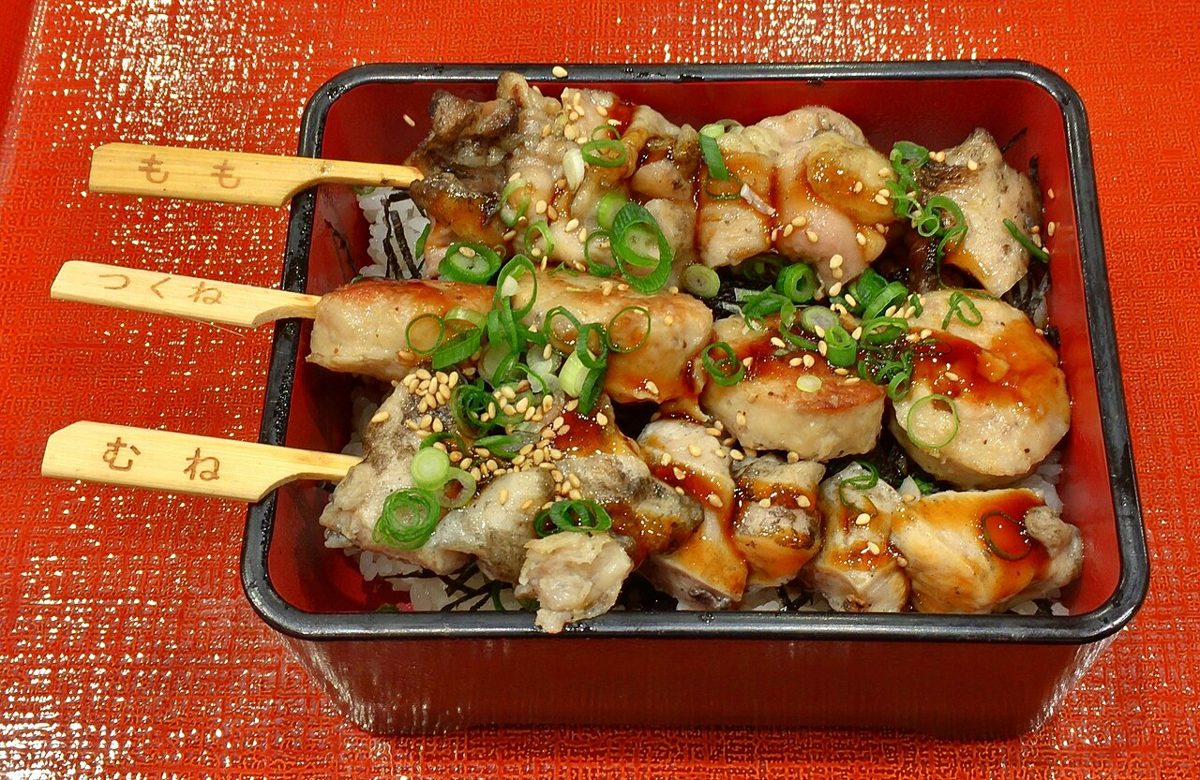
- Momo — thigh meat; juicy, forgiving and the natural place to start.
- Negima — alternating thigh and Japanese leek (negi); the default everyone orders, and rightly so.
- Mune / sasami — breast and the leaner tender fillet; sasami often comes with wasabi, plum, or a light sear.
- Tsukune — a chicken meatball, sometimes served with a raw egg yolk for dipping; a benchmark of any good shop.
- Tebasaki — chicken wing, crisp-skinned and a little fiddly to eat off the bone.
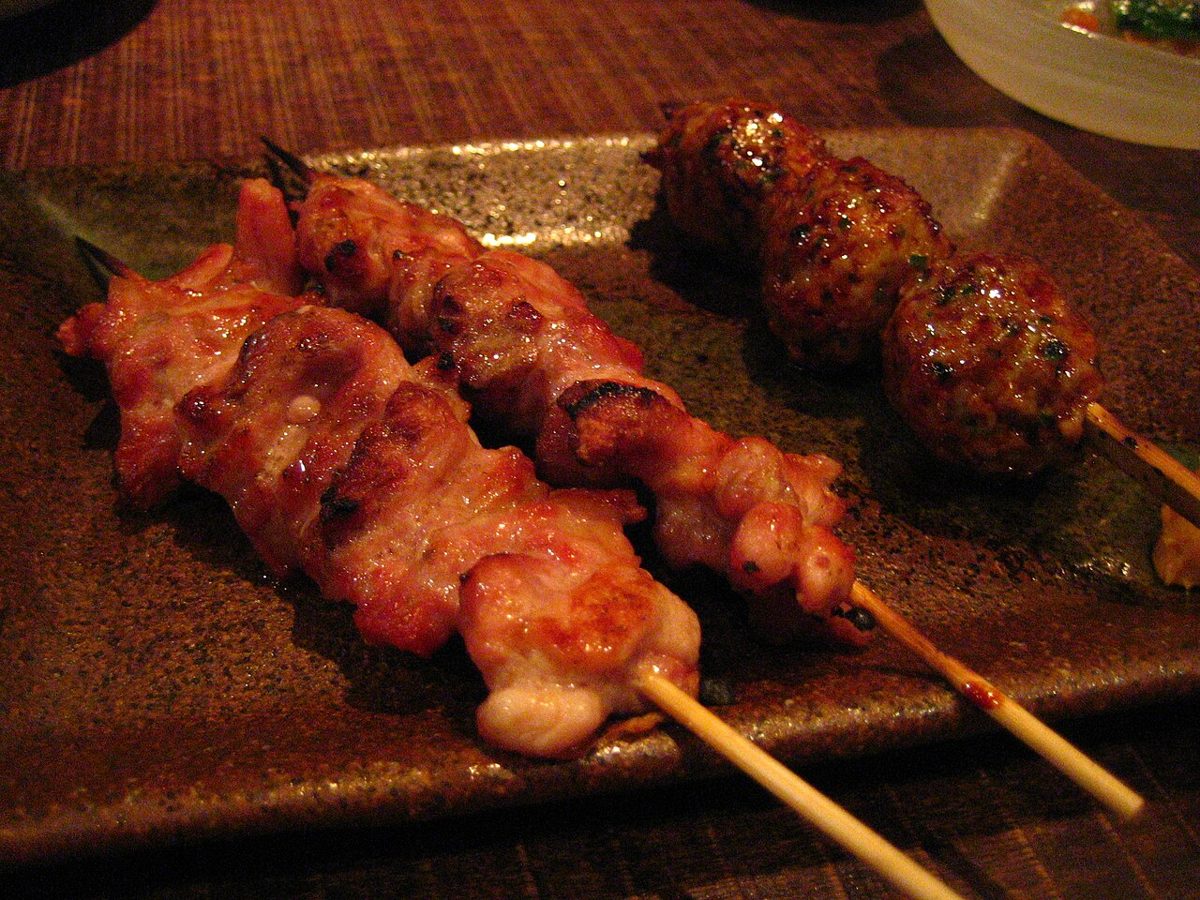
For the skin-and-texture lovers
- Kawa — chicken skin, grilled until rendered and crackly; almost always served with salt.
- Bonjiri — the tail (parson’s nose); fatty, rich and buttery, a cult favourite.
- Seseri — neck meat; juicy and full of umami because the muscle never stops moving.
- Nankotsu — knee or breast cartilage; crunchy, mild, great with beer.
- Harami / hara — the soft, fatty belly/diaphragm cuts when available.
The offal end (don’t skip it)
- Hatsu — heart; firm, meaty and surprisingly tender, with a clean flavour.
- Reba — liver; creamy and best a touch rare, classically with tare.
- Sunagimo — gizzard; lean, odourless and satisfyingly chewy.
- Shiro / motsu — chicken intestine; an acquired but rewarding texture.
- Kashira, tan — on mixed-grill (kushiyaki) menus you will also see pork cheek and beef tongue.
Tare or shio? The only real decision
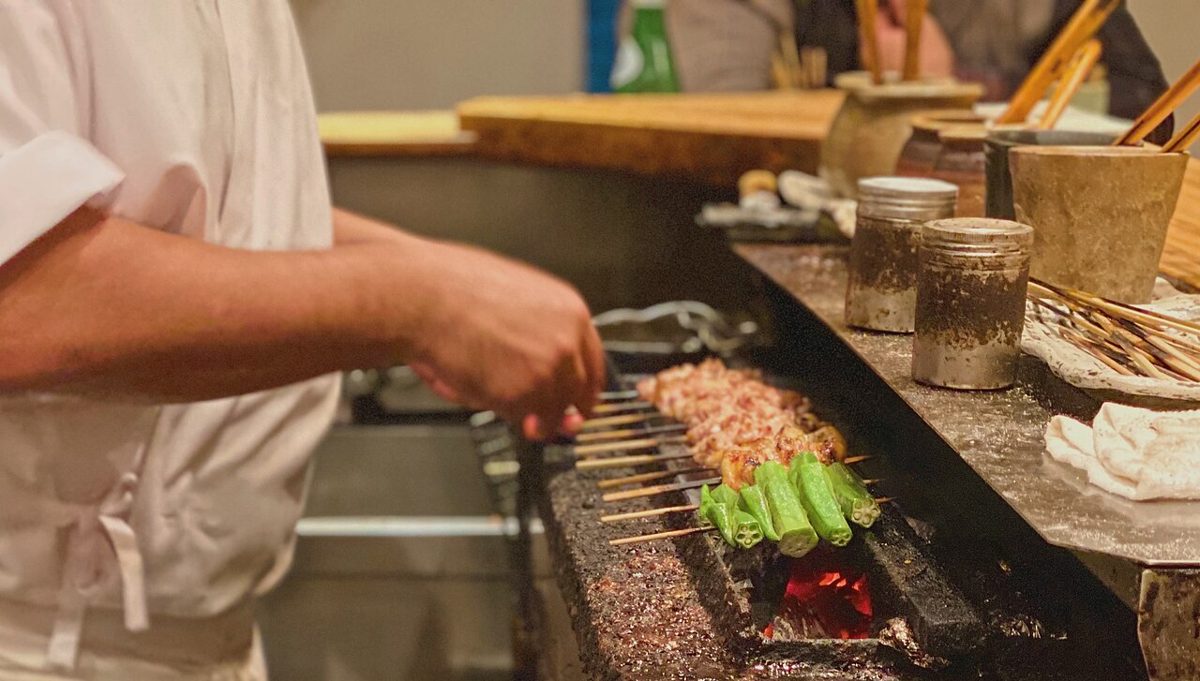
Most skewers are seasoned one of two ways. Tare is a sweet-savoury glaze of soy, mirin and sake that many shops have been topping up in the same pot for years — the skewers are dipped before and after grilling. Shio is simply salt, which lets the quality of the bird and the charcoal speak. As a rule of thumb: fattier and offal cuts (bonjiri, reba, tsukune) shine with tare; leaner and skin cuts (sasami, kawa, breast) are often better with shio. A good server may decide for you and not ask — that is normal, and usually a sign they care. If you have a preference, say sio (salt) or tare (TAH-reh) when you order.
Where to eat yakitori in Tokyo, from under-the-tracks to Michelin
Yakitori clusters in a handful of districts, each with a different mood. Here is where to point yourself depending on the night you want.
Omoide Yokocho (Shinjuku) — smoky and atmospheric
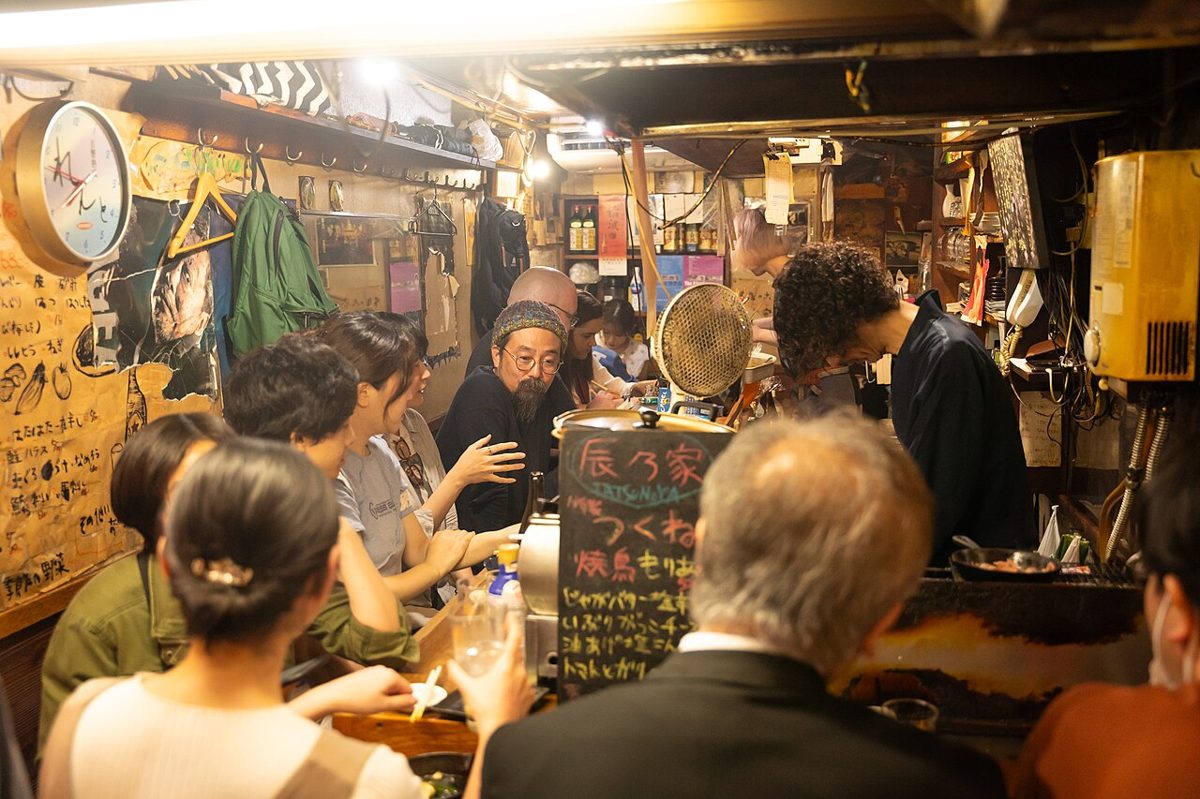
If you want the postcard image — lantern-lit alleys, six-seat counters, smoke curling out of open fronts — Omoide Yokocho, the warren of lanes on the north-west side of Shinjuku Station, is it. Nicknamed Memory Lane (and, less politely, Piss Alley), it is touristy now but still genuinely good for a couple of skewers and a beer per stop. Expect skewers around ¥150–300, a beer ¥500–700, and at many places a small seating charge (see below). Go early evening to get a seat; it is tiny and fills fast.
Yurakucho & Ginza koka-shita — salarymen and railway arches
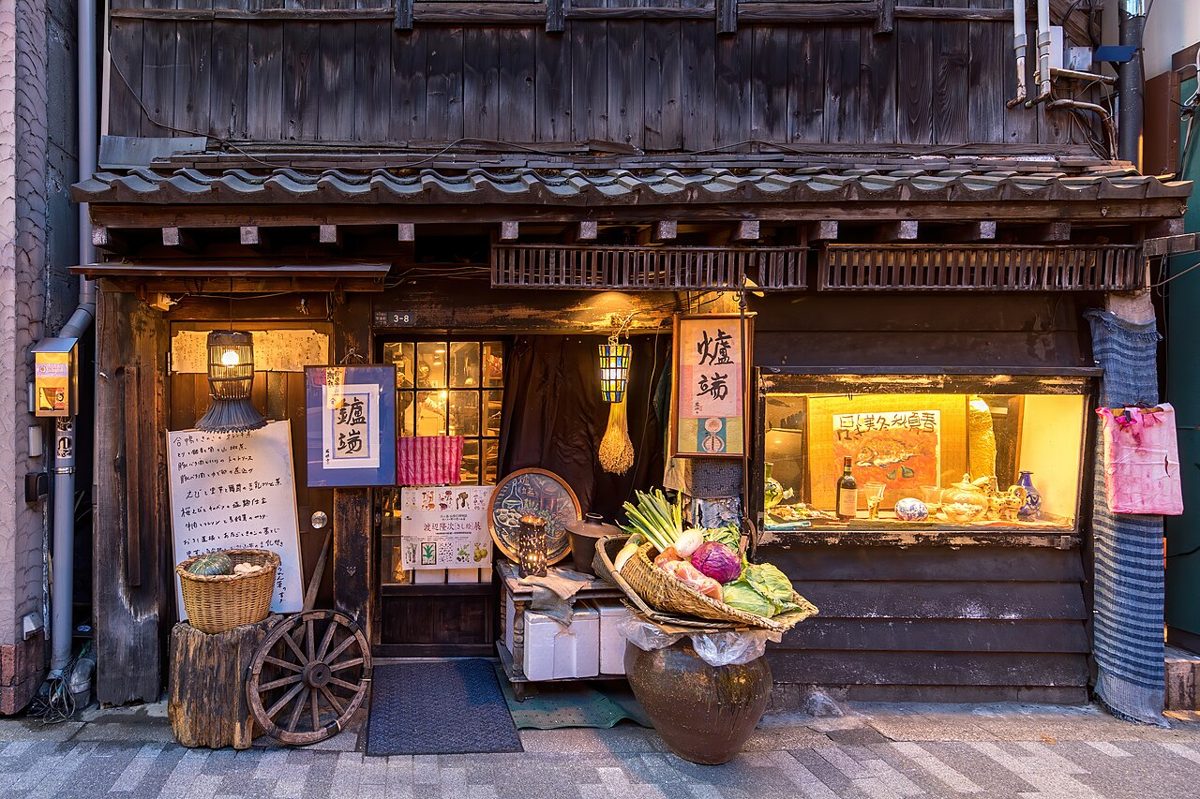
Between Yurakucho and Shimbashi, the brick arches under the JR tracks — the gado-shita, literally under the girders — are crammed with izakaya and yakitori joints that fill with after-work crowds. It is loud, cheap and brilliant, with trains rumbling overhead and grills smoking onto the pavement. This is the most authentic cheap-yakitori experience in central Tokyo, and it sits a short walk from Ginza, making it an easy add-on to a night out in Tokyo. Shimbashi, one stop south, is the spiritual home of the Tokyo salaryman and just as good.
Nakameguro & the west side — modern and design-led
For something more contemporary, Nakameguro and neighbouring Naka-Meguro/Ebisu have a wave of stylish yakitori-ya pairing top-grade jidori (branded free-range chicken) with natural wine and craft sake. Prices climb — reckon ¥4,000–8,000 a head — but the sourcing and skill are a clear step up. Koenji and Shibuya’s back lanes also hide excellent neighbourhood counters if you prefer to wander.
The high end & Michelin
Tokyo elevated yakitori into fine dining. Counters such as Torishiki in Meguro (a long-running Michelin-starred standard-bearer) and the lineage of chefs who trained at Toriyoshi serve omakase-only menus where a single chicken is broken down into a dozen precise skewers, each grilled to its own ideal point. Expect to book well ahead, to sit at a quiet counter, and to pay ¥10,000–20,000+. It is a different experience from the alley — reverent rather than rowdy — and worth doing once if you love the craft.
The reliable chains
Do not sleep on the chains. Torikizoku is the famous one: a cheerful nationwide chain where nearly everything — skewers, sides, drinks — sits at a single flat price (around ¥370 in 2026), making it unbeatable value and very foreigner-friendly with picture menus. It is a perfect first yakitori, and a soft landing if the alleys feel intimidating.
A quick comparison: which yakitori experience is right for you?
| Type | Where | Price/head | Vibe |
|---|---|---|---|
| Under-the-tracks | Yurakucho, Shimbashi | ¥2,000–4,000 | Loud, cheap, after-work |
| Atmospheric alley | Omoide Yokocho | ¥2,500–4,500 | Smoky, tiny, touristy-fun |
| Flat-price chain | Torikizoku (citywide) | ¥2,000–3,000 | Easy, picture menus |
| Modern specialist | Nakameguro, Ebisu | ¥4,000–8,000 | Jidori, wine, design |
| Omakase / Michelin | Meguro and beyond | ¥10,000–20,000+ | Reverent, reservation-only |
How to order yakitori without freezing up
Ordering is easier than it looks. A few pointers that cover most situations:
- Start with an omakase or moriawase — saying o-makase (chef’s choice) or asking for the moriawase (assortment) gets you a balanced set without reading the menu. It is the single best move at a counter.
- Order in small rounds. Skewers come hot off the grill a few at a time; order three or four, eat, then order again rather than dumping a huge list at once.
- One skewer is usually one or two pieces. Prices on the menu are per skewer (hon), so a row of ¥200 items adds up fast.
- Eat it straight off the skewer. Don’t slide the pieces off onto a plate; bite from the stick, then rest the used skewer in the pot provided.
- Pair it with the classics — a cold beer, a highball, or sake. Order a kraut-y cabbage plate (often free or cheap, refilled with miso) and a chicken soup to round things out.
The otoshi: that little dish you didn’t order
At most izakaya-style yakitori-ya you will be brought a small appetiser you didn’t ask for — pickles, a little stew, edamame. This is the otoshi (or tsukidashi), and it functions as a seating/cover charge, typically ¥300–500 per person. It is not a scam and not optional; think of it as the table charge that, in much of the world, is folded into the bill another way. A handful of tourist-facing places now advertise no charge, but assume it applies, especially in the alleys. The flip side: there is no tipping in Japan, ever, so the otoshi is roughly the only add-on you will see.
What does yakitori cost in 2026?
Yakitori spans the full price spectrum, which is exactly why it is such good value. A rough guide:
- Per skewer: ¥150–350 at casual places; ¥400–800+ for premium jidori or specialist cuts.
- A full casual meal (6–10 skewers, sides, two drinks): about ¥2,500–4,000 a head.
- Seating charge (otoshi): ¥300–500 per person at most sit-down spots.
- Drinks: beer ¥500–700, highball ¥400–600, sake from ¥500.
- Omakase counters: ¥6,000–12,000 mid-range; ¥12,000–20,000+ at the top.
For a similar atmosphere on a tighter budget, many of the same alleys feature in our roundup of cheap eats in Tokyo, and skewers also turn up on the menu in our Tokyo street food guide at festivals and late-night grills.
Etiquette and tips
- Cash still rules in the alleys. Tiny counters may not take cards; carry enough yen, and note many have a one-drink-minimum.
- Smoke comes with the territory. Charcoal counters are smoky; your clothes will smell of it. Wear something washable.
- Don’t linger forever at peak. Six-seat counters need turnover; eat, enjoy, and move on so others can sit.
- Reserve for the high end. Omakase counters often book out weeks ahead and may require a Japanese-speaking reservation or a hotel concierge.
- No tipping. A simple gochisousama deshita (that was a feast) on the way out is the right thank-you.
Common mistakes to avoid
- Only ordering momo and negima. Safe, but you miss bonjiri, kawa and tsukune — often the best skewers on the grill.
- Sliding the meat off the skewer. Eat from the stick; it is both correct and easier.
- Being surprised by the otoshi. Budget the ¥300–500 cover so the bill doesn’t startle you.
- Assuming everything is chicken. Many shops also grill pork, beef and vegetables (kushiyaki); read or ask if you have restrictions.
- Skipping the alleys because they look closed. A noren curtain over the door and a glowing red lantern (akachochin) mean open, not private.
What makes great yakitori (and how to spot it)
Once you have eaten a few, the difference between good and great becomes obvious. The best yakitori-ya obsess over three things: the bird, the charcoal, and the timing. Top shops use branded jidori — free-range heritage chickens such as Hinai-jidori from Akita, Nagoya Cochin, or Satsuma-jidori from Kagoshima — that have firmer texture and deeper flavour than supermarket chicken. They grill over binchotan, a dense white charcoal that burns clean and ferociously hot, searing the surface while sealing in juice. And they cook each cut to its own ideal point, pulling skin when it crackles and hearts while still blushing. A counter where the chef rarely takes their eyes off the grill, salts from a height, and serves one or two skewers at a time is showing you all three.
Jidori and branded chicken, briefly
If you see a chicken’s pedigree on the menu, it matters. Jidori birds are raised longer and more slowly than commodity broilers, which is why a plain shio momo at a serious shop can taste startlingly chicken-y. You will pay more — these skewers often start around ¥400 — but a single great thigh or a perfect bonjiri is worth more than a dozen ordinary ones. When in doubt, ask the chef for their osusume (recommendation); they will steer you to whatever is best that night.
Yakitori vs kushiyaki, kushikatsu and robatayaki
A quick vocabulary untangling, because the words get used loosely:
- Yakitori — strictly, grilled chicken on skewers, though the word is often used loosely for the whole genre.
- Kushiyaki — the broader term for grilled skewers of any meat or vegetable; most yakitori-ya are really kushiyaki shops.
- Kushikatsu / kushiage — skewers that are breaded and deep-fried (an Osaka speciality), not grilled. Different dish entirely.
- Robatayaki — a rustic style where a wider range of food (fish, shellfish, vegetables) is grilled over an open hearth, often passed to you on a long paddle.
What to drink with yakitori
Yakitori is built for drinking, and the pairing is half the experience. The default is an ice-cold beer (biiru) — nothing cuts charcoal smoke and chicken fat better. A highball (whisky and soda) is the salaryman’s classic, crisp and endlessly refillable. Sake works beautifully with shio cuts, while a dry chu-hai (shochu soda) suits the fattier, tare-glazed skewers. Many counters also pour shochu and a short list of wines. None of it needs to be fancy; the point is something cold and clean to reset your palate between skewers. This is exactly the territory our guide to the best izakaya in Tokyo explores in more depth.
Fitting yakitori into a night out
Yakitori is rarely the whole evening — it is the anchor. A classic Tokyo night might start with a few skewers and a beer under the tracks at Yurakucho, drift to a second bar in Ginza or Shinjuku, and finish, as so many Tokyo nights do, with a bowl of noodles. If that is your plan, line up the finale in advance with our guide to the best ramen in Tokyo, and read up on where the bars are in our Tokyo nightlife guide. A yakitori-then-ramen crawl is one of the great cheap pleasures of the city.
Vegetarian and dietary notes
Yakitori is, by definition, a meat genre, but most shops grill vegetables too: shishito peppers, asparagus wrapped in nothing or in pork, shiitake and king-oyster mushrooms, ginnan (ginkgo nuts), grilled onion, and tomato. A vegetarian can put together a respectable spread of yasai (vegetable) skewers, but be aware that the same grill and tare are used for meat, and that many tare pots and side dishes contain chicken or fish stock. Strict vegetarians and halal travellers should ask, or look for the small number of specialist places now catering to them. If chicken is fine but pork and beef are not, say tori dake (chicken only) and you will be well looked after.
A perfect yakitori evening, step by step
Putting it together, here is a low-stress plan that works for first-timers and repeat visitors alike:
- Arrive early. Aim for 5:30–6:30pm at an alley counter to get a seat before the after-work rush.
- Open with a drink and the moriawase. A beer and the chef’s assortment take the pressure off ordering.
- Explore by texture. After the assortment, chase whatever you liked — another bonjiri, a kawa, a tsukune with yolk.
- Add a couple of sides. Grilled onigiri, a cabbage plate, or chicken soup balance out the skewers.
- Settle up in cash, tip nothing, and move on. Two or three skewers per stop means you can hit a second bar — and, if you are doing it right, finish on ramen.
Do that once and yakitori stops being a foreign menu and becomes one of the most reliable, affordable joys of eating in Tokyo — a genre you will find yourself returning to on every trip. For the bigger map of where it sits among the city’s food, keep our Tokyo food guide handy.
How to Order at a Yakitori Counter Without Fumbling
If it is your first time squeezing onto a stool at a yakitori-ya, here is how a typical meal flows so you can relax and just eat. Once you sit, you will usually get a hot towel (oshibori) and a small dish you did not order — that is the otoshi, a ¥300–500 seating snack that doubles as your table charge. Order a drink first; the classic opener is a frosty draft beer (nama biiru) or a highball, and “toriaezu nama” (a beer to start) is the most natural thing in the world here.
Then the food. You have two ways to go. The easy route is to ask for the omakase or a moriawase — a chef’s assortment of five to eight skewers — and let the counter feed you. The regular’s route is ordering skewer by skewer as you go. Either way you will often be asked tare ka shio? — sweet soy glaze or just salt. Salt lets the better cuts (especially momo thigh and crisp kawa skin) speak for themselves; tare is the comfort-food choice and brilliant on tsukune meatballs and liver.
Pace yourself: two or three skewers at a time keeps everything arriving hot off the grill, and a single skewer runs roughly ¥150–400 at a neighborhood spot, more at the polished places in Ginza or Nakameguro. Eat straight off the stick rather than pulling the meat off with your chopsticks, then drop the empty into the cup provided. A quiet “okaikei onegaishimasu” gets you the bill, which at most counters is cash only.
Yakitori’s beefier cousin is yakiniku, grilled at your own table rather than by a chef over charcoal. The smoky horumon shops that serve grilled offal with cold beer share much of the yakitori alley atmosphere. Our guide to the best yakiniku in Tokyo covers them alongside the wagyu specialists.
Frequently Asked Questions
What is the best area for yakitori in Tokyo?
For atmosphere, Omoide Yokocho in Shinjuku and the under-the-tracks gado-shita at Yurakucho and Shimbashi are the classic cheap, smoky choices. For modern, higher-end yakitori, head to Nakameguro or Ebisu, and for fine-dining omakase, Meguro is home to some of the city’s most celebrated counters.
What does tare and shio mean on a yakitori menu?
Tare is a sweet-savoury soy-and-mirin glaze brushed on during grilling; shio is simply salt. Fatty and offal cuts like bonjiri, liver and tsukune tend to suit tare, while leaner cuts and chicken skin are often better with shio. If the chef doesn’t ask, they have chosen the seasoning they think fits best.
How much does yakitori cost in Tokyo?
A casual yakitori meal of six to ten skewers with sides and a couple of drinks runs about 2,500 to 4,000 yen per person. Individual skewers are 150 to 350 yen at casual spots and more for premium cuts. High-end omakase counters charge 10,000 to 20,000 yen or more. Budget an extra 300 to 500 yen for the seating charge.
What is the small dish I didn’t order at a yakitori restaurant?
That is the otoshi (or tsukidashi), a small appetiser that doubles as a seating or cover charge, usually 300 to 500 yen per person. It is standard at izakaya-style yakitori-ya and is not optional. In exchange, there is no tipping in Japan, so it is typically the only surcharge on your bill.
Do I need a reservation for yakitori in Tokyo?
For casual alley counters and chains like Torikizoku, no — just turn up, though going early helps you get a seat. For modern specialists and especially Michelin-level omakase counters, reservations are essential and often need to be made weeks ahead, sometimes through a hotel concierge.
Photo Credits
- Hero image (yakitori) — Photo via Wikimedia Commons
- Yakitori grill — Photo via Wikimedia Commons
- Omoide Yokocho — Photo via Wikimedia Commons
- Yurakucho gado-shita — Photo via Wikimedia Commons
- Chicken skewers — Photo via Wikimedia Commons
- Tsukune — Photo via Wikimedia Commons