Tokyo Neighborhoods · Guide №075
Ikebukuro Guide: Anime, Entertainment & Hidden Gems
A complete Ikebukuro guide: Sunshine City's Sky Penguins and observatory, Otome Road's anime shops, electronics, the famous ramen scene, plus prices, hours and how to get there.
目次 — Contents
- Where is Ikebukuro, and why go?
- Sunshine City: a city inside a building
- Otome Road: the female-otaku Akihabara
- Electronics, department stores and shopping
- Eating in Ikebukuro: a ramen battleground
- Ikebukuro after dark
- How to get to Ikebukuro
- A half-day Ikebukuro itinerary
- Ikebukuro at a glance
- Mistakes to avoid in Ikebukuro
- Ikebukuro vs Akihabara for anime fans
- Best time to visit and practical tips
- Frequently Asked Questions
- Photo Credits
This article contains advertising. Our booking links are routed through a partner that adds commission tracking automatically, so if you book through one we earn a commission from the provider, at no extra cost to you. It never affects what we recommend. Affiliate disclosure
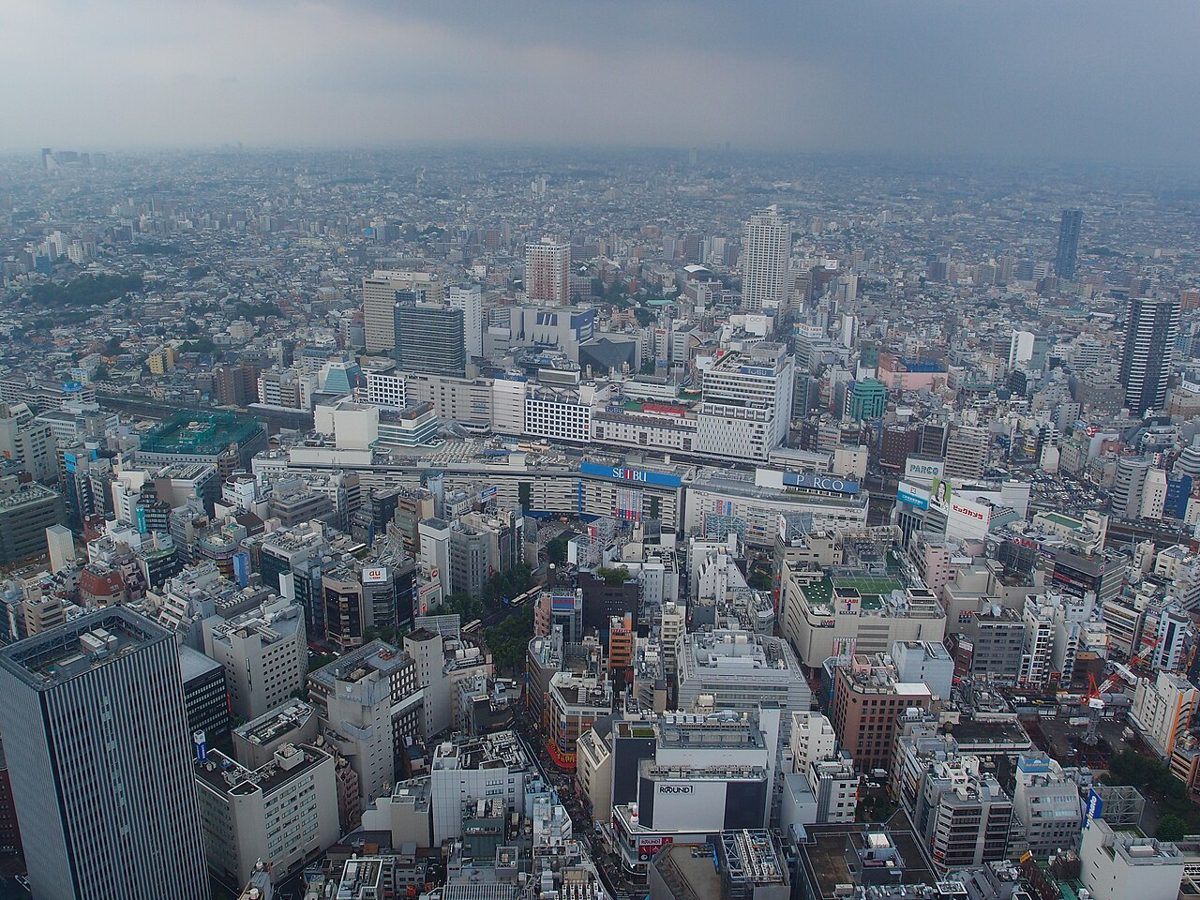
This Ikebukuro Tokyo guide covers the city’s second-busiest station and the entertainment-packed district around it: the Sunshine City complex, the female-otaku stronghold of Otome Road, a serious ramen scene, and two of Japan’s biggest department stores facing each other across the tracks. It is Tokyo’s underrated north, and you can spend a full day here without touching the famous sights.
Where is Ikebukuro, and why go?
Ikebukuro sits at the northwest corner of the Yamanote loop, in Toshima ward, about ten minutes by train from Shinjuku. After Shinjuku and Shibuya, Ikebukuro Station handles the most passengers of any station in Tokyo, and it is one of the busiest railway stations on Earth. That scale is the whole point: lines from the suburbs of Saitama pour in here, so the district grew up as a commuter playground rather than a tourist showpiece.
What you get is a louder, cheaper, more local-feeling version of Shibuya. There are no must-see temples and no iconic crossing, which is exactly why most first-time visitors skip it. Spend a few hours and you find anime culture aimed at women, an indoor theme park, an aquarium on a roof, queue-out-the-door ramen, and electronics megastores, all within a five-minute walk of the ticket gates. The district splits cleanly into two halves around the station, and knowing which way to turn saves you a lot of confusion.
East side vs West side
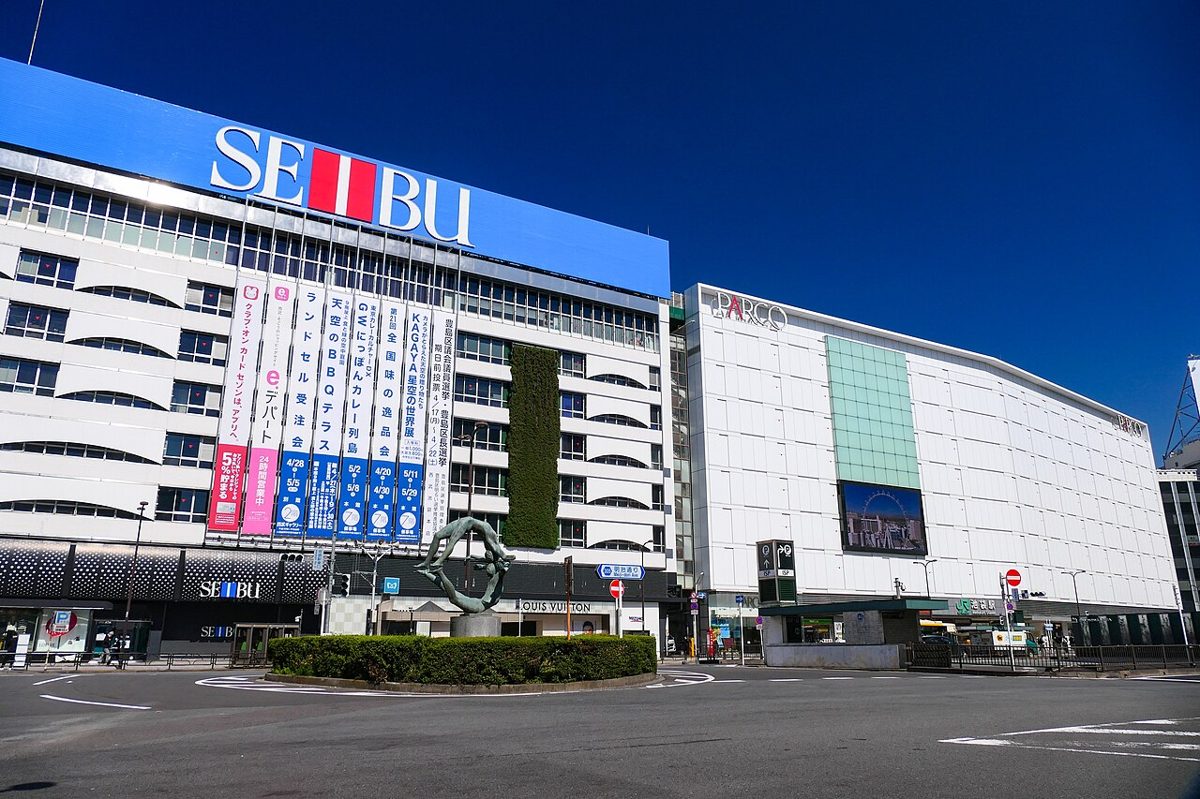
Step out the East Exit and, in one of Tokyo’s great geographic jokes, you are facing the Seibu department store. Step out the West Exit and you face Tobu. The store names and the exit names are flipped, which trips up nearly everyone, so trust the signs and not your instinct. The east side is the busy one: Sunshine City, Otome Road, the big electronics shops, and most of the ramen all lean east. The west side is calmer, with the Tobu store, the Tokyo Metropolitan Theatre, and the leafy plaza outside the West Gate, the Ikebukuro West Gate Park that lent its name to a cult TV drama.
If you only have a couple of hours, turn left out of the East Exit and head for Sunshine City. Everything else clusters on the walk there. For a broader sense of how Ikebukuro fits among the city’s districts, our Tokyo neighborhoods guide maps out where each hub sits and what it is known for.
Sunshine City: a city inside a building
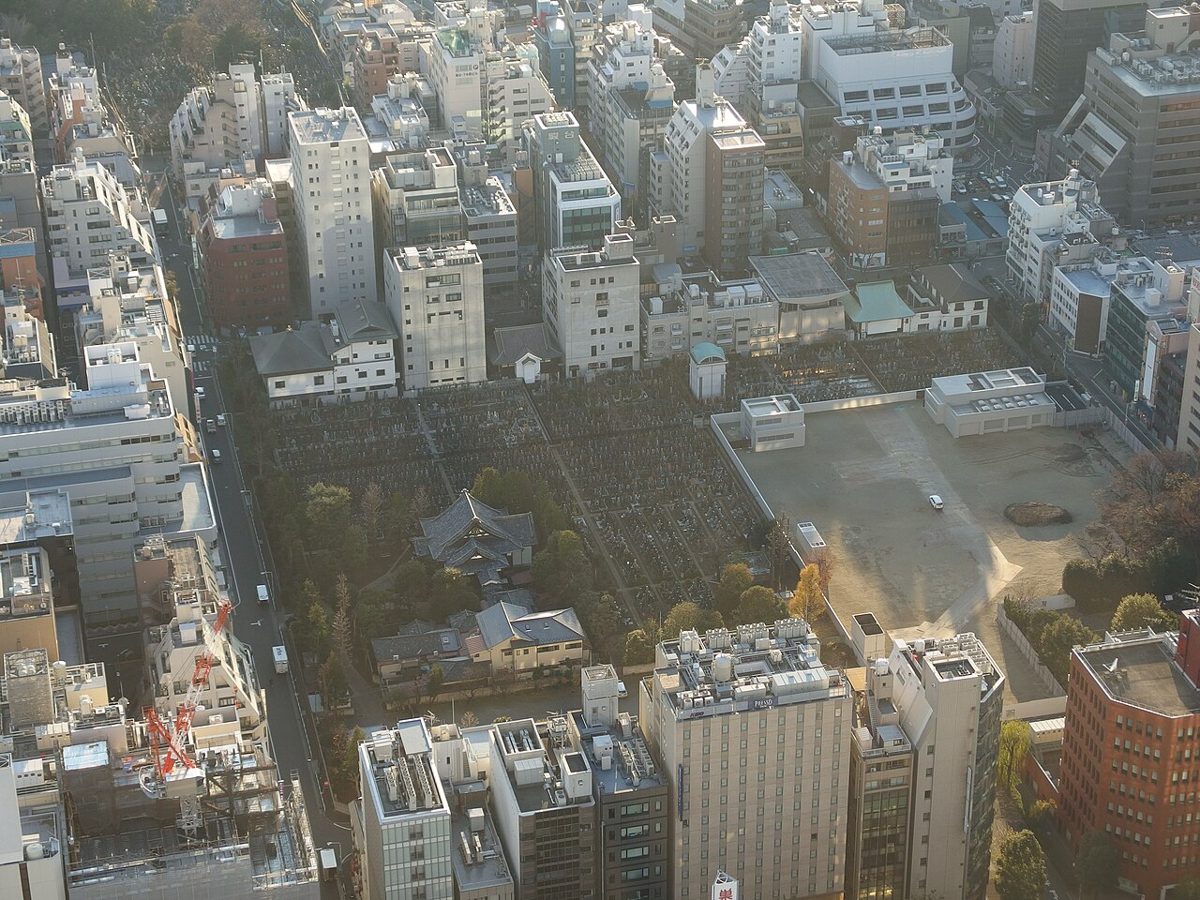
Sunshine City is the gravitational center of east Ikebukuro: a 1970s-era complex built on the former site of Sugamo Prison, anchored by the 240-metre Sunshine 60 tower and sprawling across four connected buildings. Inside are an observation deck, a rooftop aquarium, a planetarium, an indoor theme park, a shopping mall, restaurants, a hotel, and the city’s flagship Pokémon Center. You enter through a covered walkway from the station and could happily lose half a day without stepping back outside. Plan on a 7-to-10-minute walk from the East Exit, mostly under cover.
Sunshine 60 Observatory (TENBOU-PARK)
The old “SKY CIRCUS” deck on the 60th floor was reborn in 2023 as TENBOU-PARK, a “park in the sky” with artificial lawn, deck chairs, and floor-to-ceiling glass 251 metres up. It is a softer, more relaxed take than the typical observation tower, designed for lounging rather than just snapping a photo and leaving. Hours are 11:00 to 21:00 (last entry 20:30). Admission runs ¥700 for adults and ¥500 for children on weekdays, rising to ¥900/¥600 on weekends and holidays and as high as ¥1,200/¥800 in peak periods; preschoolers go free. On weekends and busy dates you must reserve a date-and-time web ticket in advance, so check before you go.
It will not out-dazzle the free views from the nearby Tokyo Metropolitan Government Building, but the chill-out atmosphere is genuinely different, and on a clear winter afternoon you can pick out Mount Fuji.
Sunshine Aquarium and the Sky Penguins
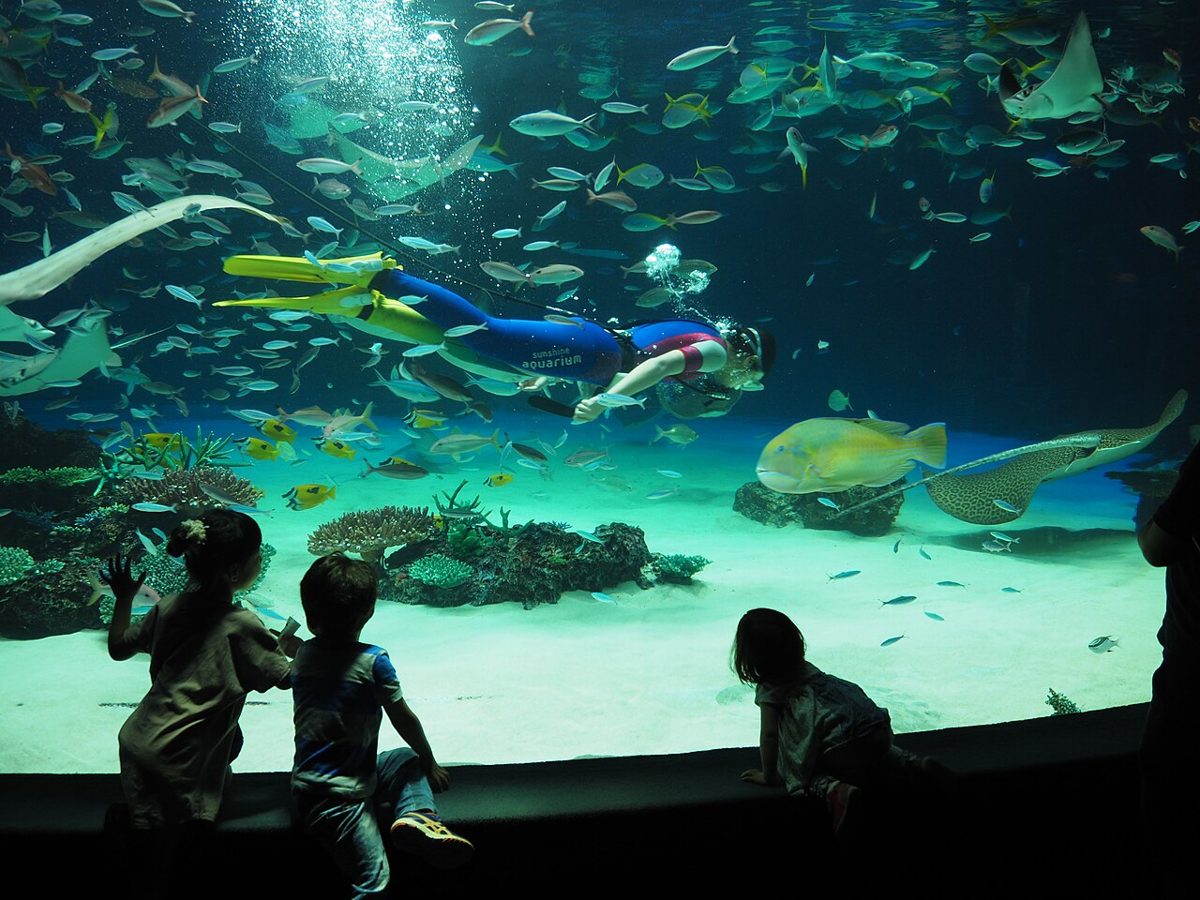
The Sunshine Aquarium sits on the rooftop of the World Import Mart building, and its signature trick is putting water tanks in the open air. The famous “Sky Penguins” swim in a curved overhead tank so they appear to fly across the Ikebukuro skyline, and sea lions loop through a doughnut-shaped tank above your head. It is compact compared with a big-city aquarium, but the rooftop setting makes it one of the more photogenic in Tokyo. Adult admission ranges from about ¥2,600 to ¥3,200 depending on the date, with children (elementary and junior high) ¥1,300 and preschoolers aged four and up ¥800. A combination ticket bundling the aquarium with the observatory is sold in limited numbers and is worth it if you plan to do both.
Namja Town: gyoza, desserts and ghosts
On the second floor of Sunshine City sits Namja Town, a quirky indoor theme park from Bandai Namco that leans into food as much as rides. The headline zone is Gyoza Stadium, a retro-styled food alley gathering around a dozen famous gyoza makers from across Japan, plated in small portions so you can graze your way through several shops. Next door, the dessert area is locally legendary for bizarre soft-serve and ice cream flavours that have included beef tongue, basil, and curry. The rest of the park is themed attractions, light scares, and carnival games.
Hours are 10:00 to 21:00 (last admission 20:00). You have options: a Namja Entry Pass (admission only) is ¥1,200 for adults and ¥800 for children; a full Namja Passport with unlimited attractions is ¥3,700/¥2,900; and a Night Passport after 17:00 is ¥2,000/¥1,600. If you are here mainly to eat gyoza and try the weird ice cream, the entry-only pass is all you need, because the food is paid for separately.
Pokémon Center Mega Tokyo, Sanrio and more
Inside the Sunshine City alpa mall you will find Pokémon Center Mega Tokyo, one of the largest Pokémon shops in the country and home to a Pikachu Sweets cafe, plus a Sanrio shop a short walk away for Hello Kitty and friends. Together with the aquarium, the theme park and the observatory, this stack of attractions makes Sunshine City a strong rainy-day plan and a winner with children. Families putting together a Tokyo itinerary will find more indoor and kid-friendly ideas in our guide to Tokyo with kids.
Otome Road: the female-otaku Akihabara
If Akihabara is Tokyo’s male-oriented otaku capital, Otome Road (“Maiden Road”) just north of Sunshine City is its female-oriented counterpart. This single quiet street and the blocks around it concentrate shops aimed at women who love anime, manga, and especially boys-love (BL) titles, doujinshi self-published fan works, voice-actor goods, and cosplay supplies. It is less neon and less crowded than Akihabara, with a focused, in-the-know feel, and it is one of the genuinely distinctive things about Ikebukuro.
The anchor is the Animate Ikebukuro flagship, which reopened in March 2023 after a renovation that doubled its floor space, and which Guinness World Records certified in 2024 as the world’s largest anime goods store. Nine floors stack manga, character merchandise, a cafe, event space, and a cinema. Walk north and you pass K-Books, Lashinbang, and a Mandarake branch dealing in used manga, doujinshi, and collectibles, plus dedicated cosplay shops. Even if you do not buy anything, it is a fascinating slice of fan culture that most tourists never see. To plan a wider haul across the city, pair it with our Tokyo shopping guide.
Electronics, department stores and shopping
Ikebukuro is a heavyweight shopping district in its own right. For electronics, the area around the station has enormous branches of Bic Camera and Yamada Denki LABI, both selling cameras, appliances, gadgets, and duty-free goods to overseas visitors; prices and stock rival Akihabara, often with shorter queues. Uniqlo, GU, and the youth-fashion mall PARCO are all here too.
The signature Ikebukuro retail story, though, is the duel between two of Japan’s largest department stores. Seibu (confusingly at the East Exit) and Tobu (at the West Exit) are both vast, and both belong to railway empires that run the private lines feeding the station. Each has a basement food hall, a depachika, that is a destination in itself: glistening counters of wagashi sweets, bento, prepared sides, imported chocolate, and sake. Even if you buy nothing upstairs, ride the escalator down to the basement around closing time, when many fresh items get marked down, and assemble a picnic to take back to your hotel.
Eating in Ikebukuro: a ramen battleground
Ikebukuro is one of Tokyo’s great ramen districts, with dozens of shops packed into the lanes east of the station. The most famous is Mutekiya, a tiny tonkotsu specialist a minute from the station’s east side that has drawn day-and-night queues for decades. The bowl that built its reputation is a rich pork-bone broth topped with thick slabs of melting chashu pork; with only around twenty seats, waits of 20 to 60 minutes are normal, and there is just this one location, nowhere else. Come at an off hour (mid-afternoon) to cut the line.
Beyond ramen, Ikebukuro rewards a wider appetite. The district has a strong Chinese-food presence, with hand-pulled noodles, soup dumplings, and lamb skewers concentrated north of the station, and a growing cluster of Taiwanese cafes and bubble-tea stands. For something distinctly local, look for a “tachigui” standing soba counter inside the station for a 300-yen bowl on the move, or one of the conveyor-belt sushi chains for a cheap, fast lunch. Coffee lovers will find specialty roasters tucked between the chain cafes, and the basement of Tobu hides a surprisingly deep selection of regional bento that make an ideal shinkansen lunch if you are heading out of the city.
Mutekiya is the headline, but it is far from the only act. The streets nearby hide shoyu, miso, tsukemen (dipping noodles), and spicy tantanmen specialists, many open late for the after-work and after-karaoke crowd. North of the station, around the lanes toward Otome Road, you will also find a cluster of Chinese restaurants and a genuinely good range of cheap, filling food, this is a commuter district, so eating well here does not cost much. For a sit-down option without the wait, the restaurant floors at the top of Seibu and Tobu, and inside Sunshine City, give you dozens of choices under one roof.
Ikebukuro after dark
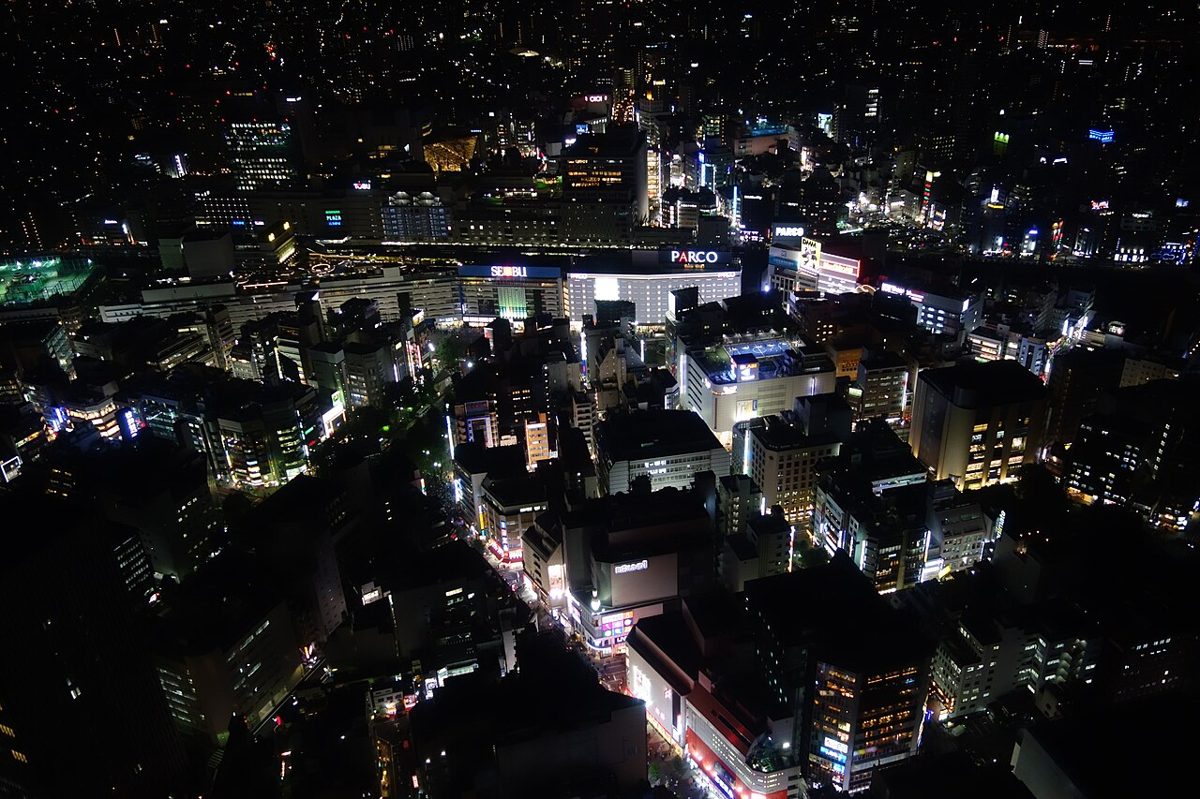
When the shops close, Ikebukuro shifts into one of north Tokyo’s busiest nightlife zones, and it is noticeably cheaper than Shibuya or Roppongi. The lanes east of the station fill with izakaya, yakitori counters, and standing bars where office workers unwind, and the area around Nishiguchi (the West Gate) hides tiny bars seating just a handful of customers. Karaoke towers stay open into the small hours, and there are multi-floor game centers for late-night purikura photo booths and crane games. The district also has one of Tokyo’s larger concentrations of cinemas, including the one built into the Animate flagship, so a film followed by ramen is an easy Ikebukuro evening.
Because trains stop running around midnight and restart near 05:00, plan your last connection or be ready to wait out the night, which in Ikebukuro is no hardship given how much stays open. The crowd here skews young and local rather than touristy, which is a large part of the appeal.
How to get to Ikebukuro

Ikebukuro Station is a giant interchange served by JR, two private railways, and three subway lines, so wherever you are staying, getting here is easy. The catch is the station’s sheer size: it has dozens of exits, and the underground passages sprawl, so screenshot which exit you need before you arrive.
- JR Yamanote line loops to Shinjuku (about 5 minutes), Shibuya, Ueno, and Tokyo Station.
- JR Saikyo and Shonan-Shinjuku lines run south through Shinjuku and Shibuya and north into Saitama.
- Tokyo Metro Marunouchi, Yurakucho, and Fukutoshin lines all stop here; the Fukutoshin connects directly to Shinjuku-sanchome, Shibuya, and onward to Yokohama.
- Tobu Tojo line and Seibu Ikebukuro line head out to the western suburbs, including the trailhead for Kawagoe (“Little Edo”).
Because the Yamanote line links them in minutes, Ikebukuro pairs naturally with the next great hub down the loop. Many travelers combine it with Shinjuku, just five minutes south, for a single big day in Tokyo’s northwest.
A half-day Ikebukuro itinerary
- Late morning: Arrive at the East Exit, grab a snack from the Seibu depachika, and walk to Sunshine City.
- Midday: Do the Sunshine Aquarium and the Sky Penguins, then ride up to TENBOU-PARK for the view.
- Lunch: Graze through Gyoza Stadium in Namja Town, or join the Mutekiya queue if you have the patience.
- Afternoon: Browse the Pokémon Center Mega Tokyo, then walk north to Otome Road and the Animate flagship.
- Late afternoon: Hit Bic Camera or Yamada for electronics, then catch the Yamanote line on to Shinjuku.
Ikebukuro at a glance
| Attraction | What it is | Price (adult) | Hours |
|---|---|---|---|
| Sunshine 60 TENBOU-PARK | Observation deck / sky park, 251m | ¥700 weekday / ¥900 weekend | 11:00–21:00 (last 20:30) |
| Sunshine Aquarium | Rooftop aquarium, “Sky Penguins” | ¥2,600–3,200 (varies) | Seasonal; check calendar |
| Namja Town | Indoor theme park, Gyoza Stadium | Entry ¥1,200 / Passport ¥3,700 | 10:00–21:00 (last 20:00) |
| Pokémon Center Mega Tokyo | Flagship Pokémon shop + cafe | Free entry | Mall hours (approx 10:00–20:00) |
| Animate Ikebukuro | World’s largest anime store | Free entry | Approx 10:00–21:00 |
| Mutekiya | Famous tonkotsu ramen | ~¥1,000–1,500 a bowl | Late morning to late night |
Mistakes to avoid in Ikebukuro
- Trusting the exit names. Seibu is at the East Exit and Tobu at the West Exit, the opposite of what you would guess. Follow the overhead signs to the store, not the compass.
- Turning up to the observatory on a weekend without a ticket. On weekends, holidays, and peak dates, TENBOU-PARK requires a timed web reservation, book ahead or you may be turned away.
- Queuing for Mutekiya at peak lunch or dinner. The line can top an hour. Arrive mid-afternoon or accept that other excellent ramen shops sit a block away with no wait.
- Buying a full Namja Passport just to eat. If you only want the gyoza and ice cream, the cheaper entry-only pass covers it; food is paid separately.
- Treating it as a quick stop. The station is enormous and the attractions are spread out. Give Ikebukuro at least half a day, or you will spend most of your time underground finding the right exit.
Ikebukuro vs Akihabara for anime fans
People often ask whether to choose Ikebukuro or Akihabara for an anime day. The honest answer is that they serve different crowds, and many fans do both. Akihabara is bigger, brighter, and historically skewed toward male fans, gaming, electronics, and figure culture, with maid cafes and multi-floor arcades. Ikebukuro’s Otome Road is smaller and quieter but is the heart of female fandom in Japan, strong on boys-love titles, voice-actor merchandise, otome games, and cosplay. If you love a specific series, the merchandise you find can differ noticeably between the two.
Practically, the two are about fifteen minutes apart by train, so the real decision is which fits your taste. If your interests are gadgets, retro games, and figures, lead with Akihabara. If you are after BL, doujinshi, and the world’s largest Animate, Ikebukuro wins. Visit both and you get the full picture of Tokyo’s split otaku geography, with Ikebukuro as the less touristy, more local-feeling half of the pair.
Best time to visit and practical tips
Ikebukuro is an all-weather, all-season district because so much of it is indoors. Rainy days are arguably the best time to come, since Sunshine City connects to the station under cover and bundles an aquarium, theme park, and observatory in one place. Weekday afternoons are the calmest window for the shops and the ramen queues; weekends and Japanese school holidays pack out Sunshine City, and the observatory then requires a timed ticket. Evenings bring the district to life, neon, izakaya, and the after-work crowd, and most attractions stay open until 21:00 or later.
A few things worth knowing before you go. Carry some cash: smaller ramen shops, doujinshi stores, and the gyoza stalls in Namja Town are not always card-friendly, though the big stores all take cards and IC transit cards like Suica. Tax-free shopping is available at Bic Camera, Yamada, and the department stores when you show your passport and spend over the minimum, so bring it if you plan to buy electronics or cosmetics. Coin lockers fill fast inside the station, so stash bags early if you are day-tripping. And give yourself buffer time around the station itself, Ikebukuro’s underground is a maze, and even regulars take a wrong exit now and then.
Ikebukuro is also a smart base for exploring west, with the Tobu Tojo line running out to Kawagoe‘s Edo-era streets and the Seibu line heading toward Chichibu’s mountains and shrines. If you are weighing where to stay in Tokyo’s northwest, it offers lower hotel prices than Shinjuku with the same effortless transport links.
Ikebukuro’s biggest weekend of the year is the Halloween Cosplay Festival, when Nishiguchi Park and Sunshine 60 Street fill with registered cosplayers, designated shooting areas and a parade that has quietly become Japan’s largest costume event. If you are here in late October, our guide to Halloween in Tokyo has the dates and how to take part rather than just watch.
Ikebukuro also has more anime and game collaboration cafes than anywhere else in the city — themed menus that run for four to eight weeks in a handful of permanent venues around Sunshine City and Otome Road, usually booked in timed slots online. Our guide to themed and character cafes in Tokyo explains how to find out what is on during your dates and how the bookings work.
Ikebukuro is also the gateway to the Warner Bros. Studio Tour Tokyo, the Harry Potter film-set exhibition built on the old Toshimaen amusement park site. The Seibu line gets you to Toshimaen in 15 to 20 minutes, which makes a morning at the Studio Tour and an afternoon back in Ikebukuro an easy day. Our Warner Bros. Studio Tour Tokyo guide covers tickets and timing.
Sunshine City’s biggest single draw for many visitors is on the second floor of the ALPA mall: Pokemon Center Mega Tokyo, the largest branch in Japan, with the walk-in Pikachu Sweets counter beside it. Our Pokemon Center guide compares it with the other three Tokyo stores and covers its 2026 refurbishment.
The third floor of Sunshine City’s World Import Mart Building holds 3,775 capsule toy machines in one room, open 10:00–21:00 every day of the year. Our gachapon guide covers how to play, what a turn costs and why you need to arrive with ¥100 coins.
The stretch of street running up the west side of Sunshine City has a name that appears on no map: Otome Road, the centre of female anime fandom in Japan. Animate’s ten-floor flagship, the K-Books doujinshi branches and a basement butler cafe are all on it — our Otome Road guide covers the strip shop by shop.
Frequently Asked Questions
Is Ikebukuro worth visiting?
Yes, especially if you have already done the headline sights or you enjoy anime culture, shopping, and food over postcard landmarks. Sunshine City alone, with its aquarium, observatory, theme park, and Pokémon Center, fills half a day, and Otome Road is unlike anywhere else in Tokyo. It is also cheaper and less crowded than Shibuya or Shinjuku, which makes it a relaxed addition to a Tokyo itinerary.
How far is Ikebukuro from Shinjuku and Shibuya?
Ikebukuro is only about five minutes from Shinjuku on the JR Yamanote line and roughly ten to fifteen minutes from Shibuya, depending on the line. The Fukutoshin subway also links all three directly. The hubs are close enough that you can comfortably combine Ikebukuro with Shinjuku in one day.
What is Ikebukuro famous for?
Ikebukuro is best known for the Sunshine City complex, Otome Road’s female-oriented anime shops and the Guinness-record Animate flagship, big electronics stores like Bic Camera and Yamada, two giant department stores (Seibu and Tobu) facing each other, and a famous ramen scene led by Mutekiya. It is one of Tokyo’s busiest commuter hubs and a major entertainment district.
Is Ikebukuro good for families with kids?
Very much so. Sunshine City packs the aquarium, Namja Town theme park, planetarium, and the flagship Pokémon Center into one weatherproof complex, making it an ideal rainy-day plan. Children under school age enter the observatory free, and the aquarium’s flying penguins and sea lions are a reliable hit with younger visitors.
How much time do you need in Ikebukuro?
Plan on at least half a day. Sunshine City easily absorbs three to four hours on its own, and adding Otome Road, the department-store food halls, and a ramen stop pushes you toward a full day. If you are tight on time, focus on Sunshine City and Otome Road, both a short walk from the East Exit.
Photo Credits
- Sunshine City, the entertainment complex at the heart of east Ikebukuro — Photo: Guilhem Vellut from Annecy, France / CC BY 2.0 via Wikimedia Commons
- The 240-metre Sunshine 60 tower, home to the TENBOU-PARK observatory — Photo: Guilhem Vellut from Annecy, France / CC BY 2.0 via Wikimedia Commons
- The Sunshine Aquarium’s rooftop tanks let penguins appear to fly over the city — Photo: Motokoka / CC BY-SA 4.0 via Wikimedia Commons
- Ikebukuro is Tokyo’s second-busiest station after Shinjuku — Photo: MaedaAkihiko / CC BY-SA 4.0 via Wikimedia Commons
- Ikebukuro’s east side comes alive with neon after dark — Photo: Luka Peternel / CC BY-SA 4.0 via Wikimedia Commons
- Ikebukuro West Gate Park, beside the calmer West Exit — Photo: Troy Teague from Buffalo, United States / CC BY 2.0 via Wikimedia Commons