Tokyo Neighborhoods · Guide №077
Yanaka Guide: Old Tokyo Charm, Temples & Traditional Crafts
A complete Yanaka guide to old Tokyo: Yanaka Ginza and the Sunset Steps, cat town, Yanaka Cemetery, temples, Nezu Shrine and retro kissaten cafes, plus how to get there.

目次 — Contents
- Why Yanaka feels like old Tokyo
- Yanaka Ginza: the retro shopping street
- The cats of Yanaka
- Yanaka Cemetery and the last shogun
- Temples, crafts and galleries
- Kissaten coffee and traditional cafes
- Nezu Shrine and the azalea festival
- How to get to Yanaka and a walking route
- Yanaka highlights at a glance
- Mistakes to avoid in Yanaka
- Yanaka on a budget: one of Tokyo’s best free walks
- Exploring the wider Yanesen district
- Frequently Asked Questions
- Photo Credits
This article contains advertising. Our booking links are routed through a partner that adds commission tracking automatically, so if you book through one we earn a commission from the provider, at no extra cost to you. It never affects what we recommend. Affiliate disclosure
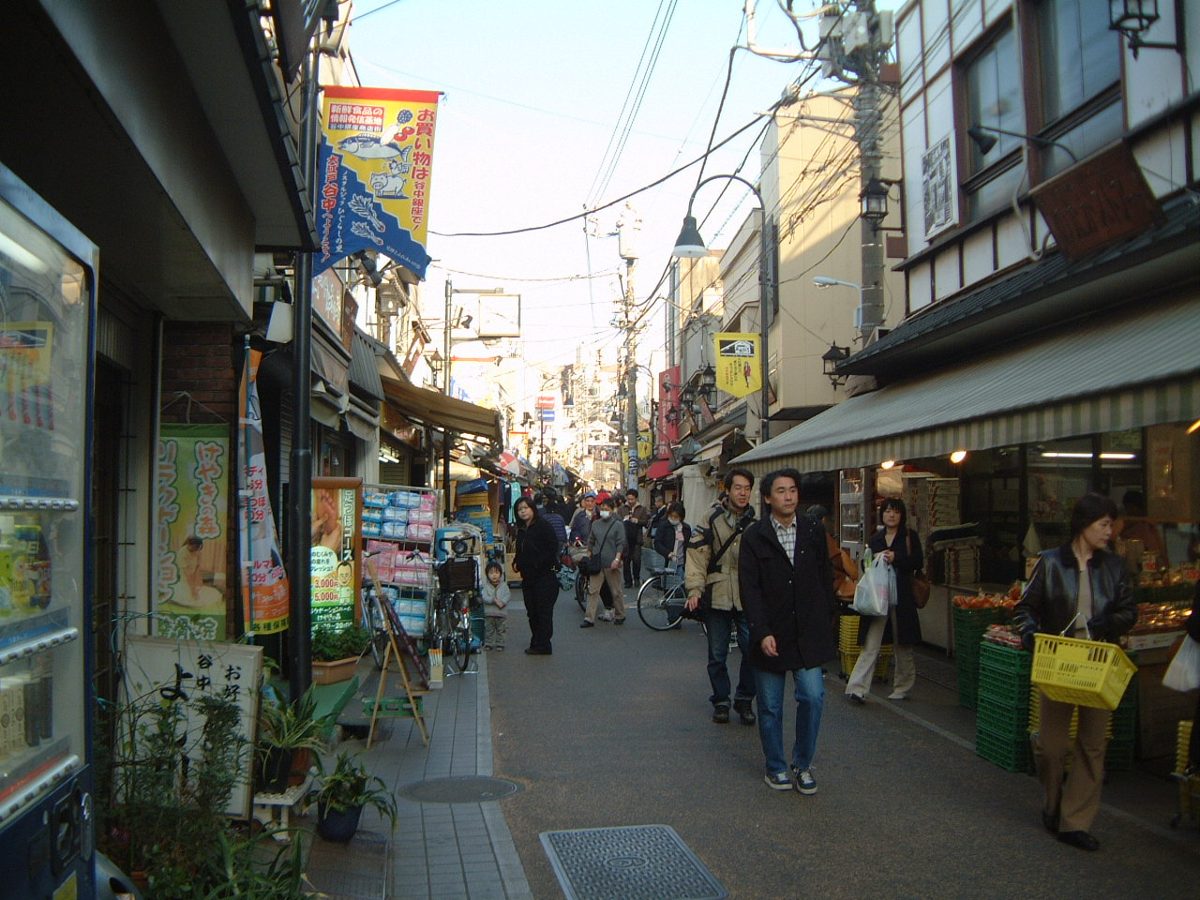
This Yanaka Tokyo guide covers the city’s best-preserved slice of old downtown: a maze of wooden houses, tiny temples, retro shops, and famous cats in northeast Tokyo. Because it survived the wars and the great earthquake, Yanaka keeps a low-rise, Showa-era atmosphere you cannot find in glossy central Tokyo, and you can walk most of it in an afternoon, largely for free.
Why Yanaka feels like old Tokyo
Yanaka is the heart of “Yanesen,” a nickname stitched together from three adjoining old neighborhoods, Yanaka, Nezu, and Sendagi, that together form one of Tokyo’s most atmospheric quarters. What makes the area special is what did not happen to it. Much of Tokyo was leveled by the 1923 Great Kanto earthquake and again by wartime firebombing, then rebuilt tall and fast. Yanaka largely escaped both, so its narrow lanes, low wooden houses, small workshops, and dozens of temples survived to give a rare, intact picture of “shitamachi,” the old working-class downtown.
The result is a neighborhood that rewards slow, aimless walking. There are no skyscrapers and no big crowds outside cherry-blossom season, just temple gates, mossy stone walls, traditional sweet shops, kissaten coffee houses, artists’ studios, and cats dozing on doorsteps. It sits right next to Ueno, so it pairs naturally with a museum day, and for where it fits among the city’s districts, our Tokyo neighborhoods guide shows how Yanaka contrasts with the modern hubs.
Yanaka Ginza: the retro shopping street
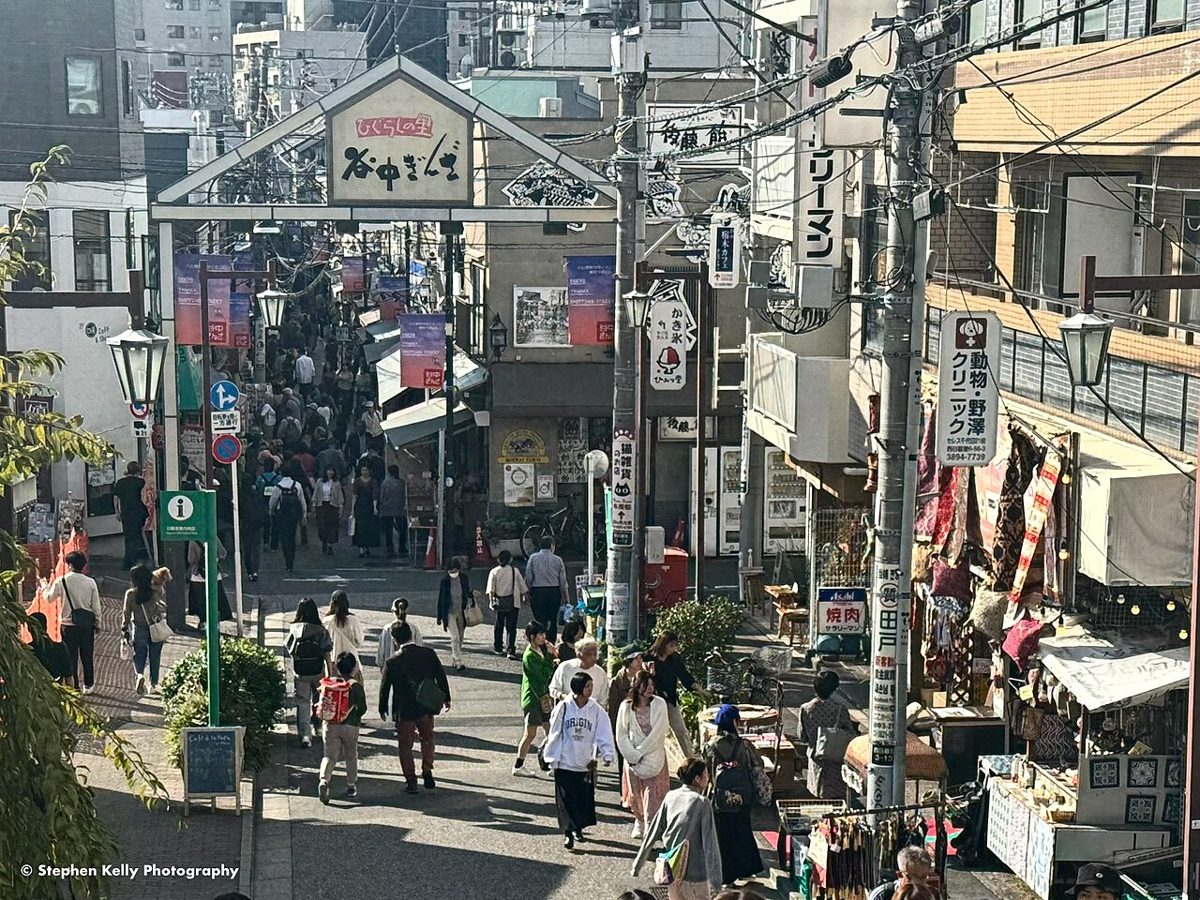
The neighborhood’s centerpiece is Yanaka Ginza, a lantern-lined shopping street of roughly 170 to 200 metres packed with about sixty small, independent shops. There are no chains and no malls, just family-run businesses selling traditional snacks, pickles, tea, crafts, and street food. Walking it feels like stepping into the Showa era, and it is best enjoyed as a graze: buy a hot croquette here, a stick of grilled something there, and eat as you stroll.
A few specific bites are worth seeking out. The menchi-katsu from the butcher-run counters is the classic Yanaka snack, crisp outside, juicy and beefy inside, and best eaten standing, straight from the paper. In the colder months, vendors sell ishiyaki-imo, stone-roasted sweet potatoes that are pure comfort food. Year-round you will find taiyaki (fish-shaped cakes filled with sweet bean paste), dango (skewered rice dumplings in sweet soy glaze), and the playful cat-tail doughnut, a long twist of fried dough that nods to the neighborhood’s feline obsession. Several shops also sell freshly baked or hand-grilled senbei, and you can often watch the rice crackers being brushed with soy sauce over charcoal right at the storefront.
The street food is the main event. Look for menchi-katsu (deep-fried minced-meat cutlets) and korokke croquettes handed over hot from tiny counters, roasted sweet potatoes in autumn and winter, freshly grilled senbei rice crackers, and old-fashioned wagashi sweets. For something to take home, Kanekichien, a tea shop in business for more than 80 years, lines its entrance with canisters of green tea and ceramics and is a lovely spot to buy sencha or matcha. The eastern end of the street meets the famous Sunset Steps, the perfect place to begin or end a walk.
Yuyake Dandan, the Sunset Steps
At the Nippori end of Yanaka Ginza, a short flight of stairs called Yuyake Dandan, literally “sunset steps”, drops down into the shopping street. Stand at the top in the late afternoon and you look out over the rooftops and the lantern-strung lane as the sky turns gold; it is the neighborhood’s signature view and one of Tokyo’s loveliest free photo spots. The steps are also a favorite haunt of the local cats, which brings us to Yanaka’s most famous residents.
The cats of Yanaka
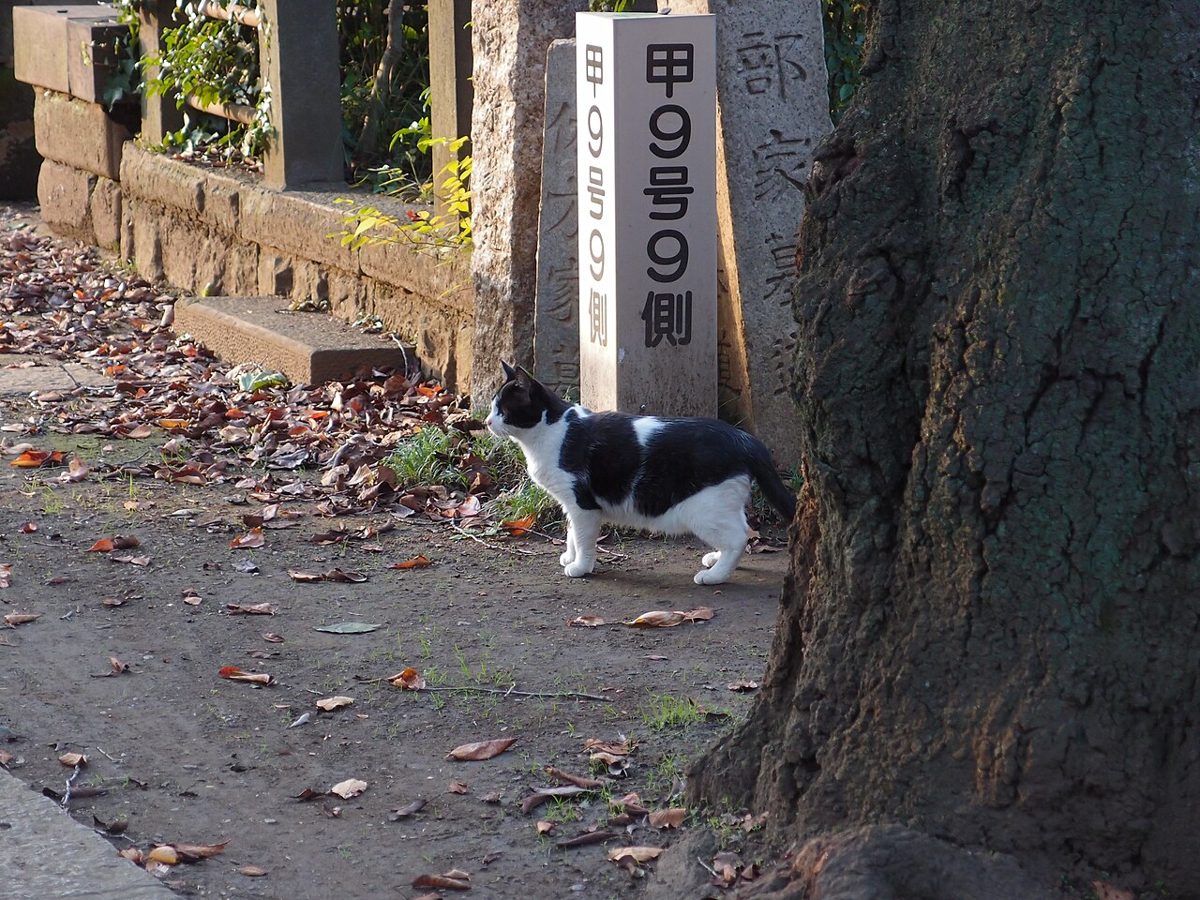
Yanaka is Tokyo’s “cat town.” Stray and neighborhood cats have long lounged in its quiet alleys and on the Sunset Steps, and over the years they became a beloved symbol of the area. Today the cat theme is everywhere: shops sell cat-shaped pastries, cat tail doughnuts, cat-motif crafts, ceramics, and woodblock prints, and you will spot wooden cat figures perched on rooftops and shutters. The district even has a feline mascot, Sen-chan, woven into local branding.
It is a gentle, family-friendly attraction that costs nothing: simply wander the back lanes, keep an eye on the walls and windowsills, and you will meet a few real cats alongside the painted and carved ones. The cat shops cluster in and around Yanaka Ginza, so you do not have to go far to fill a camera roll.
Yanaka Cemetery and the last shogun
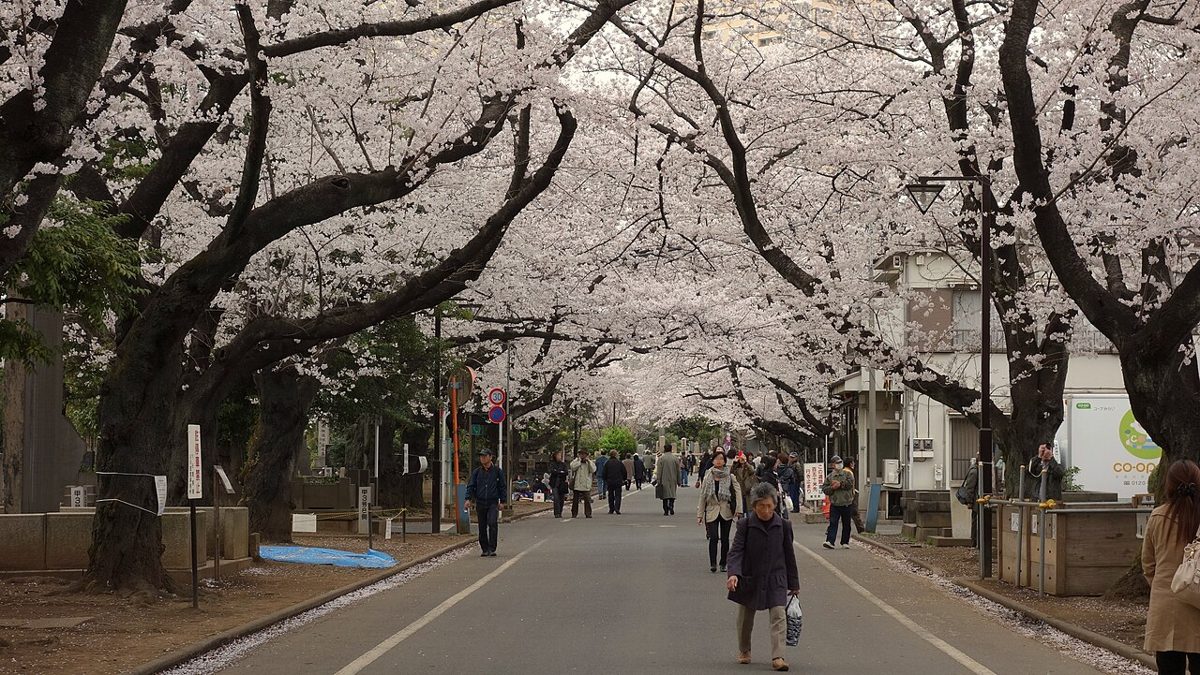
It sounds odd to recommend a cemetery as a highlight, but Yanaka Cemetery (Yanaka Reien) is one of the most peaceful and historic places in Tokyo. Spread across the Tennoji area, it holds around 7,000 graves along a grid of quiet lanes, and its central avenue is lined with cherry trees, earning it the nickname “Sakura-dori,” or Cherry-blossom Avenue. In late March and early April it becomes one of the city’s most atmospheric (and least crowded) hanami spots, a tunnel of blossom over old stone. The cemetery is open daily from 8:30 to 17:00 and is free to enter.
History buffs come for the graves themselves. The most famous belongs to Tokugawa Yoshinobu (Keiki), the fifteenth and last shogun of the Tokugawa dynasty, who handed power back to the emperor in 1868. His tomb sits within a walled Tokugawa enclosure and is signposted in English and Japanese, so it is easy to find. Many other Meiji-era luminaries rest here too. Whatever the season, the cemetery is a calm, contemplative place to walk, and it forms a natural green corridor between Yanaka and Ueno.
Temples, crafts and galleries
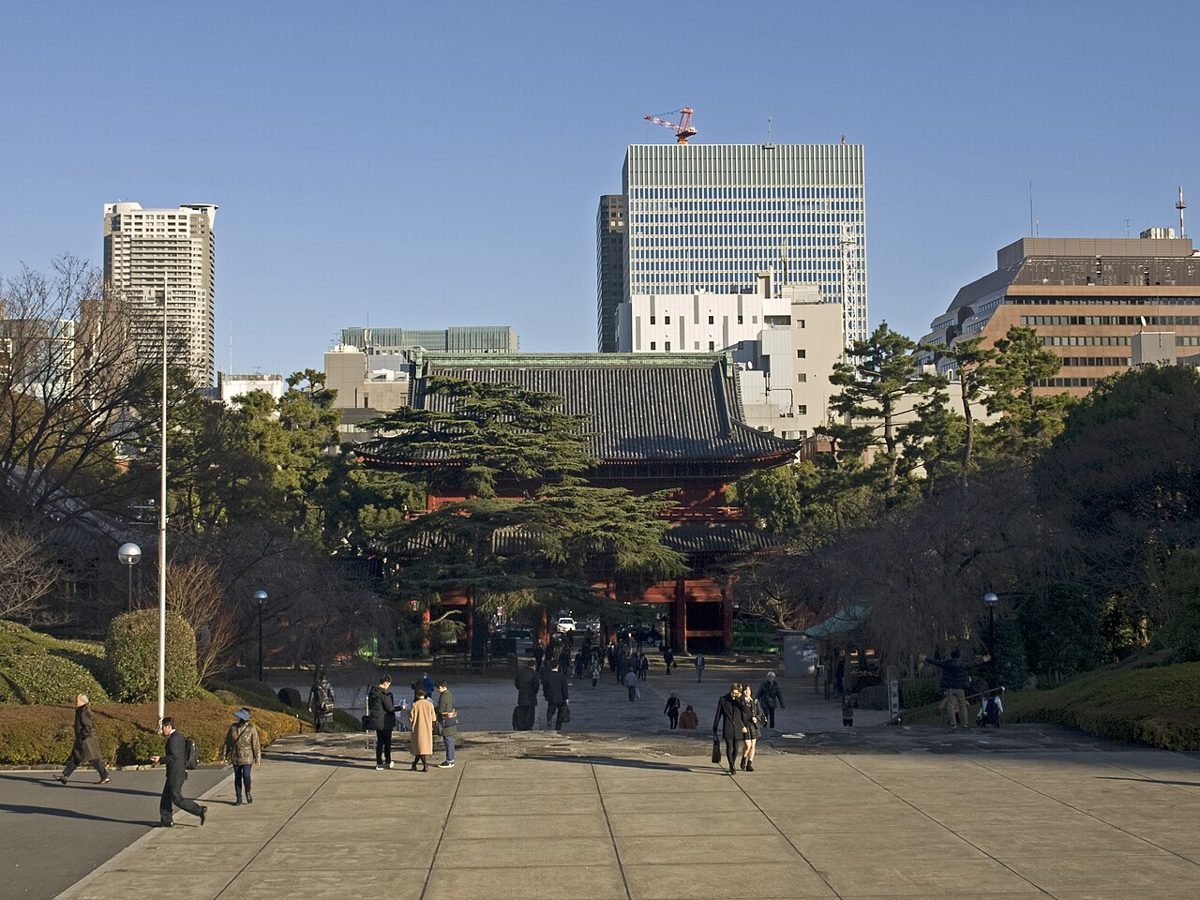
Yanaka is dense with temples, around seventy of them, many relocated here centuries ago when the area became a temple district on the edge of old Edo. You can spend a happy hour just wandering between their gates and gardens. The historic Tennoji temple, near the cemetery, is one of the oldest and most important, with a large seated bronze Buddha in its grounds. Most temples are free and quietly working places of worship rather than ticketed sights, so walk respectfully and you can drop in almost anywhere.
The neighborhood’s creative side is just as strong. SCAI The Bathhouse is a celebrated contemporary-art gallery housed in a roughly 200-year-old former public bathhouse (a sento), its white-cube interior tucked behind a traditional facade, free to enter and a striking contrast of old and new. Scattered around Yanaka you will also find craft workshops, woodblock-print studios, and small galleries keeping traditional skills alive. To understand the living traditions behind what you are seeing, pair your walk with our Tokyo culture and traditions guide.
Asakura Museum of Sculpture
One ticketed sight is well worth the small fee: the Asakura Museum of Sculpture, the former home and studio of sculptor Fumio Asakura, beautifully preserved with a central water garden, a rooftop terrace, and tatami rooms. Admission is ¥500 for adults and ¥250 for students. It opens 9:30 to 16:30 (last entry 16:00) and is closed on Mondays and Thursdays, as well as over the New Year period, so plan around those days. You are asked to remove your shoes, and photography inside is restricted, but the architecture alone makes it one of the most rewarding small museums in Tokyo.
Kissaten coffee and traditional cafes
Yanaka is one of the best places in Tokyo to experience a “kissaten,” the old-school Japanese coffee house. The most famous is Kayaba Coffee, a corner cafe that first opened in 1938 and became a gathering place for the local art crowd; it was lovingly restored and still serves its signature egg sandwich and coffee in a wonderfully retro room. Expect a wait at peak times, this is a small, beloved spot, but the atmosphere is worth it.
Beyond Kayaba, the neighborhood is full of independent cafes, many set inside converted old houses, where you can rest with a pour-over, a matcha, or a slice of cake between temple visits. Tea lovers should call in at Kanekichien on Yanaka Ginza for high-grade green tea. The pace here is unhurried by design; lingering over a drink in a century-old building is part of the Yanaka experience, not a detour from it.
Nezu Shrine and the azalea festival
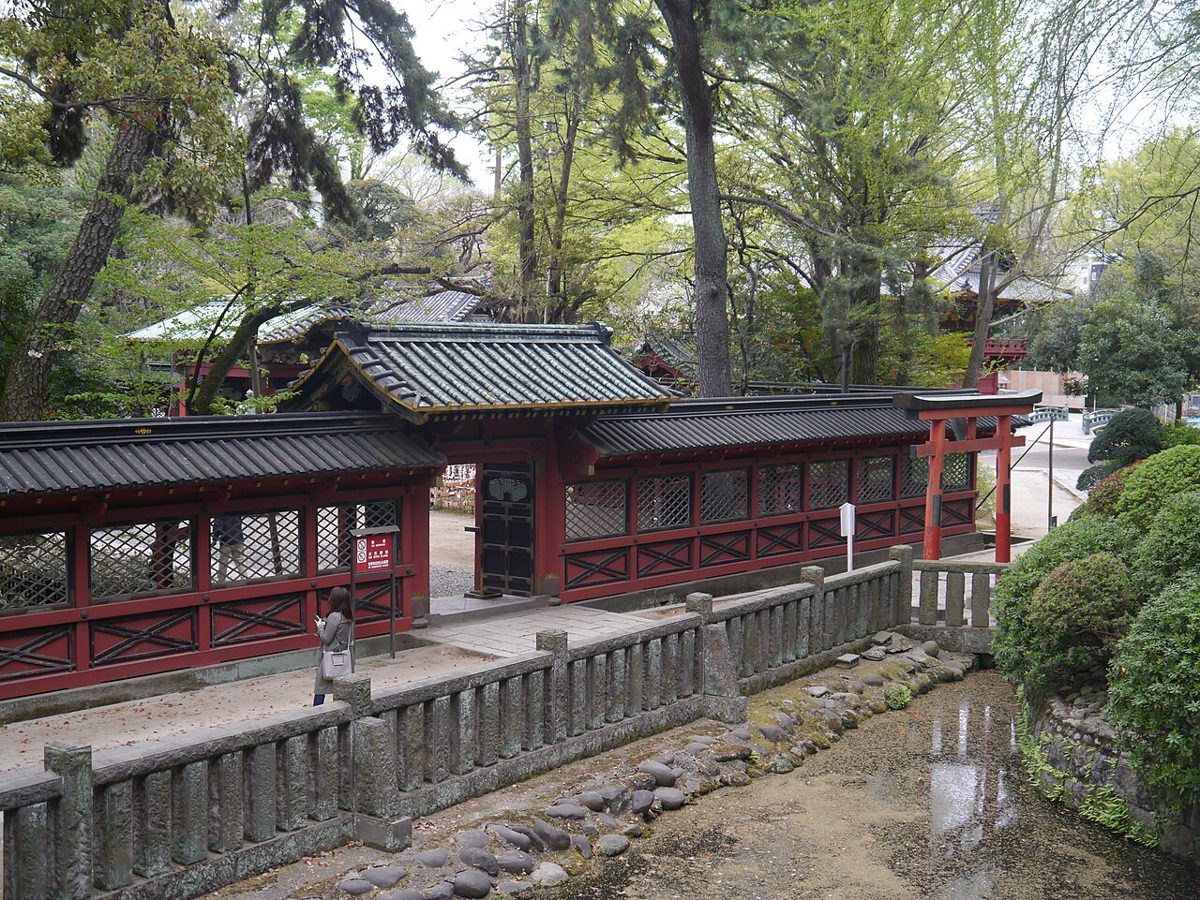
A short walk southwest, in the Nezu part of Yanesen, stands Nezu Shrine, one of the oldest and most beautiful shrines in Tokyo. Its grounds include ornate vermilion buildings, carp ponds, and a photogenic tunnel of small red torii gates that climbs a hillside, a quieter, less crowded echo of Kyoto’s Fushimi Inari. It is free to visit and atmospheric year-round.
The shrine is most spectacular in spring during the Bunkyo Azalea Festival (Tsutsuji Matsuri), when roughly 3,000 azalea bushes of around a hundred varieties bloom in waves of pink, white, and red across the hillside garden. The festival typically runs from early to late April; a small fee applies to enter the azalea garden during the event, and weekends get busy, so go early. Combined with the cherry blossom in Yanaka Cemetery, April is the most beautiful time to visit the whole area. For more on the city’s sacred sites, see our guide to Tokyo’s temples and shrines.
How to get to Yanaka and a walking route
Yanaka is easy to reach and best explored on foot. The main gateway is Nippori Station, served by the JR Yamanote, Keihin-Tohoku, and Joban lines, the private Keisei line (handy if you are coming from Narita Airport), and the Nippori-Toneri Liner. From Nippori’s west exit, it is about a five-minute walk to the cemetery and the top of the Sunset Steps. Alternatively, ride the Tokyo Metro Chiyoda line to Sendagi or Nezu stations, which put you near the western end of Yanaka Ginza and close to Nezu Shrine.
A simple, satisfying route ties it all together:
- Start at Nippori Station (west exit) and walk into Yanaka Cemetery, pausing at Tokugawa Yoshinobu’s grave and the cherry-lined avenue.
- Visit the Asakura Museum of Sculpture (closed Mon and Thu), then wander the temple lanes toward Tennoji.
- Descend the Yuyake Dandan steps into Yanaka Ginza and graze your way along, croquettes, senbei, cat sweets, and tea at Kanekichien.
- Detour to SCAI The Bathhouse and a kissaten such as Kayaba Coffee for a rest.
- Finish at Nezu Shrine and its red torii tunnel, then exit from Nezu or Sendagi station on the Chiyoda line.
The whole loop is gentle and walkable in two to three hours at a relaxed pace. Because Ueno sits right next door, just through the cemetery, many visitors combine the two. Spend a morning among the museums and the park of Ueno, then stroll north into Yanaka for a complete contrast: big institutions on one side, intimate old streets on the other.
Yanaka highlights at a glance
| Sight | What it is | Cost | Hours / notes |
|---|---|---|---|
| Yanaka Ginza | Retro shopping street, street food | Free (pay per snack) | Shops vary; lively afternoons |
| Yuyake Dandan | “Sunset Steps” viewpoint | Free | Best near sunset |
| Yanaka Cemetery | Historic cemetery, cherry avenue | Free | 8:30–17:00 daily |
| Asakura Museum of Sculpture | Sculptor’s house, garden, museum | ¥500 adult / ¥250 student | 9:30–16:30; closed Mon & Thu |
| SCAI The Bathhouse | Gallery in old bathhouse | Free | Check exhibition schedule |
| Nezu Shrine | Historic shrine, torii tunnel | Free (azalea garden fee in Apr) | Azalea Festival in April |
Mistakes to avoid in Yanaka
- Going on the wrong day for the museum. The Asakura Museum of Sculpture closes Mondays and Thursdays. Check before you build your route around it.
- Rushing through. Yanaka is about atmosphere, not ticking off sights. Hurry and you miss the point, the alleys, the cats, the kissaten.
- Skipping the cemetery because it is a cemetery. It is one of the area’s most beautiful and historic walks, and the cherry avenue is spectacular in spring.
- Being loud or intrusive. This is a residential, working neighborhood with active temples and homes. Keep your voice down and do not photograph people’s doorways without care.
- Coming with no cash. Many of the tiny street-food stalls and old shops are cash-only. Bring small notes and coins for snacks.
Yanaka on a budget: one of Tokyo’s best free walks
One of Yanaka’s quiet pleasures is how little it costs. Unlike much of Tokyo, where the best experiences come with an admission ticket, the heart of Yanaka is simply free to wander. There is no charge to walk Yanaka Ginza, climb the Sunset Steps, stroll Yanaka Cemetery, visit the temples, see Tokugawa Yoshinobu’s grave, enter Nezu Shrine, or step into SCAI The Bathhouse. The only money you really need is for street food and souvenirs, and even those are cheap, croquettes and senbei run a few hundred yen, and a cup of green tea or a kissaten coffee is modest.
That makes Yanaka a brilliant choice on a tight day or a rainy budget. If you want to spend, the Asakura Museum of Sculpture (¥500) is the standout small splurge, and the azalea garden at Nezu Shrine charges a small entry fee during the April festival. Otherwise, you can fill an entire afternoon, history, temples, views, cats, and atmosphere, for the price of lunch. Few neighborhoods in any major city give back this much for so little.
Exploring the wider Yanesen district
It is worth remembering that Yanaka is one third of a larger old-town area. Wander south and west and you slip into Nezu and Sendagi, the other two neighborhoods of Yanesen, which share the same low-rise, wooden-house character but see even fewer visitors. Nezu has its grand shrine and a scattering of long-standing shops and bakeries; Sendagi is quietly residential, full of small temples, traditional confectioners, and the kind of unhurried streets where you can hear a shopkeeper sweeping the pavement. There is no hard border between the three, so a walk naturally drifts from one into the next.
This is also a neighborhood for craft hunters. Yanesen has long been home to artisans, and you can still find a Buddhist-altar maker, a brush shop, an indigo-dyer, or a potter working behind an unassuming shopfront. Many of the cafes and galleries occupy beautifully repurposed old buildings, machiya townhouses, former shops, and the odd converted bathhouse, so the architecture itself tells the story of how the area has been gently reinvented rather than torn down. Take your time, look up at the rooftops and down the side lanes, and let the old town reveal itself at its own pace.
Yanaka is also one of the last neighbourhoods in Tokyo where the old coffee houses survive in numbers, largely because redevelopment never reached these streets. Kayaba Coffee, in a restored 1938 wooden building at the top of the hill, is the obvious one — our Tokyo kissaten guide explains what to order and how to spot the others.
Frequently Asked Questions
Is Yanaka worth visiting?
Yes. Yanaka is one of the few places in Tokyo where the old shitamachi atmosphere survives intact, with wooden houses, narrow lanes, dozens of temples, a retro shopping street, and a famous cat culture. It is quiet, walkable, largely free, and sits right next to Ueno, making it an easy and rewarding half-day for anyone who wants to see old Tokyo rather than its skyscrapers.
How do you get to Yanaka?
The main gateway is Nippori Station on the JR Yamanote, Keihin-Tohoku, and Joban lines, plus the Keisei line and Nippori-Toneri Liner; it is about a five-minute walk from the west exit to the cemetery and Yanaka Ginza. You can also use Sendagi or Nezu stations on the Tokyo Metro Chiyoda line, near the western end of the shopping street and Nezu Shrine.
What is Yanaka known for?
Yanaka is known for being old Tokyo: the Yanaka Ginza shopping street with its street food and Sunset Steps, the historic Yanaka Cemetery and its cherry-blossom avenue, around seventy temples, a strong cat theme, traditional kissaten cafes like Kayaba Coffee, and galleries such as SCAI The Bathhouse. Together with Nezu and Sendagi it forms the atmospheric Yanesen district.
How much time do you need in Yanaka?
A half-day, roughly two to three hours of relaxed walking, covers the essentials: the cemetery, Yanaka Ginza, a temple or two, a museum, and a cafe stop. Add Nezu Shrine and a long kissaten break and it becomes a leisurely full half-day. Because it adjoins Ueno, many people combine the two into one full day.
When is the best time to visit Yanaka?
Late afternoon is lovely any time of year for the golden light on the Sunset Steps. Seasonally, April is the standout: cherry blossom fills Yanaka Cemetery’s central avenue, and Nezu Shrine’s azalea festival colours the hillside. Yanaka Ginza is liveliest in the afternoon, and the neighborhood is at its most peaceful on weekday mornings.
Photo Credits
- Yanaka’s wooden houses and narrow lanes preserve old shitamachi Tokyo — Photo: kolshica from Yanaka, Taito, Tokyo / CC BY 2.0 via Wikimedia Commons
- Yanaka Ginza, the neighborhood’s lantern-lined shopping street — Photo: Stephen Kelly from San Francisco, CA, USA / CC BY 2.0 via Wikimedia Commons
- Yanaka is Tokyo’s ‘cat town,’ with cats and cat-themed shops everywhere — Photo: Guilhem Vellut from Annecy, France / CC BY 2.0 via Wikimedia Commons
- Yanaka Cemetery’s cherry-lined central avenue is a peaceful, historic walk — Photo: Ka23 13 / CC BY-SA 4.0 via Wikimedia Commons
- Yanaka is home to around seventy temples tucked among the lanes — Photo: Ymblanter / CC BY-SA 4.0 via Wikimedia Commons
- Nezu Shrine’s tunnel of vermilion torii gates, a short walk from Yanaka — Photo: Zairon / CC BY-SA 4.0 via Wikimedia Commons
