Tokyo Food · Guide №050
Tokyo Depachika Guide: How to Shop the Food Halls
The dazzling department-store basement food halls of Tokyo: what they are, the best ones, what to buy, the end-of-day discount window, eating logistics and gifting etiquette.

目次 — Contents
- What exactly is a depachika?
- What to buy: a section-by-section guide
- The best depachika in Tokyo, and what each is for
- Which depachika should you choose?
- How to shop a depachika like a local
- Omiyage: the etiquette of edible gifts
- Eat with the seasons
- Etiquette and common mistakes
- Depachika vs konbini vs supermarket: when to use which
- A first-timer’s depachika game plan
- How to Build the Perfect Depachika Feast
- Frequently Asked Questions
- Photo Credits
This article contains advertising. Our booking links are routed through a partner that adds commission tracking automatically, so if you book through one we earn a commission from the provider, at no extra cost to you. It never affects what we recommend. Affiliate disclosure
The Tokyo depachika food halls are the city’s best-kept everyday secret: dazzling, immaculate gourmet markets hidden in the basements of the big department stores, where you can buy a ¥600 jewel-box of sushi, a ¥30,000 melon, a still-warm croquette and a century-old wagashi all within twenty paces. Most travellers walk straight past them to the fashion floors. Don’t. A depachika is part food theatre, part grocery, part gift shop, and one of the most rewarding hours you can spend eating in Tokyo without sitting down to a single meal.
This guide explains what a depachika actually is, the best ones in Tokyo and what each is good for, exactly what to buy in each section, the end-of-day discount window that locals time their evenings around, the etiquette of gifting (omiyage), and the one logistical catch nobody warns you about: there is almost nowhere to sit and eat. For the wider context, it slots neatly alongside our Tokyo food guide and our Tokyo street food guide, which together cover most of how the city eats on the move.
What exactly is a depachika?
The word is a portmanteau of depato (department store) and chika (basement). It is the premium food hall on the B1 — and sometimes B2 — floor of stores like Isetan, Mitsukoshi, Takashimaya and Daimaru. The concept took off in the 1960s and has since become a uniquely Japanese hybrid: dozens to a couple of hundred specialist counters under one roof, each obsessing over one thing, all maintained in spotless condition with staff calling irasshaimase and offering free tastes. A single depachika can run from 3,000 to 10,000 square metres and house anywhere from 50 to 200 vendors. The emphasis is not on weekly groceries but on quality, presentation and gift-giving — which is why even the packaging is beautiful.
What to buy: a section-by-section guide
Depachika are loosely organised into zones. Here is what each holds, what it costs in 2026, and what is worth your money.
Sozai: bento and prepared foods
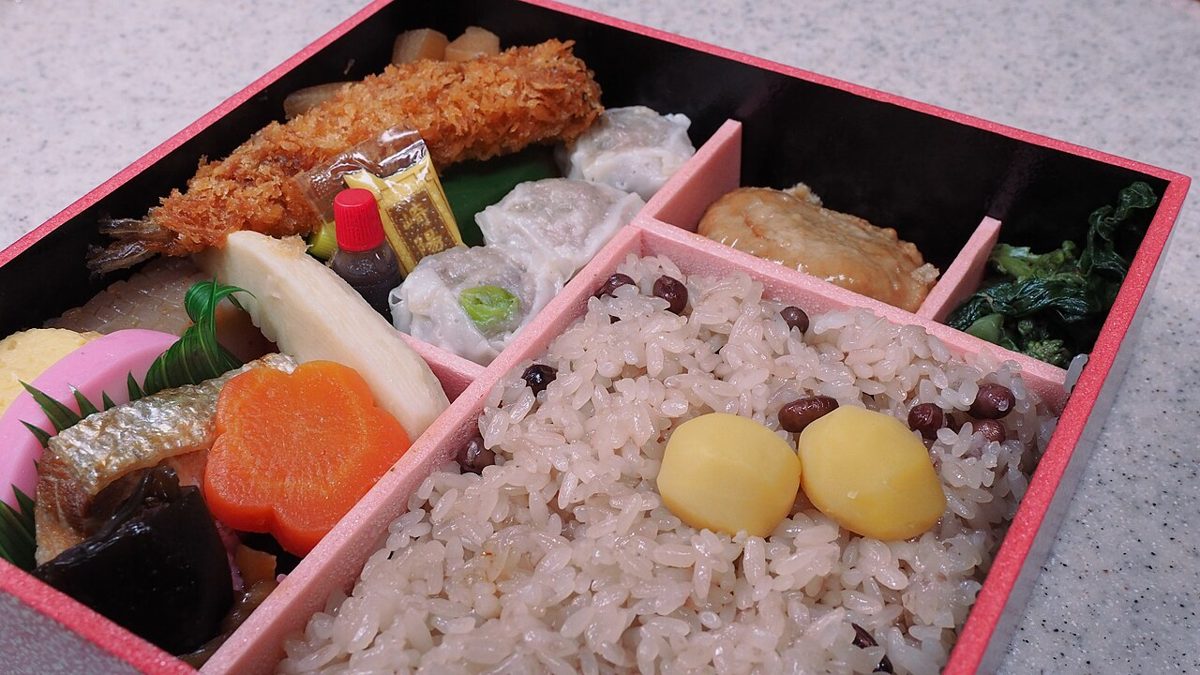
The busiest area, and the most useful to travellers. Glass counters glisten with karaage, tempura, grilled fish, simmered vegetables and made-to-order bento. This is where you buy a far better lunch for the bullet train than any station kiosk: a traditional makunouchi bento (rice, grilled fish, pickles, tamagoyaki) or a premium wagyu box. Rough prices: karaage ¥500–800 a portion, tonkatsu ¥800–1,200, a good bento ¥1,000–2,000, premium wagyu or unagi boxes ¥3,000–5,000. Many counters cook fresh through the day, so you can watch the tempura go into the fryer.
Yogashi: Western cakes and pastries
Japan takes French and Western patisserie extremely seriously, and the depachika is where you find world names — Pierre Herme, Henri Charpentier, Jean-Paul Hevin — beside outstanding Japanese pastry shops. Individual cakes and macarons run ¥300–800; whole cakes ¥3,000–8,000. Look for matcha-laced chocolates, seasonal fruit tarts built on Japanese strawberries, and baumkuchen. Everything is wrapped and boxed to a standard that makes even a single cookie feel like a present.
Wagashi: traditional Japanese sweets

For the most authentic edible souvenir, head to the wagashi counters, many run by makers who have operated for centuries (Toraya dates to the 1500s). These sweets change with the seasons in shape and colour. Good buys: senbei rice crackers (¥500–2,000 a box, keep for months), yokan sweet-bean jelly (¥800–1,500 a bar), fresh daifuku and ichigo-daifuku (¥250–400 each, eat within a day or two), dorayaki (¥200–350), and monaka wafer sweets (¥150–300, travel well). For gifts, the long-life items are ideal; for yourself, get the fresh mochi.
Luxury fruit
The section that stops every first-timer in their tracks. Perfectly formed, gift-grade fruit: Yubari King melons at ¥10,000–30,000 each, Shine Muscat grapes ¥2,000–5,000 a bunch, Amaou strawberries ¥1,000–3,000 a pack, square and ribboned and cushioned like jewellery. In Japan, premium fruit is a prestige gift, not a snack. Even if you buy nothing, it is worth a look — this is fruit as luxury good, measured in degrees Brix and presented in custom boxes.
Seafood, sushi and sides
Counters of nigiri sets (¥1,500–5,000), sashimi platters, hand rolls and kaisendon, much of it delivered fresh from Toyosu that morning. Alongside sit the individual sozai sides — kinpira gobo, potato salad, tamagoyaki, hijiki, tsukemono pickles — sold by weight or in small tubs, perfect for assembling your own picnic. Bakeries round things out with shokupan milk bread, melonpan, curry pan and anpan, often baked several times a day so the basement smells incredible.
Tea, coffee and gifts
Premium matcha (¥1,000–5,000 by grade), sencha, roasted hojicha and specialty coffee, frequently sold as handsome gift sets. This corner, plus the long-life wagashi, is where to do your omiyage shopping in one efficient sweep.
The best depachika in Tokyo, and what each is for
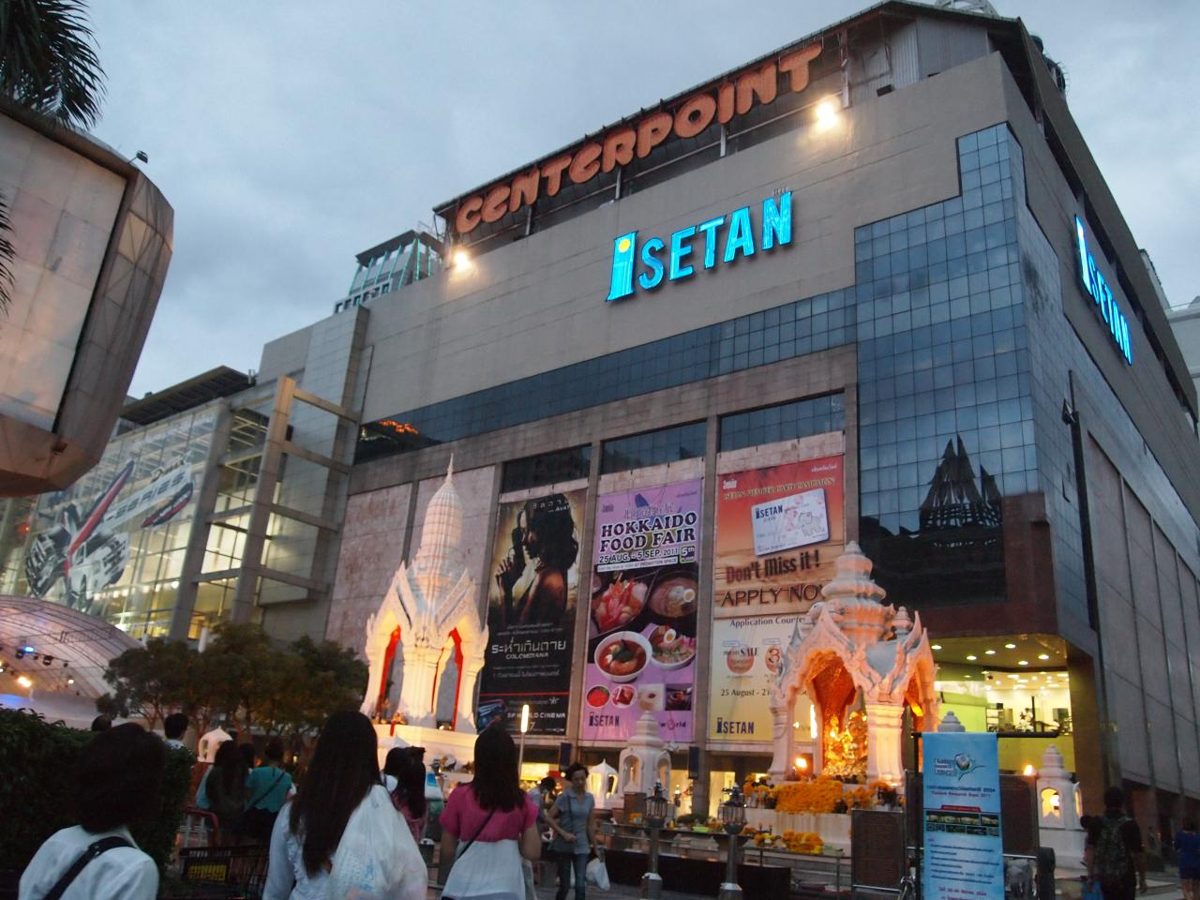
They are not interchangeable. Pick by what you want — trend-spotting, train bento, luxury gifts, or value — and by where you already are.
Isetan Shinjuku — the king
Routinely crowned the best in the city, Isetan’s basement sprawls over roughly 8,000 square metres with 180-plus vendors and sets the trends everyone else follows. The famous account of it splits the space across two floors: sweets, wagashi and gifts on one level, prepared foods (sozai), fresh produce and alcohol on another. Highlights include Henri Charpentier, RF1 for salads and deli, and Ginza Kimuraya, the bakery that invented anpan in 1874. Directly connected to Shinjuku Station; open roughly 10:00–20:00. If you visit one depachika, make it this.
Daimaru Tokyo & Tokyu Food Show — for the train
Daimaru sits right inside Tokyo Station, which makes it the strategic choice for grabbing a premium bento or ekiben (regional station bento) before a shinkansen. Its ekiben selection represents specialities from across Japan, so you can effectively taste another region on the ride. Over in Shibuya, the Tokyu Food Show beneath the station is another excellent, more modern hall. Both are ideal when your depachika visit needs to double as travel logistics. Daimaru runs to about 21:00, later than most.
Ginza Mitsukoshi & Nihombashi Mitsukoshi — for gifts
In the heart of Ginza, Mitsukoshi (the company dates to 1673) is the place for sophisticated, high-end gift shopping: Toraya for centuries-old wagashi, Pierre Herme for macarons, Sembikiya for luxury fruit. The original Nihombashi Mitsukoshi store, meanwhile, functions almost as a national food archive, gathering regional specialities and venerable makers under one roof. Go here when presentation and prestige matter.
Takashimaya Nihombashi & Shinjuku — the classic
Takashimaya offers a more traditional, classic atmosphere with an excellent line-up of long-established specialists — Yokumoku butter cookies (a Tokyo souvenir staple), Nihonbashi Sembikiya fruit, premium sushi to take away. The Nihombashi building is itself a designated Important Cultural Property. A calmer, slightly more grown-up depachika experience.
Others worth knowing
- Shibuya Hikarie ShinQs — modern and stylish, aimed at younger shoppers, with juice bars and Instagram-friendly desserts.
- Odakyu Shinjuku — on the station’s west side, known for value, generous deli portions and Hokkaido specialities.
- Matsuya Ginza — a standout for bento, from kaiseki and unagi to tempura and sushi.
- Tobu Ikebukuro — one of the largest by floor area, handy if you are on the north-west side.
Which depachika should you choose?
| Depachika | Station | Best for | Hours (approx) |
|---|---|---|---|
| Isetan Shinjuku | Shinjuku | Trends, the all-rounder, sweets | 10:00–20:00 |
| Daimaru Tokyo | Tokyo Station | Ekiben & bento for the shinkansen | 10:00–21:00 |
| Ginza Mitsukoshi | Ginza | High-end gifts, luxury fruit | 10:00–20:00 |
| Takashimaya Nihombashi | Nihombashi | Classic makers, calmer browsing | 10:00–20:00 |
| Tokyu Food Show | Shibuya | Modern hall, central & lively | 10:00–21:00 |

How to shop a depachika like a local
Time the end-of-day discounts
This is the single most useful tip, and locals treat it as a sport. Roughly one hour before closing — about 19:00–19:30 at most stores — staff start slapping discount stickers (waribiki) on fresh sozai, sushi, sashimi and bento. Reductions run from 20% up to 50% off. The best selection appears right as the discounting starts; arrive after about 19:45 and the popular boxes are gone. It is a brilliant way to eat a premium dinner for a fraction of the price, and it pairs perfectly with the strategies in our guide to cheap eats in Tokyo.
Accept the free samples
Many counters, especially in the confectionery and deli sections, offer free tastes (shishoku). Make eye contact with the staff member holding the tray and they will hand you a morsel on a toothpick. It is a genuine, no-pressure way to discover something before you buy — just take one per offering and don’t graze the same counter twice.
Know that you usually can’t eat there
The catch nobody mentions: depachika are almost entirely takeaway, with no seating, to keep the crowds flowing. So where do you eat your spoils? Three good answers. Most department stores have a rooftop garden with benches — a lovely, little-known picnic spot. Many have restaurant floors (often levels 10–14) if you would rather sit down properly. Or take it back to your hotel, or save it for the train. Plan this before you buy something that needs eating immediately.
Tax-free shopping (with a catch)
Many stores offer tax-free shopping for tourists on purchases over ¥5,000; bring your passport to the tax-free counter (usually on an upper floor). The catch: food meant to be eaten in Japan does not qualify — only items packaged for export (tea, dried goods, sealed confectionery). Helpfully, many depachika can arrange export packaging for exactly those gift items, so ask if you are buying omiyage to take home.
Payment, timing and packing
- Payment: cash and major cards are widely accepted, and IC cards like Suica and Pasmo work at many counters.
- Best times: weekday mornings (10:00–11:00) are quietest; weekday afternoons (14:00–16:00) balance stock and crowds; avoid weekend lunchtimes when it is a crush.
- Cooling packs: ask for a hoeibukuro (ice pack) for anything perishable, especially in summer or for the train.
- Check the dates: labels show shohikigen (use-by) for fresh items and shomikigen (best-before) for keeping items — important if buying souvenirs.
Omiyage: the etiquette of edible gifts
Depachika exist in large part because of Japan’s gift culture. Omiyage are souvenir gifts brought back for colleagues, friends and family — and they are practically obligatory after a trip. The depachika is the natural place to buy them, because everything is individually wrapped (so a box can be shared around an office) and beautifully presented. Good office gifts in the ¥1,000–3,000 range include Tokyo Banana, assorted senbei, and cookie tins like Yoku Moku; premium gifts (¥3,000–10,000) run to Toraya yokan, fine tea sets and luxury chocolate. The unwritten rules: choose individually wrapped items for groups, keep the shop bag (the brand matters), and present the gift with a small phrase like tsumaranai mono desu ga (it’s only a small thing). For more on where these shops sit within the city’s retail, see our Tokyo shopping guide.
Eat with the seasons
Japanese food culture is tied to the calendar, and the depachika is where you see it most vividly:
- Spring — sakura-flavoured sweets and drinks, strawberries at their peak, the new tea harvest.
- Summer — melon and peach season, kakigori (shaved ice) desserts, chilled noodles.
- Autumn — chestnut (kuri) and sweet-potato confections, matsutake mushrooms, persimmons and pears.
- Winter — osechi New Year feast boxes in December, winter citrus, and hot-pot ingredients.
Etiquette and common mistakes
- Don’t touch the products. Let staff serve you, or use the tongs provided; don’t put items back yourself.
- Queue properly. Japanese queuing is serious; never cut a line, even a short one.
- Don’t eat inside. Wait until you reach the rooftop, a restaurant floor, your hotel or the train.
- Take one sample. Free tastes are for trying, not lunch; one per offering.
- Be decisive at peak. At busy counters, know roughly what you want before it is your turn.
- Skipping it entirely. The biggest mistake of all is heading upstairs to the clothes and never going down to B1. The food halls are the best floor in the building.
Spend an hour down there and a depachika stops being a grocery and becomes one of the most quietly spectacular things to do in the city — which is exactly why it earns a place among the wider best things to do in Tokyo, food-lover or not.
Depachika vs konbini vs supermarket: when to use which
Tokyo gives you three tiers of takeaway food, and knowing which to use saves both money and disappointment. The konbini (convenience store) is unbeatable for cheap, reliable, 24-hour basics — onigiri, sandwiches, a passable bento for ¥500. The supermarket is for self-catering and groceries. The depachika is a step above both: chef-made sozai, specialist bento, fresh sushi from named makers, and gifts you simply cannot get at a konbini. The trick is that at discount time the depachika’s premium boxes can fall close to konbini prices, which is when it becomes the obvious choice. For an everyday lunch on a budget, the konbini wins; for a memorable picnic, a train feast, or anything you’d give as a gift, the depachika is worth the few hundred yen extra.
A first-timer’s depachika game plan
If the scale feels overwhelming on arrival — and at Isetan it will — here is a simple route that works:
- Do one slow lap first. Walk the whole floor before buying anything, taking samples as you go, so you know what’s there.
- Buy savoury, then sweet. Pick a bento or a few sozai for your meal, then circle back for a couple of wagashi or a pastry.
- Add one gift. Grab a box of long-life senbei or a tin of cookies for omiyage while you’re down there; it saves a separate trip.
- Ask for an ice pack if anything is perishable and you won’t eat it within an hour.
- Head up, not out. Take it to the rooftop garden or a restaurant floor, or back to your hotel, and enjoy.
- Time it for 7pm if dinner is the goal and you want the discounts.
Done this way, even a giant depachika becomes a 45-minute pleasure rather than a bewildering maze — and you’ll come away with a better meal, and a better gift, than almost anywhere else in the city.
How to Build the Perfect Depachika Feast
The smartest way to enjoy a depachika is to treat the whole floor as one giant tasting menu and assemble a spread to eat back at your hotel or in a nearby park. Here is a formula that works every time. Start with a centerpiece — a few pieces of just-fried tonkatsu or a korokke, a grilled fish fillet, or a couple of pieces of premium sushi from the seafood counter. Add two or three sozai (prepared sides): simmered vegetables, potato salad, kinpira, or gyoza. Grab something fresh and green to cut the richness, then a small tub of pickles. Finish with the part you came for — a jewel-like slice of cake, a box of namagashi, or a single strawberry daifuku.
A few practical notes make it go smoothly. Most depachika are busiest from late afternoon as commuters shop for dinner, so go earlier if you want elbow room at the popular counters. The famous discount window opens in the last hour or two before closing, when staff start applying markdown stickers (look for 半額, half price) to bento and prepared foods — a brilliant way to eat well for a fraction of the price. Bring cash: while most counters take IC cards and credit, a few small ones are cash-only. Sampling is part of the culture at many sweet and pickle counters, but take what is offered rather than grazing. And if you would rather not carry it far, several stores keep a quiet eat-in corner or a rooftop garden — otherwise the nearest park bench is your friend.
The fruit counters deserve a slower look than most visitors give them. The boxed melons and graded strawberries are gifts, not snacks, but the same fruit goes into the takeaway fruit sando a few counters along, and into the parfaits served at the fruit parlours upstairs in several stores. Our Tokyo dessert cafes guide explains where to eat it sitting down.
Frequently Asked Questions
What is a depachika in Tokyo?
A depachika is the premium food hall in the basement (B1, sometimes B2) of a Japanese department store such as Isetan, Mitsukoshi, Takashimaya or Daimaru. The word combines depato (department store) and chika (basement). Each houses dozens to hundreds of specialist counters selling bento, sushi, prepared sides, Western and traditional sweets, luxury fruit, tea and gifts.
Which is the best depachika in Tokyo?
Isetan Shinjuku is widely considered the best, with around 180 vendors across two basement floors and the city’s trend-setting selection. For bento before a bullet train, Daimaru at Tokyo Station is the strategic pick; for high-end gifts, Ginza Mitsukoshi; and for a classic, calmer experience, Takashimaya Nihombashi.
Can you eat inside a depachika?
Generally no. Depachika are almost entirely takeaway with no seating, to keep foot traffic flowing. Take your food to the department store’s rooftop garden, eat on a restaurant floor (often levels 10 to 14), bring it back to your hotel, or save it for the train. Plan where you’ll eat before buying something perishable.
When are depachika discounts?
Roughly one hour before closing, usually around 7:00 to 7:30 pm, staff begin discounting fresh items like sushi, sashimi and bento with stickers offering 20 to 50 percent off. The best selection is right when discounting starts; arrive too late and the popular boxes sell out. It’s a great way to eat premium food cheaply.
What should I buy at a depachika as a souvenir?
For omiyage gifts, choose individually wrapped, long-life items: assorted senbei, Tokyo Banana, cookie tins like Yoku Moku, yokan from makers such as Toraya, and gift sets of matcha or sencha tea. These keep well, pack easily and present beautifully. For yourself, fresh wagashi, sushi and bento are the highlights.
Photo Credits
- Hero image (depachika) — Photo: spinachdip from Kobe / CC BY-SA 2.0 via Wikimedia Commons
- Food hall — Photo: Basil Hall Chamberlain / Public domain via Wikimedia Commons
- Bento — Photo: Ka23 13 / CC BY-SA 4.0 via Wikimedia Commons
- Wagashi — Photo: Andy Li / CC0 via Wikimedia Commons
- Isetan Shinjuku — Photo: coolinsights / CC BY 2.0 via Wikimedia Commons
- Confectionery — Photo: 原在正 / Public domain via Wikimedia Commons