Tokyo Itineraries · Guide №078
Tokyo 5-Day Itinerary: The Ideal Tokyo Trip Plan
A perfect 5-day Tokyo itinerary for first-time visitors: day-by-day routes through Asakusa, Shibuya, teamLab and a day trip, with 2026 prices, transport and where to stay.
目次 — Contents
- The 5-day plan at a glance
- Before you go: the five things to sort first
- Day 1 — Asakusa and Ueno: old Tokyo first
- Day 2 — Harajuku, Shibuya and Shinjuku: modern Tokyo
- Day 3 — Tsukiji, teamLab and the bay
- Day 4 — Pick one day trip out of the city
- Day 5 — A flexible final day
- Where to stay for this itinerary
- Getting around: trains, the Suica, and not overpaying
- What a 5-day Tokyo trip costs
- Mistakes to avoid
- When to visit, and a word on the seasons
- A little etiquette goes a long way
- Frequently Asked Questions
- Photo Credits
This article contains advertising. Our booking links are routed through a partner that adds commission tracking automatically, so if you book through one we earn a commission from the provider, at no extra cost to you. It never affects what we recommend. Affiliate disclosure
This Tokyo 5 day itinerary is the plan I wish someone had handed me on my first trip: five full days that move neighbourhood by neighbourhood so you spend your time walking and looking, not riding trains. Day 1 is old Tokyo around Asakusa and Ueno, Day 2 is the Shibuya–Harajuku–Shinjuku axis, Day 3 mixes Tsukiji with teamLab and the bay, Day 4 escapes the city, and Day 5 keeps it loose. Here is exactly how to do it.
Five days is the sweet spot for a first visit. Three days leaves you sprinting; a week starts to need day trips to fill it. Five lets you hit every must-see — Senso-ji, Shibuya Crossing, Meiji Jingu, a tower view, a teamLab museum — and still have an afternoon that is yours. This guide is part of our wider itinerary collection, and it pairs naturally with the Tokyo 3-day itinerary if you have less time or the Tokyo 7-day itinerary if you have more.
Everything below was checked for the 2026 travel season — current yen prices, opening hours, the right stations, and which attractions now need a timed ticket booked weeks ahead. I have flagged the two or three things you genuinely must reserve in advance, because turning up at the door no longer works for them.
The 5-day plan at a glance
If you read nothing else, this is the shape of the trip. Each day is built around one or two adjacent areas so you are rarely on a train for more than 20 minutes.
| Day | Area | Highlights | Book ahead? |
|---|---|---|---|
| Day 1 | Asakusa & Ueno (east / old town) | Senso-ji, Nakamise, Sumida River, Ueno Park & museums, Ameyoko | No |
| Day 2 | Harajuku, Shibuya & Shinjuku (west) | Meiji Jingu, Takeshita Street, Shibuya Crossing, Shibuya Sky, Omoide Yokocho | Shibuya Sky (timed ticket) |
| Day 3 | Tsukiji, Toyosu & the bay | Tsukiji breakfast, teamLab Planets, Odaiba, Ginza in the evening | teamLab Planets (essential) |
| Day 4 | Day trip | Hakone, Kamakura or Nikko — pick one | Recommended for Hakone/Nikko passes |
| Day 5 | Flexible / your interests | Akihabara, Yanaka, Shimokitazawa, Skytree, Imperial Palace, or shopping | No |
Before you go: the five things to sort first
A little prep removes most of the friction from a Tokyo trip. Do these before you arrive and your five days run smoothly.
- Get an IC card. A Suica or PASMO is a tap-to-ride card for almost every train, subway and bus in the city. As of 2026 the regular Suica (¥500 refundable deposit) is back in stock at JR East ticket machines after the 2023 chip shortage, and the deposit-free Welcome Suica (red sakura design, valid 28 days, no refund) is sold at the JR East Travel Service Centers at Haneda and Narita. Either works everywhere you will go.
- Sort data. Book a travel eSIM or a pocket Wi-Fi before you fly. Google Maps in Tokyo is excellent and gives live train platforms and times, but you need a connection constantly.
- Carry cash. Tokyo is more card-friendly every year, but small restaurants, shrines, the Tsukiji stalls and older shops are still cash-only. Keep ¥10,000–¥20,000 on you and top up at any 7-Eleven ATM.
- Book the timed-entry attractions now. Two on this itinerary sell out: teamLab Planets (tickets release up to ~3 months ahead) and Shibuya Sky (up to 14 days ahead, at midnight JST). Lock these in before anything else.
- Pack real walking shoes. You will cover 15–20 km a day. This is not the trip for new sandals.
Day 1 — Asakusa and Ueno: old Tokyo first
Start where the city started. Asakusa is the most atmospheric corner of central Tokyo, and arriving here first — before the modern neighbourhoods — gives the whole trip a sense of chronology. Take any line to Asakusa Station; you will smell incense before you see the temple.
Morning: Senso-ji and Nakamise
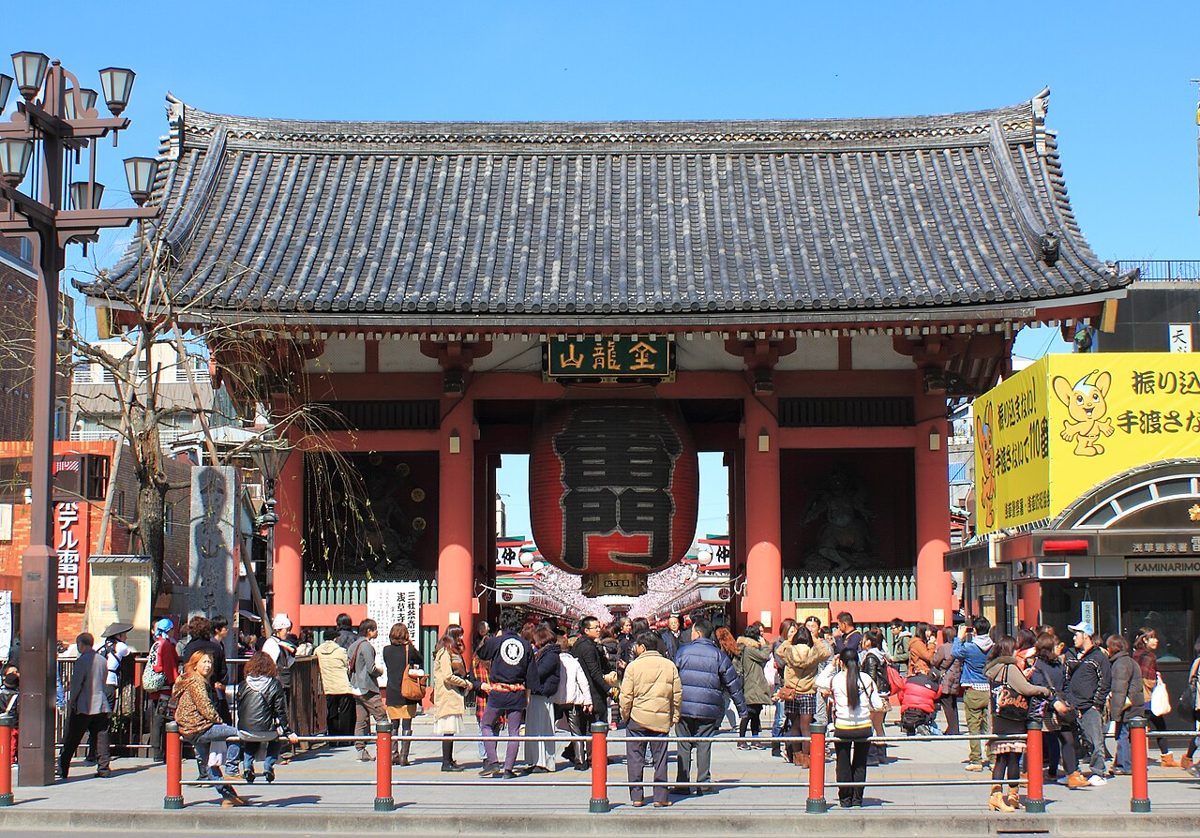
Walk through the Kaminarimon (Thunder Gate) with its 700 kg red lantern and onto Nakamise-dori, a 250-metre lane of stalls that has been selling snacks and souvenirs since the Edo period. Buy a few warm ningyo-yaki (little red-bean cakes) and a bag of senbei rice crackers. At the end stands Senso-ji, founded in the year 645 and the oldest temple in Tokyo. The grounds are free and open 24 hours; the main hall is open 6:00–17:00 (from 6:30 October–March). Go before 9:00 and you will more or less have it to yourself — by 11:00 Nakamise is shoulder-to-shoulder.
Behind the temple, the smaller Asakusa-jinja shrine survived the WWII bombing and is worth five quiet minutes. Then walk to the Sumida River embankment for your first clean view of Tokyo Skytree across the water.
Afternoon: Ueno Park and its museums
Ride the Ginza Line three stops (or walk 25 minutes) to Ueno. Ueno Park is one of Tokyo’s great green spaces and the densest cluster of museums in Japan. You will not do them all — pick one. The Tokyo National Museum (¥1,000, closed Mondays, 9:30–17:00) holds the finest collection of Japanese art and artefacts anywhere and deserves a couple of hours. Families often choose Ueno Zoo (¥600) for the giant pandas instead. Either way, leave time to wander down to Shinobazu Pond, thick with lotus in summer.
Evening: Ameyoko and dinner
Just south of the station, Ameyoko is a loud, cheap market street under the JR tracks — dried squid, fresh fruit, street kebabs and standing bars. It is the antidote to a quiet museum afternoon. Eat here, or head back to Asakusa for okonomiyaki (savoury pancakes you grill yourself) at long-running spots near the temple. Total spend for Day 1 is genuinely low: one museum ticket and some street food.
Day 2 — Harajuku, Shibuya and Shinjuku: modern Tokyo
Today is the Tokyo of the postcards and the films. These three districts sit in a line along the west side and connect in a few minutes by train, so you can do all three properly in a day.
Morning: Meiji Jingu and Harajuku
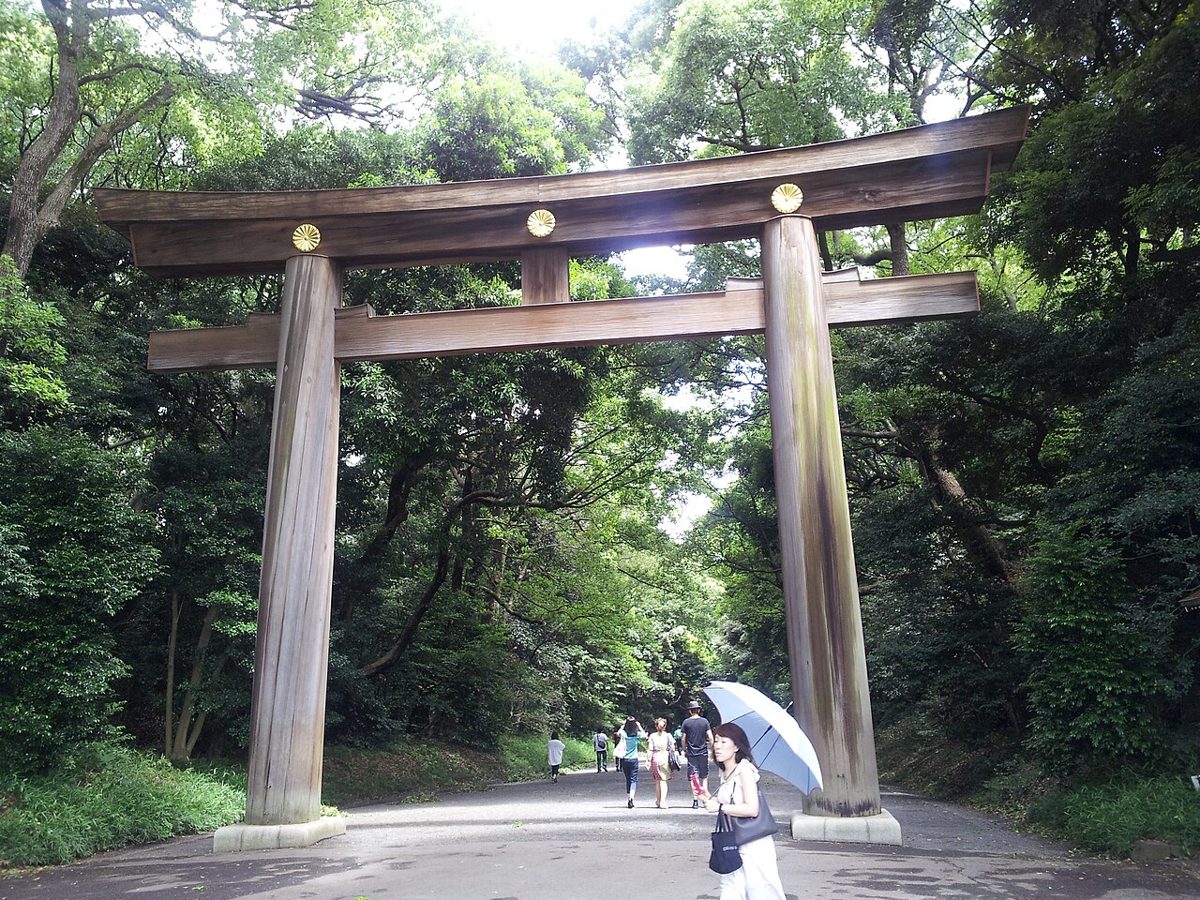
Begin at Meiji Jingu, the grand Shinto shrine to Emperor Meiji set inside a 70-hectare forest that was planted by hand a century ago. It is hard to believe Shibuya is ten minutes away. Entry to the grounds is free (open sunrise to sunset); the Inner Garden costs ¥500 if you want the irises. Use the Harajuku Station / Meiji-jingumae entrance and walk the wide gravel path under the wooden torii gates to the main hall.
Step straight out of the calm and into the chaos of Takeshita Street in Harajuku — pastel fashion, photo-booth arcades and rainbow crepes. It is touristy and brilliant. Then walk south down Omotesando, Tokyo’s most architecturally interesting avenue, where flagship stores by Tadao Ando, Kengo Kuma and SANAA line a zelkova-shaded boulevard.
Afternoon: Shibuya and Shibuya Sky
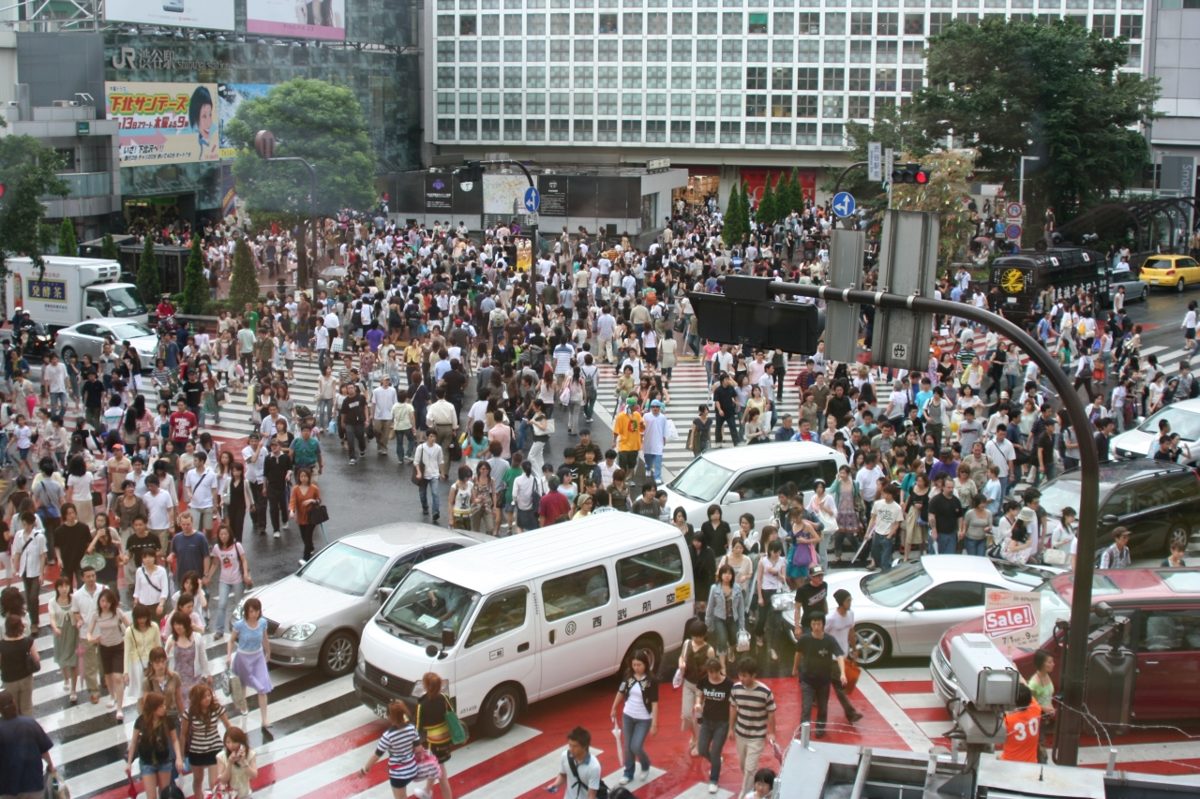
Continue to Shibuya and the legendary Shibuya Scramble Crossing, where up to 3,000 people cross at once on a green light. Cross it yourself, then watch from above — the free second-floor window of the Tsutaya/Starbucks building is the classic angle, or pay for the Shibuya Sky rooftop on top of Shibuya Scramble Square. Shibuya Sky is the best open-air city view in Tokyo: in 2026 advance adult tickets run about ¥2,500 online (more at the door, and pricier after 15:00 and on holidays). Book a slot around sunset and you can watch the city light up. Do not forget the bronze Hachiko dog statue outside the station — Tokyo’s favourite meeting point.
Evening: Shinjuku after dark
Ride two stops north to Shinjuku, which is at its best at night. Go up the Tokyo Metropolitan Government Building observation deck — free, open until 22:00, and on a clear evening you can pick out Mount Fuji at dusk. Then dive into Omoide Yokocho (“Memory Lane”), a warren of tiny 1940s yakitori stalls where you squeeze onto a stool, order skewers and a beer, and share a counter with strangers. If you still have energy, Golden Gai‘s 200-odd matchbox bars are a short walk away. This is the busiest day of the itinerary, so pace your coffee stops.
Day 3 — Tsukiji, teamLab and the bay
Day 3 swings from a 5 a.m. fish market to a barefoot digital-art museum to neon Odaiba. It is the most “only in Tokyo” day of the five.
Morning: Tsukiji Outer Market
The inner wholesale market moved to Toyosu in 2018, but the Tsukiji Outer Market is still the place for a seafood breakfast. Most stalls open around 5:00 and start winding down by mid-morning, so arrive before 9:00 for the freshest counters and the shortest lines. Graze your way through: a stick of grilled scallop, fresh uni, tamago (sweet egg omelette) on a stick, and a small bowl of tuna sashimi over rice. Bring cash. Many stalls are closed on Sundays and Wednesdays, so check the day before.
Midday: teamLab Planets (the one to pre-book)
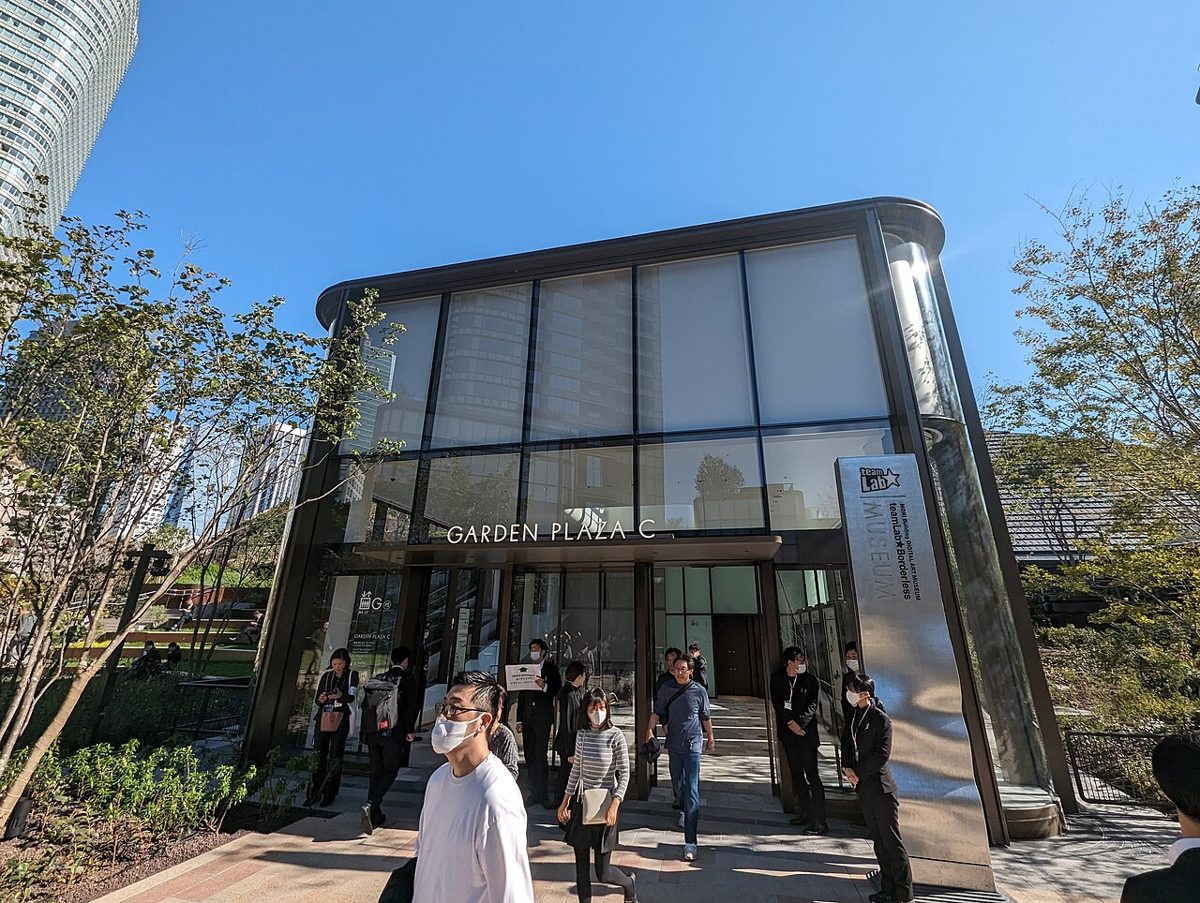
From Tsukiji it is a short hop on the Yurikamome to Toyosu and teamLab Planets TOKYO, the immersive digital-art museum you experience barefoot, wading through knee-deep water rooms and mirrored infinity spaces. This is the single attraction you most need to reserve: tickets release up to roughly three months ahead and the best slots vanish. 2026 adult admission is about ¥3,800 on weekdays and ¥4,200 on weekends. Allow 90 minutes to two hours inside. (If you prefer the larger, more maze-like experience, teamLab Borderless in Azabudai Hills is the alternative — also timed-ticket only.)
Afternoon and evening: Odaiba then Ginza
Stay on the Yurikamome to Odaiba, the man-made entertainment island in Tokyo Bay. The free highlights are the life-size Unicorn Gundam statue outside DiverCity (it “transforms” on a schedule through the day and evening), the replica Statue of Liberty, and the Rainbow Bridge skyline view at dusk. Round the night off back across the water in Ginza, Tokyo’s grandest shopping district — even if you buy nothing, the 12-floor Itoya stationery store and the free Ginza Six rooftop garden are a treat, and the side streets hide superb restaurants.
Day 4 — Pick one day trip out of the city
By Day 4 you have earned a change of scenery. All three options below are comfortable same-day returns from central Tokyo. Choose by what you most want — a mountain hot-spring loop, a coastal temple town, or Japan’s most ornate shrine. For more ideas and routes, see our full guide to getting out of the city for a day.
| Day trip | Best for | Travel from Tokyo | Rough cost (return + key entries) |
|---|---|---|---|
| Hakone | Mount Fuji views, onsen, the “loop” of cablecar & pirate ship | ~85 min from Shinjuku (Odakyu Romancecar) | Hakone Free Pass from ¥6,100 (2-day, incl. transport) |
| Kamakura | Great Buddha, coastal temples, the retro Enoden tram | ~56 min from Tokyo Station (JR Yokosuka Line, ¥940) | ¥3,000–4,000 incl. transport + temple entries |
| Nikko | Lavish UNESCO shrines, cedar forests, waterfalls | ~1h50 from Asakusa (Tobu Limited Express) | Nikko Pass World Heritage Area ¥3,000 + Toshogu ¥1,600 |
Hakone — the Mount Fuji and onsen loop
Hakone is the easiest place near Tokyo to combine a Mount Fuji view with a hot-spring soak. Take the Odakyu Romancecar from Shinjuku and buy the Hakone Free Pass (from ¥6,100 for two days), which covers the whole circuit: mountain railway, cablecar, the Hakone Ropeway over the steaming Owakudani valley, and a “pirate ship” cruise across Lake Ashi with Fuji behind it on a clear day. The Hakone Open-Air Museum and a riverside onsen finish it off. If Fuji itself is your priority, the Lake Kawaguchiko area is the other classic choice — covered in depth in our Mount Fuji day trip guide.
Kamakura — Great Buddha by the sea
Kamakura is the “Kyoto of the East”: an hour south of Tokyo, packed with temples, and right on the coast. Take the JR Yokosuka Line from Tokyo Station (about 56 minutes, ¥940). The headline sight is the Great Buddha (Daibutsu) at Kotoku-in — an 11-metre bronze figure that has sat in the open air since 1252. Entry is ¥300, plus ¥50 to step inside the statue. Ride the rickety, much-loved Enoden tram along the shore to nearby Hasedera (¥400), which has gardens and a sea view, then finish with your toes in the sand at Yuigahama beach.
Nikko — Japan’s most ornate shrines
Nikko is the most spectacular of the three if you love history. The Tobu Limited Express from Asakusa reaches Tobu-Nikko in about 1 hour 50 minutes; the Nikko Pass World Heritage Area (¥3,000) bundles the round-trip train with local buses. The centrepiece is Toshogu, the gilded mausoleum of shogun Tokugawa Ieyasu, smothered in carvings including the original “see no evil, hear no evil, speak no evil” monkeys. Shrine admission (¥1,600) is separate from the pass, and the ticket booths are cash-only unless you book online. Toshogu opens 8:00 (9:00 in winter).
Day 5 — A flexible final day
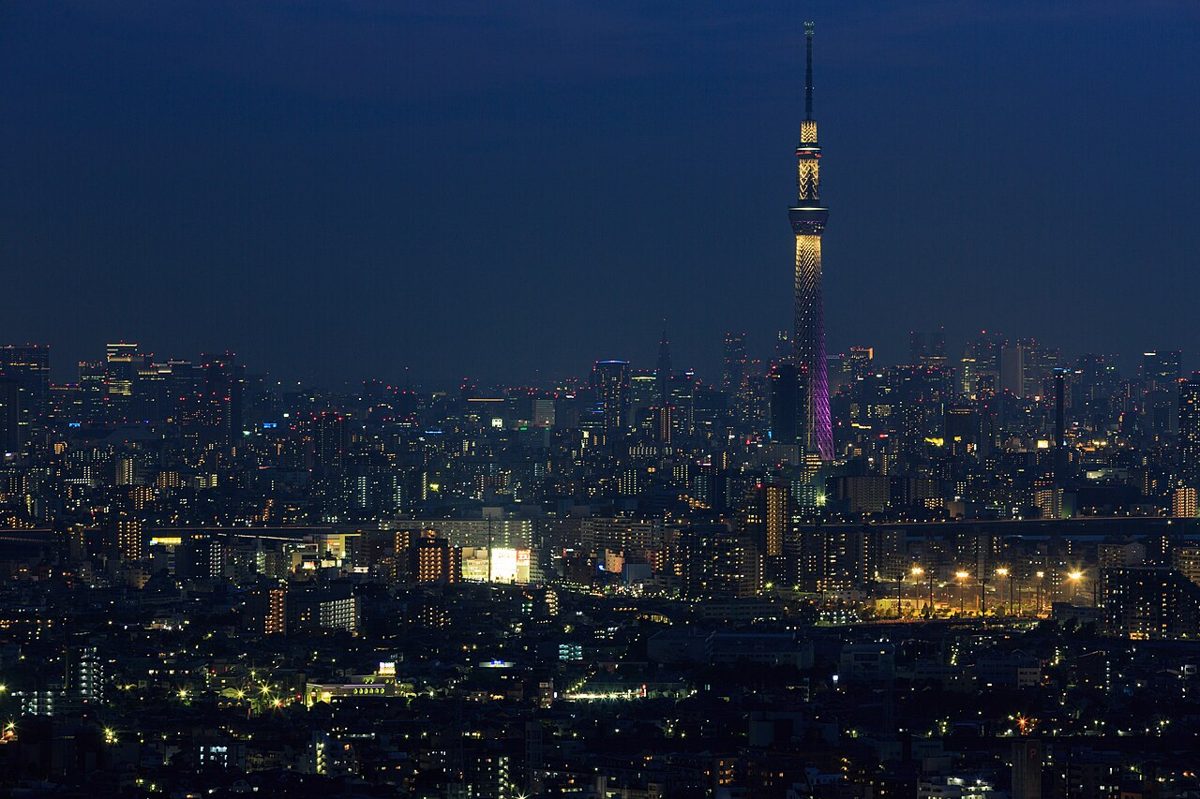
Your last day should bend to whatever you have most enjoyed. Below are four self-contained options; pick one in the morning and one in the afternoon, or just slow down. A few favourites:
- Akihabara if you are into anime, games or electronics — seven floors of Yodobashi Camera, retro arcades, and figure shops. Even if it is not your world, the sheer density of signage is a sight in itself.
- Yanaka for old Tokyo without the crowds: Yanaka Ginza shopping street, a famously atmospheric cemetery full of cats and cherry trees, and tiny cafés. Pair it with neighbouring Nezu and Sendagi (together “Yanesen”).
- Shimokitazawa for vintage clothing, record shops, third-wave coffee and live-music basements — the neighbourhood regular visitors keep coming back to. There is no single must-see; the streets are the point.
- Tokyo Skytree (pictured) if you skipped a tower view: at 634 m it is the tallest in Japan, open 10:00–22:00, with the Tembo Deck from around ¥2,100 on a weekday. The attached Solamachi mall and aquarium fill a rainy morning.
If you would rather see the historic heart of the city, the Imperial Palace East Gardens are free, a ten-minute walk from Tokyo Station, and a calm place to spend a final hour where Edo Castle once stood. For a curated short version of the whole city, our three-day highlights route works well as a “greatest hits” checklist on a flexible day.
Where to stay for this itinerary
Because every day starts from a train line, your hotel matters less than people fear — but a central, well-connected base saves real time over five days. I would book near one of three hubs, and you can compare areas in detail in our guide to picking a Tokyo base.
- Shinjuku — the most connected station in the world, endless food and nightlife, and the natural arrival point from the airports. Best all-rounder for a first trip.
- Tokyo Station / Marunouchi — central, calm at night, and ideal if you are doing day trips (most lines, including the Yokosuka Line to Kamakura, start here).
- Asakusa — cheaper, traditional, and full of guesthouses and ryokan; a little further east, but charming and well-served by the Ginza and Asakusa lines.
Tokyo has every tier from ¥3,000 capsule pods to bay-view five-stars. Mid-range business hotels (clean, tiny, reliable) cluster around every major station and are the best value for most travellers. Whatever you pick, book early for cherry-blossom season (late March to early April) and the autumn colours (mid-November), when the good rooms go months ahead.
Getting around: trains, the Suica, and not overpaying
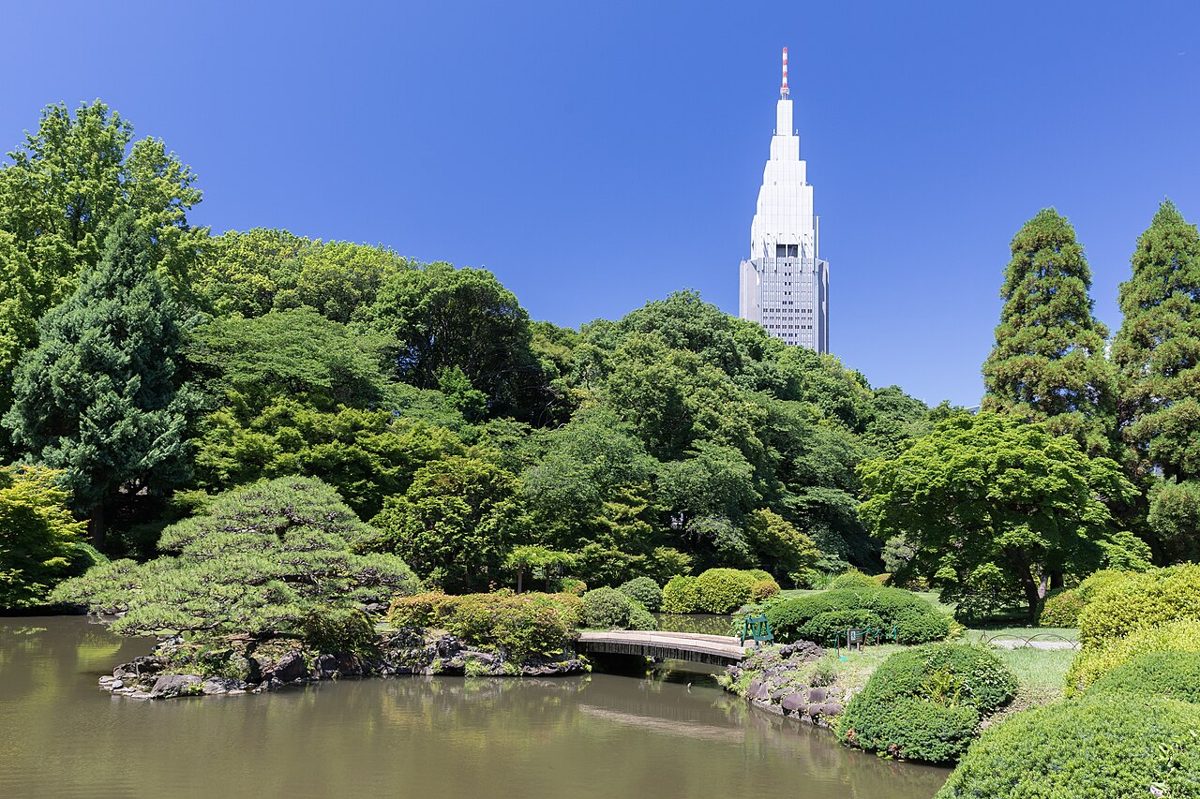
Tokyo’s rail network is the best on earth and the only sensible way to get around. A few things make it painless. Tap in and out with your Suica or PASMO on every JR, metro, private line and bus — no working out fares, no paper tickets. A single city ride is usually ¥150–¥210, so a typical day of hopping around costs well under ¥1,000. Our full Tokyo train, metro and bus guide covers airport transfers, the subway map and ticket tricks in depth.
One myth to bust: you almost certainly do not need a Japan Rail Pass for a Tokyo-only trip. The nationwide JR Pass is now expensive and only pays off if you are also riding bullet trains to Kyoto or Osaka. For five days inside Tokyo plus one local day trip, a pay-as-you-go IC card is far cheaper. If your day trip is Hakone or Nikko, buy that route’s own regional pass (Hakone Free Pass, Nikko Pass) instead — they are bundled deals that beat individual tickets.
From the airport: the Narita Express runs to Shinjuku, Shibuya and Tokyo Station in about an hour; the cheaper Keisei Skyliner serves Ueno. From Haneda, the Keikyu line or Tokyo Monorail get you into the city in 20–30 minutes for a few hundred yen.
What a 5-day Tokyo trip costs
Tokyo is far more affordable than its reputation, especially for food. Here is a realistic per-person daily budget for the activities and getting around (excluding your flights and hotel), based on the 2026 prices used throughout this guide.
| Style | Food / day | Transport / day | Attractions / day | Daily total (ex-hotel) |
|---|---|---|---|---|
| Budget (konbini, ramen, free sights) | ¥2,500 | ¥800 | ¥700 | ~¥4,000 |
| Mid-range (sit-down meals, paid views) | ¥5,000 | ¥1,000 | ¥2,500 | ~¥8,500 |
| Comfortable (nicer dinners, taxis, all tickets) | ¥9,000 | ¥2,000 | ¥4,000 | ~¥15,000 |
Real-world notes: a satisfying ramen or rice bowl is ¥900–¥1,200, a konbini lunch ¥500–¥700, and many of the best things — Meiji Jingu, the Government Building deck, Shibuya Crossing, the Imperial Palace gardens, every shrine ground — are free. Your day trip on Day 4 is the one bigger outlay (¥3,000–¥6,000 with passes). Tipping is not done in Japan, so the price you see is the price you pay.
Mistakes to avoid
- Not pre-booking teamLab and Shibuya Sky. These are the two attractions on this plan that regularly sell out. Book teamLab Planets weeks ahead and Shibuya Sky as soon as its 14-day window opens.
- Buying a Japan Rail Pass for a Tokyo-only trip. It will not pay off. Use a Suica, and buy a regional pass only for a Hakone or Nikko day trip.
- Over-scheduling. Tokyo rewards slow wandering. Two or three anchors a day is plenty; leave gaps for the alley, the café and the shop you did not plan for.
- Eating lunch at exactly 12:00. Restaurants near offices are jammed from noon to 1:00. Eat at 11:30 or 13:15 and you will walk straight in.
- Ignoring the konbini. 7-Eleven, FamilyMart and Lawson do genuinely good, cheap meals — onigiri, egg sandwiches, hot snacks — and an ATM that takes foreign cards.
- Forgetting cash for shrines and Tsukiji. Cards are spreading, but temple admissions, market stalls and small bars are still cash-first.
When to visit, and a word on the seasons
This itinerary works year-round, but the experience changes a lot by season. Late March to early April brings the cherry blossoms, and the plan above is full of prime hanami spots — Ueno Park, Shinjuku Gyoen, the Meguro River near Nakameguro, Sumida Park by Asakusa. It is the most beautiful and the most crowded time; book hotels months ahead. Mid-November delivers spectacular autumn colour (the ginkgo avenue at Meiji Jingu Gaien, the maples in Rikugien and Koishikawa Korakuen) with milder crowds.
Summer (June to August) is hot and humid, with a rainy spell in June and festival season in July and August — carry water, plan indoor stops like teamLab or museums for the midday heat, and chase the evening fireworks. Winter (December to February) is cold but dry and clear, which means the best odds of seeing Mount Fuji on a day trip and the city’s winter illuminations lighting up Omotesando, Marunouchi and Shibuya. There is no bad time; just pack for the one you choose.
A little etiquette goes a long way
You do not need to memorise a rulebook, but a handful of customs will make you a welcome guest and keep you from the rookie mistakes locals notice.
- Stay quiet on trains. Phone calls are a real faux pas; keep your voice down and your phone on silent. Stand on the correct side of escalators — left in Tokyo, so people can walk on the right.
- Do not eat while walking. Street food is eaten standing by the stall where you bought it, not strolled with. The exception is festival grounds.
- Carry your rubbish. Public bins are rare. Hold onto your trash until you find one, usually beside a konbini or vending machine.
- Shrine and temple manners. At a shrine, bow slightly at the torii, cleanse your hands at the water basin, and the prayer ritual is bow-bow, two claps, bow. At temples you do not clap. Photography is fine outside but often forbidden inside halls.
- Cash handovers and shoes. Place money on the little tray at registers rather than into the cashier’s hand. And if a restaurant, ryokan or temple has a step up and a shoe rack, your shoes come off.
- No tipping, ever. It is not expected and can cause confusion. Excellent service is simply the standard.
Frequently Asked Questions
Is 5 days enough for Tokyo?
Yes — five days is the ideal length for a first visit. It is long enough to see every major sight (Senso-ji, Shibuya, Meiji Jingu, a tower, a teamLab museum) at a relaxed pace and still fit in one day trip out of the city, without the rush of a two- or three-day trip. Only stretch to seven days if you want multiple day trips or a slower pace.
How much does a 5-day Tokyo trip cost?
Excluding flights and hotel, budget roughly ¥4,000 per day if you eat at konbini and ramen shops and stick to free sights, ¥8,000–¥9,000 for a comfortable mid-range day with paid views and sit-down meals, and around ¥15,000 for a higher-end day. Accommodation adds anything from ¥3,000 (capsule) to ¥40,000+ (luxury) per night on top.
What is the best area to stay in Tokyo for 5 days?
Shinjuku is the best all-round base — it is the most connected station in Tokyo, has food and nightlife on every corner, and is the easy arrival point from both airports. Tokyo Station/Marunouchi is ideal if you plan day trips, and Asakusa is the cheaper, more traditional choice.
Do I need a Japan Rail Pass for Tokyo?
No. For a Tokyo-only trip, a pay-as-you-go Suica or PASMO card is far cheaper than the nationwide JR Pass, which only makes sense if you are also taking bullet trains to other cities. For a Hakone or Nikko day trip, buy that route’s own regional pass instead.
What should I book in advance for Tokyo?
Book teamLab Planets (or Borderless) and Shibuya Sky well ahead — both use timed entry and sell out. Also reserve any famous ramen or omakase restaurants you have your heart set on, the Ghibli Museum if you want it (tickets release monthly and go in minutes), and your day-trip regional pass if you are doing Hakone or Nikko.
Photo Credits
- Senso-ji Temple, Asakusa — Photo: Kakidai / CC BY-SA 3.0 via Wikimedia Commons
- Shibuya Crossing — Photo: Picturetokyo / Public domain via Wikimedia Commons
- Meiji Jingu torii gate — Photo: Nightcrafter / CC BY-SA 4.0 via Wikimedia Commons
- Tokyo Skytree — Photo: fumihirokato / CC BY-SA 2.0 via Wikimedia Commons
- Shinjuku Gyoen National Garden — Photo: Basile Morin / CC BY-SA 4.0 via Wikimedia Commons
- teamLab digital art museum — Photo: Syced / CC0 via Wikimedia Commons