Best Things to Do in Tokyo · Guide №038
Best Museums in Tokyo: Art to Quirky (2026 Guide)
The best museums in Tokyo for 2026, sorted by interest: art, history, science and quirky, with prices, hours, nearest stations and the money-saving Grutto Pass.
目次 — Contents
- How to choose, and a pass that pays for itself
- Art museums
- History and culture museums
- Science and family museums
- Quirky and one-of-a-kind museums
- The Ueno museum cluster: a day in one park
- The Grutto Pass: how to save money
- Best museums for a rainy day
- Visiting museums with kids
- Tokyo museums at a glance
- Beyond the big names: more art worth your time
- Practical tips for museum-going in Tokyo
- How to combine museums into a day
- The bottom line
- Frequently asked questions
This article contains advertising. Our booking links are routed through a partner that adds commission tracking automatically, so if you book through one we earn a commission from the provider, at no extra cost to you. It never affects what we recommend. Affiliate disclosure
Tokyo’s best museums cover everything from National Treasures and contemporary art to robotics, samurai armour and a whole museum about instant ramen. For most visitors the essential four are the Tokyo National Museum in Ueno, the Mori Art Museum in Roppongi, Miraikan for science, and the quirky Cup Noodles Museum – but the right pick depends on what you are into. This guide sorts the city’s standout museums by interest, with 2026 prices, hours, nearest stations and how long to budget.
There are more than a hundred museums in Tokyo, which is wonderful and slightly paralysing. Rather than a ranked list that ignores your tastes, this roundup of the best museums Tokyo offers is organised the way you actually travel: by what you want to see. Skip to art, history, science or the wonderfully weird, note the practical details, and build an afternoon (or a rainy day) around the ones that fit. A money-saving pass and tips for visiting with kids come at the end.
How to choose, and a pass that pays for itself
A quick orientation before the picks. Tokyo’s museums cluster loosely by area: fine art in Roppongi and Ueno, science out in Odaiba, history in Ryogoku, and the oddities scattered across the city. Most close one day a week (often Monday or Tuesday) and stop selling tickets 30 minutes before closing, so check the day before you go. Many of the best are indoors and climate-controlled, which makes them ideal when it rains or when summer heat becomes too much.
If you plan to visit three or more paid museums, buy the Tokyo Museum Grutto Pass. The 2026 pass costs ¥2,500, covers free or discounted entry to 107 facilities across Tokyo, and stays valid for two months from first use (expiring 31 March 2027). Two or three big admissions and it has paid for itself. We break down exactly how it works further down.
Art museums
Tokyo’s art scene punches well above even its size. The heavy hitters sit in two pockets – Roppongi and the Ueno/Omotesando axis – and you can pair two or three in an afternoon if you pace yourself.
Mori Art Museum (Roppongi)
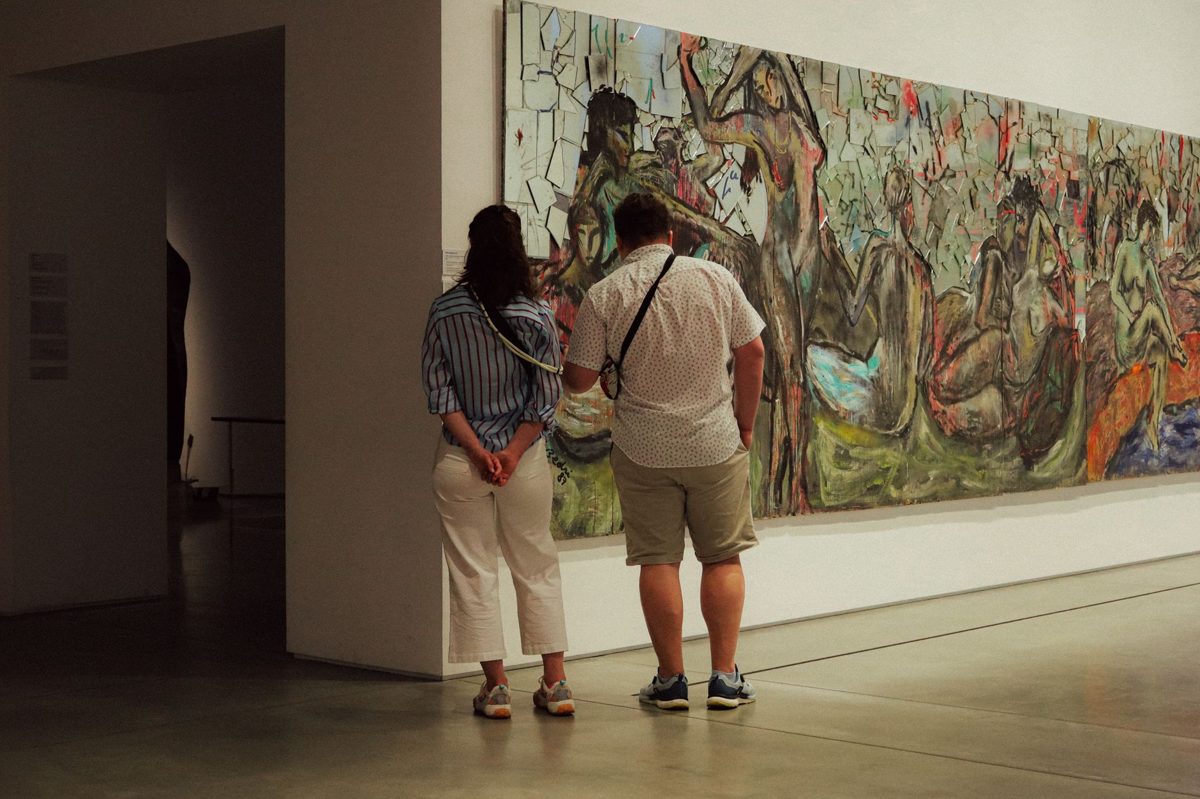
On the 53rd floor of Mori Tower in Roppongi Hills, the Mori Art Museum is Tokyo’s most reliably interesting contemporary art space, with ambitious, well-curated shows of international and Japanese artists. The masterstroke is that your ticket usually includes the Tokyo City View observation deck on the same floors, so you get major art and a skyline panorama – including a famous look at Tokyo Tower – in one go.
- Price: varies by exhibition, typically around ¥2,000-¥2,500 adult (includes Tokyo City View).
- Hours: usually 10:00-22:00, last entry 30 minutes before close; often open late, which is rare and welcome.
- Nearest station: Roppongi (Hibiya and Oedo lines), directly connected to Roppongi Hills.
- Time needed: 1.5-2 hours including the view.
The National Art Center, Tokyo (Roppongi)
A few minutes from the Mori, the National Art Center is Japan’s largest exhibition space and an architectural landmark in its own right – Kisho Kurokawa’s rippling glass facade and soaring atrium are worth the trip even before you see any art. It has no permanent collection; instead it hosts a rotating roster of blockbuster exhibitions, so what is on (and what it costs) changes constantly. The cafe perched on an inverted cone in the atrium is a Tokyo design classic.
- Price: depends on the exhibition, commonly ¥1,500-¥2,000 adult; the building and some shows are free.
- Hours: 10:00-18:00, often later on Fridays; closed Tuesdays.
- Nearest station: Nogizaka (Chiyoda Line) has a direct exit; Roppongi is a short walk.
- Time needed: 1-2 hours.
Nezu Museum (Omotesando)
A complete change of pace from Roppongi’s towers. The Nezu Museum holds one of Japan’s finest private collections of Japanese and East Asian art – including several National Treasures, most famously Ogata Korin’s irises screens, shown seasonally – inside a serene Kengo Kuma building. Even if the galleries do not grab you, the strolling garden behind the museum, with its ponds, stone lanterns and teahouses, is one of central Tokyo’s loveliest green escapes and is included in your ticket.
- Price: from around ¥1,500 adult for the collection; higher during special exhibitions; timed online booking often required.
- Hours: 10:00-17:00, last entry 16:30; closed Mondays.
- Nearest station: Omotesando (Ginza, Hanzomon, Chiyoda lines), about 8 minutes on foot down the boutique-lined street.
- Time needed: 1-1.5 hours including the garden.
The Ueno art cluster
Ueno Park is Tokyo’s densest concentration of culture, and beyond the Tokyo National Museum it holds several first-rate art venues within a five-minute walk of each other. The Tokyo Metropolitan Art Museum (Tobikan) hosts major touring exhibitions and is free to enter for its public galleries; the National Museum of Western Art, in a Le Corbusier building that is a UNESCO World Heritage Site, covers Monet to Rodin; and the Ueno Royal Museum runs popular blockbuster shows. Buy individual tickets per exhibition, or use the Grutto Pass to hop between them.
History and culture museums
To understand how a fishing village called Edo became the largest city on earth, these are the places to go. They pair naturally with Tokyo’s temples and old neighbourhoods.

Tokyo National Museum (Ueno)
If you visit one museum in Tokyo, make it this one. The Tokyo National Museum is the country’s oldest and largest, holding over 120,000 objects including 89 National Treasures across several buildings. The Honkan covers the sweep of Japanese art – swords, ceramics, Buddhist sculpture, ukiyo-e, kimono – while the Toyokan handles wider Asian art and the Heiseikan houses Japanese archaeology. It is enormous; do not try to see all of it. Pick the Honkan highlights and the samurai gallery and you will leave satisfied.
- Price: around ¥1,000 adult for the general collection; special exhibitions cost extra. Covered by the Grutto Pass.
- Hours: 9:30-17:00, later on certain days/seasons; closed Mondays.
- Nearest station: Ueno (JR, Ginza, Hibiya lines), about a 10-minute walk through the park; Uguisudani is closer to the rear.
- Time needed: 2-3 hours for the highlights.
Edo-Tokyo Museum (Ryogoku) – reopened in 2026
Good news for 2026: after a roughly four-year closure for major renovation, the Edo-Tokyo Museum in Ryogoku reopened on 31 March 2026. It is the city’s definitive history museum, telling the story of Tokyo from the Edo period (1603-1868) to the modern day through huge, detailed dioramas, a full-size replica of the old Nihonbashi bridge, and recreated streetscapes you can walk through. With the refurbishment complete, it is once again a top pick for families and history lovers, and it sits a short walk from the sumo stadium and Tokyo Skytree.
- Price: ¥800 adult, ¥400 for over-65s, ¥300 high-schoolers, free for junior-high age and younger.
- Hours: 9:30-17:30 (to 19:30 Saturdays), last entry 30 minutes before close; closed Mondays.
- Nearest station: Ryogoku (JR Sobu Line, or Oedo Line), 1-3 minutes on foot.
- Time needed: 1.5-2.5 hours.
Samurai and sword museums
For a focused hit of samurai culture, two options stand out. The long-running Samurai Museum offers armour, weapons and short live sword-and-costume demonstrations aimed squarely at visitors, with English-friendly tours – check its current location and hours before going, as it has moved in recent years. Purists may prefer the Japanese Sword Museum (also in Ryogoku, near the Edo-Tokyo Museum), a quieter, more scholarly home for exquisite blades designated as cultural properties. To put what you see in context, our guide to Tokyo’s culture and traditions is a useful companion read.
Science and family museums
Tokyo does science museums brilliantly, and they are some of the best rainy-day, kid-friendly options in the city – hands-on, well-signed in English, and genuinely fun for adults too.
Miraikan (Odaiba)
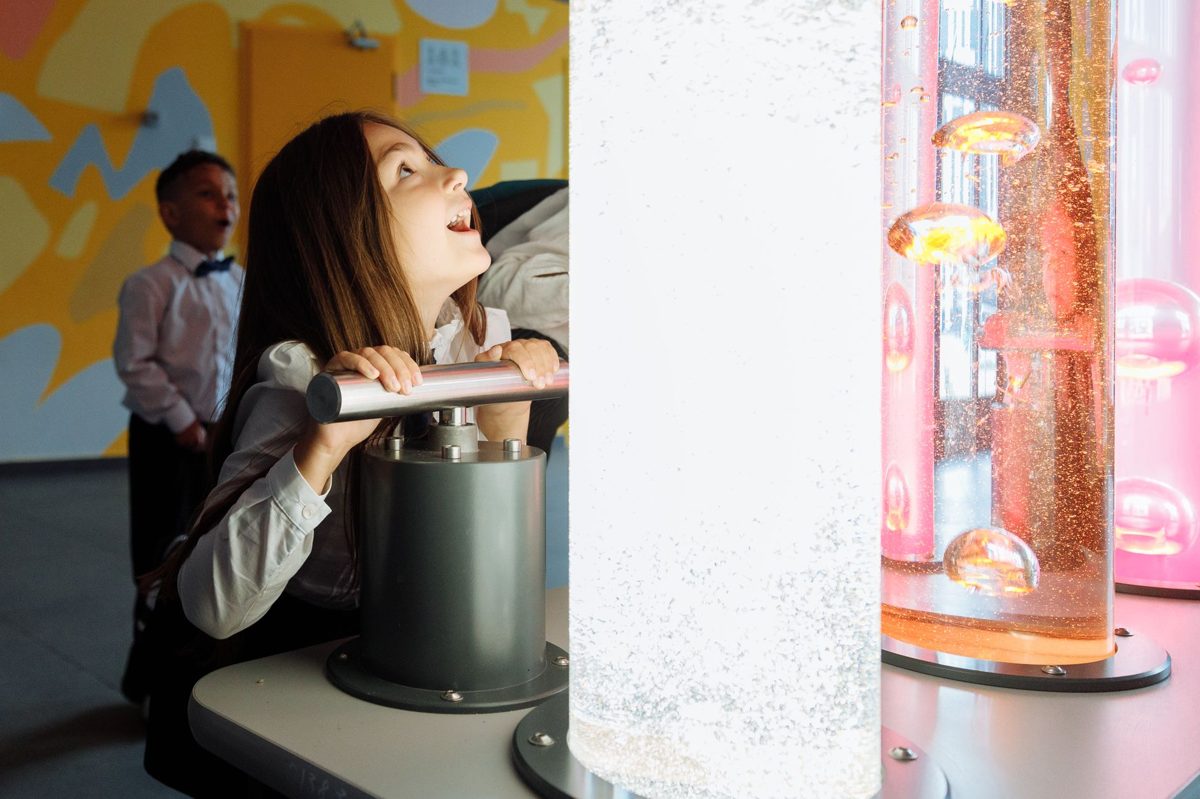
The National Museum of Emerging Science and Innovation, known as Miraikan, is Tokyo’s flagship science museum, out on the man-made island of Odaiba. It is all about the near future: robotics, space, the human body, AI and the environment, presented through interactive exhibits and a superb dome theatre. The giant suspended Geo-Cosmos globe, showing the live earth in millions of LEDs, is worth the trip alone.
- Price: ¥630 adult, ¥210 for 18 and under for permanent exhibits; combo with the Dome Theater ¥940 adult.
- Hours: 10:00-17:00, last entry 16:30; closed Tuesdays.
- Nearest station: Telecom Center (Yurikamome Line), a few minutes’ walk; or Tokyo Teleport on the Rinkai Line.
- Time needed: 2-3 hours.
- 2026 note: Miraikan is closed for refurbishment from 1 October 2026 to 22 April 2027 – plan around those dates.
National Museum of Nature and Science (Ueno)
Back in Ueno Park, the National Museum of Nature and Science is the country’s big natural-history museum and a guaranteed winner with children. Dinosaur skeletons, a blue-whale model out front, a 360-degree theatre, and galleries on Japanese wildlife, evolution and science history fill two large buildings. It is excellent value, easy to combine with the Tokyo National Museum next door, and one of the best wet-weather choices in the city.
- Price: around ¥630 adult for the permanent exhibition, free for under-18s; special exhibitions extra. Grutto Pass eligible.
- Hours: 9:00-17:00, later on some Fridays/Saturdays; closed Mondays.
- Nearest station: Ueno (JR, Ginza, Hibiya lines), about 5-10 minutes through the park.
- Time needed: 2-3 hours.
Quirky and one-of-a-kind museums
This is where Tokyo gets gloriously specific. If the big institutions are not your thing – or you just want something memorable – these niche museums deliver, and several are free.

Cup Noodles Museum (Yokohama)
Strictly speaking the big, hands-on Cup Noodles Museum is in Yokohama, about 30-40 minutes south of central Tokyo, but it is so popular with visitors that it belongs on any list. Trace the history of instant ramen, then get involved: at My Cup Noodles Factory you design your own cup, choose your soup and toppings, and seal it to take home; the Chicken Ramen Factory lets you make noodles from scratch. It is a brilliant rainy-day outing with kids.
- Price: ¥500 adult entry, free for high-school age and younger; activities extra (My Cup Noodles Factory ¥500 per cup; Chicken Ramen Factory ¥800 adult / ¥500 child).
- Hours: 10:00-18:00, last entry 17:00; closed Tuesdays.
- Nearest station: Minatomirai or Bashamichi (Minatomirai Line), about 8 minutes’ walk.
- Time needed: 1.5-2 hours with activities.
Meguro Parasitological Museum
Yes, really. The tiny, free Meguro Parasitological Museum is the only museum in the world devoted entirely to parasites, with some 300 specimens on display – the showstopper being a tapeworm nearly nine metres long, pulled from a single human. It is two compact floors, faintly macabre, oddly fascinating, and has become a cult favourite (the gift shop sells parasite keyrings and T-shirts). Admission is free, though donations are encouraged.
- Price: free (donations welcome).
- Hours: typically 10:00-17:00; closed Mondays and Tuesdays – check before visiting.
- Nearest station: Meguro (JR Yamanote, Namboku, Mita lines), about 12-15 minutes on foot.
- Time needed: 30-45 minutes.
The Ad Museum Tokyo (Shiodome)
A hidden treat for anyone interested in design and pop culture, the Ad Museum Tokyo (ADMT) in Shiodome is a free, slick museum tracing the history of Japanese advertising from Edo-era woodblock posters to today’s commercials, with a searchable digital archive of award-winning ads. It is compact, air-conditioned, rarely crowded, and a smart pairing with a walk around the nearby Hamarikyu Gardens.
- Price: free.
- Hours: generally 12:00-18:00; closed Sundays and Mondays – confirm on the day.
- Nearest station: Shiodome (Oedo Line, Yurikamome) or Shimbashi (JR), a few minutes’ walk.
- Time needed: 45-60 minutes.
The Ueno museum cluster: a day in one park
It is worth pausing on Ueno, because no other spot in Tokyo lets you pack so much culture into one walkable area. Ueno Park alone holds the Tokyo National Museum, the National Museum of Nature and Science, the National Museum of Western Art, the Tokyo Metropolitan Art Museum, the Ueno Royal Museum and the Shitamachi history museum, plus a zoo and a pretty pond – all within ten minutes of each other and of Ueno Station. If museums are your thing, you could happily spend an entire day here and never repeat yourself.
A sensible Ueno plan: start at the Tokyo National Museum when it opens (before the crowds and tour groups), break for lunch in the park or nearby Ameyoko market, then choose between the dinosaurs at Nature and Science or the European paintings at the Western Art Museum for the afternoon. Buy a Grutto Pass and the whole cluster becomes far cheaper. It is also a brilliant wet-weather base, since you can dash between buildings without ever being outside for long.
The Grutto Pass: how to save money
If you are a keen museum-goer, the Tokyo Museum Grutto Pass is the single best value in this guide. For ¥2,500 in 2026 you get a booklet of admission tickets and discount vouchers covering 107 museums, gardens, aquariums and zoos across greater Tokyo. Many of the big names here – the Tokyo National Museum, the National Museum of Nature and Science, the Edo-Tokyo Museum and dozens more – are included either as free entry or a meaningful discount.
- Price: ¥2,500 (2026 edition).
- Validity: two months from the date you first use it, and in any case expiring 31 March 2027.
- Coverage: 107 facilities; some give free admission, others a discount on the regular or special-exhibition price.
- Where to buy: at participating museums, major stations and tourist information centres around Tokyo.
The maths is simple: if your standard entries would total more than ¥2,500 – which two or three of the bigger museums easily do – the pass pays for itself, and everything after that is effectively free. The main caveats are that it does not cover every museum (the privately run quirky ones and the Cup Noodles Museum, for instance, are not included) and that special exhibitions are often only discounted, not free. For a wider strategy on stretching your budget across the city, see our guide to the best things to do in Tokyo.
Best museums for a rainy day
Tokyo summers are hot and its rainy season (roughly June into July) is real, so a good indoor plan matters. Museums are the obvious answer, and a few stand out as complete wet-weather days because they are large, sheltered and easy to reach without much walking outside:
- The Ueno cluster – hop between the National Museum, Nature and Science and the art museums with only seconds of rain exposure.
- Miraikan in Odaiba – a huge, hands-on science museum reachable by covered walkways from the Yurikamome (note the 2026 closure dates above).
- Mori Art Museum – art plus an indoor city view, all on the upper floors of Roppongi Hills with direct station access.
- Cup Noodles Museum in Yokohama – an entirely indoor, activity-packed half-day that kids love regardless of weather.
teamLab’s digital art venues are also superb rainy-day options if you want something more immersive than a traditional museum – our guide to teamLab in Tokyo covers what to expect and how to book.
Visiting museums with kids
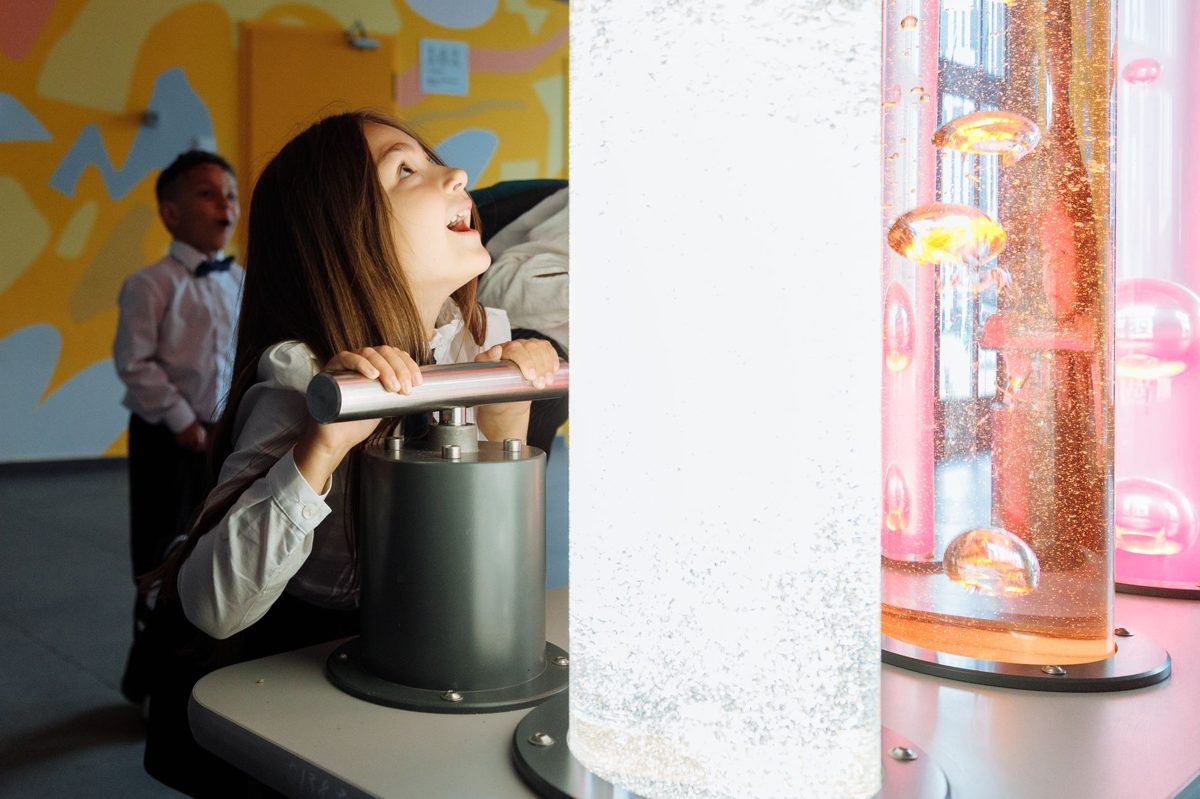
Plenty of Tokyo’s museums are genuinely built for children rather than just tolerant of them – we rank the most hands-on picks for families separately, with best ages and how long to allow. The clear winners are the National Museum of Nature and Science (dinosaurs, a whale, a hands-on Compass room for younger children), Miraikan (robots, interactive everything) and the Cup Noodles Museum (making your own cup is a guaranteed hit). The Edo-Tokyo Museum’s walk-through replicas and the Tokyo National Museum’s samurai armour also tend to land well with school-age kids.
A few practical tips: most major museums have lifts, baby-change facilities and lockers, and many offer free or reduced entry for children (often free for elementary or junior-high age and younger), so a museum day can be cheaper for families than it looks. Go early to beat both crowds and afternoon meltdowns, and pair an indoor museum with nearby green space – Ueno Park, Odaiba’s waterfront – so children can run around between exhibits. For a fuller family plan, our guide to Tokyo with kids lines up museums alongside the city’s other child-friendly attractions. If anime is the draw, the Ghibli Museum is the obvious bonus stop, though it needs booking well in advance.
Tokyo museums at a glance
If you want to compare the headline museums quickly, here is the shortlist with the essentials. Prices are 2026 adult rates for the permanent collection or standard entry; special exhibitions usually cost more.
| Museum | Category | 2026 adult price | Nearest station | Time |
|---|---|---|---|---|
| Tokyo National Museum | History & art | ~¥1,000 | Ueno | 2-3 hrs |
| Mori Art Museum | Contemporary art | ~¥2,000-2,500 (incl. view) | Roppongi | 1.5-2 hrs |
| National Art Center | Art (rotating) | ~¥1,500-2,000 | Nogizaka | 1-2 hrs |
| Nezu Museum | Asian art & garden | From ~¥1,500 | Omotesando | 1-1.5 hrs |
| Edo-Tokyo Museum | City history | ¥800 | Ryogoku | 1.5-2.5 hrs |
| Miraikan | Science | ¥630 (shut Oct 2026-Apr 2027) | Telecom Center | 2-3 hrs |
| Nature and Science | Natural history | ~¥630 | Ueno | 2-3 hrs |
| Cup Noodles Museum | Quirky / family | ¥500 + activities | Minatomirai | 1.5-2 hrs |
| Meguro Parasitological | Quirky | Free | Meguro | 30-45 min |
| Ad Museum Tokyo | Design / quirky | Free | Shiodome | 45-60 min |
A pattern jumps out of the table: the most famous museums are not the most expensive, and several of the most interesting are free. Use it to sketch a route – two Roppongi art museums in an afternoon, or a full Ueno day – rather than zig-zagging across the city. And remember that closing days, not price, are what most often catch visitors out.
Beyond the big names: more art worth your time
Tokyo’s art map runs deeper than the Roppongi-Ueno axis. The Tokyo Metropolitan Teien Art Museum in Shirokane occupies a gorgeous 1930s Art Deco former imperial residence, where the building itself is half the experience; it sits beside the lush Institute for Nature Study if you want to combine art with a green walk. The SOMPO Museum of Art near Shinjuku is the place to see Van Gogh’s “Sunflowers” without leaving the city, while design fans should seek out 21_21 Design Sight in Tokyo Midtown, a Tadao Ando concrete gem.
For traditional Japanese aesthetics, the Sumida Hokusai Museum near Skytree is a small, sharp museum devoted to the artist behind “The Great Wave”, and pairs neatly with an Asakusa-and-Skytree day. If you prefer your art immersive and digital rather than framed on a wall, teamLab’s venues sit in a category of their own and draw as many visitors as any traditional gallery in the city. Whatever “art” means to you, Tokyo has a museum tuned to it.
Practical tips for museum-going in Tokyo
A handful of habits will make any museum day in Tokyo smoother:
- Check the closing day first. Mondays close the most museums (Tuesdays for Miraikan and a few others). A surprising number of trips are derailed by turning up on the one day a museum is shut.
- Arrive at opening for the big ones. The Tokyo National Museum, Mori Art Museum and popular special exhibitions are far calmer in the first hour than in the afternoon.
- Book timed tickets where required. The Nezu, blockbuster shows and teamLab often need advance, time-slotted entry; do not assume you can just walk up.
- Carry some cash. Smaller and free museums (and their donation boxes and gift shops) do not always take cards, even in 2026.
- Use coin lockers. Most museums have them near the entrance, so you can ditch bags and coats on a multi-museum day.
One more: many special exhibitions sell out their weekend slots, so if a particular show is your reason for visiting, buy ahead and go on a weekday morning. Permanent collections, by contrast, almost never need booking and are where the National Treasures live anyway.
How to combine museums into a day
Museums are best enjoyed in clusters so you are not burning hours on trains. Three easy combinations:
- Culture day in Ueno: Tokyo National Museum at opening, lunch in the park or Ameyoko, then dinosaurs at Nature and Science or paintings at the Western Art Museum. All within one park.
- Art afternoon in Roppongi: the Mori Art Museum (with the city view) and the National Art Center, a 10-minute walk apart, finished with the Nezu Museum and its garden one subway stop away in Omotesando.
- Quirky and family day: the Cup Noodles Museum in Yokohama in the morning (book the cup-making), then back toward Tokyo for the Meguro Parasitological Museum if you have the stomach for it.
Whichever you choose, leave room for the unplanned – a museum cafe, a temporary exhibition, the gift shop – because that slack is often where the best memories of a museum day come from. For the wider trip around these stops, our pillar guide to the best things to do in Tokyo ties the museums into everything else the city offers.
The bottom line
Short on time and want a steer? For first-timers, the Tokyo National Museum in Ueno is the essential cultural stop, easily combined with the dinosaurs at Nature and Science next door. Art lovers should head to the Mori Art Museum for the show-plus-skyline combo or the Nezu for its garden. Families and the science-minded want Miraikan or the Cup Noodles Museum, and anyone after something they will tell stories about should brave the free, unforgettable Meguro Parasitological Museum. Buy a Grutto Pass if you are visiting three or more, and check closing days before you set out.
Frequently asked questions
What are the best museums in Tokyo?
For most visitors the standouts are the Tokyo National Museum (Japanese art and history), the Mori Art Museum (contemporary art with a skyline view), Miraikan (science and robotics), the National Museum of Nature and Science (dinosaurs, great for kids) and the Nezu Museum (Asian art and a beautiful garden). For something different, the free Meguro Parasitological Museum and the Cup Noodles Museum in Yokohama are memorable picks.
How much does it cost to visit museums in Tokyo?
Entry typically runs ¥630-¥1,000 for the big national museums’ permanent collections, with special exhibitions costing more. Some excellent museums are free, including the Meguro Parasitological Museum and the Ad Museum Tokyo. If you plan three or more paid visits, the ¥2,500 Tokyo Museum Grutto Pass covers 107 facilities and usually pays for itself.
Is the Tokyo Museum Grutto Pass worth it?
Yes, if you intend to visit at least three paid museums. The 2026 pass is ¥2,500, covers 107 facilities with free or discounted entry, and stays valid for two months. Two or three big admissions and you are ahead. It does not cover every museum (some private and quirky ones are excluded), and special exhibitions are often discounted rather than free.
Which Tokyo museums are best for kids?
The National Museum of Nature and Science in Ueno (dinosaurs and hands-on rooms), Miraikan in Odaiba (robots and interactive science) and the Cup Noodles Museum in Yokohama (design your own cup) are the most reliably fun for children. Many offer free entry for younger kids, and most have lifts and baby-change facilities. Note Miraikan is closed for refurbishment from October 2026 to April 2027.
Is the Edo-Tokyo Museum open in 2026?
Yes. After about four years closed for major renovation, the Edo-Tokyo Museum in Ryogoku reopened on 31 March 2026. It walks you through Tokyo’s history from the Edo period to today with large dioramas and a full-size replica of the old Nihonbashi bridge. Adult admission is ¥800, and it is closed on Mondays.