Tokyo Itineraries · Guide №084
Tokyo Romantic Itinerary: Couples’ Guide to the City
A romantic Tokyo itinerary for couples: a 3-day plan with sunset decks, garden strolls, a Sumida River cruise, omakase, rooftop bars and a Hakone onsen escape.

目次 — Contents
- Why Tokyo Is Quietly One of the World’s Great Romantic Cities
- Best Romantic Experiences in Tokyo: Prices and Reservation Tips
- A Three-Day Romantic Tokyo Itinerary
- The Best Views for Two: Tokyo’s Romantic Observation Decks
- Garden Strolls: Tokyo’s Most Romantic Green Spaces
- On the Water: River Cruises and the Tokyo Bay Glow
- Romantic Dining and Rooftop Bars
- Hot Springs for Two: Couples Onsen and the Hakone Escape
- Do Something Together: Interactive Couples Experiences
- Where to Stay as a Couple
- The Perfect Romantic Day, Hour by Hour
- When to Visit: Seasons That Make Tokyo More Romantic
- Reservation and Timing Tips That Save the Evening
- Mistakes Couples Make in Tokyo (and How to Avoid Them)
- Frequently Asked Questions
- Make Tokyo Feel Like It’s Just the Two of You
- Photo Credits
This article contains advertising. Our booking links are routed through a partner that adds commission tracking automatically, so if you book through one we earn a commission from the provider, at no extra cost to you. It never affects what we recommend. Affiliate disclosure
Planning a Tokyo itinerary for couples that actually feels romantic? Skip the theme-park crowds. The most romantic Tokyo runs on sunset observation decks, lantern-lit garden strolls, a dinner cruise down the Sumida River, intimate omakase counters, hidden rooftop bars, and a hot-spring escape to Hakone. Here’s a three-day plan, with 2026 prices and exactly what to reserve.
My wife and I have spent a lot of evenings figuring out which Tokyo experiences are genuinely romantic and which just look that way on Instagram. This guide is the distilled version: where to catch the light, where to eat without elbowing through a crowd, and how to turn a giant, neon megacity into something that feels like it’s just the two of you. It slots straight into our wider Tokyo itineraries collection.
Why Tokyo Is Quietly One of the World’s Great Romantic Cities
Tokyo doesn’t advertise itself as romantic the way Paris or Venice does, and that’s exactly its charm. The romance here is in the details: a tiny eight-seat sushi counter where the chef remembers your name, a garden that empties out at dusk, a bar on the 52nd floor where the city becomes a carpet of light. Couples who lean into those moments — rather than racing between landmarks — have the best trips.
Practically, that means building your days around two or three unhurried experiences instead of ten. It means booking the things that need booking (sunset decks, omakase, the best cruises) and leaving room to wander. And it means using the seasons: cherry blossoms in early April, fiery maples in late November, and winter illuminations from November through February each turn the city into a different kind of date.
Best Romantic Experiences in Tokyo: Prices and Reservation Tips
Here’s the shortlist we keep coming back to, with 2026 prices, the best time to go, and whether you need to book ahead. Reserve the starred ones the moment your dates are set.
| Experience | Approx. price (2026) | Best time | Reserve ahead? |
|---|---|---|---|
| Shibuya Sky observation deck | ¥2,700 online before 15:00, ¥3,400 from 15:00 (sunset slots); ¥3,000 / ¥3,700 at the counter | 30 min before sunset | Yes — slots release 14 days out and sunset sells in minutes |
| Tokyo Tower Main Deck | ¥1,500 (Main, 150m) | After dark | No, but online saves queueing |
| Sumida River yakatabune dinner cruise | ¥7,900–¥10,000 pp | Evening (sunset departure) | Yes — small boats book out |
| teamLab Planets / Borderless | approx. ¥3,800 | Late-afternoon or evening slot | Yes — timed entry only |
| Shinjuku Gyoen stroll | ¥500 | Late afternoon; spring & autumn | No (closed Mondays) |
| Couples onsen, Spa LaQua | around ¥3,000+ | Anytime; rainy days | No |
| Hakone day trip (onsen & Lake Ashi) | ¥7,100 Free Pass + ¥2,400 Romancecar | Full day; autumn for leaves | Reserve the Romancecar seat |
| Omakase sushi dinner | ¥8,000–¥30,000 pp | Evening | Yes — often weeks ahead |
A Three-Day Romantic Tokyo Itinerary
This is the framework we recommend to friends: two days in the city bookended by a hot-spring escape. Shift the days to match the weather and what needs reserving, but the rhythm — view, garden, water, food, soak — is what makes it feel like a couples’ trip rather than a sightseeing sprint.
Day 1 — Sunset, City Lights, and a First Dinner
Spend a slow morning over coffee in a neighborhood like Daikanyama or Kagurazaka, then drift through Omotesando’s tree-lined avenue and side streets. In the late afternoon, head to Shibuya Sky for your pre-booked sunset slot — the open-air rooftop at 230m, with the famous Scramble crossing flowing far below, is the single best sunset in central Tokyo. As the sky fades and the city switches on, you’ll see why the sunset tickets vanish within minutes of release.
For dinner, drop down into Shibuya or nearby Ebisu for an intimate meal — a counter izakaya, a wine bar, or a first omakase if you splurged on a reservation. Finish with a nightcap at a hidden cocktail bar; Tokyo’s bartenders are world-class and the rooms are tiny and candlelit. For where the night really gets going afterward, our late-night Tokyo guide maps the best bar districts for couples.
Day 2 — Gardens by Day, the River by Night
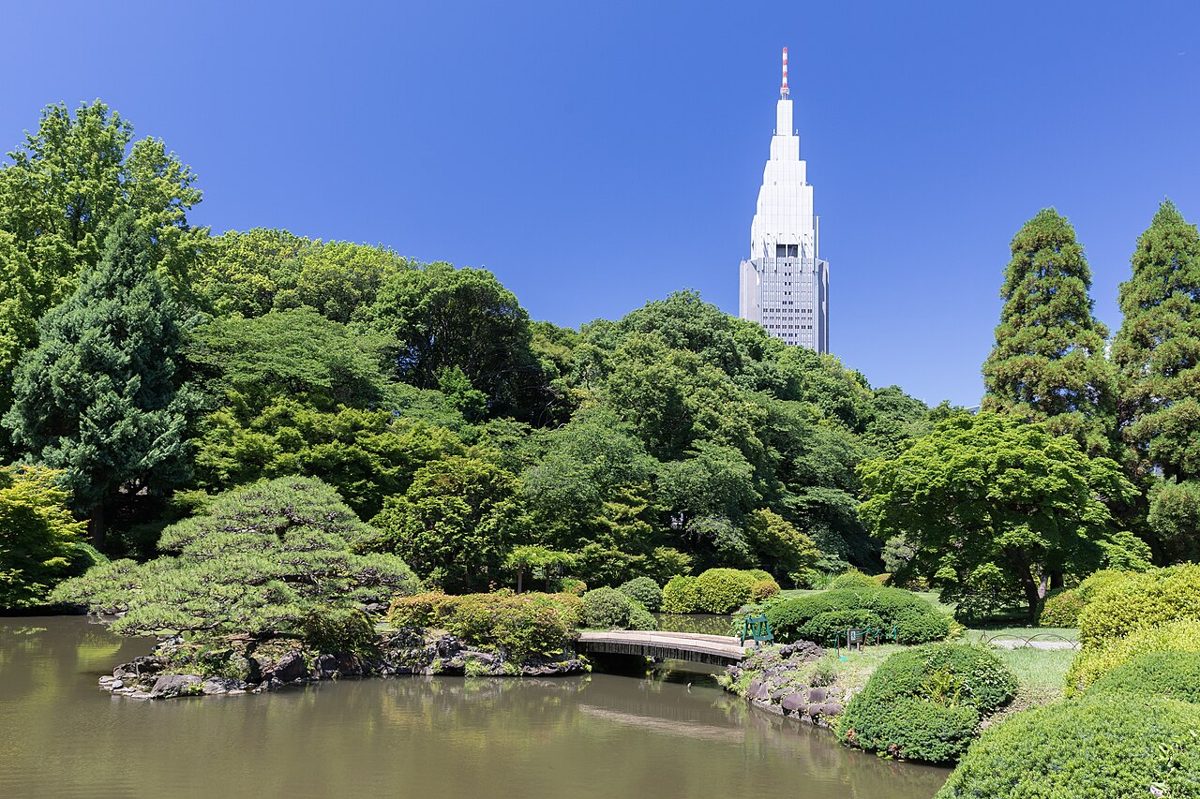
Start where the crowds aren’t: a classic Japanese garden. Shinjuku Gyoen (¥500, open 9:00–16:30, closed Mondays) is a vast, beautifully kept oasis with English, French, and Japanese garden sections and a glasshouse — go late morning, bring a bento from a depachika, and find a spot on the lawn. If you prefer somewhere smaller and more traditional, Rikugien (¥300) in Komagome is a strolling garden built around a central pond, sublime in autumn. We list more in our Tokyo parks and gardens guide.
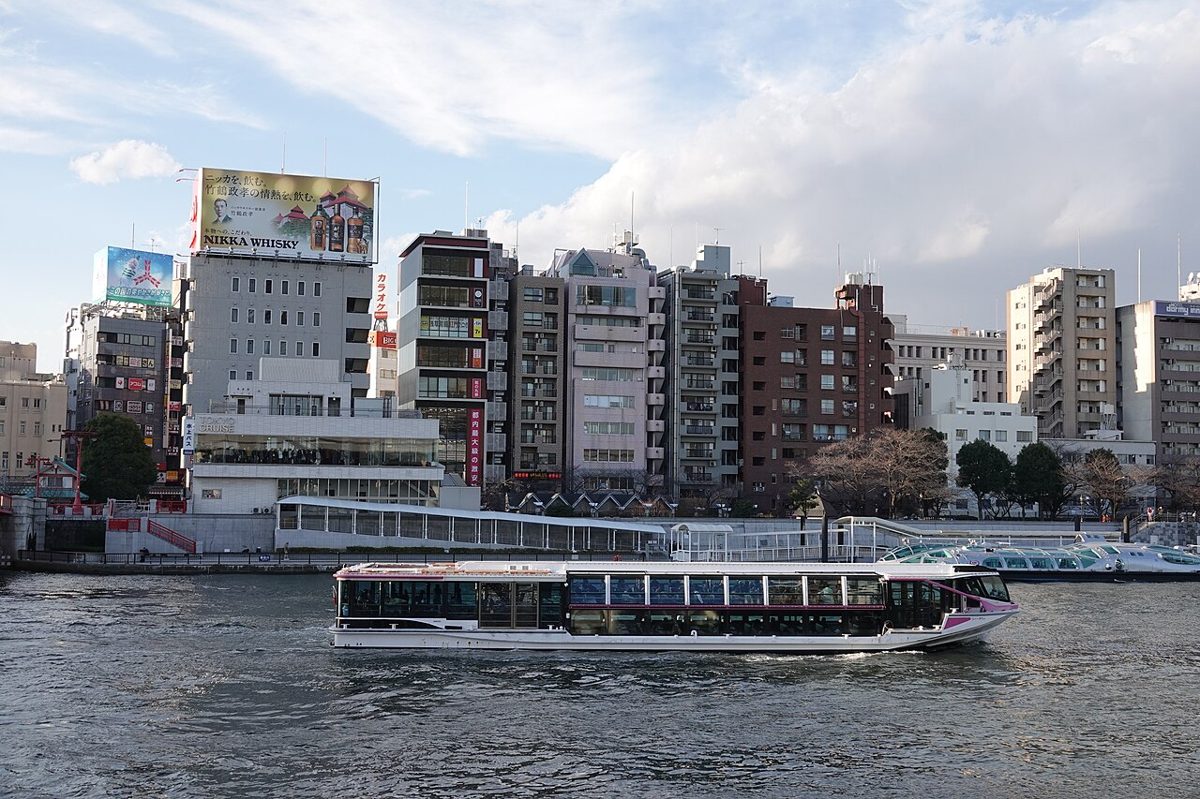
In the late afternoon, make your way to Asakusa. As the light goes golden, board a yakatabune — a traditional low-slung houseboat — from Azumabashi Pier for a roughly 2.5-hour dinner cruise (¥7,900–¥10,000 per person, with a multi-course meal and all-you-can-drink). You’ll slide under the bridges of the Sumida, past the glowing Skytree, and out toward the bay. It is unabashedly romantic and genuinely fun. Cap the night at an observation deck or a jazz bar in Ginza.
Day 3 — A Hot-Spring Escape to Hakone
For your last day, leave the city. From Shinjuku, the Odakyu Romancecar glides to Hakone-Yumoto in about 80 minutes (the Hakone Free Pass is ¥7,100 for two days, plus a ¥1,200 reserved-seat surcharge each way). Hakone is Tokyo’s classic onsen getaway: soak in mineral baths with mountain views, ride the ropeway over the steaming Owakudani valley, cruise Lake Ashi on a (delightfully kitsch) pirate ship, and — on a clear day — catch Mount Fuji. Book a private-bath onsen ryokan for the afternoon if you want a soak just for two.
If three days is more than you have, compress it: Shibuya Sky and a cruise on day one, a garden and onsen on day two. Or fold this into a longer trip — our five-day plan for the city shows how to weave romantic evenings around the big sights.
The Best Views for Two: Tokyo’s Romantic Observation Decks
Tokyo is a city of viewpoints, and the right one at the right hour is pure romance. Here’s how the main contenders compare.
Shibuya Sky
The current favorite. The rooftop Sky Stage is open-air at 230m on top of Shibuya Scramble Square, with nothing but a low rail between you and the sky. It runs 10:00–22:30 (last entry 21:20); tickets are ¥2,700 online before 15:00 and ¥3,400 from 15:00. The move is to book the slot about 30 minutes before sunset so you watch the day turn to night up top — but bring a layer, because it’s windy.
Tokyo Tower and Roppongi
The 333m Tokyo Tower glows a warm orange after dark and is arguably more romantic seen from the outside than from within — frame it from the streets of Shiba or from a nearby rooftop. If you do go up, the Main Deck (150m) is ¥1,500 and open until 23:00 (last entry 22:30). Over in Roppongi, the Tokyo City View deck at Roppongi Hills delivers a postcard composition with Tokyo Tower in the foreground and the whole city behind — a favorite for proposals.
Free and lesser-known angles
You don’t have to pay for a great view. The observation decks of the Tokyo Metropolitan Government Building in Shinjuku are free and open into the evening. The bar floors of luxury hotels — the Park Hyatt’s New York Bar, the Andaz rooftop, the Conrad — let you trade an admission fee for a (pricey but worth it) cocktail with a skyline. For the full list of where to point a camera, see our Tokyo photo spots guide.
Garden Strolls: Tokyo’s Most Romantic Green Spaces
A garden at the quiet end of the day is the antidote to Tokyo’s intensity. These are the ones we send couples to.
- Shinjuku Gyoen (¥500): huge, varied, and immaculate, with a greenhouse for rainy moments. Cherry blossoms here in early April are legendary. Closed Mondays.
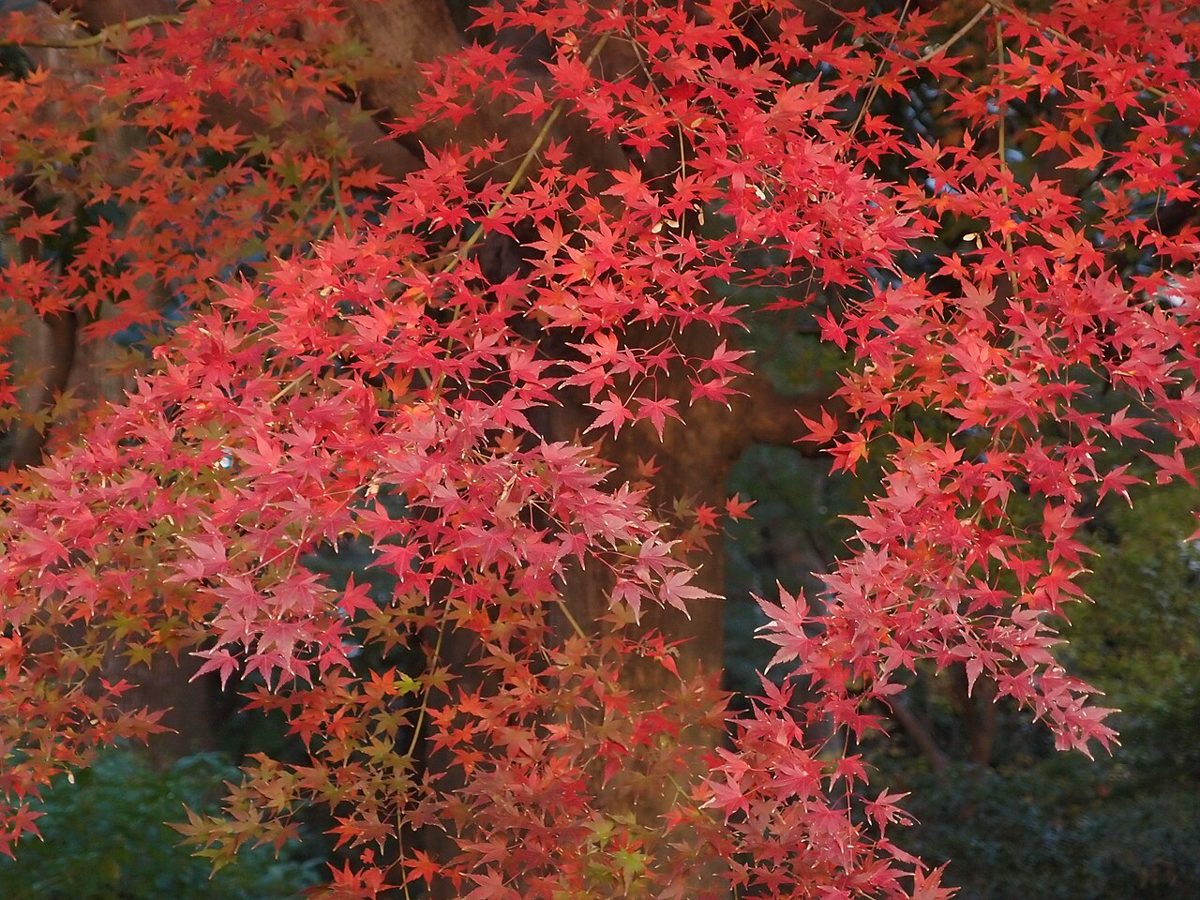
- Rikugien (¥300): an Edo-era strolling garden in Komagome, designed to be walked slowly around a pond. Its spring weeping cherry and autumn maple light-ups are ticketed evening events worth planning around.
- Chidorigafuchi (free): the moat northwest of the Imperial Palace, where cherry trees lean over the water and you can rent a rowboat beneath the blossoms in spring — one of the most romantic 30 minutes in the city.
- Inokashira Park (free) in Kichijoji: famous for its swan-shaped pedal boats on the pond, ringed by cherry trees and lined with cafés. A perfect low-key afternoon.
- Hama-rikyu (¥300): a bayside garden with a teahouse on an island in a tidal pond, where you can sip matcha surrounded by skyscrapers. You can even arrive by water bus from Asakusa.
On the Water: River Cruises and the Tokyo Bay Glow
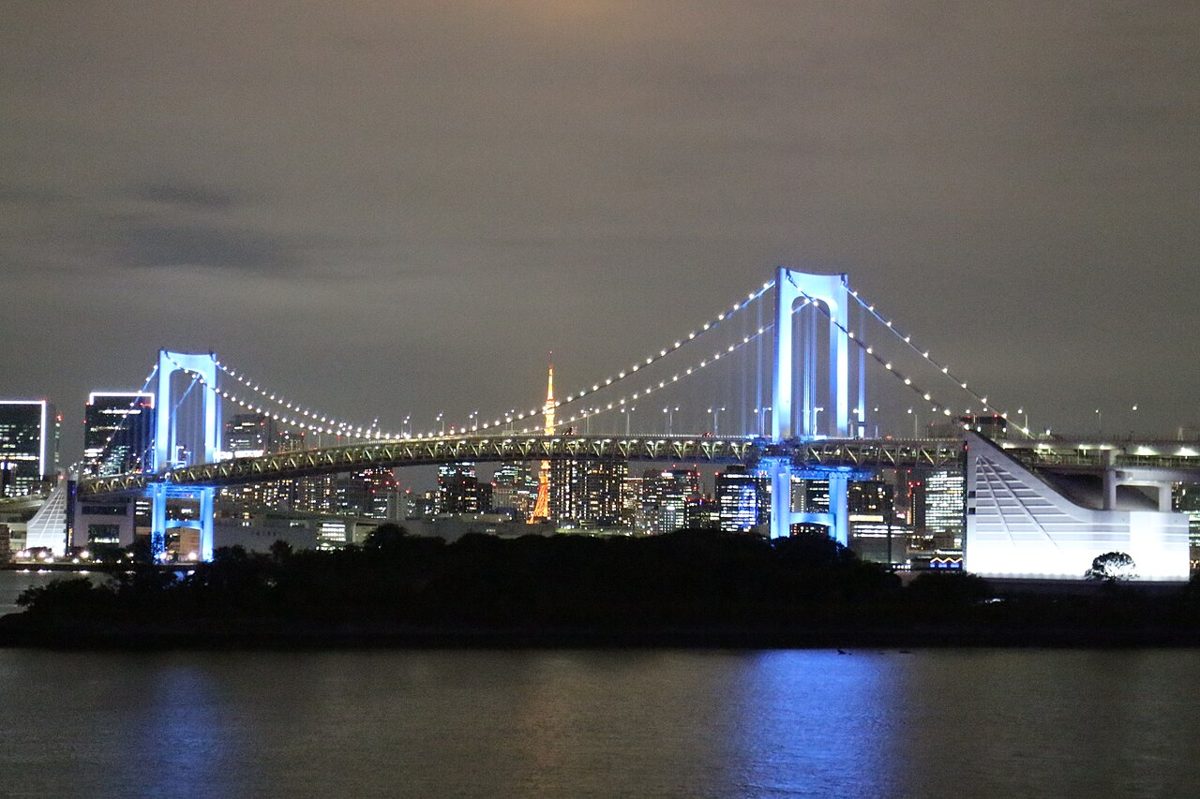
Few things beat being out on the water as the city lights come up. The headline option is the yakatabune dinner cruise — those traditional roofed boats strung with paper lanterns. Most depart from Asakusa’s Azumabashi Pier or from Shinagawa, run about two and a half hours, and include a full meal (tempura, sashimi, monjayaki) and all-you-can-drink for ¥7,900–¥10,000 a head. You drift past the illuminated Skytree and out toward Rainbow Bridge — book ahead, because the boats are small and the good dates fill.
For something dressier, the Symphony cruise out of Hinode Pier serves French or buffet dinners on a large modern ship and even traces a heart-shaped route across Tokyo Bay. On the budget end, the Tokyo Mizube Line and the futuristic Himiko water bus (designed by manga artist Leiji Matsumoto) connect Asakusa, Odaiba, and Hinode for a few hundred to a couple of thousand yen — a cheap, lovely way to see the bridges by daylight. Either way, aim for a departure that puts you on the water at dusk.
Romantic Dining and Rooftop Bars
Dinner for two
Tokyo has more Michelin stars than any city on earth, but romance here isn’t only about the splurge. For a special night, book an omakase sushi counter — anywhere from ¥8,000 at an excellent neighborhood spot to ¥30,000+ at the famous names — where you sit side by side and the chef serves you piece by piece. Teppanyaki (wagyu grilled in front of you, often on a high hotel floor with a view) and a French kaiseki or full-course are the other classic anniversary choices.
For lower-key evenings, a candlelit wine bar, a quiet kappo counter, or even a great yakitori joint under the tracks in Yurakucho can be just as memorable. Reserve omakase and high-end restaurants well ahead — many take bookings weeks out and some only through a hotel concierge or a reservation service.
Rooftop and skyline bars
End the night up high. The New York Bar on the 52nd floor of the Park Hyatt (yes, the Lost in Translation one) pairs live jazz with a wall of Shinjuku lights. Andaz Rooftop in Toranomon and the Conrad‘s bars give you the bay. Cover charges and drink prices are steep — expect ¥2,000+ per cocktail plus a music charge at the marquee spots — but for one special evening, the view does a lot of the work. Dress smart; some bars enforce a dress code.
Hot Springs for Two: Couples Onsen and the Hakone Escape
Soaking in hot-spring water together is about as relaxing as a trip gets — but most public onsen separate bathers by gender, so a little planning helps.
In the city
For a couples’ soak without leaving Tokyo, Spa LaQua at Tokyo Dome City has a mixed-gender “Healing Baden” zone where you bathe together in supplied loungewear, alongside saunas, bedrock baths, and a relaxation lounge. Several spa-resort complexes around the bay offer similar co-ed areas. If you want a private bath just for two, look for a kashikiri (private-rental) onsen — increasingly available at city spas and ryokan.
The Hakone day trip
For the real thing, Hakone is 80 minutes away on the Romancecar and built for romance: misty mountains, sulfur-steam valleys, and ryokan where your room comes with its own open-air bath overlooking the forest. With the Hakone Free Pass (¥7,100 for two days from Shinjuku, plus the ¥1,200-each-way Romancecar surcharge) you get the train, the mountain railway, the ropeway over Owakudani, and the Lake Ashi cruise all included. Book a private-bath onsen ryokan, or a day-use plan, and you’ve got the most romantic 24 hours of the trip. Autumn, when the maples turn, is unforgettable.
Do Something Together: Interactive Couples Experiences
Some of the best dates aren’t about watching a view — they’re about making something side by side. Tokyo is full of hands-on experiences that work brilliantly for couples, many with English support.
- Kimono or yukata photoshoot: rent traditional dress in Asakusa (around ¥4,000–¥6,000 a person including dressing) and wander the old streets and Senso-ji together. In summer, yukata for an evening festival is even lovelier. Book a photographer for an hour if you want keepsake shots.
- Tea ceremony: a quiet, intimate ritual. Several tea houses — including Nakajima no Ochaya inside Hama-rikyu garden — let you share a bowl of matcha and a sweet in a tatami room. It is calm, beautiful, and a complete change of pace from the city.
- Pottery, kintsugi, or jewelry classes: throw clay together, learn the golden-repair art of kintsugi, or make matching rings or bracelets at an English-friendly studio. You leave with something you made as a pair.
- Perfume or candle making: blend a custom scent together at a Tokyo workshop — a small, sensory, surprisingly romantic afternoon, and a souvenir you’ll smell for months.
- Planetarium and candlelight concerts: the Konica Minolta planetariums (Skytree Town, Sunshine City, Yurakucho) recline you under a starry dome you’d never see over real Tokyo. Candlelight classical concerts, held in atmospheric venues citywide, are pure date-night magic.
- teamLab in the evening: book a late slot at teamLab Planets or Borderless and wander the immersive, glowing rooms hand in hand once the daytime families thin out.
Where to Stay as a Couple
Your base sets the tone. A few directions that work well for couples, with more detail in our full where to stay in Tokyo guide:
- Shinjuku — for skyline hotels and easy access to Shinjuku Gyoen, the Romancecar to Hakone, and the best high-floor bars. The Park Hyatt is the iconic splurge.
- Ginza / Marunouchi — refined, central, and walkable to Hama-rikyu and the bay; luxury hotels like the Peninsula and the Tokyo Station Hotel sit here.
- Shibuya — young, buzzy, and steps from Shibuya Sky and the best nightlife; good for couples who want to be in the thick of it.
- Asakusa — old-Tokyo atmosphere, riverside ryokan, and the yakatabune piers on your doorstep, at gentler prices.
- A ryokan night — even one night in a traditional inn (in Tokyo or out in Hakone) with tatami, a kaiseki dinner, and a private bath is the kind of thing couples remember for years.
The Perfect Romantic Day, Hour by Hour
If you only have one evening to make count, here’s a tested sequence that flows from afternoon light to a late nightcap without a wasted minute.
- 3:30 pm — Coffee and a slow wander through a leafy neighborhood (Daikanyama, Omotesando, or Kagurazaka).
- 4:30 pm — Arrive at a garden like Shinjuku Gyoen or Hama-rikyu for a golden-hour stroll before it closes.
- 5:45 pm — Pre-booked sunset slot at Shibuya Sky; watch the city switch from day to night from 230m.
- 7:30 pm — Omakase, kappo, or a candlelit wine bar for dinner — somewhere you reserved.
- 9:30 pm — A nightcap on a skyline bar floor (the Park Hyatt’s New York Bar or a Ginza cocktail den), Tokyo glittering below.
Swap the river cruise in for the deck on a second evening, and you have two complete, unhurried romantic nights without ever feeling rushed.
When to Visit: Seasons That Make Tokyo More Romantic
- Cherry blossoms (late March–early April): the city goes soft and pink. Chidorigafuchi boats, Shinjuku Gyoen, the Meguro River at night, and Rikugien’s weeping cherry are peak romance — but everywhere is busy, so go early or late in the day.
- Autumn leaves (mid–late November): our favorite season for couples. Rikugien and the Hakone mountains blaze red and gold, the air is crisp, and the crowds are thinner than spring.
- Winter illuminations (November–February): Tokyo does light displays better than almost anywhere. The avenues of Marunouchi, Roppongi’s Keyakizaka with Tokyo Tower behind it, Shibuya’s blue cave, and the Yebisu Garden Place chandelier are made for evening strolls.
- Summer (June–August): hot and humid, with a rainy stretch in June, but it brings riverside fireworks (the Sumida festival is spectacular) and breezy bay cruises after dark.
Reservation and Timing Tips That Save the Evening
- Book sunset slots the day they release. Shibuya Sky opens timed tickets 14 days ahead at midnight JST; sunset goes fast. Set a reminder.
- Lock omakase early. The best counters take bookings weeks out; some only via concierge or a service like Pocket Concierge or Tableall.
- Reserve the yakatabune and the Romancecar seat. Small boats and limited-express seats both sell out on weekends and in blossom and autumn seasons.
- Mind the closures. Shinjuku Gyoen shuts on Mondays; many restaurants close Sundays or Mondays — check before you build a day around them.
- Carry a little cash. Some intimate bars and old-school restaurants are cash-only, and the bill at a counter omakase can be substantial.
Mistakes Couples Make in Tokyo (and How to Avoid Them)
- Over-scheduling. Cramming ten sights into a day kills the mood. Pick two or three things and leave space to wander and linger.
- Missing the sunset window. The magic hour at a deck or on the river is short. Build the day around it rather than hoping to catch it.
- Assuming you can soak together. Most onsen are gender-separated. Seek out co-ed Healing Baden zones or a private kashikiri bath if a shared soak matters.
- Booking nothing. The most romantic experiences here — sunset decks, top omakase, the best cruises — require advance reservations. Spontaneity is great; have a couple of anchors locked in.
- Ignoring the seasons. The same garden is transcendent in blossom season and merely nice in July. Time your trip, or at least your evenings, to what’s in bloom or lit up.
Between mid-November and Christmas, the evening plan writes itself. Tokyo Midtown’s blue LED garden and the Keyakizaka avenue with Tokyo Tower at the end of it sit five minutes apart in Roppongi, and both are free. See Tokyo winter illuminations for the timings, the quiet hours and which displays are already dark by New Year.
Frequently Asked Questions
What is the most romantic thing to do in Tokyo as a couple?
For most couples, the standout is catching sunset from an open-air observation deck like Shibuya Sky, then drifting down the Sumida River on a lantern-lit yakatabune dinner cruise as the city lights come on. Pair either with a quiet garden by day and an omakase or rooftop-bar evening and you have a near-perfect romantic day.
How many days do you need in Tokyo for a romantic trip?
Three days is the sweet spot: two in the city for views, gardens, dining, and the river, plus a day trip to a Hakone hot spring. If you only have a weekend, focus on one sunset deck, one garden, one cruise, and one special dinner. With five or more days you can add Nikko, Kamakura, or a slower pace.
Can couples use an onsen together in Tokyo?
Most public onsen separate bathers by gender, so you usually can’t share the main baths. The workarounds are mixed-gender “Healing Baden” zones (such as at Spa LaQua) where you wear supplied loungewear, or a private rental bath (kashikiri) at a city spa or a Hakone ryokan, which gives you a hot spring entirely to yourselves.
When is the best season for a romantic Tokyo trip?
Late March to early April for cherry blossoms and mid-to-late November for autumn leaves are the two most romantic windows, with crisp clear evenings and the city at its prettiest. Winter (November–February) adds spectacular illuminations. Each has trade-offs in crowds and weather, but any of the three elevates the romance.
How much does a romantic Tokyo trip cost for two?
It scales widely. A mid-range romantic day — a sunset deck (¥3,400 each), a garden (¥500 each), and a yakatabune cruise (around ¥9,000 each) — runs roughly ¥25,800 for two before a hotel. Add a high-end omakase (¥20,000+ for two) or a Hakone ryokan for a special occasion. Free gardens, city water buses, and the Metro Government Building deck keep budget days low.
Make Tokyo Feel Like It’s Just the Two of You
The secret to a romantic Tokyo itinerary for couples isn’t finding some hidden corner the guidebooks missed — it’s slowing down enough to actually be present in this enormous, electric city. Watch the sun set from a rooftop, share a quiet garden, eat somewhere a chef cooks just for you, and soak in a mountain hot spring. Do a few of those well and Tokyo turns out to be one of the most romantic places you’ll ever travel together. When you’re ready to map the rest of the trip, head back to our Tokyo itineraries hub.
Photo Credits
- Tokyo Tower glowing over the city at night — Photo: Kakidai / CC BY-SA 4.0 via Wikimedia Commons
- A quiet afternoon in Shinjuku Gyoen — Photo: Basile Morin / CC BY-SA 4.0 via Wikimedia Commons
- Rainbow Bridge and the bay from Odaiba — Photo: Suicasmo / CC BY-SA 4.0 via Wikimedia Commons
- Autumn colour at Rikugien — Photo: Guilhem Vellut from Annecy, France / CC BY 2.0 via Wikimedia Commons
- An evening on the Sumida River — Photo: MD111 / CC BY-SA 2.0 via Wikimedia Commons
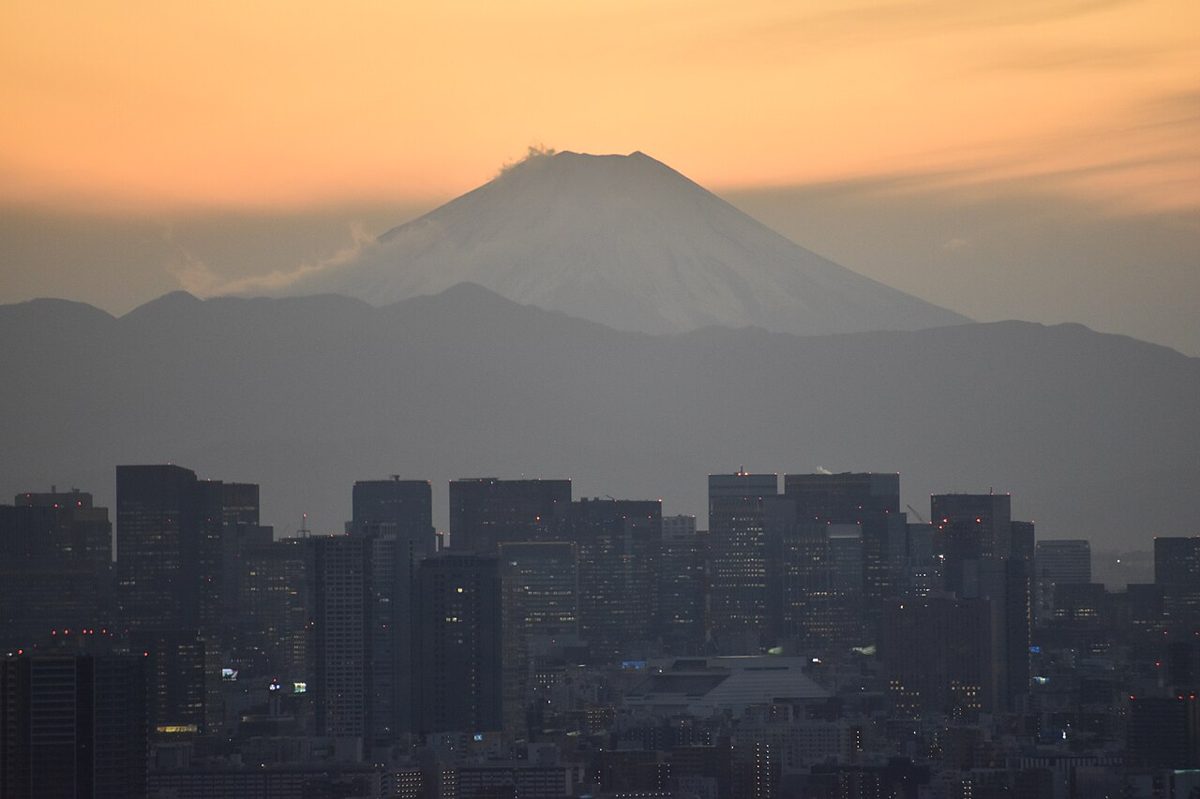
- Sunset over the Tokyo skyline, Mount Fuji beyond — Photo: Fred Cherrygarden / CC BY-SA 4.0 via Wikimedia Commons