Tokyo on a Budget · Guide №119
Free Attractions in Tokyo: Complete Guide to No-Cost Experiences
A complete guide to free attractions in Tokyo: major shrines and temples, free skyline decks, historic gardens, parks, markets, and street life, with stations, hours, and current prices.
目次 — Contents
- Quick-reference table: free Tokyo attractions at a glance
- Tokyo’s great shrines and temples are free to enter
- Free skyline views: the Tokyo Metropolitan Government Building
- Parks and gardens: Tokyo’s free green spaces
- Free street life: crossings, fashion, and market wandering
- Free museums, galleries, and maker showrooms
- Free festivals and seasonal Tokyo
- How to do free Tokyo without quietly overspending
- Odaiba and the bay: a free day on the waterfront
- More free corners locals actually use
- A sample free day in Tokyo
- Mistakes to avoid on a free Tokyo day
- Frequently Asked Questions
- Photo Credits
This article contains advertising. Our booking links are routed through a partner that adds commission tracking automatically, so if you book through one we earn a commission from the provider, at no extra cost to you. It never affects what we recommend. Affiliate disclosure
Tokyo has a reputation for being expensive, but this free attractions Tokyo guide proves you can fill days here without paying a single yen for admission. The city’s biggest shrines, its most famous crossing, two skyscraper observation decks, and centuries-old gardens all cost nothing. You’ll pay for trains and food, not entry. Here’s exactly where to go, when, and how.
I’ve spent a lot of mornings in this city walking from a free shrine to a free park to a free skyline view and spending money only on a vending-machine coffee. The trick isn’t finding cheap stuff. It’s knowing that some of Tokyo’s headline sights, the ones that show up on every postcard, never charge at the gate. Pair this with our Tokyo on a budget pillar guide and you can stretch a trip a long way.
Quick-reference table: free Tokyo attractions at a glance
Before the detail, here’s the cheat sheet. Every place in this table is free to enter. I’ve added the area, the closest station, and the time of day I think each one is at its best, based on light, crowds, and atmosphere.
| Attraction | Area | Nearest station | Best time to go |
|---|---|---|---|
| Meiji Jingu (shrine grounds) | Harajuku | Harajuku / Meiji-jingumae | Right at opening, just after sunrise |
| Senso-ji & Nakamise | Asakusa | Asakusa | Before 8am or after dark (lanterns lit) |
| TMG Building observation deck | Shinjuku | Tochomae / Shinjuku | Clear afternoon into sunset (South deck) |
| Imperial Palace East Gardens | Chiyoda | Otemachi / Tokyo | Mid-morning weekday (closed Mon & Fri) |
| Shibuya Crossing | Shibuya | Shibuya | Friday or Saturday night, ~7-9pm |
| Takeshita Street | Harajuku | Harajuku | Weekend afternoon for peak people-watching |
| Ueno Park | Ueno | Ueno | Morning; cherry-blossom season for sakura |
| Yoyogi Park | Harajuku/Shibuya | Harajuku / Yoyogi-koen | Sunday for buskers and rockabilly dancers |
| Tsukiji Outer Market | Tsukiji | Tsukiji / Tsukijishijo | Early morning, before 10am |
| Asakusa Culture Center deck | Asakusa | Asakusa | Dusk, for Skytree and Senso-ji from above |
Want this organised by activity rather than by gate price? Our roundup of the city’s standout experiences mixes paid and free, while the dedicated list of free things to do in Tokyo goes wider on events and seasonal happenings.
Tokyo’s great shrines and temples are free to enter
This is where the “Tokyo is expensive” idea falls apart fastest. The two religious sites every first-timer wants to see, Meiji Jingu and Senso-ji, are both free. You walk in, you wander, you leave, and nobody asks for a ticket. Optional extras like inner gardens or treasure museums carry small fees, but the main experience costs nothing.
Meiji Jingu: Tokyo’s forest shrine
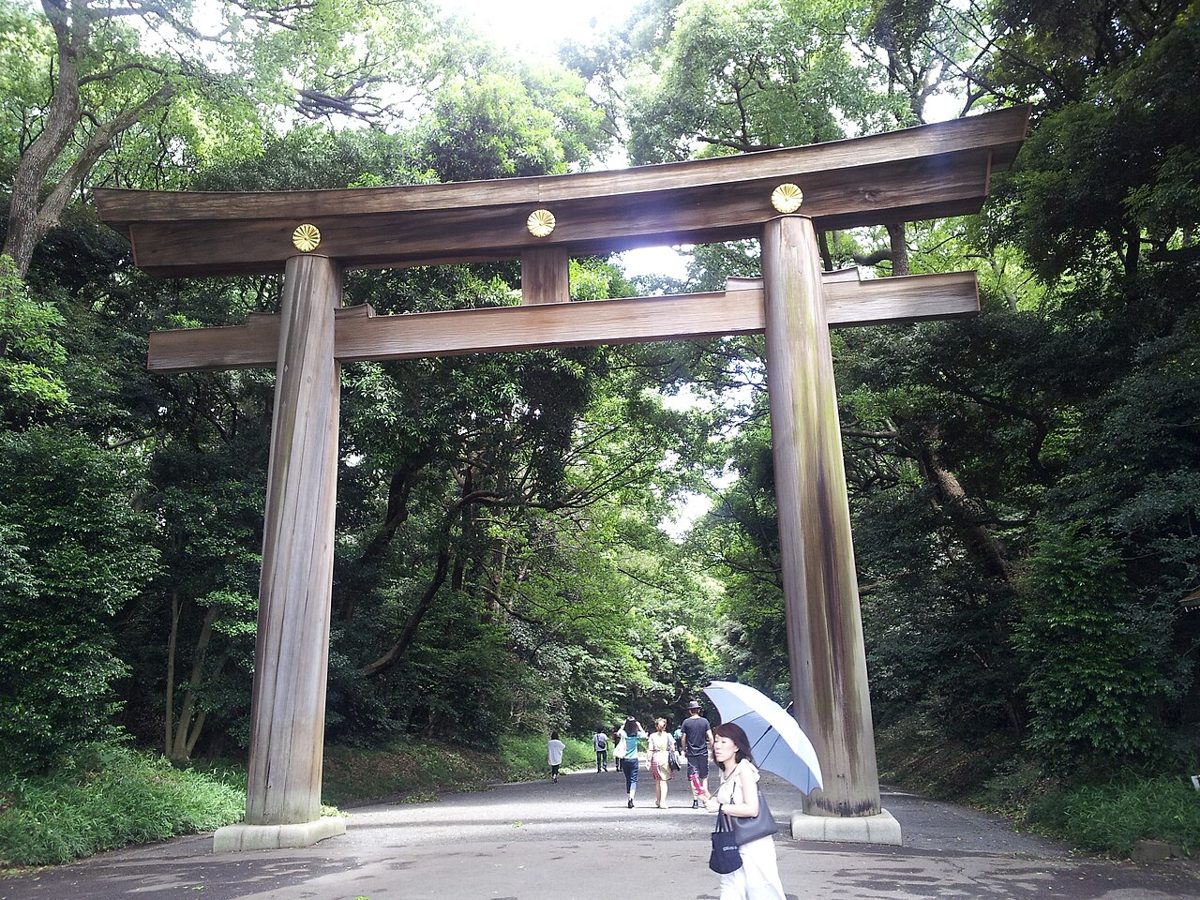
Meiji Jingu sits inside a 70-hectare evergreen forest that was planted by hand a century ago, a few minutes’ walk from the chaos of Harajuku. Entry to the shrine grounds is free, and it opens with sunrise and closes at sunset, so the hours shift through the year (roughly 6:40am in summer, a little later in winter). Get there at opening and you’ll have the gravel approach, the giant cypress torii gates, and the wall of sake barrels almost to yourself.
Two things here do cost money, and both are optional. The Inner Garden (Gyoen), where the irises bloom in June, is ¥500. The Meiji Jingu Museum, designed by Kengo Kuma, is ¥1,000. Skip them if you’re counting yen; the free part is the headline. Closest stations are Harajuku (JR Yamanote) and Meiji-jingumae on the Chiyoda and Fukutoshin lines, both right at the southern entrance.
Senso-ji: Tokyo’s oldest temple
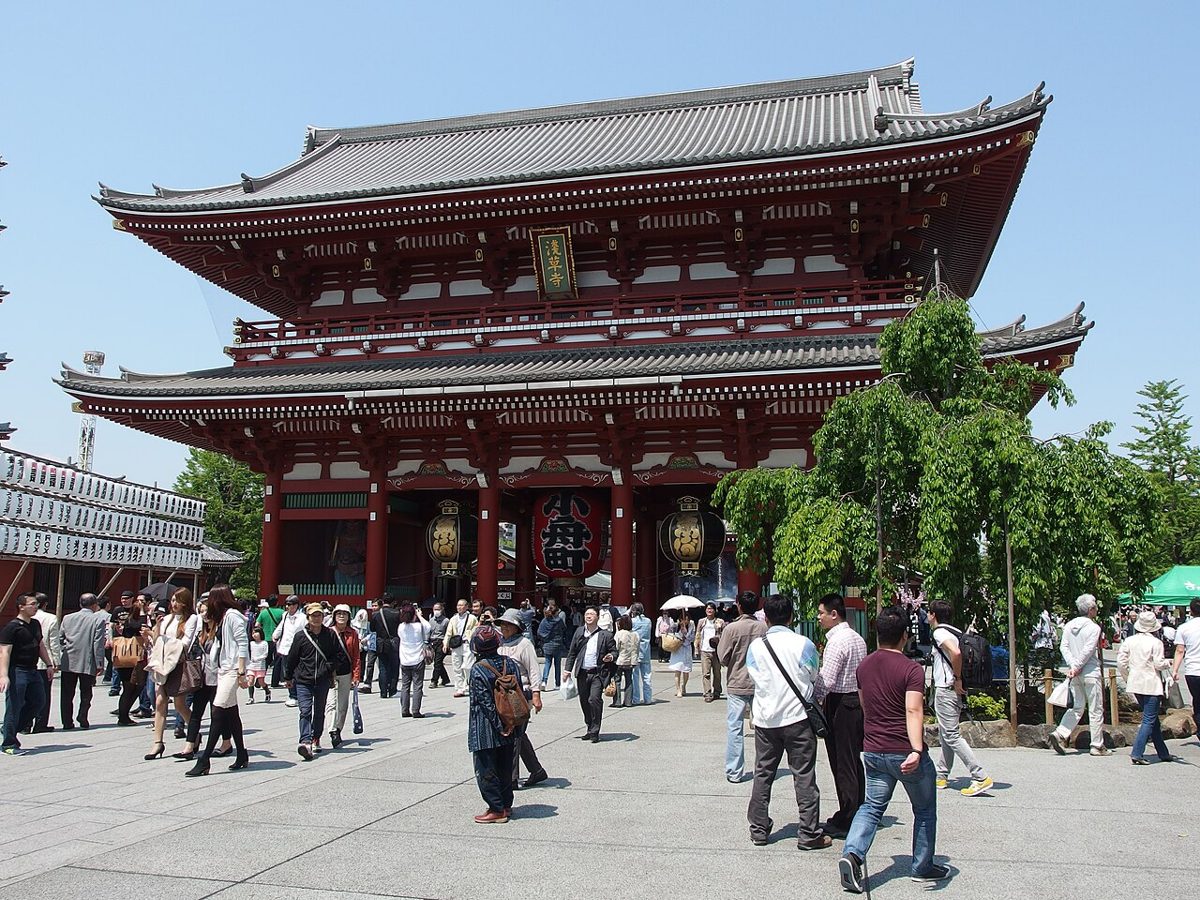
Senso-ji in Asakusa dates to 645 and is the most-visited temple in the country. You enter through Kaminarimon, the thunder gate with its enormous red paper lantern, then walk Nakamise-dori, a 250-metre arcade of stalls selling rice crackers, fans, and grilled sweets, up to the main hall. None of it has an admission gate. I always tell people to come either before 8am, when the shopkeepers are still rolling up their shutters and you can photograph the empty approach, or after dark, when the buildings are floodlit and the day-trippers have gone. Asakusa Station (Ginza, Asakusa, and Tobu lines) is a two-minute walk.
While you’re in Asakusa, cross the road to the Asakusa Culture Tourist Information Center opposite Kaminarimon. The 8th-floor observation terrace is free and gives you a clean shot of Senso-ji from above with Tokyo Skytree behind it. It’s one of the best no-cost views in the city and almost nobody outside the locals knows about it.
Free skyline views: the Tokyo Metropolitan Government Building
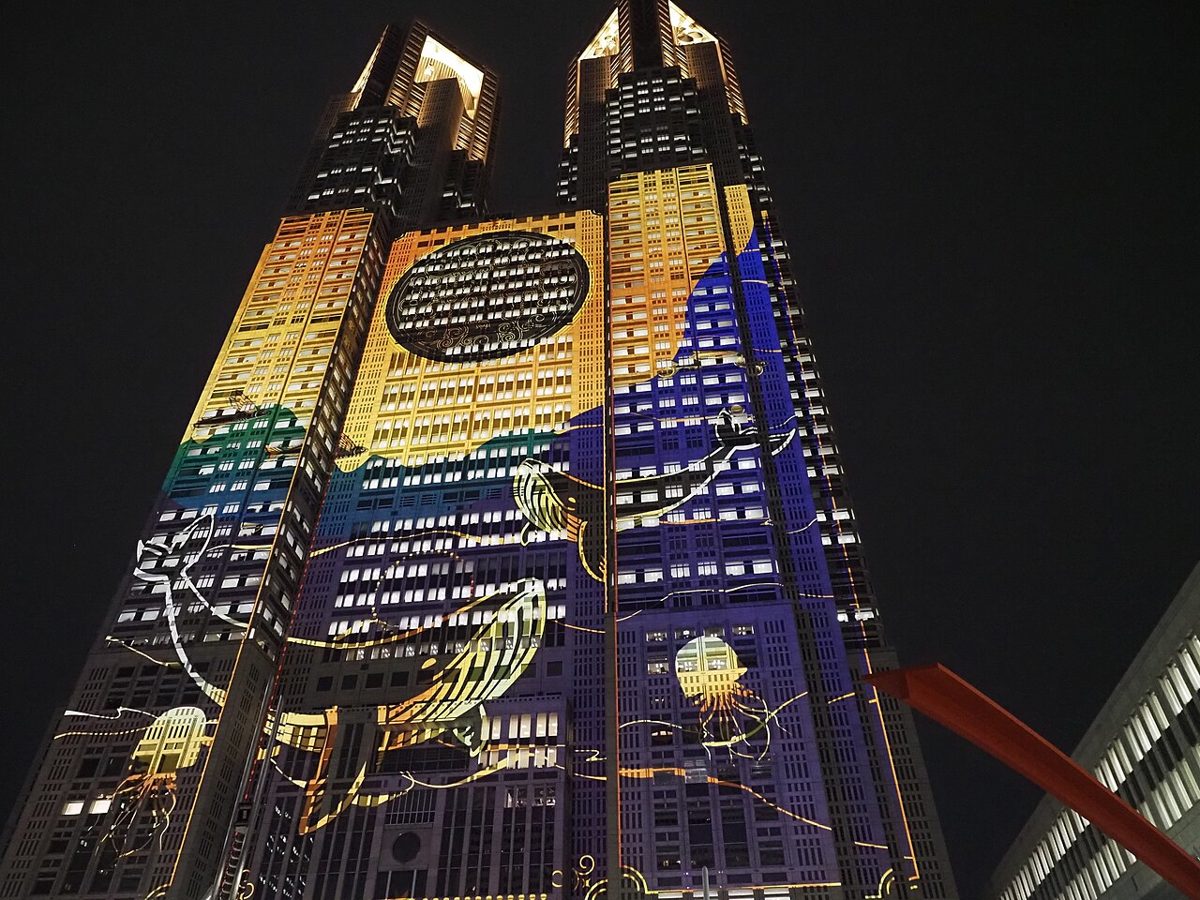
Tokyo loves charging for height. The Skytree and Shibuya Sky will both take well over ¥2,000 off you. But the Tokyo Metropolitan Government Building, known locally as the Tocho, gives you a 202-metre panorama for free, and on a clear day in winter you can see Mount Fuji from it. It’s in Nishi-Shinjuku, a ten-minute walk from the west exit of Shinjuku Station or one stop on the Oedo line to Tochomae, which surfaces right at the base.
There are two observation decks, one in each tower, and they keep different hours, so this matters. The South Observatory is the one to aim for: it’s open 9:30am to 10:00pm (last entry 9:30pm), which means you can ride up for sunset and stay for the night view in a single visit. The North Observatory closes earlier, at 5:30pm. Each deck has its own rest day, the South on the first and third Tuesday of the month, the North on the second and fourth Monday, so if one is shut the other is almost always open. Both close December 29 to 31 and January 2 to 3.
Go through airport-style bag screening at the lobby, take the dedicated elevator, and you’re up in under a minute. There’s a cafe and a souvenir shop at the top, but no entry fee and no timed ticket. For my money it’s the single best free thing you can do in Shinjuku, and it pairs naturally with a wander around the neighbourhood afterwards. If you want more skyline-on-a-budget ideas, the free things to do in Tokyo guide lists several other no-charge lobbies and terraces.
Other free viewpoints worth knowing
- Bunkyo Civic Center, 25th floor (Korakuen): a free observation lounge looking straight at Tokyo Dome and, on clear days, Fuji to the west. Closed the third Sunday of the month.
- Caretta Shiodome, 46th floor (Shiodome): a free Sky View corridor over Tokyo Bay and the Rainbow Bridge, lovely after dark.
- Carrot Tower Sky Carrot lobby (Sangenjaya): a quiet 26th-floor lobby with seating and views toward Tokyo Tower; barely any tourists.
- Asakusa Culture Center, 8th floor: as above, the best free angle on Senso-ji and Skytree together.
Parks and gardens: Tokyo’s free green spaces
Tokyo packs an astonishing amount of greenery between its towers, and most of it is free. The big exception is Shinjuku Gyoen, which I’ll flag below, but the headline parks and the most historic garden in the city centre cost nothing. Our deeper guide to Tokyo’s parks and gardens covers the lot, including the paid ones; here are the free ones I’d prioritise.
Imperial Palace East Gardens
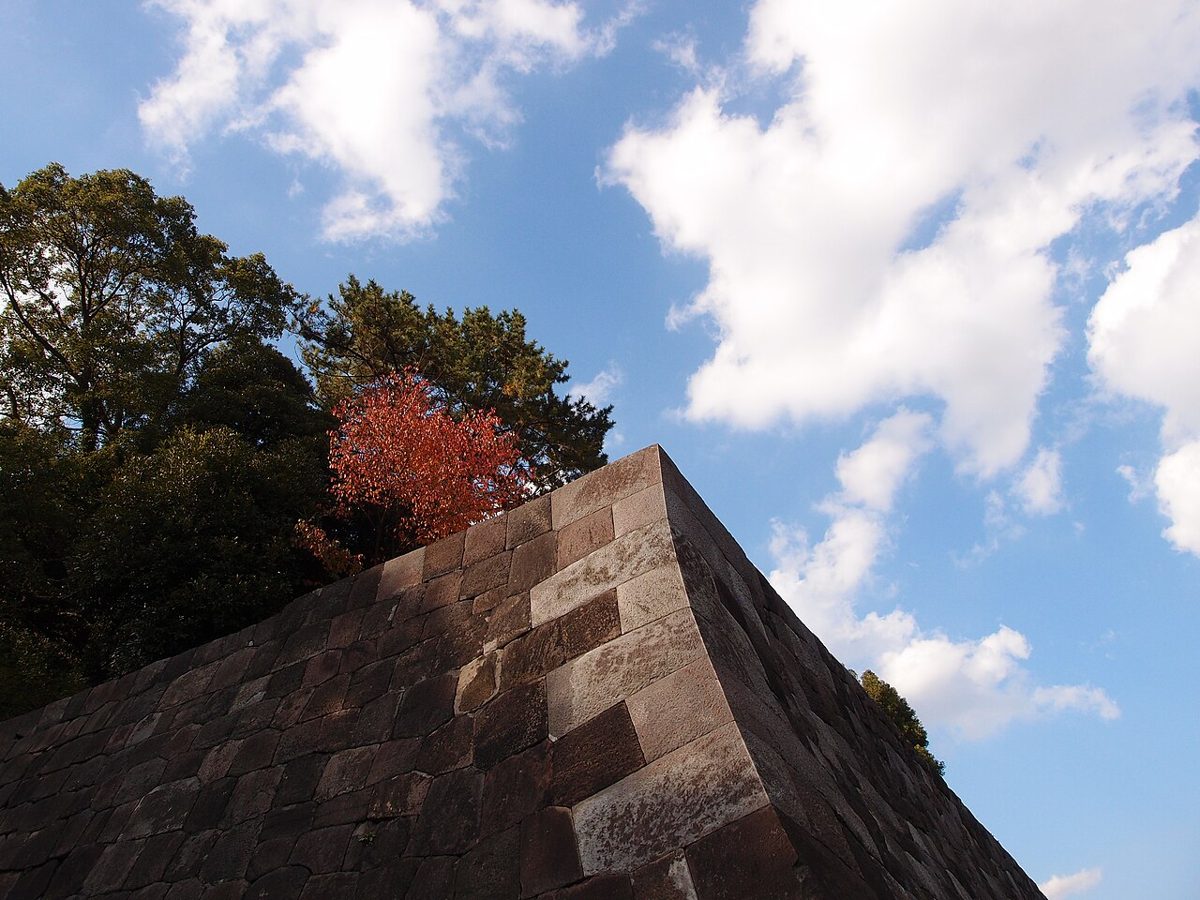
These gardens occupy the inner grounds of the old Edo Castle, the largest fortress in the world in its day, and they’re free with no ticket and no booking. You walk in past the massive stone walls of the former keep, climb the foundation of the donjon for a view over the lawns, and trace moats that are 400 years old. It’s a genuinely impressive piece of history in the dead centre of the city, a short walk from Otemachi or Tokyo Station.
Two rules to remember. First, the East Gardens close on Mondays and Fridays, which catches a lot of visitors out, so plan around that. Second, hours change by season: roughly 9:00am to 4:00pm in winter, stretching to 9:00am to 6:00pm from mid-April through August, with last entry 30 minutes before closing. They also shut December 28 to January 3. You’ll be handed a numbered token at the gate and hand it back when you leave; that’s the only formality.
Ueno Park and Yoyogi Park
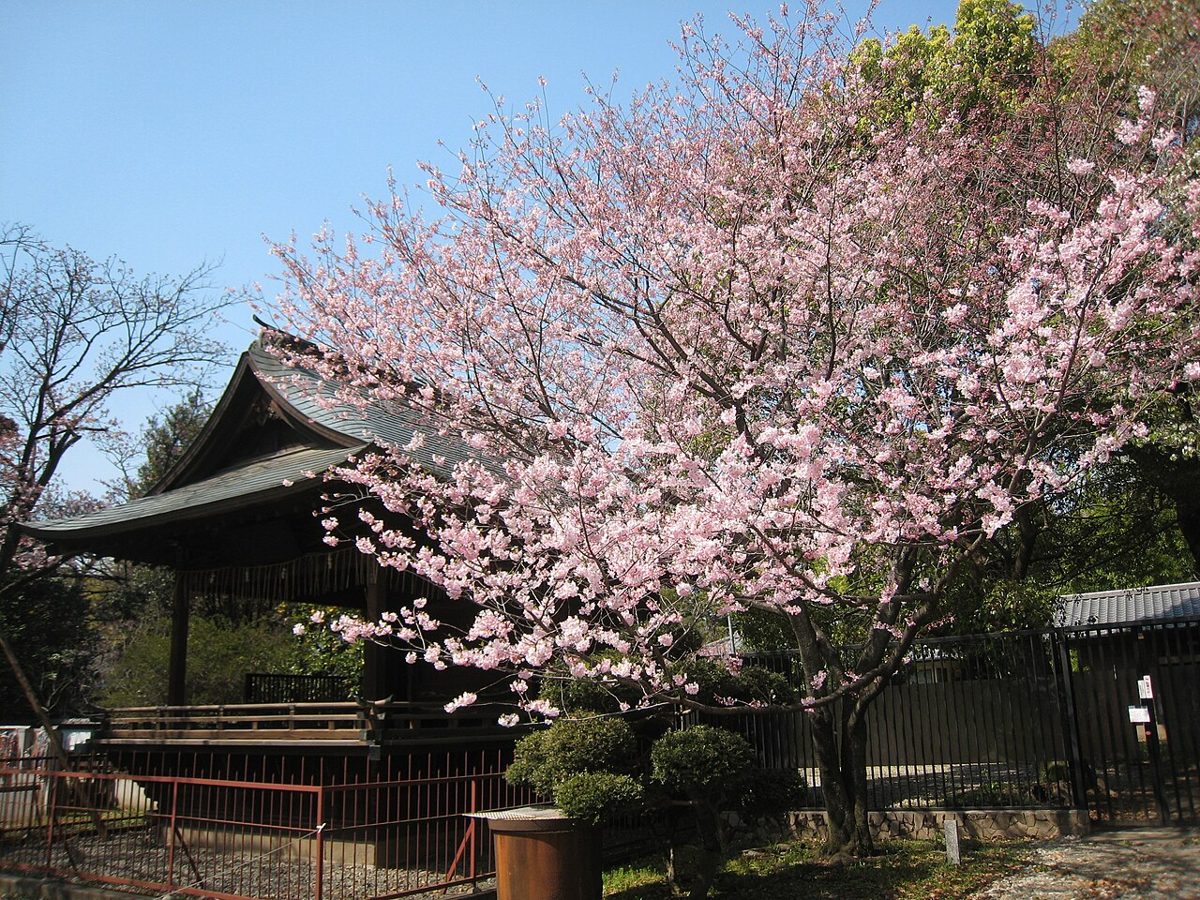
Ueno Park is a free, sprawling expanse that doubles as Tokyo’s museum district. The grounds, the big Shinobazu Pond full of lotus, the Toshogu shrine approach, and the cherry avenues are all free to walk; you only pay if you go inside the museums or the zoo. In early April it becomes one of the most famous hanami (blossom-viewing) spots in Japan, and standing under those trees costs nothing. Ueno Station puts you at the entrance.
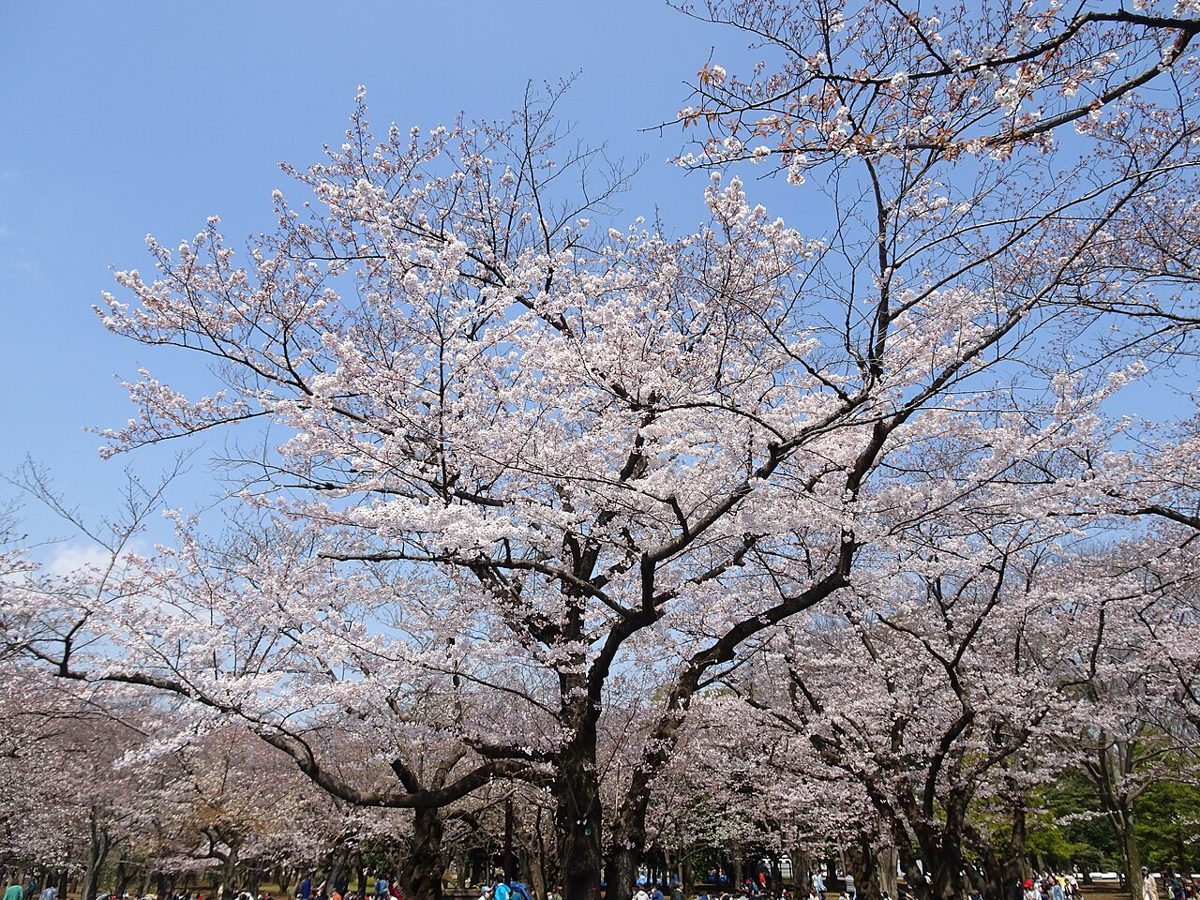
Yoyogi Park, next to Meiji Jingu, is Tokyo’s free open-air living room. Come on a Sunday and you’ll find buskers, drum circles, a long-running troupe of rockabilly dancers near the Harajuku gate, picnickers, and dogs everywhere. There’s no fee, no closing gate on the lawns, and it’s one of the easiest places in the city to just sit and watch Tokyo be itself. Harajuku Station and Yoyogi-koen on the Chiyoda line both work.
Shinjuku Gyoen: worth the small fee
One honest exception. Shinjuku Gyoen is not free; adult admission is ¥500 (students and seniors ¥250, children free). I’m including it because it’s the best-value paid garden in the city and people often assume it’s free like the others. For ¥500 you get a beautifully maintained mix of English, French, and Japanese landscape gardens, and during cherry-blossom season it’s calmer and prettier than the free parks. It’s closed Mondays except in peak blossom and chrysanthemum seasons. If your budget is truly zero, stick to Yoyogi and Ueno; if you can spare a coin, Gyoen earns it.
Free street life: crossings, fashion, and market wandering
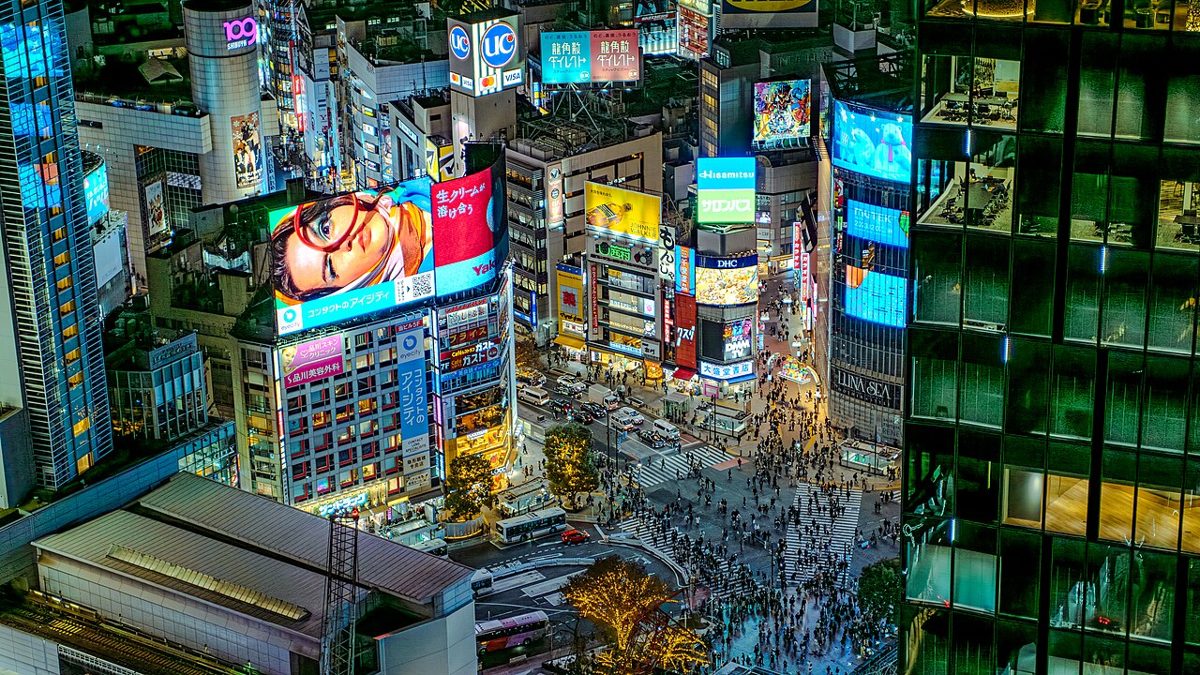
Some of Tokyo’s best experiences aren’t sights you enter at all, they’re streets you stand on. And standing is free.
Shibuya Crossing
The Shibuya scramble crossing is the most famous intersection on earth, and watching a thousand people surge across it in every direction at once is completely free. Do it at street level first, then go upstairs for an elevated view. The Starbucks in the Tsutaya building overlooking the crossing costs only the price of a drink; the second-floor walkway at Shibuya Station and the free Mag’s Park rooftop above the Magnet building (small charge) give you angles too. Come on a Friday or Saturday around 7 to 9pm for the biggest crowds and the brightest neon. Shibuya Station is right there.
Harajuku and Takeshita Street
Takeshita-dori is a 350-metre pedestrian lane of teen fashion, crepe stands, and pop-culture shops, and it’s pure free theatre on a weekend afternoon. You don’t have to buy anything; the people-watching is the point. Walk it from the Harajuku Station end, then escape the crush onto leafy Omotesando, where the architecture (Tod’s, Dior, the Tokyu Plaza mirror entrance) is a free outdoor design gallery in its own right.
Tsukiji Outer Market
The inner wholesale market moved to Toyosu years ago, but the Tsukiji Outer Market is alive and free to wander. Come before 10am and walk the lanes of knife shops, tamagoyaki stands, dried-fish stalls, and tea sellers. You’ll be tempted to buy a skewer or a sea-urchin shooter, and you should, but the wandering, the smells, the controlled chaos, costs nothing. Tsukiji Station on the Hibiya line or Tsukijishijo on the Oedo line drop you at the edge.
Neighbourhood walks that cost nothing
- Yanaka (Nippori): old wooden houses, temples, cats, and a famous sunset staircase; the most atmospheric free walk in the city.
- Ameya-Yokocho (Ueno): a packed under-the-tracks market street, loud and cheap and free to browse.
- Kagurazaka: stone-paved former geisha lanes with hidden shrines, near Iidabashi.
- Odaiba seaside & Rainbow Bridge promenade: a free bayfront walk with a replica Statue of Liberty and skyline views; you can even cross the Rainbow Bridge on foot for free during daytime hours.
Free museums, galleries, and maker showrooms
You don’t have to pay museum prices to see good things indoors. A surprising number of Tokyo’s museums and corporate showrooms are permanently free, and the big national museums open their doors for nothing on a few set days each year.
Permanently free museums and galleries
- Intermediatheque (Marunouchi): a free, beautifully curated collection of University of Tokyo specimens, skeletons, and antique scientific instruments inside the old post office building by Tokyo Station. Genuinely world-class and it costs nothing.
- Sumo Museum (Ryogoku): free displays of ceremonial aprons, ukiyo-e, and ranking sheets inside the Kokugikan sumo arena.
- Meiji University Museum (Ochanomizu): a free and slightly macabre collection covering crime, punishment, and archaeology.
- Advertising Museum Tokyo (Shiodome): free, with a viewing library of award-winning Japanese commercials.
- TOTO Gallery Ma and Espace Louis Vuitton: free design and contemporary-art spaces in Nogizaka and Omotesando.
Free maker showrooms and factory tours
Japanese companies run polished free showrooms that are basically mini-museums. The Sony, Panasonic, and Toyota brand spaces let you play with products and concept tech at no charge. For something more hands-on, several breweries on Tokyo’s fringe, the Suntory beer factory in Fuchu among them, run free guided tours that end with a sample, though you’ll need to book ahead online. The JAL Sky Museum near Haneda offers free factory tours where you watch maintenance crews work on real jets, again by reservation.
National museum free days
Tokyo’s major national museums waive admission on a handful of dates each year. International Museum Day (May 18), Respect for the Aged Day (third Monday of September, for older visitors), and Culture Day (November 3) typically bring free entry to institutions like the Tokyo National Museum and the National Museum of Nature and Science. Dates and participating venues shift slightly year to year, so check each museum’s official calendar before you build a day around it. For a coordinated way to hit many paid museums cheaply on other days, see our note on passes in the roundup of ways to cut Tokyo costs.
Free festivals and seasonal Tokyo
Time your visit right and the city throws free entertainment at you. Most matsuri (festivals) are free to attend; you only pay if you buy food from the stalls.
- Sanja Matsuri (Asakusa, May): Tokyo’s wildest festival, with portable shrines hauled through the streets by thousands of people. Free to watch.
- Cherry blossoms (late March to early April): hanami in Ueno Park, along the Meguro River, at Chidorigafuchi by the palace moat, and in Yoyogi Park, all free.
- Sumida River Fireworks (late July): one of the biggest firework displays in Japan, free to view from the riverbanks (get there early).
- Autumn leaves (November to early December): the ginkgo avenue at Meiji Jingu Gaien turns gold; Rikugien and the Imperial grounds blaze. The Gaien avenue is free.
- Illuminations (December): winter light displays at Marunouchi, Shibuya, and Roppongi are free to stroll through.
How to do free Tokyo without quietly overspending
The attractions are free; the gaps between them are where money leaks. A few habits keep a no-cost day genuinely cheap.
- Transport is your real budget. A single subway hop is ¥180 to ¥210. Cluster free sights by area (all of Harajuku in one go, all of Asakusa in another) so you’re not paying for criss-cross rides. Our advice on stretching a Tokyo budget breaks down when a day pass beats pay-as-you-go.
- Eat from konbini and stand-up counters. A 7-Eleven onigiri is around ¥150; a bowl at a gyudon chain is under ¥500. You can eat well between free sights for the price of a single museum ticket back home.
- Refill water, don’t buy it. Carry a bottle; many parks and stations have fountains, and tap water is safe and good.
- Use free Wi-Fi. Stations, convenience stores, and the Japan Connected-free Wi-Fi app keep you online without roaming charges.
- Mind the small fees hiding inside free places. Meiji’s inner garden, Ueno’s museums, and Senso-ji’s treasure hall all charge; the grounds around them don’t. Decide before you go in.
Do it right and a full day, two or three major free sights, a park, a free skyline view, can cost you under ¥1,500 all in, almost all of it transport and food. That’s the real promise of free Tokyo. For the bigger picture on stretching a trip here, the budget travel guide ties accommodation, transport, and food together.
Odaiba and the bay: a free day on the waterfront
Odaiba, the man-made island in Tokyo Bay, is a soft spot for free sightseeing because so much of it is public space. The Odaiba Seaside Park has a sandy promenade, a small-scale Statue of Liberty replica that lines up beautifully with the Rainbow Bridge and the skyline behind it, and benches where you can watch the water taxis go by. None of that costs a yen. The life-size Unicorn Gundam statue outside DiverCity is free to stand under, and it lights up and shifts pose at set times in the evening, which is worth catching.
Here’s the move I like best on the bay: walk the Rainbow Bridge. There’s a free pedestrian path along the bridge, open during daytime hours (roughly 9am to 6pm in winter, later in summer, closed the third Wednesday of the month), and crossing it on foot gives you a slow, moving view over the harbour that the trains rush past. It takes 30 to 40 minutes one way. Take the Yurikamome line to Odaiba-kaihinkoen to start, though note the Yurikamome is a private line and not the cheapest hop, so factor that into the day.
More free corners locals actually use
Once you’ve done the headline list, these are the lower-key free spots I send friends to when they want Tokyo without the crowds or the entry fees.
- Nezu Shrine area: a beautiful vermilion shrine with a tunnel of small torii gates (free), in the quiet old quarter between Ueno and Yanaka.
- Hie Shrine (Akasaka): a free hilltop shrine with its own corridor of red torii, far less mobbed than the famous ones in Kyoto.
- Gotokuji Temple (Setagaya): the lucky-cat temple, free to enter, where shelves of white maneki-neko figurines pile up by the hundred.
- Public art and sculpture: while the big digital-art museums charge, Tokyo’s streets hide free installations, from Taro Okamoto’s murals to the rotating sculptures around Roppongi and Shinjuku.
- Department-store rooftops: the gardens and terraces atop Ginza Six, Tokyu Plaza Omotesando, and many depato are free to visit and give you a breather above the shopping.
- Akihabara: Electric Town is a free, full-volume sensory walk; you can browse multi-floor arcades and gadget shops for hours without spending a yen.
A sample free day in Tokyo
To show how it fits together, here’s a real one-day route I’ve walked that keeps admission at zero and spends money only on trains and food. It runs west to east and ends with a free night view.
- Morning: Start at Meiji Jingu the moment it opens, when the forest is empty. Walk out into Harajuku, do Takeshita Street and Omotesando’s architecture, then cut into Yoyogi Park.
- Midday: Ride to Shinjuku, grab a cheap bowl or a konbini lunch, then go up the Tokyo Metropolitan Government Building’s South deck for a daytime panorama.
- Afternoon: Head to the Imperial Palace East Gardens (skip this if it’s Monday or Friday, when they’re closed) and walk the old castle grounds.
- Late afternoon: Train to Asakusa for Senso-ji and Nakamise, then up to the free 8th-floor deck at the Asakusa Culture Center as the light fades.
- Evening: Finish at Shibuya Crossing after dark for the neon and the scramble. Total admission spend: zero.
Swap in the bayfront at Odaiba, a market morning at Tsukiji, or a museum free day depending on the date, and you can repeat this formula for most of a week. The structure, a free anchor sight plus a free park plus a free view, is what keeps the cost down. For a roundup that blends these with paid highlights, see what else is worth doing in the city.
Mistakes to avoid on a free Tokyo day
- Ignoring closing days. The Imperial Palace East Gardens shut Mondays and Fridays; Shinjuku Gyoen and many museums shut Mondays. Build your route around them or you’ll arrive at a locked gate.
- Confusing the free grounds with the paid extras. Meiji’s shrine is free but its inner garden and museum aren’t; Ueno’s park is free but its museums and zoo aren’t. Know which gate you’re at before you queue.
- Riding the subway in zigzags. Fares add up fast when you backtrack. Group free sights by area and walk between the close ones.
- Going to the wrong observation deck after 5:30pm. The Tocho’s North deck closes at 5:30; only the South stays open for the night view. Check the rest-day calendar too.
- Assuming free means empty. Senso-ji and Shibuya Crossing are free precisely because everyone goes. For calm, hit the free sights at opening or after dark.
Frequently Asked Questions
Is the Tokyo Metropolitan Government Building observation deck really free?
Yes. Both observatories in the Tocho are free with no ticket needed. The South Observatory is open 9:30am to 10:00pm (last entry 9:30pm) and the North closes at 5:30pm. The South is closed on the first and third Tuesday of each month and the North on the second and fourth Monday, so one deck is almost always open. You’ll pass through a quick bag check, then take a dedicated lift to 202 metres.
What are the best completely free things to do in Tokyo?
The standouts are Meiji Jingu shrine, Senso-ji temple, the Imperial Palace East Gardens, the Tokyo Metropolitan Government Building observation decks, Shibuya Crossing, and the big parks at Ueno and Yoyogi. Add neighbourhood walks in Yanaka and Asakusa and you have several days of sightseeing without an admission fee.
Are Tokyo’s temples and shrines free to enter?
The main grounds of Meiji Jingu and Senso-ji, the two most famous, are free. Many smaller neighbourhood shrines and temples are free too. You only pay for optional extras such as Meiji’s inner garden (¥500), its museum (¥1,000), or a temple treasure hall. Walking in, praying, and exploring the precincts costs nothing.
Is Shinjuku Gyoen free?
No. Shinjuku Gyoen charges ¥500 for adults (¥250 for students and seniors, free for children). It’s the one major garden in this guide that isn’t free, but it’s excellent value and people often assume otherwise. If you want a zero-cost garden, head to the free Imperial Palace East Gardens or the lawns of Yoyogi and Ueno parks instead.
Can I see Tokyo on a budget if everything around it is pricey?
Absolutely. Admission to many headline sights is free; your only real costs are transport (about ¥180 a ride) and food (konbini meals from around ¥150). Cluster free attractions by neighbourhood, eat from convenience stores and cheap chains, and a full day of sightseeing can come in under ¥1,500. Our Tokyo budget travel guide shows how to extend that across a whole trip.
Photo Credits
- The towering torii gate marking the forest approach to Meiji Jingu in Harajuku — Photo: Photo: Nightcrafter / CC BY-SA 4.0 via Wikimedia Commons via Wikimedia Commons
- The Shibuya scramble crossing, free to watch and walk anytime — Photo: Photo: David Kernan / CC BY 4.0 via Wikimedia Commons via Wikimedia Commons
- The free East Gardens of the Imperial Palace, on the old Edo Castle grounds — Photo: Photo: Guilhem Vellut from Annecy, France / CC BY 2.0 via Wikimedia Commons via Wikimedia Commons
- Kaminarimon and the approach to Senso-ji in Asakusa, free to enter — Photo: Photo: Guilhem Vellut from Annecy, France / CC BY 2.0 via Wikimedia Commons via Wikimedia Commons
- The Tokyo Metropolitan Government Building, home to two free observation decks — Photo: Photo: Insightwm / CC BY-SA 4.0 via Wikimedia Commons via Wikimedia Commons
- Ueno Park, a free green expanse packed with museums, shrines and a pond — Photo: Photo: Syced / CC0 via Wikimedia Commons via Wikimedia Commons
- Yoyogi Park on a weekend, Tokyo’s free open-air living room — Photo: Photo: ウィキ太郎 (Wiki Taro) / CC0 via Wikimedia Commons via Wikimedia Commons