Tokyo on a Budget · Guide №123
Tokyo Money-Saving Tips: 20 Hacks the Guidebooks Don’t Tell You
20 specific Tokyo money-saving tips and hacks across transport, food, hotels, attractions and shopping — with real yen prices and a daily budget breakdown.

目次 — Contents
- Transport: Move Cheaply (Tips 1–5)
- Food: Eat Well for Less (Tips 6–10)
- Accommodation: Sleep Smart (Tips 11–13)
- Attractions: See Tokyo for Free or Cheap (Tips 14–16)
- Shopping: Spend Less, Get More (Tips 17–18)
- Money, Timing and Connectivity (Tips 19–20)
- Common Money Mistakes That Quietly Add Up
- Putting It All Together
- Frequently Asked Questions
- Photo Credits
This article contains advertising. Our booking links are routed through a partner that adds commission tracking automatically, so if you book through one we earn a commission from the provider, at no extra cost to you. It never affects what we recommend. Affiliate disclosure
The best Tokyo money saving tips are not about depriving yourself — they are about knowing where the city quietly overcharges tourists and sidestepping it. Tokyo has a reputation for being expensive, but with the right moves you can eat well, sleep central-ish, and see the headline sights on ¥10,000–15,000 a day. Here are 20 specific hacks the guidebooks gloss over.
I have done Tokyo on a shoestring and on a comfortable mid-range budget, and the difference almost always came down to small, repeatable decisions: which card I tapped, when I bought dinner, where I slept relative to a station. None of this is suffering. Pair these tips with our Tokyo budget travel pillar guide and you have a complete money plan.
A quick orientation on what a day actually costs before we dive in — useful for sanity-checking your own plan against the hacks below.
| Daily category | Shoestring | Mid-range | Comfortable |
|---|---|---|---|
| Accommodation | ¥3,000 (hostel dorm / capsule) | ¥7,000 (business hotel) | ¥15,000+ (4-star) |
| Food | ¥2,000 (konbini + gyudon) | ¥4,000 (lunch sets + one nice dinner) | ¥8,000 (restaurants) |
| Transport | ¥800 (subway + walking) | ¥1,200 (subway day pass) | ¥2,500 (taxis sometimes) |
| Attractions | ¥500 (mostly free sights) | ¥1,500 (a few paid entries) | ¥3,000+ (TeamLab, towers) |
| Daily total | ~¥6,300 | ~¥13,700 | ~¥28,500+ |
Those numbers exclude flights and big one-offs. A shoestring week therefore lands near ¥45,000–55,000 before souvenirs; a mid-range week comfortably under ¥100,000. For a fuller breakdown by trip length, see our Tokyo trip cost guide.
What a shoestring day actually looks like
To make the table concrete, here is a real ¥6,000-ish day. Breakfast is two onigiri and a drip coffee from the konbini (¥450). You walk Asakusa and Ueno Park in the morning — free — then a standing-soba lunch near the station (¥400). Afternoon is the free Tocho observation deck in Shinjuku and a wander through Shibuya and Harajuku, reached on a couple of subway rides (¥500 on your Suica). Dinner is a discounted depachika bento eaten in your hostel (¥600). A capsule or dorm bed (¥3,500) rounds it out. Total: about ¥5,850, and you have seen temples, parks, two skylines and three neighbourhoods.
Transport: Move Cheaply (Tips 1–5)
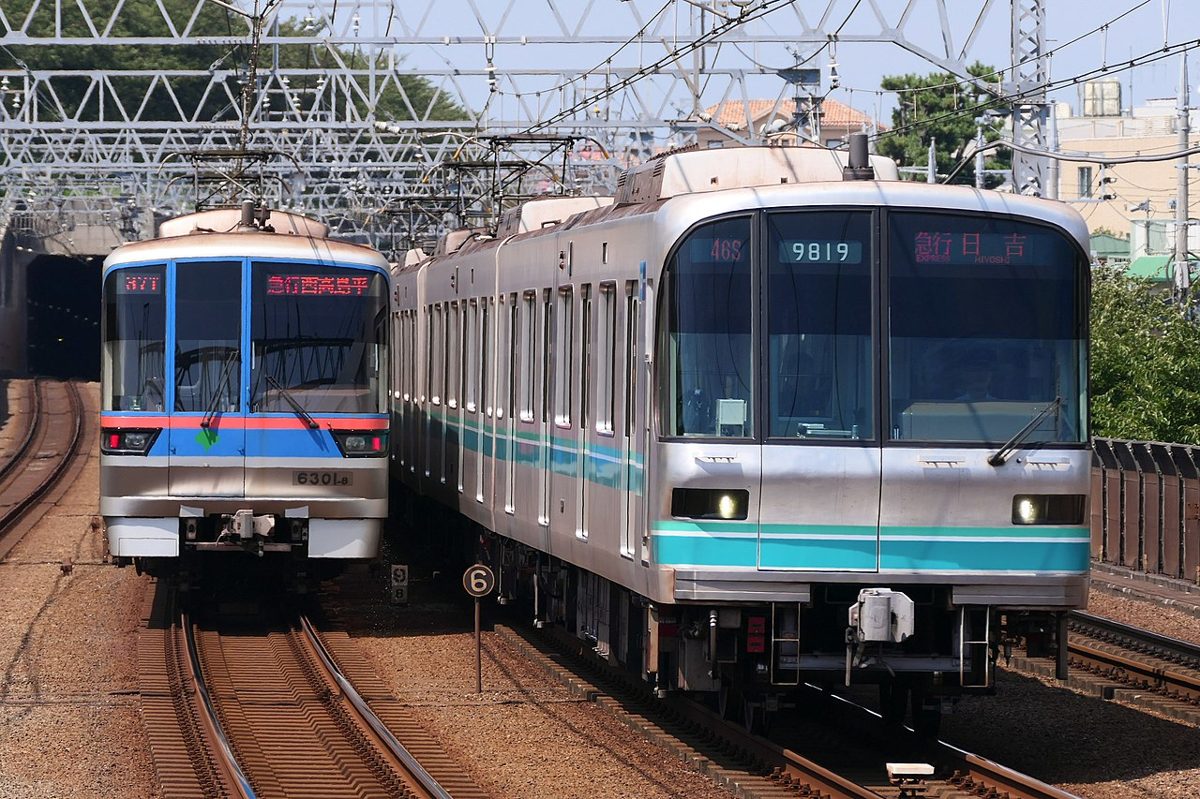
1. Load a Suica or Pasmo and stop buying single tickets
The single best money (and time) move in Tokyo is a rechargeable IC card — Suica or Pasmo. Tap in, tap out, no fumbling with fare charts or paper tickets, and the per-ride fare is fractionally cheaper than a single ticket on many journeys. The same card pays at konbini, vending machines, coin lockers and most shops, so you carry less cash. You can add a Suica to Apple Wallet or many Android phones and top it up straight from your phone — no physical card or deposit needed.
One more reason the IC card wins: it removes the single biggest source of tourist fare-waste, which is buying the wrong-value paper ticket at the machine and overpaying because you could not read the fare map. With Suica the system charges you the exact fare automatically and even sorts out transfers between operators. Top up in ¥1,000 increments at any ticket machine (they take cash, and switch to English with one tap), and keep a small buffer on the card so you never get stopped at a gate with an insufficient balance.
2. Buy a 24/48/72-hour Tokyo Subway Ticket only if you are sightseeing hard
The Tokyo Subway Ticket gives unlimited Tokyo Metro and Toei Subway rides for ¥1,000 (24 hours), ¥1,500 (48 hours) or ¥2,000 (72 hours). It pays off on heavy sightseeing days where you hop between four or more neighbourhoods; if you only take two or three rides, pay-as-you-go on your Suica is cheaper. It is sold to tourists at the airports, major stations and some hotels — bring your passport. Note it does not cover JR lines like the Yamanote, so plan around that.
3. Walk the short hops — Tokyo rewards it
Tokyo charges a base subway fare (around ¥180–210) even for one stop, so for anything under about a kilometre, walk. Shibuya to Harajuku, Ginza to Tokyo Station, Akihabara to Ueno — all are pleasant 15–25 minute walks past things worth seeing. You save the fare and you actually experience the city instead of its tunnels.
4. Skip the Yamanote loop when the subway is cheaper
The JR Yamanote line is iconic, but it is a separate fare system from the Metro and Toei subway. If you are criss-crossing central Tokyo, the subway day pass often beats repeated JR fares. Use JR only when a route genuinely favours it. A navigation app (Google Maps or Japan Travel by Navitime) shows the cheapest option, not just the fastest — check it before you tap.
5. Take the night bus for intercity trips and save a hotel night
Heading to Kyoto or Osaka? The shinkansen is glorious but pricey — Tokyo to Kyoto runs about ¥13,850–14,170 for a reserved seat. An overnight highway bus covers the same route from roughly ¥3,000–5,500, and because you sleep on board, you also save a night’s accommodation. You trade comfort and time for a big saving; for budget travellers that maths often wins. Book a few days ahead through operators like Willer Express or Kosokubus for the lowest fares.
A couple of practical notes on night buses: the cheapest seats are the standard four-across configuration, while three-across seats with more recline cost a bit more and are worth it if you struggle to sleep upright. Buses leave from major hubs like Shinjuku’s Busta terminal (right at Shinjuku Station) and arrive early morning, so you can drop your bag in a coin locker and start sightseeing straight away. Bring an eye mask, earplugs and a layer — the cabins run cold — and you will step off in Kyoto having paid once for both transport and a bed.
Food: Eat Well for Less (Tips 6–10)
6. Make the konbini your breakfast and snack base
Convenience stores are a budget traveller’s best friend. An onigiri or egg sando, a yogurt drink and a ¥120 drip coffee make a ¥400–500 breakfast that beats any cafe on speed and price. The full playbook — what each chain does best, the must-try items, and how to build a ¥500 meal — is in our Tokyo convenience store food guide. Use konbini for breakfast and snacks, save restaurants for one proper meal a day, and your food budget falls into place.
A working konbini food budget looks like this: roughly ¥450–500 for breakfast, another ¥300–500 for a midday snack or light lunch, and ¥500–700 for a discounted bento dinner if you are stretching it — under ¥1,500 for the day and you never go hungry. The 7Bank ATM, free Wi-Fi and clean toilets inside also save you side costs you would otherwise pay elsewhere.
7. Eat your big meal at lunch, not dinner
The same restaurants that charge ¥2,500 at dinner often serve a near-identical lunch set (teishoku) for ¥900–1,200. A teishoku gives you a main, rice, miso soup and pickles — a full meal — and it is the single biggest restaurant saving in Japan. Even mid-range sushi and tempura counters do weekday lunch deals. Flip your eating: lunch is the splurge, dinner is konbini or a cheap bowl.
To put real numbers on it: an unagi (grilled eel) set that costs ¥3,500 at dinner might be ¥1,800 at lunch; a tempura counter charging ¥5,000 in the evening often does a lunch tendon for ¥1,200. Look for the word “ranchi” (lunch) or a lunch board outside, usually served roughly 11am–2pm on weekdays. Even Michelin-listed places sometimes open a budget lunch window. If there is one meal to spend on, make it the cheaper one.
8. Learn the standing bars and standing noodle counters
Standing soba and udon counters at and near stations serve a hot bowl of kake soba for around ¥270, and a soba-plus-kakiage (vegetable fritter) set for about ¥400. You eat in five minutes, standing at a counter, for the price of a snack. For drinks, standing bars (tachinomi) pour beer and sake far cheaper than seated izakaya, with no table charge. Gyudon chains — Yoshinoya, Sukiya, Matsuya — do a filling beef bowl from around ¥400 too.
9. Hit the depachika at closing time
The food halls in department store basements (depachika) — under Isetan, Takashimaya, Tobu — are a luxury world of bento, sushi and pastries. In the last hour or so before closing (often around 7–8pm), staff mark down perishable items by 20–50% to clear them. You can assemble a gourmet dinner of restaurant-quality food for a fraction of its earlier price. It is the classier cousin of the konbini sticker trick, and most tourists never think to try it.
How to play the depachika markdown: arrive 30–60 minutes before the store closes (many close around 8pm), head to the prepared-food and sushi counters, and look for staff applying stickers reading “割引” (waribiki, discount) or a new lower price. Sushi platters, tempura, yakitori and patisserie cakes are the usual targets. You will be eating the exact same food a salaryman paid full price for at lunch, for half the money, and the quality is a clear step above konbini.
10. Drink the free water and tea, and carry a bottle
Restaurants and izakaya serve free water or tea (o-hiya / o-cha) automatically — you never need to buy a drink with a meal. Tap water across Tokyo is safe and good. Carry a refillable bottle, top it up at your hotel, and you will not bleed ¥150 a pop on vending-machine drinks through a hot day. Small saving, but it compounds fast over a week of walking.
For more places to eat cheaply without it feeling like a compromise, our guide to eating for less maps the best-value bowls, counters and chains across the city.
Accommodation: Sleep Smart (Tips 11–13)
11. Match the bed to the trip: capsule, hostel or business hotel
Tokyo’s budget beds come in three flavours, and picking the right one per night saves real money. Hostel dorms run ¥2,500–4,000 and usually include free Wi-Fi, luggage storage and a kitchen. Capsule hotels (¥3,000–5,000) give you a private pod, a big shared bath, and an only-in-Japan experience — great for solo travellers. Business hotels like Toyoko Inn, APA and Super Hotel start around ¥5,500–8,000 for a compact private room, often with breakfast thrown in. Mix and match by night rather than booking one type for the whole trip. Groups and families should price up an apartment too: our guide to Tokyo’s short-stay rental rules explains which listings are legal and which vanish on you.
- Hostel dorm: ¥2,500–4,000 — cheapest, social, kitchen access.
- Capsule hotel: ¥3,000–5,000 — private pod, great baths, solo-friendly.
- Business hotel: ¥5,500–8,000 — private room, often free breakfast.
- Private hostel room: ¥5,000–9,000 — privacy with hostel prices and vibe.
12. Trade a central address for a one-stop-out neighbourhood
You do not need to sleep in Shinjuku or Shibuya. Stay one or two subway stops out — areas like Ueno, Asakusa, Kuramae, Nippori or Otsuka — and you keep fast train access while paying noticeably less per night. As long as your hotel is within a 5–8 minute walk of a station on a useful line, the small transfer costs you minutes and saves you thousands of yen across a week. Location near a station matters far more than the famous name of the district.
A concrete example: a dorm bed or business-hotel room in Asakusa or Kuramae can run 30–40% less than an equivalent in Shinjuku, yet the Ginza and Asakusa subway lines put you in central Tokyo in 15–20 minutes. Nippori gives you the Yamanote line plus the Keisei Skyliner straight to Narita Airport. The rule is simple: optimise for “walkable to a useful station,” not for a prestige postcode, and put the savings toward food and experiences.
13. Book early, and avoid checking in during peak weeks
Tokyo accommodation prices swing hard with demand. Book popular hostels and business hotels weeks ahead, especially for cherry-blossom season (late March to early April) and autumn foliage. Rates can double during peak periods, so a few weeks of lead time is worth real money. We cover the booking timeline in our Tokyo travel planning guide.
Attractions: See Tokyo for Free or Cheap (Tips 14–16)
14. Use the free observation decks instead of paid towers
You do not need to pay for a city view. The Tokyo Metropolitan Government Building (Tocho) in Shinjuku has two observation decks at 202 metres that are completely free — on a clear day you can see Mount Fuji, Tokyo Skytree and Tokyo Tower. It is a ten-minute walk from Shinjuku Station’s west exit, or right above Tocho-mae Station on the Oedo Line. Compare that to ¥2,000–3,000 for Skytree or Shibuya Sky. Other free-ish views include the Bunkyo Civic Center and many department-store rooftops.
A few more free or near-free viewpoints worth knowing: the Bunkyo Civic Center observatory (free, with a clean Fuji view on a good day), the Carrot Tower in Sangenjaya (free), the rooftop of KITTE near Tokyo Station (free, looking over the station and tracks), and Odaiba’s waterfront for a Rainbow Bridge skyline at no cost. Stack one of these into an evening and you get the Tokyo-from-above photo without the tower ticket.
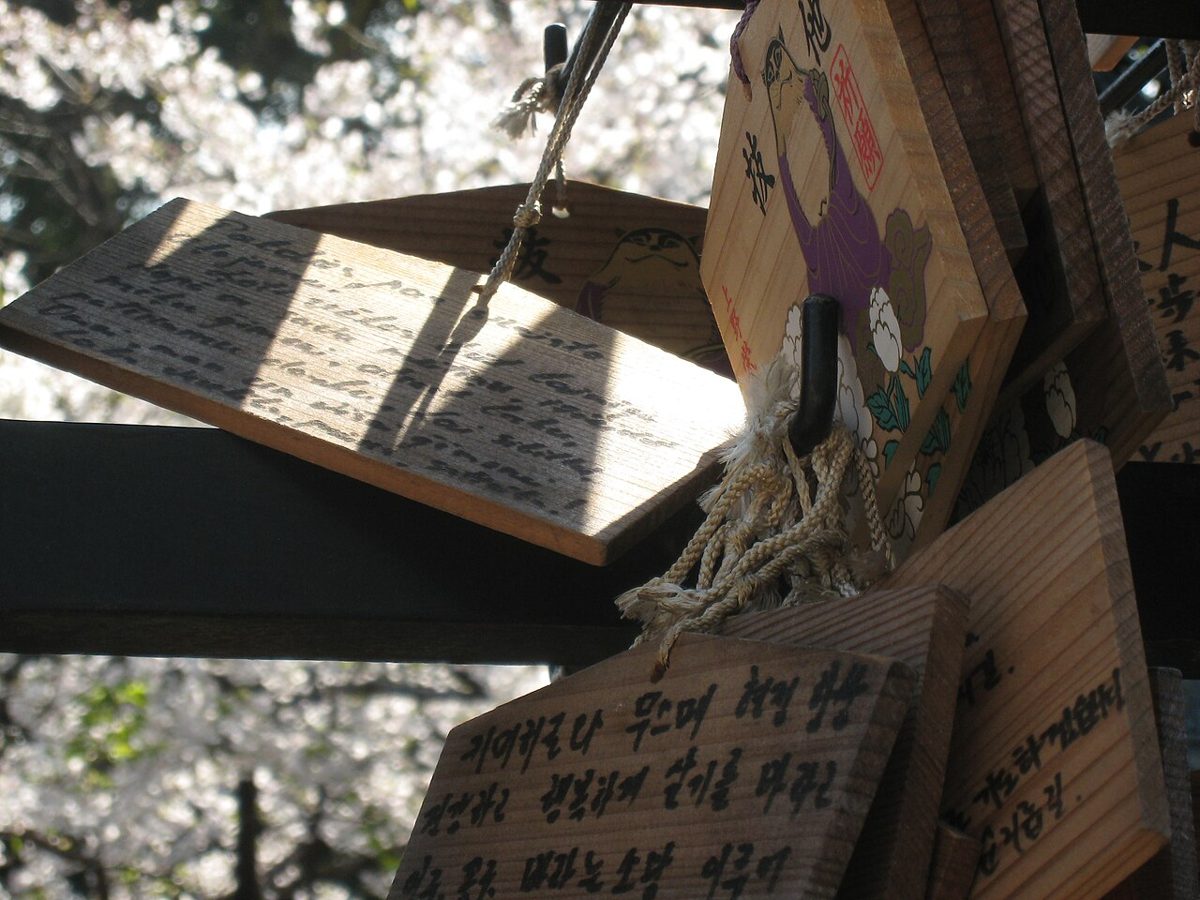
15. Lean on free shrines, parks and neighbourhoods
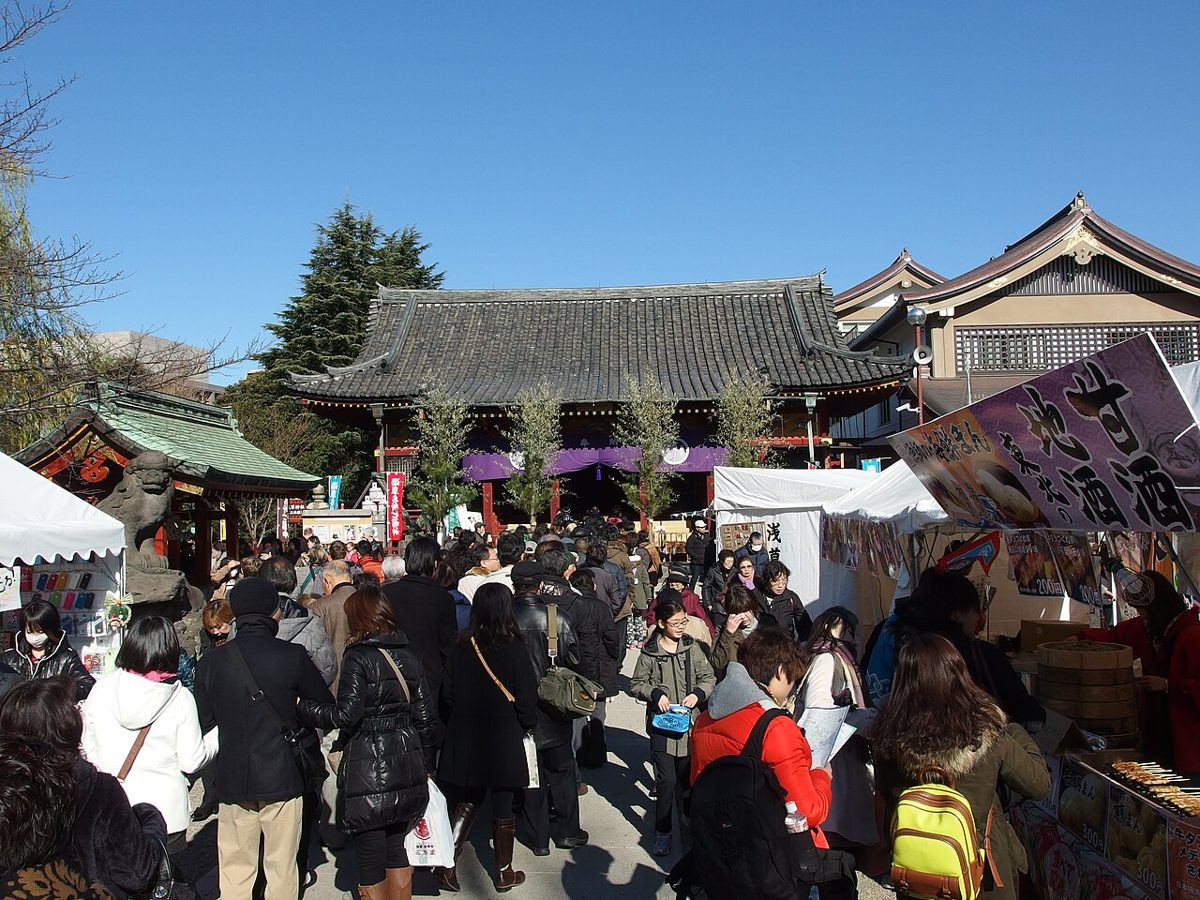
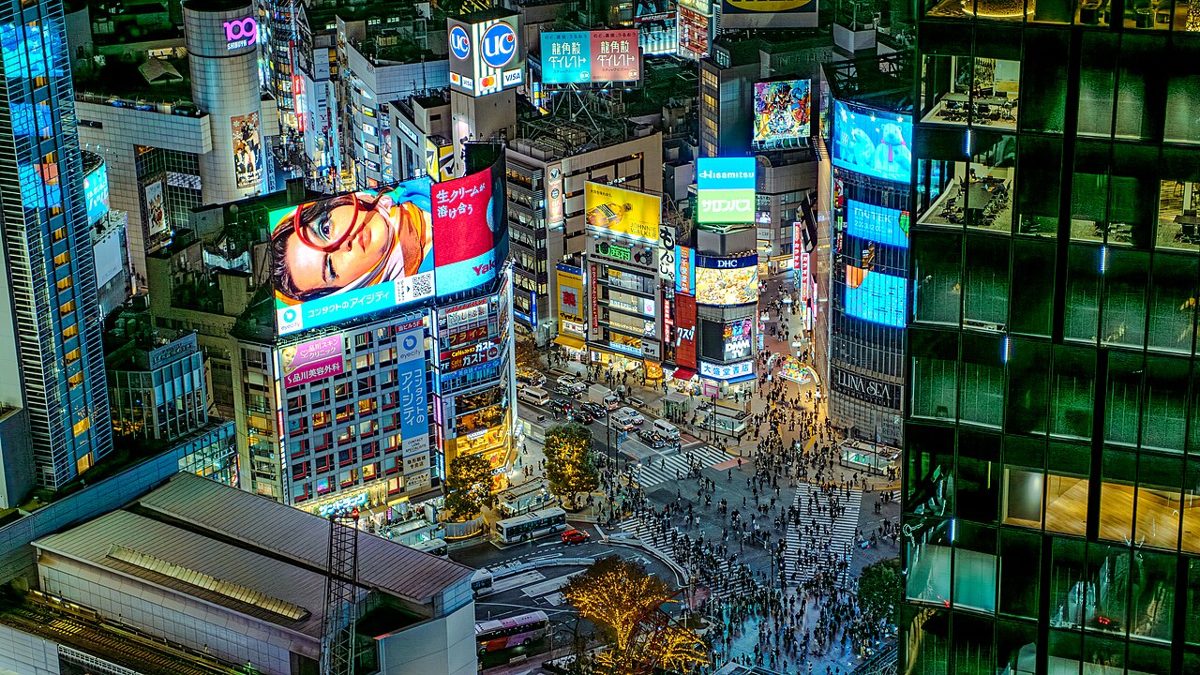
Some of Tokyo’s best experiences cost nothing. Senso-ji temple in Asakusa, Meiji Shrine and its forest in Harajuku, the Imperial Palace East Gardens, Ueno Park, Yoyogi Park, the Shibuya scramble crossing, and wandering Shimokitazawa or Yanaka are all free. Our Tokyo free attractions guide rounds up the best no-cost sights so you can fill whole days without paying admission.
16. Get the Grutto Pass if you like museums
Museum lovers should buy the Tokyo Museum Grutto Pass: ¥2,500 for free or discounted entry to over 100 museums, galleries, zoos and gardens, valid for two months from first use. If you visit even four or five paid institutions it pays for itself, and many venues are free with it rather than just discounted. There is also a combined Metro + Grutto deal (around ¥3,130) that bundles two 24-hour subway passes with the Grutto ticket and saves money over buying them separately.
Venues that take the Grutto Pass include the Tokyo Metropolitan Art Museum, the Edo-Tokyo Museum’s affiliated sites, Ueno Zoo, several gardens like Kyu-Furukawa and Rikugien, and a long list of smaller galleries. The catch worth knowing: it is a booklet of single-use coupons, not an unlimited pass, so it rewards planning a museum-heavy couple of days rather than one frantic dash. If museums are not your thing, skip it — the free shrines and parks above will fill your days for nothing.
Shopping: Spend Less, Get More (Tips 17–18)
17. Claim tax-free — and know the November 2026 rule change
Foreign tourists can shop tax-free (skipping the 10% consumption tax) at participating stores on purchases of ¥5,000 or more, per store per day. Bring your passport and ask for the tax-free counter. Important update: from 1 November 2026, Japan switches to a refund system — you pay the full tax-inclusive price in store and claim the tax back at the airport before departure, rather than getting it deducted at the till. Either way, keep your receipts and your passport handy, and consolidate purchases in one store to clear the ¥5,000 threshold.
18. Raid the 100-yen shops and Don Quijote
For souvenirs, snacks and travel bits, 100-yen shops (Daiso, Seria, Can Do) are unbeatable — most items are ¥110 with tax, and the quality is genuinely good, from ceramics to stationery to snacks. Don Quijote (“Donki”) is the sprawling discount chain for everything else: cosmetics, electronics, snacks and quirky gifts, often open late, with tax-free counters in tourist areas. Between the two you can buy almost anything cheaper than at a regular store or the airport. For clothes, the same logic applies at Tokyo’s secondhand and recycle shops, where chains like 2nd Street and Book Off undercut new retail across the city.
Money, Timing and Connectivity (Tips 19–20)
19. Handle cash and cards the cheap way
Japan is still a cash-friendly country, but you do not need to exchange a fortune at home (airport exchange rates are poor). Instead, withdraw yen as you go from 7-Eleven’s 7Bank ATMs — they take most foreign cards, run 24/7, and offer an English menu and fair rates. Carry enough cash for small shops, shrines and old-school restaurants, but tap your IC card or a contactless card everywhere it works. A travel card with no foreign-transaction fees saves a quiet 2–3% on everything. And remember: there is no tipping in Japan, so the price you see is the price you pay.
- Use 7Bank (7-Eleven) ATMs for withdrawals — reliable with foreign cards, English menu.
- Carry some cash for shrines, small eateries and markets that are cash-only.
- Pick a no-FX-fee card and tap contactless to save 2–3% versus poor exchange rates.
- Get your Suica deposit and balance back at a JR office when you leave, if you used a physical card (a small refund fee may apply).
- Do not tip — it is not expected anywhere and can cause confusion.
20. Time your trip — and get connected with an eSIM
When you go changes the price more than almost anything. Avoid Golden Week (late April to early May), Obon (mid-August) and New Year, when domestic travel spikes and hotels and transport surge. The cheapest, least-crowded windows are January–February and June (the rainy season, but quiet and green). For data, a pre-ordered eSIM is the budget winner: a 5GB plan for a week costs roughly $7–11, versus $50–80 to rent a pocket Wi-Fi device for ten days. Solo travellers should almost always choose the eSIM; only groups sharing one device tip the maths toward pocket Wi-Fi.
Common Money Mistakes That Quietly Add Up
Beyond the active hacks above, a lot of overspending in Tokyo is passive — small leaks you do not notice until you tally the trip. These are the ones I see travellers make most often.
- Exchanging too much cash at the airport. Airport and hotel exchange counters give poor rates. Withdraw from a 7Bank ATM as you go instead, or use a no-fee card.
- Taking taxis you do not need. Tokyo taxis start around ¥500 and climb fast; a 15-minute ride can cost ¥2,000–3,000. The trains run until roughly midnight — plan your last one rather than defaulting to a cab.
- Buying bottled drinks all day. At ¥130–160 a bottle, three a day is nearly ¥500; a refillable bottle and free restaurant tea erase most of that.
- Paying for paid observation decks reflexively. The free Tocho deck gives a comparable view to a ¥2,000–3,000 ticket; save the paid ones for a specific experience like Shibuya Sky at sunset.
- Eating at the first restaurant by a station. Station-front and tourist-strip restaurants charge a premium; walk two minutes down a side street for better food at local prices.
- Forgetting the ¥5,000 tax-free threshold. Splitting purchases across stores can leave you just under it each time. Consolidate to claim the 10% back (or, from November 2026, to qualify for the airport refund).
- Over-buying rail passes. The nationwide JR Pass rarely pays off for a Tokyo-only or Tokyo-plus-one-city trip now that it is pricier — do the sums for your exact route before buying.
None of these are dramatic on their own. Together they can be the difference between a shoestring day and a mid-range one, several times over a trip.
Putting It All Together
You do not have to do all twenty of these to feel the difference — even half will visibly stretch your budget. If I had to pick the five with the biggest payoff: load a Suica, eat your big meal at lunch, sleep one stop out from the centre, use the free Tocho observation deck instead of a paid tower, and buy dinner from the konbini or depachika after 8pm. Stack those daily and a “Tokyo is so expensive” trip quietly turns into an affordable one.
For the complete strategy — sample budgets, neighbourhoods and itineraries — start from our Tokyo budget travel pillar and our Tokyo travel planning guide, then layer these hacks on top. Tokyo gives a lot back to travellers who spend a little thought instead of a lot of yen.
One last principle ties all twenty hacks together: do the maths for your own trip rather than copying someone else’s. A subway day pass, a rail pass, a Grutto Pass, an eSIM versus pocket Wi-Fi — each is a great deal for some itineraries and a waste for others. Spend ten minutes before you buy any pass adding up what you would otherwise pay, and you will never overspend on the “convenient” option that quietly costs more. That habit, more than any single tip, is what keeps a Tokyo trip affordable.
Frequently Asked Questions
How much money do I need per day in Tokyo?
A shoestring traveller can manage on about ¥6,000–7,000 a day (hostel or capsule, konbini and gyudon meals, subway and walking). A comfortable mid-range day is around ¥13,000–15,000 with a business hotel, restaurant meals and a few paid attractions. Luxury runs well above that. Flights and big one-off experiences are extra.
What is the cheapest way to get around Tokyo?
A Suica or Pasmo IC card for pay-as-you-go rides, combined with walking short hops, is cheapest for most travellers. If you are sightseeing across four or more areas in a day, the ¥1,000 24-hour Tokyo Subway Ticket can beat it. Compare options in a navigation app, which shows the cheapest route, not just the fastest.
How can I save money on food in Tokyo?
Eat your big meal at lunch (set meals run ¥900–1,200 versus much more at dinner), use konbini for breakfast and snacks, try standing soba counters and gyudon chains, and buy discounted bento at the konbini after 8pm or at depachika food halls near closing. Free water and tea come with meals, so you never need to buy a drink.
Is Tokyo really that expensive?
It has the reputation but not always the reality. Transport, convenience-store food and many attractions are cheaper than in comparable big cities, and dozens of top sights — shrines, parks, the Tocho observation deck, Shibuya crossing — are free. Accommodation and sit-down dining are where costs add up, and both are easy to manage with the tips here.
When is the cheapest time to visit Tokyo?
January, February and June tend to be the cheapest and least crowded. Avoid Golden Week (late April to early May), Obon (mid-August) and the New Year period, when domestic demand pushes hotel and transport prices up sharply and availability drops.
Should I get a pocket Wi-Fi or an eSIM for Tokyo?
For most solo travellers, an eSIM is cheaper and simpler — a 5GB week-long plan costs roughly $7–11, with nothing to rent or return. Pocket Wi-Fi (about $50–80 for ten days) only makes sense when several people share one device or you need to connect a laptop heavily.
Photo Credits
- Japanese yen banknote — Photo: Eclipse2009 / Public domain via Wikimedia Commons
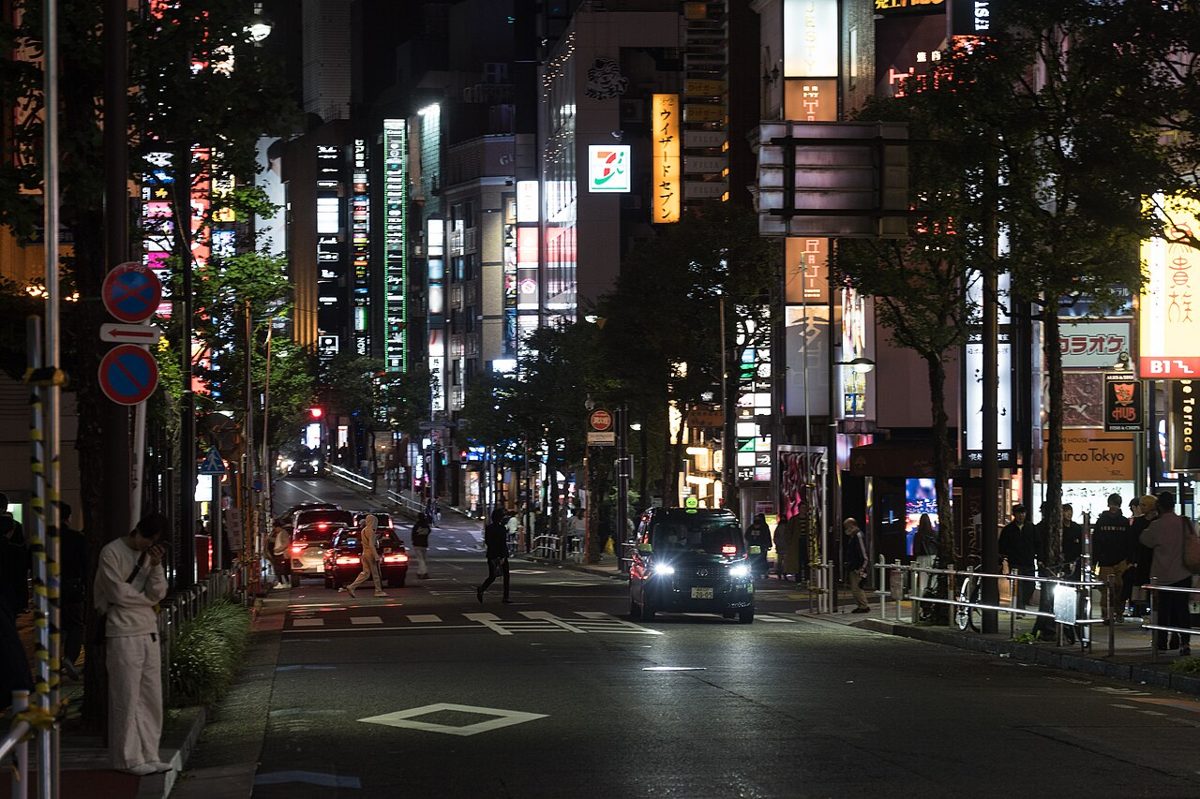
- Shinjuku at night — Photo: Alexkom000 / CC BY 4.0 via Wikimedia Commons
- A Tokyo Metro train — Photo: MaedaAkihiko / CC BY-SA 4.0 via Wikimedia Commons
- Hanami in Ueno Park — Photo: Syced / CC0 via Wikimedia Commons
- Shibuya Crossing — Photo: David Kernan / CC BY 4.0 via Wikimedia Commons
- Senso-ji in Asakusa — Photo: Guilhem Vellut / CC BY 2.0 via Wikimedia Commons