Tokyo Food · Guide №164
Best Yakiniku in Tokyo: Wagyu BBQ From Budget to Blowout
Where to eat yakiniku in Tokyo at every budget, from one-person grill sets to all-you-can-eat chains, Jojoen lunches and Yoroniku, plus which cuts to order and why a whole meal of A5 wagyu is a mistake.
目次 — Contents
- What yakiniku is
- The cuts: what to order
- Wagyu, grades and the A5 trap
- Yakiniku by budget
- Budget: solo sets and all-you-can-eat
- Mid-range: Jojoen and neighbourhood yakiniku
- High end: Yoroniku and the wagyu specialists
- Yakiniku etiquette at the grill
- A yakiniku dinner, step by step
- Where to eat yakiniku by area
- Practical tips
- Other beef meals worth knowing
- Frequently Asked Questions
- Photo Credits
This article contains advertising. Our booking links are routed through a partner that adds commission tracking automatically, so if you book through one we earn a commission from the provider, at no extra cost to you. It never affects what we recommend. Affiliate disclosure
The best yakiniku Tokyo offers depends on how much wagyu you want to pay for. A solo set at Yakiniku Like costs around ¥1,000, an all-you-can-eat course at a chain such as Gyukaku runs roughly ¥3,000 to ¥6,000, a Jojoen lunch set is the classy middle ground, and a blowout at Yoroniku in Aoyama easily passes ¥15,000 a head.
This guide explains how yakiniku works, which cuts to order and in what sequence, the difference between wagyu grades and why you should not order only the fattiest, the best places at every budget, whether all-you-can-eat is worth it, and the etiquette at the grill. For the broader picture of eating out in the city, start with our Tokyo food guide.
What yakiniku is
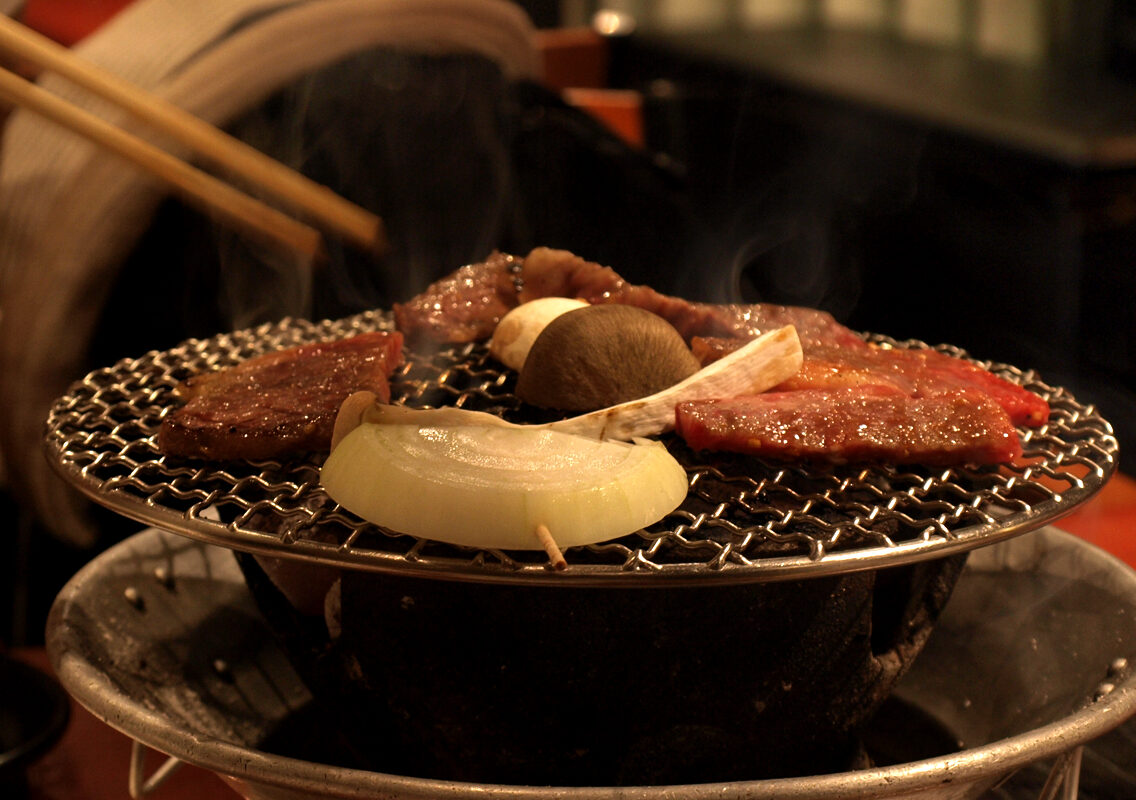
Yakiniku simply means “grilled meat”. You sit around a gas or charcoal grill set into the table, order plates of raw, bite-sized cuts, and cook them yourself, a few pieces at a time, dipping them into sauce and eating them with rice, kimchi and beer.
Its roots are Korean. Yakiniku as Japan knows it grew out of the Korean communities of Osaka and Tokyo in the years after the Second World War, when offal and cheaper cuts were grilled in small, smoky restaurants. Over the following decades it became one of Japan’s favourite celebration meals and moved steadily upmarket, until today the best Tokyo yakiniku restaurants serve some of the most expensive beef in the world. The Korean influence is still everywhere: kimchi, namul vegetables, bibimbap, cold noodles and the word horumon for offal.
It is not the same as Korean barbecue in Shin-Okubo, Tokyo’s Koreatown, where pork belly is grilled whole and wrapped in lettuce. That is also excellent and cheap, but a different meal.
The cuts: what to order
Menus are organised by cut, often with photos, and many chain restaurants have English menus or tablet ordering. These are the words to know.
| Menu name | Cut | What it is like | How to eat it |
|---|---|---|---|
| Tan (tongue) | Beef tongue | Thin, springy, clean-tasting; jo-tan is the thicker, premium version | First, with salt and lemon |
| Karubi | Rib meat, often short rib | Rich and fatty, the classic yakiniku cut | With tare sauce and rice |
| Rosu | Loin or chuck | Leaner than karubi, beefier | Tare or salt |
| Harami | Skirt (diaphragm) | Juicy, tender, great value; technically offal | Tare sauce |
| Misuji, zabuton, tomosankaku | Premium “rare cuts” from the shoulder and thigh | Heavily marbled, melt-in-the-mouth | Seared very briefly |
| Horumon: mino, hatsu, reba, shima-cho | Tripe, heart, liver, large intestine | Chewy, rich or fatty depending on the cut | Last, well cooked |
The order that works
- Salt first. Start with lighter, salt-seasoned cuts such as tongue, grilled briefly and eaten with lemon.
- Then sauce. Move on to karubi, rosu and harami with the sweet soy-based tare.
- Then offal. Fatty horumon drips and flares and dirties the grill, so it goes near the end.
- Finish with a carb. Bibimbap, a bowl of rice, or cold noodles (reimen) cut through the richness.
If the grill grate turns black and sticky, ask staff to change it. It is normal, free and makes a real difference.
Wagyu, grades and the A5 trap
Japanese beef is graded on yield (A to C) and on quality from 1 to 5, based on marbling, colour, firmness and fat. A5 is the top grade, and a lot of yakiniku marketing aimed at visitors is built around the phrase “A5 wagyu”.
The honest advice is that A5 is not automatically the best choice for a whole meal. Top-grade wagyu is extraordinarily rich. Two or three pieces are wonderful; a whole plate of it is heavy, and many Japanese diners prefer to mix one special cut with leaner rosu, harami and tongue. A meal of A5 karubi alone often leaves people feeling slightly ill rather than delighted. Order one premium plate to share, and build the rest of the meal around cuts with more chew and beefiness.
Also be wary of cheap “A5 wagyu all-you-can-eat” offers in tourist areas. Grading applies to the carcass as a whole, and lower-value cuts from an A5 animal are not the same experience as the premium ones, so the label on its own tells you less than it seems.
Yakiniku by budget
| Style | Example | Rough price per person | Best for | Verdict |
|---|---|---|---|---|
| Solo grill chain | Yakiniku Like | About ¥1,000–2,000 | Quick solo lunch or dinner | Excellent value for what it is |
| All-you-can-eat chain | Gyukaku and similar | About ¥3,000–6,000 before drinks | Groups, big appetites, families | Fun, but the meat is ordinary |
| Upscale chain | Jojoen | Lunch sets are the value play; dinner considerably more | A comfortable, reliable wagyu meal | Best value for quality at lunch |
| Horumon and neighbourhood shops | Local shops in Shinjuku, Ueno and elsewhere | Varies; often moderate | Adventurous eaters, beer and smoke | Great atmosphere, check the prices |
| High end | Yoroniku, Aoyama | About ¥15,000–20,000 in practice | A special-occasion beef dinner | Worth it once, if you book |
Budget: solo sets and all-you-can-eat
Yakiniku Like
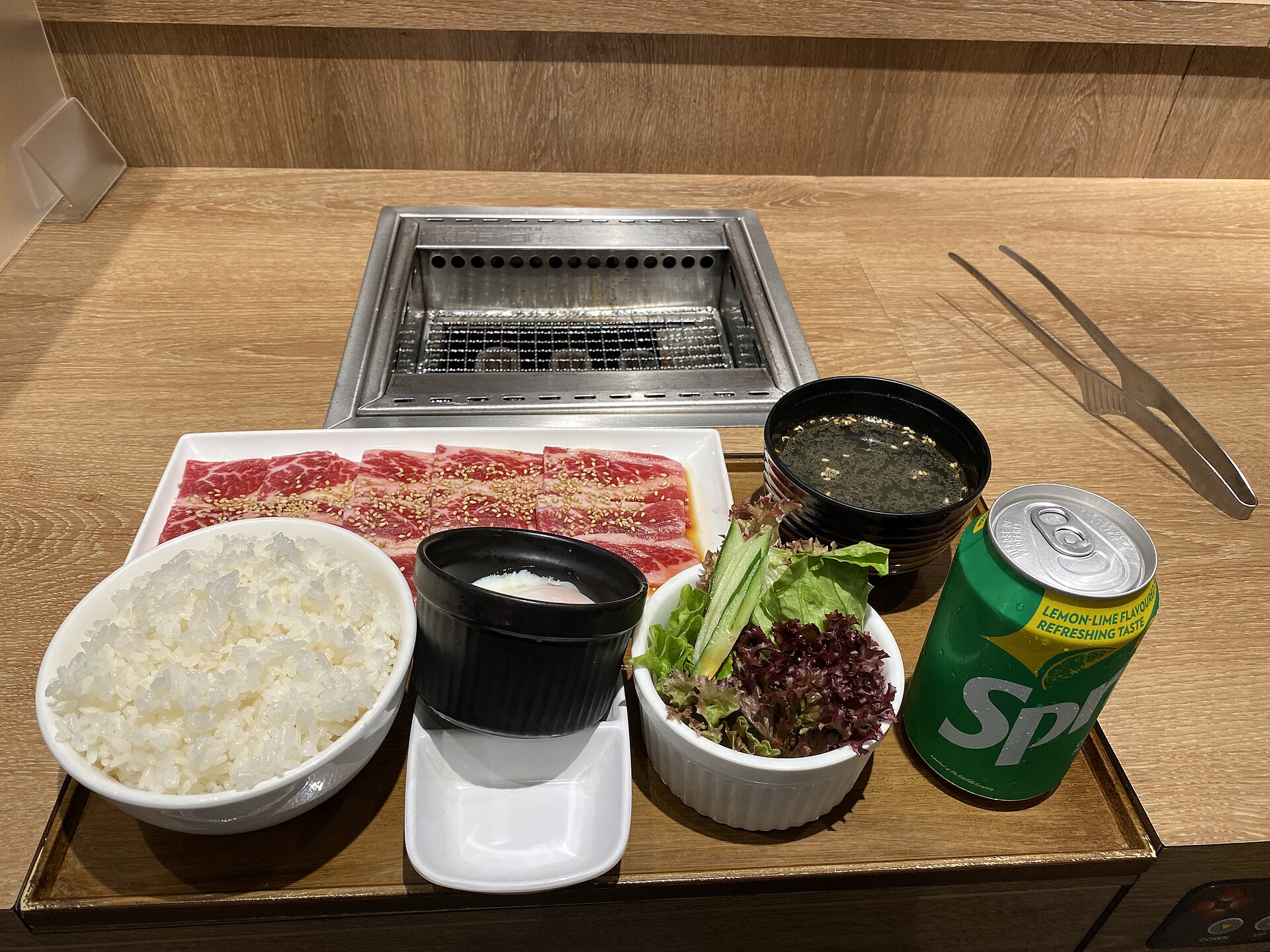
Yakiniku Like is a chain built for one person: every seat at the counter has its own small smokeless grill, you order on a tablet, and a set of meat with rice, soup and kimchi arrives in minutes. Sets start from well under ¥1,000 for 100 g of meat, and you can add extra plates of beef from a few hundred yen per 50 g. There are branches around Shimbashi, Shibuya, Shinjuku, Akihabara and Ueno, among others.
It will not win awards for the beef, but it is hot, fresh, cheap and fast, and it solves the problem that yakiniku is usually a group meal. For anyone travelling alone, it is a great find. Our solo travel in Tokyo guide lists other one-person favourites.
Gyukaku and all-you-can-eat
Gyukaku is Japan’s best-known yakiniku chain, with branches all over Tokyo and a menu of set courses, including all-you-can-eat (tabehodai) plans. It is loud, friendly, easy with English picture menus or tablets, and good with children. Expect roughly ¥3,000 to ¥6,000 per adult for an all-you-can-eat course before drinks, with an all-you-can-drink plan as an add-on.
Is all-you-can-eat worth it? For a hungry group, or teenagers, yes: it is fun and predictable. For quality, no. The cheapest courses exclude the better cuts, portions of each order are small, and most plans have a time limit of around 90 to 120 minutes with a last order well before the end. Many also charge extra for leaving uneaten food. If you want good beef rather than a lot of beef, order à la carte somewhere better and eat less. Our cheap eats guide has more budget ideas.
Mid-range: Jojoen and neighbourhood yakiniku
Jojoen
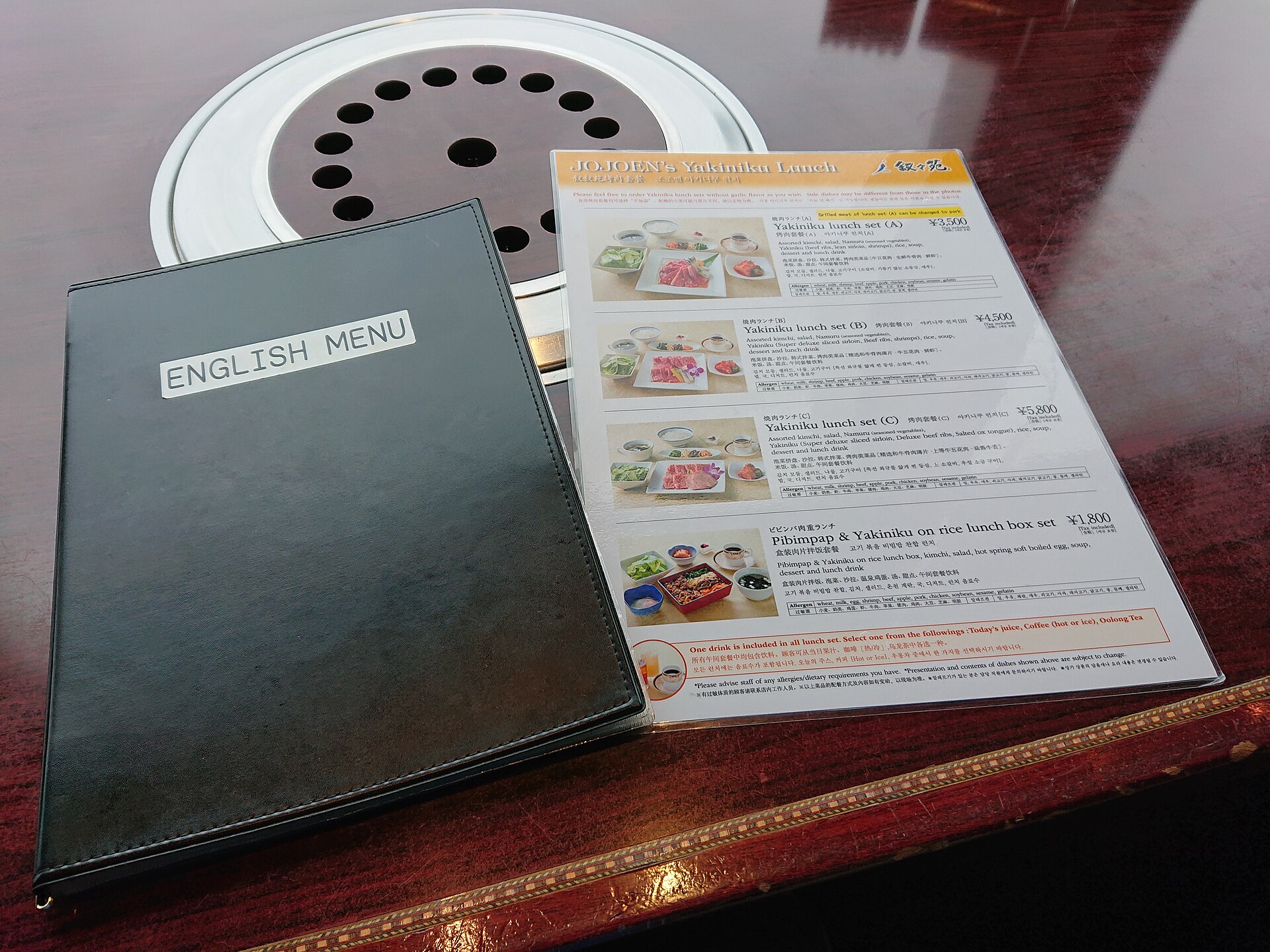
Jojoen is the upscale end of Tokyo’s yakiniku chains: smart dining rooms, quiet service, good wagyu and branches across central Tokyo, including one at Tokyo Skytree, some with city views. It is the easiest place in Tokyo to eat genuinely good yakiniku without booking weeks ahead or navigating a tiny local shop.
Dinner is expensive for a chain. Lunch is the clever choice: set meals with kimchi, salad, namul, soup, rice, a plate of beef and a drink, served in the same room. In 2019 the Skytree branch’s English lunch menu ran from ¥1,800 to ¥5,800; expect higher prices in 2026, but still a fraction of dinner.
Horumon: the smoky, local side
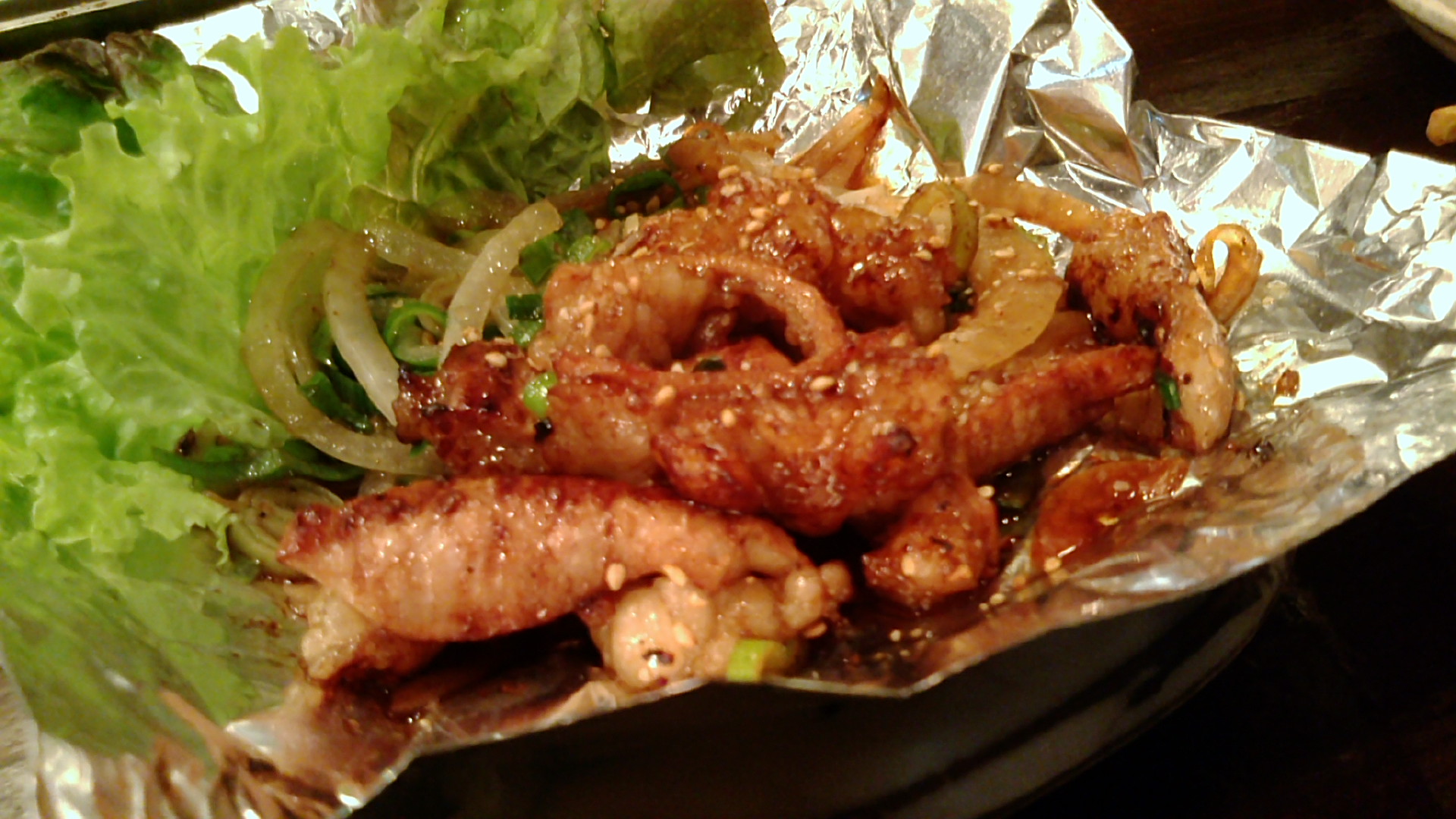
At the other end of the atmosphere scale are the horumon-yaki shops: small, smoky, crowded restaurants specialising in offal, often with plastic stools, extractor ducts over every table and cheap beer. Areas with dense old drinking streets, such as around Shinjuku, Ueno and parts of eastern Tokyo, have plenty. The food is cheap per plate and very good with a cold drink.
These shops rarely have English menus, and some add a table charge. Look at the posted prices, use a translation app, and point at what the next table is eating. If you enjoy yakitori alleys and izakaya, you will love horumon.
High end: Yoroniku and the wagyu specialists
Yoroniku in Minami-Aoyama is one of Tokyo’s most celebrated yakiniku restaurants, with a Tabelog score above 4.2 and a 2026 Bronze Award. It is known for elegant, beautifully presented courses of rare cuts, including very thinly sliced, lightly grilled sirloin dipped in egg, and it sometimes adds luxury touches such as caviar or truffle. Listings put it at ¥10,000 to ¥14,999 per person, but real spend is often ¥15,000 to ¥20,000 with drinks. Reservations are essential and hard to get; try well ahead through Japanese booking sites or ask your hotel concierge.
Tokyo has a small group of similar high-end yakiniku restaurants, and new omakase-style yakiniku counters open every year, where staff grill each cut for you. Check recent reviews and current status before booking any of them, since the scene changes fast.
Is high-end yakiniku worth it?
Once, perhaps, for serious meat lovers. The quality of the beef and the precision of the grilling are remarkable, and it is a very different meal from a chain. But it is also rich, expensive and increasingly marketed at visitors. If you are choosing one splurge meal in Tokyo, sushi or kaiseki usually says more about Japanese food, and our Tokyo Michelin restaurants guide covers those. If beef is what you came for, a Jojoen lunch plus one serious dinner is the best combination.
Yakiniku etiquette at the grill
- Use tongs for raw meat, chopsticks for cooked. Most restaurants give you tongs. Do not put raw meat in your mouth with the chopsticks you grilled it with.
- Do not crowd the grill. A few pieces at a time cook better and stop flare-ups.
- Cook thin cuts briefly. Tongue and marbled beef need seconds per side, not minutes.
- Cook offal and pork through. Liver and chicken should never be eaten rare; serving raw beef liver has been banned in Japanese restaurants since 2012.
- Ask for a new grate when yours gets blackened.
- Share. Yakiniku is a communal meal. In groups, somebody usually takes charge of the grill; offer to take turns.
- Watch for two-person minimums. Some traditional shops will not seat one person, which is exactly why solo chains exist.
The general Japanese dining rules apply too; see our Japanese etiquette guide.
A yakiniku dinner, step by step
If you have never done this before, here is how a typical evening goes at an ordinary yakiniku restaurant in Tokyo, from walking in to paying.
- Arrive and give your group size. Hold up fingers or say the number. If you booked, give the name. Staff may ask whether you want an all-you-can-eat course or à la carte; say “à la carte” if you want to choose your own cuts.
- Stash your coat. Look for a basket under the bench or a plastic cover. Do this before the smoke starts.
- Order drinks first. Draft beer, a highball or oolong tea. The first drinks usually arrive with a small complimentary plate or salad in some places, and a seating charge may appear on the bill.
- Order a first round of meat. For two people, a good start is one plate of salted tongue, one of karubi and one of harami, plus kimchi and a namul vegetable plate. Plates are small; you can always order more.
- Grill in rounds. Tongue first, briefly, then the sauced cuts. Keep the heat moderate, move pieces away from flare-ups, and eat as you go.
- Order the second round based on what you liked. This is when to add one premium marbled cut to share, or some offal if you are adventurous.
- Finish with rice or noodles, and perhaps an ice cream or sherbet, which many yakiniku restaurants offer to clear the palate.
- Pay at the register. Take the bill holder to the counter near the door. Tipping is not expected.
Two useful phrases: “Ami o kaete kudasai” (please change the grill grate) and “Okaikei onegaishimasu” (the bill, please). Our Japanese phrases for tourists has more.
Where to eat yakiniku by area
| Area | What you will find | Good for |
|---|---|---|
| Shinjuku | Every level, from solo chains and all-you-can-eat to smoky horumon shops and upscale chains | A late dinner before bars in Golden Gai or Kabukicho |
| Shibuya | Chains, young crowds, casual all-you-can-eat | Groups and students on a budget |
| Roppongi and Aoyama | Upscale and wagyu-focused restaurants, including Yoroniku | Special-occasion dinners |
| Shimbashi and Ueno | Salaryman favourites, horumon, standing and counter shops | Cheap, loud, local evenings |
| Shin-Okubo | Korean barbecue rather than Japanese yakiniku | Pork belly, lettuce wraps and Korean food on a budget |
| Oshiage (Tokyo Skytree) | Restaurant floors in the Skytree complex, including Jojoen | Combining lunch with the tower |
Yakiniku is a natural late meal after sightseeing, and many restaurants take orders until 22:00 or later. If you are heading out afterwards, our Shinjuku guide has the rest of the evening covered.
Practical tips
- You will smell of smoke. Wear clothes you are happy to wash. Many restaurants provide plastic bags for jackets and bags, or covered baskets under the seats, and some have deodoriser spray at the door.
- Book for dinner at popular places, especially Friday and Saturday nights. Lunch is easier and cheaper almost everywhere.
- Mind the time limits. Two-hour seatings are common at busy restaurants, with last orders 30 minutes before.
- Drinks add up. Beer and highballs are the classic pairing; all-you-can-drink plans can make sense for groups.
- Vegetarians should look elsewhere. There are vegetable plates, but everything shares a grill. Our vegetarian and vegan Tokyo guide has better options.
- Allergies: tare sauces typically contain soy, wheat, sesame and sometimes apple or other fruit.
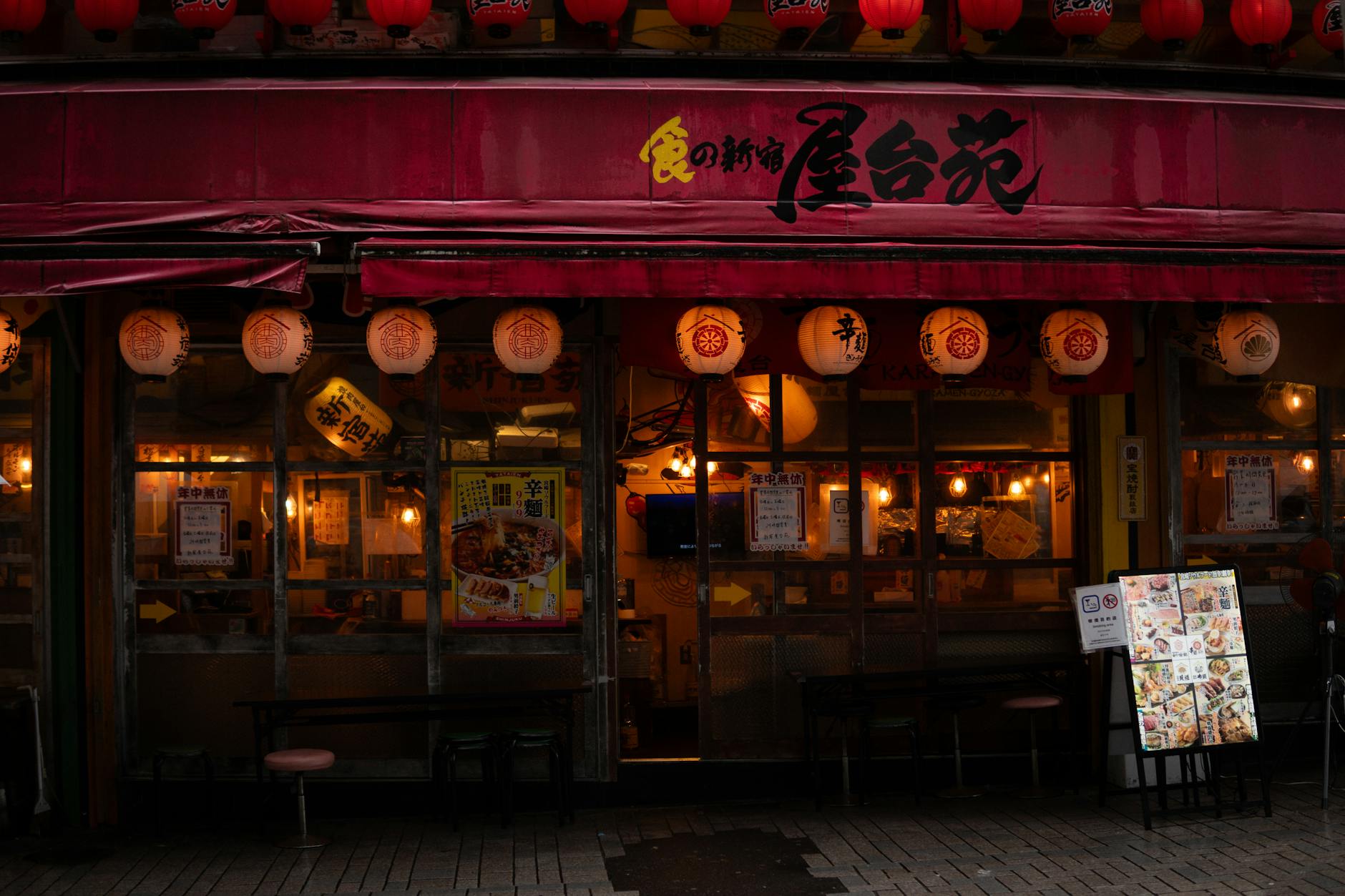
Other beef meals worth knowing
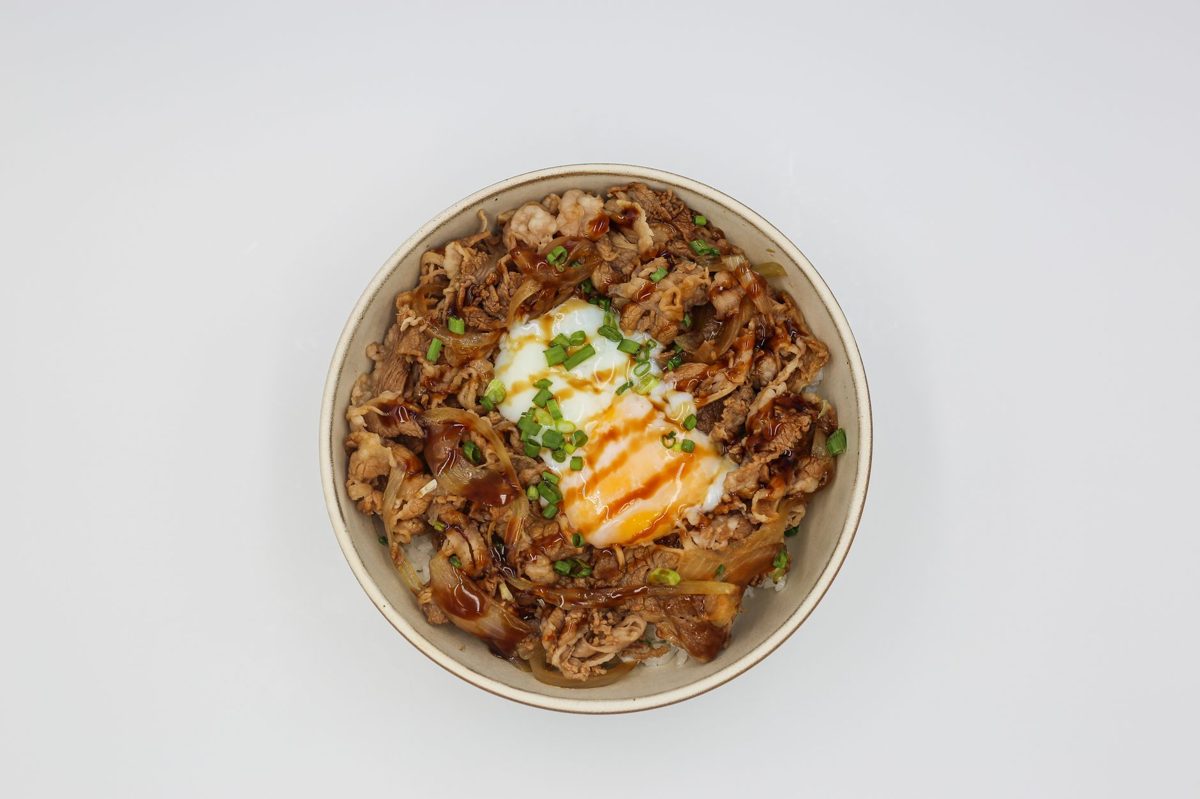
- Gyudon: thin beef simmered with onion over rice at chains like Yoshinoya, Matsuya and Sukiya, for well under ¥1,000.
- Gyukatsu: breaded, briefly fried beef cutlet that you finish on a small stone grill. Close cousin of the pork version in our best tonkatsu in Tokyo guide.
- Sukiyaki and shabu-shabu: beef cooked at the table in a sweet soy broth or a light dashi. More refined, often more expensive, and frequently two-person minimum.
- Teppanyaki: a chef grills steak on a hot iron plate in front of you. Expensive, theatrical and aimed at special occasions.
For another counter meal with a similar chef-at-the-heat appeal, see our best tempura in Tokyo guide.
Frequently Asked Questions
What is the best yakiniku in Tokyo?
For a special occasion, Yoroniku in Minami-Aoyama is among the most acclaimed, at roughly ¥15,000 to ¥20,000 per person in practice. For reliable quality at a fair price, Jojoen’s lunch sets are excellent. On a budget, Yakiniku Like serves one-person grill sets for around ¥1,000, and Gyukaku is the go-to chain for all-you-can-eat.
How much does yakiniku cost in Tokyo?
A solo set at a chain such as Yakiniku Like costs around ¥1,000 to ¥2,000. All-you-can-eat courses at chains like Gyukaku run roughly ¥3,000 to ¥6,000 per adult before drinks. Upscale chains cost more, especially at dinner, and top yakiniku restaurants can cost ¥15,000 to ¥20,000 or more per person.
Is all-you-can-eat yakiniku worth it in Tokyo?
It is worth it for hungry groups who want a fun, predictable meal, but not for meat quality. Cheaper plans exclude the better cuts, time limits of around 90 to 120 minutes are common, and some restaurants charge for leftovers. For better beef, order à la carte and eat less.
What should I order at a yakiniku restaurant?
Start with salted beef tongue (tan) eaten with lemon, then move on to karubi (rib), rosu (loin) and harami (skirt) with tare sauce, and finish with offal (horumon) and a bowl of rice, bibimbap or cold noodles. Order one premium marbled cut to share rather than a whole meal of the fattiest wagyu.
Can you eat yakiniku alone in Tokyo?
Yes. Chains such as Yakiniku Like are designed for solo diners, with an individual grill at every counter seat and set meals that arrive in minutes. Some traditional yakiniku restaurants have a two-person minimum, so solo chains are the easiest option.
Photo Credits
- Beef and vegetables on a charcoal yakiniku grill – 090906 yakiniku by mypicture, CC BY-SA 3.0, via Wikimedia Commons.
- Yakiniku Like one-person set – Kwai Fong Metroplaza Yakiniku Like food and drinks 29-11-2021(1) by LN9267, CC BY-SA 4.0, via Wikimedia Commons.
- Jojoen lunch menu at Tokyo Skytree – 2019-05-01 food menu at the Jojoen restaurant in Tokyo Skytree by Cheng-en Cheng, CC BY-SA 2.0, via Wikimedia Commons.
- Grilled horumon offal – Horumonyaki by Anzai Keisuke, CC BY 2.0, via Wikimedia Commons.