Tokyo Travel Planning · Guide №052
Flying to Tokyo: Best Airlines, Routes & Cheap Flights (2026)
How to find cheap flights to Tokyo: Narita vs Haneda, the best airlines, real 2026 fares by region, and the booking tactics that actually save money.
目次 — Contents
- Narita (NRT) vs Haneda (HND): Which Tokyo Airport Should You Fly Into?
- The Best Airlines for Flights to Tokyo
- How Much Do Flights to Tokyo Cost in 2026?
- How to Find Cheap Flights to Tokyo
- Direct vs Connecting: Which Should You Choose?
- Long-Haul and Jet Lag: Surviving the Flight to Tokyo
- Before You Book: Visas, Documents, and Arrival
- Frequently Asked Questions
- Photo Credits
This article contains advertising. Our booking links are routed through a partner that adds commission tracking automatically, so if you book through one we earn a commission from the provider, at no extra cost to you. It never affects what we recommend. Affiliate disclosure
The two questions every Tokyo trip starts with are which airport and how do I not overpay. Here it is straight: fly into Haneda (HND) if you can for the shorter, cheaper trip into the city, and fly into Narita (NRT) when the fare is meaningfully lower or your route demands it. The cheapest months to land are January, February, and September, and the single biggest lever for finding cheap flights to Tokyo is booking the right route two to four months out and being flexible by a day or two.
I have flown this route a dozen times from both North America and Europe, on full-service carriers and on bare-bones budget metal, and I have made most of the expensive mistakes so you do not have to. This guide covers the airports, the airlines actually worth flying, real 2026 fare ranges by region, and the booking tactics that consistently shave hundreds off the price. For the bigger picture, pair it with our complete Tokyo travel planning guide.
Narita (NRT) vs Haneda (HND): Which Tokyo Airport Should You Fly Into?
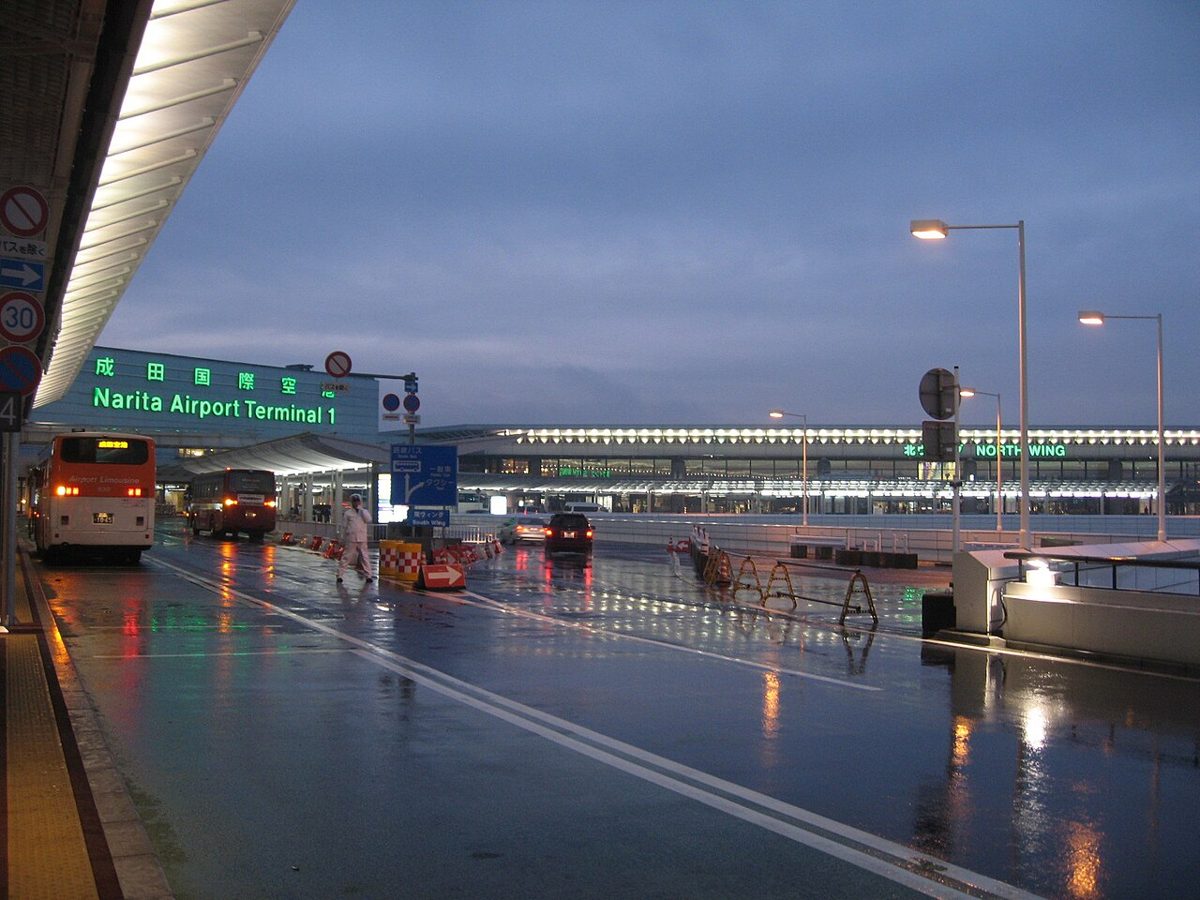
Tokyo has two international airports, and they are nothing alike in terms of getting you into the city. Narita sits about 60–70 km east in neighbouring Chiba Prefecture; Haneda is roughly 15–20 km south of central Tokyo, right on the bay. That distance gap is the whole story. From Haneda you can be checking into a Shinjuku hotel in well under an hour for around ¥500. From Narita, plan on 45–90 minutes and ¥1,300–¥3,100 depending on how you travel.
Neither airport is “better” in the abstract. Haneda wins on convenience and is the obvious pick if your flight times and fare are comparable. Narita wins on choice and price: it handles the widest range of long-haul carriers and almost all of the low-cost international routes, so a genuinely cheap fare often only exists into Narita. My rule is simple. If the Haneda fare is within about ¥10,000–¥15,000 of the Narita fare, I take Haneda and pocket the saved hour. If Narita is much cheaper, I take Narita and treat the train ride as part of the trip. On a very short visit the saved hour is real sightseeing time, and a tightly routed two-day plan shows exactly how much you can fit in.
Narita vs Haneda at a Glance
| Narita (NRT) | Haneda (HND) | |
|---|---|---|
| Distance to central Tokyo | ~60–70 km (Chiba) | ~15–20 km (Ota Ward) |
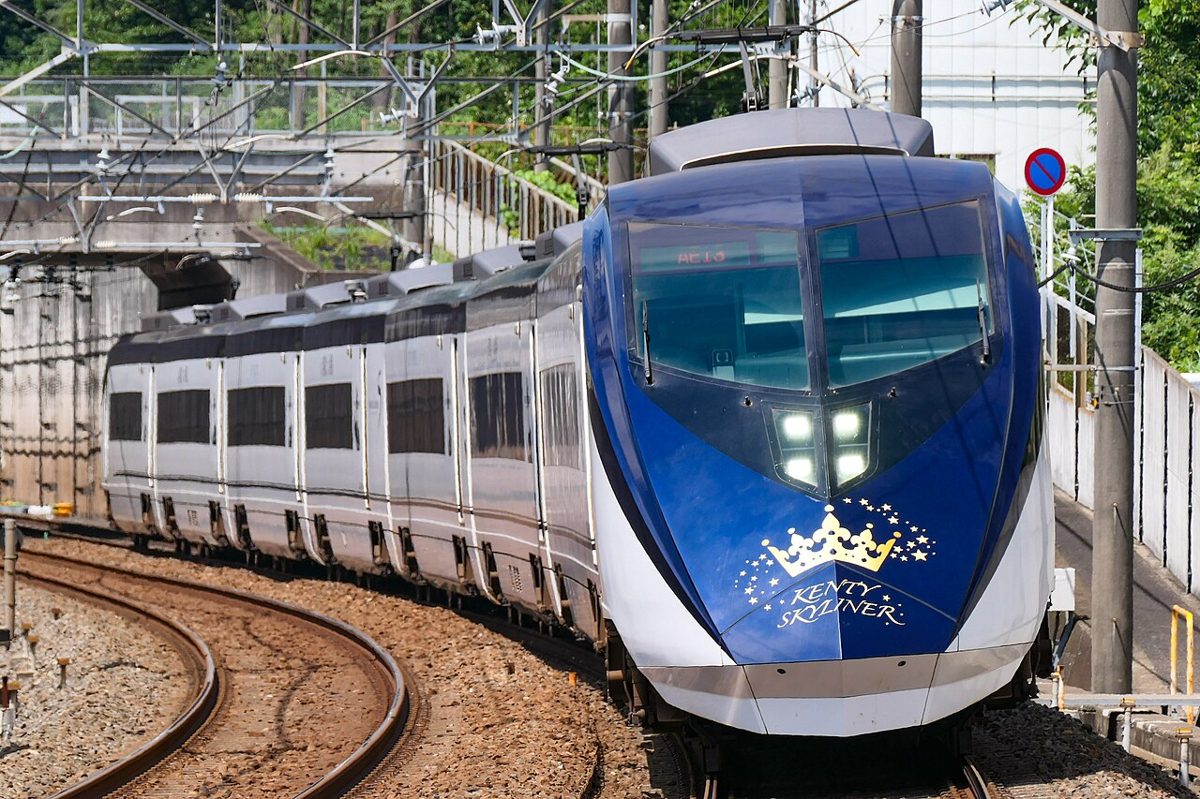
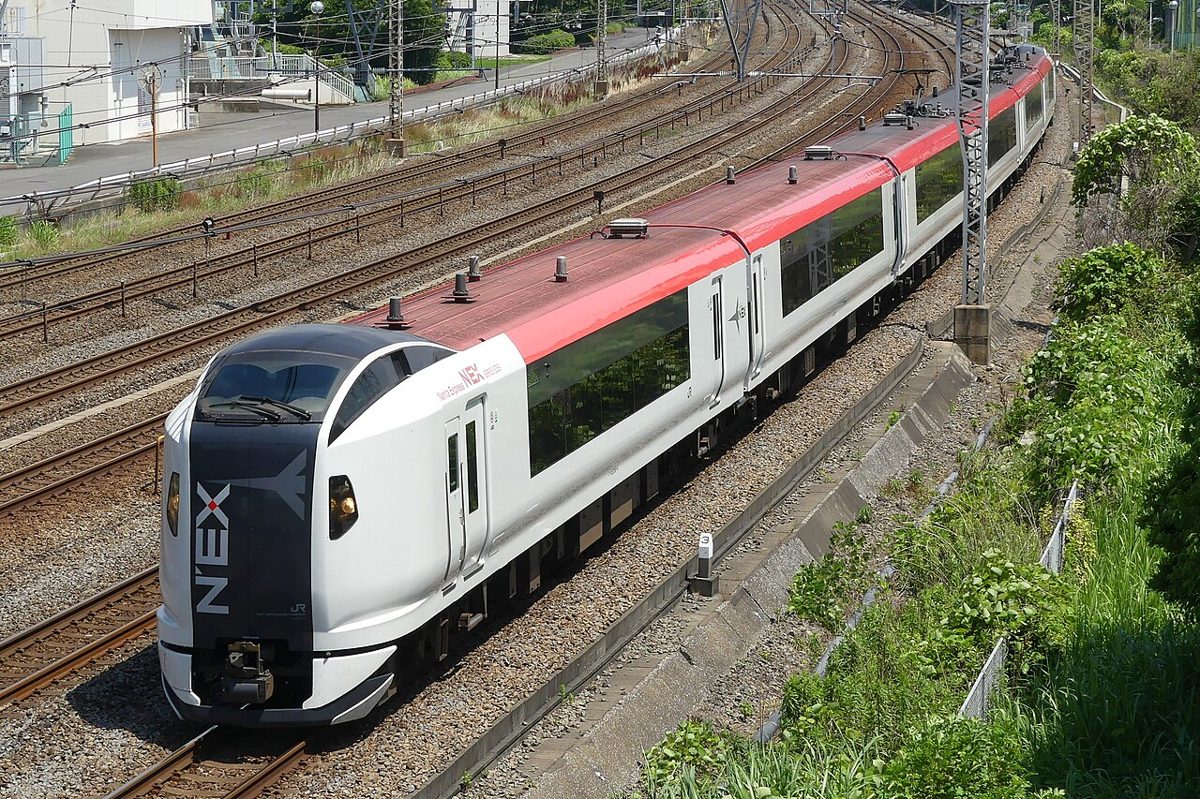
| Fastest train into the city | Keisei Skyliner, 36–41 min to Nippori/Ueno | Keikyu / Monorail, ~13–25 min to Shinagawa/Hamamatsucho |
| Typical train fare | ¥2,470 Skyliner; ¥3,070 N’EX to Tokyo Stn | ¥330–¥520 IC; ~¥670 to Tokyo Station |
| Airport limousine bus | ~¥3,200–¥3,600, 60–120 min | ~¥1,400, 30–60 min |
| Taxi to central Tokyo | ¥20,000+ (avoid) | Flat-rate ¥6,900–¥8,400 + tolls |
| Airlines & routes | Most long-haul + nearly all budget carriers | JAL/ANA hubs, many premium long-haul, fewer LCCs |
| Best for | Lowest fares, budget airlines, the widest choice | Convenience, late arrivals, getting in fast |
Getting From Narita Into Tokyo
Three sensible options. The Keisei Skyliner is the fastest: 36 minutes to Nippori and 41 to Keisei-Ueno, at ¥2,470 (¥2,465 if you tap an IC card), with discounted e-tickets around ¥2,300 when you book ahead. The Narita Express (N’EX) runs JR trains straight through to Tokyo, Shinagawa, Shibuya, and Shinjuku Stations for ¥3,070 one way (a round-trip ticket is ¥4,070, valid 14 days, and is the better buy if you are flying back out of Narita). The Airport Limousine Bus drops you at major hotels for roughly ¥3,200–¥3,600 with no transfers, which is what I take when I am jet-lagged and hauling a big suitcase. Skip the taxi unless money is no object; a Narita cab can top ¥20,000.
Getting From Haneda Into Tokyo
Haneda is almost embarrassingly easy. The Keikyu Line runs to Shinagawa in about 13 minutes for ¥330 IC, where you transfer to the JR Yamanote Line for Shibuya, Shinjuku, or Tokyo Station. The Tokyo Monorail hits Hamamatsucho (also on the Yamanote loop) in around 15 minutes for ¥520. If you are heading to Asakusa, the Keikyu Airport Express continues onto the Toei Asakusa subway line with no transfer at all. The Limousine Bus to central hotels is about ¥1,400. Even a flat-rate Haneda taxi is reasonable by Tokyo standards: ¥6,900 to Tokyo Station, ¥7,800 to Shibuya, plus around ¥1,000 in tolls. For the full breakdown of routes, IC cards, and transfers once you land, read our Tokyo transportation guide.
Terminals, Lounges, and Arrival Practicalities
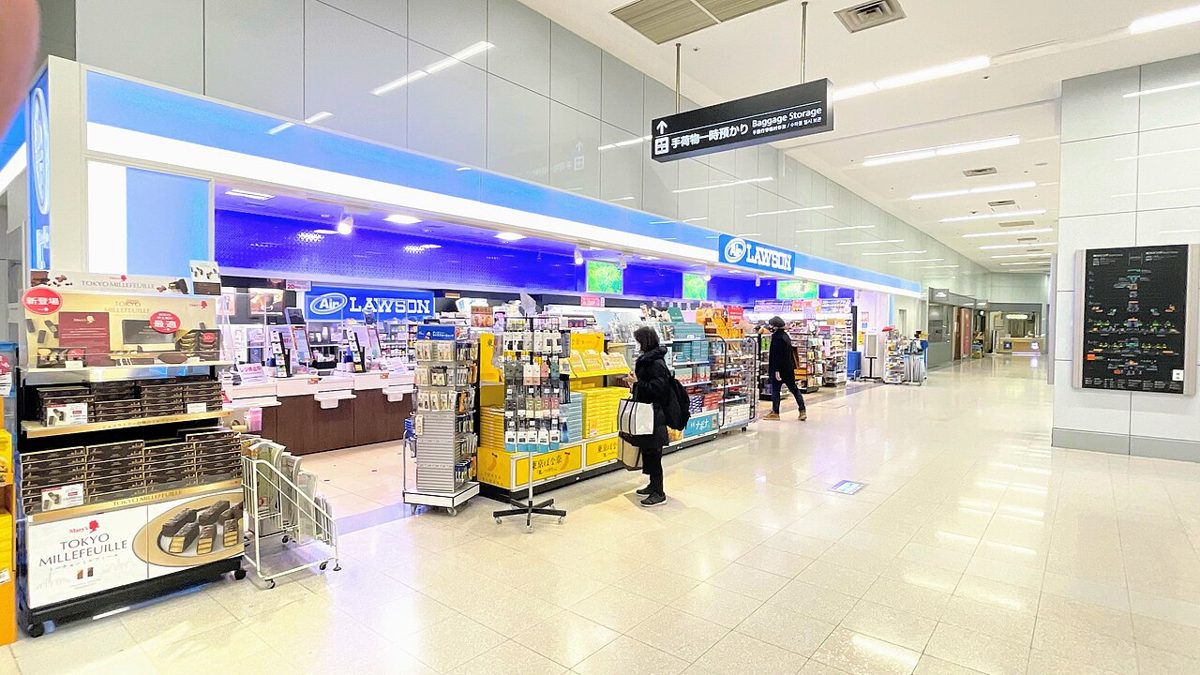
A quick orientation so you are not lost on landing. Narita has three terminals: Terminal 1 (Star Alliance and ZIPAIR among others), Terminal 2 (Oneworld including JAL, plus many others), and the no-frills Terminal 3 for low-cost carriers like Jetstar and Peach, which is a 15-minute walk or short shuttle from T2. Narita has full currency exchange, SIM and pocket-WiFi counters, IC card machines, and the Keisei and JR stations in the basement of Terminals 1 and 2. Haneda concentrates international flights in the large, modern Terminal 3 (with its mock-Edo “Edo Market” food street pre-security, worth arriving early for on departure), while Terminals 1 and 2 are mostly domestic JAL and ANA. Both airports are spotless, well-signed in English, and have 24-hour convenience stores, ATMs that take foreign cards, and clearly marked train gates.
Two arrival habits save real time. First, complete Visit Japan Web before you fly so immigration and customs are a QR-code scan rather than paper forms. Second, sort out connectivity and an IC card at the airport: SIM, eSIM, and pocket-WiFi counters sit right in arrivals, and IC card machines are by the train gates. With those two done, you can be on a train and navigating within minutes of clearing customs.
The Best Airlines for Flights to Tokyo
You do not have to fly a Japanese carrier to have a good flight to Tokyo, but the two flag carriers genuinely set the standard, and there is now a strong budget option in the family. Here is how the field breaks down.
The Flag Carriers: JAL and ANA
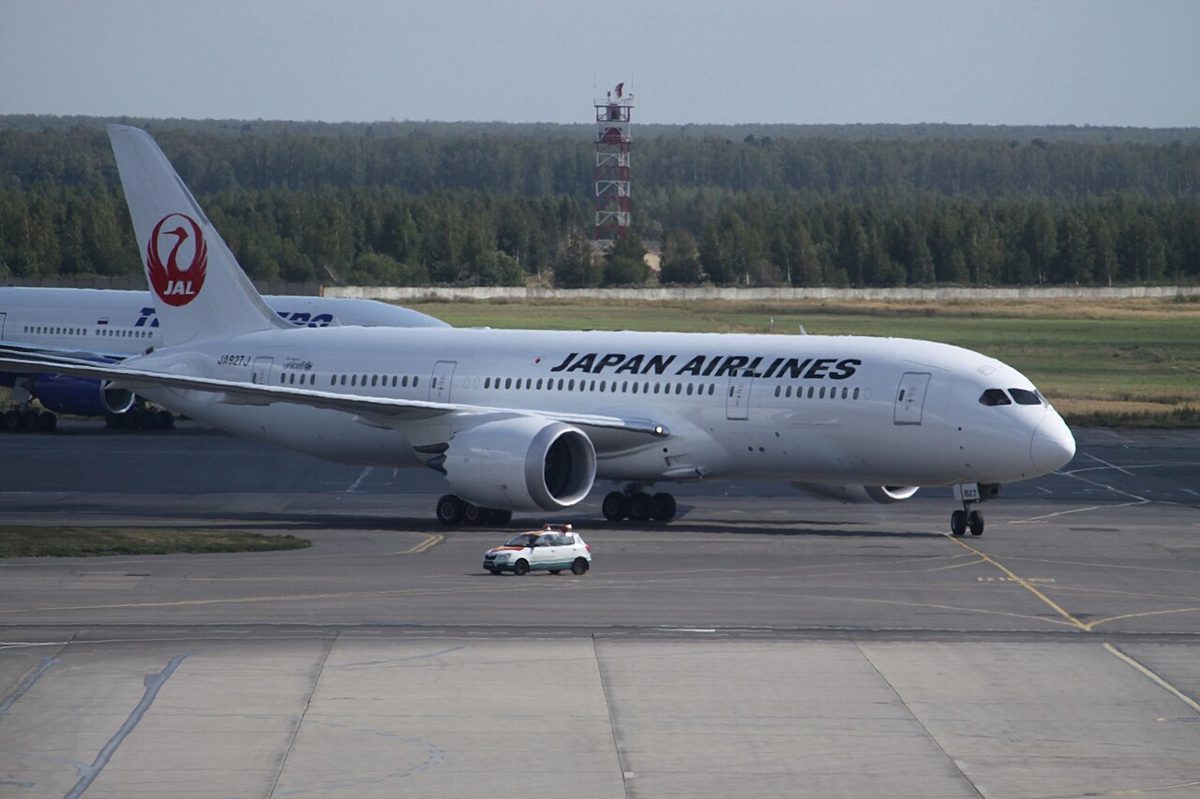
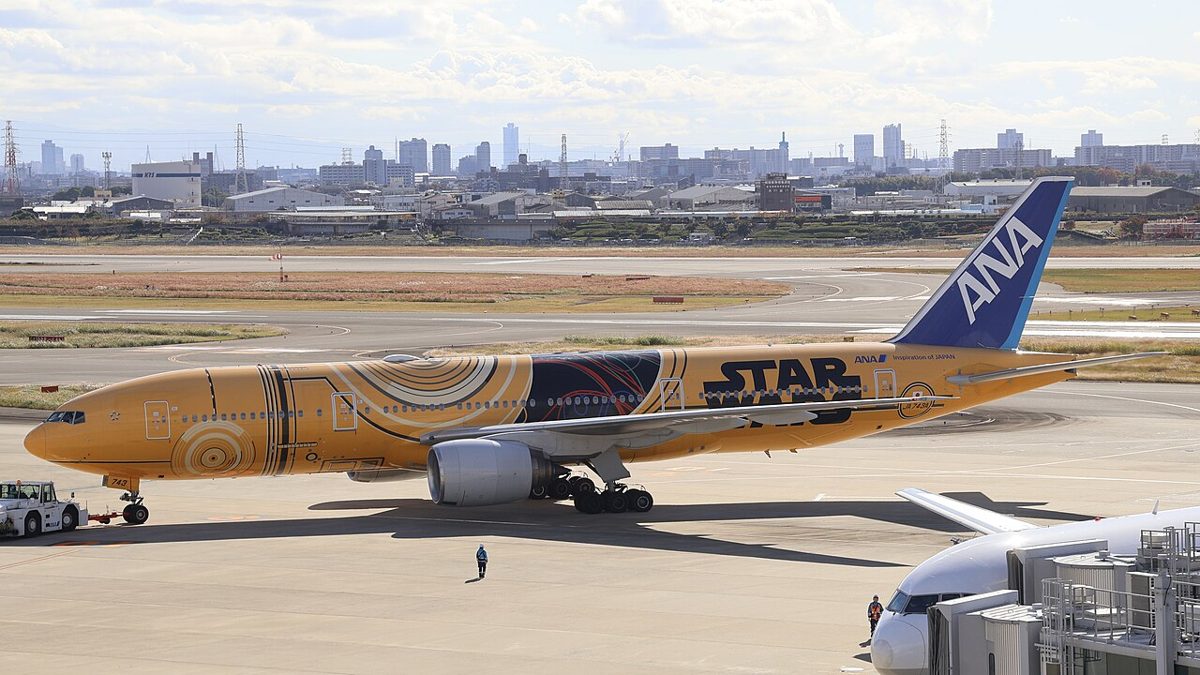
Japan Airlines (JAL) and All Nippon Airways (ANA) are the gold standard for service, punctuality, and economy legroom on long-haul routes. Both fly modern 787s and 777s with seatback screens, real meals, and the kind of cabin crew attentiveness that makes a 12-hour flight tolerable. ANA tends to land more flights at Haneda; JAL splits between both airports. If you have miles in a Oneworld program, JAL is your partner; for Star Alliance, ANA is. On a tight budget you will rarely find these as the cheapest fare, but they are frequently worth the small premium, especially for the Haneda slots.
ZIPAIR: The Budget Way to Fly Long-Haul
ZIPAIR Tokyo is the one that changes the math for budget travellers. It is a low-cost, long-haul subsidiary of JAL flying clean 787s out of Narita to Los Angeles, San Francisco, Honolulu, Bangkok, Seoul, Singapore, and more. Fares from the US West Coast routinely start in the high-$300s one way, and opening-sale fares have dipped to USD 259. The catch is that it is a true LCC: the base fare buys you a 7 kg carry-on and a seat, and everything else (checked bags, meals, seat selection) is an add-on. Notably, there is no fuel surcharge. Book early, pay the small fee to pick a seat so you are not stuck in a middle, and ZIPAIR is one of the best-value ways across the Pacific in 2026.
Other Carriers Worth Considering
- United, American, and Delta all fly nonstop from major US hubs; United has the deepest Tokyo schedule and Star Alliance ties with ANA.
- Singapore Airlines, Cathay Pacific, Korean Air, and EVA Air offer excellent one-stop routing through Asian hubs, often cheaper than nonstops and consistently well-reviewed.
- Emirates, Qatar Airways, and Etihad connect Europe and the Gulf to Tokyo with premium hardware; Etihad now flies the A380 from Abu Dhabi and Qatar runs 11 weekly nonstops from Doha.
- Scoot, AirAsia X, Jetstar, Peach, and Cebu Pacific are the budget intra-Asia players, with one-way fares from Southeast Asia sometimes under USD 150.
How Much Do Flights to Tokyo Cost in 2026?
Fares swing wildly with season, demand, and how far ahead you book, but here is a realistic snapshot of round-trip economy starting prices in 2026. Treat these as the “good deal” floor you are aiming for, not a guarantee. A weak yen and packed inbound demand have kept Tokyo fares competitive, especially out of North America and Southeast Asia.
| Origin region | Typical good round-trip economy fare | Notes |
|---|---|---|
| US West Coast | USD 650–900 | ZIPAIR, JAL, ANA, United nonstop; cheapest in Jan/Feb |
| US East Coast / Midwest | USD 800–1,200 | Nonstops from NYC, Chicago, Atlanta; one-stops often cheaper |
| Canada (Vancouver/Toronto) | CAD 900–1,500 | Air Canada, ANA, JAL; Vancouver is the value hub |
| UK / London | £430–£700 | Nonstop on JAL/ANA/BA; September often cheapest |
| Continental Europe | €500–€800 | Often cheaper one-stop via the Gulf or Helsinki |
| Australia (Sydney/Melbourne) | AUD 900–1,400 | JAL, ANA, Jetstar, Qantas nonstop; shoulder seasons win |
| Southeast Asia | USD 200–450 | Scoot, AirAsia X, JAL; budget carriers into Narita |
One 2026 budget line to factor in: Japan is tripling its international departure tax to ¥3,000 (about USD 19) from mid-2026. It is small, but it is now baked into your outbound ticket. If you are still deciding when to go, our guide to the best time to visit Tokyo lines up the cheapest flight windows with the weather you actually want.
A Closer Look by Region
From North America, the West Coast is your cheapest launch pad thanks to ZIPAIR, JAL, ANA, United, and Delta nonstops; East Coast and Midwest travellers often save by connecting through the West Coast or an Asian hub rather than paying for a true coast-to-Tokyo nonstop. From the UK and Europe, nonstops exist on JAL, ANA, and British Airways, but a one-stop via Helsinki (Finnair), Istanbul, or a Gulf hub is frequently cheaper, and routing changes around Russian airspace mean some “nonstops” now fly longer paths. From Australia, JAL, ANA, Qantas, and Jetstar all serve the route; shoulder-season fares and Jetstar sales are where the value sits. From Southeast Asia and the Gulf, budget carriers and the split-ticket strategy deliver the lowest absolute prices anywhere, sometimes under USD 150 one way from Kuala Lumpur or Manila into Narita.
How to Find Cheap Flights to Tokyo
Finding cheap flights to Tokyo is less about luck and more about timing and a few habits. These are the tactics that have actually worked for me, in rough order of impact.
1. Book in the Right Window
For long-haul Tokyo routes, the sweet spot is roughly two to four months before departure. Booking three-plus weeks out instead of last minute can save close to half on some routes. Inside of two weeks, prices usually climb fast unless a budget carrier dumps unsold seats. For peak periods (cherry blossom late March to mid-April, Golden Week, and autumn foliage in November) book even earlier, four to six months out, because those fares only go up.
2. Fly in the Cheap Months
The cheapest stretches to fly are January and February (after the New Year rush clears around 7 January, fares drop 30–50% below peak), late May to early June before the rainy season, and September as summer crowds thin. The months to avoid for price are late March to early April, Golden Week (late April to early May), and October–November foliage season. Midweek departures, especially Tuesday and Wednesday, are typically cheaper than weekends.
3. Set Fare Alerts and Watch the Calendar
Set price alerts on Google Flights, Skyscanner, and Hopper for your exact route, then use the month-view calendar to spot the cheapest dates rather than searching one day at a time. Being flexible by even a day or two regularly beats a fixed-date search by USD 100–200. If you can fly into one Tokyo airport and out of the other, search “Tokyo (any)” so both NRT and HND fares compete.
4. Consider One-Stop and Hub Routing
Nonstop is comfortable, but a single connection through a strong Asian or Gulf hub, think Singapore, Seoul, Taipei, Doha, or Helsinki, is frequently cheaper than the direct flight, sometimes by hundreds. From Southeast Asia or the Gulf, the split-ticket trick (a cheap flight to a hub like Bangkok or Kuala Lumpur, then a separate budget hop to Narita) can cut 30–50% off a through-fare. The trade-off is separate baggage and no protection if the first leg is late, so pack carry-on and leave a generous buffer.
5. Chase Error Fares and Sales (Carefully)
Genuine “error fares” to Tokyo, mispriced tickets that briefly sell for a fraction of normal, do appear a few times a year. Follow deal trackers like Going (formerly Scott’s Cheap Flights) or Secret Flying, and be ready to book within the hour and hold off on hotels until the ticket is confirmed. ZIPAIR, Scoot, and the JAL/ANA seasonal sales also produce legitimate bargains worth pouncing on.
Direct vs Connecting: Which Should You Choose?
On most long-haul routes you will face a choice between a pricier nonstop and a cheaper one-stop, and the right answer depends on your priorities more than your origin. A nonstop from the US West Coast is roughly 11–12 hours; from the East Coast about 13–14; from London around 12; from the Gulf 9–10. A connection usually adds four to eight hours once you account for the layover, but can knock USD 100–300 off the fare.
Choose the nonstop when you value time and energy over money, when you are travelling with kids who melt down in airports, or when the connection is uncomfortably tight (under 90 minutes for an international transfer is asking for trouble). Choose the connection when the savings are real, when the layover is in a hub you would happily spend two hours in (Singapore Changi and Doha’s Hamad are genuinely pleasant), or when a smart stopover lets you tack on a second city. A few carriers, China Airlines, EVA, Singapore, Korean, even offer free or cheap multi-day stopovers in their hub city, effectively a two-for-one trip. The one thing I will not do is book a self-transfer (two separate tickets) with under three hours between them, because if leg one is late, nobody owes you a rebooking.
What “Cheap” Really Costs: Baggage and Fare Classes
The headline fare is rarely the real fare, especially on budget carriers. Before you celebrate a low number, check exactly what the ticket includes. Full-service carriers like JAL and ANA bundle generous checked baggage (often two bags up to 23 kg each on transpacific economy), meals, seat selection, and changes into the price. Low-cost long-haul carriers strip all of that out. The table below shows how the same “cheap” headline can land very differently once you add what you actually need.
| What you get | Full-service (JAL/ANA) | Long-haul LCC (ZIPAIR) | Budget intra-Asia |
|---|---|---|---|
| Carry-on | Included (2 pieces, ~10 kg) | Included (7 kg) | Included (7 kg) |
| Checked bag | Usually 1–2 included on long-haul | Add-on (~USD 30–60+) | Add-on (~USD 25–50) |
| Meal | Included | Buy onboard | Buy onboard / pre-order |
| Seat selection | Often free | Add-on | Add-on |
| Changes / refunds | Flexible fares available | Limited / fee-heavy | Limited / fee-heavy |
| Best when | Comfort, bags, long-haul | You pack light, want value | Short Asian hops |
My rule of thumb: once you add a checked bag, a meal, and a seat to a long-haul LCC fare, compare the all-in total to the nearest full-service price. Sometimes ZIPAIR still wins by a wide margin; sometimes JAL is only USD 80 more all-in and clearly the better flight. Always compare the final number, not the teaser.
Long-Haul and Jet Lag: Surviving the Flight to Tokyo
A flight to Tokyo from North America or Europe is a 10–14 hour haul, and how you handle it shapes your first two days on the ground. A few things that genuinely help:
- Pick your seat strategically. On overnight eastbound flights I want a window to lean against and sleep; on daytime arrivals an aisle to move around. Either way, avoid the very back near the galleys and toilets.
- Match Tokyo time in the air. Set your watch to Japan time at boarding and eat/sleep on the new schedule. Most flights from the US arrive in the afternoon or evening, so try to sleep on the plane and then stay up until a normal Tokyo bedtime.
- Hydrate and skip the second glass of wine. Cabin air is bone dry; alcohol and dehydration are what actually wreck you, not the flight itself.
- Get sunlight on arrival. The fastest jet-lag fix is daylight. Land, drop your bags, and go for a walk, even a convenience-store run helps reset your body clock.
- Plan an easy first day. Do not book anything time-sensitive for the morning after a long-haul arrival. Our first-time visitor tips are built around easing into the city without burning out.
Before You Book: Visas, Documents, and Arrival
Most Western travellers (US, UK, EU, Canada, Australia, and dozens more) can enter Japan visa-free for up to 90 days for tourism, but the rules genuinely vary by nationality, and Japan is rolling out an electronic travel authorisation (JESTA) later this decade. Confirm where you stand before you buy a non-refundable ticket; our Tokyo visa requirements guide walks through exemptions, eVisas, and the paperwork. On arrival, finish the Visit Japan Web pre-registration online to breeze through immigration and customs QR gates, and buy or top up an IC card before you leave the airport so your first train ride is painless.
Frequently Asked Questions
Should I fly into Narita or Haneda?
Fly into Haneda if the fare and times are comparable, because it is far closer to central Tokyo (about 15–20 km versus 60–70 km) and the trip into the city is faster and cheaper. Choose Narita when its fare is meaningfully lower or when you are on a budget carrier, since most low-cost international flights only serve Narita.
When are flights to Tokyo cheapest?
January and February are the cheapest months, with fares 30–50% below peak after the New Year holiday ends around 7 January. Late May to early June and September are the next-best value windows. Avoid cherry blossom season (late March to mid-April), Golden Week, and autumn foliage in November, when fares spike.
How far in advance should I book a flight to Tokyo?
Aim for two to four months before departure for the best balance of price and seat availability. For peak periods like cherry blossom or Golden Week, book four to six months out. Last-minute deals occasionally surface on budget carriers like ZIPAIR and Scoot, but they are unreliable for long-haul travel.
Is ZIPAIR a good way to fly to Tokyo cheaply?
Yes, for budget-minded long-haul travellers. ZIPAIR is JAL’s low-cost arm flying modern 787s into Narita from the US West Coast and across Asia, with fares often starting in the high-$300s one way and no fuel surcharge. Just budget for add-ons like checked bags, meals, and seat selection, since only a 7 kg carry-on is included.
How do I get from the airport to my Tokyo hotel cheaply?
From Haneda, the Keikyu Line to Shinagawa costs about ¥330 and takes 13 minutes, then transfer on the Yamanote Line. From Narita, the Keisei Skyliner is ¥2,470 and 36–41 minutes, or the Airport Limousine Bus runs about ¥3,200–¥3,600 directly to major hotels. Avoid taxis from Narita, which can exceed ¥20,000.
Photo Credits
- Narita Airport (NRT), Tokyo’s main long-haul gateway in Chiba Prefecture — Photo: Terence Ong / CC BY 2.5 via Wikimedia Commons via Wikimedia Commons
- Haneda Airport (HND), the closer of Tokyo’s two international airports — Photo: Yoh-Plus / CC BY 4.0 via Wikimedia Commons via Wikimedia Commons
- A Japan Airlines (JAL) Boeing 787 Dreamliner — Photo: Aeroprints.com / CC BY-SA 3.0 via Wikimedia Commons via Wikimedia Commons
- An All Nippon Airways (ANA) widebody jet — Photo: S5A-0043 / CC BY 4.0 via Wikimedia Commons via Wikimedia Commons
- The Keisei Skyliner, the fastest rail link from Narita into Tokyo — Photo: MaedaAkihiko / CC BY-SA 4.0 via Wikimedia Commons via Wikimedia Commons
- The Narita Express (N’EX), JR’s direct service from Narita Airport — Photo: MaedaAkihiko / CC BY-SA 4.0 via Wikimedia Commons via Wikimedia Commons