Best Things to Do in Tokyo · Guide №035
Tokyo Disney Guide: Plan Both Parks in 2026
A complete Tokyo Disney guide for 2026: tickets, prices, getting there, the best rides at both parks, hotels, itineraries and money-saving tips.
目次 — Contents
- What is at Tokyo Disney Resort?
- Getting to Tokyo Disney Resort from central Tokyo
- Tokyo Disney ticket types and 2026 prices
- When to go: crowd calendar and best time to visit
- Top rides at each park
- Dining and mobile order
- Where to stay: Disney hotels vs central Tokyo
- Sample 1-day and 2-day plans
- Seasonal events
- Accessibility
- Money-saving tips
- Frequently Asked Questions
This article contains advertising. Our booking links are routed through a partner that adds commission tracking automatically, so if you book through one we earn a commission from the provider, at no extra cost to you. It never affects what we recommend. Affiliate disclosure
Planning a trip to Tokyo Disney Resort means juggling two full parks, a confusing ticket system, and crowds that can swallow a whole day. This Tokyo Disney guide walks you through the entire resort the way a local would: how to get there, what tickets actually cost in 2026, when to go, which rides to prioritize, where to eat, and where to sleep so you waste zero time.
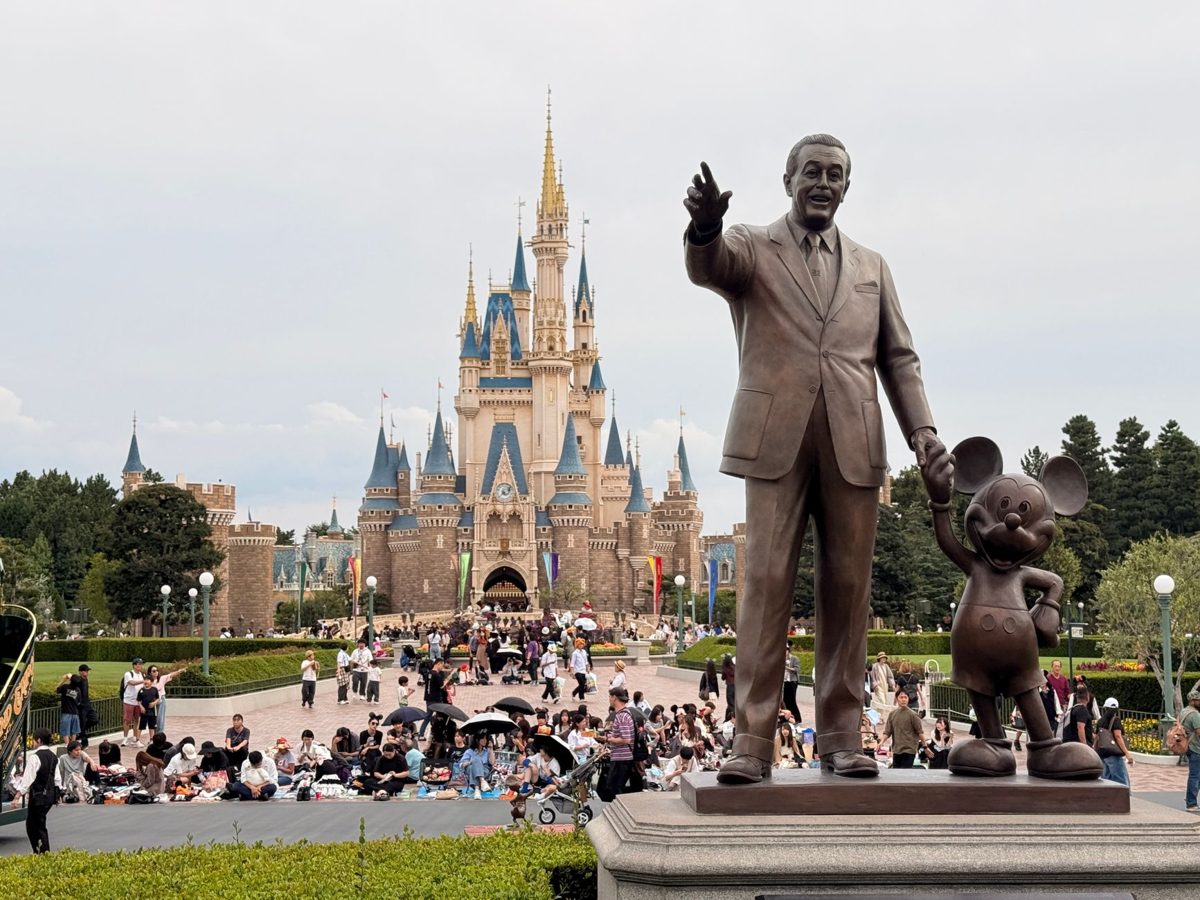
Tokyo Disney Resort sits in Urayasu, Chiba, about 15 minutes by train from Tokyo Station. It holds two parks – Tokyo Disneyland and Tokyo DisneySea – plus the Ikspiari shopping complex, four Disney hotels, and the monorail that loops the lot. The two parks have completely different personalities, so most people who have the time give each its own day rather than trying to cram both into one. If you are deciding which park to prioritize, our Disneyland vs DisneySea comparison breaks down the head-to-head; this page is about planning the resort as a whole – the logistics, money, timing and strategy that turn a chaotic day into a smooth one.
One thing to set straight before you book anything: Tokyo Disney is run by a Japanese company (the Oriental Land Company) under license, not directly by Disney, and it shows in the details. The parks are spotlessly maintained, the food is far better than most Disney parks abroad, the seasonal events are obsessive, and the crowds are huge and disciplined. The systems are also different from the U.S. parks – there is no free FastPass and no Genie+, so the strategy below is specific to Tokyo. Read it once before you go and you will save hours of standing in line.
What is at Tokyo Disney Resort?
The resort is bigger than a single gate. Here is what you are actually working with before you start booking anything.
- Tokyo Disneyland – the classic castle park, organized into themed lands like Fantasyland, Tomorrowland, Adventureland, Westernland and Toontown. It leans nostalgic and family-friendly, with Beauty and the Beast’s “Enchanted Tale,” Pooh’s Hunny Hunt, the Haunted Mansion and Space Mountain.
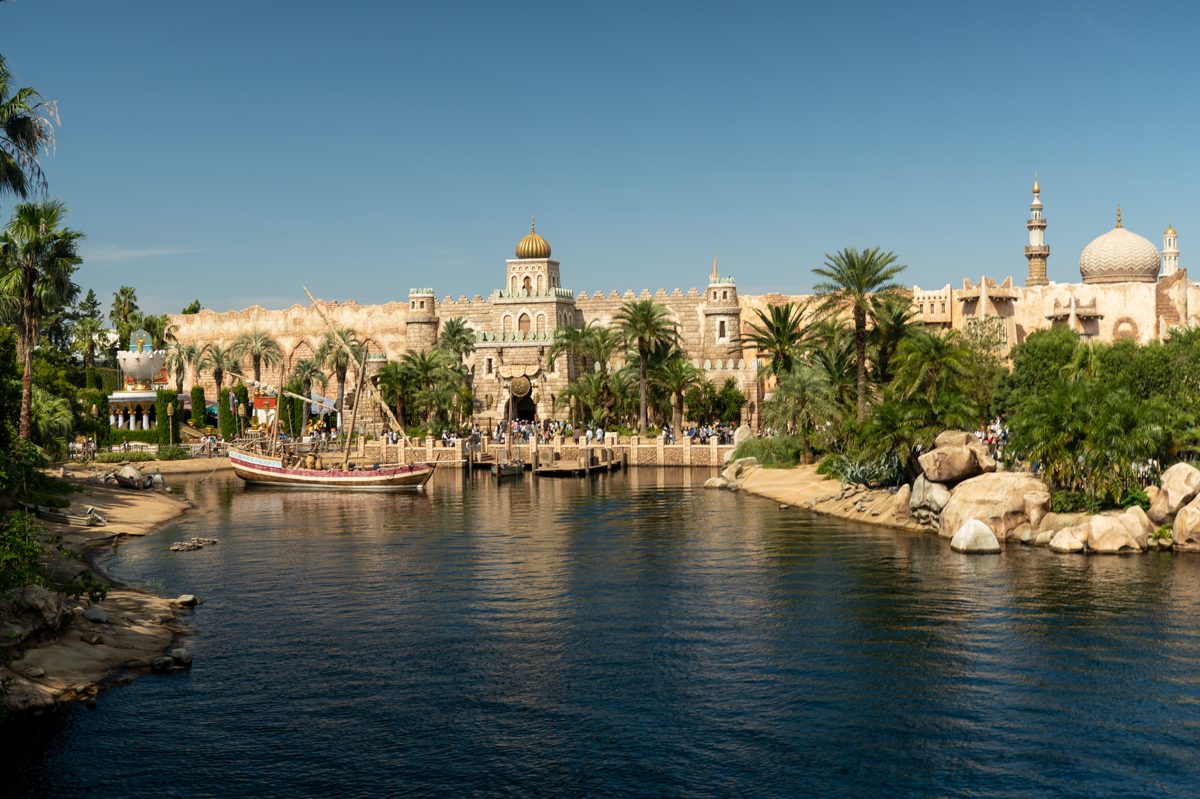
- Tokyo DisneySea – a water-themed park that exists nowhere else on Earth, built around a real saltwater harbor with ports like the Mediterranean Harbor, Mysterious Island, American Waterfront, Arabian Coast and the newer Fantasy Springs area (Frozen, Tangled and Peter Pan). It skews slightly older, more cinematic, and is the one die-hard fans fly in for.
- Ikspiari – a free-to-enter mall with restaurants and a cinema next to Maihama Station, useful on a rest day, a rainy day, or if you arrive early before your park ticket time.
- Bon Voyage – the giant Disney store outside the gates, also free to enter, handy for grabbing souvenirs without using park time.
- Four Disney hotels plus several “Official” and “Partner” hotels, all linked by the Disney Resort Line monorail.
A quick orientation point that trips people up: Tokyo DisneySea is unique to Japan. If you have done the U.S. or Paris parks, Disneyland will feel familiar – same lands, similar rides, a castle at the end of Main Street (here it is the World Bazaar, a covered shopping arcade that doubles as a rain shelter). DisneySea will not feel familiar at all. It is themed like a series of cinematic ports, with a volcano in the middle that erupts on a schedule, and it is widely considered one of the best-designed theme parks in the world. Budget your time accordingly – if you only have one day and you have never been, the choice between the two is genuinely hard, which is exactly why the comparison guide exists.
Getting to Tokyo Disney Resort from central Tokyo
The whole resort hangs off one station: Maihama (膀浜) on the JR Keiyo Line. From Tokyo Station, take the JR Keiyo Line directly to Maihama – about 15–18 minutes for roughly ¥230. The catch that nobody warns you about: the Keiyo Line platforms at Tokyo Station are a genuine 10-to-15-minute walk from the Shinkansen and Yamanote lines, buried in the southeast corner of the station down a series of long corridors and moving walkways. If you are connecting from a bullet train, do not assume the transfer is quick. Maihama is also reachable from Nishi-Funabashi and Soga if you are coming from the Chiba side, and the Musashino Line connects it toward the western suburbs.
From the airports and other hubs
- Tokyo Station: JR Keiyo Line direct to Maihama, ~15 min, ~¥230. The simplest route, but mind the long platform walk.
- Shinjuku / Shibuya: take the JR Chuo or Yamanote line to Tokyo Station, then the Keiyo Line – budget ~45–55 min total. Alternatively use the Tokyo Metro to Hatchobori and switch to the Keiyo Line there, which is one stop from Maihama.
- Narita Airport (NRT): the Airport Limousine Bus goes straight to the resort hotels and the Bay Side bus terminal in about 60–70 min for around ¥1,900, which beats dragging luggage through multiple train transfers. Trains via Tokyo Station also work but involve more changes.
- Haneda Airport (HND): Limousine Bus direct to the resort in ~30–45 min, around ¥1,000, or train via Hamamatsucho/Tokyo Station.
If you are staying in central Tokyo and using an IC card (Suica or PASMO), just tap through – there is no need to buy a paper ticket, and the fare is deducted automatically. The JR Pass covers the Keiyo Line, so pass holders ride to Maihama for free, though the pass does not cover the Disney Resort Line monorail.
The Disney Resort Line monorail
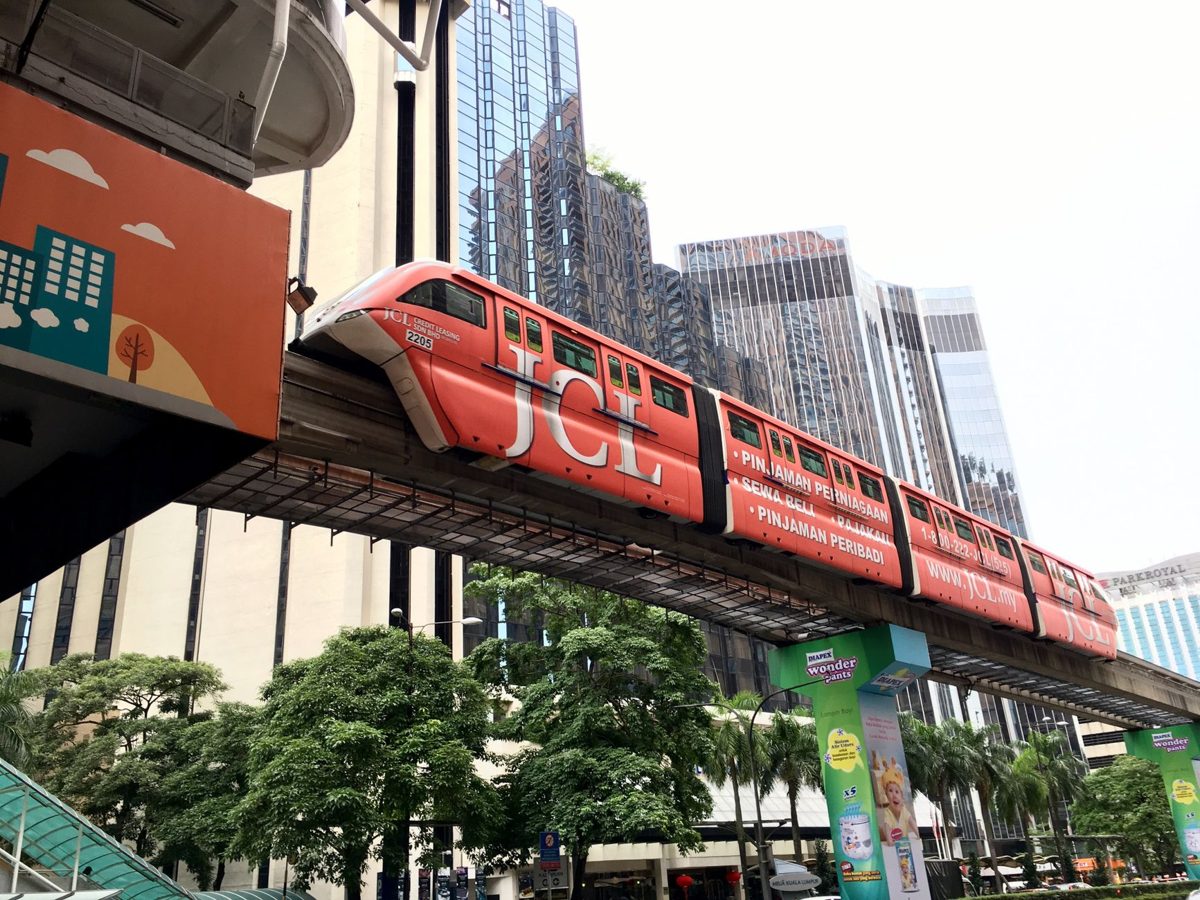
Maihama Station drops you at the Resort Gateway Station. From there the Disney Resort Line monorail loops clockwise through four stops: Resort Gateway → Tokyo Disneyland → Bayside (the Official hotels) → Tokyo DisneySea → back to Gateway. A single ride is ¥300 (children ¥150); a 1-day monorail pass is ¥700, a 2-day ¥800. You do not need the monorail for Disneyland – it is a flat 5-minute walk straight from Maihama Station, signposted the whole way. You do need it (or a 15-to-20-minute walk past the hotels) for DisneySea. The trains have Mickey-shaped windows, hand straps and chimes, which is a small thrill the first time and a quick way to start the day in the right mood. If you are staying at a Bay Side official hotel, the monorail is your shuttle to both parks.
Tokyo Disney ticket types and 2026 prices
This is where most planning goes sideways. Tokyo uses variable (dynamic) pricing, so a 1-Day Passport costs more on a Saturday than a quiet Wednesday, and the exact price is set per date when you select it. Each ticket is good for one park only – there is generally no standard park-hopping except for a limited “1-Day Park Hopper” ticket sold only in certain off-peak windows. Here are the 2026 ranges for a 1-Day Passport.
| 1-Day Passport (one park) | Age | 2026 price range |
|---|---|---|
| Adult | 18+ | ¥7,900 – ¥10,900 |
| Junior | 12–17 | ¥6,600 – ¥9,000 |
| Child | 4–11 | ¥4,700 – ¥5,600 |
| Under 4 | – | Free |
Other ticket options worth knowing:
- Multi-day passports (2–4 days): cheaper per day. The 2-Day ticket lets you do one park each day; from Day 3 onward you can usually hop freely between parks. This is the natural choice if you are doing both parks and the best value per day.
- Starlight Passport: weekend/holiday afternoon entry from around 15:00 at a lower price – good for a half-day or a fireworks-only evening if you have already done a full day elsewhere.
- Weeknight Passport: weekday entry from around 17:00, the cheapest way through the gate, ideal if you are based in Tokyo and want an easy evening of parades, food and night shows.
Where to buy – and why timing matters
Buy online through the official Tokyo Disney Resort website or the Tokyo Disney Resort app. Tickets are dated and sell out for popular days, especially weekends, school holidays and Fantasy Springs-heavy periods, so book as soon as your dates are firm – you can often buy two months out. Avoid third-party resellers charging a markup, and be cautious of any site claiming to sell undated “any day” tickets, which Tokyo Disney does not offer. You will need the app anyway (see below), so creating an account and buying there keeps everything in one place. Tickets are date-specific QR codes scanned at the gate from your phone; print backups are not required but do not hurt if your battery is unreliable.
Premier Access, Standby Pass and the app
Tokyo does not use the free FastPass system anymore, and there is no Genie+ here. Instead there are two systems, both run inside the Tokyo Disney Resort app, which you should download and log into before you arrive at the gate:
- Disney Premier Access (DPA): paid skip-the-line for the most popular rides and some shows, ¥1,500–¥2,500 per person, per ride, priced dynamically by date and demand. You buy it in the app after you have entered the park, pick a return window, and walk a short line at your time. Classic rides sit at the lower end; the three Fantasy Springs rides at DisneySea sit at the top (¥2,000–¥2,500) and the very best one, Frozen Journey, can sell out before 9:00 on weekends. You can hold one DPA at a time and buy the next after your window opens or you ride.
- Standby Pass / Entry Request: free timed-entry tickets the app hands out for certain attractions, popular shops and restaurants when demand is high. They are limited and released in waves through the day, so check the app the moment you tap through the gate, then again periodically.
Practical sequence: scan in → immediately open the app → grab any free Standby Pass you want (some Fantasy Springs entry and popular merchandise shops use these) → buy DPA for one or two headline rides if the day is busy → then walk the park, riding lower-wait attractions in between your return windows. Set your phone to charge overnight and consider a power bank; the app is your ticket, your line system, your map, your wait-time tracker and your food order all at once, and a dead phone is a genuinely bad day. The app is available in English and is the single most important thing to set up before your trip.
When to go: crowd calendar and best time to visit
Tokyo Disney is one of the busiest theme park complexes on the planet, and the difference between a good day and a brutal one is mostly date selection – more than any single strategy inside the park. The quietest stretches are mid-September to early November and late January to mid-February, when the weather is also pleasant. By day of the week, Tuesdays, Wednesdays and Thursdays are noticeably calmer than weekends – a midweek Wednesday can run average waits in the low 20s of minutes, while a Saturday pushes well over 30, with headline rides far beyond that.
Dates to actively avoid unless you have no choice:
- Golden Week (late April to early May) – a cluster of national holidays and one of the busiest weeks of the entire year across Japan.
- Obon (mid-August) – domestic holiday crush, plus brutal heat and humidity that make the queues miserable.
- Year-end and New Year (roughly Dec 27 – Jan 3) – packed, festive but exhausting, with some date-restricted ticketing.
- Japanese school holidays (spring break in late March, summer break, and the autumn weekends) and most weekends year-round.
A note for 2026: crowd patterns have been less predictable than in past years because of ticket-policy and staffing changes, and Fantasy Springs keeps DisneySea demand high even on supposedly quiet days. Treat any published crowd calendar as a guide, not a guarantee, and lean on the app’s live wait times once you are inside. Weather matters too – a rainy weekday can be one of the best days to visit, since locals stay home but the rides keep running and many of the best attractions are indoors. Pack a poncho rather than an umbrella (umbrellas are not allowed on some rides and are awkward in queues) and you can turn bad weather into short lines.
Top rides at each park
You cannot ride everything in a day at either park, so go in with a priority list. These are the attractions worth building your day around.
Tokyo Disneyland must-rides
- Beauty and the Beast: Enchanted Tale – a trackless dark ride through the Beast’s castle that floats your teacup through scene after scene synced to the film’s music. The park’s signature modern E-ticket and usually a Standby Pass or DPA attraction.
- Pooh’s Hunny Hunt – a beloved trackless ride that bounces around unpredictably through the Hundred Acre Wood; deceptively advanced and busy all day.
- Big Thunder Mountain – the runaway mine-train coaster, a reliable crowd-pleaser with great theming.
- Space Mountain – the indoor coaster in the dark. Note it has been slated for a future rebuild, so confirm it is open for your dates before you plan around it.
- Haunted Mansion and Pirates of the Caribbean – the classics, done to Tokyo’s spotless standard, both lower-wait and worth doing.
- Star Tours and Monsters, Inc. Ride & Go Seek – solid mid-tier rides that absorb time between headliners.
Tokyo DisneySea must-rides
- Frozen Journey (Fantasy Springs) – the headline new ride, with advanced animatronics and a boat journey through Arendelle. The hardest reservation in the resort; prioritize DPA at park open or expect a multi-hour standby line.
- Peter Pan’s Never Land Adventure (Fantasy Springs) – a flying-style trackless ride with huge visual punch as you soar over Never Land.
- Rapunzel’s Lantern Festival (Fantasy Springs) – a gentle boat ride that builds to one of the most beautiful finales Disney has ever staged, the floating-lanterns scene in full.
- Tower of Terror – Tokyo’s version drops you through a haunted hotel with its own original storyline (no Twilight Zone here); a top-tier thrill on the American Waterfront.
- Journey to the Center of the Earth – a fast, story-rich ride inside the Mysterious Island volcano; one of the best attractions anywhere.
- Soaring: Fantastic Flight – a flying simulator over world landmarks with a charming original framing story; long lines all day.
- Indiana Jones Adventure and Toy Story Mania – strong supporting rides that round out a full day.
A workable DisneySea strategy: buy DPA for Peter Pan and Rapunzel first, then either DPA for Frozen Journey or Tower of Terror, and fill the gaps with Journey to the Center of the Earth and Soaring via the standby line either right at open or in the last hour, when waits drop sharply. At Disneyland, get to Enchanted Tale and Pooh’s Hunny Hunt first thing, then work the classics through the day – most of them stay under an hour even when the park is busy.
Dining and mobile order
Tokyo Disney food is genuinely good and famously seasonal – this is not the place to pack sandwiches, and skipping the food is a mistake. A few things to know:
- Flavored popcorn is a cult ritual. Carts across both parks sell rotating flavors (curry, milk tea, soy sauce butter, honey, black pepper, garlic shrimp) in collectible character buckets, and fans genuinely line up by flavor and map out which cart sells what. A refillable bucket pays for itself by lunch.
- Mobile Order: many quick-service restaurants let you order and pay in the app, then collect at a window with no register line. Set it up before the lunch rush (which hits hard around 12:00–13:00) and you skip one of the day’s biggest time sinks.
- Priority Seating: the popular sit-down restaurants – like Magellan’s inside the DisneySea fortress, or the character-dining restaurants – take reservations in the app, sometimes a month ahead. If you want a proper meal or a character meal, book it the day your tickets are confirmed, because they vanish fast.
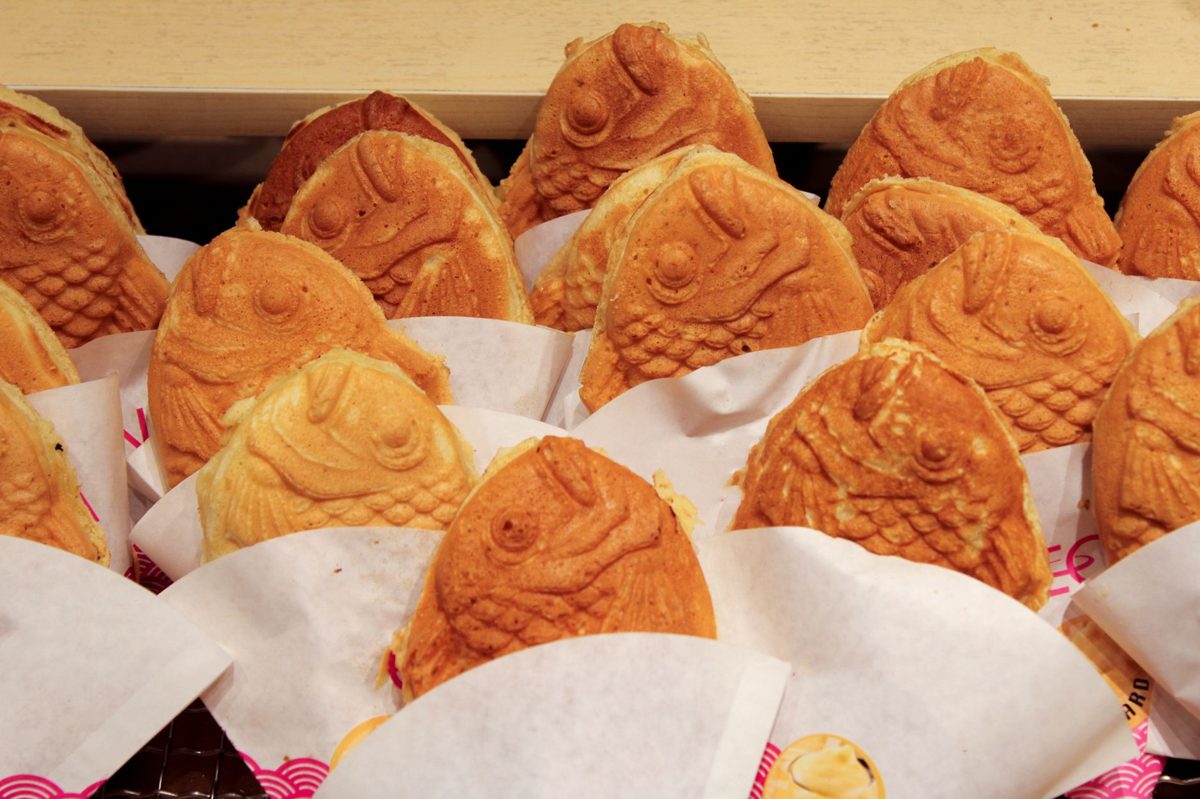
- Themed snacks – gyoza dogs at DisneySea, tipo torta, churros, seasonal mochi and steamed buns are park institutions. Eat your way around rather than sitting down for every meal and you will both save time and try more.
- Cash is barely needed – credit cards, IC cards (Suica/PASMO) and the app cover almost everything, including most carts.
Where to stay: Disney hotels vs central Tokyo
You have two honest options, and the right one depends on how many park days you have and what the rest of your trip looks like.
Stay on-property
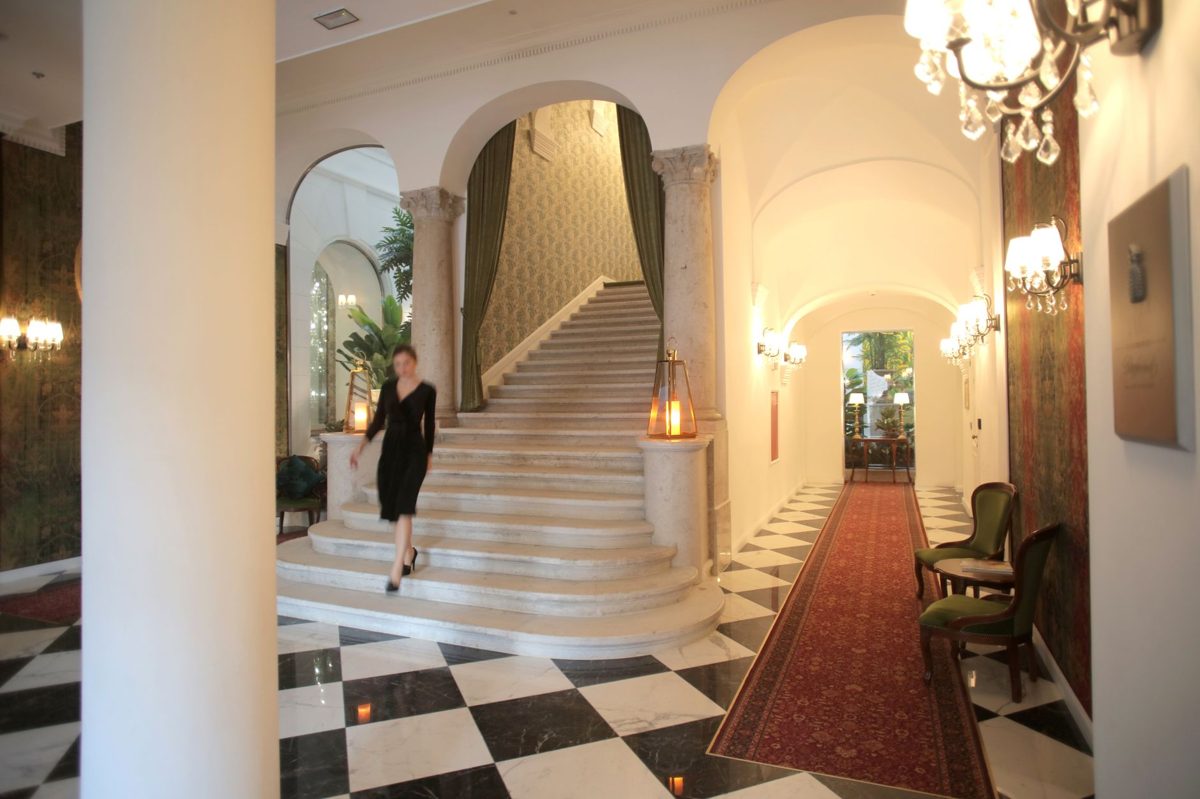
The four Disney Hotels give you the strongest perks – most notably Happy Entry (early park access ahead of day guests, which is huge for grabbing Fantasy Springs or a popular ride before the crowd) and the convenience of being a few minutes from the gates so you can nap mid-day and return for the night show. From most luxurious to most affordable:
- Tokyo DisneySea Hotel MiraCosta – literally built into the wall of DisneySea, with rooms overlooking the Mediterranean Harbor and the nightly show. The dream stay and priced like it. Note: intermittent guest-room refurbishment runs from August 2026 into mid-2027, so confirm availability and which rooms are affected.
- Tokyo Disneyland Hotel – grand Victorian style facing Disneyland’s entrance, a short walk from the gate.
- Disney Ambassador Hotel – 1930s Hollywood Art Deco, character dining on site, next to Ikspiari and a monorail stop away from the parks.
- Toy Story Hotel – the most playful and (relatively) affordable Disney hotel, themed top to bottom to the films and popular with families.
Below the Disney Hotels sit the Official Hotels on the Bay Side (Hilton, Sheraton, Hotel Okura and others), which are cheaper, still on the monorail loop, and a solid middle ground – you get easy park access without the Disney-hotel price, though not the Happy Entry perk.
Stay in central Tokyo
If Disney is one or two days of a bigger Tokyo trip, basing yourself in the city and commuting out is usually smarter and cheaper. From a hotel near Tokyo Station you are 15–20 minutes from the gate, and you get to actually see the city on your other days instead of being marooned in Urayasu. Our guide to where to stay in Tokyo breaks down the best neighborhoods by budget and travel style; for a Disney day specifically, look for somewhere with a direct or one-change route to Tokyo Station, which feeds the Keiyo Line. Areas around Tokyo Station, Ginza, and the eastern side of the Yamanote loop make the morning commute easiest.
Sample 1-day and 2-day plans
Here are two realistic plans you can adapt. The key principle is the same for both: arrive early, use the app the second you are inside, and ride the headliners before lunch.
One day, one park (DisneySea example)
- Pre-open: arrive 60–75 min before gate time; have the app open and logged in, ticket loaded, phone charged. Early arrival is the single biggest free advantage you have.
- Tap in: immediately buy DPA for Peter Pan and Rapunzel; grab any free Standby Pass the app offers (Fantasy Springs entry uses these on busy days).
- Morning: ride Frozen Journey via DPA or get in the standby line first thing before it balloons; then do Journey to the Center of the Earth and Soaring while waits are still short.
- Midday: Tower of Terror, lunch via Mobile Order to skip the register line, then explore the Mediterranean Harbor and Mysterious Island at a slower pace.
- Afternoon: use your DPA return windows for whatever is left; catch a harbor show from a spot you scout 30 minutes ahead.
- Evening: dinner with a Priority Seating booking, then the nighttime spectacular over the harbor before the crowds surge to the exit. Linger 15 minutes after the show to let the gate crush clear.
Two days, both parks
- Day 1 – Disneyland: castle park, hit Enchanted Tale and Pooh’s Hunny Hunt at open, work the classics (Haunted Mansion, Pirates, Big Thunder) through the afternoon, and finish with the Electrical Parade or fireworks at night.
- Day 2 – DisneySea: Fantasy Springs at open, then Tower of Terror, Journey and Soaring, finishing with a harbor show. If you are MiraCosta guests, use Happy Entry to get into Fantasy Springs first.
- A 2-Day passport covers exactly this – one park per day – and costs less per day than two single tickets. If you add a third day you can hop freely and revisit favorites.
Traveling with little ones changes the calculus – ride height limits, nap timing and which park is gentler all matter, and DisneySea’s harbor layout involves more walking than it looks. Our guide to Tokyo for families has stroller, rest and pacing tips that apply directly to a Disney day, plus advice on the Baby Centers and rider-swap options.
Seasonal events
Tokyo Disney reinvents its decor, parades, food and merchandise several times a year, and locals plan entire trips around it – the seasonal overlays are arguably the single biggest reason regulars keep coming back. The big seasons are spring (cherry-blossom and Easter overlays, with bunny-themed everything), summer (water-soaked shows that are a genuine blessing in the August heat – expect to get drenched on purpose), Halloween (roughly September to October, with rare “Disney Bound” costume-OK days for adult guests and a darker, villain-forward tone), and Christmas (mid-November to late December, arguably the prettiest the parks ever look, with a towering tree on Main Street and a Mediterranean Harbor glowing with lights). Each season swaps in limited popcorn flavors, food and merchandise that simply disappear when it ends, so if a design appears during your dates, buy it then – there is no “next time” for seasonal merch. Big anniversaries (the resort marks major milestones with special parades and merchandise) add another layer on top, so check what is running for your travel window.
Accessibility
Both parks are broadly accessible and well set up for visitors with mobility, sensory or other needs. Wheelchairs and ECVs can be rented near each entrance, but stock is limited and goes fast on busy days, so arrive early or bring your own. Most attractions have step-free or transfer-friendly boarding, and there is a Disability Access Service-style system handled at attraction entrances and through the app – the simplest move is to stop at Guest Relations just inside the gate and ask a cast member to set up what you need for the day. The World Bazaar, monorail, restrooms and most restaurants are step-free, and there are accessible toilets throughout. Baby Centers in both parks have nursing rooms, changing tables, microwaves and a small shop selling formula, diapers and baby food, which makes traveling with an infant far easier than you might expect. If anyone in your group is sensitive to crowds or noise, the quieter midweek mornings and the indoor classic rides are your friends.
Money-saving tips
Tokyo Disney is not cheap, but a few smart moves meaningfully lower the cost without hurting the day.
- Go midweek – variable pricing alone makes a Wednesday cheaper than a Saturday, and the shorter lines are worth more than the yen you save.
- Multi-day over two singles if you are doing both parks – the per-day rate drops, and from Day 3 you can hop.
- Starlight or Weeknight passports for a half-day or fireworks-only evening at a steep discount, perfect if you are Tokyo-based.
- Skip the monorail to Disneyland – just walk the 5 minutes from Maihama; save the ¥300 each way.
- Use the JR Pass for the Keiyo Line if you already hold one – the ride to Maihama is free, though the monorail is not.
- Eat smart – quick-service via Mobile Order is far cheaper than table service, and the popcorn-and-snacks route is a legitimate, fun lunch.
- Refillable popcorn buckets get cheaper refills than buying a fresh box each time, and double as a souvenir.
- Buy souvenirs at Bon Voyage or Ikspiari outside the gates to avoid spending paid park time shopping – the selection is nearly identical.
- Be selective with DPA – on a quiet day you may not need to buy any; on a busy day, one or two well-chosen purchases beat spreading yourself thin.
For ideas on filling the rest of your trip beyond the resort, our pillar guide to what to see and do in Tokyo covers the neighborhoods, food, shrines and day trips that pair naturally with a Disney day. And if you want more next-generation, immersive attractions, the teamLab digital art museums are a brilliant indoor alternative on a non-park day – another place where booking a timed ticket in advance pays off.
If you are taking the Keiyo line from Tokyo Station, leave more time than the journey planner suggests. Its platforms are deep underground at the far south end of the station, and the walk from the Yamanote line through the corridors and moving walkways takes about fifteen minutes, more with a pushchair. Our Tokyo Station guide covers the route.
Frequently Asked Questions
Can you do both Tokyo Disney parks in one day?
Technically yes with a Park Hopper ticket sold only in limited off-peak periods, but it is not recommended. Each park is enormous and standard 1-Day tickets are valid for one park only. Almost everyone gets far more out of a full day per park, which is why the 2-Day passport (one park each day) is the popular choice for visitors doing both.
How much does a day at Tokyo Disney cost in 2026?
A 1-Day Passport runs ¥7,900–¥10,900 for adults depending on the date, cheapest midweek and priciest on weekends and holidays. Add roughly ¥460 round-trip from Tokyo Station, optional Disney Premier Access at ¥1,500–¥2,500 per ride, and food, so a comfortable single-day budget is around ¥12,000–¥18,000 per adult.
Do I need the Tokyo Disney Resort app?
Effectively yes. The app holds your ticket QR code, distributes free Standby Passes, sells paid Premier Access, runs Mobile Order for food, shows live wait times and serves as your park map. Download it, create an account and log in before you arrive, and keep your phone charged or carry a power bank.
What is the best time of year to visit Tokyo Disney?
Mid-September to early November and late January to mid-February are the quietest and most comfortable, and midweek is far calmer than weekends. Avoid Golden Week (late April–early May), Obon (mid-August) and the year-end holidays, which are the busiest and, in summer, uncomfortably hot.
How do I get from Tokyo Station to Tokyo Disney Resort?
Take the JR Keiyo Line directly from Tokyo Station to Maihama Station, about 15–18 minutes for around ¥230 – but allow extra time, as the Keiyo Line platforms are a long walk from the rest of Tokyo Station. Disneyland is a 5-minute walk from Maihama; for DisneySea, take the Disney Resort Line monorail (¥300) or walk about 15 minutes.