Best Things to Do in Tokyo · Guide №032
Tokyo Skytree vs Tokyo Tower: Which to Visit (2026)
Tokyo Skytree vs Tokyo Tower compared for 2026: prices, decks, access, crowds, and the best pick for sunset, night, families, budget and photos.
目次 — Contents
- Tokyo Skytree vs Tokyo Tower: the comparison at a glance
- Tokyo Skytree: the tall one
- Tokyo Tower: the iconic one
- Which one should you choose?
- Worth knowing: the other Tokyo viewpoints
- Getting to each tower
- Best time of day and year to go up
- Accessibility and visiting with little kids
- What it actually costs for a family of four
- A few honest downsides
- The bottom line
- Frequently asked questions
This article contains advertising. Our booking links are routed through a partner that adds commission tracking automatically, so if you book through one we earn a commission from the provider, at no extra cost to you. It never affects what we recommend. Affiliate disclosure
Pick Tokyo Skytree if you want sheer height, glass-floor drama and a giant mall at the base; pick Tokyo Tower if you want a cheaper, warmer, more photogenic landmark with the city in human scale. That is the short answer to Tokyo Skytree vs Tokyo Tower. Below is everything you need to choose with confidence: 2026 prices, the exact decks, access, crowds and the best one for sunset, night, families and photos.
Both are observation towers, both give you a 360-degree look at the largest city on earth, and both are easy to reach. But they feel like opposites. Skytree (634 m) opened in 2012 and is all steel, speed and scale. Tokyo Tower (333 m) opened in 1958, wears its red-and-white paint like a badge, and sits among temples and low-rise streets that make the view feel closer and more personal. If you only have time for one, the rest of this guide will settle it.
Tokyo Skytree vs Tokyo Tower: the comparison at a glance
Here is how the two towers stack up on the things travellers actually decide on. Prices are 2026 adult rates booked online in advance; both towers add a small surcharge if you buy at the counter on the day.
| Tokyo Skytree | Tokyo Tower | |
|---|---|---|
| Height | 634 m (world’s tallest tower) | 333 m |
| Decks | Tembo Deck 350 m; Tembo Galleria 450 m | Main Deck 150 m; Top Deck 250 m |
| 2026 adult price | From ¥1,800 (Deck) / from ¥3,000 (Deck + Galleria) | ¥1,500 (Main Deck) / ¥3,300 web (Top Deck Tour) |
| Nearest station | Tokyo Skytree (Tobu) / Oshiage | Akabanebashi, Onarimon, Kamiyacho, Daimon |
| Area | Sumida, east Tokyo (old shitamachi) | Minato, central Tokyo (Shiba Park) |
| Atmosphere | Modern, sleek, shopping complex below | Retro, nostalgic, temple setting |
| View character | Vast and distant; Tokyo as a model | Buildings, cars and bay in human scale |
| Best for sunset | Higher horizon, Fuji on clear days | Warm light on the city, tower lit below you |
| Crowds | Busier; long lines without a timed ticket | Generally lighter, especially the Main Deck |
| At the base | Solamachi mall, aquarium, planetarium | Zojoji temple, Shiba Park, FootTown |
Read the table and a clear pattern emerges. Skytree wins on altitude and on having a whole day of things to do at its feet. Tokyo Tower wins on price, on charm and on a view where you can still pick out individual streets. Neither is objectively “better” – it depends on what you want from a couple of hours above the city. The deep dives below will help you match a tower to your trip.
Tokyo Skytree: the tall one
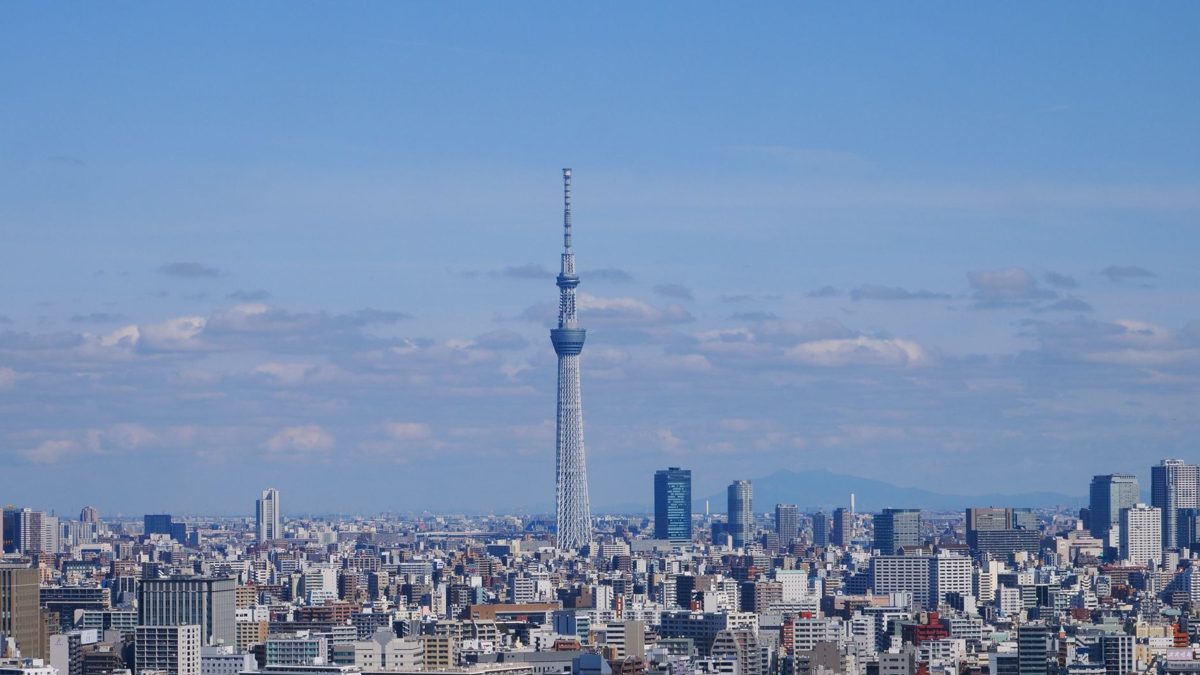
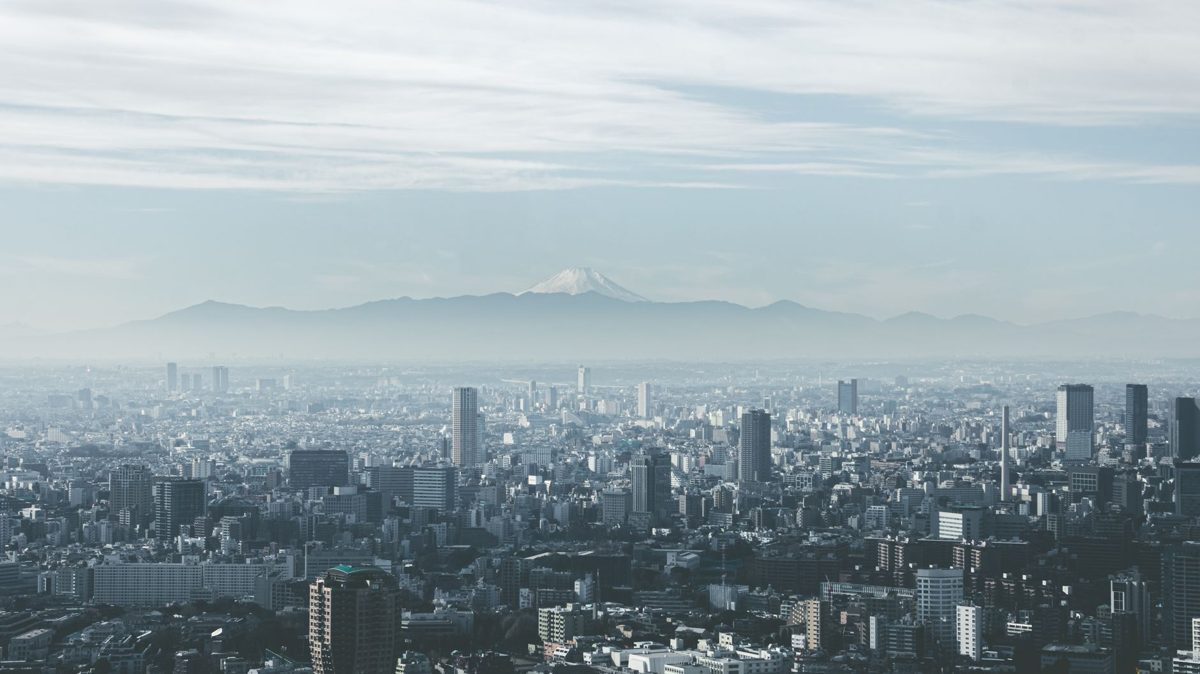
At 634 metres, Tokyo Skytree is the tallest tower in the world and the second-tallest structure of any kind. It works as a broadcasting tower first and a viewpoint second, which is why it is so absurdly high. From the top you are looking down on planes, on the city’s shorter rival across town, and on a Tokyo that stretches past the horizon in every direction. On a clear day – best on winter mornings – Mount Fuji floats to the west.
Tembo Deck vs Tembo Galleria: which ticket?
Skytree has two separate paid levels, and the pricing trips up a lot of first-timers. The Tembo Deck sits at 350 metres across three floors (340, 345 and 350) and is the main event: floor-to-ceiling glass, a small glass-floor panel you can stand on, a cafe and the Sky Restaurant 634. The Tembo Galleria climbs another 100 metres to 450 metres via a sloping glass tube that spirals up to “Sorakara Point”, the highest spot you can reach.
- Tembo Deck only: from ¥1,800 adult, from ¥900 child (6-14) online in advance. Free for ages 5 and under.
- Tembo Deck + Tembo Galleria combo: from ¥3,000 adult, from ¥1,500 child when bought together online.
- Galleria add-on on the day: ¥1,400 adult, ¥700 child, bought from machines once you are up on the Deck.
- Counter surcharge: a ¥500-per-ticket service fee is added if you buy at the 4th-floor counter or machines instead of online.
Is the Galleria worth the extra money? Honestly, the jump in view from 350 to 450 metres is smaller than the jump in price. The Tembo Deck already gives you the full panorama. Pay for the Galleria if you love a height record or want the spiralling glass walkway; skip it if you are budgeting or short on time, and put the saving toward Solamachi instead. Note that the Galleria occasionally suspends sales when it hits capacity.
How to book and beat the queue
Buy online in advance through the official site or a convenience store – it is cheaper than the counter and lets you pick a timed entry slot, which matters because same-day lines on weekends and holidays can run 60 to 90 minutes. Aim for a weekday, and either a morning slot for clear long-distance views or a slot about an hour before sunset if you want to watch the city light up. The 4th floor is where you enter; you exit on the 5th.
Solamachi, the aquarium and the planetarium
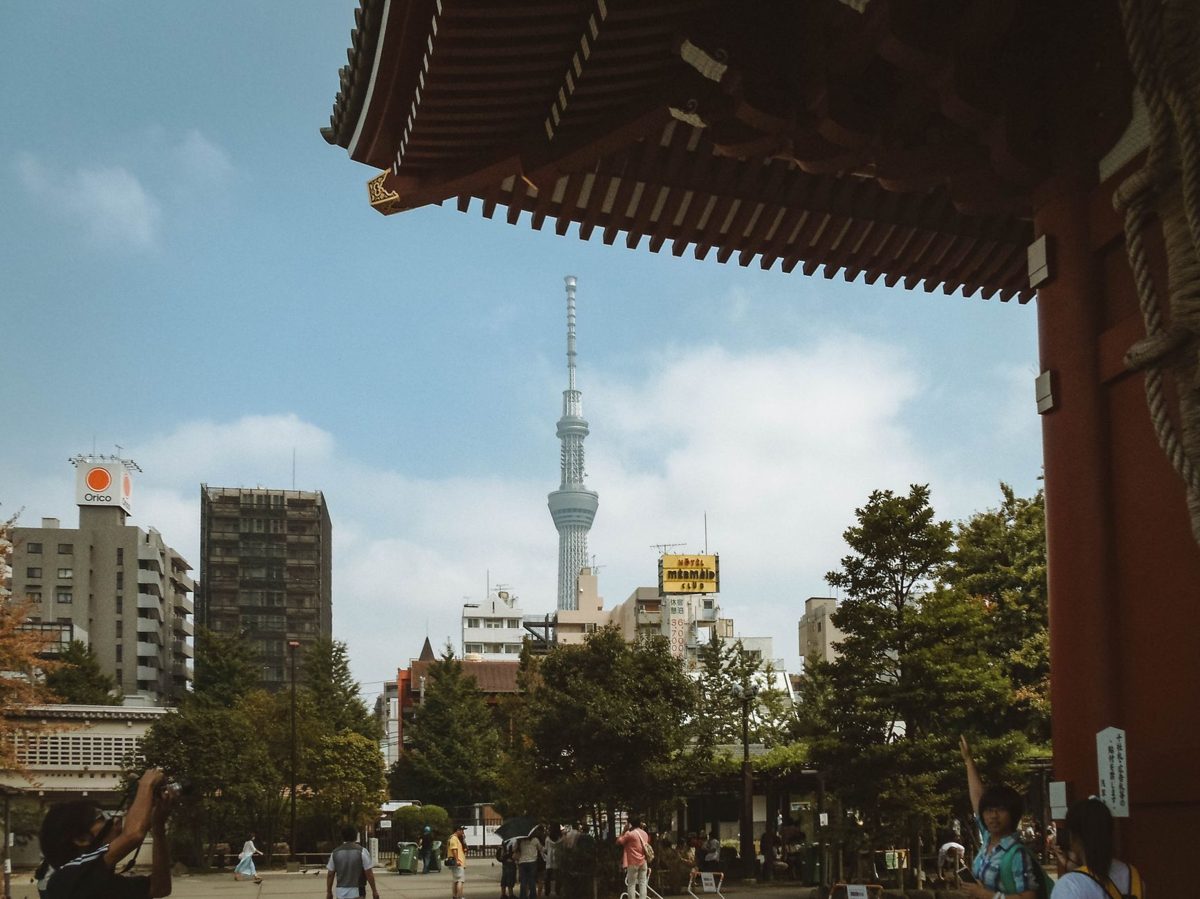
This is Skytree’s trump card. The tower rises out of Tokyo Solamachi, a sprawling complex with more than 300 shops and restaurants, the Sumida Aquarium and the Konica Minolta Planetaria “Tenku”. You can easily spend half a day here without going up the tower at all – character goods, a food hall, ramen, dessert stands and viewpoints from the lower floors. Budget extra time; most people underestimate it.
Asakusa and Senso-ji nearby
Skytree sits in Tokyo’s old shitamachi (low city), so it pairs naturally with the most atmospheric historic district in town. Senso-ji, a short walk from Skytree across the Sumida River, is about 15 minutes on foot or one stop on the train, which makes a classic half-day: temple and old streets in the morning, tower at dusk. For more on how this corner of the city fits together, see our guide to Tokyo’s neighbourhoods.
Tokyo Tower: the iconic one
Tokyo Tower is shorter, older and, to a lot of people, more lovable. Modelled on the Eiffel Tower and painted international orange and white, it has been the symbol of postwar Tokyo since 1958. It does not try to out-tall anything. Instead it gives you a view from a more human height, wrapped in nostalgia, with one of the city’s best temple-and-tower photo set-ups right at its feet.
Main Deck vs Top Deck Tour: the two tickets
Like Skytree, Tokyo Tower has two levels, and again the names matter. The Main Deck at 150 metres is the everyday observation floor – two storeys, big windows, a small glass-floor section, a cafe and a little shrine. The Top Deck Tour takes you up to 250 metres on a guided, timed visit with a mirrored, lit interior; the price includes a welcome drink and a short experience, which is why it costs more.
- Main Deck (150 m): ¥1,500 adult, ¥1,200 high-schooler, ¥900 child (elementary/junior high), ¥600 ages 4+.
- Top Deck Tour (150 m + 250 m): ¥3,300 adult online / ¥3,500 at the counter; ¥2,100 / ¥2,300 for elementary-junior-high children.
- Tokyo Diamond Tour (adds a lounge): ¥7,000 adult – a premium option, usually not worth it for most visitors.
- Hours: Main Deck 9:00-23:00 (last entry 22:30); Top Deck Tour 9:00-22:45 (last tour 22:15).
For most people the Main Deck is plenty and is the better-value ticket of the two towers – ¥1,500 for a central-Tokyo panorama is hard to beat. Book the Top Deck Tour only if you specifically want the higher, more atmospheric experience and the included drink. The Top Deck can close in poor weather, so it is worth checking the day’s operations before you commit.
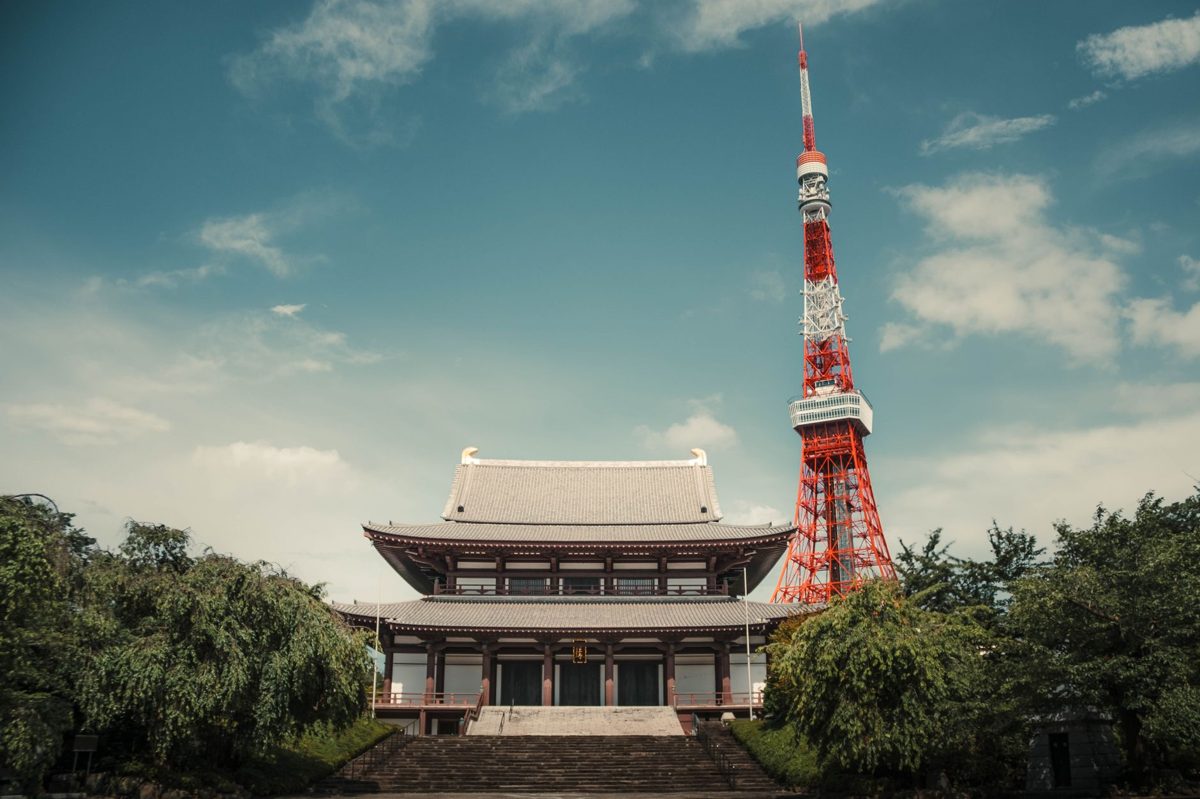
Zojoji temple and the classic photo
The single best reason to choose Tokyo Tower might be a photo you take without going up at all. Zojoji, a major Buddhist temple founded in the 1300s and the Tokugawa family’s funeral temple, stands directly in front of the tower. Frame the temple’s wooden hall or its big Sangedatsumon gate with the orange tower soaring behind and you have the quintessential old-meets-new Tokyo shot. Zojoji is free, open roughly 9:00-17:00, and reached via Onarimon, Shiba-koen or Daimon stations.
The retro vibe and after dark
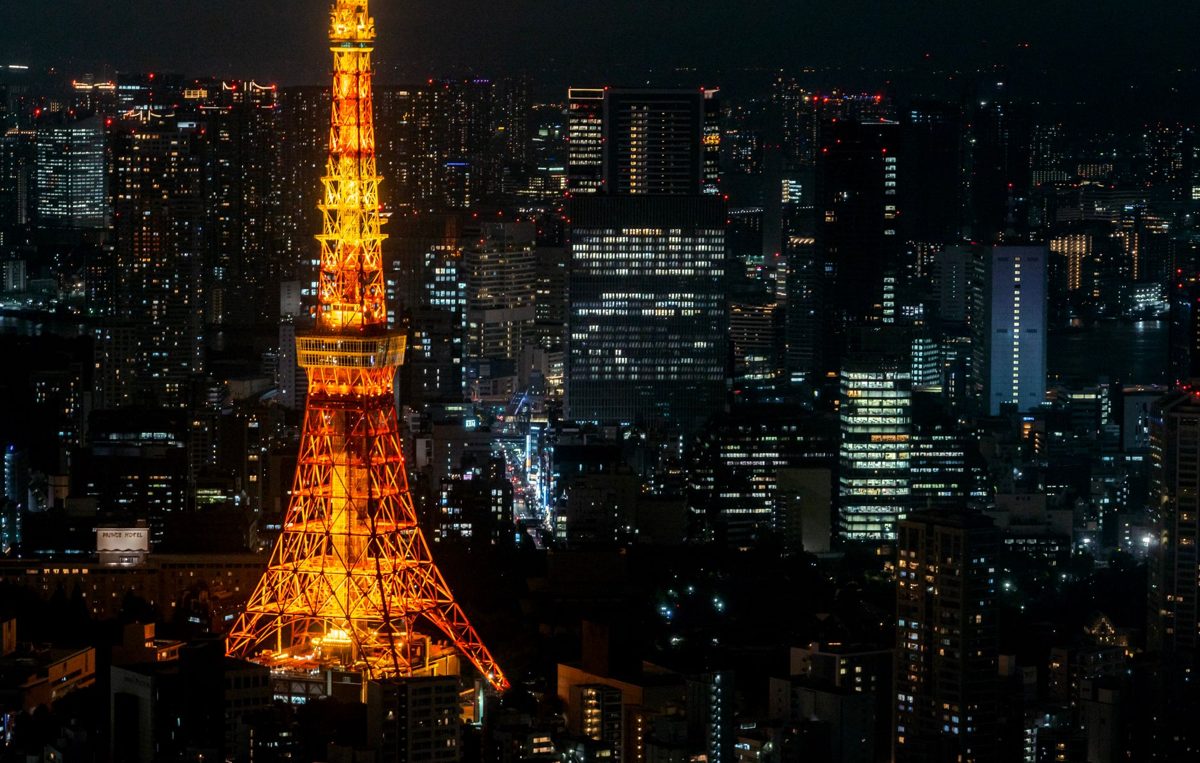
Tokyo Tower leans into nostalgia. The base building, “FootTown”, is gloriously old-school with cafes, an aquarium-style attraction and souvenir floors. At night the tower switches on its “Landmark Light” (warm orange in cooler months, cooler white in summer) and becomes one of the most romantic sights in the city. Seeing Tokyo Tower lit from the street, or framed between buildings from somewhere like Roppongi, is arguably better than the view from inside it.
Which one should you choose?
Time to commit. Here is the honest verdict by traveller type, based on what each tower actually does best.
For sunset
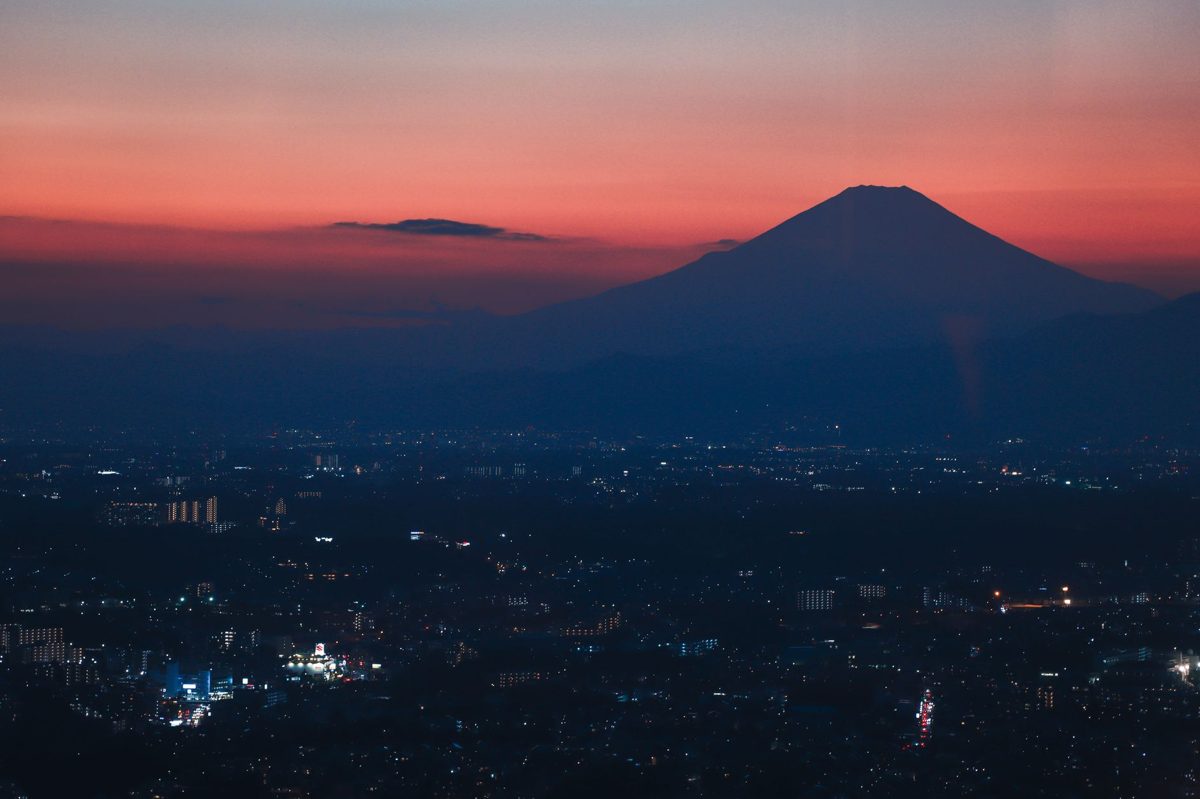
Slight edge to Tokyo Tower for the warmth – golden light washing over the low-rise streets, the bay turning pink, and the tower itself glowing beneath you. But Skytree’s extra height puts more sky and a better chance of a Fuji silhouette in frame. Choose Skytree for a dramatic, far-horizon sunset; choose Tokyo Tower for an intimate, glowing one. Either way, book a slot 45-60 minutes before sundown so you catch day, dusk and the first lights.
For night views
Both are superb after dark, but Skytree wins on the sheer carpet of lights and Tokyo Tower wins on atmosphere. From Skytree the city is an endless circuit board; from Tokyo Tower you get a tighter, glittering core with Tokyo Bay beyond. For photography of the skyline, Skytree. For a date-night mood, Tokyo Tower.
For families
Skytree, narrowly – mostly because of what is at the base. Kids can pair the tower with the Sumida Aquarium, the planetarium and the buzz of Solamachi without a second train ride, and the glass floor is a hit. Tokyo Tower is still very family-friendly (and cheaper for a group of four), with FootTown to keep children busy, but Skytree gives you a full rainy-day plan in one place.
For budget travellers
Tokyo Tower, comfortably. The ¥1,500 Main Deck is the cheapest “big” tower view in Tokyo, and you can enjoy Zojoji and the floodlit tower from the street for nothing. If you only care about getting high for as little as possible, the free option below beats both towers outright. For more ways to see the city without spending, see our roundup of free things to do in Tokyo.
For photographers
A split decision. To shoot the city, go up Skytree (or Shibuya Sky) for the wide, high panorama. To shoot a tower, photograph Tokyo Tower from the outside – the Zojoji foreground, the view from Roppongi Hills, the back streets of Shiba. Skytree is the better camera platform; Tokyo Tower is the better subject. Either way, our guide to the best Tokyo photo spots maps out where to point the lens.
Worth knowing: the other Tokyo viewpoints
The two towers are not your only options for getting above Tokyo, and a couple of alternatives might suit you better – or save you a lot of money.
- Shibuya Sky – a rooftop open-air deck above Shibuya Crossing, brilliant for sunset and photos. 2026 adult tickets are ¥3,000 before 15:00 and ¥3,700 after; book ahead as evening slots sell out.
- Tokyo Metropolitan Government Building (Tocho) – the best free view in the city. Two observatories at 202 metres in Shinjuku, no ticket required, about 10 minutes from Shinjuku Station. Unbeatable value.
- Roppongi Hills / Tokyo City View – an indoor deck at 250 metres in Mori Tower with a famous look at Tokyo Tower itself; admission is roughly ¥2,200-¥2,800 and often combined with the Mori Art Museum.
If your priority is simply a great Tokyo panorama and not a specific landmark, the free Tocho deck or Shibuya Sky can be smarter picks than either tower. For the bigger picture of how the towers fit into a trip, our pillar guide to what to do in Tokyo puts them alongside the rest of the city’s headline sights.
Getting to each tower
Access is part of the decision, because the two towers sit in very different parts of the city. Tokyo Skytree is in Sumida, out to the east, and the most direct way is the Tobu Skytree Line to Tokyo Skytree Station, which deposits you right at the base. The Hanzomon and Asakusa subway lines stop at Oshiage Station, connected to the complex by an underground passage – look for the Skytree exit and you surface inside Solamachi. From central hubs, reckon on 15-25 minutes: roughly 10 minutes from Asakusa, about 20 from Tokyo Station, and a little more from Shinjuku or Shibuya with one change.
Tokyo Tower sits in Minato, far more central, but it is oddly not stacked on top of a single big station – it is a 5-to-7-minute walk from several. The closest is Akabanebashi (Oedo Line, Akabanebashi exit); Onarimon and Kamiyacho are both about 6 minutes, while Daimon and Hamamatsucho are around 10-15 minutes and handy if you arrive on the JR Yamanote Line or the monorail from Haneda. The walk from Onarimon is the prettiest because it takes you past Zojoji and lines the tower up for photos as you go.
One practical upshot: if you are already in Asakusa or planning the old-town side of the city, Skytree barely costs you any extra travel. If you are based around Shimbashi, Roppongi, Ginza or arriving from Haneda, Tokyo Tower is the closer, simpler trip. Tag your tower onto a day in the right neighbourhood rather than crossing town twice for it.
Best time of day and year to go up
Timing changes the experience more than which tower you pick. The clearest long-distance views – the ones where Mount Fuji appears – happen in the cooler, drier months from late November through February, and almost always in the morning before the haze builds. If a crisp Fuji silhouette is your dream shot, go up not long after opening on a clear winter day and accept that summer afternoons rarely deliver it.
For atmosphere rather than distance, the hour around sunset is unbeatable at either tower. Book a slot that lands you upstairs about 45 minutes before sundown: you get the daytime panorama, the colour change, and then the city switching on its lights, all on one ticket. This is the single best piece of timing advice for both Skytree and Tokyo Tower, and it is why those slots sell out first. Full darkness is quieter and good for night photography, but you miss the transition.
Avoid weekends, Japanese public holidays and the early-evening rush if you can – Skytree in particular gets heaving, and even with a timed ticket the lifts back down can back up. A weekday late morning is the calmest window if crowds bother you more than light does. Rain is not always a write-off either: low cloud can sit below the Skytree deck, leaving you above it, though more often a wet day simply means a shorter horizon and a good excuse to retreat into Solamachi.
Accessibility and visiting with little kids
Both towers are step-free to the main decks via lifts, with accessible toilets and wheelchairs to borrow. Skytree, being newer, is the more comfortable of the two for step-free movement, with wide circulation space, pram access and plenty of room to manoeuvre on the Tembo Deck. Tokyo Tower’s Main Deck is reachable by lift as well, though the older building feels tighter. Note that Tokyo Tower’s Top Deck Tour and Skytree’s Tembo Galleria both add an extra leg; check ahead if step-free access all the way to the top matters for your group.
Travelling with small children, Skytree again has the edge purely because Solamachi gives you nappy-change rooms, a food hall, and the aquarium and planetarium within a few minutes’ walk if attention spans run out. Strollers are fine throughout. At Tokyo Tower, FootTown keeps kids busy at the base and the lower height can feel less intimidating for nervous little ones. For a wider plan of family-friendly sights, our guide to the best things to do in Tokyo pairs either tower with attractions that suit children.
What it actually costs for a family of four
Because the point here is choosing, it helps to see real totals rather than per-person prices. Take two adults and two elementary-age children, booked online in advance, sticking to the standard main observation level at each:
- Tokyo Tower, Main Deck: ¥1,500 x 2 + ¥900 x 2 = about ¥4,800 for the family.
- Tokyo Skytree, Tembo Deck: from ¥1,800 x 2 + ¥900 x 2 = about ¥5,400.
- Tokyo Skytree, Deck + Galleria combo: from ¥3,000 x 2 + ¥1,500 x 2 = about ¥9,000.
- Tokyo Tower, Top Deck Tour: ¥3,300 x 2 + ¥2,100 x 2 = about ¥10,800.
So the cheapest way to get a major tower view for a family is Tokyo Tower’s Main Deck, and the gap widens fast once you add the higher levels. If budget is the deciding factor, the maths is clear – and the genuinely free Tokyo Metropolitan Government Building deck undercuts everything. Spend what you save on the experiences at Skytree’s base or a meal with a view instead of on the extra 100 metres of altitude.
A few honest downsides
No viewpoint is perfect, so here is the candid version. Skytree can feel a little processed – timed entries, a fixed route, busy lifts and the sense of being moved through an attraction. Its height is genuinely impressive, but so high that the city loses some human texture; individual buildings melt into a carpet. And on a hazy or overcast day you pay top-tier prices for a grey middle distance.
Tokyo Tower’s drawbacks are the flip side. It is showing its age in places, the Main Deck windows and interiors are dated, and at peak times the relatively small floor space gets crowded. The Top Deck Tour, while atmospheric, is pricey for the extra 100 metres and can be cancelled in poor weather. And because it is lower, the panorama, though lovely, does not have the jaw-drop scale of Skytree. Knowing these trade-offs in advance is the whole point of this comparison – neither tower is a tourist trap, but each suits a different kind of visit.
The bottom line
If we had to send you to just one: go up Tokyo Skytree for the wow-factor altitude and a half-day of extras at Solamachi, especially with kids or on a rainy day. Choose Tokyo Tower if you want charm, a central location, the Zojoji photo and a much friendlier price – it is the more romantic, more characterful visit. First trip and undecided? Tokyo Tower at dusk delivers more feeling per yen; serious view-hunters and families lean Skytree.
Skytree and Tokyo Tower are not the only ways up, and for many visitors neither is the best one. Shibuya Sky has the city’s only major open-air rooftop, Tokyo City View in Roppongi puts Tokyo Tower in the middle of your window, and the Metropolitan Government Building in Shinjuku costs nothing at all. Our Tokyo observation decks guide ranks the whole field on price, height and timing.
Frequently asked questions
Is Tokyo Skytree or Tokyo Tower better?
Neither is universally better. Tokyo Skytree (634 m) wins on height, modern facilities and the Solamachi complex at its base, but costs more and draws bigger crowds. Tokyo Tower (333 m) wins on price, central location, retro charm and the Zojoji temple photo. Pick Skytree for scale and a day out; pick Tokyo Tower for atmosphere and value.
How much do tickets cost in 2026?
Tokyo Skytree is from ¥1,800 for the Tembo Deck and from ¥3,000 for the Deck-plus-Galleria combo (online, in advance). Tokyo Tower is ¥1,500 for the Main Deck and ¥3,300 online for the Top Deck Tour. Buying online is cheaper than the counter at both towers, and children’s rates are roughly half.
Which tower is better for sunset and night views?
Both are excellent. For sunset, Tokyo Tower gives warmer, more intimate light while Skytree offers a higher horizon and a better chance of seeing Mount Fuji. For night photography of the whole skyline, Skytree’s altitude wins; for mood and a glittering central view, Tokyo Tower edges it. Book a slot about an hour before sunset either way.
Do I need to book in advance?
It is strongly recommended, especially for Skytree, where same-day lines can reach 60-90 minutes on weekends and holidays. Advance online tickets are cheaper, let you choose a timed entry, and save you queuing. Tokyo Tower’s Main Deck is more walk-up friendly, but its Top Deck Tour requires a timed reservation.
Can you see Mount Fuji from the towers?
Yes, on clear days – most reliably in the cooler, drier months from late autumn to early spring, and best in the morning. Tokyo Skytree’s greater height gives a better shot at a clean Fuji silhouette to the west, but Tokyo Tower’s Top Deck can deliver it too when visibility is good.