Tokyo Nightlife · Guide №135
Best Nightclubs in Tokyo: Where to Dance Until Dawn
A first-hand guide to the best nightclubs in Tokyo: Shibuya techno, Kabukicho megaclubs and Roppongi EDM, with real cover charges, the passport rule, last-train logistics and honest safety advice.
目次 — Contents
- First, pick your district
- Shibuya: the serious club district
- Shinjuku’s Kabukicho: scale and spectacle
- Roppongi: international, easy, EDM-heavy
- Matching the music to the venue
- Tokyo nightclubs compared at a glance
- The practical stuff that catches tourists out
- Why Tokyo was once a “no dancing” city
- Roppongi safety: what to actually watch for
- Building one great Tokyo club night
- Ginza: the Vegas-style VIP tier
- How to actually get in
- Frequently Asked Questions
- Photo Credits
This article contains advertising. Our booking links are routed through a partner that adds commission tracking automatically, so if you book through one we earn a commission from the provider, at no extra cost to you. It never affects what we recommend. Affiliate disclosure
The best nightclubs in Tokyo cluster in three districts: Shibuya for serious techno and house (WOMB, Vent), Shinjuku’s Kabukicho for sheer scale (Zero Tokyo, OHJO) and Roppongi for big-room EDM and an international crowd (Sel Octagon). Cover runs ¥2,000–¥5,000, usually with a drink or two included, and the night peaks around 2am.
Tokyo’s club scene is, quietly, one of the best on earth. The sound systems are absurd, the DJs are world-class, and the city genuinely does not stop. What nobody tells you is the practical stuff: which door to skip, when to actually show up, why the room is empty at 11pm and packed at 2am, and how to get home when the trains have died. I have spent enough sweaty nights working this out so you do not have to. This guide breaks down the best nightclubs in Tokyo by district, with real cover charges, dress codes, the ID rule that catches tourists out, and a clear-eyed note on Roppongi. It sits alongside our broader guide to drinking and dancing in Tokyo if you want the full after-dark picture.
First, pick your district
Where you go matters more than which specific club you pick, because each district has a personality. Get this right and the rest sorts itself out.
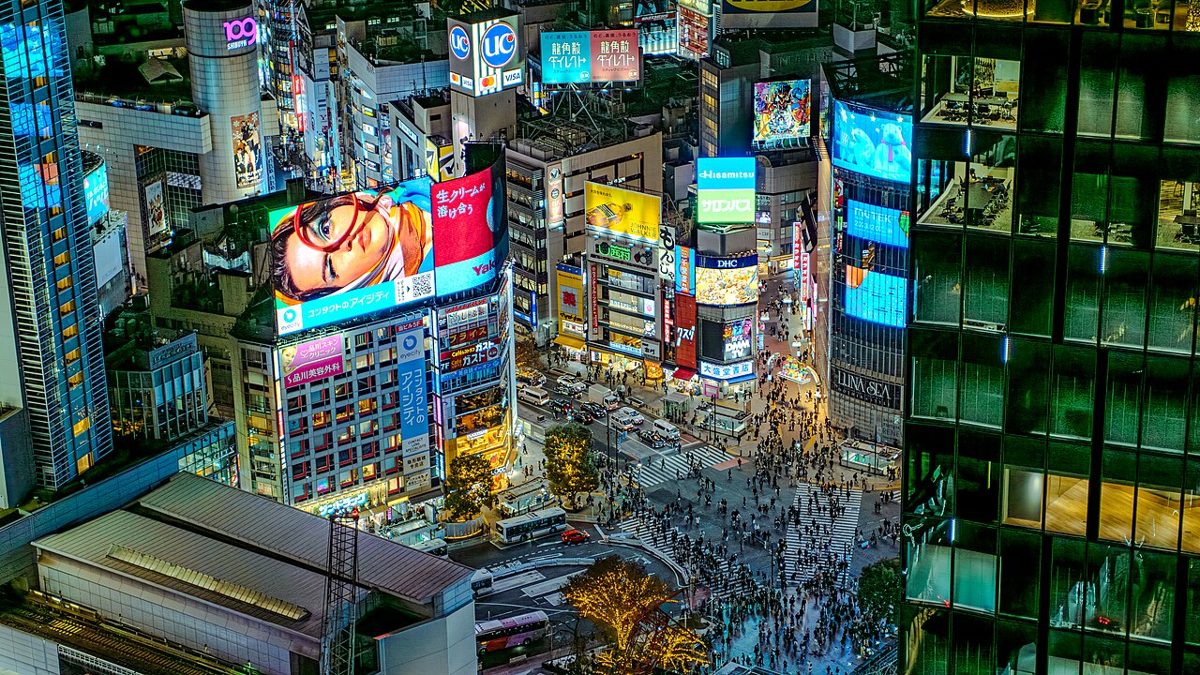
Shibuya is the heart of the real club scene, the place to go if you came to Tokyo for the music. The rooms are about dancing, not posing, and the crowd is mostly Japanese regulars who know the tracks. Shinjuku’s Kabukicho brings scale and spectacle, anchored by the giant Zero Tokyo inside Kabukicho Tower and the cult underground room OHJO. Roppongi is Tokyo’s most international district: easiest to enter, most English-friendly, EDM-heavy, and the one that needs a few words of caution (below). Ginza has lately become the address for Vegas-style VIP clubs. Shibuya versus Roppongi is the classic choice: Shibuya for the authentic dance-floor night, Roppongi for an accessible, English-speaking, festival-energy night out.
Shibuya: the serious club district
WOMB
If you go to one club in Tokyo, make it WOMB. Four floors in a converted building just off Dogenzaka, a wall-sized LED on the main floor, an enormous mirror ball that has become a Tokyo nightlife icon, and a sound system you feel in your chest. It has been running since 2000 and still books proper international techno and house headliners who care where they play. Cover is ¥3,000–¥5,000 depending on the event, normally with drink tickets, and it stays open until around 4:30am on weekends. Smart casual, no sportswear. The Saturday queue after midnight gets long, so arrive before 11pm or accept the wait.
Vent (Aoyama)
A short walk from Shibuya in Minami-Aoyama, Vent is smaller than WOMB and more tightly curated, and many heads will tell you the Vent set is the better show. It consistently books some of the best house and techno acts in the world, and the crowd is stylish without the attitude. Cover runs ¥2,000–¥4,000 by act. It is not easy to find, which is half the point. If you came to Tokyo specifically for the electronic scene, this is your room.
Circus Tokyo
Circus is the answer to “I want dinner and then dancing without freezing in between.” A multi-level venue with a restaurant and chill bar upstairs and a club basement running deep house and nu-disco below. The scale is human, the crowd stylish but unintimidating, and cover sits around ¥3,000–¥4,000. A great first Tokyo club if the megaclubs feel like too much.
Sound Museum Vision and the Dogenzaka cluster
Dogenzaka, the hill above Shibuya station, packs several rooms into a few blocks. Sound Museum Vision has long been a Dogenzaka landmark, a multi-room club with a powerful main floor and lounge spaces; its programming and even its status have shifted in recent years, so check current listings before you build a night around it. The wider point holds: on a weekend you can club-hop on foot here in a way you cannot in spread-out Roppongi.
Shinjuku’s Kabukicho: scale and spectacle
Zero Tokyo
The new heavyweight. Zero Tokyo opened inside Kabukicho Tower in 2023 and instantly became the most talked-about club opening in Japan in years. Five stages across four floors, a main room with a vast LED wall and VIP section, and enough capacity to feel like a different city. The floors genuinely run different music rather than the same track bleeding through every wall, big-room commercial dance up front, darker house and bass rooms deeper in. Cover is ¥3,500–¥6,000 by event; big nights sell out in advance, so check the schedule. It is a five-minute walk from Shinjuku Station’s east exit.
OHJO and WARP
OHJO, the “red-brick castle of Kabukicho,” has been quietly stealing the international touring circuit over the past couple of years. Three floors of techno, schranz, hard trance and house, the harder edge that Vent does not program, with bookings the kind of names people travel for. Cover ¥2,500–¥4,500, and on a marquee night it can run past dawn. Nearby, WARP Shinjuku offers accessible big-room techno with some of the largest LED displays in Japan, steps from the station, cover ¥2,500–¥4,000. Kabukicho is also Tokyo’s wildest district overall, our rundown of Shinjuku maps the area if you want to make a whole night of it.
Roppongi: international, easy, EDM-heavy
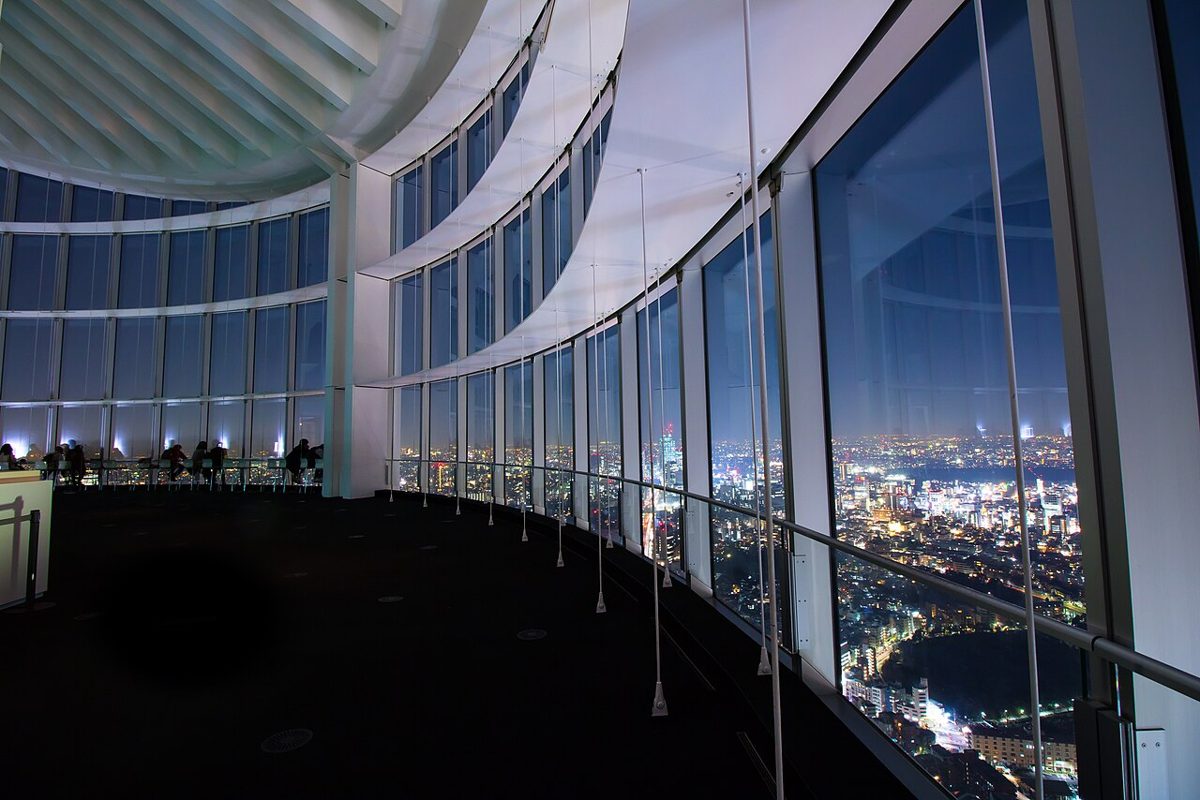
Roppongi is where most first-time visitors end up, and for good reason: it is the most English-friendly nightlife district, the easiest to get into, and it runs on big-room EDM energy until dawn. The trade-off is that the sound systems generally do not match Shibuya’s, and the door scene can be pushy. Our Roppongi guide covers the district beyond the clubs.
Sel Octagon
The big-room EDM anchor of Roppongi, part of the Octagon Asia network (Seoul’s Club Octagon is the famous sister venue). The format is straightforward: a massive room, festival-grade sound, and international touring DJs on rotation. If you want a Tokyo night that feels closer to a music festival, pyrotechnics, drops, hands in the air, this is it. Cover ¥3,500–¥6,000, smart to upscale dress, no sportswear, walking distance from Roppongi Crossing. Standing entry is accessible enough that you do not need to commit to a table.
The VIP and hip-hop crowd
Roppongi has historically been mega-club territory, and several big bottle-service venues still cluster near the Crossing. One name worth knowing: 1OAK Tokyo, the outpost of the New York institution, which recently relocated a few blocks south to Azabu-Juban. It is the city’s top hip-hop and celebrity VIP room, cover roughly ¥5,000–¥8,000, with tables booked ahead. If bottle service is not your thing, the Ginza Vegas-style clubs (Zouk Tokyo, RAISE) are the other end of this spectrum.
Matching the music to the venue
Tokyo’s rooms specialise, so a little planning saves you from standing in the wrong genre all night.
- Underground techno & house: WOMB, Vent, OHJO.
- Big-room / commercial EDM: Sel Octagon, WARP, Zero Tokyo’s main floor.
- Deep house & nu-disco: Circus Tokyo.
- Hip-hop & R&B: 1OAK (VIP), plus smaller hip-hop bars around Shibuya.
- Spectacle / VIP / bottle service: Zouk Tokyo and RAISE in Ginza.
Tokyo nightclubs compared at a glance
| Club | Area | Genre | Cover | Crowd |
|---|---|---|---|---|
| WOMB | Shibuya | Techno & house | ¥3,000–5,000 | Local regulars, music heads |
| Vent | Aoyama | Curated house & techno | ¥2,000–4,000 | Stylish, knowledgeable |
| Circus Tokyo | Shibuya | Deep house, nu-disco | ¥3,000–4,000 | Relaxed, dinner-to-dance |
| Zero Tokyo | Kabukicho | Multi-floor, big-room | ¥3,500–6,000 | Mixed, spectacle-seekers |
| OHJO | Kabukicho | Hard techno, trance | ¥2,500–4,500 | Serious, late-night |
| WARP Shinjuku | Shinjuku | Big-room techno | ¥2,500–4,000 | Locals & tourists |
| Sel Octagon | Roppongi | Big-room EDM | ¥3,500–6,000 | International, festival energy |
| 1OAK Tokyo | Azabu-Juban | Hip-hop, VIP | ¥5,000–8,000 | Celebrity, bottle service |
Covers move with the night and the DJ. Weeknights are cheaper, sometimes ¥1,500 or free before 11pm, while marquee Saturdays and international bookings push to the top of each range. Cash is almost always accepted; cards sometimes are not, so carry enough.
The practical stuff that catches tourists out
Carry your passport, and you must be 20+
This is the rule that ends nights before they start. The legal drinking age in Japan is 20, and clubs check ID at the door. As a foreign visitor you need your original passport, photocopies, photos on your phone and foreign driver’s licences are commonly refused. Carry it even if you do not plan to drink, because the age check applies to entry, not just the bar. A residence card works if you live here.
Show up late, or the room will be empty
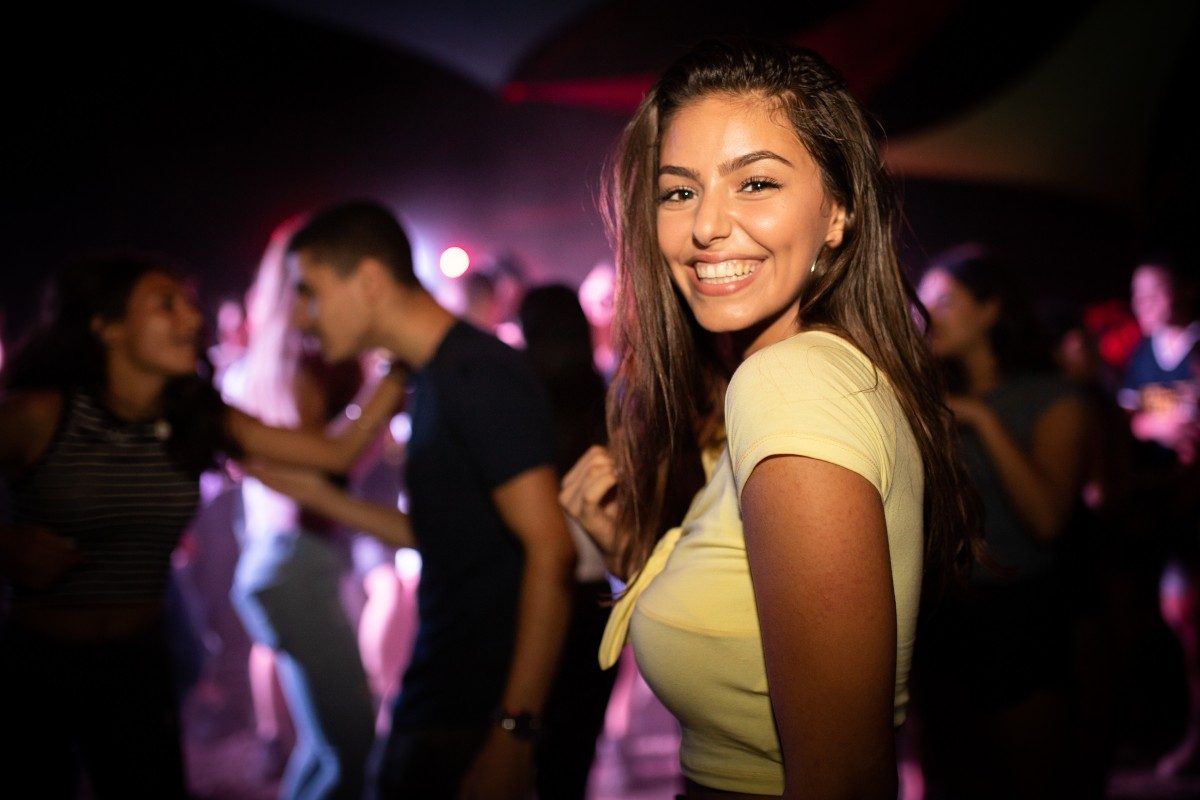
Tokyo clubs run late and start slow. Doors open around 10–11pm, but underground rooms do not peak until midnight to 3am, and big-room clubs are busiest 11pm–2am. If you arrive at 10:30 expecting a packed floor, you will be almost alone. Eat a late dinner first, then roll in around midnight.
Plan for the dead-train window
Here is the logistics trap. Tokyo’s trains stop around midnight and do not restart until roughly 5am. Clubs are built around this: the committed simply stay out until the first train. Your two options are to commit to dancing till ~5am, or to budget for a taxi, which from Shibuya, Shinjuku, Roppongi or Ginza runs roughly ¥1,500–¥4,000 to most central hotels. Do not get stranded at 1am with no plan, that is how people end up paying ¥8,000 for a cab to the suburbs.
Dress codes, by tier
Underground rooms (Vent, OHJO) care about vibe, not your outfit, wear what you will actually dance in. WOMB and WARP are the middle ground: look like you made an effort, skip the sportswear. The Ginza VIP clubs (Zouk, RAISE) and 1OAK enforce dress codes strictly, no sneakers unless they are luxury, no shorts, sharp or designer only. When in doubt, dress up.
Women-free and ladies’ nights
Many Tokyo clubs run discounted or free entry for women on certain nights, and it is worth checking a venue’s social media before you go, it can knock the whole cover off. Mixed and women-friendly rooms like WOMB and Vent are the safer, better-music picks for groups of women; the more aggressive Roppongi door scene is the one to skip.
Why Tokyo was once a “no dancing” city
If you wonder why some older clubs feel slightly cautious about the word “dancing,” there is a genuine legal backstory. Under a 1948 law known as Fueiho (the Businesses Affecting Public Morals Regulation Act), dance halls were lumped in with adult-entertainment venues and dancing after midnight was technically restricted for decades. Enforcement was patchy until a wave of police raids on clubs around 2010–2012, which hit the scene hard, especially in Osaka and parts of Tokyo.
A long campaign by club owners, musicians and lawyers, the “right to dance” movement, eventually won. In June 2015 the law was amended to remove the dancing restrictions, with the change taking effect in 2016. Venues that meet lighting, licensing and location conditions can now legally keep crowds dancing until dawn. That reform is a big part of why Tokyo’s club scene feels so confident today, and why rooms like Zero Tokyo can exist at the scale they do.
Roppongi safety: what to actually watch for
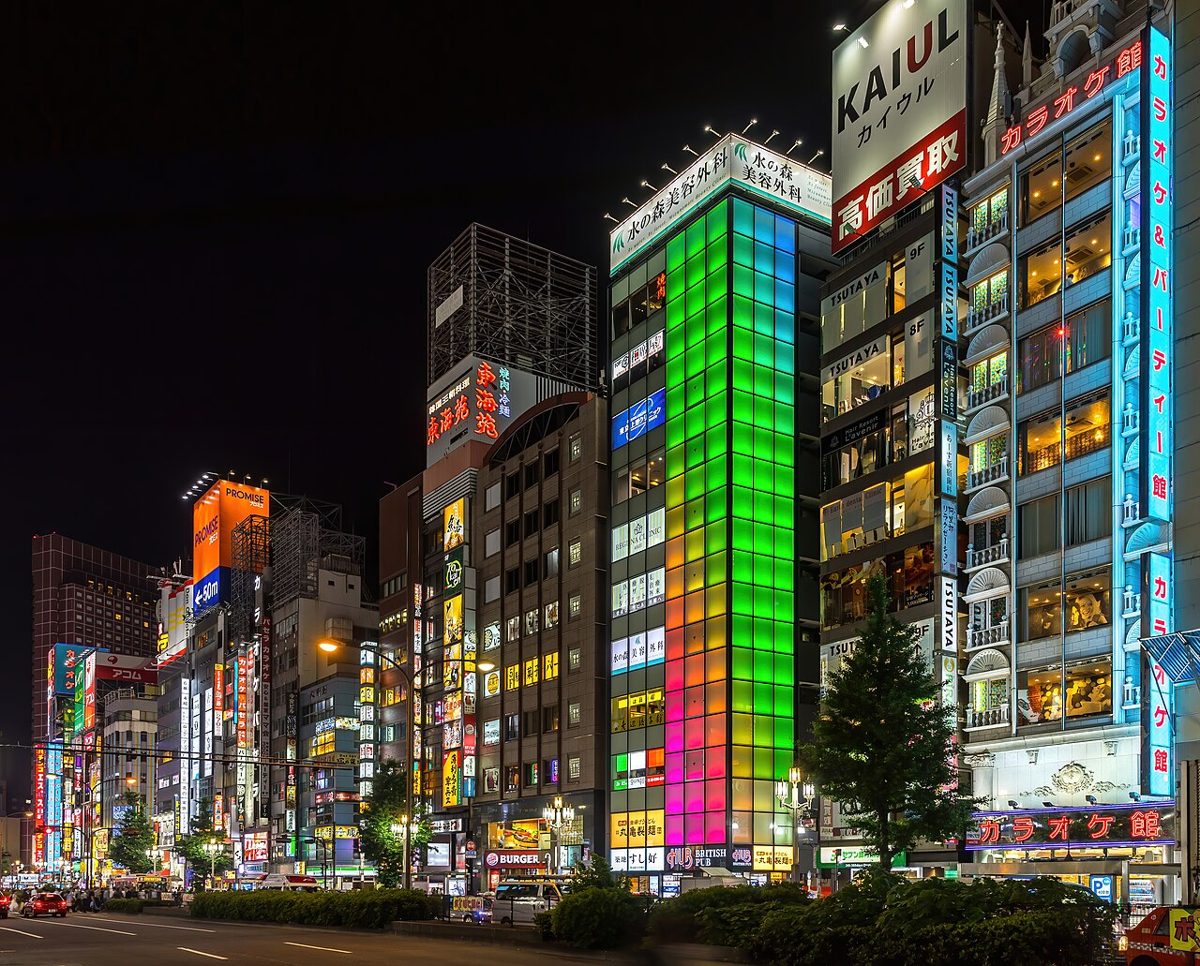
Tokyo is one of the safest big cities anywhere, and the clubs themselves are fine. The issue in Roppongi is specific and on the street, not inside reputable venues, so it is worth knowing without losing any sleep over it.
The main thing is touts (kyakuhiki), people who approach tourists in English near the Crossing offering “free entry,” a “great deal” or a friendly drink. Following one typically lands you in an overpriced bar with a padded bill. Separately, Japanese police have flagged Roppongi, along with Kabukicho, Shibuya and Ikebukuro, in connection with reports of drink-spiking at a small number of bars, where visitors have described memory loss and unexpected charges. These are the exception, not the norm, but they happen.
The defence is simple and it is the same advice locals follow:
- Ignore street touts. Reputable clubs never need to drag people in off the pavement. Decline politely and keep walking.
- Pick your venue yourself by name, ideally one from a list like this, rather than following a stranger.
- Watch your drink. Keep it in sight, do not accept open drinks from people you just met, and finish or ditch a drink you left unattended.
- Set a cash limit and carry a card separately. Bottakuri (overcharging) bars rely on you not knowing the bill until it lands.
- Have a way home sorted before you head out, the first train or a taxi budget.
Do that and Roppongi is a genuinely fun, easy night. Stick to established clubs like Sel Octagon and you will have no trouble at all.
Building one great Tokyo club night
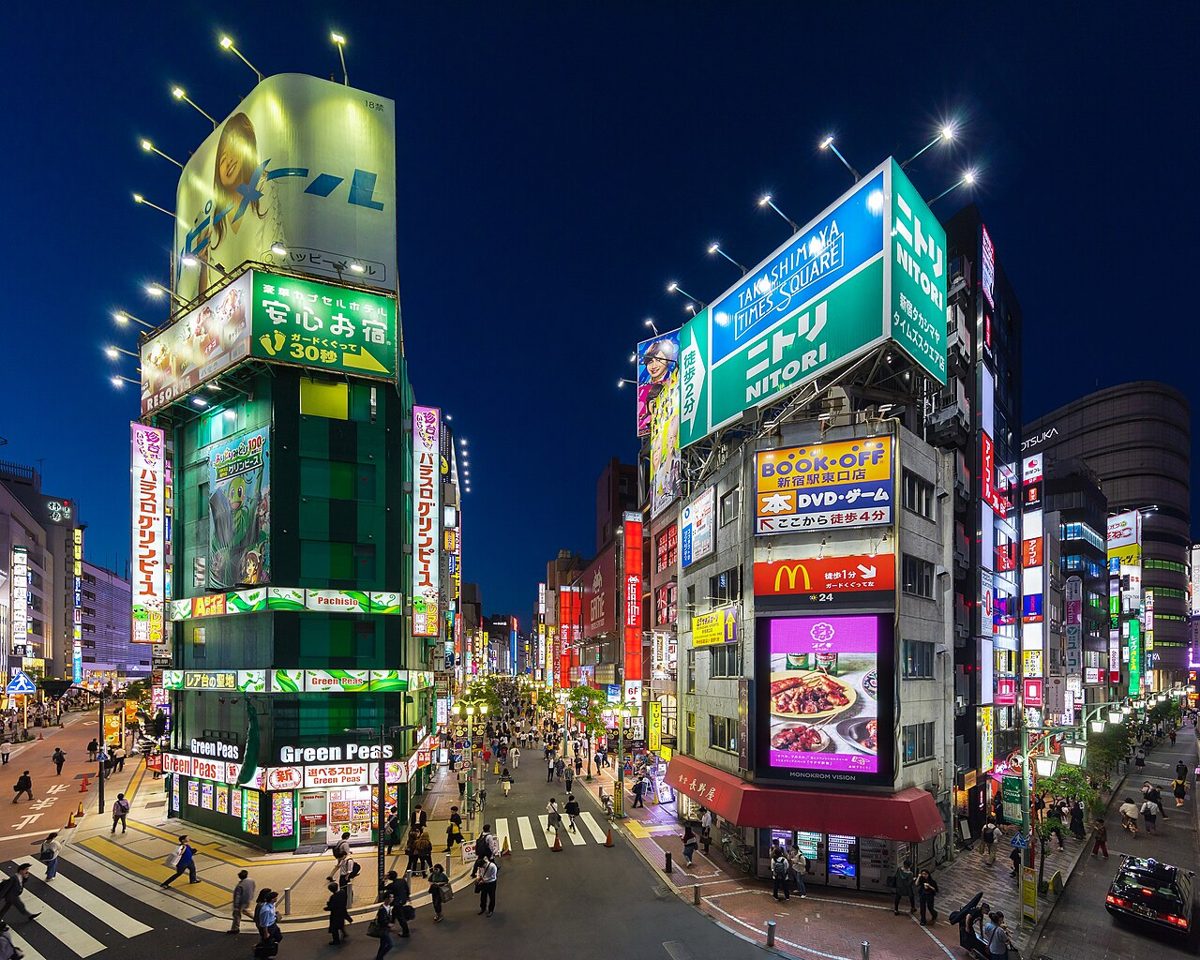
Here is a plan that works. Start with a late dinner and a drink around 22:00, ideally somewhere you can warm up without a cover, our notes on Tokyo rooftop bars and on izakaya bar-hopping both make excellent pre-club openers. Roll into your main club around midnight: WOMB in Shibuya if you want the definitive night, Zero Tokyo if you want spectacle, Sel Octagon if you want festival energy in Roppongi. Dance through the peak from 1 to 3am. Then either ride it out to the 5am first train or grab a taxi. Bring your passport, bring cash, and decide your getaway before the music starts.
Ginza: the Vegas-style VIP tier
Ginza has quietly become Tokyo’s premium nightlife address, home to the two clubs that compete directly with Las Vegas, Singapore and Dubai. Zouk Tokyo, part of the global Zouk brand, is widely called the number-one VIP club in Japan: a signature UFO that descends from the ceiling on cue, resort-level lasers and lighting, a balcony overlooking the floor, and open-format music spanning house, techno, hip-hop and EDM. Standing entry runs ¥4,000–¥8,000; tables start around ¥100,000 and climb fast on marquee nights. A few minutes away, RAISE occupies the 6th floor of Tokyu Plaza Ginza under a 27-metre ceiling, with choreographed production and a strict dress code. Neither room is subtle, and that is the point. If you want spectacle and bottle service rather than an underground dance-floor, Ginza is where you go.
How to actually get in
Most Tokyo clubs are foreigner-friendly and you can simply walk up, pay the door, and go in, no guest list required for the majority of nights. For big international bookings at WOMB, Zero Tokyo or OHJO, buy advance tickets online, because marquee events genuinely sell out and pre-sale also shaves money off the door. For the VIP rooms (Zouk, RAISE, 1OAK), book a table ahead if you want one; walk-in standing entry is usually possible but never guaranteed on a Saturday.
A few small things smooth the night. Many clubs run a cloakroom for a few hundred yen, useful in winter, because you do not want to dance holding a coat. Re-entry policies vary, so ask the door staff before you step out for air or food. And keep your drink tickets safe, the cover almost always bundles one or two, and they are easy to lose in a dark room. If your Japanese is limited, the door and bar staff in Shibuya, Shinjuku, Roppongi and Ginza generally manage enough English to sort you out.
Frequently Asked Questions
How much does it cost to get into a Tokyo nightclub?
Cover charges typically run ¥2,000–¥5,000 on weekends, usually including one or two drink tickets. Top-tier VIP rooms like Zouk Tokyo, RAISE and 1OAK charge ¥4,000–¥8,000 for standing entry, with bottle-service tables starting far higher. Weeknights are cheaper, sometimes ¥1,500 or free before 11pm, and women often get discounted or free entry on certain nights.
What time do Tokyo nightclubs open and close?
Doors usually open around 10–11pm, but the floor does not fill until midnight and peaks roughly 1–3am. Most clubs run until about 4:30–5am, when the first trains start. Some underground rooms, OHJO especially, push past dawn on big nights.
Do I need my passport to get into a club in Tokyo?
Yes. The legal age is 20 and clubs check ID at the door. Foreign visitors need their original passport, photocopies, phone photos and foreign driver’s licences are commonly refused. Carry it even if you are not drinking, because the check is for entry. Residents can use a residence card.
Is Roppongi safe for a night out?
Broadly yes, and the clubs themselves are fine, but the street scene needs care. Ignore touts offering “free entry” or deals, choose your venue by name rather than following a stranger, keep an eye on your drink, and set a cash limit. Police have flagged Roppongi for occasional drink-spiking and overcharging at a few bars, so stick to established clubs like Sel Octagon.
Shibuya or Roppongi for clubbing?
Choose Shibuya (WOMB, Vent) for the authentic Tokyo club experience, the best sound systems and a crowd that came to dance. Choose Roppongi (Sel Octagon) for an easier, more English-friendly, EDM-driven night with a heavily international crowd. Kabukicho’s Zero Tokyo is the pick if you want sheer scale and spectacle.
Photo Credits
- Shibuya after dark, the centre of gravity for Tokyo clubbing — Photo: David Kernan / CC BY 4.0 via Wikimedia Commons via Wikimedia Commons
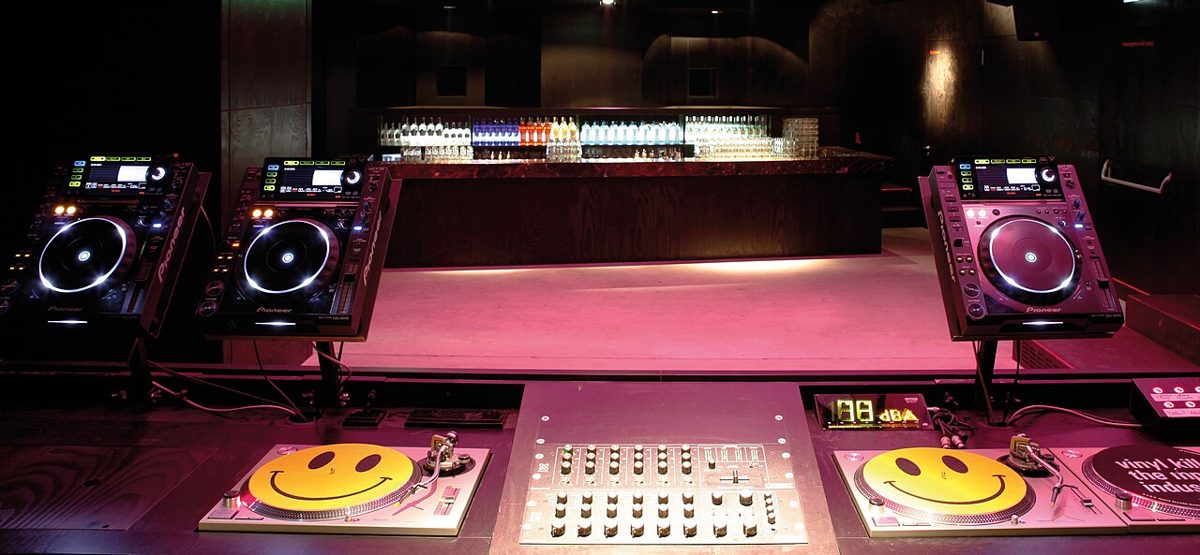
- A DJ working the booth, the kind of room Tokyo does superbly — Photo: Arnold Jaeger Werner / CC BY 2.0 via Wikimedia Commons via Wikimedia Commons
- Roppongi, Tokyo’s most international and most cautioned nightlife district — Photo: Kakidai / CC BY-SA 4.0 via Wikimedia Commons via Wikimedia Commons
- Peak hour on a Tokyo dance floor lands somewhere around 1 to 3am — Photo: unknown / CC0 via Wikimedia Commons via Wikimedia Commons
- The walk between venues is half the fun on a Tokyo night out — Photo: Basile Morin / CC BY-SA 4.0 via Wikimedia Commons via Wikimedia Commons
- Kabukicho in Shinjuku, home to the towering Zero Tokyo and underground OHJO — Photo: Basile Morin / CC BY-SA 4.0 via Wikimedia Commons via Wikimedia Commons