Tokyo with Kids · Guide №028
Tokyo Disneyland vs DisneySea: Which Park Is Best for Families?

目次 — Contents
- Tokyo Disneyland Overview
- Tokyo DisneySea Overview
- Tokyo Disneyland vs DisneySea: Side-by-Side
- Tokyo Disneyland vs DisneySea: Which Is Better by Age Group?
- Best Rides for Families
- Practical Tips for Families
- Dining with Kids
- Best Times to Visit
- Getting There
- Which Park to Choose by Traveler Type
- A One-Day Plan for Each Park
- Where to Stay Near the Parks
- Beating the Crowds: A Practical Playbook
- Ticket Types and 2026 Prices Explained
- Frequently Asked Questions
This article contains advertising. Our booking links are routed through a partner that adds commission tracking automatically, so if you book through one we earn a commission from the provider, at no extra cost to you. It never affects what we recommend. Affiliate disclosure

The Tokyo Disneyland vs DisneySea debate is one every family faces. If you’re planning a family trip to Tokyo, the question isn’t whether to visit Tokyo Disney Resort — it’s which park to choose. With two world-class theme parks sitting side by side in Urayasu (a 15-minute train ride from Tokyo Station), families face a genuine dilemma: the classic magic of Tokyo Disneyland or the unique, breathtaking world of Tokyo DisneySea?
This guide breaks down both parks from a family perspective — rides for different age groups, practical logistics with young children, food options, crowd management, and the all-important question of which park to choose if you can only visit one. The answer has changed significantly since Fantasy Springs opened at DisneySea, making this comparison more nuanced than ever.
Tokyo Disneyland Overview
Tokyo Disneyland opened in 1983 as the first Disney park outside the United States, and it remains one of the most meticulously maintained theme parks in the world. The park follows the classic Magic Kingdom layout with seven themed lands radiating from the central Cinderella Castle. If you’ve been to Walt Disney World or Disneyland in California, the structure will feel familiar — but with distinctly Japanese touches in the execution, cleanliness, and guest service.
For families, Tokyo Disneyland excels at: classic Disney storytelling, a huge selection of rides suitable for young children (ages 2-7), flat and stroller-friendly terrain, character meet-and-greets, and spectacular parades. The park’s recent additions — the Beauty and the Beast area in Fantasyland and the Baymax ride in Tomorrowland — have added modern attractions while maintaining the classic Disney atmosphere.
Tokyo DisneySea Overview
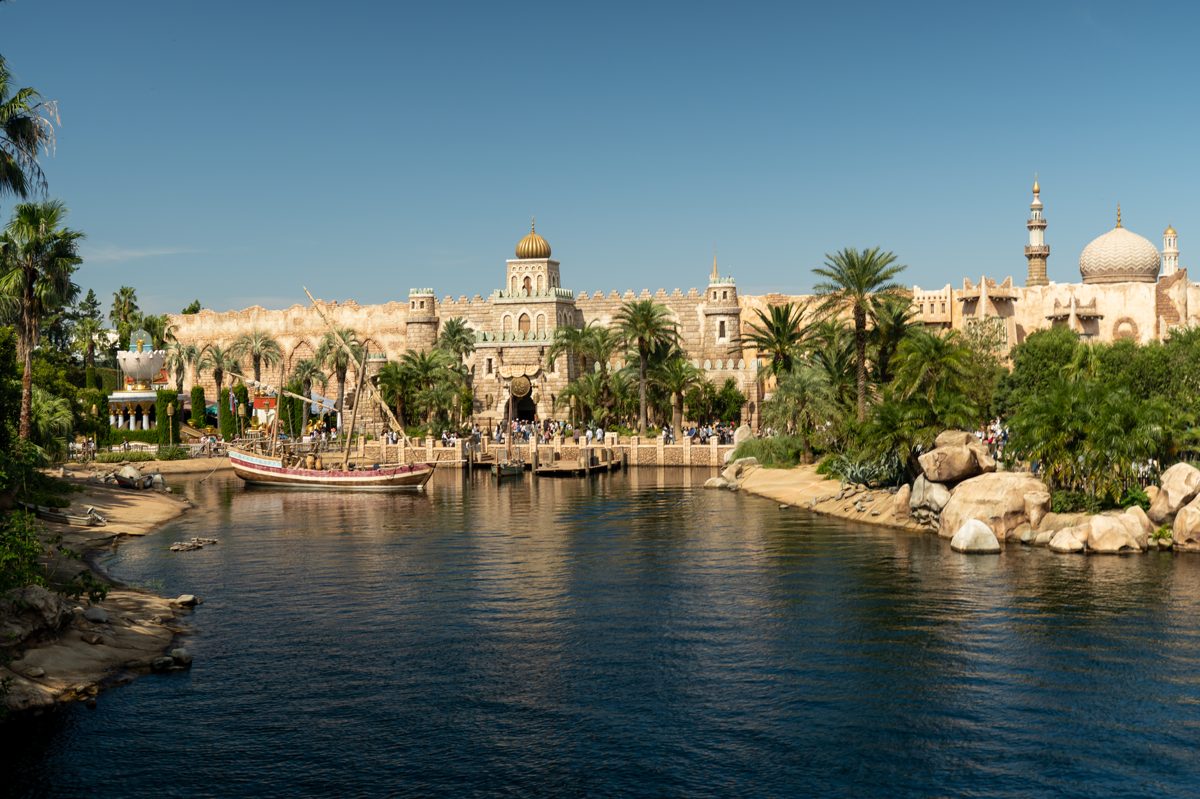
Tokyo DisneySea is unique in the global Disney lineup — there’s no equivalent anywhere else. Opened in 2001, the park is themed entirely around water and nautical exploration, with seven themed “ports” ranging from a Mediterranean harbor to a volcanic island to a mermaid’s undersea kingdom. The level of theming and architectural detail is extraordinary — many Disney fans consider it the most beautiful theme park ever built.
For families, DisneySea offers: stunning visual spectacle that impresses adults and older kids, a wider range of thrill rides for tweens and teens, the new Fantasy Springs area (with Frozen, Tangled, and Peter Pan themes), and a more unique, only-in-Japan experience. The park’s 2024 opening of Fantasy Springs dramatically improved its family appeal, adding several ride attractions that finally give younger children a reason to love DisneySea too. If a Disney day or two is only part of your itinerary, it slots neatly alongside the top Tokyo attractions back in the city.

Tokyo Disneyland vs DisneySea: Side-by-Side
Before we get into the detail, here is the whole Tokyo Disneyland vs DisneySea decision on one screen. Use it to spot which park leans your way, then read the sections below for the why.
| Tokyo Disneyland | Tokyo DisneySea | |
|---|---|---|
| Theme | Classic Magic Kingdom, seven fairy-tale lands | Water and exploration, seven richly themed “ports” |
| Best age fit | Toddlers to about 10; first-timers | Roughly 6+, tweens, teens, and adults |
| Ride style | Gentle dark rides, characters, a couple of coasters | More thrill rides, plus gentle Fantasy Springs boats |
| Stroller-friendliness | Flat, wide, easy | Hills, stairs and bridges; harder going |
| Headline new area | Beauty and the Beast, Baymax | Fantasy Springs (Frozen, Tangled, Peter Pan) |
| Food | Great; lots of kid-friendly counter service | Excellent; more grown-up dining and the only park serving alcohol |
| Alcohol | Not served | Beer, wine and cocktails available |
| Parades & shows | Spectacular daytime and night parades | Harborfront water shows over Mediterranean Harbor |
| Typical crowds | Very busy; familiar layout helps | Very busy, especially Fantasy Springs queues |
| One-line verdict | Safest pick with young kids | The more unique, only-in-Japan day out |
Tokyo Disneyland vs DisneySea: Which Is Better by Age Group?
Toddlers and Preschoolers (Ages 2-5)
Winner: Tokyo Disneyland. The park is significantly more stroller-friendly — mostly flat terrain with wide pathways, easy-to-navigate land layouts, and shorter distances between attractions. The ride selection for very young children is larger: Dumbo, It’s a Small World, Buzz Lightyear, Pooh’s Hunny Hunt, the Haunted Mansion (gentle enough for most children), and the Jungle Cruise are all suitable for this age group. Character experiences are more frequent and accessible. Fantasyland and Toontown are essentially designed for this age range.
DisneySea’s Mermaid Lagoon is the one exception — it’s an entirely indoor play area with gentle rides, air conditioning, and a magical underwater atmosphere that toddlers love. But navigating the rest of DisneySea with a stroller is more challenging due to hills, stairs, and bridges.
Young Kids (Ages 5-8)
Winner: Tie — depends on your kids. This is the sweet spot where both parks shine. Tokyo Disneyland’s Beauty and the Beast ride, Pooh’s Hunny Hunt, and Space Mountain (many 6+ year-olds are ready) are excellent. Tokyo DisneySea’s Fantasy Springs is transformative for this age group — the Frozen ride (Anna and Elsa’s Frozen Journey), Rapunzel’s Lantern Festival, and Peter Pan’s Never Land Adventure are specifically designed to delight kids this age. If your children love Frozen or Tangled, DisneySea becomes the clear winner.

Tweens and Teens (Ages 9-15)
Winner: Tokyo DisneySea. Older kids who may feel they’ve “outgrown” traditional Disney magic find DisneySea’s more mature theming and thrill rides compelling. Indiana Jones Adventure, Tower of Terror, Journey to the Center of the Earth, and 20,000 Leagues Under the Sea are exciting without being terrifying. The park’s visual spectacle — the erupting volcano, the steampunk Mysterious Island, the Italian waterfront — impresses even jaded teenagers. Fantasy Springs adds appeal with cutting-edge ride technology in the Frozen and Peter Pan attractions.
Mixed-Age Families
If your family spans a wide age range (say, a 3-year-old and a 10-year-old), Tokyo Disneyland is the safer choice — more rides that everyone can enjoy together, easier logistics, and less frustration navigating with strollers. However, if you have two days available, doing one day at each park is the ideal strategy, giving every family member their highlights.
Best Rides for Families
Tokyo Disneyland Must-Rides
- Beauty and the Beast: The Enchanted Tale — Trackless ride through the movie’s scenes. Spectacular for all ages. Long waits; use Premier Access
- Pooh’s Hunny Hunt — Trackless honey pot ride through the Hundred Acre Wood. Charming, unique to Tokyo, and a perennial favorite
- Baymax’s Happy Ride — Spinning dance ride set to upbeat music. Fun for ages 4+
- Buzz Lightyear’s Astro Blasters — Interactive shooting ride. Competitive fun for the whole family
- Space Mountain — Classic indoor roller coaster in the dark. Suitable for ages 7+ (102cm height requirement)
- It’s a Small World — The classic gentle boat ride, beautifully maintained with added Disney characters in the Tokyo version
- Splash Mountain — Log flume with one big drop. Ages 8+ will love it; younger kids may be scared by the drop
Tokyo DisneySea Must-Rides
- Anna and Elsa’s Frozen Journey (Fantasy Springs) — Boat ride through Arendelle. Stunning technology, emotional storytelling. The park’s hottest attraction
- Peter Pan’s Never Land Adventure (Fantasy Springs) — Cutting-edge trackless ride. Incredible immersive effects. Worth the wait
- Rapunzel’s Lantern Festival (Fantasy Springs) — Gentle boat ride perfect for young children. Beautiful lantern scene
- Journey to the Center of the Earth — High-speed ride through a volcanic cavern. Thrilling but not extreme (ages 8+, 117cm height requirement)
- Toy Story Mania! — Interactive 3D shooting game ride. Fun for every age. Perpetually popular
- Sindbad’s Storybook Voyage — Gentle boat ride with an incredibly catchy song. Perfect for young children and adults who appreciate charm
- The Little Mermaid Ride (Mermaid Lagoon) — Gentle clam-shell ride. Great for toddlers and preschoolers

Practical Tips for Families
Tickets and Pricing (2026)
Tokyo Disney Resort uses variable pricing — ticket prices change based on the day’s expected demand:
- Adults (18+): ¥7,900-10,900 per day
- Junior (12-17): ¥6,600-9,000 per day
- Child (4-11): ¥4,700-5,600 per day
- Under 4: Free
Buy tickets through the official Tokyo Disney Resort website and app in advance — parks often reach capacity and turn away visitors without pre-purchased tickets, especially on weekends and holidays. Multi-day passes offer savings if you’re visiting both parks.
Disney Premier Access & Standby Passes
Disney Premier Access (DPA) is Tokyo Disney’s paid skip-the-line system. You purchase a timed entry slot through the official app for a specific ride, bypassing the standby queue. Prices vary by attraction and demand (typically ¥1,500-2,500 per person per ride). For families, DPA is most worthwhile on the highest-demand rides: Beauty and the Beast at Disneyland, and the Fantasy Springs rides at DisneySea.
Standby Passes are free timed entry tickets available through the app for popular rides. They distribute time slots on a first-come, first-served basis — the most popular slots disappear within minutes of park opening. Strategy tip: Have one parent focus on securing DPA while the other grabs Standby Passes immediately after entering the park. This divide-and-conquer approach maximizes your chances.
Navigating with Strollers
- Stroller rental: Available at both parks for ¥1,000/day. The rental strollers are basic — if your child relies on a specific stroller for naps, bring your own
- Disneyland: Mostly flat, wide paths. Stroller-friendly throughout. Stroller parking areas at every ride are well-organized
- DisneySea: More challenging with hills, stairs, and bridges. Elevators exist but require detours. Fantasy Springs area is relatively stroller-friendly
- Rain covers: Tokyo Disney sells rain covers for strollers, but bringing your own is cheaper and more reliable

Dining with Kids
Tokyo Disney Resort food is a genuine highlight — significantly better than Disney parks elsewhere. Both parks offer a mix of counter-service and sit-down restaurants with kid-friendly options and Japan-exclusive seasonal items.
- Budget tip: Counter-service meals cost ¥800-1,200 per adult, ¥600-800 per child set. Table-service restaurants are ¥1,800-3,500+
- Character dining: Book Crystal Palace Restaurant (Disneyland) for Pooh and friends character breakfast. Reservations open 30 days in advance at 10:00 AM JST — set a reminder, they sell out in minutes
- Allergies: Tokyo Disney is excellent about allergen-free meals. Low-allergen menus are available at most restaurants — ask for the allergen guide (arerugī taio menyu) at any counter
- Tip: Eat lunch early (11:00 AM) or late (2:00 PM) to avoid the worst queues. Pack snacks for between-meal waits

Best Times to Visit
- Least crowded: Weekdays in January-February (excluding New Year), June (rainy season — bring ponchos), and mid-September through October (excluding holidays)
- Most crowded: Spring break (late March-early April), Golden Week (late April-early May), summer holidays (mid-July to late August), Halloween season (October), Christmas season (November-December), and all Japanese public holidays
- Worth timing for: both parks run elaborate Halloween and Christmas overlays — see Tokyo’s seasonal festivals and events to plan around them
- Sweet spot for families: Weekdays in May (after Golden Week) or November (before Christmas rush). Moderate crowds, pleasant weather, and special seasonal decorations
Getting There
Tokyo Disney Resort is in Urayasu, Chiba Prefecture — not technically in Tokyo, but easily accessible. Take the JR Keiyo Line or Musashino Line to Maihama Station (15 minutes from Tokyo Station, ¥220). From Maihama, Tokyo Disneyland is a 5-minute walk. For DisneySea, take the Disney Resort Line monorail (¥260, one stop) or walk 15 minutes. The monorail also loops past the Ikspiari shopping and dining complex and the on-site Disney hotels. If you’re deciding between a park hotel and a cheaper base in the city, our guide to where to stay near the parks weighs up the trade-offs.

Which Park to Choose by Traveler Type
Age groups are the cleanest way to split the decision, but real groups are messier than that. Here is the quick call for the situations people actually write in about.
- Family with under-5s: Disneyland. Flat paths, the biggest stack of gentle rides, frequent character moments, and far less stroller wrestling. Mermaid Lagoon is DisneySea’s one trump card for this age, but it isn’t enough on its own.
- Family with Frozen-obsessed kids: DisneySea, no contest. Fantasy Springs was practically built for the 5–10 crowd, and Anna and Elsa’s Frozen Journey is the ride they’ll talk about for months.
- Family with teens: DisneySea. The thrill rides, the steampunk and Mediterranean theming, and the fact that it doesn’t feel “babyish” win over even the eye-rollers.
- Adults and couples, no kids: DisneySea. It’s the most beautiful Disney park in the world, it serves alcohol, and the evening harbor atmosphere is genuinely romantic.
- First-ever Disney visit: Disneyland. The familiar Magic Kingdom format eases you in, and the parades deliver the classic Disney hit people expect.
- Big mixed-age group (toddler to grandparent): Disneyland for the smoother logistics — or, if you have two days, one at each and let everyone get their highlight.
- Tight on budget or time, one park only: Match the park to your youngest child. Under 6, choose Disneyland; 6 and up, lean DisneySea.
A One-Day Plan for Each Park
One park, one day, young kids in tow. These plans assume you arrive at opening, grab the highest-demand ride access immediately through the app, and build in real rest. Adjust ride choices to your children’s nerve.
Tokyo Disneyland in a Day
- At opening: Walk fast to Fantasyland. Secure a Premier Access slot for Beauty and the Beast through the app, then ride Pooh’s Hunny Hunt before the line balloons.
- Late morning: Toontown and Fantasyland gentle rides — Small World, Dumbo, the teacups. Easy wins for little ones.
- Lunch (11am or 2pm): Eat off-peak. Book the Crystal Palace character lunch in advance if Pooh meet-and-greets matter.
- Early afternoon: Use your Beauty and the Beast slot. Then Buzz Lightyear, Baymax, and (for the 7+ brigade) Space Mountain.
- Nap window: Watch the afternoon parade while the youngest dozes in the stroller.
- Evening: A second easy ride or two, dinner, then stake out a spot 30–45 minutes early for the night parade and fireworks.
Tokyo DisneySea in a Day
- At opening: Head straight for Fantasy Springs. The Frozen, Peter Pan, and Rapunzel rides are the hardest tickets in the resort — grab Premier Access or a Standby Pass the moment the app lets you.
- Late morning: Toy Story Mania and the Mediterranean Harbor area, then the gentle Sindbad’s Storybook Voyage for a sit-down with the youngest.
- Lunch: DisneySea’s food is a highlight — eat early, and the adults can have a beer with it.
- Early afternoon: Mermaid Lagoon for indoor, air-conditioned downtime and gentle rides — the natural nap-and-recover zone.
- Mid-afternoon: Use your Fantasy Springs slots. Older kids tackle Journey to the Center of the Earth and Tower of Terror.
- Evening: Find a harborfront spot for the water show, then dinner as the ports light up.
Where to Stay Near the Parks
Where you sleep shapes how early you reach the gates, which matters enormously when the best Fantasy Springs slots vanish in the first hour. You have three broad options.
- Disney hotels (Tokyo Disneyland Hotel, MiraCosta, Ambassador, Toy Story Hotel, Fantasy Springs Hotel): The priciest choice, but you get the Happy Entry early-admission perk and you are minutes from the gates. MiraCosta is the showpiece — its rooms literally overlook the DisneySea harbor. Best for one big-splurge family trip.
- Official Partner and Good Neighbor hotels: A tier down in price, many with free shuttle buses to the parks. A sensible middle ground if you want easy access without the Disney-hotel premium.
- Stay in central Tokyo and commute: The cheapest option by far. Maihama Station is about 15 minutes from Tokyo Station on the JR Keiyo Line, so a hotel near Tokyo or Hatchobori still gets you to the turnstiles before opening if you leave early. You trade a little morning travel for much lower room rates and the chance to see the rest of the city.
For families doing both parks over two days, a partner hotel or a Maihama-area room usually hits the sweet spot. For a single Disney day folded into a wider Tokyo trip, just commute from the city. Our wider guide to family-friendly bases in Tokyo covers neighborhoods, room types, and the apartment-style hotels that work best with young kids.
Beating the Crowds: A Practical Playbook
Tokyo Disney Resort is busy. Always. The difference between a great day and a frustrating one comes down to a handful of habits.
- Go on a weekday, off-season. Mid-week in late January, June (bring ponchos), or early December is a different planet from a Saturday in Golden Week. The single biggest lever you can pull.
- Be at the gate before opening. The first 60–90 minutes are the most productive of the whole day. Rides you walk straight onto at 8:30am have 90-minute lines by noon.
- Master the app before you arrive. Download it, log in, link your tickets, and practice. On the day, one adult chases Premier Access for the marquee ride while the other grabs free Standby Passes — divide and conquer.
- Eat at odd hours. Lunch at 11am, dinner at 5pm. You skip the worst queues and free up midday for rides while everyone else is eating.
- Save shows and parades for peak heat. Sitting down for a parade or a harbor show is the best way to rest tired legs without losing prime ride time.
- Buy tickets in advance, full stop. The parks regularly hit capacity and turn away walk-ups. A date-specific ticket bought online is non-negotiable on weekends and holidays.
Ticket Types and 2026 Prices Explained
The headline 1-Day Passport is what most visitors buy, but a few other ticket types can save money or fit an awkward schedule. All prices use the resort’s date-based variable pricing, so the exact figure depends on how busy the day is expected to be.
- 1-Day Passport (one park): The standard ticket — adults roughly ¥7,900–¥10,900, children 4–11 about ¥4,700–¥5,600. Pick your park when you buy; you cannot hop on this ticket.
- Multi-day Passports (2–4 days): The best-value way to do both parks. Earlier days are usually fixed to one park each, with park-hopping flexibility only from day three — fine for families who want one park per day anyway.
- Evening passports: Discounted tickets that let you in from the early evening (weekday “Weeknight” and weekend/holiday “Early Evening” variants). Genuinely useful for a short, low-key visit or for catching the night parade without a full day on your feet — though young children may be flagging by then.
- Under 4: Free. No ticket needed, which makes the parks surprisingly affordable for families with a baby or toddler in tow.
Buy through the official Tokyo Disney Resort website or app, and buy early: date-specific tickets for busy days sell out, and the parks turn away guests once capacity is reached. Note that the paid Disney Premier Access ride slots are a separate purchase made inside the app on the day — they are not bundled into the passport price.
More for families: building a wider trip? See our guides to visiting Tokyo with toddlers, the best kid-friendly restaurants, and easy family day trips from the city.
Frequently Asked Questions
Can we do both parks in one day?
No — and you shouldn’t try. Each park deserves a full day minimum. If you only have one day, choose one park. If you have two days, do one day at each. Park-hopper tickets exist but aren’t worthwhile for families with young children — the transit time between parks eats into your day.
Is Fantasy Springs worth the hype?
Absolutely. The three main rides (Frozen Journey, Peter Pan’s Never Land Adventure, and Rapunzel’s Lantern Festival) use cutting-edge ride technology that genuinely impresses adults while thrilling children. The themed area itself — a cascading waterfall landscape connecting Frozen, Tangled, and Peter Pan lands — is architecturally stunning. It’s the single biggest reason the Disneyland-vs-DisneySea calculus has shifted for families.
One park only — which one?
Tokyo Disneyland if: your children are under 6, you want the most stress-free stroller experience, your kids love classic Disney characters (Mickey, Pooh, Princesses), or this is your family’s first Disney experience. Tokyo DisneySea if: your children are 6+, they love Frozen/Tangled/Peter Pan, you want a more unique experience unlike any other Disney park, or the adults in your group are as important as the kids. When in doubt with young children, Disneyland is the safer bet.
How do we handle naps and rest?
Both parks have Baby Centers with nursing rooms, changing tables, and spaces to warm bottles. For naps, a stroller with a sun shade works well during afternoon parade times when walkways are less crowded. DisneySea’s Mermaid Lagoon is an excellent indoor rest area — air-conditioned, dimly lit, with gentle rides and a play area where toddlers can decompress while parents sit. At Disneyland, Toontown has a similar function with its enclosed play area.
Do you need Premier Access at Tokyo Disney?
Not for everything, but it is worth paying for the one or two rides your family cares about most — the Fantasy Springs attractions at DisneySea and Beauty and the Beast at Disneyland are the usual candidates, at roughly ¥1,500–¥2,500 per person per ride. Pair paid Premier Access with the free Standby Passes for other popular rides and you cover the headline experiences without buying it for the whole day.
Which park is better for adults without kids?
DisneySea. It is the more sophisticated of the two — extraordinary theming, a wider range of thrill rides, the only Tokyo Disney park that serves alcohol, and an evening harbor atmosphere that feels closer to a night out than a day at a kids’ park. Disneyland is still a joy, but DisneySea is the one adults rave about long after the trip.