Tokyo Itineraries · Guide №081
Tokyo 10-Day Itinerary: Extended Stay with Day Trips
A complete Tokyo 10 day itinerary mixing six city days with four day trips to Mount Fuji, Hakone, Nikko and Kamakura, with real train times, prices and rail-pass math.
目次 — Contents
- The 10-day plan at a glance
- Where to stay: one base or two?
- Rail-pass math: what actually saves you money
- Day 1 — Asakusa and Ueno: arrive gently
- Day 2 — Shibuya and Harajuku: the Tokyo you pictured
- Day 3 — Shinjuku and the west: gardens, towers, neon
- Day 4 — Day trip: Kamakura and the Enoden coast
- Day 5 — Ginza, Tsukiji and Tokyo Station
- Day 6 — Day trip: Mount Fuji and Kawaguchiko
- Day 7 — Akihabara, Yanaka and a deliberately slow afternoon
- Day 8 — Day trip: Hakone (or an overnight onsen escape)
- Day 9 — Day trip: Nikko’s shrines in the forest
- Day 10 — Odaiba, Toyosu and a gentle finish
- Day-trip comparison: which to prioritize
- Pacing advice and mistakes to avoid
- Frequently Asked Questions
- Photo Credits
This article contains advertising. Our booking links are routed through a partner that adds commission tracking automatically, so if you book through one we earn a commission from the provider, at no extra cost to you. It never affects what we recommend. Affiliate disclosure
A Tokyo 10 day itinerary gives you the rare luxury of slowing down: enough time to live in the city for a week and still take three or four day trips to Mount Fuji, Hakone, Nikko and Kamakura. This plan splits ten days into deep neighborhood days and easy out-of-town escapes, with real train times, ¥ prices and rail-pass math so you waste nothing.
I have run this exact route with jet-lagged first-timers and with friends on their third visit, and the shape holds: front-load the big Tokyo neighborhoods while your energy is high, drop in day trips on days 4, 6, 8 and 9 to break up the city, and keep one genuinely slow afternoon so you do not burn out on day seven. If you only have a week, the 7-day version trims the two softest days; for a tighter trip see the full Tokyo itineraries hub.
The 10-day plan at a glance
Here is the whole route in one block so you can see the rhythm before we go day by day. Six days are spent inside Tokyo; four are day trips (one of which, Hakone, works beautifully as an optional overnight). I have grouped sights by area so you are never crossing the whole city twice in a day.
| Day | Base / area | Focus |
|---|---|---|
| 1 | Tokyo — Asakusa & Ueno | Senso-ji, Nakamise, Ueno Park, easy arrival pace |
| 2 | Tokyo — Shibuya & Harajuku | Scramble Crossing, Meiji Jingu, Takeshita, Shibuya Sky |
| 3 | Tokyo — Shinjuku & west side | Gardens, skyscraper views, Omoide Yokocho, Golden Gai |
| 4 | Day trip — Kamakura & Enoshima | Great Buddha, Hase-dera, coastal Enoden line |
| 5 | Tokyo — Ginza, Tsukiji & Tokyo Station | Sushi breakfast, Imperial Palace, depachika |
| 6 | Day trip — Mount Fuji / Kawaguchiko | Lake views, Chureito Pagoda, Fuji Five Lakes |
| 7 | Tokyo — Akihabara, Yanaka & slow day | Electric Town, old-Tokyo backstreets, onsen soak |
| 8 | Day trip — Hakone (or overnight) | Ropeway, Owakudani, Lake Ashi, open-air museum, onsen |
| 9 | Day trip — Nikko | Toshogu shrine, cedar forest, UNESCO complex |
| 10 | Tokyo — Odaiba / Toyosu / shopping | Bayfront, teamLab, last-minute shopping, depart |
Swap freely. If the forecast shows a clear Fuji on day 5, move the Fuji trip up and push Ginza later, because Fuji hides behind cloud most afternoons and roughly half the days of the year. The point of ten days is that you can chase the weather instead of being trapped by a fixed schedule. For a deeper menu of escapes, the day trips from Tokyo guide covers options I could not fit here.
Where to stay: one base or two?
For ten days I almost always recommend a single Tokyo base rather than hotel-hopping. Tokyo’s rail network is so good that day trips radiate out from the center, and dragging luggage across the city to save 15 minutes of commute is rarely worth the hassle. Pick one neighborhood near a major hub and stay put.
Best base areas for this route
- Shinjuku — the single most convenient base. The Fuji Excursion and Azusa/Kaiji trains to Kawaguchiko leave from here, the Odakyu line to Hakone starts here, and you have endless food and nightlife. My default pick for a day-trip-heavy plan.
- Tokyo Station / Marunouchi — best if you value Shinkansen access and a calmer, more business-like feel. Direct trains to Yokohama, Kamakura (Yokosuka line) and Nikko-adjacent routes.
- Asakusa — cheaper, atmospheric, and the Tobu line to Nikko departs right here, which makes day 9 effortless. Slightly further from the western nightlife.
- Ueno — a sleeper pick: Shinkansen access, the Tobu Nikko connection via a short hop, Ameyoko market downstairs, and generally lower room rates than Shinjuku or Ginza.
The one time two bases make sense: if you decide to do Hakone as an overnight (highly recommended — a ryokan with a private onsen and a kaiseki dinner is a trip highlight), spend one night there on day 8 and return to your Tokyo hotel on day 9. Leave your big suitcase at the Tokyo hotel and take only an overnight bag. For a full breakdown of neighborhoods and price tiers, see our Tokyo hotel area guide.
Rail-pass math: what actually saves you money
This is where most ten-day plans leak money. The nationwide Japan Rail Pass is almost never worth it for a Tokyo-only trip — it is priced for people crossing the country to Kyoto and Hiroshima. What you want instead is a regional pass plus a rechargeable Suica or PASMO IC card for everything inside the city.
The JR Tokyo Wide Pass is the secret weapon
The JR Tokyo Wide Pass costs ¥15,000 and gives three consecutive days of unlimited travel on JR East lines around the Kanto region — crucially including the Fujikyu Railway to Kawaguchiko (the Fuji Excursion train) and the lines toward Nikko. Three single day trips on limited-express trains can each cost ¥5,000–¥8,000 round trip, so if you cluster your Fuji, Nikko and one more JR excursion (or a Narita Express airport run) into one three-day window, the pass pays for itself by day two.
A clean way to use it on this plan: activate the Tokyo Wide Pass to cover day 6 (Fuji), day 9 (Nikko), and your airport transfer on day 10 or your arrival. Note that JR East raised some pass prices in March 2026, so check the current figure when you buy. Outside those three days, just tap your Suica.
Passes for the other day trips
- Hakone Free Pass (2-day): about ¥6,100–¥7,100 from Shinjuku, covering the Odakyu line out and back plus the entire Hakone loop — mountain railway, cablecar, ropeway over Owakudani, and the Lake Ashi sightseeing cruise. It is not covered by the Tokyo Wide Pass, so buy it separately. On the classic loop it saves real money and you never queue for tickets.
- Kamakura/Enoshima: no special pass needed — the round trip on the JR Yokosuka line plus the Enoden is cheap, and the optional Enoden one-day “Noriorikun” pass (¥800) only pays off if you hop on and off the coastal line a lot.
- Inside Tokyo: skip the 24-hour metro tourist tickets unless you are doing a frantic day. Pay-as-you-go Suica almost always works out cheaper and you can also use it in convenience stores and vending machines.
| Pass | Price (approx.) | Best for | Pays off if you… |
|---|---|---|---|
| JR Tokyo Wide Pass (3-day) | ¥15,000 | Fuji + Nikko + airport in one window | do 2+ limited-express day trips |
| Hakone Free Pass (2-day, from Shinjuku) | ¥6,100–¥7,100 | The full Hakone loop | ride the ropeway, cruise & railway |
| Suica / PASMO (IC card) | Pay-as-you-go | All in-city travel | are in Tokyo on non-day-trip days |
| Nationwide Japan Rail Pass | ¥50,000+ (7-day) | Crossing Japan to Kyoto/Osaka | you leave the Kanto region — most won’t |
Day 1 — Asakusa and Ueno: arrive gently
Land, drop your bags, and do not over-schedule. Jet lag is real and day one should be walkable and forgiving. Start in Asakusa at Senso-ji, Tokyo’s oldest temple, ideally by 8–9am before the tour buses arrive. Walk up Nakamise-dori, the souvenir-and-snack street leading to the great Kaminarimon “Thunder Gate” lantern, and try a freshly grilled ningyo-yaki or a melon-pan. The temple grounds are free and open around the clock; the main hall is busiest 10am–noon.
In the afternoon, ride two stops to Ueno. Ueno Park holds the Tokyo National Museum (the best collection of Japanese art and samurai armor in the country, around ¥1,000), a zoo, and broad cherry-tree avenues. If you have any energy left, dive into Ameyoko, the loud street market under the train tracks, for cheap skewers, fruit and a first cold beer. Keep dinner simple and close to your hotel — you have nine more days. This is also a natural moment to skim our plans for other trip lengths if you want to reshuffle the order.
Day 2 — Shibuya and Harajuku: the Tokyo you pictured
This is the postcard day. Begin at Meiji Jingu, the forest shrine beside Harajuku Station, while it is quiet and cool. The walk in under the giant torii gates, through 100,000 donated trees, is one of the most peaceful experiences in central Tokyo and it is free. Then cross into Harajuku: Takeshita-dori for teen-fashion chaos and rainbow cotton candy, and the calmer, more grown-up boutiques and cafes of Cat Street and Omotesando just south.
Walk down to Shibuya for the Scramble Crossing — best viewed from the second-floor window of the Starbucks or, for a proper aerial, from Shibuya Sky on top of Shibuya Scramble Square (around ¥2,200–¥2,600, book a sunset slot online in advance). Stay for dinner: Shibuya is packed with izakaya and ramen. If you want to plan the eating side of this day in detail, the Tokyo food itinerary maps a neighborhood-by-neighborhood eating tour.
Day 3 — Shinjuku and the west: gardens, towers, neon
Spend the morning in Shinjuku Gyoen (¥500), one of Tokyo’s finest gardens, blending Japanese, English and French landscaping — spectacular in cherry-blossom and autumn-leaf season. For a free panorama, ride to the 45th-floor observation decks of the Tokyo Metropolitan Government Building; on a clear morning you can see Mount Fuji from up there, which doubles as a forecast check for your Fuji day.
As night falls, Shinjuku turns electric. Eat yakitori shoulder-to-shoulder in Omoide Yokocho (“Memory Lane”), the smoky lantern-lit alley by the west exit where skewers run ¥100–¥200 and a full meal with drinks lands around ¥2,000–¥3,000. Then wander the tiny themed bars of Golden Gai — just check for a cover charge (often ¥500–¥1,000) before you sit. Kabukicho next door is the neon district you have seen in films.
Day 4 — Day trip: Kamakura and the Enoden coast
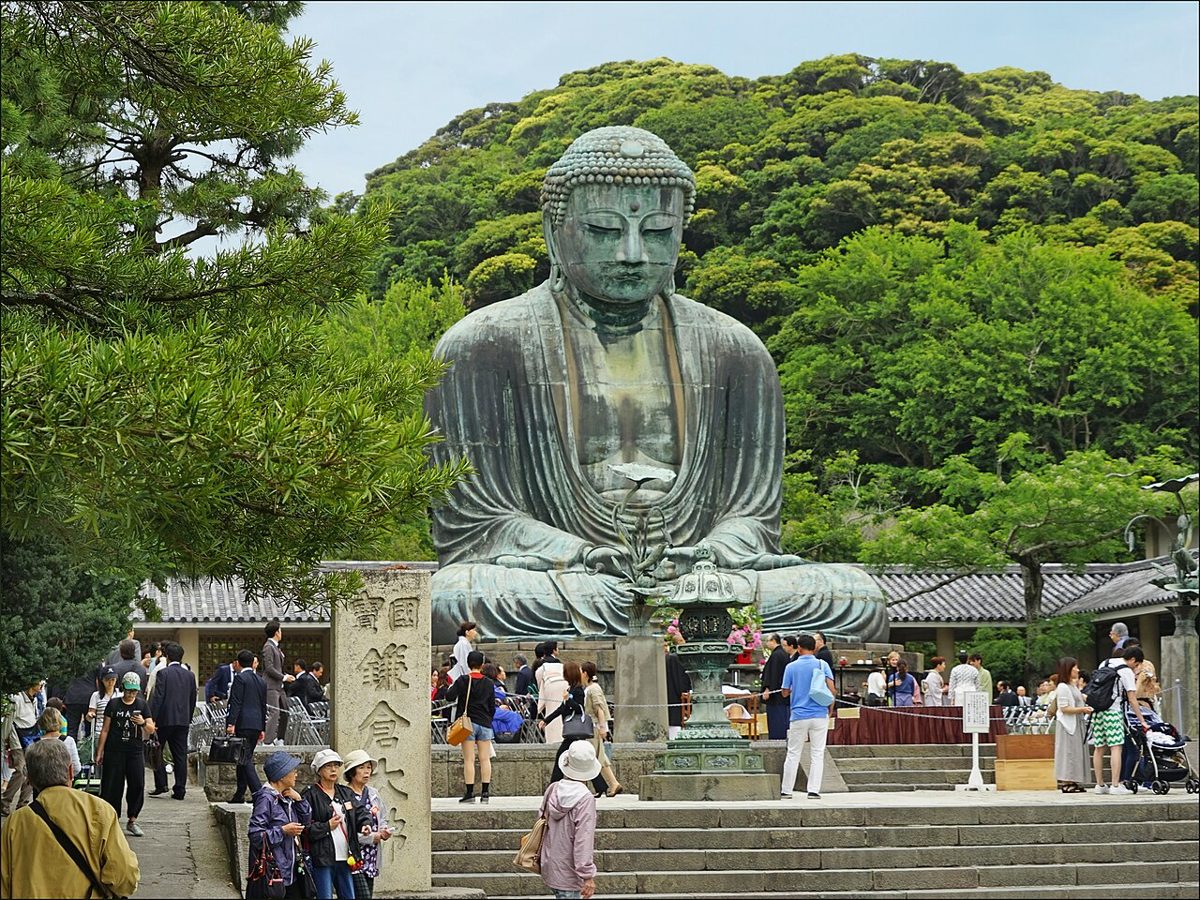
Kamakura is the gentlest day trip and the perfect first one — roughly an hour from Tokyo on the JR Yokosuka line (about ¥950 one way). This seaside former capital is full of temples, has a laid-back surf-town feel, and packs its highlights into a short, scenic train line. Take the JR line to Kamakura Station, then transfer to the single-car Enoden that trundles along the coast.
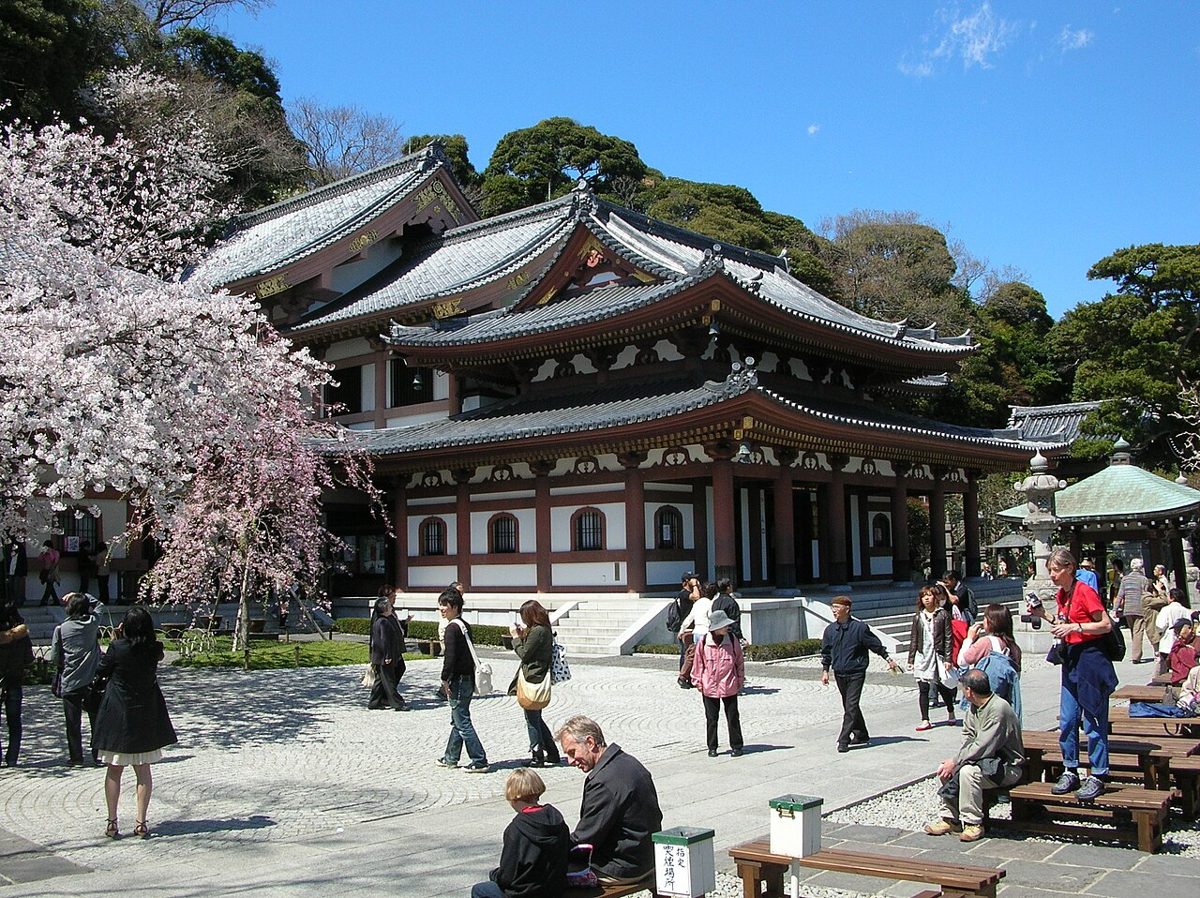
Two must-sees: the bronze Great Buddha (Daibutsu) at Kotoku-in, an 11.4-metre seated figure cast in 1252 that has survived tsunamis and earthquakes in the open air (grounds ¥300; you can step inside the hollow statue for an extra ¥50; open 8:00–17:30). A short walk away is Hase-dera, a hillside temple with a giant gilded Kannon, a sea-view terrace, and — in June — thousands of hydrangeas lining the paths. Ride the Enoden on to Enoshima, a shrine island linked by a bridge, for sunset and, on clear days, Fuji on the horizon.
Eat shirasu-don (a bowl of tiny whitebait, a Shonan-coast speciality) near the beach, and be back in Tokyo for a relaxed evening. This is a half-energy day by design, sandwiched before your bigger Fuji push.
Day 5 — Ginza, Tsukiji and Tokyo Station
Start early at the Tsukiji Outer Market — the inner wholesale market moved to Toyosu years ago, but the outer market’s 400-odd stalls still buzz from about 5am, with most food shops winding down by early afternoon. Arrive 8–9am for the best balance of open stalls and tolerable crowds. Graze: a tamagoyaki omelette on a stick (¥100–¥150), grilled scallops and uni, fresh tuna, and a standing-counter sushi set. A full guided crawl of the area lives in the food itinerary.
Walk north into Ginza for high-end window-shopping, the Uniqlo and Muji flagships, and the beautiful basement food halls (depachika) under Mitsukoshi and Matsuya — come hungry and assemble a gourmet picnic. Loop past the Imperial Palace East Gardens (free, closed Mondays and Fridays) and finish inside Tokyo Station, whose restored red-brick facade is a sight in itself and whose underground “Character Street” and Ramen Street are great for dinner before you head back.
Day 6 — Day trip: Mount Fuji and Kawaguchiko
Check the forecast the night before and only commit if the morning looks clear — Fuji is famously shy and often vanishes behind cloud by midday. The most comfortable way out is the direct Fuji Excursion limited-express from Shinjuku to Kawaguchiko, about 1 hour 55 minutes and from roughly ¥4,000 one way (or fully covered by the JR Tokyo Wide Pass except a small Fujikyu surcharge). It sells out, so reserve seats online a week or more ahead. The cheapest option is the highway bus from the Shinjuku Expressway Bus Terminal at around ¥2,000–¥2,200 and about two hours.
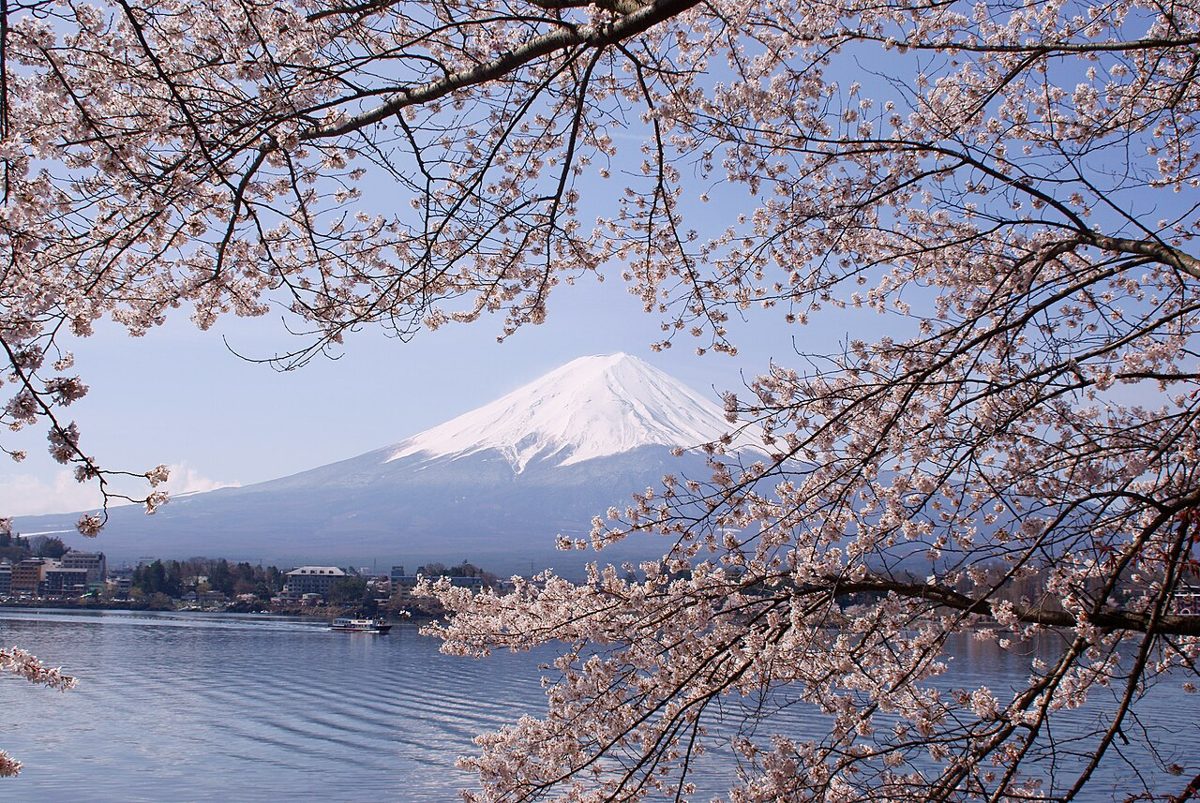
At Lake Kawaguchiko, the north shore gives the iconic mirror-image reflection of the mountain. Ride the Kachi Kachi ropeway up Mount Tenjo for a lake-and-Fuji panorama, or rent a bike along the shore. For the single most famous shot — Fuji framed behind the five-storey Chureito Pagoda — get off a stop earlier at Shimo-yoshida and climb the ~400 steps; it is breathtaking with cherry blossoms or autumn color. This is a long day (10–12 hours door to door), so keep day 7 easy.
Day 7 — Akihabara, Yanaka and a deliberately slow afternoon
By day seven, fatigue is the enemy of a good trip. Build in recovery. Spend the morning in Akihabara — “Electric Town” — for multi-floor anime, manga, retro games and gachapon, whether or not you are into the culture; the sheer sensory overload is worth seeing once. Then shift gears completely and walk the old-Tokyo backstreets of Yanaka, one of the few districts that survived the war and the bubble largely intact: wooden houses, temples, cats, craft shops and the cheerful Yanaka Ginza shopping street.
In the late afternoon, do something restorative: soak at a sento or onsen bathhouse, get a long lunch, or simply nap. A standout option is a half-day at a city onsen complex, or a quiet cafe in Yanaka. You will thank yourself when you have two more day trips back to back.
Day 8 — Day trip: Hakone (or an overnight onsen escape)
Hakone is the scenic heavyweight: a hot-spring resort in the mountains southwest of Tokyo with a famous loop you ride by mountain railway, cablecar, ropeway, boat and bus. Buy the Hakone Free Pass (about ¥6,100–¥7,100 for two days from Shinjuku) and the whole loop is covered — no ticket queues. The classic counter-clockwise circuit: Odakyu “Romancecar” or local train to Hakone-Yumoto, the switchback Hakone Tozan Railway up to Gora, the cablecar to Sounzan, then the ropeway sailing over the sulphurous, steaming Owakudani valley (eat a black egg, said to add seven years to your life), down to Lake Ashi for a “pirate ship” cruise with Fuji across the water.
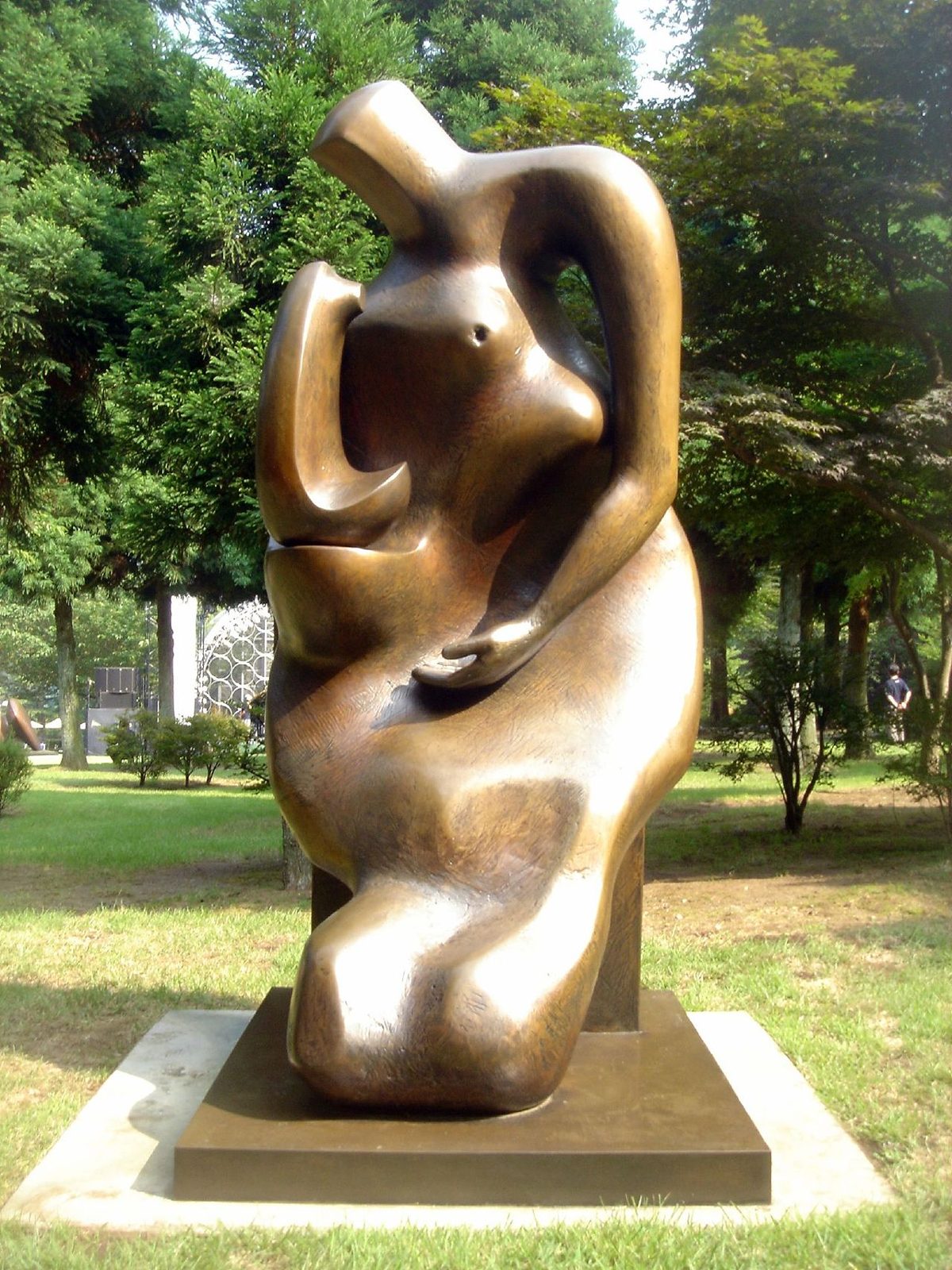
Two unmissable stops on the loop: the Hakone Open-Air Museum, a hillside sculpture park with a whole pavilion of Picassos (about ¥2,000), and the lakeside Hakone Shrine with its red torii gate standing in the water. Honestly, Hakone shines as an overnight: book a ryokan with a private open-air bath, eat a multi-course kaiseki dinner in your room, and soak under the stars. If you do, spend the night and roll the rest of the loop into the morning of day 9, adjusting Nikko to day 10 or dropping it. For more escapes like this, see our day-trip options around Tokyo and the dedicated Mount Fuji day trip walkthrough, which pairs naturally with Hakone for Fuji views.
Day 9 — Day trip: Nikko’s shrines in the forest
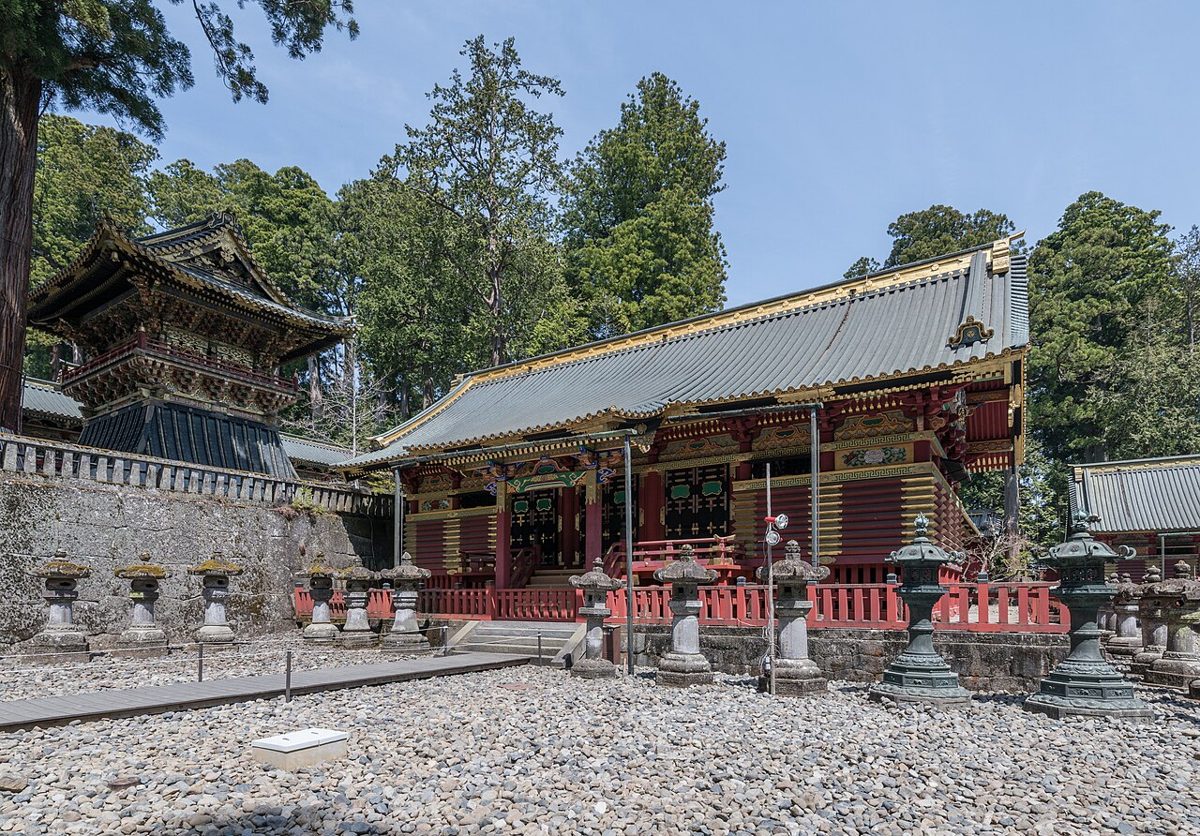
Nikko is the cultural high point of the out-of-town days: a UNESCO World Heritage complex of lavishly carved shrines and temples set in a towering cedar forest. The fastest way is the Tobu Railway from Asakusa — the limited-express “Revaty/Spacia” reaches Tobu-Nikko in about 1 hour 50 minutes (around ¥3,000–¥3,050), or slower rapid trains for roughly ¥1,400. The Tobu “Nikko Pass World Heritage Area” (about ¥3,000 for two days) bundles the round trip with the local buses you need.
The centerpiece is Toshogu Shrine, the mausoleum of Tokugawa Ieyasu, founder of the shogunate that ruled Japan for 250 years — a riot of gold leaf, the famous “see no evil” three monkeys carving, the sleeping-cat panel, and the soaring Yomeimon gate (admission around ¥1,600; open 8:00–17:00 April–October, until 16:00 in winter). Add the nearby Futarasan Shrine and Taiyuin mausoleum, set among moss and stone lanterns. Leave Tokyo by 7–8am to beat the crowds and have a 5–6 hour day on the ground. If you have energy and good weather, the mountain bus up to Lake Chuzenji and the 97-metre Kegon Falls is a stunning add-on.
Day 10 — Odaiba, Toyosu and a gentle finish
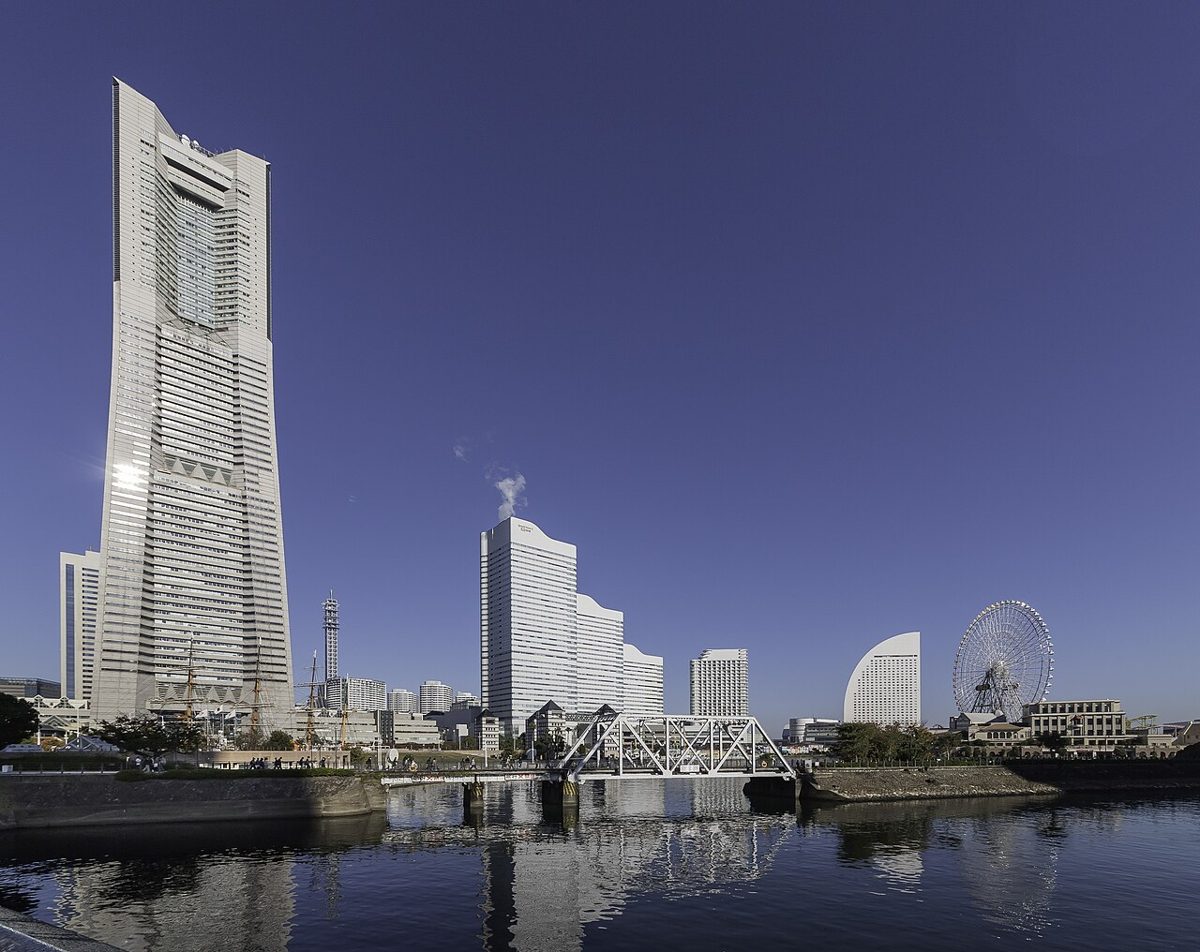
Save something light and flexible for the day you fly out (or shift this earlier and end on a day trip if your flight is late). Cross the Rainbow Bridge on the driverless Yurikamome line to Odaiba, the man-made bay island: the life-size Unicorn Gundam statue, a beach with a Statue of Liberty replica, big malls, and — a real highlight — the immersive teamLab digital-art museums (book tickets in advance; around ¥3,800). From the waterfront you get a clear view across the bay toward Yokohama’s Minato Mirai skyline, a worthwhile half-day of its own if you have spare time — 30–45 minutes from Tokyo Station, with Japan’s largest Chinatown and the Cup Noodles Museum (¥500).
Do your last shopping where it is easy: the depachika at Tokyo or Shinjuku station for edible souvenirs, or the sprawling stores in Ginza. Then head for the airport with a Narita Express or Keisei Skyliner run — if you timed your JR Tokyo Wide Pass to still be valid, the N’EX is covered.
Day-trip comparison: which to prioritize
If ten days shrinks to nine or eight, here is how I rank the four day trips and what each delivers, so you can cut from the bottom. All times are from central Tokyo on the fastest sensible train.
| Day trip | One-way time | Round-trip cost guide | Best for | Skip if |
|---|---|---|---|---|
| Kamakura | ~1 hr | ~¥1,900 round trip (JR) | Easy temples + coast, first day trip | you dislike crowds in hydrangea season |
| Mount Fuji / Kawaguchiko | ~2 hrs | ¥4,000–¥8,000 (train) or ¥2,000 bus each way | The iconic mountain & lake views | the forecast is cloudy — wait for a clear day |
| Hakone | ~1.5 hrs | ¥6,100–¥7,100 (Free Pass) | Onsen, scenery, the famous loop, overnight ryokan | you only want one mountain day (do Fuji) |
| Nikko | ~2 hrs | ¥3,000 (Nikko Pass) | UNESCO shrines, forest, history | shrine architecture isn’t your thing |
My order if forced to choose: Kamakura (easy, scenic, cheap) and Fuji on a clear day are non-negotiable; Hakone is the one to upgrade to an overnight; Nikko is the first to drop if shrine-fatigue sets in. Our guide to visiting Mount Fuji goes deeper on chasing clear-Fuji weather and the best viewpoints.
Pacing advice and mistakes to avoid
Ten days sounds like plenty until you try to do four day trips back to back. A few hard-won rules keep this plan enjoyable rather than exhausting.
- Never stack two long day trips with no recovery between them. That is why day 7 is deliberately slow, sitting between the Fuji push and the Hakone/Nikko pair.
- Let Fuji be flexible. Pre-booking a fixed Fuji date and getting solid cloud is the single most common heartbreak. Build it into a window and move it to whichever morning is clear.
- Leave early for day trips. The 9am train is a tourist crush. Aim to be on a 7–7:30am departure and you will reach Toshogu, the Great Buddha or Owakudani before the buses.
- Do not buy the nationwide JR Pass for a Tokyo-only trip. It is built for cross-country travel; a regional pass plus Suica is far cheaper here.
- Carry cash. Small shrines, market stalls, Golden Gai bars and some ryokan still prefer yen, even in 2026. Convenience-store ATMs (7-Eleven) take foreign cards.
- Pack an overnight bag separately if you are doing the Hakone overnight, and leave the suitcase at your Tokyo hotel.
- Reserve the popular trains and tickets online ahead: the Fuji Excursion, teamLab, and Shibuya Sky all sell out.
Frequently Asked Questions
Is 10 days too long for Tokyo?
Not at all — if you use day trips. Pure city sightseeing can feel repetitive past about six days, but Tokyo sits at the hub of some of Japan’s best excursions. Spend six days in the city and four reaching Mount Fuji, Hakone, Nikko and Kamakura, and ten days feels full but never padded. This is exactly why a Tokyo 10 day itinerary is built around a mix rather than the city alone.
How much does a 10-day Tokyo trip cost?
Excluding flights, a comfortable mid-range budget runs roughly ¥12,000–¥20,000 per person per day (about $80–$130) once you add a mid-tier hotel, three meals, attractions and transport. Day trips spike individual days — Hakone or Fuji can add ¥6,000–¥10,000 — which the JR Tokyo Wide Pass and Hakone Free Pass help contain. Budget travelers can do it on ¥10,000–¥12,000 a day; luxury, far more.
Should I get the Japan Rail Pass for a Tokyo trip with day trips?
Almost certainly not the nationwide pass — it is priced for crossing the country and you would have to take many long Shinkansen rides to break even. For this plan, the JR Tokyo Wide Pass (¥15,000, three consecutive days) covering Fuji, Nikko and an airport transfer, plus a Suica card for in-city travel and a separate Hakone Free Pass, is the cost-effective combination.
Can you see Mount Fuji on a day trip from Tokyo?
Yes — Kawaguchiko in the Fuji Five Lakes area is about two hours from Shinjuku by the direct Fuji Excursion train or highway bus, and gives the classic lake-and-mountain views, the Chureito Pagoda shot and ropeway panoramas. The catch is weather: Fuji is clearest on cool, dry mornings and often hides by afternoon, so keep the date flexible. See the dedicated Mount Fuji day trip guide for timing tactics.
What is the best base for a 10-day Tokyo itinerary with day trips?
Shinjuku, for most people. The Fuji and Hakone trains depart from there, the rail and metro connections are unmatched, and the food and nightlife are endless. Asakusa is a strong, cheaper alternative thanks to the direct Tobu line to Nikko, and Tokyo Station/Ueno suit travelers who prioritize Shinkansen access. Compare options in our neighborhood-by-neighborhood breakdown.
Photo Credits
- Mount Fuji seen across Lake Kawaguchiko, the classic Fuji Five Lakes view — Photo: Midori / CC BY 3.0 via Wikimedia Commons
- The Hakone Open-Air Museum, a hillside sculpture park — Photo: leon&mae / CC BY 2.0 via Wikimedia Commons
- Yomeimon Gate at Toshogu Shrine in Nikko — Photo: DXR / CC BY-SA 4.0 via Wikimedia Commons
- Hase-dera temple and its hydrangea paths in Kamakura — Photo: Bernard Gagnon / CC BY-SA 3.0 via Wikimedia Commons
- Yokohama’s Minato Mirai waterfront after dark — Photo: Kakidai / CC BY-SA 4.0 via Wikimedia Commons
- The bronze Great Buddha (Daibutsu) at Kotoku-in, Kamakura — Photo: Jean-Pierre Dalbéra from Paris, France / CC BY 2.0 via Wikimedia Commons