Tokyo Itineraries · Guide №079
Tokyo 7-Day Itinerary: The Ultimate Week in Tokyo
A complete 7-day Tokyo itinerary with two day trips: Mount Fuji or Hakone, Kamakura or Nikko, plus the city's icons and quiet corners, with 2026 prices and routes.
目次 — Contents
- Your week in Tokyo at a glance
- Before you arrive: quick prep for a week
- Day 1 — Asakusa and Ueno: start in old Tokyo
- Day 2 — Shibuya, Harajuku and Shinjuku
- Day 3 — Tsukiji, teamLab and Tokyo Bay
- Day 4 — Day trip one: Mount Fuji and Hakone
- Day 5 — Central Tokyo, subculture and history
- Day 6 — Day trip two: Kamakura or Nikko
- Day 7 — Slow Tokyo and a soft landing
- Where to stay for a week
- Getting around and pacing a full week
- What a week in Tokyo costs
- Mistakes to avoid on a week-long trip
- When to come, and how the week changes by season
- First-timer vs. repeat visitor: how to customise the week
- A little etiquette goes a long way
- Frequently Asked Questions
- Photo Credits
This article contains advertising. Our booking links are routed through a partner that adds commission tracking automatically, so if you book through one we earn a commission from the provider, at no extra cost to you. It never affects what we recommend. Affiliate disclosure
This Tokyo 7 day itinerary gives you a full, unhurried week: five days exploring the city neighbourhood by neighbourhood, plus two day trips out to Mount Fuji country and a historic town like Kamakura or Nikko. A week is enough to see all the icons, dig into a few districts most visitors skip, and still leave room to breathe. Here is the day-by-day plan I would follow myself.
Seven days is the length where Tokyo really opens up. With a five-day trip you are choosing what to cut; with a week you can do the headline sights and the quieter corners — Yanaka’s old lanes, a sumo morning, a proper evening in Shinjuku — and bolt on the day trips that turn a city break into a Japan trip. This guide sits within our wider collection of Tokyo trip plans. Short on time? Our five-day Tokyo plan is the condensed version of the same route.
Every price, opening time and train detail below was checked for the 2026 season. I have marked the handful of things that now need a timed ticket or an early reservation, because for those, simply turning up at the door no longer works.
Your week in Tokyo at a glance
The week is built so each day clusters around one or two adjacent areas, keeping train time short, with the two day trips slotted in to break up the city. Move days around freely to dodge a museum’s closing day or chase good weather for Mount Fuji.
| Day | Focus | Highlights | Book ahead? |
|---|---|---|---|
| Day 1 | Asakusa & Ueno | Senso-ji, Nakamise, Ueno Park & museums, Ameyoko | No |
| Day 2 | Shibuya, Harajuku & Shinjuku | Meiji Jingu, Takeshita St, Shibuya Crossing, Shibuya Sky, Omoide Yokocho | Shibuya Sky |
| Day 3 | Tsukiji, Toyosu & the bay | Tsukiji breakfast, teamLab Planets, Odaiba, Ginza | teamLab (essential) |
| Day 4 | Day trip: Mount Fuji / Hakone | Lake Kawaguchiko or the Hakone loop, onsen, Fuji views | Bus or pass |
| Day 5 | Central & subculture Tokyo | Imperial Palace, Akihabara, sumo or Ryogoku, Ginza | Sumo (if in season) |
| Day 6 | Day trip: Kamakura or Nikko | Great Buddha & coast, or Nikko\’s UNESCO shrines | Regional pass |
| Day 7 | Slow Tokyo & departure | Yanaka, Shimokitazawa or Shimokita, last shopping, Skytree | No |
Before you arrive: quick prep for a week
- IC card. Get a Suica or PASMO on arrival and tap onto every train, subway and bus. In 2026 the regular Suica (¥500 refundable deposit) is back in machines after the 2023 chip shortage, and the deposit-free Welcome Suica (valid 28 days) is sold at the JR East Travel Service Centers at Haneda and Narita — perfect for a one-week trip.
- Skip the nationwide JR Pass. For a Tokyo week with local day trips it will not pay off (more on this below). Use pay-as-you-go and buy a regional pass for Hakone or Nikko instead.
- Data and cash. Book an eSIM or pocket Wi-Fi; carry ¥10,000–¥20,000 since shrines, markets and small bars are cash-first.
- Pre-book the timed attractions. teamLab Planets (releases ~3 months ahead) and Shibuya Sky (14 days ahead) sell out. If you want the Ghibli Museum, tickets go on sale monthly and vanish in minutes.
- Reserve your day-trip transport. The Shinjuku–Kawaguchiko buses and the Odakyu Romancecar to Hakone fill up on weekends — book a seat the day before at least.
Day 1 — Asakusa and Ueno: start in old Tokyo
Begin where Tokyo began. Asakusa is the most traditional pocket of the central city, so starting here sets the trip in chronological order. Walk through the Kaminarimon gate and down Nakamise-dori, a 250-metre lane of Edo-era snack and souvenir stalls, to Senso-ji, Tokyo’s oldest temple, founded in 645. The grounds are free and open round the clock; arrive before 9:00 to beat the crowds. Behind it, quiet Asakusa-jinja and the Sumida River embankment give you a first view of Skytree across the water.
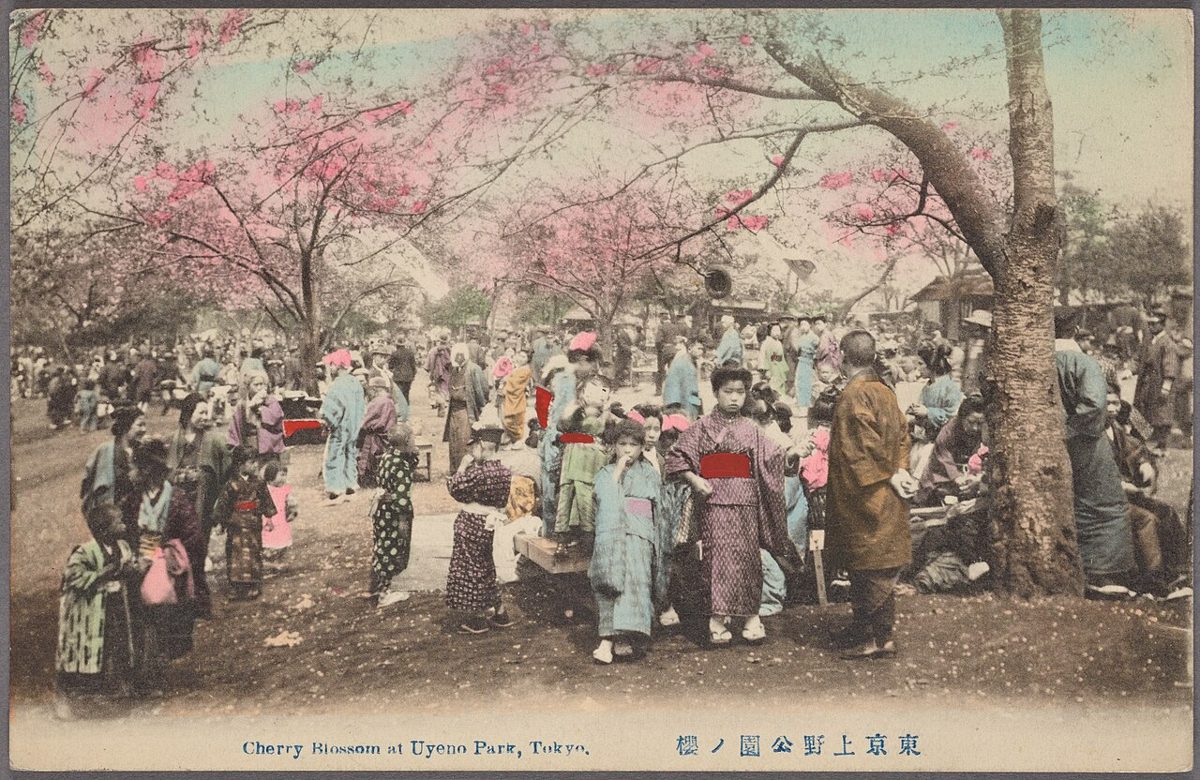
In the afternoon, ride three stops to Ueno (pictured in cherry-blossom season). Ueno Park holds Japan’s greatest concentration of museums — pick one rather than rushing all. The Tokyo National Museum (¥1,000, 9:30–17:00, closed Mondays) is the standout for Japanese art; families often choose Ueno Zoo (¥600) and its pandas. Finish at the lotus-covered Shinobazu Pond, then dive into Ameyoko, the rowdy market street under the JR tracks, for cheap eats and standing bars. An easy, low-cost first day to shake off the jet lag.
Day 2 — Shibuya, Harajuku and Shinjuku
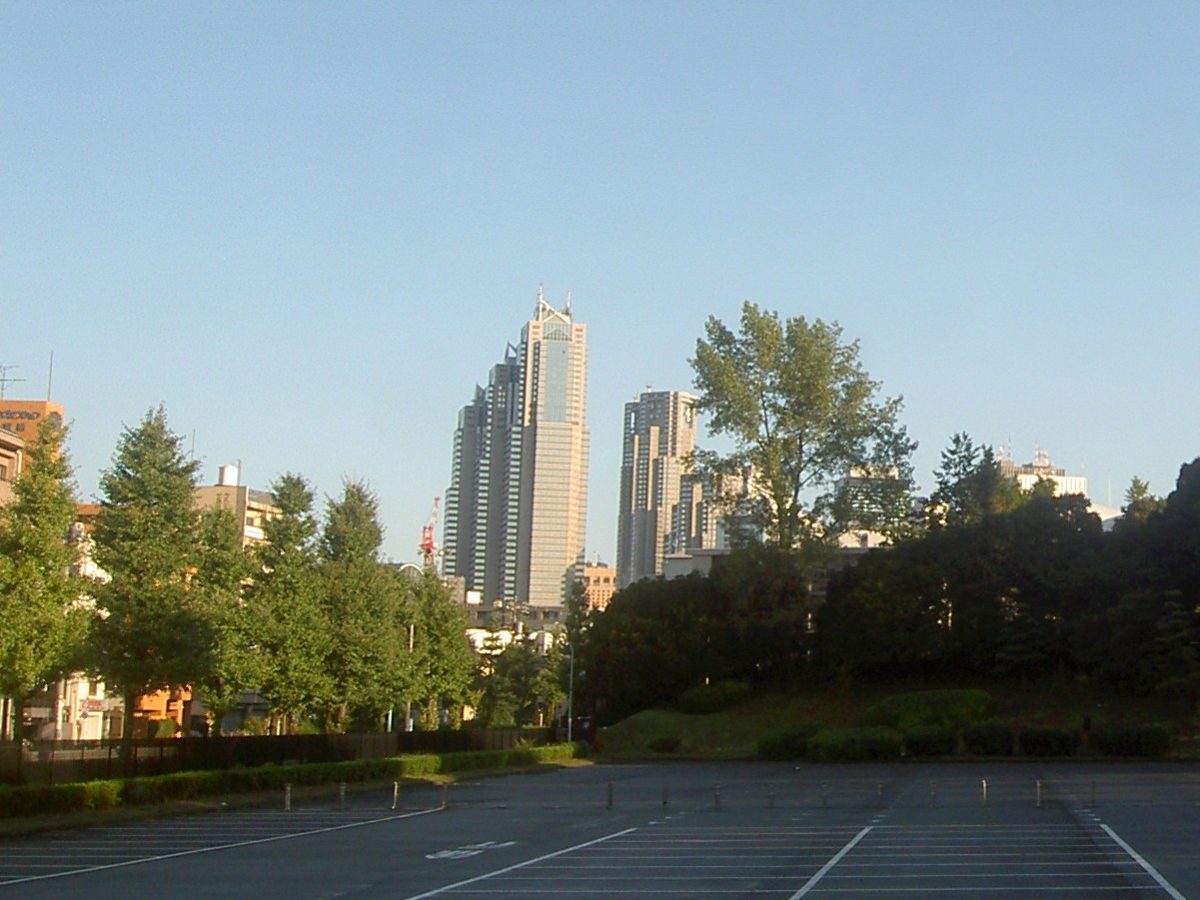
Day 2 is modern Tokyo, and these three west-side districts sit in a line you can walk and ride in a single day. Start calm at Meiji Jingu, the Shinto shrine inside a hand-planted forest (free; Inner Garden ¥500), entered via the wooden torii by Harajuku Station. Step out into the candy-coloured chaos of Takeshita Street for a rainbow crepe, then stroll south down Omotesando, the architecture-lover’s boulevard of flagship stores.
Mid-afternoon, reach Shibuya and cross the famous Scramble Crossing where thousands move at once. Greet the Hachiko statue, then go up Shibuya Sky on top of Shibuya Scramble Square — in 2026, advance adult tickets are about ¥2,500 online, and a sunset slot is the best ticket in town. End the day two stops north in Shinjuku: the free Tokyo Metropolitan Government Building deck (open to 22:00) for a night view, then yakitori and beer elbow-to-elbow in 1940s Omoide Yokocho, with the matchbox bars of Golden Gai next door if you have stamina.
Day 3 — Tsukiji, teamLab and Tokyo Bay
The most “only in Tokyo” day. Start early at the Tsukiji Outer Market — stalls open around 5:00 and thin out by late morning, so arrive before 9:00 for the freshest seafood breakfast: grilled scallop, uni, tamago on a stick, a small tuna bowl. Bring cash, and check the calendar, as many stalls close Sundays and Wednesdays.
From Tsukiji, ride to Toyosu for teamLab Planets TOKYO, the barefoot immersive digital-art museum and the one attraction you most need to reserve in advance (tickets release ~3 months ahead; 2026 adult entry about ¥3,800 weekday / ¥4,200 weekend; allow up to two hours). Spend the late afternoon on Odaiba, the bay island, with its life-size Unicorn Gundam, the Rainbow Bridge view and waterfront malls, then cross back for an evening in Ginza, where even window-shopping the Itoya stationery tower and the free Ginza Six rooftop is a pleasure.
Day 4 — Day trip one: Mount Fuji and Hakone
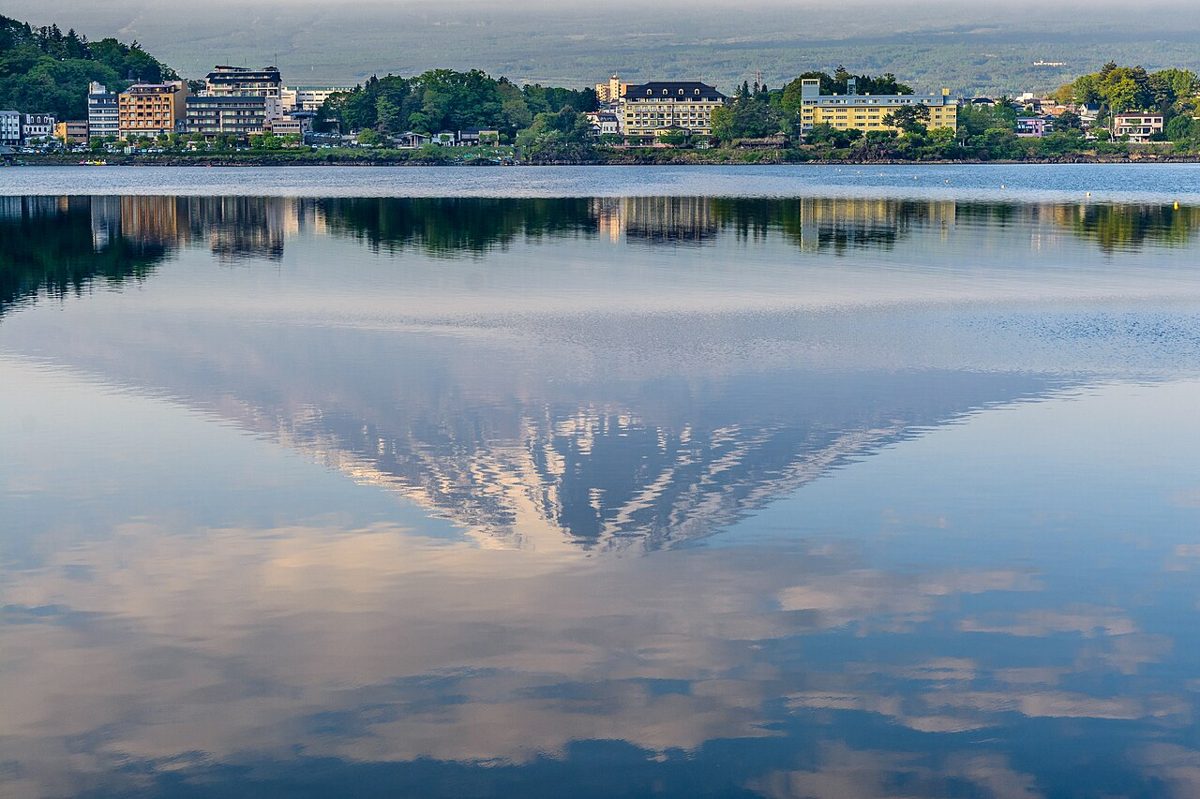
A week in Tokyo without seeing Mount Fuji is a missed opportunity, and Day 4 is when to chase it. The two best ways to do it as a day trip are the Fuji Five Lakes around Lake Kawaguchiko for the classic mirror-reflection view, or the Hakone hot-spring loop, which combines a Fuji vista with onsen and a lake cruise. Pick by the forecast — Fuji hides behind cloud often, and winter and early morning give the clearest odds. Our dedicated Mount Fuji day trip guide breaks down every route and viewpoint.
Option A: Lake Kawaguchiko
The most direct way is the highway bus from Shinjuku Expressway Bus Terminal to Kawaguchiko Station — about 1 hour 45 minutes and roughly ¥2,000–¥2,200 one way (a little cheaper booked online). Buses sell out on weekends, so reserve ahead. From Kawaguchiko, a sightseeing bus loops the lake to the famous Fuji-and-pagoda view at the Chureito Pagoda (in nearby Arakurayama Sengen Park), the lakeshore onsen, and the Mount Fuji 5th Station in season (about ¥1,570 one way by bus). The alternative train route is the Fuji Excursion limited express direct from Shinjuku, or the Kaiji to Otsuki and a change to the scenic Fujikyuko line.
Option B: Hakone
Take the Odakyu Romancecar from Shinjuku (about 85 minutes) and buy the Hakone Free Pass (from ¥6,100 for two days), which covers the whole circuit: the mountain railway up the slopes, the cablecar, the ropeway over the steaming Owakudani sulphur valley, and a cruise across Lake Ashi with Fuji behind it on a clear day. The lakeside Hakone Shrine torii standing in the water and the Hakone Open-Air Museum are highlights, and a riverside onsen is the perfect end.
Day 5 — Central Tokyo, subculture and history
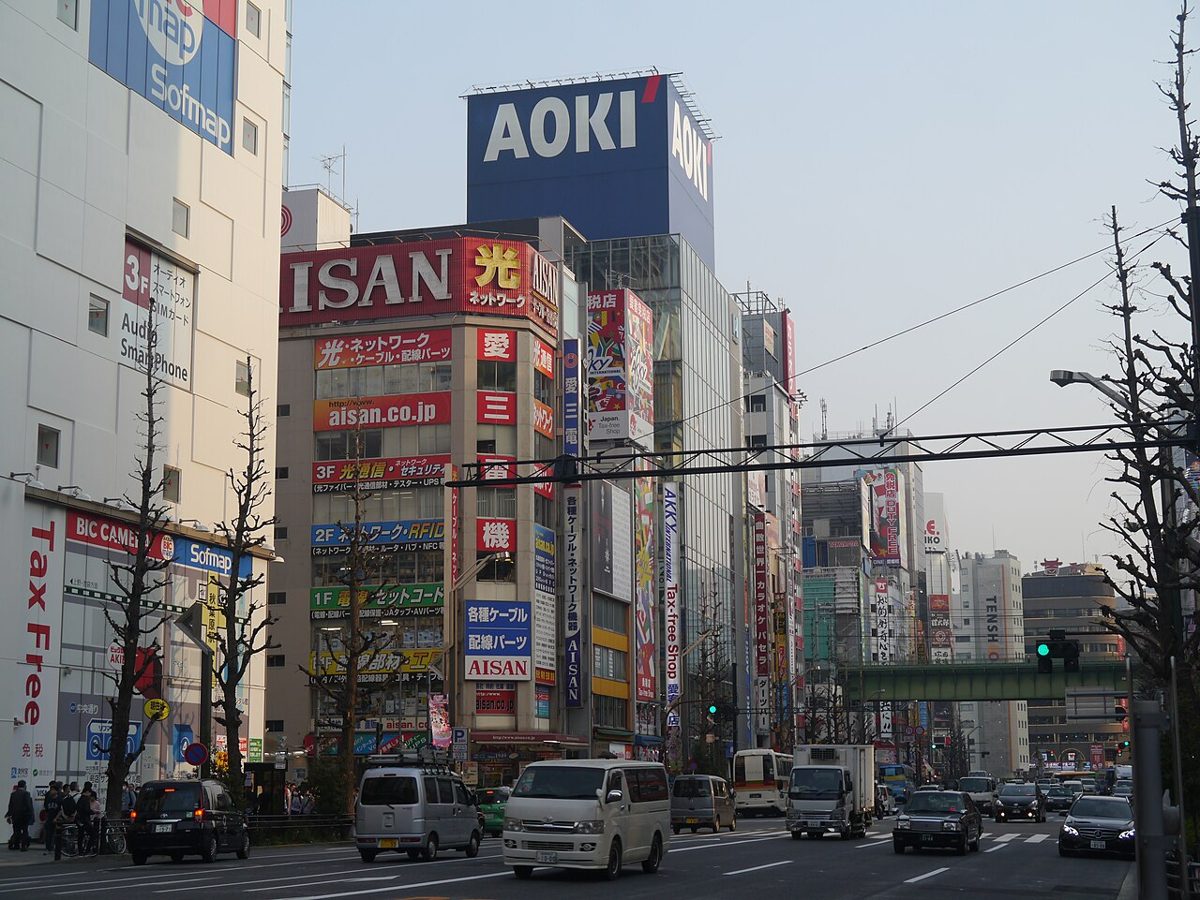
Back in the city, Day 5 mixes the dignified centre with Tokyo’s pop-culture engine. Begin at the free Imperial Palace East Gardens, a ten-minute walk from Tokyo Station, where Edo Castle once stood; the stone walls and moats are a calm start. Then ride to Akihabara (pictured), the electronics and anime district — seven floors of Yodobashi Camera, retro arcades, figure shops and maid cafés. Even if it is not your scene, the wall-to-wall neon is a spectacle.
If your trip lines up with a grand sumo tournament (Tokyo hosts three a year, in January, May and September, at the Ryogoku Kokugikan), grab tickets — it is one of the most memorable things you can do in Japan. Out of season, a morning sumo-stable practice tour or the area around Ryogoku and its history museums are good substitutes. For more on planning the city, our neighbourhood-by-neighbourhood guide helps you match districts to your interests. Round off the evening with dinner and shopping back in Ginza or lively Shinjuku.
Day 6 — Day trip two: Kamakura or Nikko
Your second day trip is a choice between a coastal temple town and Japan’s most ornate shrine complex. Both are easy same-day returns; pick by mood. See our wider list of places to visit outside the city if you would rather swap in Yokohama or Enoshima.
| Kamakura | Nikko | |
|---|---|---|
| Best for | Coast, the Great Buddha, the Enoden tram | Lavish UNESCO shrines, cedar forests, waterfalls |
| Getting there | JR Yokosuka Line, ~56 min from Tokyo Station, ¥940 | Tobu Limited Express, ~1h50 from Asakusa |
| Smart ticket | Enoshima–Kamakura Freepass (~¥1,640 from Shinjuku) | Nikko Pass World Heritage Area, ¥3,000 |
| Key entries | Great Buddha ¥300 (+¥50 inside), Hasedera ¥400 | Toshogu ¥1,600 (cash at gate, or book online) |
Kamakura — Great Buddha by the sea
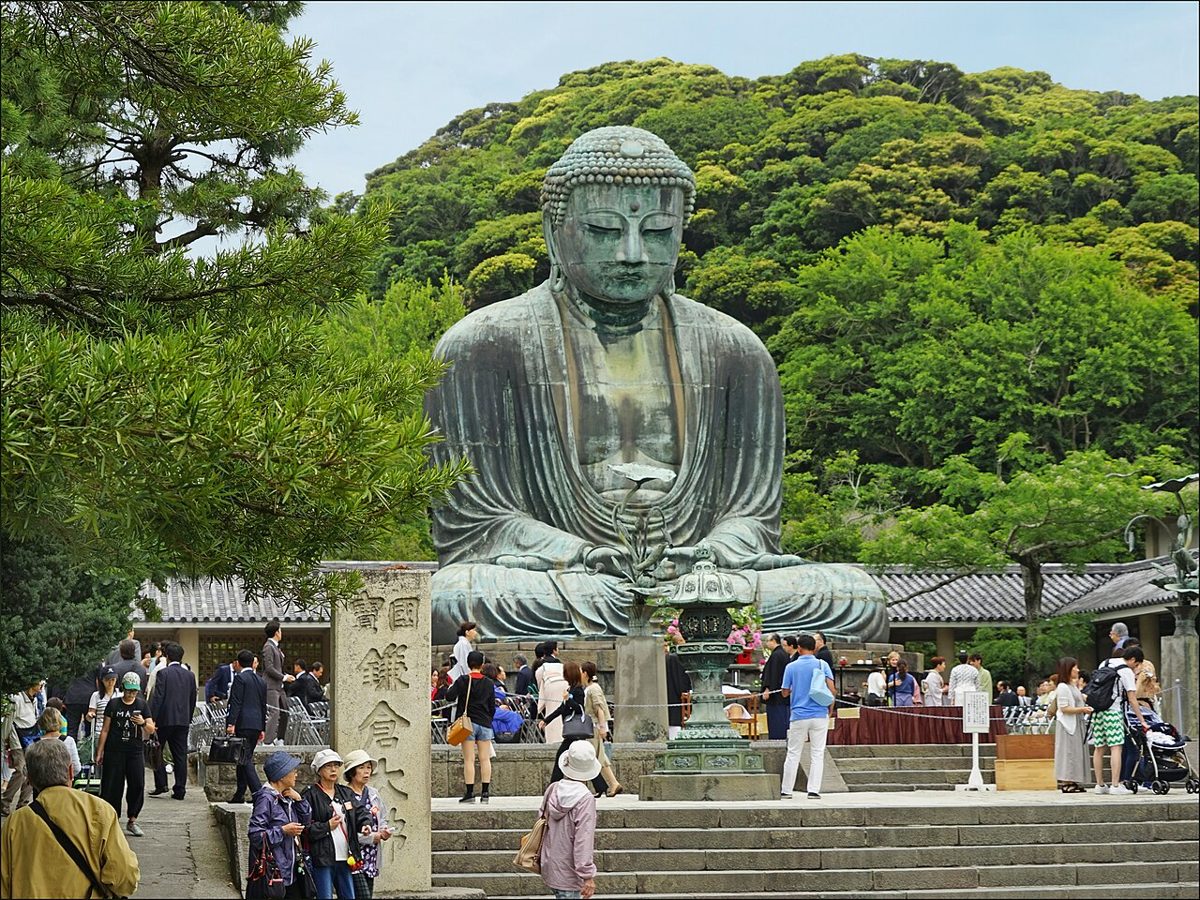
Kamakura, the “Kyoto of the East,” is an hour south of Tokyo on the JR Yokosuka Line (~56 min, ¥940). The headline is the open-air Great Buddha at Kotoku-in, an 11-metre bronze cast in 1252 (entry ¥300, plus ¥50 to step inside). Ride the wonderful old Enoden tram along the coast to Hasedera (¥400) with its gardens and sea view, browse the temples and snack streets, and finish with your feet in the sand at Yuigahama. It is the more relaxed of the two day trips.
Nikko — Japan’s most ornate shrines
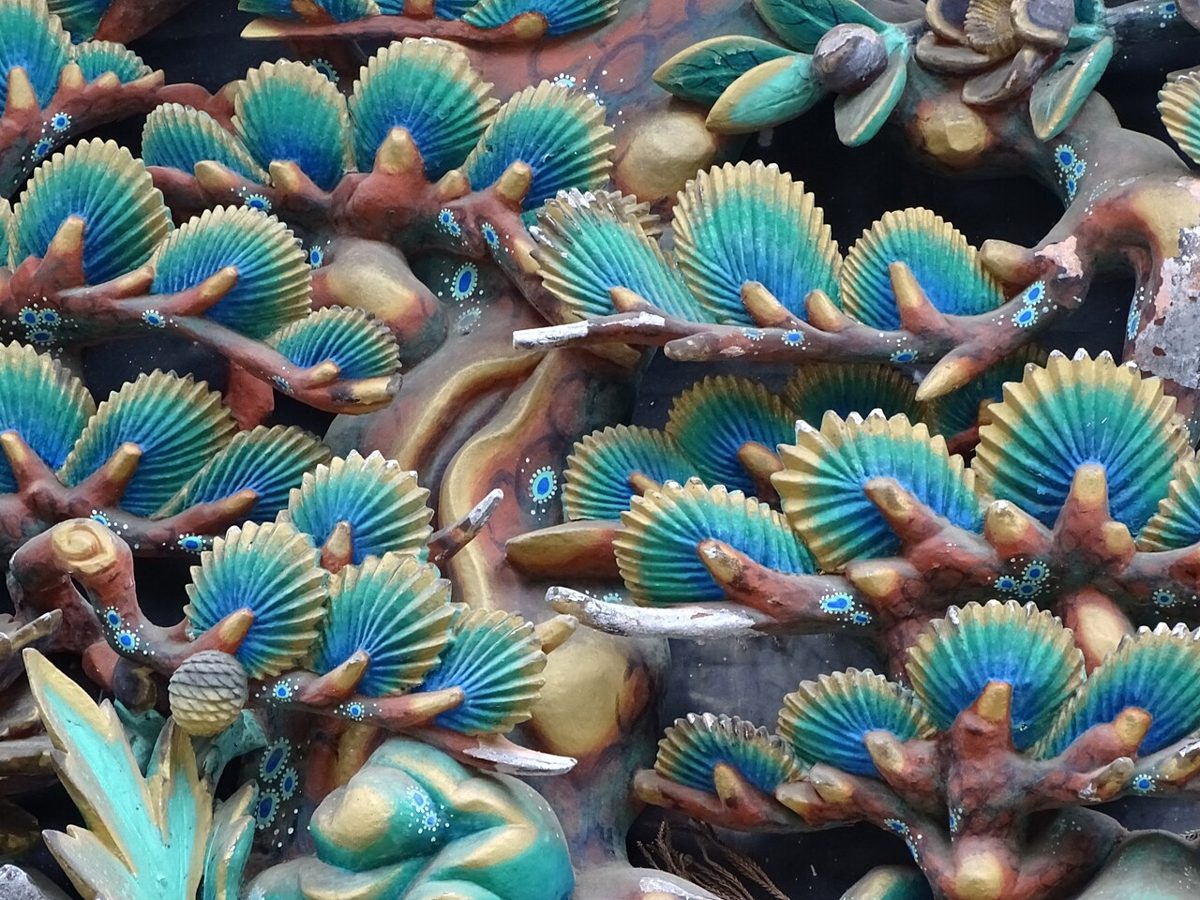
Nikko is the more spectacular option if you love history. The Tobu Limited Express from Asakusa reaches Tobu-Nikko in about 1 hour 50 minutes, and the Nikko Pass World Heritage Area (¥3,000) bundles the round-trip train with local buses. The centrepiece, Toshogu, is the gilded mausoleum of shogun Tokugawa Ieyasu — every surface carved and lacquered, including the original “see no evil, hear no evil, speak no evil” monkeys and the famous Yomeimon gate (pictured). Shrine admission (¥1,600) is separate and cash-only at the gate unless booked online; Toshogu opens 8:00 (9:00 November–March). With more time, Lake Chuzenji and Kegon Falls sit just above the town.
Day 7 — Slow Tokyo and a soft landing
Save the gentlest day for last so you are not racing a suitcase to the airport. Spend the morning in a quieter neighbourhood that the icons-only crowd misses, then leave the afternoon loose for last-minute shopping or a view you skipped.
- Yanaka — old downtown Tokyo that survived the war and the bubble: the Yanaka Ginza shopping street, an atmospheric cemetery full of cats and cherry trees, tiny galleries and coffee shops. Pair it with neighbouring Nezu and Sendagi (“Yanesen”).
- Shimokitazawa — vintage clothing, record stores, third-wave coffee and live-music basements, ten minutes from Shibuya. The neighbourhood itself is the attraction.
- Kappabashi — the kitchenware street near Asakusa, where you can buy beautiful Japanese knives and the plastic food models from restaurant windows as souvenirs.
- Tokyo Skytree — if you never got a tower view, the 634 m Skytree (Tembo Deck from about ¥2,100 weekday, open 10:00–22:00) and its Solamachi mall make an easy half-day, especially in rain.
If you have a late flight, leave bags at your hotel or a station coin locker and squeeze in one last meal in Shinjuku or near Tokyo Station, both of which connect straight to the airport trains.
Where to stay for a week
Over seven days a central, well-connected base earns its keep — and with two day trips in the mix, proximity to a major hub matters more than usual. I would book near one of these three, and you can compare them in depth in our guide to Tokyo’s hotel districts.
- Shinjuku — the world’s busiest station, the obvious arrival point from the airports, and the departure hub for the Hakone Romancecar and the Kawaguchiko buses. Best all-rounder.
- Tokyo Station / Marunouchi — central and calm, and the start of the Yokosuka Line to Kamakura plus the shinkansen if you tack on Kyoto. Great for day-trippers.
- Asakusa — cheaper and traditional, with the Tobu line to Nikko on its doorstep; ideal if a Nikko day trip is on your list.
You will not need to change hotels for this itinerary — every day, including both day trips, runs out and back from the same base. Book early for cherry-blossom season (late March to early April) and the autumn colours (mid-November), when good rooms sell out months ahead.
Getting around and pacing a full week
Tokyo’s rail network is the best on earth, and your Suica or PASMO makes it effortless — tap in and out, no fare maths, typical rides ¥150–¥210. Our full guide to moving around the city covers airport transfers, the subway map and money-saving tickets. The key pacing lesson for a week: alternate big days with slow ones. This plan deliberately puts the two demanding day trips on Days 4 and 6, with the gentler Days 5 and 7 around them, so you never stack two exhausting days back to back.
On the much-asked Japan Rail Pass question: for a Tokyo-only week with local day trips, it almost never pays off. The nationwide pass is now pricey and only makes sense if you are also riding bullet trains to Kyoto or Osaka. Stick to a pay-as-you-go IC card and buy each day trip’s own regional pass — the Hakone Free Pass, the Nikko Pass, the Enoshima–Kamakura Freepass — which are bundled deals that beat buying tickets one by one.
What a week in Tokyo costs
Tokyo is more affordable than its reputation, with the two day trips your biggest variable. Here is a realistic per-person daily budget (excluding flights and hotel) using the 2026 prices in this guide.
| Style | Food / day | Transport / day | Attractions / day | Daily total (ex-hotel) |
|---|---|---|---|---|
| Budget (konbini, ramen, free sights) | ¥2,500 | ¥900 | ¥700 | ~¥4,100 |
| Mid-range (sit-down meals, paid views) | ¥5,000 | ¥1,200 | ¥2,500 | ~¥8,700 |
| Comfortable (nicer dinners, taxis, all tickets) | ¥9,000 | ¥2,500 | ¥4,000 | ~¥15,500 |
Budget extra for the two day trips: figure ¥5,000–¥7,000 each for Hakone (with the Free Pass) or ¥4,000–¥6,000 for Nikko, and around ¥4,000 for a leaner Kamakura day. Everyday food stays cheap — ramen ¥900–¥1,200, a konbini lunch ¥500–¥700 — and many of the best sights are free. Tipping is not done in Japan, so the listed price is the final price.
Mistakes to avoid on a week-long trip
- Stacking both day trips together. Mount Fuji and Nikko on consecutive days is exhausting. Put a city day between them, as this plan does.
- Banking on a guaranteed Fuji view. The mountain is shy. Build flexibility into Day 4 so you can swap it for the clearest-forecast day, and have an indoor plan B.
- Buying a nationwide JR Pass for a Tokyo week. It will not pay off without long-distance bullet trains. Use a Suica plus regional day-trip passes.
- Not pre-booking teamLab, Shibuya Sky or your day-trip transport. These are the things that sell out; reserve them before you fly.
- Over-packing each day. A week is a marathon, not a sprint. Two or three anchors a day, with gaps for the alley and café you stumble on, beats a checklist death-march.
- Eating at noon sharp. Restaurants near offices jam from 12:00 to 13:00. Shift your lunch by half an hour and walk straight in.
When to come, and how the week changes by season
This itinerary works all year, but the season shapes the experience and especially the day trips. Late March to early April is cherry-blossom time, and the plan is full of prime hanami spots — Ueno Park, the Sumida riverbank, Shinjuku Gyoen, the Meguro River. It is gorgeous and packed; book everything months ahead. Mid-November brings fiery autumn colour to Meiji Jingu Gaien, Rikugien and Nikko’s forests, with thinner crowds. Both are the best windows for a Tokyo week.
Winter (December to February) is cold but dry and clear — which means your best odds of a sharp Mount Fuji view on Day 4, plus city-wide illuminations along Omotesando and Marunouchi. Summer (June to August) is hot and humid with a June rainy spell, but it is festival and fireworks season; plan indoor anchors like teamLab and museums for the midday heat. If a clear Fuji is your priority, lean toward the colder months; if blossoms are, aim for early April and reserve hotels early.
First-timer vs. repeat visitor: how to customise the week
The plan above is tuned for a first visit. If you have been to Tokyo before, or you have strong interests, swap days without breaking the flow:
- Food lovers: trade a tower day for a deeper food crawl — a Toyosu market breakfast, a depachika lunch in a Shinjuku department-store basement, an evening izakaya hop in Ebisu or a ramen pilgrimage. Our breakdown of the city’s areas points to the best eating districts.
- Families: swap a day trip for Tokyo Disneyland or DisneySea, add the Ghibli Museum (book the second you can), and lean on Ueno Zoo and the Skytree aquarium.
- Repeat visitors: skip a couple of the headline sights and go deeper — Yanaka and Nezu, Shimokitazawa, Kagurazaka, Shimokita, the Todoroki Valley, or a second, less-touristed day trip like Yokohama or Enoshima.
- Architecture and art fans: stack Omotesando, the Nezu Museum, the National Art Center and Roppongi’s Mori and Suntory museums into a single themed day.
A little etiquette goes a long way
You do not need a rulebook, but a few customs mark you out as a considerate guest and keep you clear of the obvious slips.
- Quiet on trains. No phone calls; keep your voice low and your phone on silent. Stand left on Tokyo escalators so others can pass on the right.
- Do not eat while walking. Street food is eaten at the stall you bought it from, not strolled with — festivals aside.
- Carry your rubbish. Public bins are scarce; hold onto trash until you reach one, usually by a konbini or vending machine.
- Shrine and temple manners. Bow at the torii, rinse your hands at the basin, and the shrine prayer is bow-bow, two claps, bow; at temples you do not clap. No photos inside most halls.
- Use the cash tray and take your shoes off where there is a step up and a shoe rack — in some restaurants, ryokan and temples.
- Never tip. It is not expected anywhere in Japan and can cause genuine confusion.
Frequently Asked Questions
Is 7 days too long in Tokyo?
Not at all — a week is ideal if you include day trips. Five days covers the city’s main sights; the extra two days let you add Mount Fuji and a historic town like Kamakura or Nikko, explore quieter neighbourhoods, and keep a relaxed pace. Tokyo and its surroundings have far more than a week’s worth of things to do.
Can you do a Mount Fuji day trip from Tokyo?
Yes. The Lake Kawaguchiko area is about 1 hour 45 minutes by highway bus from Shinjuku (around ¥2,000 one way), and Hakone is roughly 85 minutes by Romancecar. Both offer Fuji views, though the mountain is often hidden by cloud, so go on a clear-forecast day and start early for the best chance.
How many day trips should I do in a week in Tokyo?
Two is the sweet spot for a seven-day trip. It gives you a mountain day (Fuji or Hakone) and a cultural day (Kamakura or Nikko) without spending more time on trains than in the places themselves. Space them out with city days in between rather than doing them back to back.
Do I need a Japan Rail Pass for a week in Tokyo?
Usually not. For a Tokyo-only week with local day trips, a pay-as-you-go Suica or PASMO plus each route’s regional pass (Hakone Free Pass, Nikko Pass) is far cheaper. The nationwide JR Pass only makes sense if you are also riding shinkansen to other cities like Kyoto or Osaka.
What is the best order for a 7-day Tokyo itinerary?
Start with old Tokyo (Asakusa, Ueno), then the modern west side (Shibuya, Harajuku, Shinjuku) and the bay (teamLab, Odaiba). Slot the two day trips on Days 4 and 6 with a central Tokyo day between them, and keep the last day slow and flexible for shopping and departure.
Photo Credits
- Ueno Park in spring — Photo: Scan by NYPL / Public domain via Wikimedia Commons (Wikimedia Commons)
- Shinjuku’s skyscraper district — Photo: Ystokyo / Public domain via Wikimedia Commons (Wikimedia Commons)
- Mount Fuji from Lake Kawaguchiko — Photo: dconvertini / CC BY-SA 2.0 via Wikimedia Commons (Wikimedia Commons)
- Akihabara Electric Town — Photo: Zairon / CC BY-SA 4.0 via Wikimedia Commons (Wikimedia Commons)
- The Great Buddha of Kamakura — Photo: Jean-Pierre Dalbéra from Paris, France / CC BY 2.0 via Wikimedia Commons (Wikimedia Commons)
- Toshogu shrine, Nikko — Photo: Adam Jones from Kelowna, BC, Canada / CC BY-SA 2.0 via Wikimedia Commons (Wikimedia Commons)