Best Time to Visit Tokyo · Guide №130
Tokyo in December: Weather, Events, Crowds and What to Pack
December is two cities: illuminations and office parties until Christmas, then a shutdown and New Year. The weather, the closures and the week to book.
目次 — Contents
This article contains advertising. Our booking links are routed through a partner that adds commission tracking automatically, so if you book through one we earn a commission from the provider, at no extra cost to you. It never affects what we recommend. Affiliate disclosure
Tokyo in December is two entirely different cities depending on the date. Until Christmas it runs on illuminations and year-end parties — lights across the city, office groups filling the izakaya, department stores at full volume. Around 29 December it empties, some restaurants and shops close for a few days, and the whole place turns inward for New Year.
Getting the two halves right is the entire trick. This guide covers the weather, the events, the year-end closures that catch visitors out, and which week of the month is actually the one to book.
December weather in Tokyo
Cold, dry and remarkably sunny. Tokyo sits on the Pacific side of Japan, which in winter means the snow falls on the other side of the mountains and Tokyo gets the clear, dry air that comes down after it. December is one of the driest months of the year, averaging 57.9 mm of rain (only February is drier, at 56.5 mm), with 174.4 hours of sunshine.
| Period | Typical high | Typical low | Notes |
|---|---|---|---|
| 1–10 Dec | 13–15°C | 5–7°C | Last of the autumn colour in the gardens |
| 11–20 Dec | 11–13°C | 3–5°C | Cold mornings, bright afternoons |
| 21–31 Dec | 10–12°C | 2–4°C | Occasional frost; snow very unlikely |
Snow in December is rare — Tokyo’s first snowfall usually comes in January or February, and a December fall is unusual enough to lead the news. What you do get is dry air that will strip your lips and skin within two days, and a wind chill that makes 5°C feel considerably worse on an exposed platform.
The compensations are real. December has the clearest views of Mount Fuji of any month, visible from Shibuya Sky, the free Metropolitan Government Building deck in Shinjuku and half the Yamanote Line on a good morning. Sunrise is late, around 06:45, and sunset is at 16:30 — which sounds bleak but produces long, low, excellent light all afternoon.
The first three weeks: the loudest month of the year
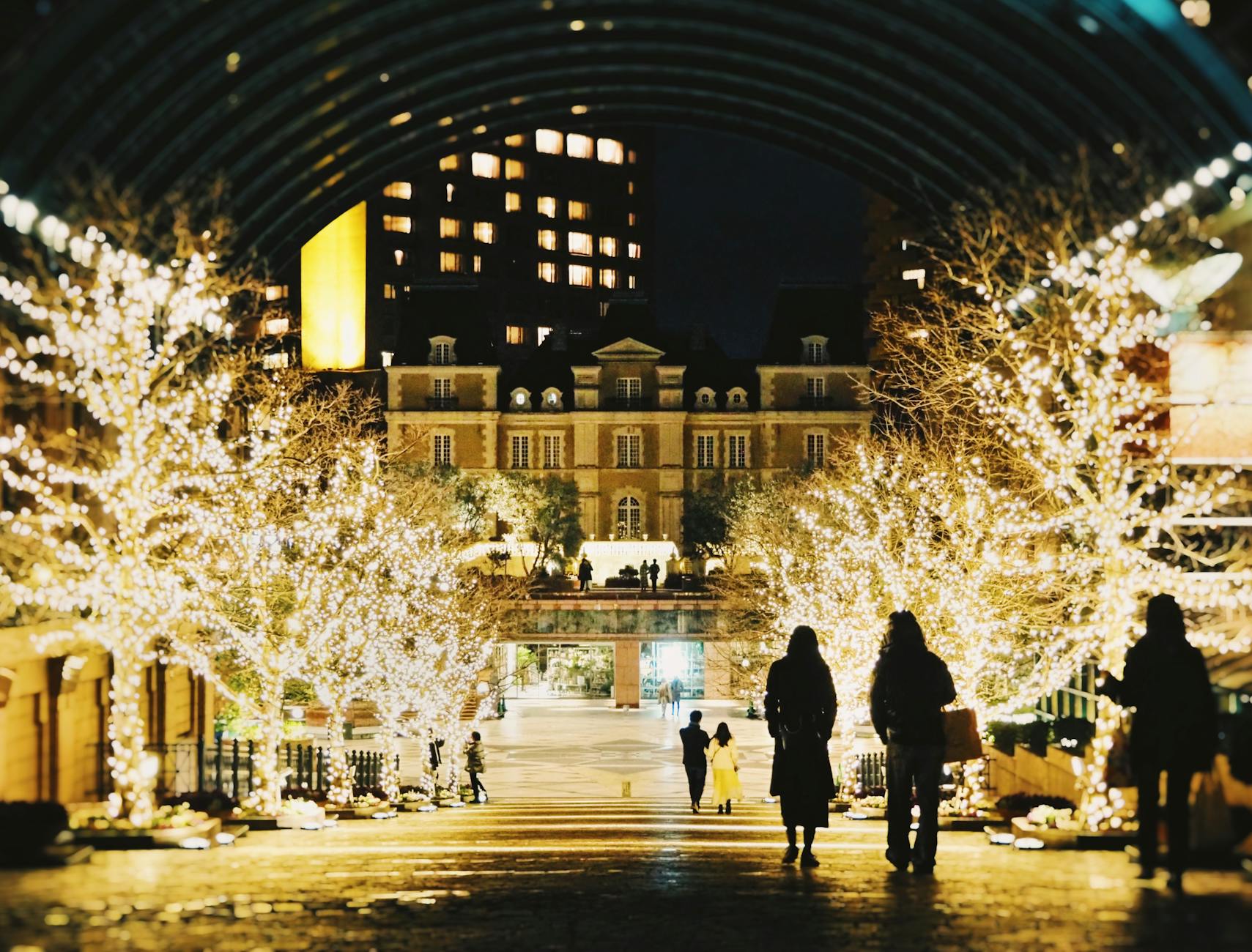
December before Christmas is when Tokyo is most itself. Every district is lit, every department store is running a food event, and every izakaya is full of bonenkai — year-forgetting parties, the compulsory-ish office drinking that runs through the whole month and peaks in the middle two weeks.
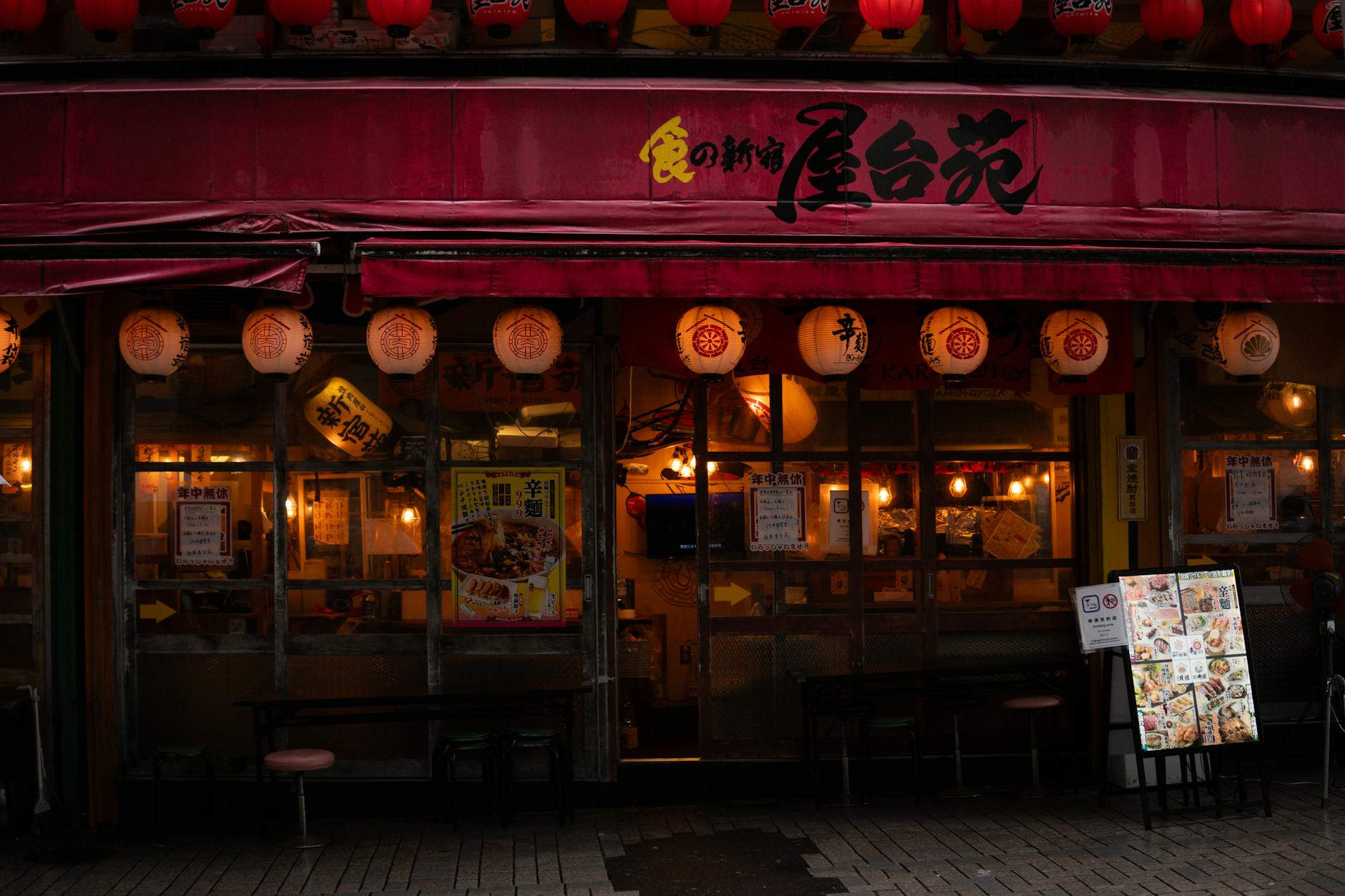
Two practical consequences. First, book anywhere you actually care about eating, because the good izakaya are taken by group bookings weeks ahead on Thursday and Friday nights. Second, the last trains in mid-December are the most chaotic of the year — genuinely drunk salarymen, missed stops and a long queue for every taxi. Aim to be on a train by 23:00 or commit to staying out.
The illuminations are the headline attraction and they are almost all free. Marunouchi, Tokyo Midtown, Roppongi Hills Keyakizaka and Caretta Shiodome are the four worth crossing the city for — our Tokyo illuminations guide ranks them properly and, more importantly, lists the end dates.
Christmas is a working day
25 December is not a public holiday in Japan. Offices open, trains run a normal timetable, and the day is treated as a romantic occasion rather than a family one — Christmas Eve is the big date night, so book both the restaurant and the hotel well ahead if you want them on the 24th.
The traditions are their own thing: fried chicken, often from KFC, which takes Christmas reservations ahead of the day; and a white sponge and strawberry Christmas cake from bakeries and convenience stores. Nothing closes. If you want a quiet Christmas, Tokyo is one of the easiest cities in the world to have one in.
December events worth planning around
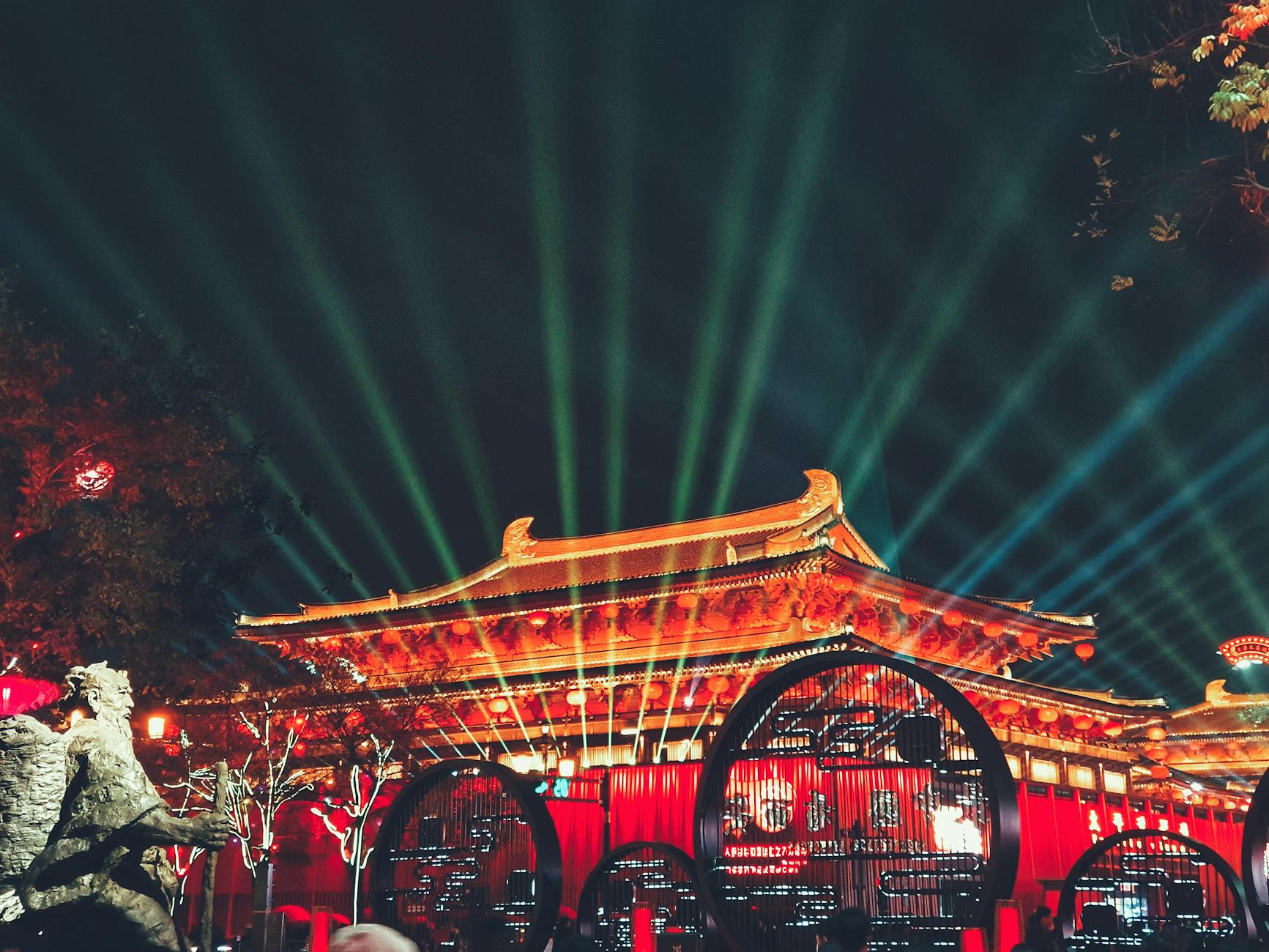
- Chichibu Yomatsuri, 2–3 December — one of Japan’s three great float festivals, in Saitama, an easy day trip from Ikebukuro. Enormous lantern-covered floats hauled up a hill after dark, plus a full winter fireworks display. Cold, crowded and spectacular. The Laview limited express runs from Ikebukuro to Seibu-Chichibu; check the current fare on Seibu Railway’s site when you book.
- Hagoita-ichi, Sensoji, 17–19 December — the battledore market, where stalls sell ornate decorated paddles bearing kabuki actors and, increasingly, current celebrities. Free, atmospheric and a good excuse to see Sensoji after dark.
- Setagaya Boro-ichi, 15–16 December — a flea market that has run for over four centuries, filling the streets of Setagaya with several hundred stalls. It repeats on 15–16 January.
- Winter fireworks — a handful of displays run in December, including at Tokyo Bay. Cold, short and much less crowded than the summer ones.
- Ameyoko year-end rush, last days of December — the market street beside Ueno station fills with shoppers as Tokyo buys crab, salmon roe and everything else for the New Year table. It is the single most alive place in the city that week.
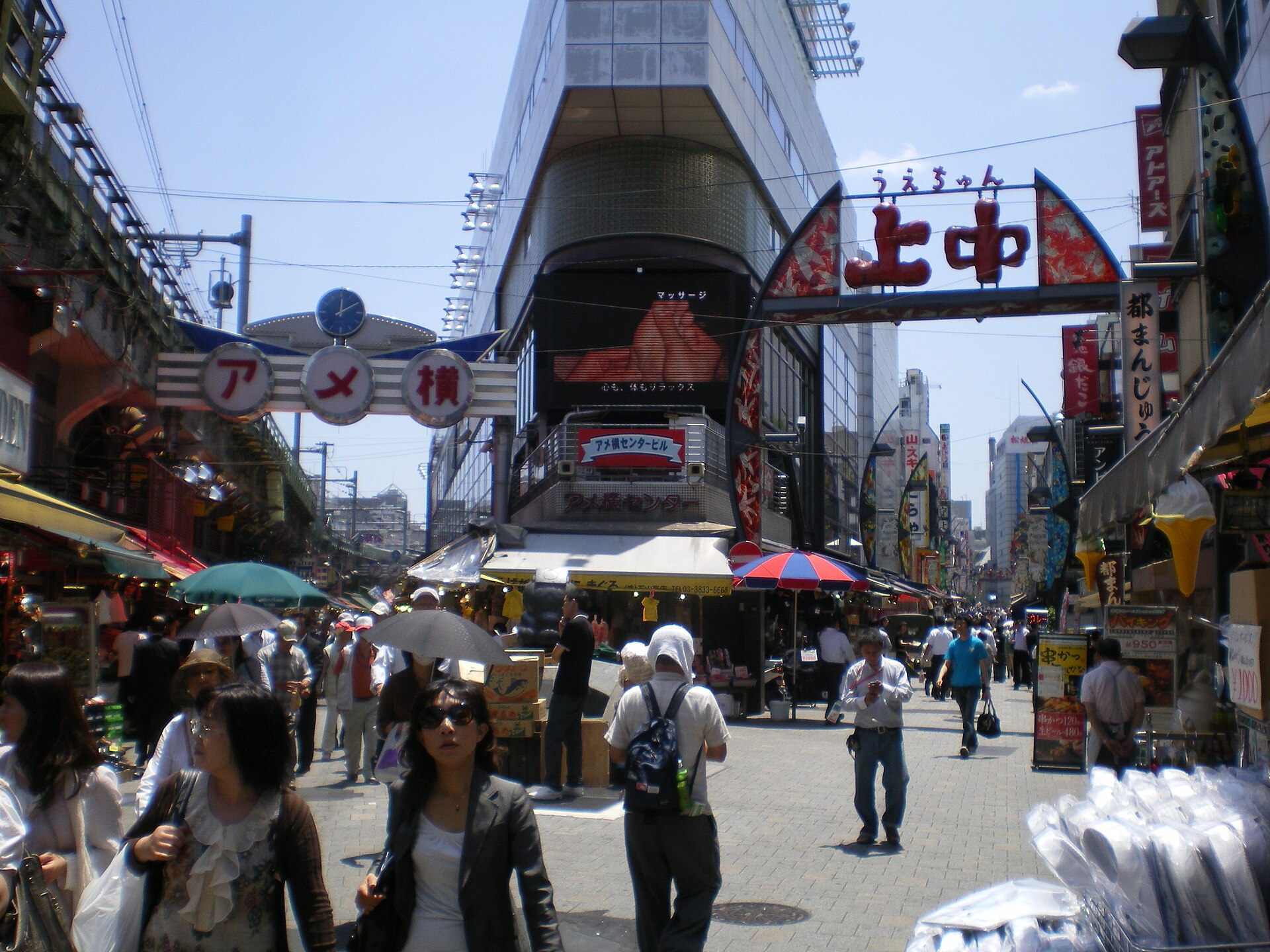
Note that 23 December is no longer a public holiday — it was the previous Emperor’s birthday and moved to 23 February with the change of reign. Plenty of older guides still list it. The Ueno guide covers Ameyoko and the museums around it the rest of the year.
The last week: what actually closes
This is the part that ruins trips, and almost nobody warns about it in advance. The New Year holiday typically runs from 29 December to 3 January, and some businesses close for several days of it. Not everything, and not everywhere — but enough to matter.
| What | Over 29 Dec – 3 Jan |
|---|---|
| Small restaurants, independent shops | Many closed, some for the full week |
| Museums and public gardens | Many close for part of the period; check each one’s New Year dates |
| Department stores | Sales generally start around 2 Jan; check each store’s New Year hours |
| Convenience stores, chain restaurants | Open throughout |
| Trains and metro | Some JR East lines, the Yamanote among them, have run all night on 31 Dec; the subway has not. Check each operator’s year-end notice |
| Shrines and temples | Extremely open, and extremely busy |
If your trip covers that window, plan around it deliberately: shrines, illuminations that are still running, department store food halls before they close, and the New Year rituals themselves, which are genuinely one of the best things about visiting Japan. Our Tokyo New Year guide covers hatsumode, the temple bells and what to do on 1 January.
New Year’s Eve, briefly
31 December in Tokyo is quiet until about 22:00 and then extraordinary. Families eat toshikoshi soba — year-crossing buckwheat noodles — at home or in a standing noodle bar. At midnight, temples ring their bells 108 times, once for each earthly desire; Zojoji beneath Tokyo Tower and Sensoji in Asakusa are the two big public ones. JR East has kept several lines running through the night, the Yamanote included, but the subway stops as usual, so look up that year’s timetable before you plan the trip home.
Crowds, prices and the week to book
| Window | Hotel rates | Verdict |
|---|---|---|
| 1–12 Dec | Low to moderate | The best value week of the winter |
| 13–23 Dec | Moderate | Illuminations lit; book restaurants |
| 24–25 Dec | Highest in the city | Date-night pricing; avoid unless that is the point |
| 26 Dec – 4 Jan | High | Closures over the 29 Dec – 3 Jan holiday, busy shinkansen, unmissable rituals |
The clear winner is the first ten days of December. Autumn colour is still hanging on in the gardens, the illuminations are already lit, the bonenkai crush has not started, and the weather is bright and cold rather than grim. If you are choosing dates freely, choose that.
The window to avoid unless you have a reason is 27 December to 4 January. Domestic travel peaks, shinkansen reserved seats are in demand, hotel rates climb, and the closures bite. The reason to accept all that is New Year itself, which is worth it — but go in knowing. See the shinkansen guide if you are travelling onward in that period; reserve as early as the system allows.
Shopping, sales and lucky bags
December is a big retail month in Japan and it works on a different calendar to the West. There is no Black Friday equivalent that matters and no pre-Christmas discounting to speak of — prices hold right through the 25th. Many shops and department stores open their New Year sales on their first working day of the year, with dates varying by store, so a visitor arriving on 27 December watches full-price windows for several days and then walks into the markdowns.
The January opening also brings fukubukuro, the sealed lucky bags: a fixed price, an unknown selection of stock worth notionally two or three times as much, and queues outside department stores before opening. Prices run from about ¥3,000 at a fashion chain to ¥50,000 and up at a luxury brand. Some retailers now publish the contents in advance, which removes the gamble and most of the fun.
Before that, December is about gift culture — oseibo, the formal year-end gift, which is why department store food halls are stacked with boxed sets of everything from ham to soy sauce from about the first of the month. It is worth walking through one purely as a spectacle. Our Tokyo shopping guide covers the districts, and tax-free shopping explains what you can reclaim.
Day trips that work in December
Cold, clear December is the best month of the year for anything involving a view, and one of the worst for anything involving a garden.
- Kawaguchiko and the Fuji Five Lakes — the single best month for a clear Fuji. Cold, quiet, and the reflection shots people fail to get in summer haze.
- Hakone — outdoor onsen in cold air is the entire point, and the Fuji view from the Owakudani ropeway is reliable in December.
- Chichibu — for the Yomatsuri on 2–3 December, and for the frozen waterfall displays later in the winter.
- Nikko — beautiful and genuinely cold; check that the Chuzenjiko roads and buses are running before committing.
What does not work: the coastal day trips lose their point in the cold, and most public gardens close over the New Year window. Our day trips from Tokyo guide has the full set with journey times.
What to pack
- A proper winter coat, but not an Arctic one. Wool overcoat, padded jacket or a decent shell with a fleece under it.
- Layers you can shed. Trains, shops and restaurants are heated hard — often to 24°C — and you will be uncomfortably hot indoors in anything heavy.
- Gloves, scarf, and a hat if you feel the cold. Evening illumination walks are the coldest two hours of any Tokyo day.
- Lip balm and moisturiser. The dry air is the most underestimated part of a Tokyo winter. Drugstores sell excellent versions from ¥400.
- Heat pads — adhesive kairo, about ¥100 each in any convenience store. Buy a box on day one.
You will not need snow boots, thermal base layers for daily wear, or anything you would pack for a Canadian winter. The full breakdown is in our Tokyo packing list, and the wider cold-weather logistics are in the Tokyo winter guide.
What to eat in December
- Oden — the simmered fish-cake stew, best from a specialist counter but perfectly good from the convenience-store vat at ¥100 to ¥200 an item. See our konbini food guide.
- Nabe — every izakaya runs hotpot menus from December, shared at the table. The best cheap winter meal in the city.
- Crab — peak season, and the reason Ameyoko sounds like an auction floor at year end.
- Fugu — pufferfish season runs through the winter, in licensed restaurants only, from about ¥5,000 for a set.
- Yaki-imo — roast sweet potato, sold from vans that drive slowly through residential streets playing a recorded song. Around ¥500 and one of the great small pleasures of a Tokyo winter.
- Christmas cake and fried chicken, if you are here on the 24th or 25th, purely for the anthropology.
Is December the right month?
Yes, if you want the illuminations, cold bright weather, clear Fuji views on good mornings and, in the first two weeks, lower prices than later in the month. It is an underrated month, and the first ten days in particular are one of the best-value windows on the entire calendar.
Yes also, differently, if you want New Year: hatsumode at a major shrine, the bells at midnight, the city at its most traditional. Accept the closures and the crowds as the price.
No, if you are travelling between about 27 December and 4 January without wanting the New Year experience — you will pay peak rates for a city where plenty of restaurants close for a few days. And no if you dislike short days; the sun sets at about 16:30 and that is not for everyone.
For the month either side, see Tokyo in November for the foliage overlap, and best time to visit Tokyo for the year-round comparison. To build the trip, start at Tokyo travel planning.
The 24th and 25th deserve their own plan, because almost none of it works the way a visitor expects: check each Christmas market’s entry arrangements, reserve KFC’s Christmas chicken once bookings open, and book Christmas Eve dinner early. Our guide to Christmas in Tokyo has the bookings timeline and what stays open.
If your trip runs over the turn of the year, the calendar keeps moving: the holiday period usually ends on the 3rd, department-store sales and lucky bags generally start around the 2nd, and the rest of January stays cold and mostly dry. Our guide to Tokyo in January picks up where this one ends.
Frequently Asked Questions
Is December a good time to visit Tokyo?
Yes, particularly the first two weeks. December is dry, with 57.9 mm of rain in an average year (February, at 56.5 mm, is the only drier month), about 174 hours of sunshine, and winter illuminations brightening the evenings. Highs run 10–15°C with lows of 2–7°C. Prices are lower early in the month, then climb through Christmas and peak over New Year.
Does it snow in Tokyo in December?
Very rarely. Tokyo sits on the Pacific side of Japan, where winter air arrives dry after dropping its snow on the mountains. The city’s first snowfall normally comes in January or February, and a December fall is unusual enough to make the news. Expect cold, clear and dry rather than white.
What closes in Tokyo over New Year?
Over the New Year holiday, usually 29 December to 3 January, many museums, public gardens, independent restaurants and small shops close for a few days, so check before you go; department-store sales generally open around 2 January. Convenience stores, chain restaurants, trains and shrines stay open — shrines extremely so. Plan that week around hatsumode, illuminations still running, and food halls before they close.
Is Christmas a holiday in Japan?
No. 25 December is a normal working day; offices open and trains run as usual. Christmas Eve is treated as a couples’ night rather than a family occasion, so reserve a restaurant table and a hotel early for 24 December. Note that 23 December is no longer a public holiday either.
How cold does Tokyo get in December?
Highs of 13–15°C at the start of the month falling to 10–12°C by the end, with overnight lows dropping from about 6°C to 2°C. A wool coat or padded jacket over layers is enough; interiors are heated hard, so bring things you can take off.
Photo Credits
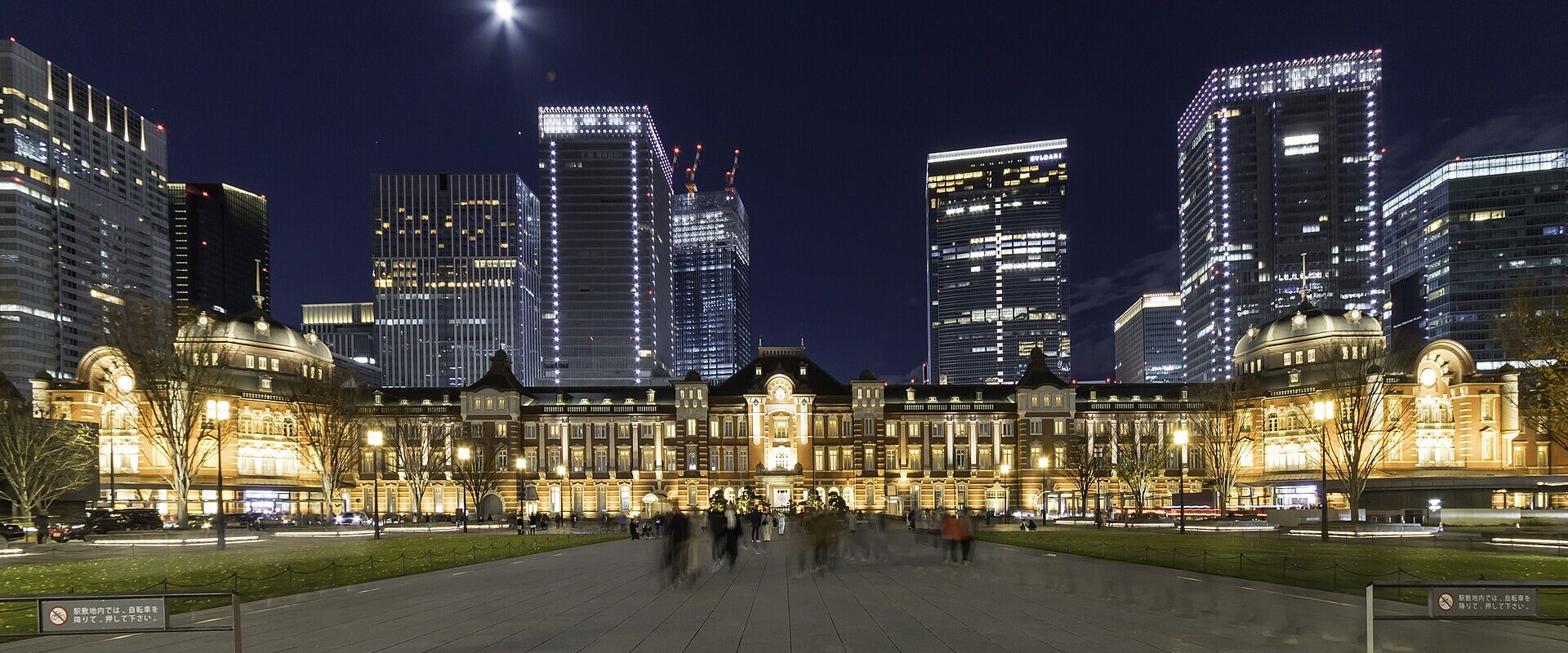
- Tokyo Station Marunouchi building floodlit on a winter evening – 2024 Tokyo Station Marunouchi Building at night by Kakidai, CC BY-SA 4.0, via Wikimedia Commons.
- The Ameyoko market entrance beside Ueno station – Ameyayokocho Entrance by Kamasakizaki, CC BY-SA 3.0, via Wikimedia Commons.