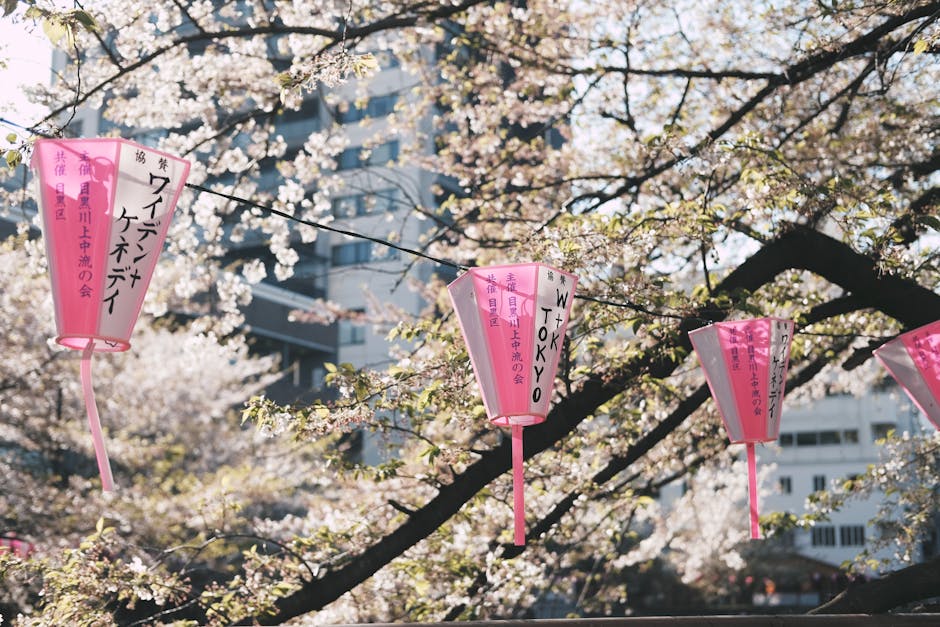
Tokyo is a city that celebrates all year round. From the hushed reverence of New Year’s shrine visits to the thundering energy of summer matsuri parades, from delicate cherry blossom viewing parties to dazzling winter illuminations, the tokyo festivals events calendar is packed with experiences that transform every month into a reason to visit. No matter when you travel to Tokyo, a festival, celebration, or cultural event is happening somewhere in the city — often several at once.
What makes Tokyo’s festival culture extraordinary is its range. Ancient Shinto rituals dating back centuries coexist with cutting-edge pop culture conventions. You can spend a morning watching sumo wrestlers perform sacred ring-entering ceremonies and an afternoon browsing the latest anime releases at the world’s largest fan convention. Street processions carrying 1,000-kilogram portable shrines pass through neighborhoods where holographic billboards advertise the newest virtual idol concerts. This collision of tradition and modernity is uniquely Tokyo, and the festival calendar is where it’s most visible.
This guide provides a comprehensive month-by-month breakdown of Tokyo’s major festivals, events, and seasonal highlights — with 2026-specific dates, practical tips for attending, and the cultural context that makes each event meaningful. Whether you’re planning your trip around a specific festival or looking to discover what’s happening during your visit, this calendar will help you experience Tokyo’s celebration culture at its finest.
Tokyo’s Festival Calendar: What Makes 2026 Special
Every year in Tokyo is unique because of the city’s alternating festival system. Several of Tokyo’s biggest matsuri rotate between “grand” and “shadow” years, meaning the scale of certain events changes dramatically depending on when you visit. Here are the key 2026 distinctions:
- Sanno Matsuri (June 7-17) — GRAND PROCESSION YEAR: This is the big one for 2026. As an even-numbered year, the Sanno Matsuri at Hie Shrine features its spectacular grand procession (shinkousai) through central Tokyo with over 500 participants in Heian-period costumes, portable shrines, and elaborately decorated floats. This only happens in even years — odd years feature a quieter, more local celebration.
- Kanda Matsuri (May 11-17) — Shadow year: In 2026, the Kanda Matsuri at Kanda Myojin Shrine operates in its quieter alternating year. There are still ceremonies and local mikoshi (portable shrine) processions, but the massive grand parade with 200+ mikoshi only occurs in odd years (the next grand Kanda Matsuri is 2027).
- Fukagawa Hachiman Matsuri (August 12-16) — MAJOR YEAR: This water-splashing festival in Koto ward is at full scale in 2026, featuring the famous tradition of spectators drenching mikoshi carriers with buckets of water as they parade through the streets.
- Sumo in Tokyo: Three tournaments — January 11-25 (Hatsu Basho), May 10-24 (Natsu Basho), September 13-27 (Aki Basho) at Ryogoku Kokugikan.
Winter (December-February): New Year Traditions and Illuminations
December: Illuminations and Year-End Celebrations
December in Tokyo is defined by spectacular winter illuminations and year-end traditions. The city’s major illumination displays typically run from mid-November through February, transforming entire neighborhoods into sparkling wonderlands. Marunouchi Winter Illumination along the boulevard between Tokyo Station and the Imperial Palace is one of the most popular, featuring over 1.2 million champagne-gold LEDs lining 200 zelkova trees. Roppongi Hills Christmas combines a massive illuminated Keyakizaka-dori with the Mori Garden’s reflective light installations. Caretta Shiodome is known for its elaborate themed light shows synchronized to music.
Gishi Matsuri (December 14) at Sengakuji Temple in Minato ward commemorates the famous 47 Ronin with a procession of participants dressed as the loyal samurai. Countdown Japan (December 28-January 1) at Makuhari Messe is one of Japan’s largest year-end music festivals, featuring over 200 artists across four days. The Toshi no Ichi (year-end markets) at various shrines and temples sell New Year decorations, lucky charms, and seasonal foods throughout the month.
January: New Year (Shogatsu) and Hatsumode
New Year (Shogatsu) is Japan’s most important holiday, and the celebrations in Tokyo are unforgettable. The countdown on December 31 is marked at temples across the city with joya no kane — the ringing of temple bells 108 times to purify the 108 worldly desires of Buddhist belief. Zojoji Temple near Tokyo Tower is one of the most atmospheric locations for this, with the illuminated tower forming a backdrop to the ceremony.
Hatsumode — the first shrine or temple visit of the new year — draws millions of Tokyo residents during the first three days of January. Meiji Jingu is the most popular hatsumode destination in Japan, receiving over 3 million visitors. Senso-ji, Kanda Myojin, and Hie Shrine are also major hatsumode spots. Arrive early (before 10 AM) or late (after 8 PM) to avoid the longest queues. The atmosphere is festive: food stalls line the approach to major shrines, families wear kimono, and the air smells of charcoal-grilled mochi and amazake (sweet rice wine).
Hatsuhinode (first sunrise of the year) is watched from viewpoints across Tokyo — the observation deck at the Tokyo Metropolitan Government Building in Shinjuku hosts a free viewing event. The January Sumo Tournament (Hatsu Basho), held January 11-25 at Ryogoku Kokugikan, is one of three Tokyo tournaments and a spectacular introduction to Japan’s national sport. Tickets for popular days sell out quickly; purchase through the official sumo.or.jp website when sales open in early December.
February: Setsubun and Plum Blossoms
Setsubun (February 3) marks the last day of winter in the traditional Japanese calendar and is celebrated with mamemaki — the throwing of roasted soybeans to drive out evil spirits while shouting “Oni wa soto! Fuku wa uchi!” (Demons out! Good fortune in!). Major temples and shrines host elaborate Setsubun ceremonies — Senso-ji and Zojoji Temple invite celebrity guests to throw beans from elevated platforms to crowds below. It’s a joyous, chaotic event that’s fun for all ages.
Plum blossom (ume) festivals begin in late February, preceding the more famous cherry blossoms by several weeks. Yushima Tenjin Ume Matsuri (February-March) features over 300 plum trees at Yushima Tenmangu Shrine near Ueno, with weekend events including traditional music performances and tea ceremonies. Setagaya Plum Festival at Hanegi Park offers a more local, less crowded alternative with over 650 plum trees.
Spring (March-April): Cherry Blossoms and Hanami
Spring is Tokyo’s most celebrated season, centered around the cherry blossom (sakura) season that transforms the city into a pink and white wonderland. For many visitors, cherry blossom season alone is reason enough to plan a Tokyo trip.
March: Cherry Blossom Season Begins
Cherry blossoms in Tokyo typically begin opening in the third week of March, with full bloom (mankai) usually occurring between March 25 and April 5 — though this varies by a week or more depending on winter temperatures. In 2026, the Japan Meteorological Corporation forecasted first bloom around March 21, with full bloom around March 28. The blossoms last approximately one to two weeks at peak before the petals begin to scatter (hanafubuki — cherry blossom blizzard), which many Japanese people consider even more beautiful than full bloom.
AnimeJapan (March 28-29, 2026) at Tokyo Big Sight is the world’s largest anime industry event, attracting over 150,000 visitors with exhibition booths from every major anime studio, exclusive merchandise, voice actor appearances, and premieres of upcoming series. Day tickets sell out in advance — purchase through the official website when sales open in January.
April: Peak Hanami Season
Hanami — the tradition of gathering under blooming cherry trees to eat, drink, and celebrate the fleeting beauty of the blossoms — is one of Japan’s most beloved cultural practices. In Tokyo, hanami parties range from quiet family picnics to boisterous corporate gatherings that last well into the evening (when the practice is called yozakura — nighttime cherry blossom viewing).
The best hanami spots in Tokyo include Ueno Park (over 800 trees, the most popular and crowded spot — arrive early to claim space), Shinjuku Gyoen (a more peaceful option with 1,100 trees across a manicured garden — no alcohol allowed), Chidorigafuchi along the Imperial Palace moat (stunning from rowboats), Meguro River (over 800 trees lining the river with lantern illumination at night), and Yoyogi Park (huge open spaces perfect for large groups). Inokashira Park in Kichijoji is a local favorite with blossoms reflected in the pond.
Hana Matsuri (April 8) celebrates the Buddha’s birthday at Buddhist temples throughout Tokyo, with Senso-ji hosting one of the largest celebrations. Visitors pour sweet tea (amacha) over small Buddha statues in a flower-decorated shrine. The Meiji Jingu Spring Grand Festival (late April) features traditional performing arts including bugaku (court dance), noh theater, and kyudo (archery) demonstrations on the shrine grounds.
Golden Week (Late April-Early May): Japan’s Biggest Holiday Cluster
Golden Week (April 29-May 6) is Japan’s longest holiday period, combining four national holidays in a single week. This is both an opportunity and a challenge for visitors — while the festive atmosphere is wonderful and many special events take place, Tokyo is significantly more crowded, accommodation prices spike, and popular attractions have long queues.
The holidays during Golden Week are: Showa Day (April 29, celebrating the Showa Emperor’s birthday), Constitution Memorial Day (May 3), Greenery Day (May 4), and Children’s Day (May 5). On Children’s Day, look for colorful koinobori (carp streamers) flying from buildings and poles across the city — families display these fish-shaped flags to wish health and success for their children.
Kurayami Matsuri (April 30-May 6) at Okunitama Shrine in Fuchu is one of Tokyo’s most dramatic festivals, culminating in a nighttime parade of massive portable shrines carried through darkened streets illuminated only by torchlight. The Kanda Matsuri pre-festival events also begin during Golden Week, building anticipation for the main celebrations in mid-May.
Travel tip: If visiting during Golden Week, book accommodation and long-distance transport months in advance. Alternatively, use this period to explore Tokyo’s quieter neighborhoods while the crowds concentrate at major attractions and travel destinations outside the city.
Late Spring (May): Sanja Matsuri and Sumo
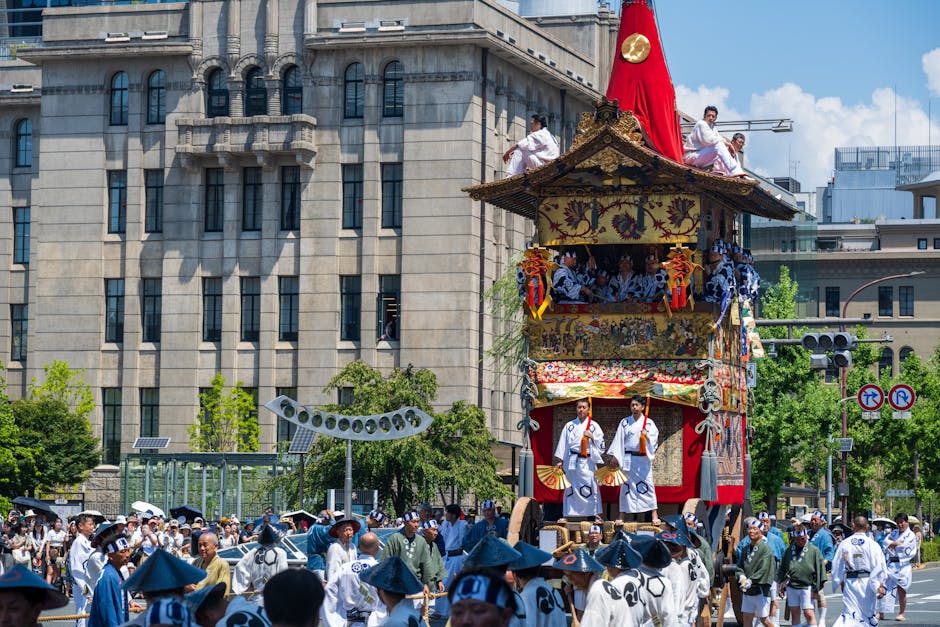
Sanja Matsuri (May 15-17, 2026) is one of Tokyo’s three great festivals and arguably the most exciting to witness. Held at Senso-ji’s neighboring Asakusa Shrine, this three-day event draws nearly 2 million spectators and features around 100 mikoshi (portable shrines) carried by thousands of participants through the streets of Asakusa. The energy is electric — mikoshi carriers chant rhythmically, the streets are packed with food stalls, and the festival builds to a climactic Sunday when three massive main mikoshi from Asakusa Shrine are paraded through the neighborhood. Arrive early on Sunday morning for the best viewing positions near the shrine.
Kanda Matsuri (May 11-17, 2026) at Kanda Myojin Shrine near Akihabara is in its shadow year, meaning the grand procession with 200+ mikoshi doesn’t occur. However, ceremonies, local mikoshi processions, and cultural events still take place throughout the week. The shrine’s Otaku culture connection — it’s popular with anime fans — adds a unique modern dimension to this traditional festival.
The May Sumo Tournament (Natsu Basho), May 10-24 at Ryogoku Kokugikan, is the second Tokyo tournament of the year. The May tournament coincides with warmer weather and longer days, making it ideal to combine a sumo day with exploring the Ryogoku neighborhood’s sumo-related attractions — chanko nabe restaurants, the Sumo Museum, and morning practice sessions at nearby stables (some accept visitors; check individual stable websites).
Early Summer (June): Sanno Matsuri — Tokyo’s Grand Procession
Sanno Matsuri (June 7-17, 2026) at Hie Shrine in Nagatacho is the standout festival of summer 2026. As an even-numbered year, this is a grand procession year — the spectacular shinkousai parade sends over 500 participants through the heart of Tokyo’s government district dressed in Heian-period (794-1185) court costumes. Ornate mikoshi, beautifully decorated horses, and musicians playing ancient instruments create a scene that looks transported from a thousand years ago, passing modern office towers and the National Diet Building.
The procession typically begins at Hie Shrine in the morning and follows a route through Nagatacho, Nihonbashi, and Ginza before returning to the shrine. The best viewing spots are along Sotobori-dori and near Nihonbashi, where the contrast between the ancient procession and modern surroundings is most striking. Beyond the main procession, the festival includes traditional music and dance performances at the shrine, food stalls, and a festive atmosphere throughout the surrounding neighborhoods.
Firefly viewing (hotaru) in June is a magical seasonal experience. Fussa Hotaru Matsuri celebrates the fireflies along the Tamagawa River in western Tokyo. Several hotels and gardens — including Hotel Chinzanso Tokyo — create special firefly viewing evenings with hundreds of released fireflies illuminating their gardens. The Bunkyo Ajisai (Hydrangea) Festival at Hakusan Shrine celebrates the rainy season’s most beautiful flower, with over 3,000 hydrangea bushes in full bloom across the shrine grounds.
Peak Summer (July): Lanterns, Fireworks, and Tanabata
July is the height of festival season in Tokyo, with some of the city’s most spectacular events concentrated in a few electric weeks.
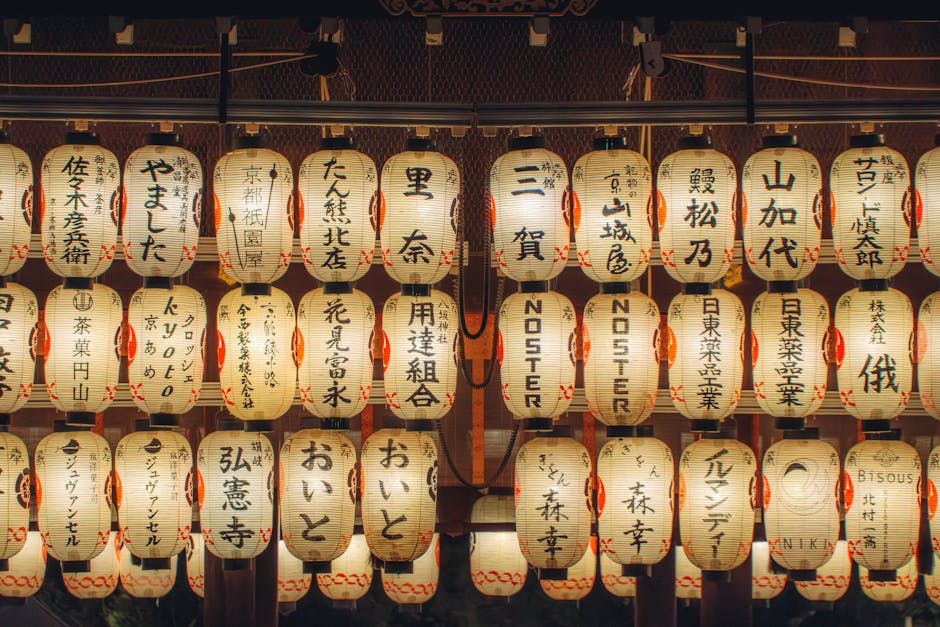
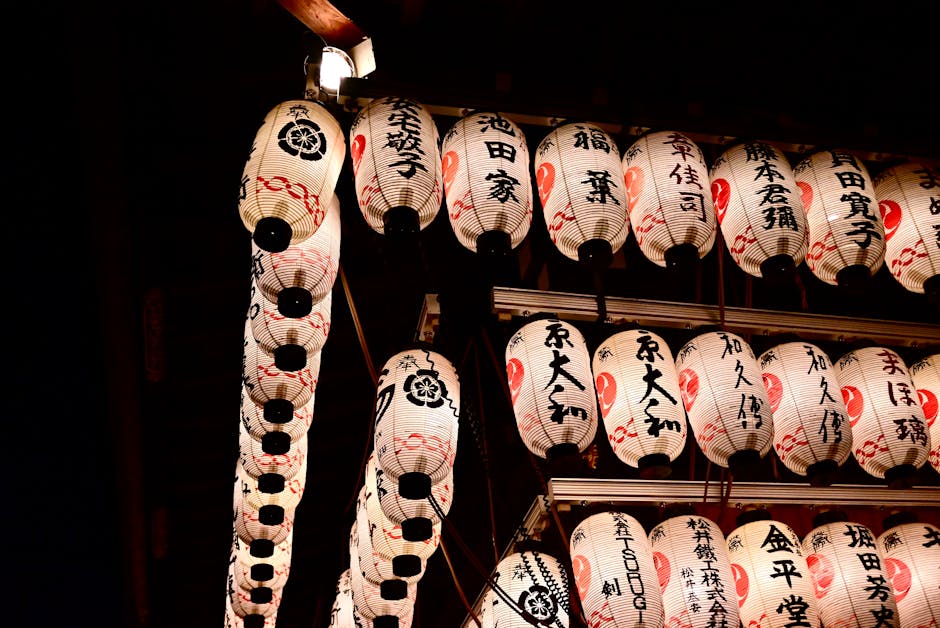
Mitama Matsuri (July 13-16) at Yasukuni Shrine is one of Tokyo’s most visually stunning festivals. Over 30,000 paper lanterns (chochin) are hung throughout the shrine grounds, creating an ethereal glow that transforms the normally solemn space into a magical lantern-lit wonderland. The festival also features bon odori (traditional folk dancing), food stalls, and traditional music performances. Evening visits are most atmospheric, when the lanterns are fully illuminated against the darkening sky.
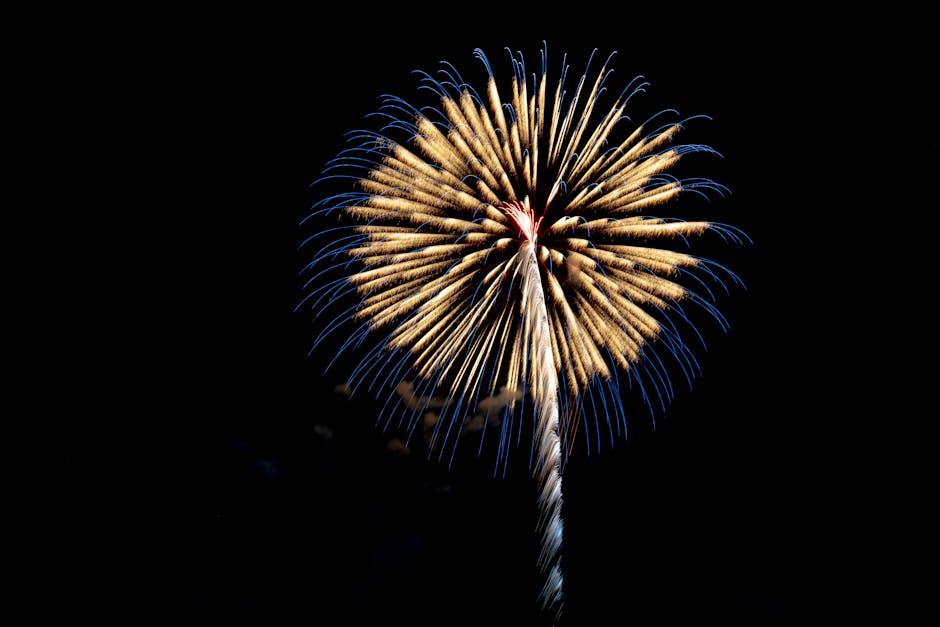
Sumida River Fireworks Festival (July 25, 2026) is Tokyo’s largest and most famous fireworks display, launching approximately 20,000 fireworks over the Sumida River between Asakusa and the Tokyo Skytree. The competition between two fireworks sites creates an hour-long show that draws nearly 1 million spectators. Premium viewing areas along the riverbanks fill up hours in advance — some visitors begin staking out spots in the early afternoon. For a less crowded experience, watch from rooftop bars in Asakusa, or join one of the yakatabune (traditional dining boats) that cruise the river during the display. Book boats months in advance.
Tanabata (July 7) celebrates the annual reunion of the celestial lovers Orihime and Hikoboshi. While Tanabata is celebrated more elaborately in Sendai (early August), Tokyo marks the occasion at shrines and shopping streets with colorful streamers and tanzaku — small strips of paper on which visitors write wishes and hang on bamboo branches. Kagurazaka Matsuri (late July) is one of Shinjuku’s most charming summer festivals, with traditional awa odori dancing through the neighborhood’s atmospheric cobblestone streets.
Late Summer (August): Neighborhood Matsuri and Bon Odori
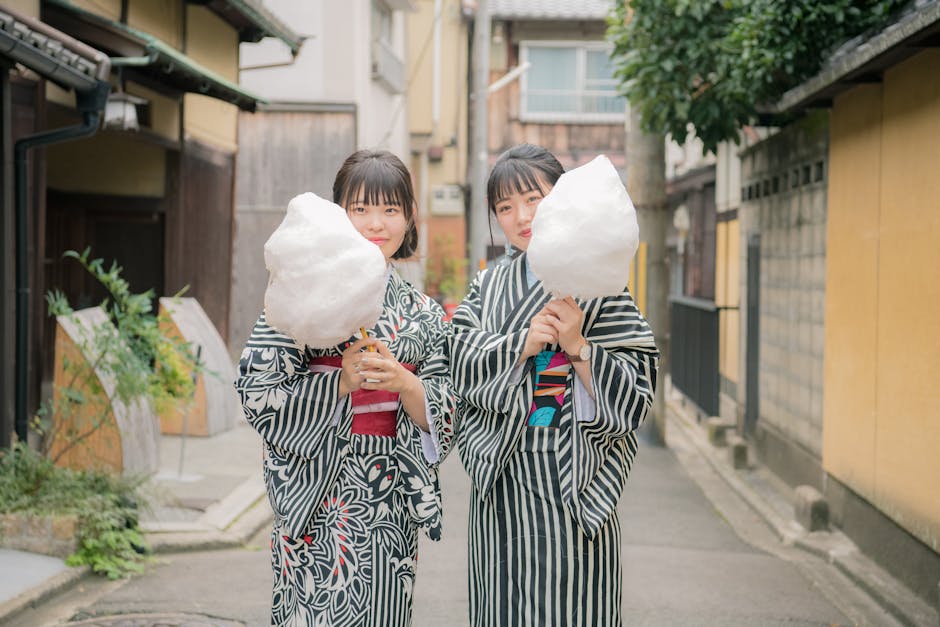
August is neighborhood matsuri season, when local communities across Tokyo host their own distinctive festivals. These smaller, more local events often provide a more authentic and less crowded experience than the major city-wide festivals.
Fukagawa Hachiman Matsuri (August 12-16, 2026) is at full scale this year. Held at Tomioka Hachimangu Shrine in Koto ward, this “water-throwing festival” (mizu kake matsuri) is famous for the tradition of spectators dousing the mikoshi carriers with buckets of water as they parade through the streets. The combination of August heat, thousands of chanting carriers, and cascading water creates one of Tokyo’s most viscerally exciting festival experiences. Wear clothes you don’t mind getting soaked.
Hachioji Matsuri (August 7-9) in western Tokyo features 19 elaborately carved festival floats (dashi) parading through the streets, each representing a different neighborhood and dating back centuries. The craftsmanship of the floats is extraordinary, and the evening parade with illuminated floats is particularly spectacular. Koenji Awa Odori (late August) is Tokyo’s largest Awa Odori dance festival, attracting over 1 million spectators to watch 10,000+ dancers perform the energetic traditional dance through the streets of this Suginami ward neighborhood.
Bon Odori festivals take place throughout August at parks, temples, and community centers across Tokyo. These folk-dancing events celebrate Obon — the Buddhist festival honoring deceased ancestors. Participants (and spectators who want to join) dance in circles around a central yagura (raised platform) where musicians play traditional songs. The Azabu Juban Noryo Matsuri (August 22-23) is one of the most popular, combining bon odori with over 300 food stalls representing the area’s diverse international community.
Autumn (September-November): Art, Shrines, and Harvest Festivals
Autumn in Tokyo brings cooler weather, stunning foliage, and a calendar rich in cultural events.
September: Sumo and Art
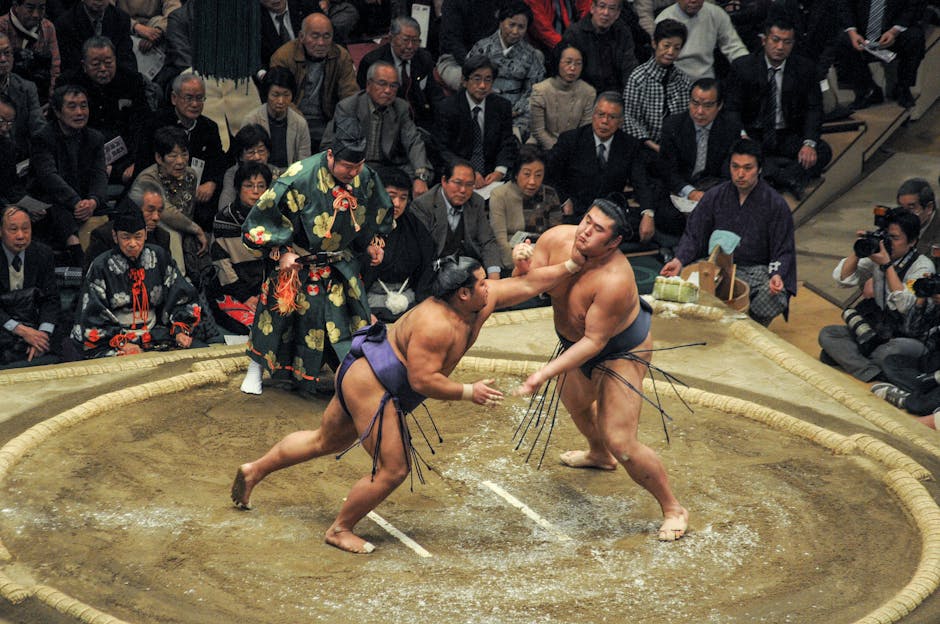
The September Sumo Tournament (Aki Basho), September 13-27 at Ryogoku Kokugikan, is the final Tokyo tournament of the year and often the most competitive as wrestlers jockey for year-end rankings. Tickets typically go on sale in early August. Roppongi Art Night (September 25-27, 2026) transforms the Roppongi district into an all-night open-air art festival, with installations, performances, and exhibitions at Roppongi Hills, Tokyo Midtown, the National Art Center, and throughout the streets. The event runs from sunset to sunrise, with many installations free to view.
October: Autumn Festivals and Tokyo Game Show
Tokyo Game Show (late September/early October) at Makuhari Messe is one of the world’s largest video game exhibitions, featuring playable demos, exclusive announcements, and cosplay gatherings. Public days (weekend) sell out in advance. The Kawagoe Festival (mid-October) in nearby Kawagoe — easily accessible as a day trip from Tokyo — features spectacular two-story festival floats with moving puppet figures, designated a UNESCO Intangible Cultural Heritage.
Ikegami Honmonji Oeshiki (October 11-13) is one of Tokyo’s most visually striking autumn festivals. Held at Ikegami Honmonji Temple in Ota ward to commemorate the death of Buddhist priest Nichiren, the centerpiece is an evening procession of enormous manto — tower-like structures decorated with hundreds of paper cherry blossoms and illuminated from within, carried by chanting participants through candlelit streets.
November: Tori no Ichi and Autumn Colors
Tori no Ichi (November 7 and 19, 2026) is a beloved Tokyo tradition held on “rooster days” at Otori Shrine in Asakusa and other shrines across the city. Vendors sell elaborately decorated kumade — ornamental bamboo rakes symbolizing “raking in” good fortune and prosperity for the coming year. The negotiation process for buying kumade involves ritualized clapping and boisterous bargaining that creates a festive atmosphere. The evening markets are packed with food stalls and attract hundreds of thousands of visitors.
Autumn foliage (koyo) peaks in Tokyo from mid-November to early December — later than most of Japan. The best spots include Meiji Jingu Gaien (the famous ginkgo tree avenue turns brilliant gold), Rikugien Garden (illuminated evening viewing during peak color), Shinjuku Gyoen (diverse tree species create a tapestry of colors), and Koishikawa Korakuen (considered one of Tokyo’s most beautiful gardens). Autumn foliage viewing is called momijigari, and like hanami in spring, it’s accompanied by special seasonal foods, temple illuminations, and garden events.
Year-Round: Sumo, Anime Events, and Pop Culture Festivals
Sumo Tournaments
Three of sumo’s six annual tournaments take place in Tokyo at Ryogoku Kokugikan, each lasting 15 days: January (Hatsu Basho, January 11-25), May (Natsu Basho, May 10-24), and September (Aki Basho, September 13-27). Each tournament day runs from approximately 8:00 AM (lower division matches) to 6:00 PM (top-division bouts and awards ceremony). The most exciting matches are typically from 3:30 PM onward when the makuuchi (top division) wrestlers compete.
Tickets range from ¥2,200 (general admission, upper balcony) to ¥14,800+ (box seats for four, near the ring). Same-day general admission tickets go on sale at the arena from 8:00 AM on each tournament day — arrive by 7:00 AM for popular days. Advance tickets are available through the official website approximately one month before each tournament begins.
Anime, Gaming, and Pop Culture Events
Tokyo hosts the world’s largest concentration of pop culture events throughout the year:
- AnimeJapan (late March) — World’s largest anime industry event at Tokyo Big Sight. 150,000+ attendees.
- Comiket (Comic Market) (mid-August and late December) — The world’s largest self-published works convention at Tokyo Big Sight. Over 500,000 attendees across three days, with thousands of independent creators selling doujinshi (self-published manga), art, music, and merchandise.
- Tokyo Game Show (late September/early October) — Major video game expo at Makuhari Messe with playable demos and exclusive reveals.
- Jump Festa (December) — Celebration of Shonen Jump manga featuring exclusive announcements and voice actor appearances at Makuhari Messe.
- Design Festa (May and November) — Asia’s largest art festival at Tokyo Big Sight, featuring thousands of independent artists, musicians, and performers.
Practical Guide: How to Experience Tokyo Festivals Like a Local
What to Wear
For summer festivals (July-August), wearing a yukata (casual summer kimono) is traditional and warmly welcomed — rental shops near festival areas rent yukata with obi (sash) and geta (wooden sandals) for ¥3,000-¥5,000 for the day. For all outdoor festivals, wear comfortable shoes (you’ll be standing and walking for hours), and bring a hand towel (tenugui) for wiping sweat in summer. Winter illumination viewing calls for warm layers — temperatures drop quickly after sunset.
What to Eat and Drink
Festival food stalls (yatai) are half the experience. Essential festival foods include: yakisoba (fried noodles), takoyaki (octopus balls), okonomiyaki (savory pancakes), kakigori (shaved ice, summer only), yakitori (grilled chicken skewers), choco banana (chocolate-dipped banana), and ramune (marble-sealed soda). Beer and chuhai (flavored highballs) are sold at most festival stalls. Cash is essential at food stalls — few accept electronic payment.
Timing and Logistics
- Arrive early for major festivals. For events like the Sumida River Fireworks or Sanja Matsuri, the best viewing spots fill up hours before the main events.
- Check festival schedules carefully. Many festivals have specific days for different events — the grand procession might only be on one day of a multi-day festival.
- Use trains, not taxis. Festival areas are typically congested, and taxis get stuck in traffic. Train stations near major festivals may have crowd control measures — follow staff directions and be patient.
- Bring cash. Festival food stalls, souvenir vendors, and shrine shops are overwhelmingly cash-based.
- Book accommodation early. Hotels near major festival areas fill up weeks or months in advance. Consider staying in a different neighborhood and using trains to reach the festival.
- Respect the sacred elements. Many festivals are religious events, not just entertainment. Portable shrines (mikoshi) are sacred objects — don’t touch them unless invited by participants. Follow the crowd’s lead on when to be reverent and when to be festive.
Frequently Asked Questions About Tokyo Festivals
When is the best time to visit Tokyo for festivals?
Every season has major festivals, but the highest concentration of events falls in three periods: late March through early May (cherry blossom season through Golden Week), July through mid-August (summer matsuri season including fireworks), and late December through early January (New Year celebrations). For 2026 specifically, June is exceptional thanks to the Sanno Matsuri grand procession, which only occurs in even years.
Are Tokyo festivals free to attend?
Most street festivals, matsuri processions, and shrine celebrations are completely free to attend and watch. Some events with reserved seating (like fireworks viewing areas or sumo tournaments) require tickets. Temple and shrine grounds are generally free to enter during festivals, though special exhibitions or inner sanctum access may have a small fee. Pop culture conventions (AnimeJapan, Comiket, Tokyo Game Show) require advance tickets ranging from ¥1,500-¥3,000 per day.
Can tourists participate in Tokyo festivals?
Absolutely. While carrying a mikoshi requires being part of a registered neighborhood group, many festival activities welcome tourist participation. You can join bon odori dancing circles (just follow the people around you), write wishes on tanzaku during Tanabata, throw beans during Setsubun, and participate fully in shrine rituals like purification and prayer. Wearing yukata to summer festivals is encouraged and appreciated. The key is to be respectful, follow the crowd’s lead, and ask before joining structured activities.
How do I get sumo tickets?
Advance tickets go on sale approximately one month before each tournament through the official sumo.or.jp website and at convenience store ticket machines (Loppi at Lawson, Famiport at FamilyMart). Popular days (weekends, opening day, final day) sell out within hours. Same-day general admission tickets (¥2,200) are available at the Ryogoku Kokugikan box office from 8:00 AM each tournament day — arrive by 7:00 AM for a good chance of getting one. These balcony seats offer a perfectly good view and are one of Tokyo’s best-value cultural experiences.
Plan Your Tokyo Festival Experience
Tokyo’s festival calendar rewards both planners and spontaneous travelers. If you have the flexibility to time your trip around a specific event — the Sanno Matsuri grand procession in June 2026, the Sumida River Fireworks in late July, or New Year celebrations — you’ll witness cultural spectacles that rank among the most memorable experiences in world travel. But even if your dates are fixed, this guide shows that there’s always something happening: a neighborhood matsuri tucked behind a train station, a seasonal illumination transforming a familiar street, or a centuries-old ceremony unfolding at a shrine you passed without noticing.
The festivals are where Tokyo’s extraordinary cultural depth is most visible — where ancient traditions, community bonds, and the city’s tireless creative energy all converge in celebrations that are at once sacred and joyful, meticulously organized and wonderfully chaotic. Bring your camera, bring cash, wear comfortable shoes, and be ready to be swept up in something unforgettable.