Tokyo on a Budget · Guide №014
Tokyo on a Budget: The Complete Money-Saving Travel Guide
目次 — Contents
- What’s in This Budget Guide
- Realistic Daily Budget Breakdown (2026)
- Budget Accommodation in Tokyo
- Eating in Tokyo on a Budget
- Budget Transportation in Tokyo
- Best Free Attractions in Tokyo
- Budget Shopping & Souvenirs
- Top Money-Saving Tips & Tricks
- Sample 5-Day Budget Itinerary
- Budget Travel Mistakes to Avoid
- Keep Planning Your Tokyo Trip
- In-Depth Budget Guides
- Frequently Asked Questions
- Photo Credits
This article contains advertising. Our booking links are routed through a partner that adds commission tracking automatically, so if you book through one we earn a commission from the provider, at no extra cost to you. It never affects what we recommend. Affiliate disclosure

Here’s the truth about Tokyo that budget travel blogs don’t always get right: Tokyo is not as expensive as its reputation suggests. In fact, with the right strategies, you can experience one of the world’s greatest cities for less than many European capitals. The key is knowing where locals eat, how they commute, and which of Tokyo’s incredible free attractions rival the paid ones.
This Tokyo budget travel guide breaks down every major expense category with specific prices, tested money-saving strategies, and realistic daily budgets for 2026. Whether you’re a backpacker stretching every yen or a mid-range traveler looking to be smart with your spending, this guide will help you experience everything Tokyo has to offer without overspending.
The bottom line: A budget traveler can explore Tokyo comfortably on ¥10,000–¥15,000 ($65–$100) per day including accommodation, food, transportation, and activities. That’s significantly cheaper than London, Paris, or New York. Read on to learn exactly how.
What’s in This Budget Guide
- Daily budget breakdown for every travel style
- Budget accommodation: hostels, capsule hotels, and more
- Eating cheaply without sacrificing quality
- Transportation hacks and passes
- Free and cheap attractions worth your time
- Budget shopping and souvenirs
- Money-saving tips and tricks
- Sample budget itineraries
- FAQ for budget travelers
Realistic Daily Budget Breakdown (2026)
Here’s what Tokyo actually costs per person per day at three budget levels:
Backpacker Budget: ¥8,000–¥12,000 ($55–$80/day)
- Accommodation: ¥2,500–¥4,000 (hostel dorm bed or budget capsule hotel)
- Food: ¥2,000–¥3,500 (convenience store meals, standing noodle shops, gyudon chains)
- Transportation: ¥800–¥1,500 (24-hour subway pass or targeted IC card use)
- Activities: ¥0–¥2,000 (mostly free attractions with occasional paid entry)
- Miscellaneous: ¥500–¥1,000 (drinks, snacks, coin lockers)
Smart Budget: ¥15,000–¥22,000 ($100–$150/day)
- Accommodation: ¥5,000–¥9,000 (private capsule, budget business hotel, or Airbnb)
- Food: ¥3,500–¥5,000 (mix of convenience stores, casual restaurants, and one sit-down meal)
- Transportation: ¥1,000–¥1,800 (IC card with strategic day pass use)
- Activities: ¥1,000–¥3,000 (1–2 paid attractions per day)
- Miscellaneous: ¥1,000–¥2,000 (coffee, treats, small purchases)
Comfortable Budget: ¥25,000–¥40,000 ($170–$275/day)
- Accommodation: ¥10,000–¥18,000 (mid-range hotel with breakfast)
- Food: ¥5,000–¥8,000 (restaurant meals including one nicer dinner)
- Transportation: ¥1,500–¥2,500 (IC card, occasional taxi)
- Activities: ¥2,000–¥5,000 (major attractions, experiences)
- Miscellaneous: ¥2,000–¥4,000 (shopping, entertainment)
Budget Accommodation in Tokyo
Two companion guides go deeper than this overview: our best budget hotels and hostels in Tokyo roundup names specific properties under $50 a night, and the Tokyo capsule hotel guide covers the pod chains, prices, and etiquette in detail.
Hostels (¥2,500–¥5,000/night)
Tokyo’s hostels are among the cleanest and best-designed in the world. Dorm beds typically range from ¥2,500–¥4,000 per night, with private rooms available at ¥5,000–¥9,000. Most include free WiFi, luggage storage, common kitchens, and laundry facilities.
- Nui. Hostel & Bar Lounge (Kuramae): A beautifully converted warehouse with a popular ground-floor bar. Dorms from ¥3,200. Great location near Asakusa.
- Bunka Hostel (Asakusa): Modern design hostel right in the Asakusa tourist area. Dorms from ¥3,000, with an izakaya-style restaurant on the ground floor.
- K’s House Tokyo (Kuramae): Consistently rated among Tokyo’s best hostels. Clean, social, with excellent English-speaking staff. Dorms from ¥2,800.
- Wise Owl Hostels (Multiple locations): Stylish capsule-style pods with more privacy than typical dorms. From ¥3,500.
Capsule Hotels (¥3,000–¥6,000/night)
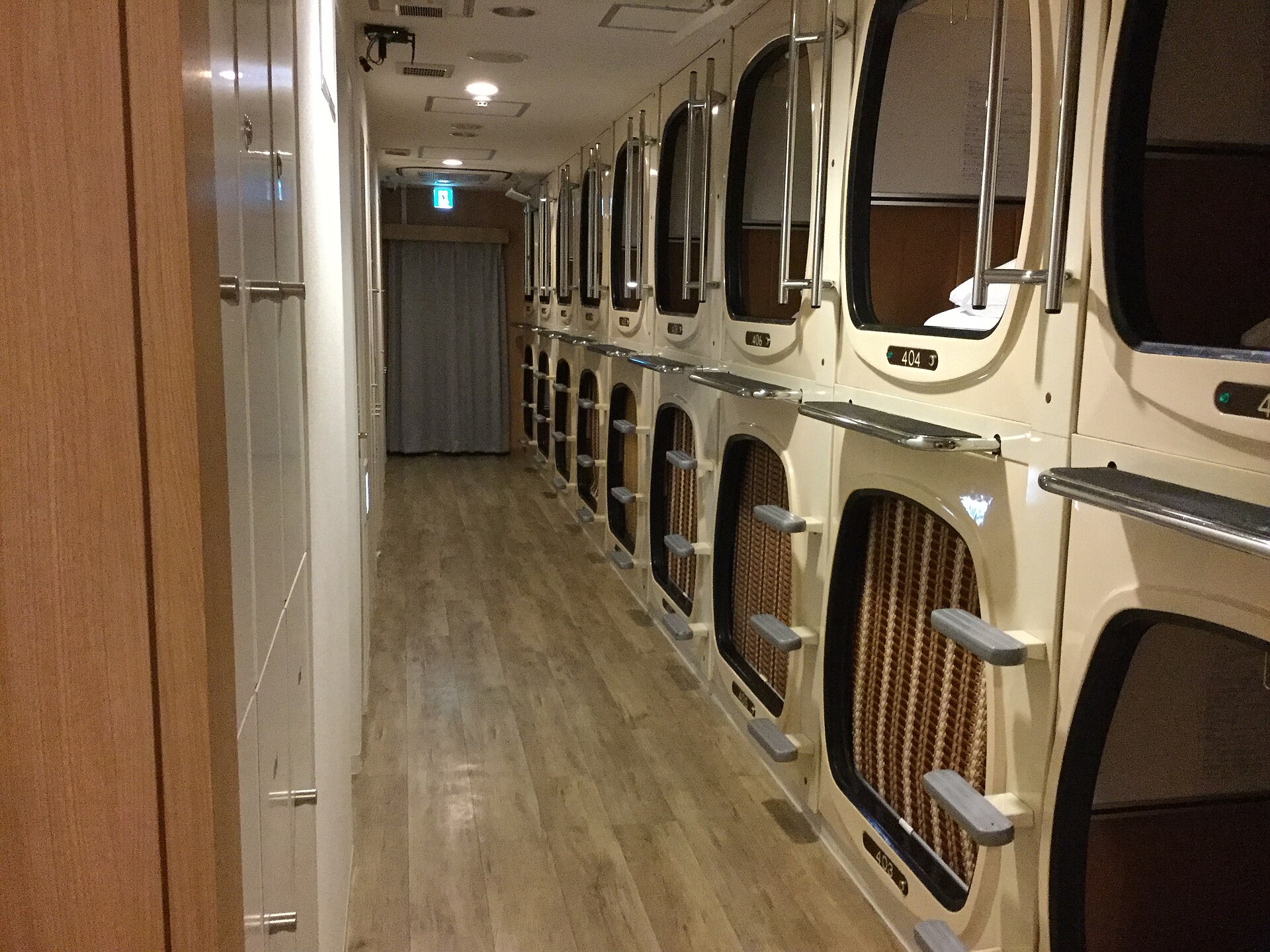
A uniquely Japanese experience that also happens to be great value. Modern capsule hotels have evolved far beyond the stereotypical salary-man crash pad — many now feature spa facilities, lounges, and design-forward pods with USB charging, personal lights, and ventilation controls.
- Nine Hours (Multiple locations): Minimalist design-focused capsules with excellent shower facilities. From ¥3,500. Locations in Shinjuku, Akasaka, and near Narita Airport.
- The Millennials (Shibuya): Smart pods with motorized reclining beds, projector screens, and a social lounge. From ¥4,000.
- First Cabin (Multiple locations): Airplane first-class themed capsules that feel more like compact hotel rooms. From ¥4,500.
- Note: Most capsule hotels are gender-separated by floor. Some are male-only — check before booking. Nearly all include shared bath/shower facilities.
Budget Business Hotels (¥5,000–¥10,000/night)

Japanese business hotel chains offer consistently clean, compact private rooms with ensuite bathrooms at prices that rival hostels in many other countries. Traveling in a group of three or more? A licensed apartment often undercuts all of these — our guide to renting a legal Airbnb in Tokyo explains exactly what to check before booking. Many include free breakfast, public baths, and excellent locations near train stations.
- Toyoko Inn: A large business-hotel chain with properties across Japan. Rooms from ¥5,500 including breakfast. Book directly on their website for best rates.
- APA Hotel: Another reliable chain with ultra-compact but well-designed rooms. From ¥5,000. The APA app occasionally offers flash sales.
- Super Hotel: Known for their natural hot spring baths (even in urban locations) and organic breakfast. From ¥6,000.
- Dormy Inn: The premium budget chain, featuring excellent public baths and free late-night ramen for guests. From ¥7,000.
Other Budget Options
- Manga cafés (Manga Kissa): Internet/manga cafés with private booths; many stay open around the clock, and some have showers. From ¥1,500 for an overnight stay. Not luxurious, but a genuine emergency budget option. Try Manboo or Bagus chains.
- Airbnb/Vacation rentals: Apartments from ¥4,000/night for groups. Best value for 3+ travelers splitting costs. Kitchen access saves on food. Book well in advance for good options.
- Love hotels (off-peak): Despite the name, these are just themed hotels. Weeknight ‘stay’ rates (overnight) can be ¥3,000–¥6,000 for rooms that rival mid-range hotels. HappyHotel app shows availability.
Eating in Tokyo on a Budget

Tokyo’s food scene is remarkably affordable at the everyday level. The same city with the most Michelin stars in the world also has cheap rice balls and bowls of ramen that would be the best meal you’ve ever had in many other countries. Here’s how to eat well on a budget:
Convenience Stores: Your Budget Best Friend (¥300–¥800/meal)
Japanese konbini (convenience stores) are nothing like their Western counterparts. 7-Eleven, FamilyMart, and Lawson serve genuinely delicious, freshly prepared food at incredible prices. This isn’t survival eating — it’s a legitimate and enjoyable part of Japanese food culture.
- Onigiri (rice balls): ¥120–¥200 each. Dozens of flavors from salmon to tuna mayo to pickled plum. Two onigiri make a satisfying breakfast for ¥300.
- Bento boxes: ¥400–¥700 for a complete meal. Look for discount stickers (waribiki) on items close to their use-by time; how much comes off, and when, depends on the chain and the shop.
- Sandwiches and wraps: ¥200–¥400. Japanese egg sandwiches (tamago sando) are legendary.
- Hot food counter: Fried chicken (karaage), nikuman (steamed buns), oden in winter. ¥100–¥300 per item.
- Drinks: Coffee ¥100–¥150, bottled tea ¥100–¥160. Much cheaper than any café.
Budget Restaurant Chains (¥400–¥800/meal)
Tokyo’s chain restaurants serve excellent food at prices that seem almost impossible. These aren’t fast food — they’re genuinely good, filling meals:
- Gyudon (beef bowl) chains: Yoshinoya, Sukiya, Matsuya. A regular gyudon with miso soup costs ¥400–¥550. Matsuya includes free miso soup.
- Standing soba/udon shops: Found in most train stations. A bowl of hot soba or udon noodles costs ¥300–¥500. Add tempura for ¥100–¥200. The ultimate fast, cheap, and satisfying meal.
- Curry chains: CoCo Ichibanya (CoCo Ichi) serves customizable Japanese curry from ¥500. Generous portions with rice.
- Ramen chains: Ichiran, Fuunji, and countless local shops. A full bowl of ramen costs ¥700–¥1,000. Many shops have ticket vending machines — buy your meal ticket at the machine before sitting down.
- Kaiten-zushi (conveyor belt sushi): Sushiro, Kura Sushi, and Hama-zushi offer plates from ¥100–¥200. A satisfying sushi meal costs ¥800–¥1,500 — remarkable value for fresh sushi.
- Teishoku (set meal) restaurants: Ootoya, Yayoiken, and similar chains serve balanced set meals (main dish, rice, miso soup, sides) for ¥700–¥1,000. The best lunch value in Tokyo.
Supermarket and Depachika Deals

Department store basement food floors (depachika) transform from expensive showcases into bargain hunting grounds as closing time approaches, when staff start putting discount stickers on prepared foods, bento boxes, and sushi platters. The timing and the size of the cuts depend on the shop and on how much is left.
Regular supermarkets like Life, Seiyu (owned by Walmart), and OK Store are even cheaper for daily groceries. Evening discounts follow the same pattern, and a full dinner from discounted supermarket items costs far less than a restaurant meal.
Other Budget Food Tips
- Lunch over dinner: Many mid-range and even upscale restaurants offer lunch sets (teishoku or lunch course) for much less than their dinner prices, so make lunch your big meal of the day.
- Free water everywhere: Tap water in Tokyo is safe and delicious. Carry a reusable bottle and refill at any tap. Most restaurants serve free cold water or tea automatically.
- Tsukiji Outer Market: While touristy, the food stalls remain excellent value. Grilled seafood skewers ¥200–¥500, tamagoyaki ¥100–¥200. Eat your way through for ¥1,000–¥2,000.
- GuruNavi and Hot Pepper coupons: These restaurant apps list coupons for discounts, free drinks, or meal upgrades at participating restaurants. Worth checking before any sit-down restaurant meal.
Budget Transportation in Tokyo

IC Cards: Suica and Pasmo
An IC card (Suica or Pasmo — functionally identical) is your most important tool in Tokyo. Tap on, tap off at any train, subway, or bus. Fares are calculated by distance: on JR East lines an IC fare starts at ¥155 (¥160 with a paper ticket), and short inner-city hops on any line cost a few hundred yen at most. You can also use them at convenience stores, vending machines, and many restaurants. Deposit: ¥500 (refundable). Charge at any station machine. This is cheaper than individual tickets for most journeys.
Day Passes Worth Buying
- Tokyo Subway 24-Hour Ticket: ¥1,000 for unlimited rides on all Tokyo Metro and Toei Subway lines. Good value on days packed with subway hops. Also available in 48-hour (¥1,500) and 72-hour (¥2,000) versions. Available at subway stations and Bic Camera stores.
- Tokyo Metropolitan District Pass (Tokunai Pass): ¥870 for a day of unlimited JR East local and rapid trains within Tokyo’s 23 wards, including the Yamanote Line. Best if your day involves multiple JR Yamanote Line stops.
- Common One-Day Ticket: ¥1,100 for unlimited rides on all Tokyo Metro and Toei Subway lines, which is more than the 24-hour ticket above charges for the same lines. If you need JR as well, the separate Tokyo Combination Ticket costs ¥1,720, and it only pays off on extremely busy sightseeing days.
Walking Strategy
Tokyo is one of the world’s best walking cities. Many attractions that appear far apart on the map are actually within comfortable walking distance: Shinjuku to Harajuku, for one, is an easy walk. Asakusa to Akihabara is 30 minutes along the river. Walking between nearby stations saves ¥170–¥250 per trip and often reveals interesting neighborhoods, shops, and restaurants you’d never see from a train window. Aim for 10,000–15,000 steps per day and you’ll save ¥500–¥1,000 on transportation.
Getting to/from Airports on a Budget
- Narita Airport: The Keisei Access Express train runs direct to Nihombashi and Shimbashi with no limited-express surcharge, so you pay only the ordinary fare. Keisei Skyliner (¥2,580, or ¥2,310 with a discount ticket) is faster: 36 minutes from Terminal 2·3 to Nippori and 41 minutes to Keisei-Ueno on the quickest runs. Avoid the N’EX express (¥3,140 to Tokyo, ¥3,330 to Shinagawa, Shibuya or Shinjuku) unless you have a JR Pass.
- Haneda Airport: Keikyu Line to Shinagawa/central Tokyo (¥300–¥500; 11 minutes to Shinagawa from Terminal 3, 14 from Terminals 1/2) is excellent value. Tokyo Monorail to Hamamatsucho (¥500, 13 minutes) connects to the JR Yamanote Line.
Best Free Attractions in Tokyo

Tokyo has an extraordinary number of genuinely excellent free attractions. You could spend an entire week doing only free activities and still have an incredible trip:
Temples, Shrines & Gardens
- Meiji Shrine: A major Shinto shrine, set in about 70 hectares (roughly 170 acres) of planted forest in the heart of Harajuku. Peaceful, powerful, and completely free.
- Senso-ji Temple: Tokyo’s oldest temple with the iconic Kaminarimon gate. The approach via Nakamise-dori shopping street is an experience in itself.
- Nezu Shrine: One of Tokyo’s most beautiful shrine complexes. The azalea garden (a ¥500–¥1,000 admission donation during the 2026 azalea festival) is stunning, but the shrine grounds are free year-round.
- Imperial Palace East Gardens: Free access to the beautifully maintained gardens of the former Edo Castle. Closed Mondays and Fridays.
- Hama-rikyu Gardens: Technically ¥300, but worth mentioning for the stunning contrast of Edo-period gardens surrounded by modern skyscrapers.
Observation Decks & Views
- Tokyo Metropolitan Government Building: Free observation decks on the 45th floor (202 meters) in Shinjuku. Open until 10 PM (last entry 9:30 PM); check the closure calendar before you go. One of the best night views of the city — rivaling the paid Skytree and Tokyo Tower experience.
- Shibuya Sky (compare): While adult tickets for Shibuya Sky cost ¥2,700 online before 3 PM or ¥3,400 from 3 PM (¥3,000 and ¥3,700 at the counter on the day, if any are left), the free Shibuya Hikarie Sky Lobby on the 11th floor offers a partial Shibuya Crossing view.
- Caretta Shiodome observation deck: Free 46th-floor views of Tokyo Bay and Rainbow Bridge. Less crowded than famous paid alternatives.
- KITTE Rooftop Garden: Free rooftop garden near Tokyo Station with views of the Marunouchi station building and surrounding area.
Neighborhoods & Street Culture
- Harajuku & Takeshita Street: Window shopping and people-watching is completely free and endlessly entertaining.
- Shibuya Crossing: Watch Tokyo’s busiest pedestrian crossing from street level — no ticket required.
- Akihabara: Browse electronics and anime shops for free. The multi-story arcades let you watch others play.
- Yanaka: Walk through Tokyo’s most atmospheric traditional neighborhood at no cost.
- Golden Gai (Shinjuku): Walk through and photograph the charming alleyways for free. If you decide to step inside a bar, check the prices at the door first.
Free Museums & Galleries
- Suginami Animation Museum: Free museum celebrating anime history with interactive exhibits including voice acting booths.
- YEBISU BREWERY TOKYO: Free self-guided museum visit through the history of Japanese beer. Drinks cost extra, and the guided tour with a two-drink sampler costs ¥2,000 for adults; neither is required.
- Intermediathèque (near Tokyo Station): A stunning free museum displaying the University of Tokyo’s collections of natural history, art, and curiosities in a gorgeous Art Deco building.
- Multiple gallery districts: Roppongi, Ginza, and Kiyosumi-Shirakawa have dozens of free art galleries. The Shiseido Gallery in Ginza and 21_21 Design Sight in Roppongi are standouts.
Budget Shopping & Souvenirs
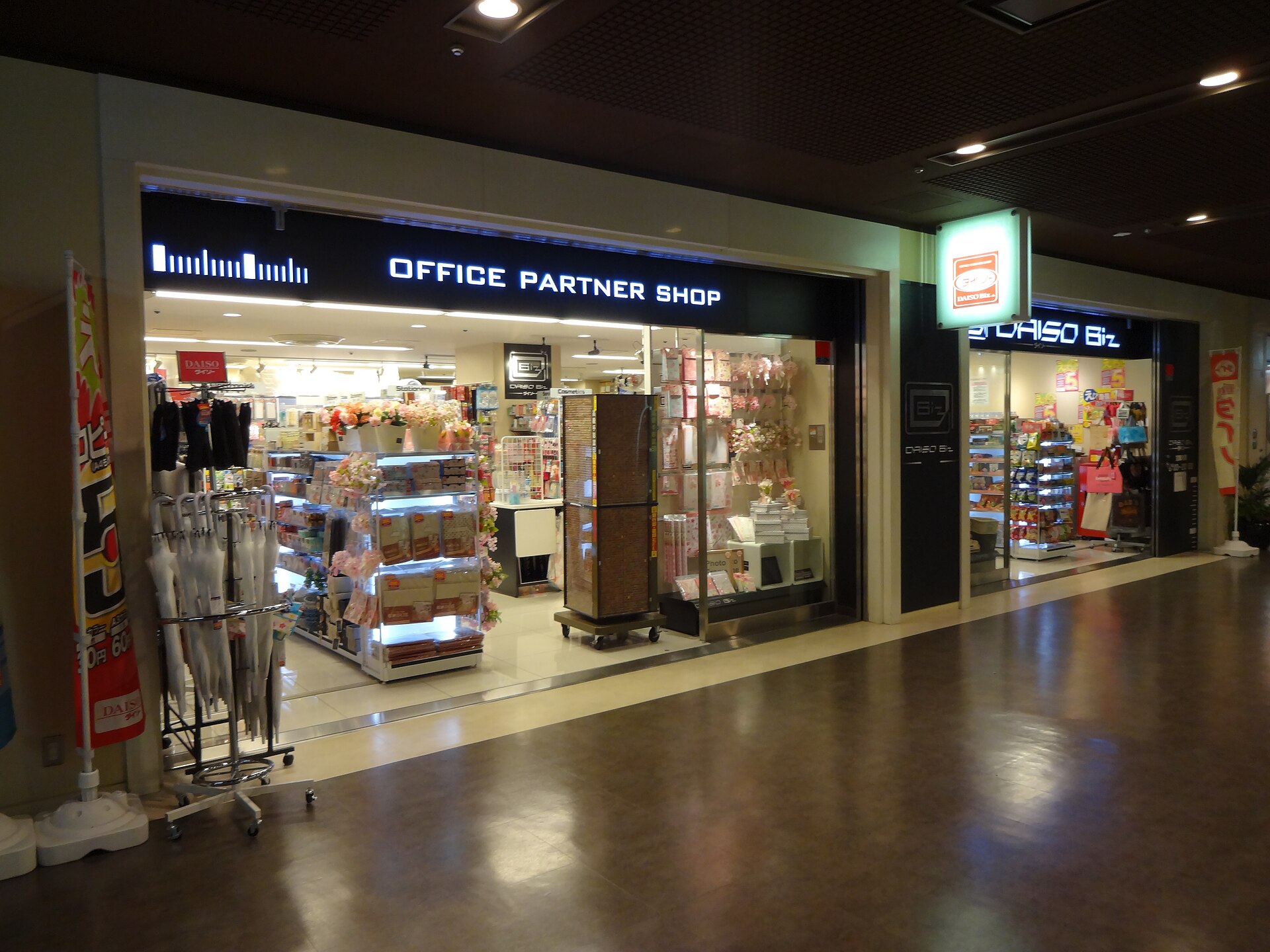
- 100-yen shops: Daiso and similar 100-yen chains are Japan’s answer to dollar stores, but dramatically better quality. The core range costs ¥100 (¥110 with tax), and Daiso also stocks higher price points, such as ¥500 (¥550) items. Excellent for souvenirs, stationery, kitchen items, phone accessories, and travel essentials. Daiso in Harajuku and Ginza has massive multi-floor locations.
- Don Quijote (Donki): This discount chain is an experience in itself. Some branches, including Akihabara, Asakusa, Shinjuku and MEGA Don Quijote Shibuya Honten, open 24 hours, but hours vary by branch. Tax-free shopping is open to eligible tourists: until 31 October 2026 the tax comes off at the till, and from 1 November 2026 you pay the tax-inclusive price and the shop refunds it after you show the goods at customs on departure, within 90 days of purchase. Great for snacks, cosmetics, electronics, and quirky souvenirs at below-market prices.
- Uniqlo: Quality basics at reasonable prices. The Ginza flagship has 12 floors. UT (graphic tee) collaborations make unique, affordable souvenirs.
- Second-hand stores: Book Off (books, games, CDs), Hard Off (electronics), and 2nd Street (clothing) sell used items in excellent condition at steep discounts. Shimokitazawa is Tokyo’s vintage clothing capital.
- Station gift shops: Tokyo Station’s souvenir area sells regional sweets and treats — popular with Japanese travelers. Most items are ¥500–¥1,500 and make excellent gifts.
- Tax-free shopping: Through October 31, 2026, eligible non-resident tourists can shop tax-free at most major stores when they spend ¥5,000 or more before tax at the same store on the same day, saving the 10% consumption tax (8% on qualifying food and drink); consumables are capped at ¥500,000 before tax. Bring your passport. Look for ‘Tax Free’ signs. From November 1, 2026 it becomes a refund system: you pay the tax-inclusive price, show the goods at customs when you leave Japan within 90 days of purchase, and the shop then refunds the tax.
Top Money-Saving Tips & Tricks
- Travel in shoulder season: Late January–February and November offer lower hotel prices, fewer crowds, and clear skies. Avoid Golden Week (late April–early May), Obon (mid-August), and New Year (late December–early January) when prices peak.
- Book accommodation early: Tokyo hotel prices increase dramatically as dates approach, so lock in a room as soon as your dates are firm.
- Eat where locals eat: If a restaurant near a major tourist attraction has English menus displayed prominently, it’s probably overpriced. Walk one or two blocks away for dramatically better value.
- Use Tabelog, not TripAdvisor: Tabelog is Japan’s most trusted restaurant review site. Restaurants rated 3.5+ are genuinely excellent. The site has a basic English version.
- Free WiFi vs. pocket WiFi: If you have a modest data plan, Tokyo’s free WiFi (available in stations, convenience stores, and many shops) may be sufficient. If you need constant connectivity, a prepaid eSIM (¥2,000–¥3,000 for 2 weeks) is cheaper than pocket WiFi rental.
- Drink from taps and vending machines: Tap water is excellent. Vending machines sell drinks for ¥100–¥160 — much cheaper than cafés or restaurants.
- Use coin lockers strategically: Small station lockers (prices vary by station and operator) eliminate the need for taxis or extra transit when exploring multiple areas with bags. Use the CoinLocker Navi app to find available lockers.
- Get a Grutto Pass: The Tokyo Museum Grutto Pass (¥2,500) provides free or discounted entry to over 100 museums and attractions. Pays for itself in 3–4 museum visits over 2 months.
- Student and youth discounts: Many museums offer reduced rates for students (bring your ID) and free entry for children under certain ages.
- Happy hour drinks: Many izakayas offer all-you-can-drink (nomihodai) plans for ¥1,000–¥2,000 for 2 hours. Happy hours typically run 4–7 PM with discounted draft beer from ¥200.
Sample 5-Day Budget Itinerary
Here’s a realistic 5-day Tokyo itinerary for under ¥50,000 total (approximately $340):
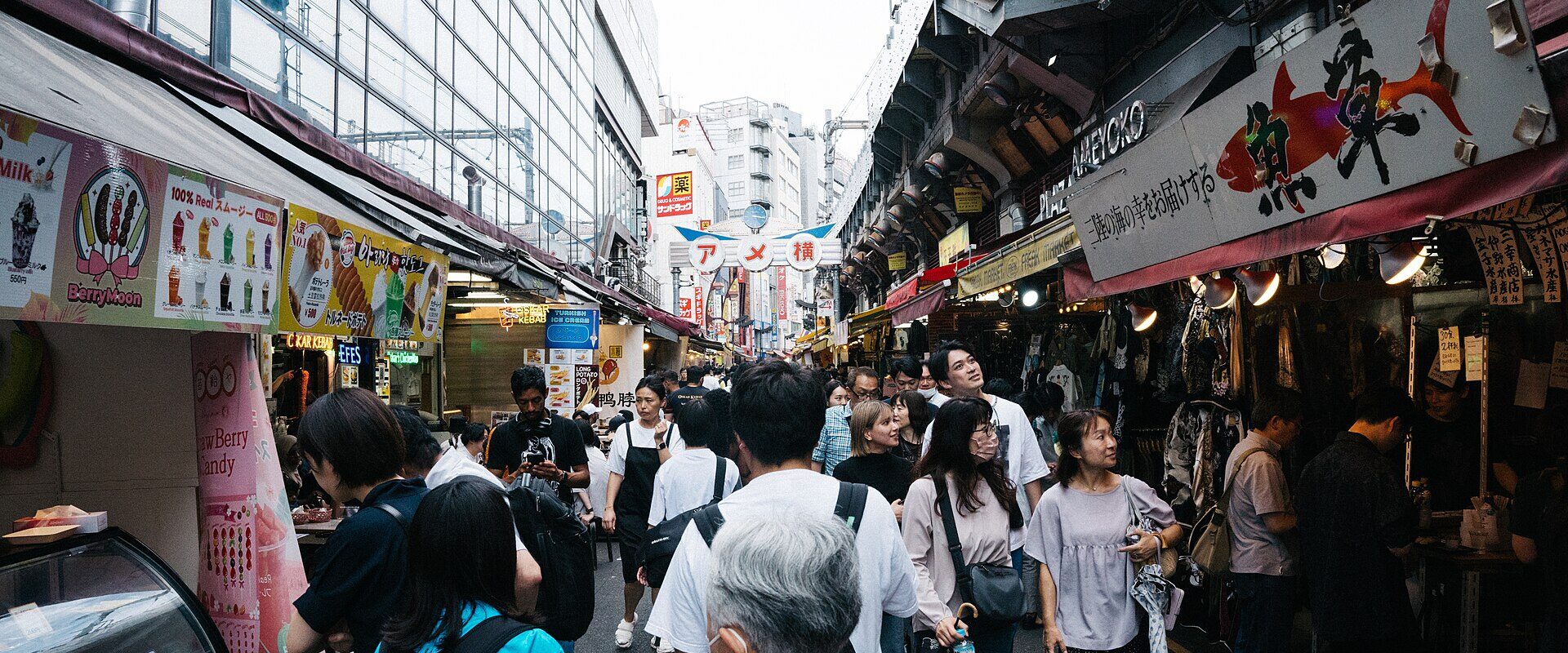
- Day 1 — East Tokyo (Budget: ¥5,400): Senso-ji Temple (free) → Nakamise-dori browsing → walk to Ueno Park (free) → Ameyoko market lunch (¥500) → Akihabara browsing → convenience store dinner (¥600). Transport: 24-hour subway pass ¥1,000.
- Day 2 — Central Tokyo (Budget: ¥4,500): Tsukiji Outer Market breakfast (¥800) → Imperial Palace East Gardens (free) → Ginza window shopping → depachika discount bento lunch (¥500) → walk to Tokyo Station → KITTE rooftop (free) → Intermediathèque museum (free). Transport: IC card ¥500.
- Day 3 — West Tokyo (Budget: ¥5,500): Meiji Shrine (free) → Harajuku/Takeshita Street browsing → standing ramen lunch (¥700) → Shibuya Crossing → Tokyo Metropolitan Government Building observation deck (free) → Golden Gai walk → Omoide Yokocho dinner yakitori (¥1,200). Transport: IC card ¥600.
- Day 4 — Culture & Local (Budget: ¥5,000): Yanaka morning walk (free) → Nezu Shrine (free) → kissaten coffee (¥400) → Kiyosumi Garden (¥150) → coffee district browse → Nakameguro canal walk → supermarket discount dinner (¥500). Transport: IC card ¥800.
- Day 5 — Day Trip or Deep Dive (Budget: ¥6,000): Kamakura day trip: train (¥940 each way) → Great Buddha (¥300) → konbini lunch (¥500) → Hase-dera (¥400) → Enoshima walk (free) → convenience store dinner on the train home (¥500). Total: ¥4,520.
5-day total: approximately ¥46,400–¥52,400 ($310–$350) including accommodation at a hostel (¥3,000 × 5 = ¥15,000), food, transportation, and activities. This demonstrates that a memorable Tokyo trip is entirely achievable on a tight budget.
Budget Travel Mistakes to Avoid
- Exchanging money at the airport: Airport exchange rates are terrible. Use ATMs in 7-Eleven or Japan Post offices for the best rates. Or bring a no-fee international debit card (Wise, Revolut) for cashless payments.
- Always taking the train: Short taxi rides split between 2–3 people can be cheaper than individual train tickets for some routes, especially late at night.
- Buying water: Tap water is clean and free. Buying ¥150 water bottles daily adds up quickly over a week.
- Skipping lunch deals: Eating your main meal at dinner instead of lunch wastes money. The same restaurants often price dinner well above their lunch sets.
- Over-planning attractions: Tokyo’s best experiences are often free — walking through neighborhoods, discovering a tiny shrine, watching street life. Don’t fill every hour with paid attractions.
- Not checking for discount passes: The Grutto Pass, Hakone Free Pass, Nikko All Area Pass, and various subway passes save real money but only if you know about them before your trip.
Keep Planning Your Tokyo Trip
Eat well for less with our rundown of the city’s cheapest meals, then see exactly where the money goes in how much a Tokyo trip costs. Save on fares with our Tokyo train and subway guide and our Suica vs Pasmo breakdown, find affordable beds in where to stay in Tokyo, and discover budget-friendly dishes in our eating guide for the whole city.
In-Depth Budget Guides
Go deeper on each part of a cheap Tokyo trip with these detailed companion guides:
- Free attractions in Tokyo — the best no-cost shrines, parks, observation decks and neighborhoods.
- Tokyo passes & discount tickets — which transport and attraction passes actually save you money.
- Convenience store food guide — how to eat well from 7-Eleven, FamilyMart and Lawson for about ¥500.
- Tokyo money-saving tips — 20 practical hacks the guidebooks skip.
- Backpacking Tokyo — a complete shoestring plan, from dorm beds to cheap day trips.
- Tokyo 100 yen shops — best buys at Daiso, Seria and Can Do.
The cheapest legal bed in Tokyo is not a hostel. An overnight pack at a manga kissa buys you a private booth for the night. Our manga cafe guide covers how they work, what registration involves and the honest limits of sleeping in one.
One of the best-value hours in Tokyo costs ¥600: a neighbourhood bathhouse, hot tubs, at some places a painted Mount Fuji on the wall, and a room full of local residents. Our Tokyo sento guide explains the sequence, what to bring and how to spot a bathhouse from the street.
Frequently Asked Questions
How much money do I need for a week in Tokyo?
A budget traveler can manage a week in Tokyo for ¥70,000–¥100,000 ($470–$670) total, including accommodation, food, transportation, and activities. A mid-range traveler should budget ¥140,000–¥200,000 ($940–$1,340). These figures exclude international flights.
Is Tokyo cheaper than other major cities?
For daily expenses, Tokyo is comparable to or cheaper than London, Paris, Sydney, and New York. Accommodation is the biggest variable — Tokyo’s budget options (capsule hotels, hostels) offer much better value than equivalents in other major cities. Food is definitively cheaper for the quality you receive. Public transportation is affordable and efficient.
Should I exchange money before arriving or use ATMs?
Use ATMs in Japan for the best exchange rates. 7-Eleven’s Seven Bank ATMs take the major international card networks and have English menus, though some cards are refused and service hours depend on your card’s network. Avoid airport and hotel currency exchange counters. Carry ¥20,000–¥30,000 in cash at any time, as some smaller shops and restaurants are cash-only, though Tokyo is increasingly accepting IC card and credit card payments.
Is the Japan Rail Pass worth it for budget travelers?
For Tokyo-only travel, no. A 7-day JR Pass (¥50,000) far exceeds what you’d spend on individual tickets within the city. The JR Pass only becomes cost-effective when combined with long-distance Shinkansen travel, such as a Tokyo-Kyoto round trip. For Tokyo day trips, individual tickets or regional passes are almost always cheaper.
Can I use credit cards everywhere in Tokyo?
Credit card acceptance has improved dramatically, but cash is still important. Major stores, hotels, chain restaurants, and convenience stores accept cards. However, many small restaurants, ramen shops, temple admission gates, vending machines, and local businesses remain cash-only. Always carry ¥5,000–¥10,000 in cash as a backup.
What’s the cheapest time of year to visit Tokyo?
Late January through February offers the lowest hotel prices and fewest tourists, with the bonus of clear winter skies perfect for Mount Fuji views. November (after autumn leaf peak) and early December are also affordable. Cherry Blossom season (late March–mid April), Golden Week (late April–early May), and summer holidays (July–August) are busy, so expect to pay more then.
Photo Credits
- Ameyoko market in Tokyo: Ameya Yokocho Shopping Street (53149162297) by Dick Thomas Johnson, CC BY 2.0, via Wikimedia Commons.
- Stacked sleeping capsules at Capsule Value Kanda: カプセルホテル 2017 (39567432511) by inunami (Flickr), CC BY-SA 2.0, via Wikimedia Commons.
- Daiso Biz in Shinjuku: Daiso biz shinjuku nomura building by Ccgxk, CC0, via Wikimedia Commons.