Tokyo Travel Planning · Guide №159
Solo Travel in Tokyo: Eating, Sleeping and Exploring Alone
Why Tokyo is one of the easiest cities in the world to travel alone: where to stay, how to eat and drink solo, how to meet people, and the few safety points lone travellers should know.
目次 — Contents
This article contains advertising. Our booking links are routed through a partner that adds commission tracking automatically, so if you book through one we earn a commission from the provider, at no extra cost to you. It never affects what we recommend. Affiliate disclosure
Type “solo travel Tokyo” into any travel forum and the replies all say the same thing: it is about as easy as travelling alone gets. The city is safe, the trains run until around midnight, and a large share of its restaurants are built for one person at a counter. Eating alone is normal here, not something you have to brave. The harder parts are loneliness in the evenings and a few meals that really need two.
This guide covers where to base yourself, the best-value places to sleep alone, how and where to eat and drink solo, the things that are more fun on your own, how to meet people when you want to, the safety points that matter for lone travellers, and what a solo day costs. If you are still at the planning stage, our Tokyo travel planning guide covers the basics first.
Why Tokyo works so well alone
Plenty of Tokyo residents live, eat and go out alone, and the city is built around them. There is even a word for it: ohitorisama, a polite way of saying “a party of one”, used for everything from solo yakiniku restaurants to single karaoke booths. You will not get the pitying “just one?” that a lone diner can get in some cities.
- Counter dining is everywhere. Ramen, soba, sushi, tempura, gyudon, curry and yakitori are all commonly eaten at a counter, where a single seat is the default.
- Ordering can be wordless. Ticket machines, tablet menus and picture menus mean you rarely need Japanese to eat well.
- The city is safe at night. Walking home at midnight through a residential street is unremarkable in most of Tokyo.
- Transport is simple. One IC card and a map app get you everywhere, and nobody minds you studying a station map for five minutes.
- Accommodation is built for singles. Capsule hotels, hostels and business hotels with small single rooms mean you do not pay for a double bed you are not using.
The honest downside: Tokyo can be socially quiet. Japanese culture does not encourage striking up conversations with strangers, and you can go a whole day without saying more than “arigato”. If you are the kind of traveller who recharges by talking to people, plan for that. More on how below.
Where to stay as a solo traveller
For a first solo trip, stay on or near the JR Yamanote Line, so that most places are one train away and getting home late is easy. Our where to stay in Tokyo guide goes neighbourhood by neighbourhood, but for solo travellers these stand out:
| Area | Why it suits solo travellers | Watch out for |
|---|---|---|
| Shinjuku | Huge transport hub, late-night food, Golden Gai and Omoide Yokocho for easy solo drinking | Kabukicho touts at night; station is confusing at first |
| Ueno / Asakusa | Lower prices, lots of hostels, museums and temples within walking distance, a sociable backpacker scene | Quieter late at night; Asakusa is further from the west side |
| Shibuya | Energetic, central, easy to fill evenings | Pricier rooms; crowds can feel lonely rather than lively |
| Kuramae | Calm, stylish, good cafes and design hostels | Few big-name sights on the doorstep |
| Ikebukuro | Good-value hotels, anime shopping, direct trains to many sights | Less atmospheric than Shinjuku or Asakusa |
Hostels, capsules or a single room?
| Type | Typical price per night (2026) | Best for | Honest verdict |
|---|---|---|---|
| Hostel dorm bed | About ¥3,500–6,000 in a central area | Meeting people, tight budgets | The best choice if you want company |
| Capsule hotel | About ¥4,000 basic, ¥4,500–6,500 modern, ¥7,000–10,000 at the upscale end on weekends | Privacy on a budget, one or two nights | Great for a short stay; tiring for a week |
| Business hotel single | Usually more than a capsule, and rises sharply at peak times | Longer stays, light sleepers, work trips | Small, spotless and underrated |
| Private room in a hostel | Varies widely | A door that locks plus a social common room | Often the sweet spot for solo travellers |
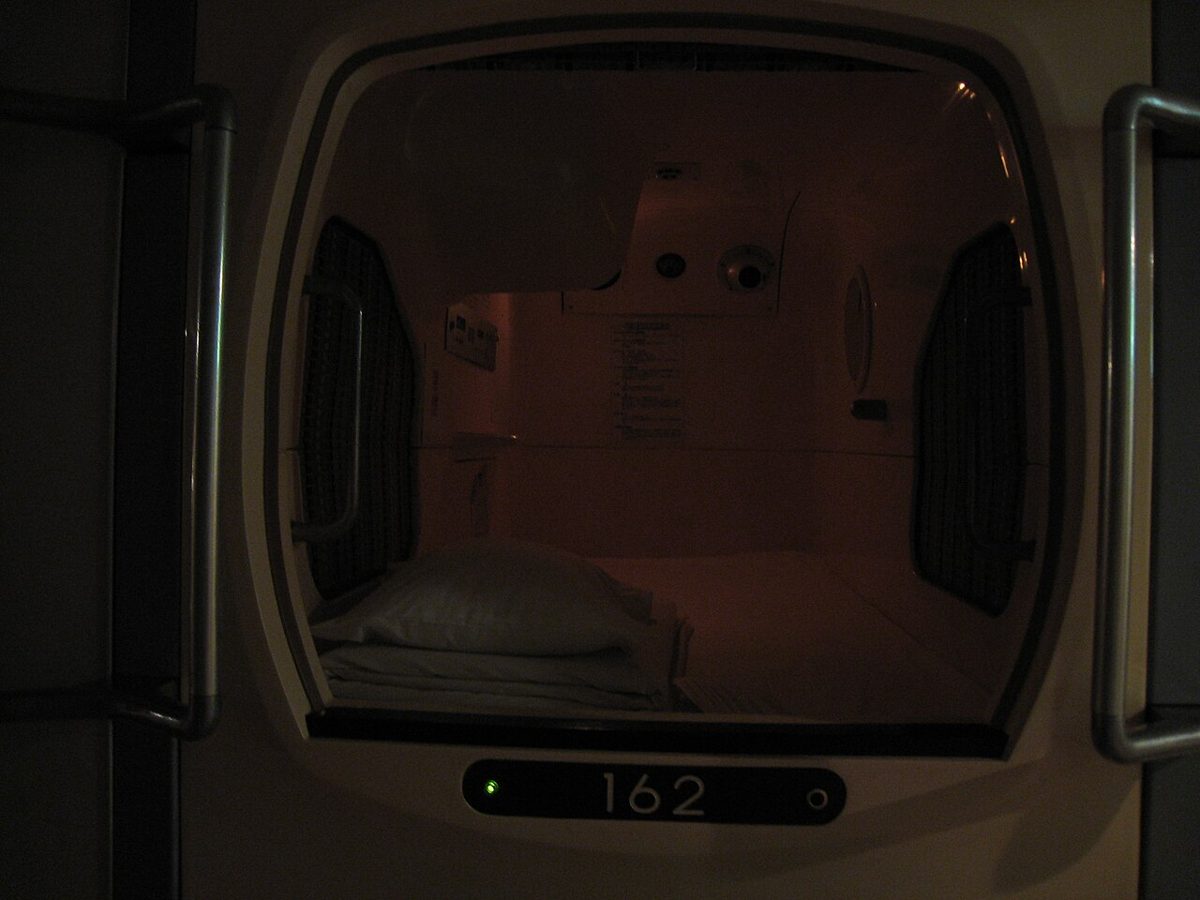
Capsule hotels deserve a specific mention because they solve a solo problem neatly: you pay for one bed, with lockers, showers and often a bathhouse, in a central location. Most are separated by gender, and there are several women-only capsule hotels, including Nadeshiko Hotel Shibuya, Nine Hours Woman Kanda and Anshin Oyado Tokyo Woman Ginza Shiodome, which is about six minutes from JR Shimbashi. The downside is that you usually have to leave your luggage in a locker and cannot spend the day in your pod, and after four or five nights many people crave a room with a door. Our Tokyo capsule hotels guide covers the etiquette and the best options, and our budget hotels guide lists single rooms that do not cost a fortune.
A useful pattern for a week-long solo trip: a hostel for the first two or three nights, when you want tips and company, then a business hotel or capsule once you have your bearings.
Eating alone in Tokyo
This is where Tokyo beats almost every other big city for solo travellers. The best everyday food here is often at its best eaten alone, at a counter, quickly.
Ticket machine restaurants
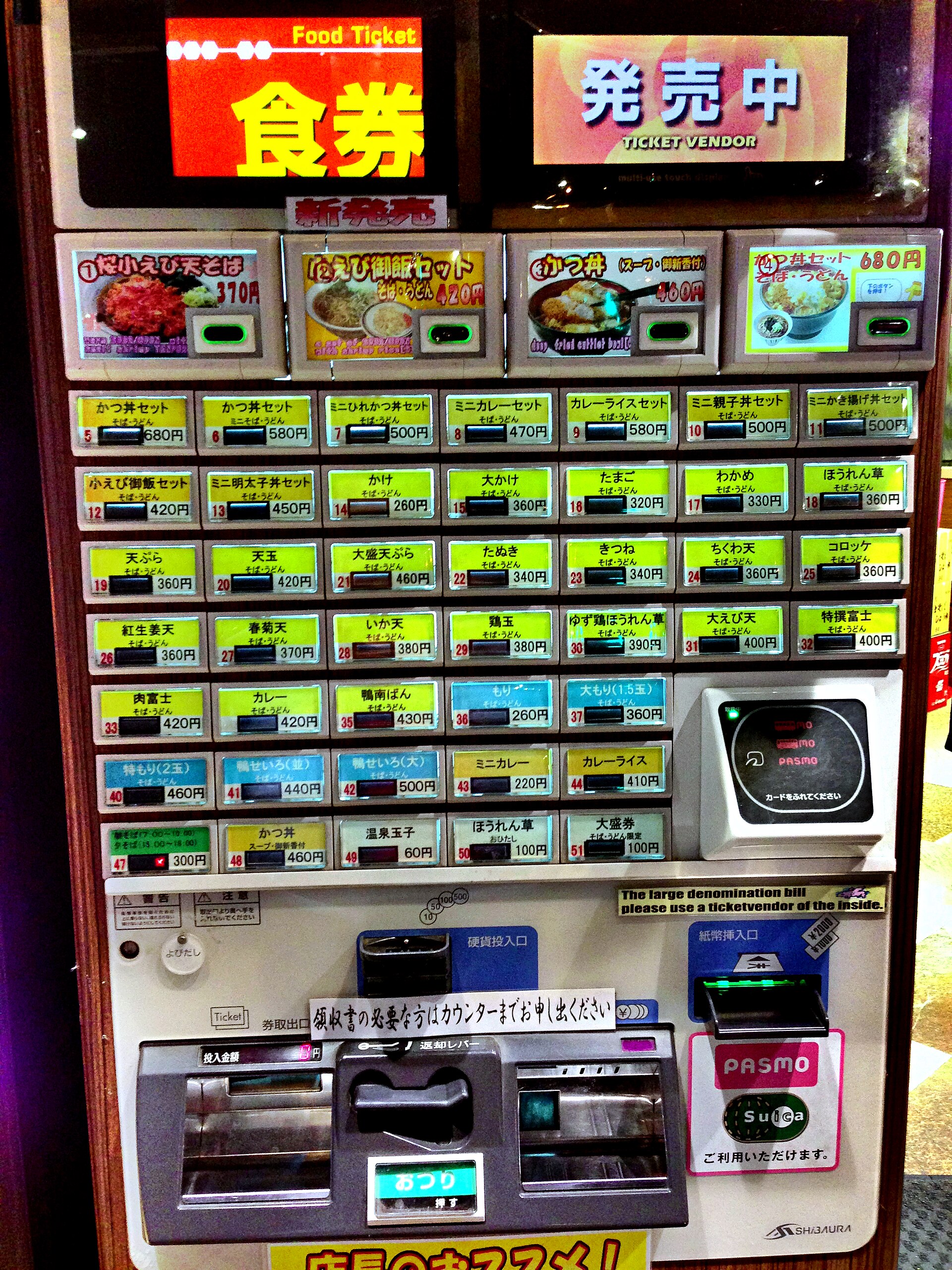
Many ramen, soba, udon and curry shops use a ticket machine by the door. You choose a button, pay with cash or sometimes an IC card, take the ticket to the counter, and your food arrives. No conversation, no menu to decipher at the table, no bill at the end. Newer machines often have an English button. If not, match the photo, or pick the top-left button, which is usually the house speciality.
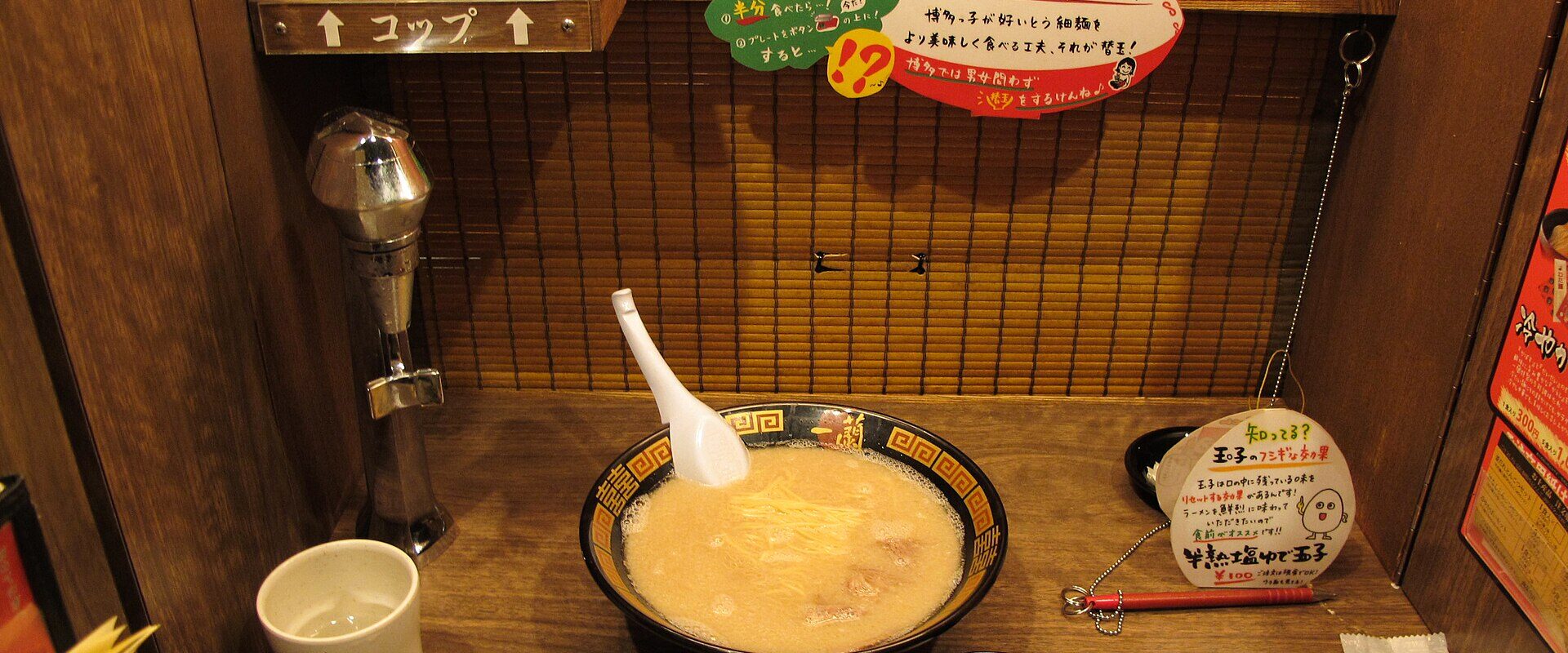
Ichiran and the solo ramen booth
Ichiran, the tonkotsu ramen chain, is famous for its “flavour concentration booths”: individual counter seats separated by wooden dividers, where you fill in an order sheet, a bamboo blind rises, and your bowl appears without you seeing anyone’s face. A basic bowl costs around ¥1,000 to ¥1,200 depending on the branch, and around ¥1,500 to ¥2,000 with toppings, an extra noodle refill and a drink. A late-night surcharge applies at some branches after 22:00.
It is fun once and genuinely useful if you are tired of people. But it is not the best ramen in Tokyo, the queues at the Shibuya and Shinjuku branches are long, and you can have a better bowl for less at a counter shop with no wait. Our best ramen in Tokyo guide lists the alternatives.
The best solo meals, by type
| Meal | Where to find it | Rough cost | Solo rating |
|---|---|---|---|
| Ramen, tsukemen | Everywhere; ticket-machine shops | ¥1,000–1,500 | Perfect alone |
| Standing soba and udon | Near stations, e.g. Fuji-soba chains | Under ¥1,000 | Perfect alone |
| Gyudon and teishoku sets | Matsuya, Yoshinoya, Sukiya, Ootoya | Under ¥1,000 to ¥1,500 | Perfect alone |
| Conveyor-belt sushi | Chains and station-area shops | ¥1,500–3,000 | Excellent alone |
| Solo yakiniku | One-person grill chains such as Yakiniku Like | Budget, quick sets | Designed for it |
| Konbini and depachika | Every corner; department store basements | ¥500–2,000 | Ideal for tired nights |
| Counter sushi or tempura omakase | Ginza and beyond; book ahead | From several thousand to tens of thousands of yen | Very good alone; one seat is easier to book |
| Shabu-shabu, sukiyaki, kaiseki courses | Restaurants and ryokan | High | Often a two-person minimum |
That last row matters. Some hot-pot, grill and kaiseki restaurants will only seat parties of two or more, or will charge for two, simply because the dish is served in a shared pot. Check before you book, or pick restaurants that offer individual portions.
The opposite is also true: a single seat at a top sushi or tempura counter is often far easier to book than a pair. If there is one splurge meal you want in Tokyo, being alone is an advantage. And for tired evenings, do not underrate a konbini dinner eaten at your hotel; our Tokyo konbini food guide tells you what is worth buying.
Drinking alone
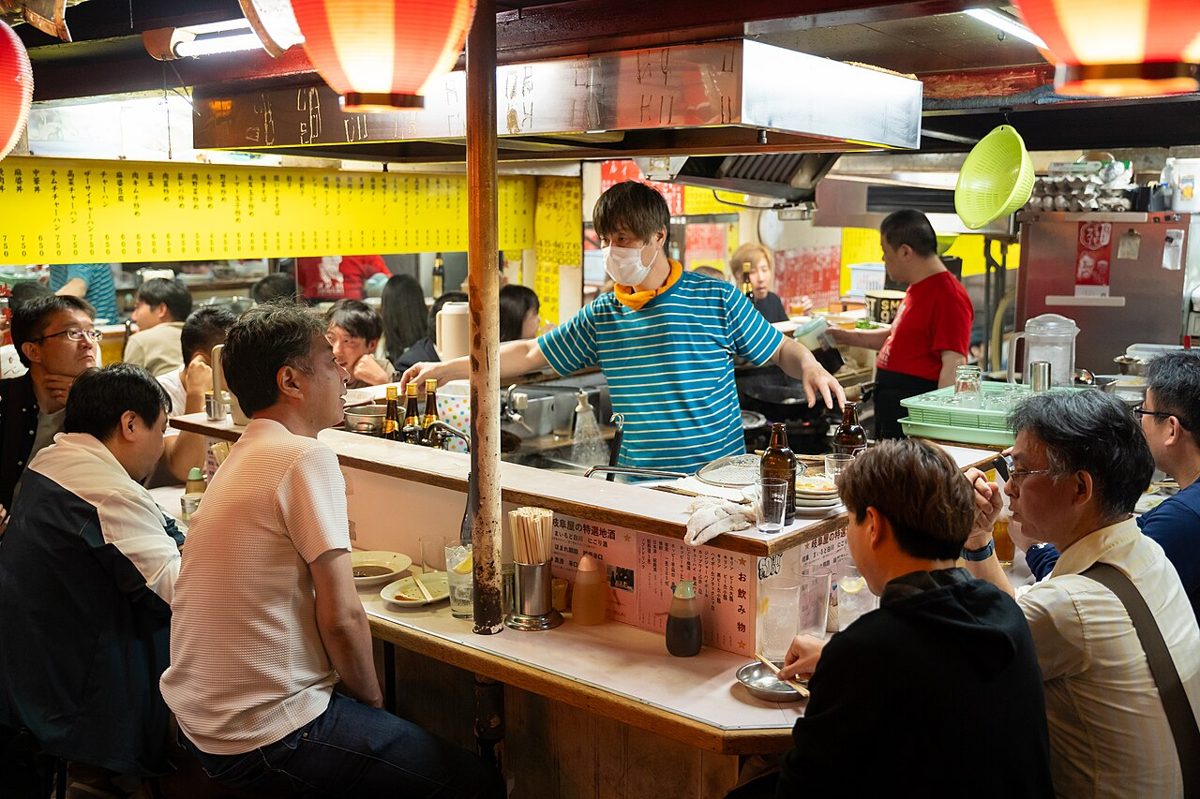
Evenings are where solo travellers most often feel alone, and Tokyo’s best answer is the tiny bar. In places with six or eight seats, the bartender and the regulars talk to whoever walks in, and a lone foreign visitor is often the most interesting person in the room.
- Golden Gai, Shinjuku. About two hundred micro-bars packed into six alleys. Many charge a seating fee, and a few are for regulars only, but plenty welcome visitors and post their prices outside. Our Golden Gai guide explains how to choose.
- Omoide Yokocho, Shinjuku. Smoky yakitori counters by the west exit. Point at skewers, order a beer, and you are part of the row.
- Tachinomi (standing bars). Cheap, fast and sociable, often near stations in Shimbashi, Ueno and Akabane.
- Hotel bars. Expensive, but calm, safe and perfectly comfortable for a single drink with a view.
For a planned evening across several spots, our Tokyo bar hopping guide maps routes that work as well alone as in a group.
Things that are better solo
Some of Tokyo’s best experiences are simply better without a companion setting the pace.
Museums and galleries
Ueno Park alone has the Tokyo National Museum, the National Museum of Western Art and the National Museum of Nature and Science. On your own you can spend two hours on one room of ceramics and skip the rest, and nobody sighs. See our best museums in Tokyo guide.
Wandering neighbourhoods
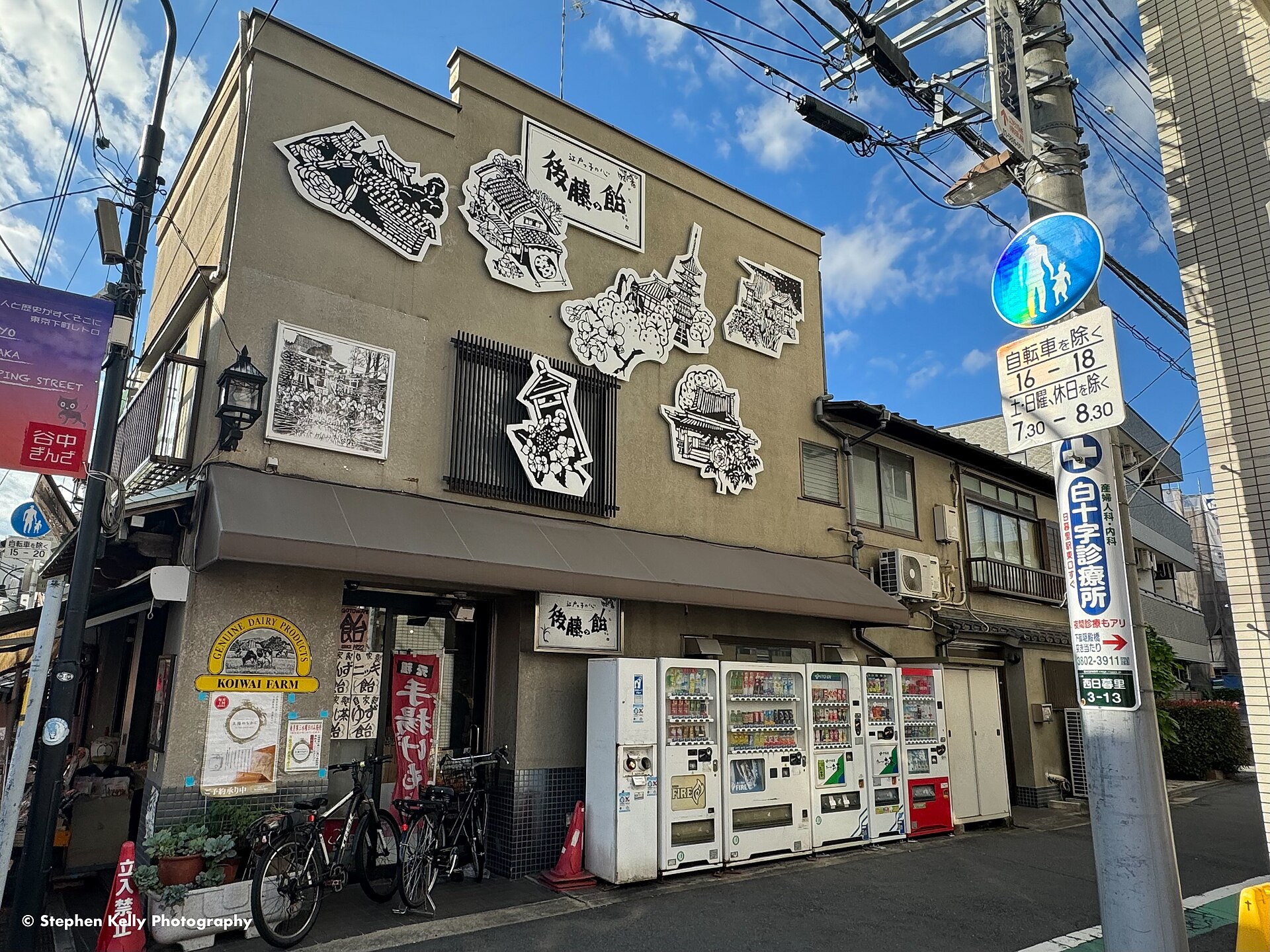
Walking is Tokyo’s greatest free pleasure, and it is best done alone and without a plan. Yanaka’s old temples and shopping street, the backstreets of Shimokitazawa, Kiyosumi-Shirakawa’s cafes and the canals of Nakameguro all reward aimless hours. Start with our Yanaka guide.
Solo karaoke
Karaoke alone, hitokara, is a real thing in Tokyo. The 1Kara chain runs small booths designed for one singer with proper headphones and a studio-style microphone, and ordinary karaoke chains will also happily give a single person a room, usually for a few hundred yen per half hour off-peak. It is surprisingly good fun, and nobody can hear you. Our best karaoke in Tokyo guide has the details.
Sento and onsen
Public baths are single-sex and silent by custom, which makes them one of the most relaxing things to do alone. A neighbourhood sento costs a few hundred yen. Read the onsen etiquette guide first so you know the washing routine.
Kissaten mornings
Old-style coffee houses are built for people sitting alone with a newspaper, a thick slice of toast and a cup of hand-dripped coffee. Go before 10:00 for the morning set. Our Tokyo kissaten guide lists the classics.
How to meet people
If you want company, you will need to arrange some of it. These work:
- Hostels with events. Pick one that runs pub crawls, sake tastings or shared dinners. The common room is where travel friendships start.
- Walking and food tours. A small-group evening food tour in Shinjuku or Shimbashi gives you a table of new people, plus a guide to explain the menu.
- Cooking classes. Three hours making ramen or sushi with strangers is a reliable ice-breaker. See our Tokyo cooking classes guide.
- Language exchange nights. Several bars and cafes host regular exchange evenings where Japanese people practise English and you practise Japanese.
- Tiny bars. As above. Sit at the counter, not in a corner.
A few words of Japanese go a long way with bartenders and shopkeepers. Our Japanese phrases for tourists covers the handful that matter.
Safety for solo travellers
Tokyo is one of the safest big cities in the world, and violent crime against visitors is rare. The risks that do exist are specific and easy to avoid.
- Bar touts. In Kabukicho and Roppongi, men on the street who invite you into a bar are the main scam in the city. The drinks are cheap-looking and the bill is not. Never follow a tout, and do not accept an invitation from a friendly stranger to “a bar I know”.
- Drinks in nightlife districts. There have been cases of spiked drinks and inflated card bills in some Roppongi and Kabukicho bars. Keep your drink with you and pay as you go where possible.
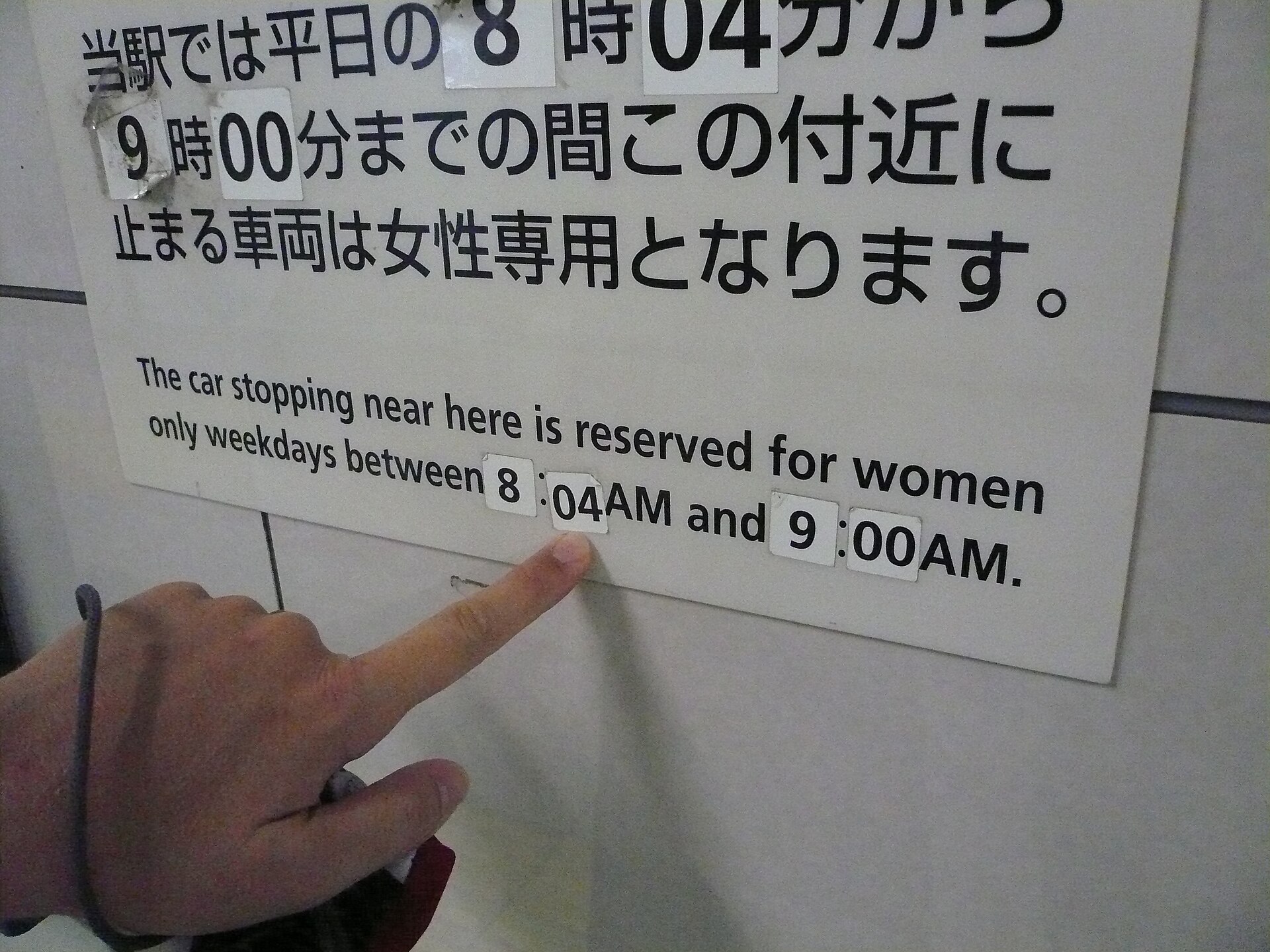
- Groping on crowded trains. It is a known problem at rush hour. Many lines run women-only cars on weekday mornings, typically from the first train until around 09:30, and some also in the evening. Look for pink signs on the platform. If something happens, say loudly “chikan desu” (this is a groper) and get off with station staff.
- Emergencies. Police is 110 and ambulance or fire is 119. Every neighbourhood has a koban, a small police box, where officers will help with directions and lost property as well as crimes.
- Earthquakes. Save your hotel address in Japanese, keep your phone charged, and follow staff instructions if an alarm goes off.
Two practical things protect solo travellers more than anything else. Get a data SIM or eSIM so maps and translation always work (our SIM card and wifi guide compares them), and buy travel insurance, because nobody else will be there to sort things out if you fall ill.
What solo travel in Tokyo costs
Travelling alone means no splitting rooms or taxis, but Tokyo’s single-person infrastructure softens that. As a rough daily guide, excluding flights:
| Style | Bed | Food | Transport and sights | What it looks like |
|---|---|---|---|---|
| Shoestring | Hostel dorm, ¥3,500–6,000 | Konbini, gyudon, standing soba | IC card fares, free sights | Very doable; Tokyo is kind to budgets |
| Mid-range | Capsule or business hotel | Ramen lunches, izakaya dinners | A paid sight most days | Comfortable, still good value |
| Comfort | Well-located hotel single or double | A counter sushi or tempura splurge | Taxis late at night, tours | Easy, but costs add up quickly |
For detailed numbers, our Tokyo trip cost guide breaks down each budget level.
A sample solo day in Tokyo
To show how the pieces fit together, here is a day that works well on your own, with no bookings beyond an evening you choose yourself.
- 08:30, kissaten breakfast. A morning set of toast, a boiled egg and hand-dripped coffee at an old coffee house near your hotel. Read, plan, take your time.
- 10:00, Yanaka and Ueno on foot. Walk the temple lanes of Yanaka, down the shopping street, and across to Ueno Park for one museum. Pick one, not three.
- 13:00, counter lunch. Ramen or a tempura lunch set near Ueno or Okachimachi, eaten in twenty minutes at a counter.
- 14:30, hotel reset. A short rest matters more when there is no one else to say “let’s sit down for a bit”. Tokyo days are long on your feet.
- 16:30, a sento. Half an hour in a neighbourhood bathhouse for a few hundred yen, which leaves you surprisingly fresh for the evening.
- 18:30, the social part. A small-group food tour, a cooking class, or a stool in Omoide Yokocho, then a nightcap in Golden Gai.
- 22:30, home before the last train. Check the time of your last connection; after midnight, a taxi across the city gets expensive fast.
The shape matters more than the details: a slow start, one main sight, a proper rest, and an evening that puts you among other people. Solo travellers who try to fill every hour tend to burn out by day four.
Honest tips from solo trips
- Plan your evenings, not your days. Days fill themselves. Evenings are when solo travellers drift back to the hotel at 19:00 and scroll their phones. Book a food tour, a class, a show or a bar for at least a few nights.
- Eat your big meal at lunch. Many high-end restaurants offer lunch sets at a fraction of dinner prices, and a lone diner at lunch is completely normal.
- Do not force Tokyo Disney alone unless you love it. It is perfectly fine solo, with single-rider lines on some attractions, but it is a long and expensive day if you are only going because it seems like the thing to do.
- Use lockers and luggage delivery. Checking out at 10:00 with a flight at 21:00 is miserable with a suitcase and no one to watch it.
- Take day trips. Kamakura, Nikko and Hakone are easy by train and give a solo trip a change of pace. See our day trips from Tokyo guide.
- Learn the etiquette basics. Being a considerate lone visitor earns you a lot of goodwill. Our Japanese etiquette guide covers the essentials.
Travelling alone means nobody to complain to about your feet, which is where Tokyo’s massage chains come in. They sit by every big station, take walk-ins late into the evening, and charge roughly ¥5,000–8,000 for an hour. Our Tokyo massage and spa guide explains how they work, the useful phrases, and the few places to avoid.
Frequently Asked Questions
Is Tokyo good for solo travel?
Yes, it is one of the best cities in the world for solo travel. It is very safe, public transport is excellent, and a large number of restaurants are designed for single diners at a counter. The main challenge is that Tokyo can feel socially quiet, so plan some evenings around bars, tours or classes where you will meet people.
Is it weird to eat alone in Tokyo?
No. Eating alone is completely normal in Tokyo, and many ramen, soba, sushi, gyudon and tempura restaurants are built around individual counter seats. Ticket machines and tablet ordering make it easy without Japanese. The main exceptions are hot-pot and some course restaurants that require at least two diners.
Is Tokyo safe for solo female travellers?
Tokyo is generally very safe for women travelling alone, including at night. The main things to watch for are groping on crowded rush-hour trains, where women-only cars help, and bar touts or spiked drinks in nightlife districts such as Kabukicho and Roppongi. Women-only capsule hotels and hostel floors are widely available.
Where should I stay in Tokyo as a solo traveller?
Shinjuku is the most convenient base, with late-night food and easy solo bars nearby. Ueno and Asakusa are cheaper, with plenty of sociable hostels, while Shibuya suits travellers who want nightlife. Staying near the JR Yamanote Line makes getting around, and getting home late, much easier.
How much does a solo trip to Tokyo cost per day?
A shoestring solo traveller can manage on a modest budget using hostel dorms at about ¥3,500 to ¥6,000 a night, cheap counter meals and free sights. A mid-range trip with a capsule or business hotel, restaurant meals and a paid attraction most days costs considerably more. Accommodation is the biggest variable, especially at peak times.
Photo Credits
- A single-seat booth at Ichiran ramen – ICHIRAN Food 201306 by Wpcpey, CC BY-SA 4.0, via Wikimedia Commons.
- Food ticket machine at Fuji-soba, Akihabara – Food ticket machine – Nadai Fuji-soba, Akihabara Denki-gai (2013-03-27 22.17.07 by MsSaraKelly) by MsSaraKelly, CC BY 2.0, via Wikimedia Commons.
- A sweet shop in Yanaka Ginza – In Yanaka Ginza (53415771852) by Stephen Kelly from San Francisco, CA, USA, CC BY 2.0, via Wikimedia Commons.
- Women-only car sign at Roppongi station – Extremely precise women-only car sign in Roppongi train station, Tokyo, Japan.JPG (1265282259) by Cory Doctorow, CC BY-SA 2.0, via Wikimedia Commons.