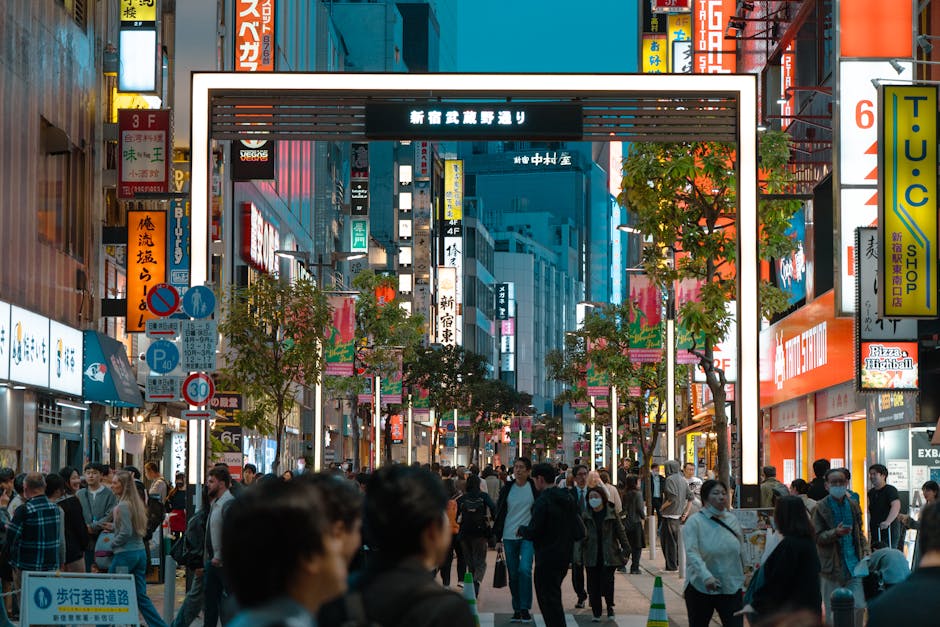
Tokyo after dark is an entirely different city. When the last commuter trains empty out and the neon signs blaze brighter, a nocturnal world opens up that is unlike anything else on the planet. From the 280 tiny bars crammed into Golden Gai’s six narrow alleys to cutting-edge super-clubs with half-billion-yen sound systems, from whisper-quiet omakase cocktail counters to roaring karaoke rooms that stay open until dawn — this tokyo nightlife guide covers every way to experience the city after sunset in 2026.
What makes Tokyo’s nightlife extraordinary isn’t just the sheer volume of options — it’s the specialization. In most cities, a bar is a bar. In Tokyo, there are bars that serve only shochu from a single Kyushu distillery, bars with exactly five seats where the bartender spends four minutes hand-carving a single ice sphere, bars themed around specific decades of jazz, and bars where the entire menu is written on a handmade paper scroll. The same obsessive attention to craft that defines Tokyo’s food scene extends to its drinking culture, and the results are spectacular.
This guide walks you through every major nightlife neighborhood, the best bars and clubs by category, karaoke culture from chain rooms to boutique experiences, the legendary yokocho alleyways, and essential practical tips — including how to survive the infamous “train gap” between the last train at 1:00 AM and the first train at 5:00 AM. Whether you’re a cocktail connoisseur, a dance music devotee, or a first-time visitor who just wants to understand what all the fuss is about, you’ll find your perfect Tokyo night here.
Tokyo’s Nightlife Neighborhoods: Which Area Is Right for You?
Tokyo’s nightlife is spread across distinct neighborhoods, each with its own personality, crowd, and energy level. Understanding the differences will help you choose the right area for the night you want.
Shinjuku: Tokyo’s Nightlife Capital
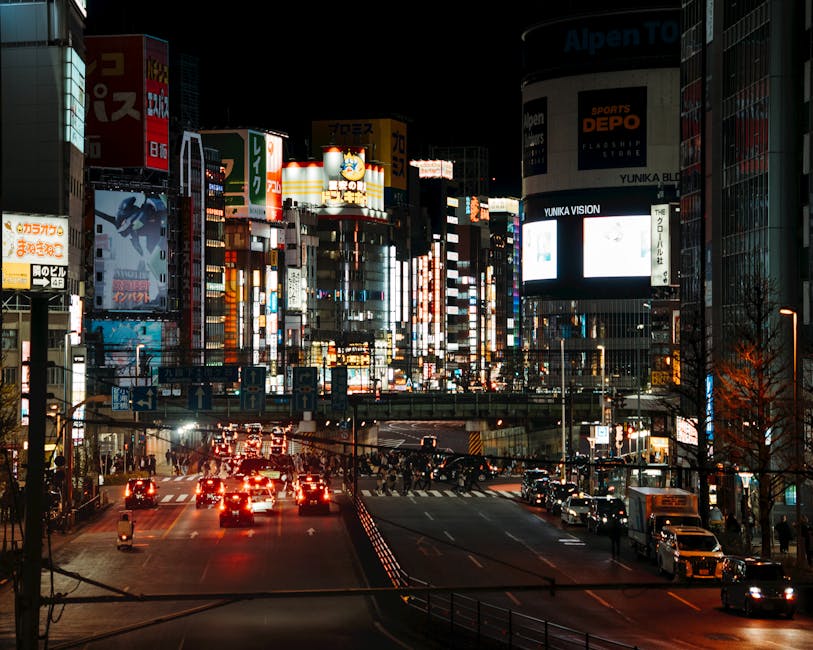
Shinjuku is the undisputed center of Tokyo’s nightlife universe. The area around Kabukicho — Tokyo’s largest entertainment district — packs more bars, clubs, restaurants, and late-night venues into a few city blocks than most cities contain in their entirety. The district’s neon-drenched streets are safe to walk despite the area’s edgy reputation, and the sheer density of options means you can bar-hop for hours without walking more than a few hundred meters.
Within Shinjuku, several distinct sub-areas cater to different tastes. Golden Gai (covered in detail below) is the area’s crown jewel for intimate bar-hopping. Omoide Yokocho (Memory Lane), just steps from the station’s west exit, is a smoky collection of tiny yakitori and ramen stalls that has been serving late-night revelers since the post-war era. Kabukicho Tower, the area’s newest landmark (opened 2023), houses a Zepp music venue, a luxury hotel, and several entertainment floors. For LGBTQ+ visitors, Shinjuku Ni-chome is Asia’s largest and most vibrant queer nightlife district, with over 300 bars, clubs, and community spaces packed into a compact area — many venues are welcoming to all visitors regardless of orientation.
Shinjuku is ideal for: first-time visitors wanting the quintessential Tokyo night, bar-hoppers, Golden Gai explorers, and anyone who wants maximum variety within walking distance.
Shibuya: Trends, Clubs, and Late-Night Energy
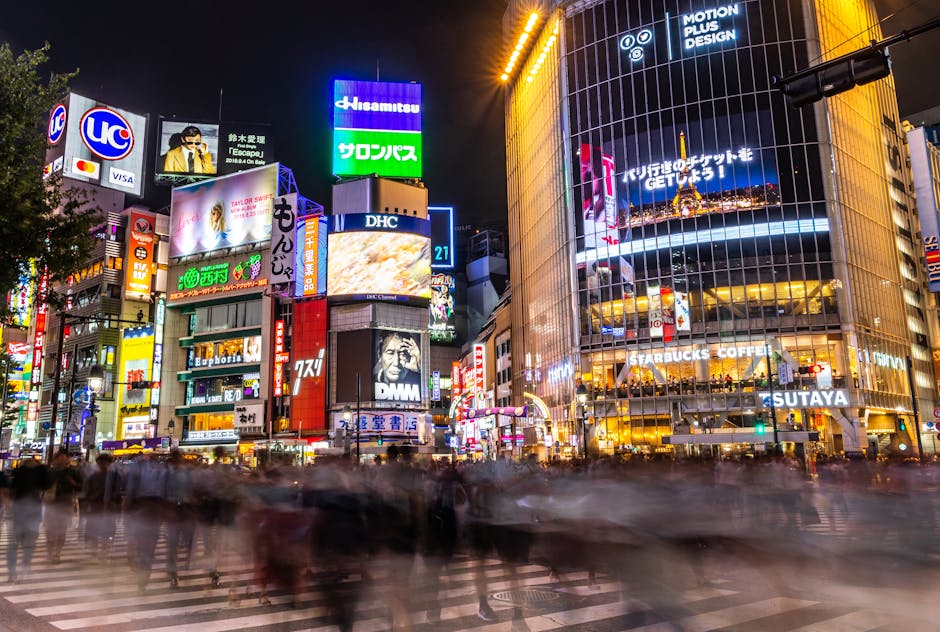
Shibuya skews younger and louder than Shinjuku, with the city’s highest concentration of nightclubs and live music venues. The streets around Center-gai and Dogenzaka (known locally as “Love Hotel Hill”) are packed with izakayas, karaoke chains, and clubs that keep the energy going well past the last train. Shibuya is the beating heart of Tokyo’s club scene — legendary venues like WOMB and Contact are within minutes of each other, and the area attracts both international DJs and the city’s best local talent.
Beyond the clubs, Shibuya’s backstreets hide some excellent cocktail bars, standing bars, and late-night ramen shops. Nonbei Yokocho (Drunkard’s Alley), tucked behind Shibuya Station, is a tiny collection of atmospheric bars that predates the area’s modern development — it’s Golden Gai’s lesser-known cousin and equally worth exploring. The Mega Don Quijote on Dogenzaka is open until 2:00 AM, making it a popular late-night pitstop for snacks and entertainment between venues.
Shibuya is ideal for: clubbers, music lovers, younger travelers, and anyone who wants to experience Tokyo’s most energetic nightlife district.
Roppongi: International Scene and Super-Clubs
Roppongi has long been Tokyo’s most international nightlife district, popular with expats, tourists, and the city’s diplomatic community. The area has evolved significantly in recent years, moving beyond its once-seedy reputation with the addition of major new venues. CROSS Tokyo, which opened with a ¥500 million VOID Acoustics sound system, has become one of Asia’s most technically impressive nightclubs. Sel Octagon reopened with an expanded lounge floor, continuing Roppongi’s tradition as a big-room club destination.
The area around Roppongi Hills and Tokyo Midtown offers a more sophisticated evening out, with upscale restaurants, wine bars, and cocktail lounges. The Mori Art Museum at Roppongi Hills stays open until 10:00 PM on most nights, making it possible to combine art and nightlife in a single evening. For a more local experience, the backstreets between Roppongi and neighboring Azabu-Juban hide intimate wine bars and izakayas frequented by Tokyo residents rather than tourists.
Roppongi is ideal for: international travelers, super-club enthusiasts, and visitors who want English-friendly venues.
Ebisu and Naka-Meguro: Sophisticated and Low-Key
Ebisu and Naka-Meguro represent Tokyo’s more refined nightlife scene. These adjacent neighborhoods south of Shibuya attract a slightly older, more design-conscious crowd — think natural wine bars, craft cocktail lounges, and intimate jazz clubs rather than mega-clubs and karaoke chains. Ebisu Yokocho, a covered collection of about 20 small food and drink stalls inside a former parking garage, is one of Tokyo’s best casual drinking spots — it’s always buzzing and incredibly social, with strangers sharing tables and conversations.
Bar Trench in Ebisu — a speakeasy-style basement bar with a German Weimar Republic theme — is regularly listed among Asia’s best cocktail bars. Nearby, Bar Urushi specializes in Japanese whisky paired with seasonal fruit cocktails in a warm, woody space. Naka-Meguro’s scene centers around the Meguro River, with canal-side bars and restaurants that are particularly atmospheric during cherry blossom and autumn foliage seasons.
Ebisu and Naka-Meguro are ideal for: couples, cocktail enthusiasts, wine lovers, and anyone seeking a relaxed evening with excellent drinks.
Shimokitazawa: Indie Music and Bohemian Bars
Shimokitazawa is Tokyo’s indie heartland, and its nightlife reflects this alternative spirit. The neighborhood is packed with tiny live music venues (called live houses), vinyl bars, craft beer pubs, and eclectic cocktail spots. Venues like Shelter, THREE, and BASEMENTBAR showcase underground and emerging Japanese bands across genres from punk to experimental electronic. Cover charges at live houses typically run ¥1,500-¥2,500 and include one drink.
The area’s compact, walkable streets make it easy to drift between venues, and the vibe is noticeably more relaxed and bohemian than the big nightlife districts. Shimokitazawa is ideal for: live music fans, indie culture enthusiasts, and anyone who prefers dive bars to design cocktails.
Golden Gai: The Complete Bar-Hopping Guide
Shinjuku’s Golden Gai is one of the world’s most extraordinary drinking destinations — a labyrinth of roughly 280 tiny bars squeezed into six narrow alleys, most seating just five to ten people. Built in the post-war black market era, these miniature drinking establishments have survived decades of development pressure and are now protected as a cultural heritage site. Every bar has a distinct personality: there are bars dedicated to specific film directors, bars where the mama-san sings Édith Piaf, bars covered floor-to-ceiling in punk stickers, and bars where the only rule is that you must tell a joke to enter.
Golden Gai etiquette is essential to understand. Many bars display signs that read “Members Only” or “Regulars Only” — this doesn’t necessarily mean you can’t enter, but it’s polite to peek through the door, make eye contact with the bartender, and ask if it’s okay to sit down. If the bar is full or the owner shakes their head, smile and try the next door. Most bars charge a seating fee (seki-ryō) of ¥500-¥1,500 per person on top of drink prices, which typically run ¥700-¥1,200 per drink. This is standard and not a tourist markup.
For first-time visitors, several bars are known for welcoming international guests. Albatross (three tiny floors connected by a spiral staircase) is perhaps the most famous foreigner-friendly bar, with an atmospheric candlelit interior. Bar Araku serves craft cocktails in a space barely bigger than a closet. Death Match in Hell is a horror-themed bar that’s become an Instagram favorite. The Golden Gai Noryo Kansya Festival each summer opens many normally private bars to the public through a stamp rally system — visiting during this event is the best way to explore bars that might otherwise be difficult to access.
The best strategy is to start around 8:00-9:00 PM when the alleys are lively but not yet packed, plan to visit three or four bars in an evening (one or two drinks per bar is normal), and be prepared to make new friends — the intimate seating means conversations with strangers are inevitable and often the highlight of the experience.
The Best Bars in Tokyo by Category
Craft Cocktail Bars and Speakeasies
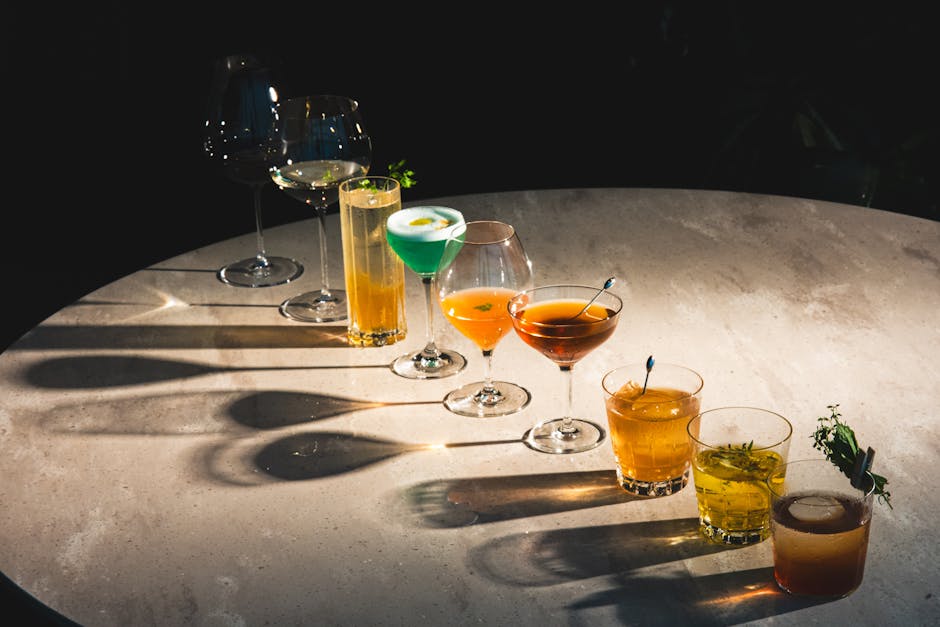
Tokyo is home to some of the world’s finest cocktail bars, where bartending is treated with the same reverence as sushi-making. The city’s cocktail culture emphasizes precision, presentation, and the relationship between bartender and guest — many high-end bars offer omakase-style cocktail experiences where the bartender creates drinks based on your mood and preferences.
SG Club in Shibuya is a three-concept bar by Shingo Gokan (named Asia’s Best Bar multiple times): the ground floor “Guzzle” serves casual highballs, while the basement “Sip” offers an intimate omakase cocktail counter. Bar High Five in Ginza, helmed by legendary bartender Ueno Hidetsugu, is famous for its meticulous technique — watch as the bartender hand-carves ice into perfect spheres and stirs each drink with mathematical precision. Star Bar Ginza offers a similar level of craft in a warm, wood-paneled setting.
For speakeasy experiences, Bar Trench in Ebisu (enter through an unmarked door) specializes in absinthe-based cocktails in a Weimar-era atmosphere. The SG Low (Roppongi) is hidden behind a vending machine facade. The current trend in Tokyo’s cocktail scene is teatails — cocktails built around Japanese tea varieties like hojicha, sencha, and matcha, often infused with shochu or sake rather than Western spirits.
Japanese Whisky Bars
With Japanese whisky now rivaling Scotch for global prestige, Tokyo is the best city in the world to explore the category. Zoetrope in Shinjuku stocks over 300 Japanese whiskies, including rare bottlings from closed distilleries that are virtually impossible to find elsewhere. The owner is deeply knowledgeable and happy to guide newcomers through flights. Bar Urushi in Ebisu pairs Japanese whisky with seasonal fruit cocktails in a sophisticated setting. Cask in Roppongi is another excellent option with a strong selection and English-speaking staff.
For hotel bar luxury, Virtù at the Four Seasons Otemachi (39th floor) offers Japanese whisky flights with a panoramic Tokyo skyline view. The Old Imperial Bar at the Imperial Hotel, designed as a tribute to the hotel’s original Frank Lloyd Wright building, serves classic cocktails and rare whiskies in an atmosphere of timeless elegance.
Hotel Bars and Rooftop Bars
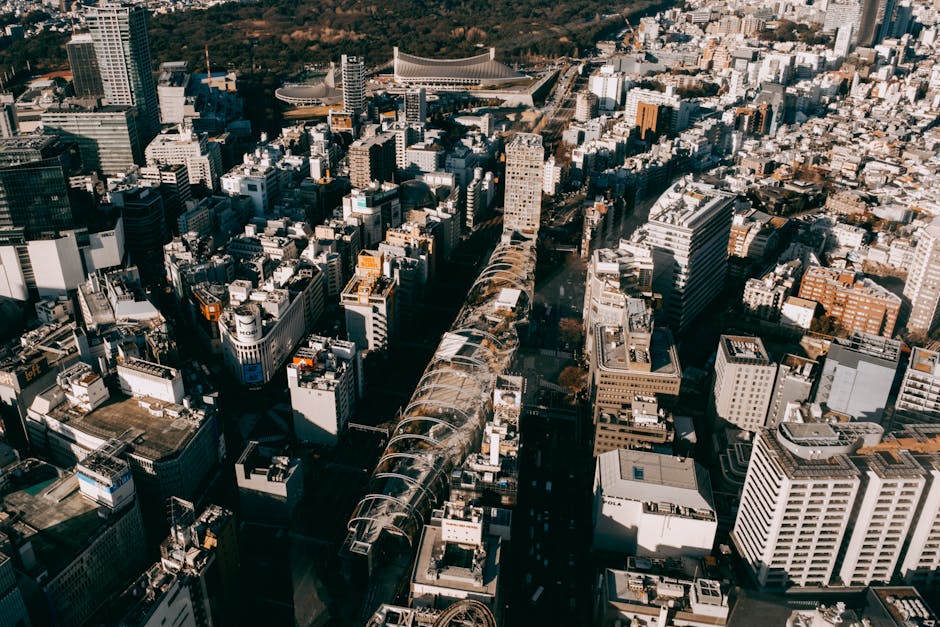
Tokyo’s hotel bars offer some of the city’s most spectacular drinking experiences, combining world-class cocktails with jaw-dropping views. The Peak Bar at the Park Hyatt (52nd floor) is forever associated with Lost in Translation and offers a sweeping view of the Tokyo skyline — arrive before sunset for the best experience. Virtù at the Four Seasons Otemachi (39th floor) and the Andaz Tokyo Rooftop Bar (52nd floor in Toranomon) compete for the title of Tokyo’s best high-rise bar.
For something less formal, Two Rooms Grill|Bar in Aoyama has a spacious terrace with views toward Meiji Jingu forest. Cerulean Tower Tokyu Hotel’s Bellovisto bar on the 40th floor offers a quieter alternative to the more famous hotel bars, with equally impressive views at lower prices. Most hotel bars don’t have strict dress codes, but smart casual is recommended — avoid shorts and sandals.
Standing Bars and Budget-Friendly Options
Not every great Tokyo night requires a big budget. Standing bars (tachinomi) are a beloved Tokyo institution where drinks and small plates cost a fraction of sit-down bar prices — expect to pay ¥300-¥500 per drink and ¥200-¥500 per snack. Standing bars are inherently social spaces, and the lack of assigned seating encourages conversation. Look for them clustered around major train stations, particularly in Shinjuku, Ueno, and Shinbashi.
Convenience stores (konbini) also play a surprising role in Tokyo’s drinking culture. Premium craft beers from Japanese breweries are available at 7-Eleven and Lawson for ¥250-¥400, and it’s perfectly acceptable to buy a Strong Zero highball (¥150) and drink it in a park or along the Sumida River. The combini + park combination is a genuine local tradition, not just a budget hack — you’ll see groups of friends, couples, and solo drinkers enjoying the evening air with convenience store drinks across the city.
Tokyo’s Best Nightclubs in 2026
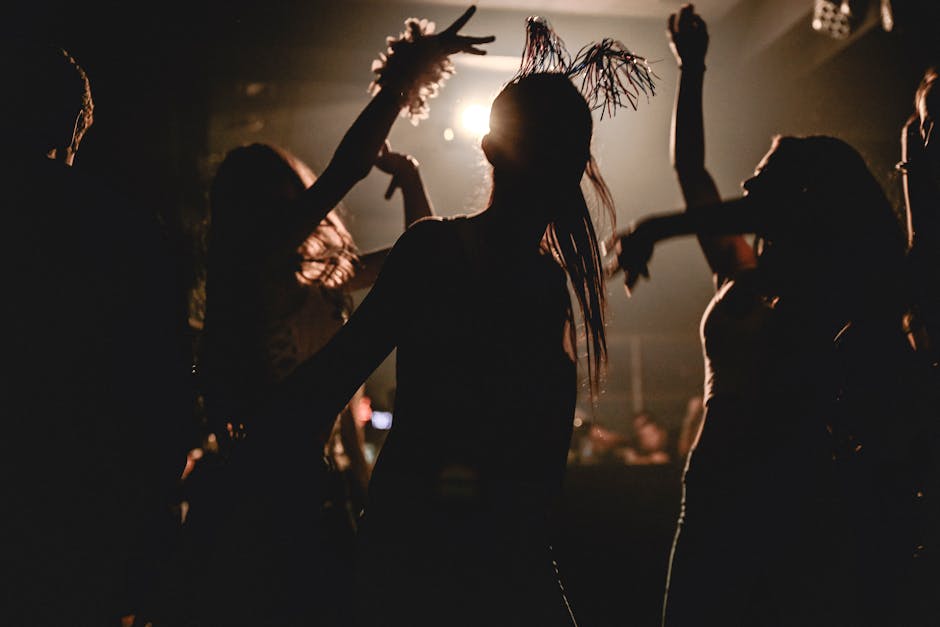
Tokyo’s club scene has been reinvigorated by several major new venue openings and a city government “night economy” initiative that’s made it easier for clubs to operate late hours. Here are the essential venues to know in 2026.
WOMB (Shibuya) remains Tokyo’s most iconic club, famous for its massive main-room sound system and four floors of music. The venue regularly hosts international headliners and maintains an energetic, music-focused atmosphere. Entry is typically ¥2,500-¥4,000 depending on the night, with prices usually including one or two drink tickets. Contact (Shibuya), despite its smaller capacity, is widely regarded as Tokyo’s best club for underground electronic music — the Funktion-One sound system is exceptional, and the programming leans toward techno, house, and experimental electronic.
ZOUK Tokyo in Ginza is the newest major addition to the scene — a super-club by the Singapore-based Zouk group, featuring a signature UFO-shaped ceiling installation and a music policy spanning house, hip-hop, and pop. CROSS Tokyo in Roppongi opened with a staggering ¥500 million investment in VOID Acoustics speakers, making it one of the most technically advanced clubs in Asia. WARP Shinjuku is the go-to venue for hip-hop and R&B, drawing a diverse, high-energy crowd.
Club etiquette and logistics: Most Tokyo clubs enforce ID checks (bring your passport), and some have dress code policies (no sandals, overly casual attire may be refused). Cover charges typically range from ¥1,500 to ¥4,000 and usually include one or two drinks. Clubs are busiest from midnight to 3:00 AM. Japanese club culture tends to be more reserved on the dance floor than Western clubs — don’t be put off by initial restraint; the energy builds as the night progresses. Photography policies vary, so ask before filming.
Izakayas and Yokocho: Drinking Like a Local
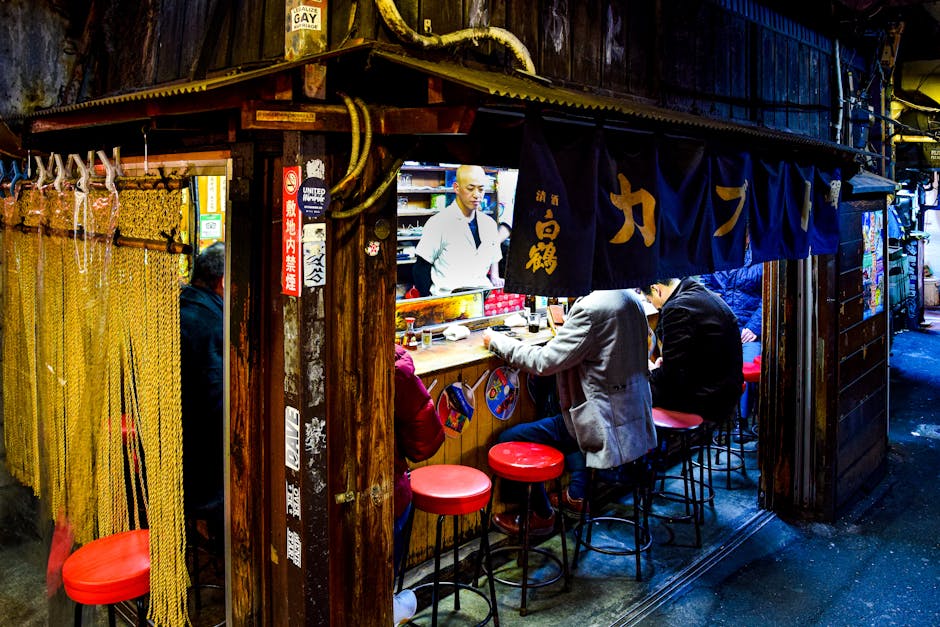
If you only do one thing on a Tokyo night out, make it an izakaya. These informal Japanese pubs — part bar, part restaurant — are where most Tokyo residents actually spend their evenings. The izakaya experience revolves around nomihoudai (all-you-can-drink) plans, which typically cost ¥1,500-¥3,000 for 90-120 minutes of unlimited beer, highballs, shochu, and basic cocktails. Add a food course (tabehoudai) for another ¥1,000-¥2,000, and you have one of the best-value nights out in any major city.
The standard izakaya ritual: sit down, receive an otoshi (small appetizer that doubles as a cover charge, usually ¥300-¥500), order a round of draft beer (nama biiru) to start, then gradually move through a shared selection of small plates — edamame, karaage (fried chicken), yakitori, sashimi, grilled fish, and agedashi tofu are classics. The key phrase is “toriaezu, nama de” (for now, draft beer) — saying this marks you as someone who knows the ritual.
Yokocho — narrow alleyways lined with tiny bars and food stalls — are the atmospheric heart of Tokyo’s casual drinking culture. Omoide Yokocho (Memory Lane, Shinjuku) is the most famous, with roughly 80 stalls specializing in yakitori and grilled offal. The smoke, the cramped seating, and the open-air cooking create an atmosphere that feels transported from 1950s Tokyo. Ebisu Yokocho is a more modern take — covered, slightly more polished, and featuring stalls from different regions of Japan. Kabukicho Red Noren Street near Kabukicho Tower is one of the newest yokocho, combining traditional stall dining with contemporary design.
Shinbashi, the neighborhood just south of Ginza, deserves a special mention for its salaryman drinking culture. The area under and around the train tracks is packed with no-frills izakayas that fill up with office workers from 6:00 PM onward. The energy is boisterous, the prices are low, and the atmosphere is authentically local — Shinbashi is where you’ll experience Tokyo drinking culture with zero tourist polish.
Karaoke in Tokyo: The Complete Guide
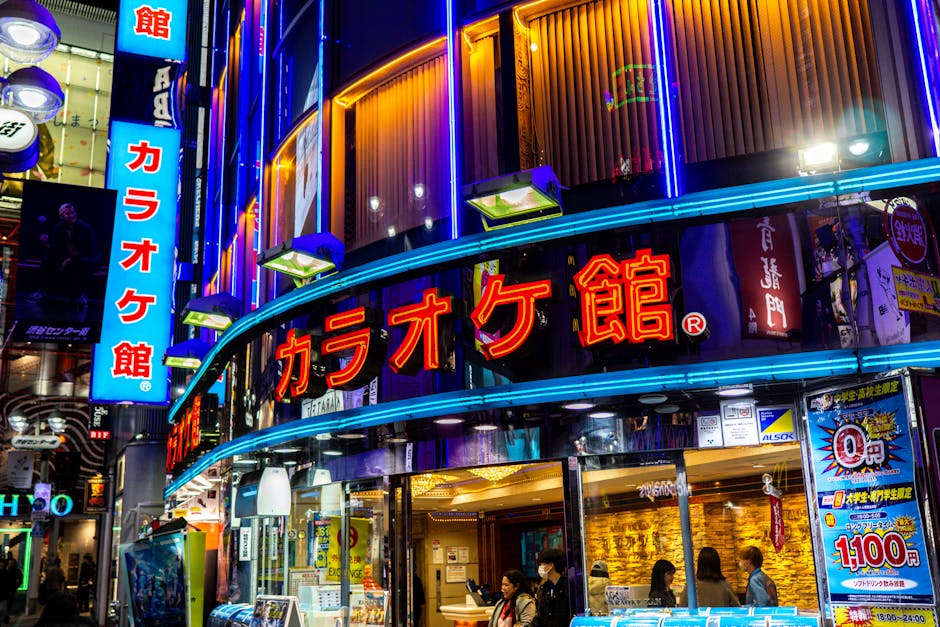
Karaoke is as essential to Tokyo nightlife as bars and clubs, and the experience here is nothing like the pub karaoke you might know from other countries. In Tokyo, karaoke means renting a private room with your group, equipped with a high-quality sound system, touch-screen song selection (with millions of songs in dozens of languages), tambourines, and a direct phone line to order food and drinks without leaving your room.
How karaoke pricing works: Rooms are charged per person per time block — typically ¥500-¥1,500 per person for 60 minutes during off-peak hours, rising to ¥1,000-¥2,500 during peak times (Friday and Saturday nights after 10:00 PM). The best value is the nomihoudai (all-you-can-drink) plan, which usually adds ¥1,000-¥1,500 per person and includes unlimited soft drinks, beer, highballs, and basic cocktails from the room’s internal ordering system. Most chains offer free-time plans (furī taimu) during late-night hours — typically from midnight to 5:00 AM for a flat fee of ¥1,500-¥2,500 including drinks, making karaoke one of the best ways to survive the train gap.
Major karaoke chains include Karaoke Kan (the chain featured in Lost in Translation — Room 601 at the Shibuya branch is the actual filming location), Big Echo (the largest chain with the widest song selection), Joysound (best for Japanese songs and the latest releases), and DAM (best scoring system and music video quality). For solo travelers, 1Kara operates dedicated solo karaoke booths — tiny individual pods where you can sing without judgment, starting from ¥500 per 30 minutes.
For a premium experience, Fioria in Roppongi offers luxury karaoke rooms with chandeliers, white leather furniture, and a sommelier-curated wine list. Pasela Resorts has themed rooms including Balinese spa rooms and party rooms with their own dance floors. At the other end of the spectrum, older neighborhood karaoke spots (look for signs reading カラオケスナック) offer a more local, lived-in experience where the mama-san might join in your performance.
Surviving the Train Gap: What to Do from 1:00 AM to 5:00 AM
The single most important logistical fact about Tokyo nightlife: trains stop running at approximately 1:00 AM and don’t resume until about 5:00 AM. This four-hour “train gap” defines the rhythm of every night out in Tokyo. You have three options: leave before the last train, stay out until the first train, or take a taxi home (which can cost ¥3,000-¥10,000+ depending on distance).
If you choose to stay out — which we highly recommend at least once — here’s a structured plan for making the most of those hours:
- 1:00-2:00 AM: Late-night ramen or curry. Many ramen shops stay open until 2:00-4:00 AM. 24-hour Ichiran ramen branches (Shibuya, Shinjuku) let you eat in privacy behind individual partitioned booths. Fuunji in Shinjuku is another legendary late-night option.
- 2:00-3:00 AM: Club time or yokocho crawl. This is peak hour at clubs like WOMB and Contact. Alternatively, explore Omoide Yokocho’s stalls that stay open late, or hit Don Quijote for a surreal 3:00 AM shopping experience.
- 3:00-4:00 AM: Karaoke free-time. Switch to a karaoke room with a nomihoudai plan — the all-night packages are designed exactly for this window. Alternatively, explore a manga cafe (manga kissa) — these offer private reclining cubicles, free manga, showers, and unlimited soft drinks for around ¥1,500-¥2,000 for a night pack.
- 4:00-5:00 AM: Convenience store coffee and Tsukiji. If you’ve made it this far, grab a hot coffee from a konbini and head to Tsukiji Outer Market, where the earliest stalls begin serving around 5:00 AM. Watching the sun rise over fresh sushi is a uniquely Tokyo way to end an all-night adventure.
- 5:00 AM: First train home. The Yamanote Line and major subway lines resume service around 5:00 AM. Check your route on Google Maps or the Navitime app to find the exact first departure.
A money-saving alternative for the train gap is the night bus network — several bus routes run throughout the night between major entertainment districts and residential areas, with fares around ¥420. The N-bus routes (N01 through N04) connect Shibuya, Shinjuku, Roppongi, and other nightlife hubs.
LGBTQ+ Nightlife: Shinjuku Ni-chome
Shinjuku Ni-chome (often shortened to “Ni-chome”) is one of the world’s most concentrated LGBTQ+ nightlife districts, with over 300 bars, clubs, and community spaces packed into a remarkably small area. The district has been the heart of Tokyo’s queer culture since the 1960s and maintains a vibrant, welcoming atmosphere.
While some bars cater specifically to gay men, lesbian women, or the transgender community, many venues welcome all visitors. Arty Farty is the district’s best-known international bar, with English-speaking staff and a mixed crowd. AiiRO Cafe is a street-level bar with outdoor seating that serves as an informal meeting point and information hub. Dragon Men is popular with both locals and tourists and hosts regular themed events. For a club experience, Aisotope Lounge is the district’s main dance venue with DJs and a lively atmosphere.
Ni-chome is also home to many tiny themed bars similar to Golden Gai — bars dedicated to specific music genres, bars with karaoke, and cozy spaces where the mama-san or master creates a living-room atmosphere. The district is busiest on Friday and Saturday nights from 10:00 PM onward. During Tokyo Rainbow Pride (held annually in spring), the area transforms into a massive celebration with special events at nearly every venue.
Tokyo Nightlife by Budget: From Free to Splurge
Budget Night Out: Under ¥3,000 ($20 USD)
A great Tokyo night doesn’t require deep pockets. Buy Strong Zero highballs (¥150 each) or craft beer (¥300-¥400) at a convenience store and enjoy them riverside along the Sumida or in Yoyogi Park. Visit a tachinomi standing bar near any major station for ¥300-¥500 drinks. End with a late-night gyudon (beef bowl) at Yoshinoya or Matsuya for ¥400. If you want karaoke, the late-night free-time packages at Big Echo or Joysound can work out to under ¥500 per hour with drinks included.
Mid-Range Night Out: ¥5,000-¥10,000 ($35-$70 USD)
This is the sweet spot for most visitors. Start with two hours at a nomihoudai izakaya (¥2,500-¥4,000 including food), then bar-hop through Golden Gai or a yokocho (two or three bars at ¥1,000-¥2,000 each including seating charge). Alternatively, attend a club night at WOMB or Contact (¥2,500-¥4,000 entry with drinks) and finish with late-night ramen (¥900-¥1,200).
Splurge Night Out: ¥15,000+ ($100+ USD)
Begin with sunset cocktails at Virtù (Four Seasons Otemachi, 39th floor) or The Peak Bar (Park Hyatt, 52nd floor) — expect ¥2,500-¥4,000 per drink with a view worth every yen. Move to an omakase cocktail experience at SG Club or Bar High Five (¥5,000-¥8,000 for a few drinks). For the finale, book a premium karaoke room at Fioria with champagne, or take a taxi to a late-night kappo dining counter for an intimate culinary experience.
Essential Practical Tips for Tokyo Nightlife
- Carry cash. Many smaller bars, especially in Golden Gai and yokocho, are cash-only. ATMs at 7-Eleven work 24/7 with foreign cards. Aim to carry ¥10,000-¥20,000 for a night out.
- Check last train times. Use Google Maps, Navitime, or the Japan Transit Planner app. Last trains from Shinjuku and Shibuya typically depart between 12:15 and 12:45 AM to most destinations. Missing the last train is easy if you lose track of time.
- Bring your passport to clubs. All nightclubs require photo ID for entry. Japanese law requires clubs to verify that patrons are over 20 (the legal drinking age in Japan). A photocopy or phone photo may not be accepted.
- Understand cover charges. Many bars charge a seki-ryō (seating charge) of ¥300-¥1,500 per person, and you’ll typically receive a small snack (otoshi) as part of this. This is standard practice, not a scam.
- Don’t tip. Tipping is not practiced in Japan and can cause confusion. The seating charge and service are already factored into pricing.
- Respect noise levels. Be quiet on the street after midnight. Tokyo’s nightlife districts are surrounded by residential areas, and noise complaints can lead to venues being shut down.
- Know the smoking situation. Many bars and izakayas still allow indoor smoking, especially smaller establishments. If smoke bothers you, look for non-smoking venues or ask before entering.
- Use taxi apps. GO Taxi and Japan Taxi apps are essential for late-night transportation. Flagfall is approximately ¥500, with fares running ¥3,000-¥8,000 for typical nightlife-district-to-hotel trips. A late-night surcharge of 20% applies from 10:00 PM to 5:00 AM.
Frequently Asked Questions About Tokyo Nightlife
Is Tokyo nightlife safe?
Tokyo is one of the safest major cities in the world, and this extends to its nightlife districts. Violent crime is extremely rare, and the streets are well-lit and well-patrolled. Standard travel precautions apply — don’t leave drinks unattended, be cautious of touts (particularly in Roppongi’s main drag) who aggressively invite you into bars, and avoid following strangers to “after-parties” in unknown locations. The vast majority of Tokyo nights out are completely trouble-free.
What is the legal drinking age in Tokyo?
The legal drinking age in Japan is 20 (not 18 or 21). Clubs and some bars will check ID, so carry your passport. Convenience stores may ask to confirm your age on a touch screen when purchasing alcohol, but rarely check physical ID.
What should I wear to Tokyo bars and clubs?
Tokyo’s dress code varies by venue. Izakayas, Golden Gai bars, yokocho, and karaoke have no dress code — come as you are. Cocktail bars and hotel bars expect smart casual at minimum. Nightclubs vary: WOMB and Contact are relaxed, while Roppongi venues like Sel Octagon may refuse entry to guests in sandals, shorts, or overly casual attire. When in doubt, clean sneakers, dark jeans, and a decent top will get you into virtually anywhere.
Which night of the week is best for going out in Tokyo?
Friday and Saturday are the busiest nights, with the widest selection of events and the latest closing times. However, weeknights have their own charm — Wednesday and Thursday bring a more local crowd and shorter waits at popular bars. Tuesday is typically the quietest night, with some bars and clubs closed. Sunday nights can be surprisingly lively, particularly at clubs that run “closing weekend” events.
How much money should I budget for a night out in Tokyo?
A comfortable night out — izakaya dinner with drinks, two to three bars, and a taxi or late train home — typically costs ¥8,000-¥15,000 ($55-$100 USD) per person. Budget travelers can have a great time for under ¥3,000 using standing bars, convenience store drinks, and late-night karaoke free-time plans. A luxury night with hotel bars and premium venues can easily reach ¥20,000-¥30,000+.
Plan Your Tokyo Night Out
Tokyo’s nightlife rewards adventurous spirits. The best nights out here aren’t the ones you meticulously plan — they’re the ones where you follow a backstreet lantern into an unknown yokocho, stumble into a five-seat Golden Gai bar run by a retired jazz drummer, or find yourself singing Queen songs in a karaoke room at 4:00 AM with people you met two hours ago. The infrastructure of great drinks, safe streets, and abundant late-night food means that Tokyo makes spontaneous adventure both easy and rewarding.
Whether you’re drawn to the precision of a world-class cocktail bar, the raw energy of a Shibuya super-club, the intimate warmth of a neighborhood izakaya, or the cathartic joy of karaoke at dawn, Tokyo delivers nightlife experiences that will become the stories you tell for years. Start with the neighborhoods and venues that match your style, stay open to the unexpected, and remember — in Tokyo, some of the best experiences happen between the last train and the first.