Tokyo has spent nearly two decades as the most decorated dining city on earth, and the 2026 MICHELIN Guide keeps the crown firmly in place: 160 starred restaurants across the capital, more than Paris and New York combined. That number can feel intimidating, but eating at Michelin star restaurants in Tokyo is far more attainable than the legend suggests. A weekday lunch at a one-star counter can cost less than a chain steakhouse back home. This guide breaks down how the stars work here, what each tier costs, and exactly how to land a table.

The short version: Tokyo’s stars span a wider price range than anywhere else, the hardest tables open their books on a fixed schedule you can plan around, and a handful of English-language apps now do most of the heavy lifting. Get the timing right and you can build an entire trip’s worth of starred meals without a concierge or a fixer. This sits inside our wider Tokyo food guide, which maps every cuisine worth chasing in the city.
How the MICHELIN star system works in Tokyo
The stars mean the same thing in Tokyo as they do in Lyon. One star marks “a very good restaurant in its category” worth a stop. Two stars mean “excellent cooking, worth a detour.” Three stars mean “exceptional cuisine, worth a special journey” — the food alone justifies the flight. Anonymous inspectors judge five things only: ingredient quality, technique, the chef’s personality on the plate, value for the price, and consistency across visits. Decor and service do not earn stars; they earn the separate fork-and-spoon comfort rating.
For the 2026 Tokyo selection, the breakdown is 12 three-star restaurants, 26 two-star, and 122 one-star. The single promotion to three stars this year was Myojaku in Nishiazabu, a refined Japanese kitchen the inspectors singled out for the precision of its seasonal cooking. The current three-star roster is roughly half Japanese restaurants and half French, with one Chinese kitchen in the mix — a reminder that Tokyo’s top tier is not only about sushi and kaiseki.
Two other badges matter just as much for travellers. The Bib Gourmand (a little chef’s-face logo, not a star) flags 114 spots in the 2026 guide serving “exceptional food at moderate prices” — the inspectors’ benchmark is a quality two-course meal with a glass of wine or dessert for around ¥5,000 or less. And the Green Star, awarded to 13 Tokyo restaurants, recognises sustainability rather than refinement. If your budget is real, the Bib Gourmand list is where the genuine value hides.
What it actually costs: lunch deals vs dinner
Here is the single most useful fact for anyone watching their budget: lunch is where the value lives. Many starred restaurants serve a pared-down version of the same kitchen at lunch for a third to half the dinner price. A two-star French room that charges ¥35,000 for the evening tasting might do a four-course lunch for ¥12,000–¥15,000, cooked by the same brigade with the same ingredients. You lose a few courses and the late-night hush; you keep the technique.
Rough 2026 price bands per person, before drinks, give or take by genre and season:
| Tier | Typical lunch | Typical dinner | What you get |
|---|---|---|---|
| Bib Gourmand | ¥1,000–¥2,500 | ¥3,000–¥6,000 | Ramen, tonkatsu, soba, casual kappo; no dress code |
| One star | ¥5,000–¥12,000 | ¥15,000–¥30,000 | A focused counter or small dining room; the sweet spot for first-timers |
| Two star | ¥12,000–¥20,000 | ¥25,000–¥45,000 | Full tasting menus, deeper wine and sake lists, polished service |
| Three star | ¥18,000–¥40,000 | ¥40,000–¥80,000+ | The full event; book months ahead, dress the part |
Two things to budget for beyond the menu price. A 10% service charge is common at the high end, and consumption tax (10%) is usually already baked into listed prices but worth confirming. Sake and wine pairings run ¥8,000–¥20,000 at the top tier — order by the glass if you want to keep the bill down. And many counters quote a single fixed course with no à la carte, so the headline price is close to the real price before drinks.
How to actually get a reservation
This is the part that trips people up. Tokyo’s best counters are tiny — eight to twelve seats, one or two seatings a night — so demand vastly outstrips supply, and many do not take walk-ins or even phone calls from overseas numbers. The good news is that the system is predictable. Most restaurants open their books on a fixed schedule, usually one month ahead, sometimes two in peak seasons (cherry blossom, autumn leaves, New Year). Seats often drop at midnight or 10:00 JST on release day. Set a reminder for the exact date and time, and have your card details ready before the clock strikes.
The English-language booking apps
Four platforms handle the vast majority of bookable starred restaurants, and all work in English with a foreign credit card:
- OMAKASE (its overseas-facing service is branded JapanEatinerary) — the official reservation partner of the MICHELIN Guide, specialising in counter fine dining: sushi, kaiseki, tempura, yakiniku. It carries the majority of Tokyo’s three- and two-star counters. Expect a small booking fee (around ¥390 a seat) plus full prepayment of the course.
- Pocket Concierge — owned by American Express since 2019, with hundreds of top-tier restaurants. Most listings require prepayment of the full course price, which doubles as your cancellation deposit.
- TableCheck — zero booking fees, 18 languages, more than 10,000 restaurants from casual izakaya up to high-end rooms. Best for the mid-range and hotel restaurants rather than the legendary counters.
- TABLEALL — pre-buys seats at famously hard-to-book places and resells them with a guaranteed table; the trade-off is a per-seat fee that can run to several thousand yen. Worth it when a place is otherwise impossible.
A practical rhythm that works: for Michelin-level sushi, plan two to three months out — the most famous counters are blocked for months, occasionally years. For most one- and two-star rooms, the one-month-ahead release is your window. The 18:00–19:00 dinner slots vanish first, so aim for an early seating, a late 21:00 seating, or — best of all — a weekday lunch, which is both cheaper and easier to land.
Concierges, hotels and fixers
If you are staying somewhere with a serious concierge — Aman, Mandarin Oriental, the Peninsula, Bulgari — use them. Top hotels hold standing relationships with restaurants that release a few seats to trusted partners and never to the public. Ask the moment you book the room, not the week you arrive. Specialist booking concierges (My Concierge Japan and similar) will chase a specific restaurant for a fee if you have your heart set on one name. And if a counter only takes phone reservations in Japanese, your hotel’s front desk will usually place the call for you.
One more route people forget: regulars. Some of the very hardest sushi counters effectively only take returning guests or introductions. You will not crack those on a first trip, and that is fine — Tokyo has dozens of superb one- and two-star sushiya that welcome newcomers. Our guide to the best sushi in Tokyo goes deep on which counters take first-timers and how omakase actually flows.
Affordable stars and the Bib Gourmand secret
Tokyo is the one city on earth where MICHELIN regularly stars a ramen counter or a six-seat noodle shop. That is the city’s great gift to budget travellers: you can eat starred food for the price of a fast-casual lunch back home. Several ramen and tantanmen shops have held a one-star year after year, with bowls in the ¥900–¥1,500 range. The catch is that most of these do not take reservations at all — it is first-come, first-served, and the queue can start an hour before opening. Bring patience and cash.
The Bib Gourmand list — 114 restaurants strong in 2026 — is the smarter play for a whole trip of good eating. These are the places the inspectors rate for honest quality under roughly ¥5,000: soba specialists, tonkatsu houses, yakitori counters, regional kappo, and unfussy bistros. No dress code, no prepayment, often no reservation. If you are mapping a trip around our Tokyo budget travel guide, build your evenings around Bib Gourmand spots and save the starred splurge for one lunch.
Don’t overlook the overlap with everyday Tokyo, either. Plenty of the city’s best izakaya cook at a level that would earn recognition anywhere else; the inspectors simply have only so many slots. A great neighbourhood izakaya at ¥3,500 a head will give you more genuine Tokyo than a stiff three-star dinner you booked out of FOMO. Mix the tiers.
The three-star icons (and how to read them)
The 12 three-star kitchens split roughly between Japanese tradition and French technique, with a single Chinese restaurant in the group. On the Japanese side you’ll find kaiseki — the seasonal, multi-course haute cuisine that dictates the rhythm of a Japanese fine-dining meal — alongside the country’s most exacting sushi and tempura counters. On the French side, Tokyo hosts outposts and protégés of names that earned their reputations in Paris, cooking with Japanese ingredients and a Japanese sense of restraint.
A few names carry weight far beyond the guide. Sukiyabashi Jiro in Ginza became globally famous through the documentary Jiro Dreams of Sushi; its counter seats only a handful and is effectively closed to the public, taking guests largely through hotel concierges and regulars. The Tokyo dining rooms bearing the late Joël Robuchon’s name remain benchmarks for French technique in the city. Star ratings shift year to year as chefs retire, move, or are re-judged, so always confirm a specific restaurant’s current standing on the official MICHELIN Guide site before you build a trip around it — the guide updates its Tokyo selection annually, with smaller additions through the year.
My honest advice for a first Tokyo trip: don’t fixate on three stars. The jump from one to three is a jump in ceremony, price and difficulty far more than in raw deliciousness. A brilliant one-star sushi or kaiseki lunch will floor you, cost a fraction, and leave you a table you can actually get. Save three stars for a milestone trip when you can plan three months ahead.
Etiquette, dress code and the cancellation rules that bite
High-end Tokyo runs on quiet respect, and a few habits keep you on the right side of it. Arrive on time — a counter omakase begins when the chef begins, and ten minutes late genuinely disrupts the meal for everyone. Don’t wear strong perfume or cologne; it interferes with the food and is considered rude at a sushi or kaiseki counter. Photos are usually fine for the dishes but ask before photographing the chef or other guests. And tipping is not a thing in Japan — a service charge covers it, and pressing cash on staff causes confusion, not delight.
On dress: most starred restaurants expect smart-casual at minimum. For men that means a collared shirt and trousers (no shorts, no athletic wear, no flip-flops); for women, business-casual. A handful of the most formal French rooms require a jacket and will sometimes lend one. Sushi and ramen counters are relaxed, but err tidy. When in doubt, the booking confirmation usually spells out the dress code.
Now the rule that catches travellers out: cancellation fees are real and steep. Because seats are so scarce, most high-end restaurants — and the apps that book them — register your card and charge a penalty for late cancellation or a no-show, often the full course price within a few days of the date. Prepaid bookings on Pocket Concierge and OMAKASE simply keep your money. Read the cancellation window when you book and treat the reservation as a firm commitment. If your plans are shaky, book the flexible mid-range rooms on TableCheck rather than a prepaid counter. For the broader rules of dining and daily life here, our Japanese etiquette guide covers everything from chopstick manners to how to behave on the train afterwards.
Dietary needs, allergies and vegetarian dining
Japanese fine dining is built around the chef’s set course, so dietary requests need to be made at the time of booking, never on arrival — often at least three days ahead, and longer for the smallest counters. A sushi omakase obviously revolves around fish; a kaiseki menu leans heavily on dashi, which is usually made with bonito (so it isn’t vegetarian even when a dish looks plant-based). State allergies and restrictions clearly and in writing when you reserve, and accept that some counters simply cannot adapt their fixed course — that’s not rudeness, it’s the format.
Vegetarians and vegans have more options than the reputation suggests, but you have to seek them out: shojin ryori (Buddhist temple cuisine) is entirely plant-based and exquisite, and a growing number of modern kaiseki and French kitchens will build a vegetable tasting menu with enough notice. Halal and gluten-free diners should flag needs early too — soy sauce contains wheat, and dashi and mirin turn up everywhere. The apps let you add notes; use the field, and follow up if you don’t get a clear yes.
Which approach is right for you?
There’s no single right way to eat starred food in Tokyo — it depends on how far ahead you can plan and how much you want to spend. This table lays out the realistic routes:
| Approach | Lead time | Effort | Cost | Best for |
|---|---|---|---|---|
| Book apps yourself (OMAKASE / Pocket Concierge) | 1–3 months | Medium — set release-date alarms | Menu price + small fee, prepaid | Most travellers; one- and two-star counters |
| Weekday lunch at a one-star | 2–4 weeks | Low | ¥5,000–¥15,000 | Budget-minded first-timers |
| Hotel concierge | Book at room reservation | Low for you | Menu price; tip-free | Luxury-hotel guests chasing hard tables |
| Paid booking concierge / TABLEALL | Weeks to months | Low for you | Menu price + premium fee | A specific must-do legendary name |
| Bib Gourmand, no reservation | None — just queue | Patience in line | Under ~¥5,000 | Eating well every day on a budget |
Mistakes to avoid
- Leaving booking until you land. The best counters are full a month out. Reserve before you fly, then build the rest of the trip around those fixed points.
- Chasing only three stars. You’ll spend the trip frustrated and broke. One-star lunches deliver 90% of the magic for a quarter of the cost and hassle.
- Ignoring the cancellation window. A casual no-show can cost you the full course price. Treat the booking as locked.
- Showing up in shorts and sandals. Smart-casual is the floor; some French rooms want a jacket.
- Springing dietary needs on arrival. Set courses can’t pivot. Tell them in writing when you book.
- Over-ordering drinks pairings. The bottle list and pairings can quietly double the bill. Order by the glass to stay in control.
Where Tokyo’s stars cluster: a neighbourhood map
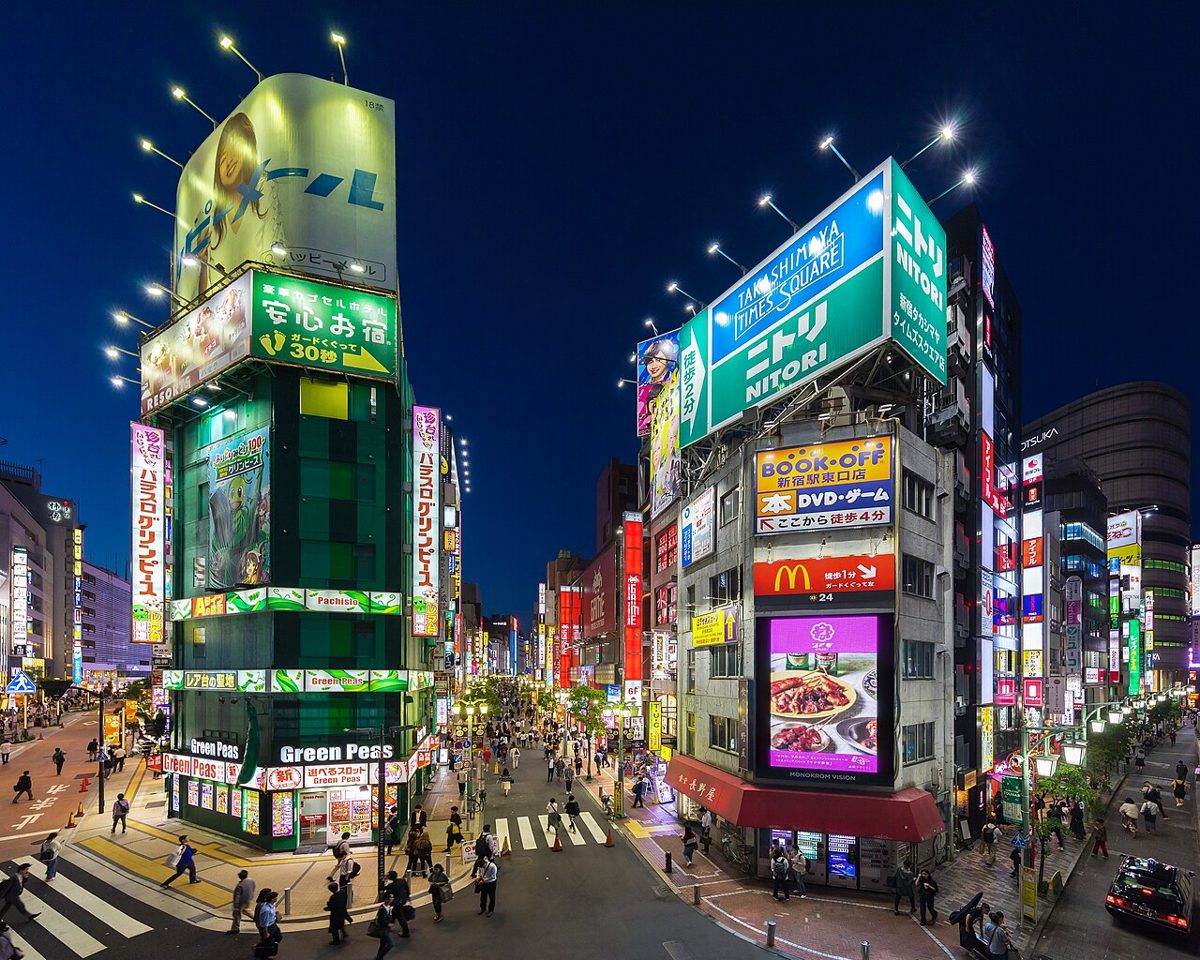
Starred restaurants aren’t scattered evenly across the city — they pool in a handful of districts, and knowing the map helps you plan a night (and book a hotel within walking distance of your reservation). Most of the highest-end counters sit in a tight cluster on the west and central side of the city.
- Ginza — the densest square kilometre of fine dining on the planet. Sushi, tempura and kappo counters stack vertically in narrow buildings; Sukiyabashi Jiro’s Ginza counter is here. Nearest hubs: Ginza and Higashi-Ginza stations.
- Nishiazabu / Azabu-Juban / Roppongi — the address for modern Japanese and French, including 2026’s newly promoted three-star Myojaku in Nishiazabu. Quiet, moneyed, taxi-dependent at night.
- Akasaka — kaiseki and sushi in discreet machiya-style buildings, a short walk from the business district.
- Kagurazaka — a hilly old geisha quarter of cobbled lanes hiding some of Tokyo’s hardest-to-book kaiseki. Worth a wander even before dinner.
- Ebisu and Daikanyama — a younger, more relaxed fine-dining scene; strong for French and wine-led rooms.
One practical consequence: many of these places sit on residential side streets where taxis don’t cruise. Note your route back before you sit down, save the restaurant’s address in Japanese on your phone, and don’t assume you’ll flag a cab outside at 22:00. Tokyo’s trains stop around midnight, so an early dinner that ends by 21:30 lets you take the subway home; a late one may mean a pre-booked car.
What a starred counter meal actually feels like
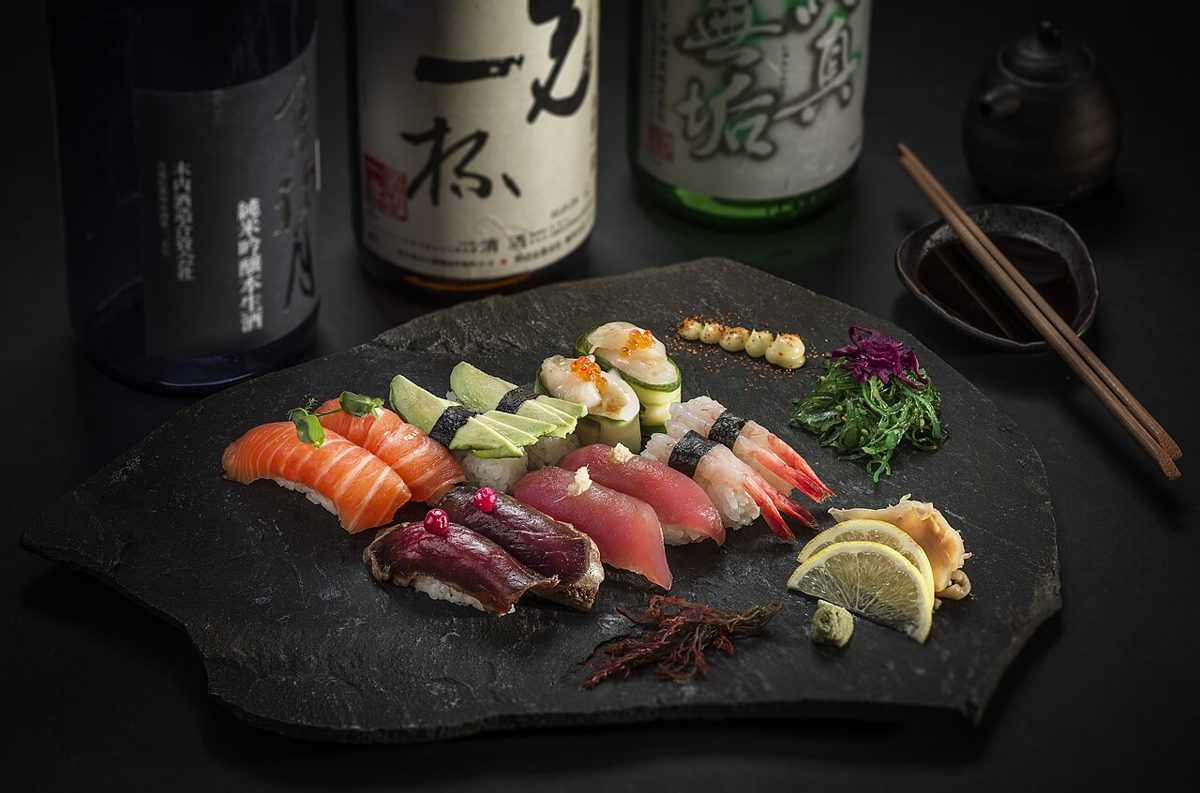
If you’ve never sat at a Japanese omakase counter, here’s the rhythm so it isn’t a mystery. You arrive on the dot. There are eight or ten seats, all facing the chef across a single slab of hinoki cypress polished pale from daily scrubbing. There’s no menu — at a sushi counter you eat whatever the chef hands you, piece by piece, and the meal moves at the chef’s pace, not yours. A kaiseki dinner instead unfolds as a fixed sequence of small, seasonal courses: a clear soup, sashimi, a grilled dish, a simmered dish, rice, pickles, a restrained dessert. Either way, you are a guest in someone’s workshop more than a customer in a restaurant.
A few unspoken rules make it flow. At a sushi counter, eat each piece within a few seconds of it being placed — the chef has judged the rice temperature and seasoning for that exact moment, and letting nigiri sit is the one thing that genuinely disappoints a sushi chef. You can usually eat nigiri with your fingers; sashimi with chopsticks. Don’t drown the fish in soy sauce — many top counters pre-season each piece and won’t even put soy on the counter. A small bow and a sincere “gochisousama deshita” at the end goes a long way.
The meals are shorter than European tasting menus — a sushi omakase often runs 60–90 minutes, a kaiseki two hours — because the format is about precision, not duration. Don’t expect three hours of theatre. Do expect the most focused cooking you’ll ever watch happen a metre from your plate. If the sushi side of this appeals, our best sushi in Tokyo guide walks through the full omakase sequence and how to choose between Edomae traditionalists and modern counters.
Drinking well: sake, wine and tea pairings
Drinks are where a bill quietly balloons, and also where a meal can be transformed — worth understanding before you sit down. At Japanese restaurants, a sake pairing (often three to five pours matched to the courses) typically runs ¥8,000–¥15,000 and is usually the smarter, more characterful choice than wine. Good sommeliers will walk you from a crisp junmai daiginjo through richer, warmer styles as the food deepens. If you’d rather pace yourself, order sake by the glass (gurasu) or a single 180ml carafe and let the staff suggest matches as you go.
French rooms in Tokyo keep serious cellars, and pairings there can climb past ¥20,000; the by-the-glass list is your friend if you want to taste broadly without committing to bottles. A lovely modern touch at many high-end Japanese restaurants is the non-alcoholic pairing — house-made kombucha, cold-brewed teas, seasonal fruit infusions — which is taken as seriously as the sake list and is a genuine pleasure rather than a consolation prize. Say so at booking if you don’t drink; the best kitchens prepare for it.
Timing your visit: seasons and the booking calendar
Japanese fine dining is obsessively seasonal, so when you go shapes what’s on the plate as much as where. Winter brings fugu (pufferfish), crab and the richest tuna. Spring is bamboo shoots, cherry-blossom motifs and sea bream. Early summer means hamo (pike conger) and ayu (sweetfish); autumn is matsutake mushrooms, chestnuts and the year’s most prized ingredients. A kaiseki menu in March and the same kitchen’s menu in October are completely different meals. There’s no “best” season — only the one whose ingredients you most want to eat.
The flip side is demand. Cherry-blossom season (late March to early April), the autumn-leaf weeks (November) and the New Year stretch are the hardest times to book, and some restaurants close entirely for the New Year holidays and Obon in mid-August. If you’re travelling in those peak windows, push your booking effort to two or three months out and have backup dates ready. Travel in a shoulder month — say, late January or early June — and you’ll find the same counters far easier to land, often at the same price.
However you plan it, the city rewards a mix: one carefully booked starred lunch, a Bib Gourmand dinner or two, and a relaxed late night at an izakaya where nobody’s checking your shirt collar. That spread — high, middle and street — is the truest taste of how Tokyo actually eats, and it’s all laid out in our complete Tokyo food guide.
A sample three-day starred eating plan
To make this concrete, here’s how I’d structure three days to taste the full range without going broke or spending the trip on a phone chasing tables. The idea is one genuine splurge, plenty of accessible quality, and zero wasted reservations.
- Day one — the splurge lunch. Book a one- or two-star sushi or kaiseki counter for a weekday lunch (¥8,000–¥15,000). Same kitchen, same chef, a fraction of the dinner price, and far easier to reserve a month out. Walk it off through Ginza afterwards.
- Day one dinner — Bib Gourmand, no booking. Queue at a one-star or Bib Gourmand ramen or tonkatsu shop (¥1,000–¥2,000). You’ve now eaten at two levels of the guide in a single day for under ¥17,000 total.
- Day two — go casual. Skip the formality entirely and spend the night at a neighbourhood izakaya (¥3,000–¥4,000 a head). This is where you actually relax, and it resets you for the next splurge.
- Day three — one starred dinner, if the budget allows. Now that you know the rhythm, book a one- or two-star dinner you reserved before flying. With sake by the glass, expect ¥20,000–¥35,000.
Run those numbers and a serious three-day eating trip lands around ¥45,000–¥60,000 per person all-in — less than a single three-star dinner would cost, and far more memorable because you’ve tasted the whole spectrum. Scale it to your wallet: drop the day-three dinner and you’re eating brilliantly for half that. For the rest of the trip’s spending — passes, hotels, where to save — pair this with our Tokyo budget travel guide.
Frequently Asked Questions
How many Michelin star restaurants does Tokyo have in 2026?
The 2026 MICHELIN Guide lists 160 starred restaurants in Tokyo — 12 with three stars, 26 with two stars and 122 with one star — plus 114 Bib Gourmand spots and 13 Green Star restaurants. Tokyo remains the most-starred city in the world, ahead of Paris.
How far in advance should I book a Michelin restaurant in Tokyo?
Most restaurants open their books one month ahead, with seats often released at midnight or 10:00 JST on the release date. For famous sushi counters and the hardest two- and three-star rooms, plan two to three months out. Weekday lunches are the easiest slots to land.
Are Michelin restaurants in Tokyo expensive?
They span a huge range. Bib Gourmand meals run under ¥5,000, and some one-star ramen bowls cost ¥900–¥1,500. One-star lunches typically fall between ¥5,000 and ¥15,000, while three-star dinners can exceed ¥80,000 per person before drinks. Lunch is consistently the best value.
How do I book a Tokyo Michelin restaurant in English?
Use one of four English-language apps that accept foreign cards: OMAKASE/JapanEatinerary (the official MICHELIN partner for counter dining), Pocket Concierge (owned by American Express), TableCheck (no fees, mid-range and hotels), and TABLEALL (guaranteed seats for a premium). A luxury-hotel concierge is the best route for the hardest tables.
Is there a dress code at Tokyo Michelin restaurants?
Smart-casual is the minimum at most starred restaurants: collared shirt and trousers for men, business-casual for women, no shorts or athletic wear. The most formal French rooms require a jacket, sometimes lending one. Sushi and ramen counters are relaxed but still tidy.
Photo Credits
- Hero image — Photo: MichaelMaggs / CC BY-SA 3.0 via Wikimedia Commons
- Counter image — Photo: Big Ben in Japan from Kawasaki, Japan / CC BY-SA 2.0 via Wikimedia Commons
- Sushi image — Photo: East West – Sushi, Grill, Lounge / CC BY-SA 3.0 via Wikimedia Commons
- Tempura image — Photo: ウィキ太郎(WikiTaro) / CC0 via Wikimedia Commons
- Exterior image — Photo: Basile Morin / CC BY-SA 4.0 via Wikimedia Commons