The honest truth behind any Tokyo street food guide is that Tokyo is not Bangkok or even Osaka. There is no single neon canyon of sizzling carts, and eating while you walk is genuinely frowned upon. What Tokyo has instead is better hidden: temple approaches lined with stalls, retro shopping streets where every third shopfront fries something, market lanes selling sea urchin by the spoonful, and summer festivals where the old rules briefly dissolve. Learn where to stand and what to order, and you can graze across the city all day.
This guide is built around that reality. Below you will find the neighbourhoods and markets where Tokyo street food actually lives, the dozen or so snacks worth crossing town for, what they cost in 2026, and the unwritten etiquette that keeps you from looking like you just landed. For sit-down meals and a wider overview of the city’s food scene, start with our complete Tokyo food guide, then come back here when you want to eat with your hands.
First, the rule that shapes everything: no walking and eating
Tokyo runs on an unspoken code called tabe-aruki kinshi — literally “no eating while walking.” It is not a law in most places, but it is a strong social norm, and a few districts (Kamakura's main street, parts of Asakusa) have made it semi-official with signs. The logic is partly about cleanliness, partly about crowding, and partly about the near-total absence of public bins, which were largely removed after the 1995 subway attack. So you carry your rubbish until you find a bin (often beside vending machines or inside convenience stores) and you eat where you bought.
In practice that means most stalls give you a place to stand and eat right there: a counter, a low wall, a cluster of upturned crates. Finish your skewer or your cup of sashimi on the spot, hand the stick or tray back, and move on. The two big exceptions are festivals and a handful of market lanes, where standing and snacking in the flow of the crowd is completely normal. Keep that distinction in your head and the rest of this guide makes sense.
Where to actually find street food in Tokyo
Forget the idea of one street food district. Think instead in three categories: markets (seafood-led, daytime), old shopping streets or shotengai (croquettes, breads, sweets, all day), and festival yatai (the seasonal free-for-all). Here are the spots that reward a special trip.
Ameyoko (Ueno) — the closest thing to a street food strip
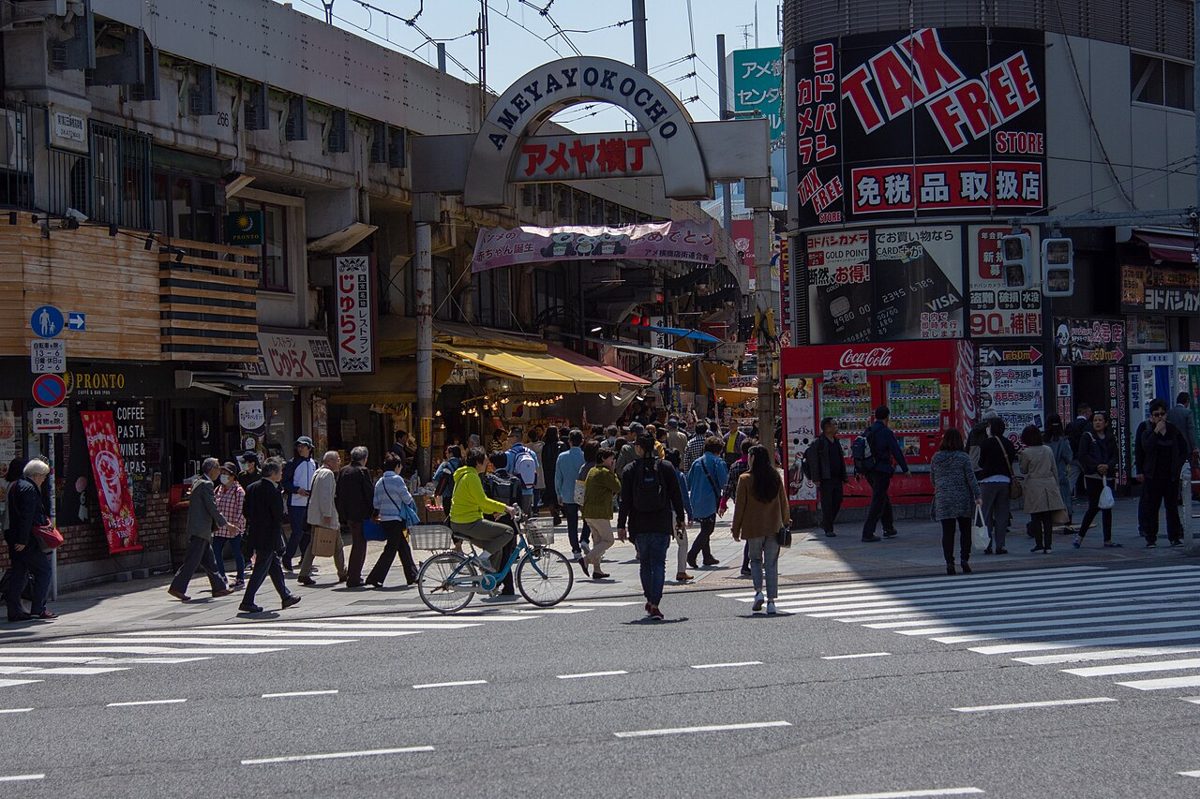
Ameyoko, short for Ameya-Yokocho, is roughly 400 metres of stalls and shops packed under and alongside the Yamanote Line tracks between Ueno and Okachimachi stations. It started as a post-war black market and still has that elbows-out energy. This is where Tokyo most resembles a street food bazaar: vendors yelling prices, charcoal smoke, fruit pyramids, dried squid, and counters frying things to order. Look for A5 wagyu menchi-katsu (a deep-fried minced-beef cutlet) for around ¥400, skewers of grilled seafood, and kebab stands run by the area’s Turkish and South Asian traders. A local tradition worth doing: hand a candy shop ¥1,000 and let the staff cram a bag with a random assortment. Nearest stations are Ueno and Okachimachi on the JR Yamanote Line; come hungry and bring cash.
Nakamise-dori (Asakusa) — temple snacks with a side of crowds
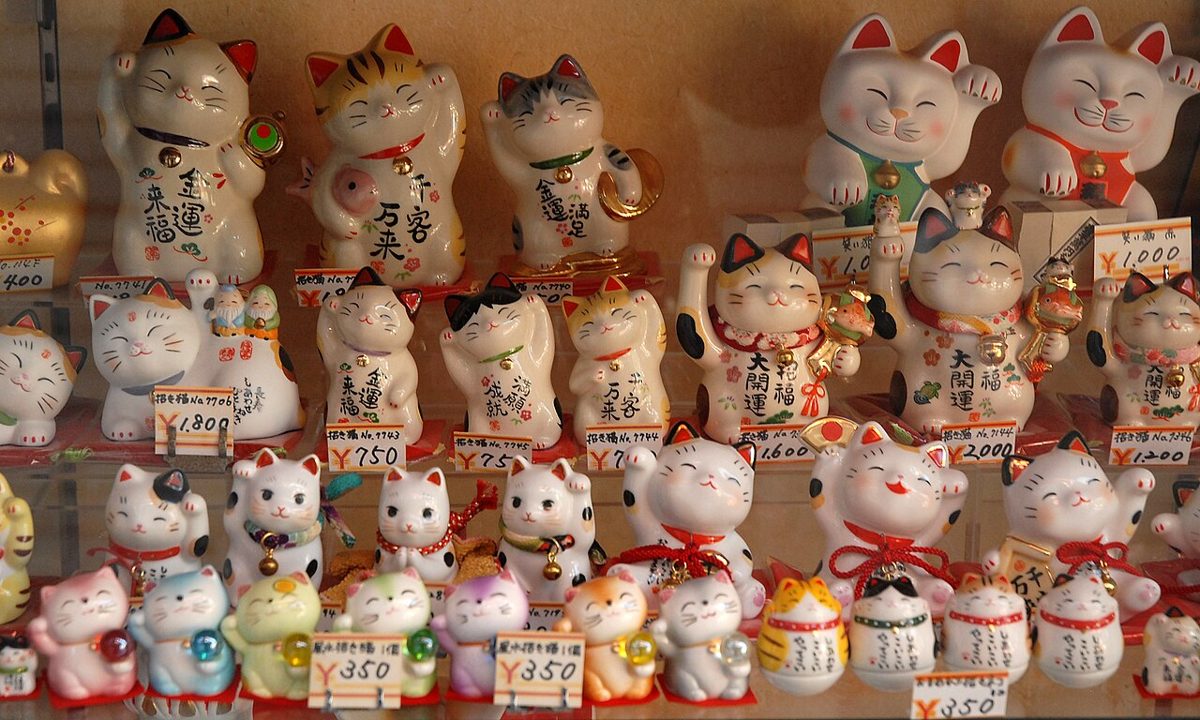
The approach to Senso-ji Temple is a 250-metre gauntlet of red-and-gold stalls called Nakamise-dori, and yes, it is touristy. It is also genuinely good for traditional sweets eaten in the old style. Buy ningyo-yaki (little sponge cakes shaped like Senso-ji’s lantern and pagoda, filled with red bean), age-manju (deep-fried bean-paste buns), warm senbei rice crackers brushed with soy, and melonpan from Kagetsudo, the stall that made the giant crackly-topped version famous (around ¥250). Asakusa is one of the districts that actively discourages walking-and-eating on the main street, so step to the side of the stall, eat there, then carry on to the temple. Take the Ginza Line or Toei Asakusa Line to Asakusa Station.
Tsukiji Outer Market — breakfast by the spoonful
The wholesale auctions moved to Toyosu in 2018, but the Tsukiji Outer Market kept its roughly 300 shops and remains the single best grazing ground for seafood snacks. Wander the lanes for tamagoyaki (sweet rolled omelette) skewers around ¥100–150, grilled scallops and fat oysters, uni (sea urchin) served in the shell, otoro tuna by the slice, and strawberry daifuku from the queue-worthy stalls. Most counters let you stand and eat beside them. Go early — many shops open around 5:00–6:00 and start winding down by early afternoon, and it is heaving by 9:00. For the full market deep-dive, including the Toyosu side, see our guide to the Tsukiji and Toyosu markets. Nearest stations: Tsukiji (Hibiya Line) and Tsukijishijo (Oedo Line).
Sunamachi Ginza — the local’s shotengai
If you want street food with almost no other tourists, ride out to Sunamachi Ginza in Koto Ward. This 670-metre shitamachi shopping street is beloved for cheap, handmade sozai (prepared sides): freshly fried kakiage tempura, dashi-soaked oden croquettes, steamed pork buns, simmered vegetables sold by weight, and old-fashioned wagashi. Prices are gentle, the vibe is purely neighbourhood, and many shops are decades old. It is a short bus ride from Kinshicho or Minami-Sunamachi Station; treat it as a half-day for serious eaters.
Shotengai worth seeking out
Tokyo has hundreds of covered or open shopping streets, and the good ones are quietly the heart of the city’s street-food culture. A few standouts:
- Yanaka Ginza (Nippori) — a postcard-perfect old-town street famous for menchi-katsu, cat-shaped yaki treats and renkon hasami-age (fried lotus-root sandwiches).
- Togoshi Ginza (Togoshi) — said to be Tokyo’s longest shopping street at about 1.3 km, with standout oden croquettes, potato korokke and menchi-katsu.
- Jizo-dori / Sugamo — nicknamed Grandma’s Harajuku, known for shio-daifuku (salted mochi) and candied sweet potato.
- Musashi-Koyama — Tokyo’s longest covered arcade, good for yakitori skewers and anpan.
- Takeshita-dori (Harajuku) — the loud, sweet end of the spectrum: rainbow crepes, tornado potatoes, candied tanghulu fruit and bulb-shaped sodas.
Festival yatai — when the rules come off
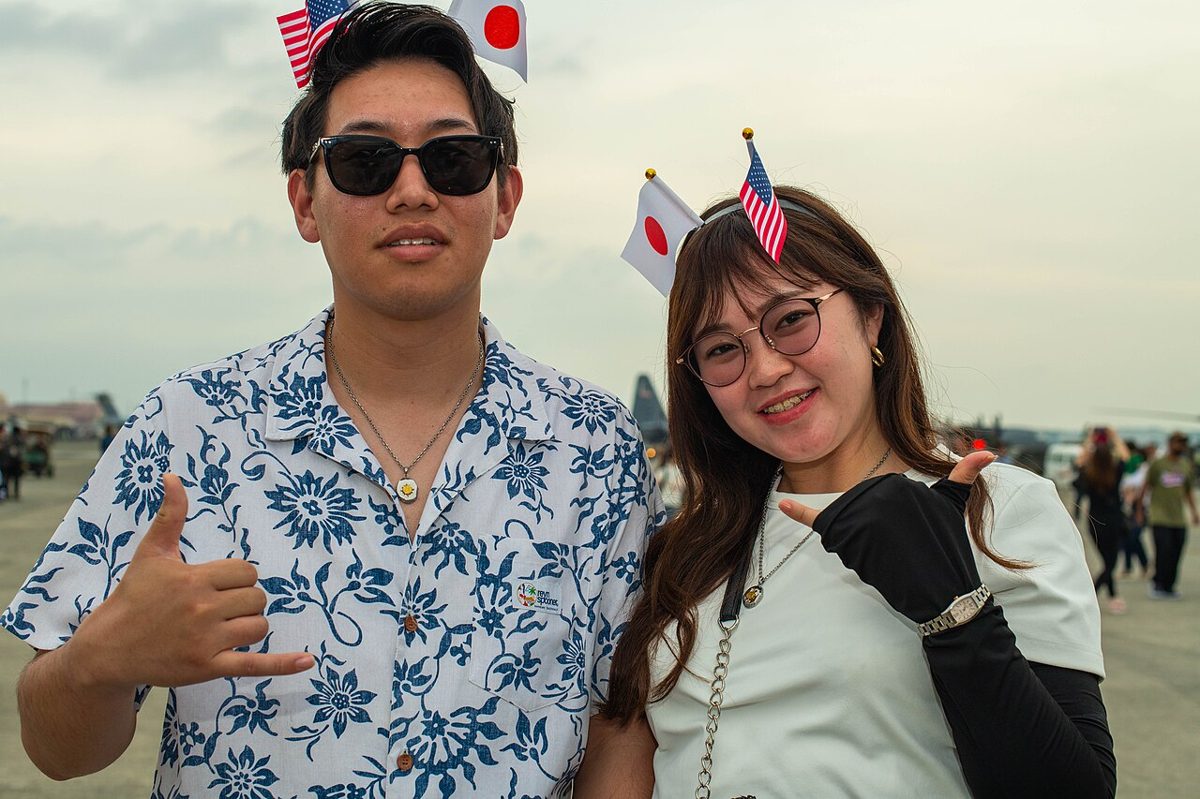
The purest street food experience in Tokyo is a matsuri (festival). At summer festivals, fireworks nights, shrine fairs and cherry-blossom hanami in places like Ueno Park, rows of yatai stalls appear and everyone eats standing in the crowd. This is your chance for yakisoba fried noodles, karaage, grilled corn slicked with soy, choco-banana, kakigori shaved ice, and ikayaki (whole grilled squid). Prices run a touch higher than a shop — ¥500–800 for most items — but the atmosphere is the point. Big ones to target: Sanja Matsuri (Asakusa, May), the Sumida River Fireworks (July), and the food-stall sprawl at any major shrine over New Year.
A note on yatai, food halls and the “sit-down” grey zone
Two things confuse first-timers. First, yatai means a mobile food stall, but Tokyo has very few permanent ones compared with Fukuoka's famous riverside rows; here they are mostly a festival phenomenon. Second, some of the city's best casual eating happens one step removed from the street: the standing counters of tachigui (eat-standing) soba and sushi shops, and the basement food halls of the big department stores. Those depachika are a world unto themselves — glass cases of bento, tempura and wagashi you take away to a park bench or your hotel — and they are arguably the most refined street food in Tokyo. We cover them in full in the Tokyo depachika food-hall guide, and they pair beautifully with a market morning.
What to eat: the Tokyo street food canon
Here is the shortlist actually worth your stomach space, split into savoury and sweet, with rough 2026 prices.
Savoury
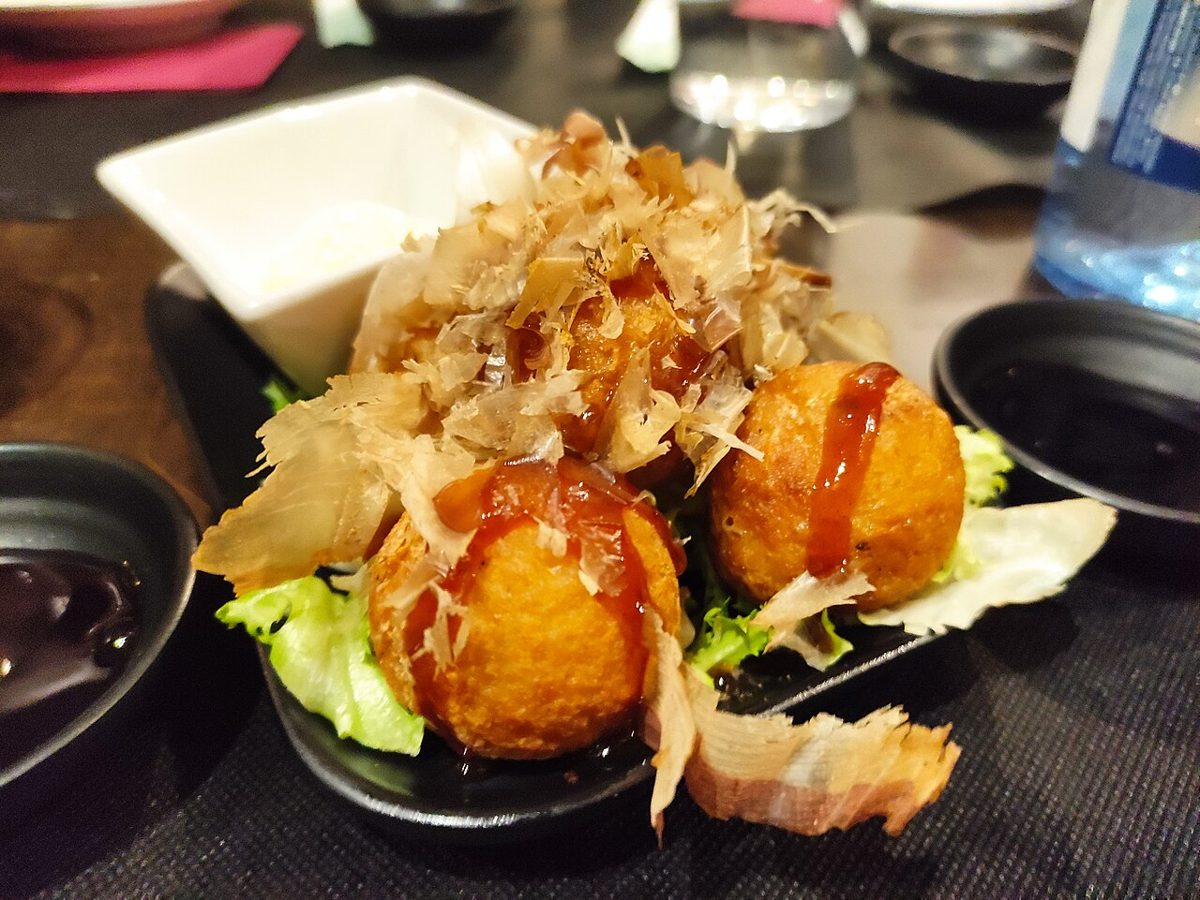
- Takoyaki — molten balls of batter with a chunk of octopus inside, brushed with sauce, mayo and dancing bonito flakes. An Osaka invention, but Gindaco and festival stalls do them everywhere. About ¥500–700 for six to eight.
- Yakitori & kushiyaki — charcoal-grilled skewers of chicken (and more). You mostly eat these sitting down, but festival and late-night grills sell them to go for ¥150–300 a stick. Go deeper in our guide to the best yakitori in Tokyo.
- Korokke & menchi-katsu — crisp potato croquettes (¥100–200) and juicy minced-meat cutlets (¥300–450), the workhorses of any shotengai butcher.
- Yakisoba — griddled wheat noodles with pork, cabbage and a sweet-savoury sauce; a festival staple at ¥500–700.
- Tamagoyaki — a slab of sweet rolled omelette on a stick, the iconic Tsukiji nibble at ¥100–150.
- Imagawayaki — thick, fluffy pancake discs filled with red bean or custard (also sold as obanyaki or kaitenyaki); ¥150–250 each.
Sweet
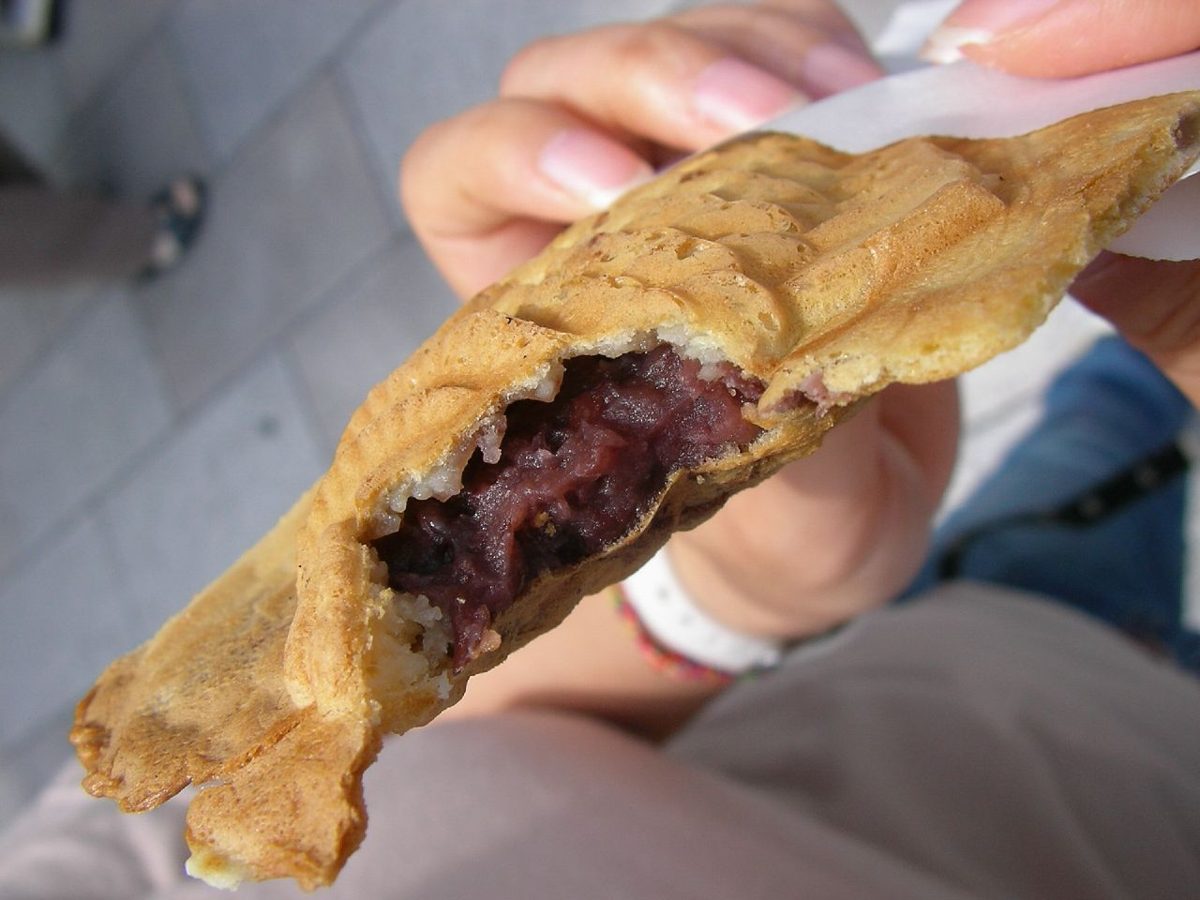
- Taiyaki — a fish-shaped cake, crisp at the edges, filled with anko red bean, custard or sweet potato. The test of a good one is the crunch; ¥180–300.
- Melonpan — a sweet bun under a crackly cookie crust (no actual melon). Kagetsudo’s giant Asakusa version is the icon at around ¥250.
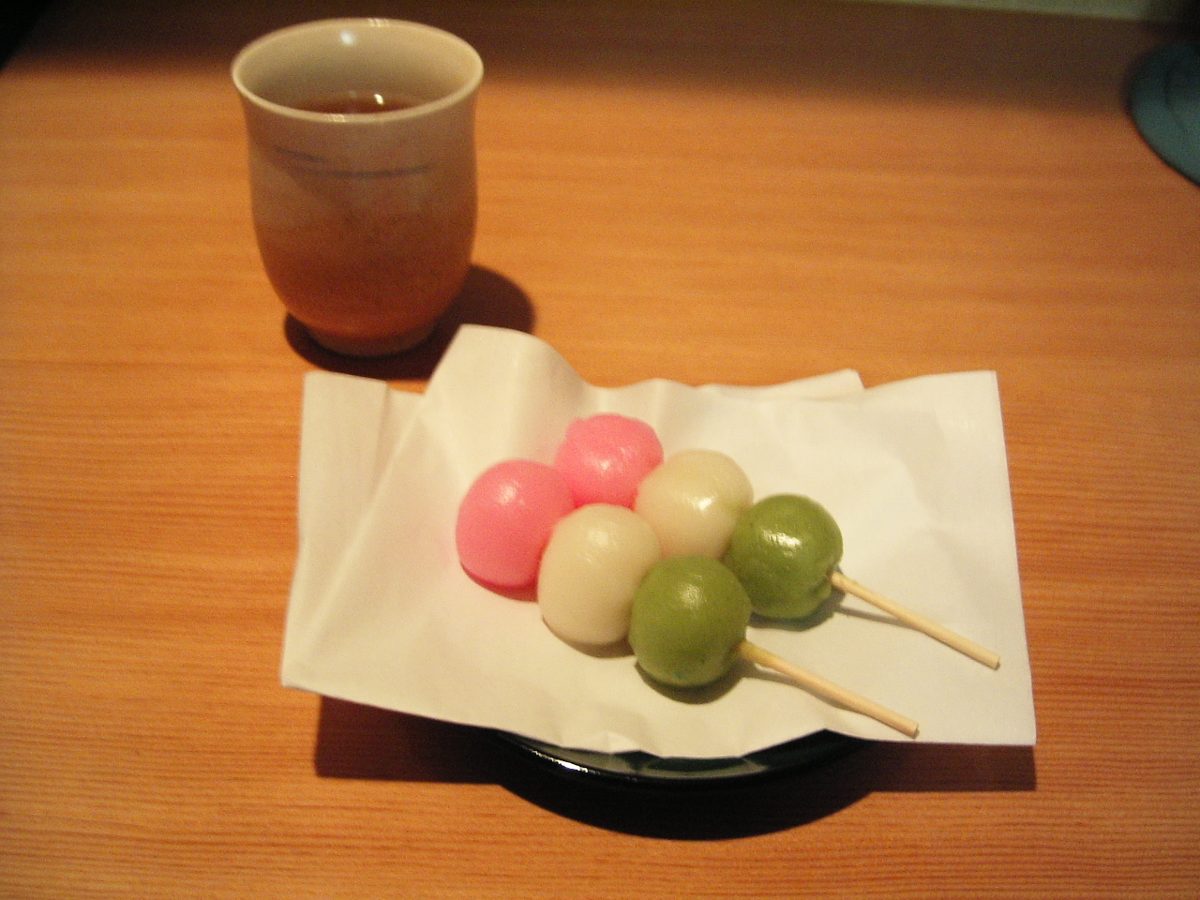
- Dango — chewy rice-flour dumplings on a skewer; mitarashi (sweet soy glaze) is the classic, tri-colour hanami dango appears in spring. ¥100–200.
- Strawberry daifuku — a whole strawberry wrapped in red bean and soft mochi; seasonal, around ¥300–500.
- Candied sweet potato & tanghulu — caramelised satsumaimo cubes and sugar-glazed skewered fruit, the photogenic end of the street.
A quick map of where to eat what
| Spot | Nearest station | Best for | When to go |
|---|---|---|---|
| Ameyoko | Ueno / Okachimachi | Wagyu menchi-katsu, seafood skewers, candy bags | Late morning to evening |
| Nakamise-dori | Asakusa | Ningyo-yaki, age-manju, melonpan, senbei | Daytime; eat at the stall |
| Tsukiji Outer Market | Tsukiji / Tsukijishijo | Tamagoyaki, uni, otoro, daifuku | Early morning, before 9:00 |
| Sunamachi Ginza | Minami-Sunamachi + bus | Kakiage, oden croquettes, sozai | Daytime, weekdays quiet |
| Takeshita-dori | Harajuku | Crepes, tornado potato, tanghulu | Afternoon (expect crowds) |
| Festival yatai | Varies (Ueno Park, shrines) | Yakisoba, karaage, ikayaki, kakigori | Festival days & hanami |
How much does Tokyo street food cost?
Tokyo is pricier than Osaka or the countryside, but street snacks are still some of the best value eating in the city. As a rough 2026 guide: most single items land between ¥150 and ¥700. A couple of skewers or croquettes run ¥300–500; a proper seafood splurge (uni, otoro, a wagyu skewer) can hit ¥1,500–3,000. You can graze a satisfying lunch across a market or shotengai for ¥1,500–2,500. If you are watching the budget, our guide to cheap eats in Tokyo pairs perfectly with a street-food day. Carry at least ¥5,000 in cash, because plenty of stalls still do not take cards.
A neighbourhood-by-neighbourhood plan
If you only have a few windows for grazing, here is how to spend them. Each of these can be a focused 1–2 hour wander rather than a full day.
Morning: Tsukiji, then Ginza
Start at the Tsukiji Outer Market by 7:30–8:00 while it is fresh and not yet shoulder-to-shoulder. Work a loop: a tamagoyaki skewer to wake up, grilled scallop, a slice of otoro, then a strawberry daifuku for the road. When you have had your fill, it is a 12-minute walk (or one Hibiya Line stop) to Ginza, where you can drop into a department-store depachika for a coffee and a pastry without breaking the no-walking rule. This is the single best half-day for a first-time food traveller.
Afternoon: Ueno and Ameyoko
Ameyoko peaks in the afternoon. Come hungry, buy a menchi-katsu, browse the candy alley, and if the weather is good carry a snack into adjacent Ueno Park, where benches make legitimate eating spots and, in season, the cherry blossoms bring out the festival stalls. Ueno is also a major museum hub, so it slots neatly into a culture-plus-food afternoon among the wider list of things to do in Tokyo.
Evening: Shinjuku’s alleys
After dark, the yakitori-and-beer alleys come alive. Omoide Yokocho beside Shinjuku Station is the postcard version — lantern-lit, smoky, packed with six-seat counters. It is technically sit-down rather than street food, but you can hop between tiny bars, and a couple of skewers with a beer at each is the closest Tokyo gets to a progressive street crawl. Mind the per-seat charge (see the yakitori guide). Golden Gai, a few minutes away, is more about drinking than eating.
Old Tokyo: Yanaka and the shitamachi
For a slower, more photogenic afternoon, the Yanaka district around Nippori is the city at its most nostalgic. Yanaka Ginza shopping street rewards a graze — menchi-katsu, croquettes, the cat-themed treats — and the surrounding lanes of the old low city (shitamachi) are a pleasure to wander between bites.
Seasonal street food: what to look for and when
Tokyo eats with the calendar, and the street reflects it. A quick year-round cheat sheet:
- Spring (Mar–May) — hanami season fills parks with yatai; look for tri-colour sakura dango, strawberry daifuku at its peak, and sakura-flavoured everything.
- Summer (Jun–Aug) — festival high season. Kakigori (shaved ice) stalls, grilled corn, ikayaki squid, choco-banana, ramune soda, and the big fireworks nights.
- Autumn (Sep–Nov) — the start of yaki-imo (roasted sweet potato) carts and trucks, chestnut sweets, and warming oden.
- Winter (Dec–Feb) — oden simmering at convenience stores and stalls, taiyaki and imagawayaki hot off the iron, amazake at shrines, and roasted-chestnut vendors.
Vegetarian and dietary notes
Street food in Tokyo is not especially vegetarian-friendly by default — dashi (bonito-and-kelp stock), katsuobushi flakes and pork show up in unexpected places, including many vegetable items. That said, you can eat well: yaki-imo and candied sweet potato, taiyaki and imagawayaki with red bean, dango, melonpan, senbei, corn on the cob (ask them to hold the bonito), and most wagashi are safe. Learn the phrase watashi wa bejitarian desu and, for the strict, assume soup and sauces contain fish unless told otherwise. Halal and allergen labelling is improving but still patchy at stalls, so when in doubt, ask or choose clearly single-ingredient items.
Mistakes to avoid
- Treating Tokyo like Osaka. Don’t expect one street to do it all; build a route across markets and shotengai instead.
- Walking and munching down a crowded lane. It marks you instantly and, in Asakusa, may earn a polite telling-off. Stand and eat.
- Arriving at Tsukiji at 11am. You’ll get the crowds and the dregs. Go early.
- Carrying no cash. Cards and IC payment are spreading, but a surprising number of stalls are still coins-and-notes only.
- Skipping the depachika. Travellers obsess over markets and miss the food halls, which are cleaner, cheaper than restaurants, and dazzling. Don’t.
- Filling up at the first stall. Portions add up. Share, pace yourself, and leave room to keep grazing.
Street food etiquette: nine things to get right
- Don’t walk and eat. Stand by the stall, finish, then move. On signed streets (Asakusa, Kamakura) it is taken seriously.
- Eat where you buy. Most stalls expect you to consume on the spot and will take your stick or tray.
- Carry your trash. Bins are rare. Pocket a small bag; convenience stores and vending-machine corners often have bins.
- Bring cash. Many stalls are cash-only; keep ¥1,000 notes and coins handy.
- Queue properly. A line means the food is good and the line will move; don’t cut.
- Don’t tip. It isn’t done and can cause confusion.
- Say it out loud. A cheerful sumimasen to get attention and kore o kudasai (this one, please) goes a long way.
- Watch for allergens. Bonito, soy and wheat are everywhere; ask before assuming anything is vegetarian.
- Go early at markets. Tsukiji and the like are freshest and least mobbed before mid-morning.
Frequently Asked Questions
Where is the best street food in Tokyo?
For a true street-food-bazaar feel, head to Ameyoko in Ueno; for seafood snacks, the Tsukiji Outer Market in the morning; and for old-Tokyo sweets, Nakamise-dori in Asakusa. Retro shopping streets such as Sunamachi Ginza, Yanaka Ginza and Togoshi Ginza are where locals actually graze, and summer festivals add rows of yatai stalls citywide.
Can you eat while walking in Tokyo?
Generally no. Eating while walking is considered impolite, and some districts (parts of Asakusa, for example) post signs discouraging it. The norm is to eat standing beside the stall where you bought the food, then carry on. Festivals and a few market lanes are the main exceptions where snacking in the crowd is fine.
How much should I budget for street food in Tokyo?
Most individual snacks cost 150 to 700 yen. Plan on 1,500 to 2,500 yen to graze a full, satisfying lunch across a market or shopping street. Splurges like sea urchin, fatty tuna or a wagyu skewer can push single items to 1,500 to 3,000 yen. Bring at least 5,000 yen in cash since many stalls do not accept cards.
Is Tokyo street food safe to eat?
Yes. Japan has strict hygiene standards and Tokyo’s vendors are no exception, so street food is very safe. Stalls with high turnover and visible cooking are a good bet, and tap water is drinkable throughout the city.
Is Tokyo or Osaka better for street food?
Osaka is the more obvious street-food city thanks to Dotonbori and its takoyaki and okonomiyaki culture. Tokyo’s scene is more spread out and market- and festival-based, but with deeper variety once you know the spots. If you can, do both; Tokyo rewards anyone willing to seek out its markets and shotengai.
Photo Credits
- Hero image (takoyaki) — Photo: Francesc Fort / CC BY-SA 4.0 via Wikimedia Commons
- Ameyoko — Photo: AugustGresh / CC BY-SA 4.0 via Wikimedia Commons
- Nakamise-dori — Photo: GuillemMedina / CC BY-SA 4.0 via Wikimedia Commons
- Taiyaki — Photo: Hajime NAKANO / CC BY 2.0 via Wikimedia Commons
- Festival yatai — Photo: U.S. Air Force photo by Staff Sgt. Taylor Slater / Public domain via Wikimedia Commons
- Dango — Photo: Maakun / CC BY-SA 3.0 via Wikimedia Commons