A cooking class is the most useful souvenir you can bring home from Tokyo. Tokyo cooking classes let you spend two to four hands-on hours learning to make sushi, ramen, wagashi sweets or a home-style bento with a local instructor — most run in English, cost roughly ¥5,000–¥15,000, and end with you eating what you made. This guide covers the class types, real 2026 prices, how to book, and the experiences worth your time.
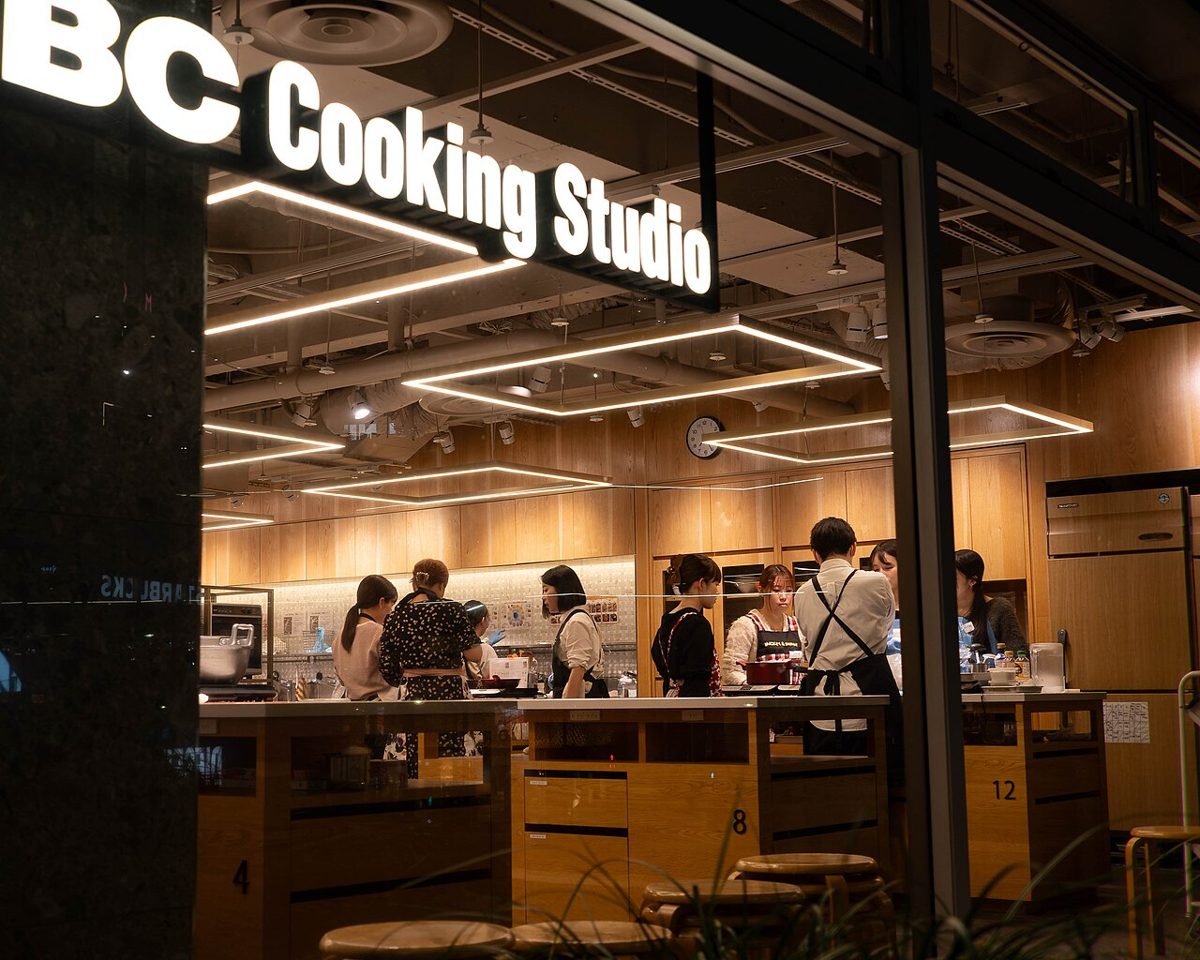
Eating well in Tokyo is the easy part. Understanding why the food works — the seasoning, the knife work, the rhythm of the kitchen — is what a class gives you that a restaurant seat cannot. Many visitors tell us the afternoon they spent rolling sushi or pressing ramen dough was the single most memorable thing they did, ahead of any temple or bullet train. Pair this with our Tokyo food guide to plan where you eat the rest of the time, and you have a genuinely food-led trip.
What to expect from a Tokyo cooking class
Classes for visitors are practical workshops, not culinary courses. You join a session built around one dish or a tight menu of two or three related ones, work at your own station with real ingredients, and eat the result at the end — usually with tea, miso soup or a glass of sake thrown in. The mood is relaxed rather than formal.
A typical session opens with a short intro to the dish and its history, then the instructor demonstrates each step before you copy it, moving around the room to correct technique. Ingredients, equipment and an apron are included in virtually every class; some add a market visit, sake, or a printed recipe card to take home.
- Duration: 1.5 hours (wagashi) to 4 hours (ramen, or sushi with a market tour).
- Group size: usually 6–12 people; private classes for 1–4 are widely available.
- Language: most are taught in English or by a bilingual host; a few local home classes use English handouts.
- What to wear: comfortable clothes you do not mind getting flour on, closed-toe shoes, no dangling sleeves or jewellery.
- Dietary needs: vegetarian, vegan, gluten-free and halal are widely accommodated — but only if you flag them at booking, not at the door.
Sushi-making classes
Sushi is the class most visitors want, and the technique is forgiving enough that a beginner produces respectable results in one session. A standard class covers the three foundational forms — nigiri (hand-pressed rice with a topping), maki (rolled with nori), and often temaki (hand rolls) — plus the thing that actually matters most: how to season, cool and handle sushi rice so it holds together without turning to paste.
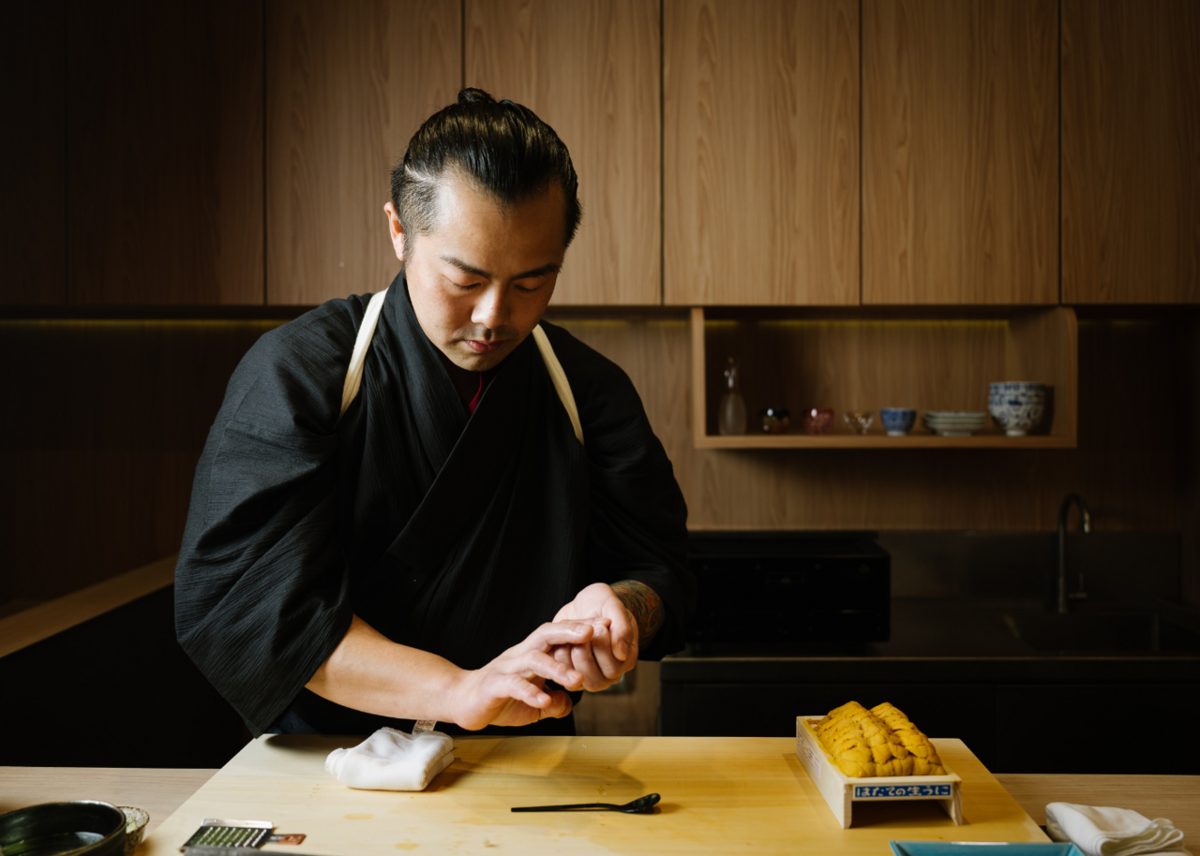
The real prize is learning to read fish: how to judge freshness, why certain cuts suit nigiri versus rolls, and how fat content changes the pairing with rice. That knowledge turns every future sushi meal into something you understand. Most classes run two to three hours and have you make eight to twelve pieces with three or four fish, finishing with your own plate plus miso soup.
Sushi with a Tsukiji market tour
The best sushi classes start with a guided walk through the Tsukiji Outer Market before you cook — you see the vendors, learn where ingredients come from, and sometimes shop for your own class. Operators like Tsukiji Cooking run this format; expect about four hours total and roughly ¥10,000–¥17,600 per person depending on the menu. It is the version to pick if you want context, not just a kitchen. To go deeper on the markets themselves, see our guide to Tsukiji and Toyosu markets, and for where to eat the real thing afterwards, our best sushi in Tokyo.
Typical prices: standard sushi class ¥8,000–¥12,000; with a market tour ¥10,000–¥17,600; private sushi class ¥15,000–¥25,000 for one or two people. The Tsukiji area has the densest cluster of sushi schools; Asakusa and Shinjuku also have strong options.
Ramen-making classes
Ramen is the dish that rewards deep knowledge most. What looks like noodles in soup is really five components — broth, tare (the seasoning base), noodles, aroma oil and toppings — each made separately and assembled to order. A good class teaches you to build that whole system.
Tokyo-style ramen is usually shoyu: a clear, soy-seasoned chicken (or chicken-and-pork) broth with thin, wavy noodles. Classes may also cover tonkotsu (rich pork bone), miso or shio (salt). The best ones include hand-making the noodles — mixing wheat flour with kansui, kneading, resting and cutting — which is physical but genuinely instructive. Because a real broth takes four to eight hours, schools pre-start it, so you work on the tare, toppings and noodles while it finishes, then combine everything. A complete class also teaches chashu pork, marinated soft-boiled egg (ajitama) and the finishing oil.
Most ramen classes run three and a half to four hours and cost ¥8,000–¥12,000; with a market or neighbourhood food-tour add-on, ¥10,000–¥15,000; private sessions ¥18,000–¥28,000. Akihabara is a popular base, often pairing a walk to source ingredients with the kitchen session. Many ramen classes pair the bowl with homemade gyoza, which are quick, fun and forgiving to fold.
Wagashi, bento and other hands-on classes
Wagashi (Japanese sweets)
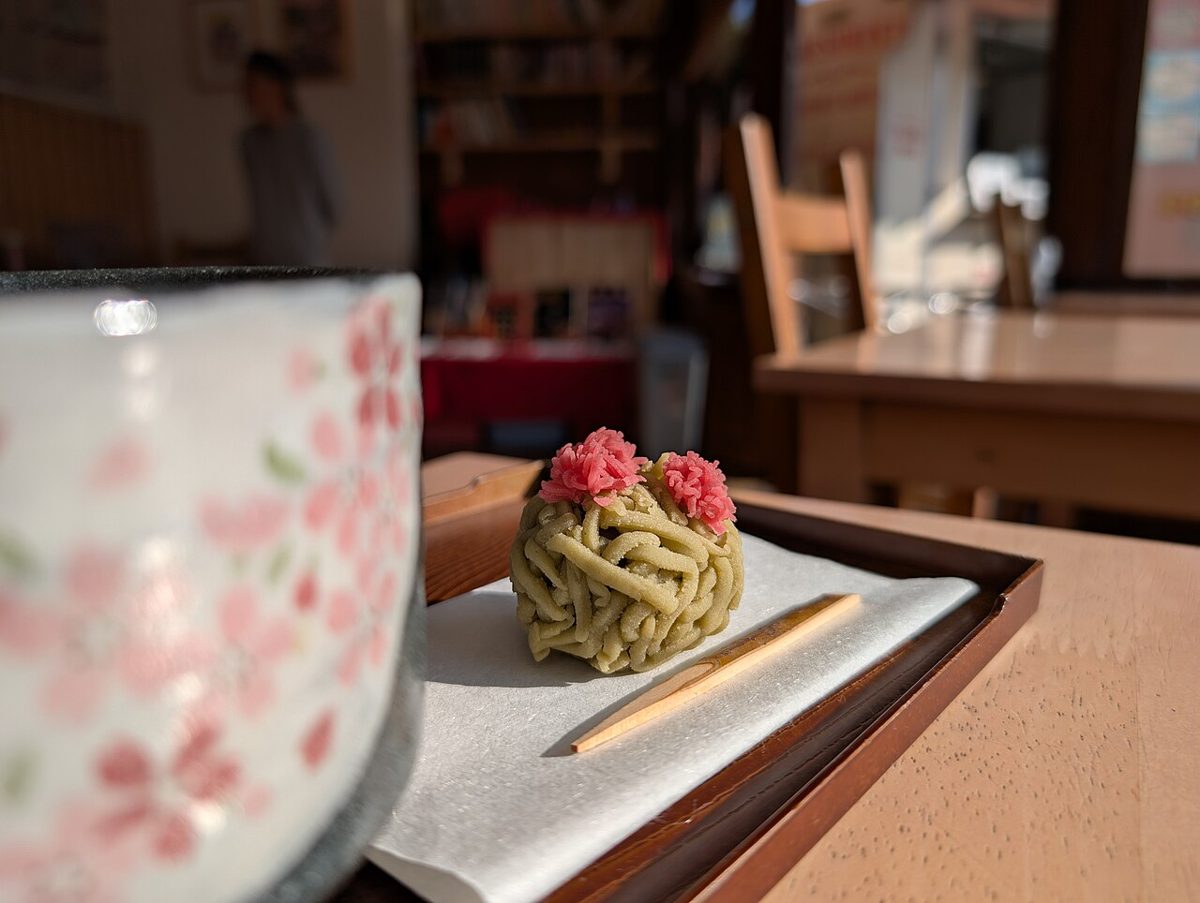
Wagashi classes are the gentlest and often the most charming — you shape nerikiri (sweet bean paste) into seasonal flowers and leaves, or make mochi and dorayaki, then enjoy them with matcha, frequently alongside a short tea ceremony. They run about 90 minutes, cost roughly ¥5,000–¥9,000, and are well suited to families and anyone interested in Japanese aesthetics. Most wagashi recipes are naturally vegetarian, and many providers offer vegan, gluten-free and halal versions.
Bento making
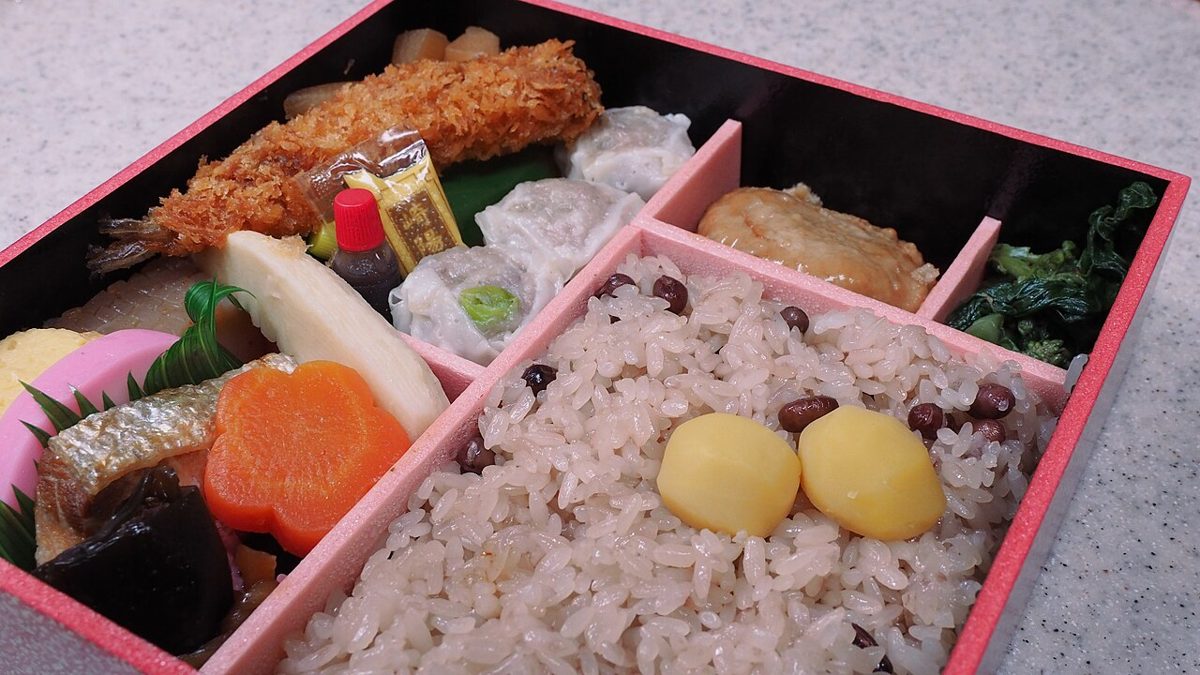
You assemble a traditional bento — rice, tamagoyaki (rolled omelette), karaage, pickles and seasonal sides — with the focus on the balance of colour, nutrition and arrangement that defines bento culture. About two to two and a half hours, roughly ¥8,000–¥10,000.
Tempura, dashi and home-cooking classes
Beyond the headline dishes, plenty of schools teach the everyday food Japanese families actually eat. A tempura workshop drills oil temperature, cold batter and timing (about two hours, ¥7,000–¥10,000). A dashi and miso soup class teaches the flavour foundation of the whole cuisine — making stock from kombu and katsuobushi, blending miso grades (about two hours, ¥6,000–¥9,000). Full home-cooking classes build an ichiju-sansai meal (one soup, three sides, rice), often in a host’s actual kitchen, for ¥9,000–¥13,000.
Izakaya, market tours and sake pairings
Some of the most fun experiences blur the line between a class and a night out. Market-tour-plus-cooking combos — usually Tsukiji for sushi or a neighbourhood market for ramen — add an hour of sourcing and context before the kitchen. Izakaya-style classes teach a spread of small plates (yakitori, dashimaki tamago, grilled fish, edamame) that show how Japanese drinking food works. And sake-and-food pairing workshops walk you through the four main junmai grades, why warm and cold sake taste different, and how to match a bottle to a dish — usually built around sushi. Pairing classes run ¥10,000–¥15,000; brewery day-trips with tasting are a separate ¥5,000–¥8,000 category.
Classes for families and kids
Tokyo is a great place to cook with children. Many home hosts and schools welcome kids, typically from around age 5 (check each listing). The most kid-friendly formats are wagashi (shaping colourful sweets is basically edible play-dough), gyoza and sushi rolls, where folding and rolling keep small hands busy. Platforms like airKitchen list family classes in hosts’ homes, and a family of four doing a mid-range gyoza class pays around ¥20,000 total for three hours plus a full meal. For more ways to keep younger travellers happy, see our guide to Tokyo with kids.
Vegetarian, vegan and halal-friendly classes
Dietary-specific classes are a real strength of the Tokyo scene. Dedicated vegan and vegetarian classes — including shojin-ryori (Buddhist temple cuisine) and plant-based ramen or udon with vegetable tempura — are easy to find, and many wagashi classes are vegan, gluten-free and halal by default. Halal cooking and wagashi experiences are increasingly common, especially around Asakusa. The key rule: state your requirement when you book, because some dishes (a true ramen broth, for instance) need substantial swaps that not every school offers on the spot.
How and where to book
Three kinds of platform cover almost everything:
- airKitchen — home classes taught by local hosts; you meet near a station, walk to their home and cook together. Hundreds of Tokyo listings; prices roughly ¥3,000–¥24,000, averaging about ¥5,000. Gyoza and ramen are the most popular.
- byFood, Cookly, Maikoya — curated cultural and food experiences, strong for wagashi-with-tea-ceremony, shojin-ryori and halal options.
- GetYourGuide, Viator, Klook — the big activity sites; handy for instant confirmation, free cancellation and market-tour sushi classes.
Whichever you use, book ahead. The best small classes — particularly the home kitchens and Tsukiji sushi sessions — sell out, so reserve a week in advance normally and two to three weeks during cherry-blossom season (late March to mid-April), Golden Week (late April to early May) and autumn foliage (mid-November). Confirm the language of instruction, the maximum group size, and your dietary needs at the time of booking.
Cooking class types compared
| Class type | Typical price (per person) | Duration | Best for |
|---|---|---|---|
| Sushi making | ¥8,000–¥12,000 | 2–3 hrs | First-timers, couples |
| Sushi + Tsukiji market tour | ¥10,000–¥17,600 | ~4 hrs | Foodies who want context |
| Ramen (+ gyoza) | ¥8,000–¥12,000 | 3.5–4 hrs | Ramen obsessives |
| Wagashi sweets | ¥5,000–¥9,000 | ~1.5 hrs | Families, aesthetes |
| Bento making | ¥8,000–¥10,000 | 2–2.5 hrs | Home cooks |
| Home cooking (ichiju-sansai) | ¥9,000–¥13,000 | ~3 hrs | Cultural immersion |
| Sake & food pairing | ¥10,000–¥15,000 | 3–4 hrs | Drinks-curious adults |
| Private class (any) | ¥15,000–¥28,000 total | 2–4 hrs | Groups of 2–4 |
What to bring and how to get the most out of it
- Come a little hungry. You eat what you make at the end — it is a full meal.
- Arrive on time. Many classes start promptly and prep is sequenced; latecomers miss steps.
- Bring your phone for photos and to note quantities, but stay hands-on — muscle memory is the point.
- Ask for the recipe card. The good schools send you home with measurements in English so you can recreate the dish.
- Mind the etiquette. A few table manners go a long way when you sit down to eat; our Japanese etiquette guide covers the basics.
- Cash helps. Some small home hosts prefer cash for on-the-day extras, even when the class is prepaid.
Where to find classes by neighbourhood
Class quality does not spread evenly across the city, and each district has a character that shapes what is on offer. Picking the right area saves you a long metro ride and lands you in the kind of class you actually want.
- Tsukiji — the natural home of sushi and seafood classes, thanks to the outer market. Many schools here build a morning market walk into the session.
- Asakusa — Tokyo’s most traditional quarter, strong on the cultural side: wagashi-with-tea-ceremony, bento, home cooking and halal-friendly options, with Senso-ji and Nakamise a short stroll away for an afternoon of sightseeing.
- Shinjuku — a range of mid-to-upscale schools with professional teaching kitchens; classes here tend to be a touch more polished and structured.
- Akihabara — a base for ramen classes, often pairing a walk through the neighbourhood’s market streets with the kitchen session.
- Residential west Tokyo (Nakano, Koenji, Shimokitazawa, around Shinjuku) — the most authentic home-kitchen classes, run by individual hosts. Further from the tourist circuit, worth the extra metro time for a genuine domestic experience.
Wherever you book, you can stitch the class into a wider food day. A Tsukiji sushi morning slots neatly before an afternoon at the market stalls — our Tsukiji and Toyosu markets guide maps out the best of both Tsukiji and Toyosu — while a Shinjuku or Akihabara class pairs well with an evening eating your way around the district from our Tokyo food guide.
Knife skills, tea ceremony and other add-ons
Several classes fold in a cultural extra that makes the experience more than just cooking. A short tea ceremony after a wagashi class lets you enjoy the sweets you shaped with properly whisked matcha — the traditional pairing, and a calm, lovely way to end. Some sushi and home-cooking classes include a knife-skills segment, teaching the basic cuts and how to hold and care for a Japanese blade, which is genuinely useful back home. A handful of providers add a kimono dressing option in Asakusa, so you cook and take photos in traditional dress. These extras usually cost a little more or come bundled into a slightly longer session; decide whether you want a pure cooking lesson or a broader cultural afternoon.
Is a cooking class worth it? How to choose a good one
With dozens of operators competing, the gap between a brilliant class and a forgettable one is real. A few signals separate them:
- Small groups beat big ones. Six to eight people means real hands-on time with the instructor; twelve-plus is efficient for the operator but thin for you.
- Read reviews for substance, not vibes. “I finally understand why my sushi rice was always wrong” tells you more than “fun afternoon.” Look for reviewers describing what they learned.
- Hands-on, not demo-only. Confirm you actually cook rather than watch. The best classes have you make every component yourself.
- Take-home recipe. A printed card with English measurements is the mark of a school that cares about teaching, not just throughput.
- Honest about process. A ramen class that pre-starts the broth and lets you make noodles and tare is being truthful about how ramen works; one promising “ramen from scratch in 90 minutes” is not.
For most travellers the answer is an easy yes — few activities give you a skill, a meal and a couple of hours with a friendly local for the price of a nice dinner. The exception is if you are short on time and only mildly curious, in which case a market food tour may suit you better than a full class.
A sample booking, start to finish
To show how painless this is, here is how a typical sushi-with-market-tour booking actually goes. You find the class on byFood or GetYourGuide a couple of weeks out, pick a morning slot, and note “vegetarian option for one guest” in the booking form. You get a confirmation with a meeting point — often a station exit near Tsukiji — and a contact number. On the day you meet your guide and small group, spend an hour walking the outer market tasting and learning where ingredients come from, then move to the cooking studio. The chef demonstrates rice seasoning and nigiri shaping, you make eight to twelve pieces plus a roll, and you sit down to eat your plate with miso soup and green tea. You leave with a recipe card, full, and able to make sushi rice properly for the first time. Total time about four hours; total cost around ¥12,000.
Want the eating side mapped out too? Our best sushi in Tokyo covers where to book a proper omakase once you have the basics down, so a class and a great meal can bookend the same Tokyo trip.
Casual home classes versus professional schools
Tokyo’s classes split roughly into two camps, and knowing which you want makes choosing easy. Casual home classes — the airKitchen model — take place in a local host’s apartment. You cook everyday Japanese food, eat around their table, and get an intimate, conversational experience that feels like visiting a friend who happens to cook well. They are usually the cheapest option (often around ¥5,000) and the warmest. Professional school classes run in purpose-built teaching kitchens with trained chefs, more equipment and a more structured curriculum — better if you want polish, precise technique and a larger menu, and the natural home of market-tour sushi and serious ramen sessions. Neither is “better”; they are different afternoons. Couples and the culturally curious often love the home classes; technique-focused cooks and groups frequently prefer the schools.
Useful ingredients and terms to know before you go
A little vocabulary makes any class click faster, because the instructor will use these words constantly:
- Dashi — the foundational stock (kombu kelp plus, usually, bonito flakes) under most savoury dishes.
- Tare — the concentrated seasoning base that flavours a bowl of ramen.
- Kansui — the alkaline solution that gives ramen noodles their springy bite.
- Nerikiri — the sweet bean paste you shape into seasonal forms in a wagashi class.
- Shari — seasoned sushi rice, the part that takes the most skill to get right.
- Itadakimasu / gochisousama — the phrases said before and after eating; your host will appreciate you using them.
Common mistakes to avoid when booking
- Leaving it to the last minute. The best classes are booked out days or weeks ahead, especially in peak season.
- Not flagging diet or allergies until you arrive. Schools can usually adapt with notice, but rarely on the spot.
- Booking a huge group class expecting personal attention. Check the maximum group size before you pay.
- Assuming “from scratch” is literal. A good ramen broth cannot be made in a short class; honest schools pre-start it — that is a feature, not a cheat.
- Eating a big meal beforehand. You finish by eating everything you cooked; arrive hungry.
- Overlooking travel time. The most authentic home classes sit in residential west Tokyo, 20–40 minutes from the centre — build it into your day.
Get those right and a cooking class becomes one of the highlights of the trip — and if you are travelling as a family, it doubles as a rainy-afternoon activity that keeps everyone engaged; our guide to Tokyo with kids has more ideas in the same vein.
Frequently Asked Questions
How much do cooking classes in Tokyo cost in 2026?
Most group classes run between about 5,000 and 15,000 yen per person. Wagashi sweets classes are the cheapest (roughly 5,000-9,000 yen for about 90 minutes), sushi classes sit around 8,000-12,000 yen, and sushi or ramen classes that include a market tour reach 10,000-17,600 yen. Private classes for two to four people typically cost 15,000-28,000 yen total.
Are Tokyo cooking classes taught in English?
Most classes aimed at visitors are taught in English or by a bilingual host who switches between English explanation and Japanese demonstration. A small number of local home classes run mainly in Japanese with English recipe handouts. If you want live English throughout, confirm it when you book.
How far in advance should I book a cooking class?
Book at least a week ahead for popular formats, and two to three weeks ahead during peak periods: cherry-blossom season (late March to mid-April), Golden Week (late April to early May) and the autumn foliage period (mid-November). The best small home kitchens and Tsukiji sushi classes sell out earliest.
Can cooking classes accommodate vegetarian, vegan or halal diets?
Yes, widely, but you must request it at booking. Dedicated vegan, vegetarian and shojin-ryori classes exist, many wagashi classes are vegan and halal by default, and halal cooking experiences are common around Asakusa. Some dishes, like a traditional ramen broth, need major swaps that not every school can do on short notice.
Which cooking class is best for families with kids?
Wagashi sweet-making, gyoza folding and sushi rolling are the most kid-friendly, hands-on and forgiving. Many home hosts welcome children from around age 5; check the individual listing. Platforms like airKitchen list family classes in hosts’ homes, and a family of four can expect to pay around 20,000 yen total for a mid-range three-hour class with a meal.
Photo Credits
- Hero image — Photo: sergejf / CC BY 2.0 via Wikimedia Commons
- Sushi-making image — Photo: Bobby.Creations / CC BY 4.0 via Wikimedia Commons
- Wagashi image — Photo: Andy Li / CC0 via Wikimedia Commons
- Ramen image — Photo: Guilhem Vellut from Paris, France / CC BY 2.0 via Wikimedia Commons
- Bento image — Photo: Ka23 13 / CC BY-SA 4.0 via Wikimedia Commons