Here is the short version of JR Pass vs Tokyo Subway Pass: they solve completely different problems, and most Tokyo visitors who buy the nationwide Japan Rail Pass are wasting money. The JR Pass is a long-distance, whole-of-Japan pass built for bullet-train trips between cities. The Tokyo Subway Ticket is a cheap, city-only pass for unlimited metro rides inside Tokyo. If you are staying in Tokyo, you almost certainly want the subway ticket (or just an IC card), not the JR Pass.
I have travelled Japan with both, and I have watched a lot of first-timers buy a ¥50,000 rail pass for a trip that never leaves the Kanto region. This guide breaks down exactly what each pass covers, what it does not, the current 2026 prices, and the break-even math with real worked examples, so you can make the call for your specific trip. For the full picture of moving around the city, keep our Tokyo transportation guide open alongside this, and start your planning from the Tokyo travel planning hub.
JR Pass vs Tokyo Subway Pass: The Quick Comparison
Before the detail, here is the whole decision on one screen. These are the headline 2026 prices and what each pass is genuinely for.
| Pass | Price (2026) | What it covers | Best for |
|---|---|---|---|
| Nationwide Japan Rail Pass (7-day Ordinary) | ¥50,000 | Most JR trains nationwide incl. most shinkansen (not Nozomi/Mizuho) | Long multi-city trips with 3+ bullet-train rides |
| Tokyo Subway Ticket (24h) | ¥1,000 | All Tokyo Metro + Toei Subway lines | A packed day of subway sightseeing in Tokyo |
| Tokyo Subway Ticket (48h) | ¥1,500 | All Tokyo Metro + Toei Subway lines | A two-day Tokyo subway blitz |
| Tokyo Subway Ticket (72h) | ¥2,000 | All Tokyo Metro + Toei Subway lines | Three days of heavy metro use |
| JR Tokyo Wide Pass (3-day) | ¥15,000 | JR East around Kanto + day-trip lines (Fuji, Nikko, GALA) | Tokyo base with 2–3 big JR day trips |
| Suica / PASMO IC card | Pay as you go | Almost every train, subway, bus + shops | Light or mixed use; most people |
Notice the gap: ¥50,000 versus ¥1,000–¥2,000. These are not competing products for the same trip. The only honest way to compare them is to ask what your trip actually looks like, which is what the rest of this guide does.
What the Japan Rail Pass Actually Is
The Japan Rail Pass (JR Pass) is a nationwide pass, sold only to foreign tourists on a short-term visitor stamp, that gives unlimited rides on JR Group trains across the entire country for 7, 14, or 21 consecutive days. That includes most shinkansen (bullet trains), JR limited expresses, local JR lines, some JR buses, and the JR ferry to Miyajima. Its whole reason to exist is long-distance intercity travel, the Tokyo–Kyoto–Hiroshima kind of trip, where individual bullet-train tickets add up fast.
Since the big October 2023 price hike, the 7-day Ordinary pass costs ¥50,000 (¥70,000 for Green Car/first class), the 14-day is ¥80,000, and the 21-day is ¥100,000. That increase, roughly 70%, fundamentally changed the math: the JR Pass used to be a near-automatic buy, and now it is not. One more 2026 wrinkle: a further increase is scheduled for October 1, 2026 for passes bought through overseas travel agencies (7-day Ordinary rising to ¥53,000), while the price on the official JR website is held. If you do buy, buy through the official channel.
What the JR Pass Covers and Does NOT Cover
This is where people get caught out, so be precise about it.
- Covered: Hikari, Kodama, and Sakura shinkansen; all JR limited express, rapid, and local trains; the JR Yamanote, Chuo, and Sobu lines in Tokyo; the Narita Express (N’EX); the Tokyo Monorail to Haneda; and the JR ferry to Miyajima.
- NOT covered: the fastest Nozomi and Mizuho shinkansen (you must pay the full separate fare if you board one); the entire Tokyo Metro and Toei subway networks; private railways like Odakyu, Kintetsu, Hankyu, Tobu, and Keisei; and most city buses.
That Nozomi exclusion sounds worse than it is. Tokyo to Kyoto on a Nozomi is 2h13m; on the JR Pass-eligible Hikari it is 2h40m, a 27-minute difference. For Tokyo–Osaka it is about 28 minutes. You are not missing much by riding the slightly slower train. What genuinely matters is that the JR Pass does almost nothing for getting around inside Tokyo apart from the Yamanote loop, because the subway is a different operator entirely.

What the Tokyo Subway Ticket Actually Is
The Tokyo Subway Ticket is the opposite animal: a cheap, tourist-only, city-only pass for unlimited rides on all 13 Tokyo Metro and Toei Subway lines for a fixed number of hours from first tap. It is sold to visitors from outside the Tokyo region and to overseas tourists, and it is fantastic value for the kind of dense, hop-on-hop-off sightseeing days that Tokyo rewards, Asakusa to Ueno to Ginza to Shibuya, all by subway.
Crucially, the clock runs in hours, not calendar days. A 24-hour ticket activated at 3 p.m. Tuesday is valid until 3 p.m. Wednesday, so you get two afternoons and an evening out of one 24-hour pass if you plan it well.
2026 Prices and the March Price Increase
Heads up: Tokyo Metro and Toei raised these prices on March 14, 2026. A lot of older guides still quote the previous ¥800/¥1,200/¥1,500. The current, correct 2026 adult prices are:
| Ticket | Adult | Child (6–11) |
|---|---|---|
| Tokyo Subway 24-hour | ¥1,000 | ¥500 |
| Tokyo Subway 48-hour | ¥1,500 | ¥750 |
| Tokyo Subway 72-hour | ¥2,000 | ¥1,000 |
Children under 6 ride free with a paying adult. As of 2026 the ticket also works via a QR code on your phone in addition to the physical card, which is handy if you buy multiple tickets for a family. Even at the new prices it is a bargain, two or three single subway rides (each ¥180–¥330) already approach the 24-hour price.
What the Subway Ticket Covers and Does NOT Cover
- Covered: every Tokyo Metro line (Ginza, Marunouchi, Hibiya, Tozai, Chiyoda, Yurakucho, Hanzomon, Namboku, Fukutoshin) and every Toei Subway line (Asakusa, Mita, Shinjuku, Oedo). That is essentially the whole subway map.
- NOT covered: the JR Yamanote Line and all other JR trains; private railways like Odakyu (to Hakone), Tobu (to Nikko/Skytree), Keio, and Keikyu; buses; and the airport trains. If your route needs the Yamanote loop, the subway ticket will not get you on it.
This is the single most important thing to understand: the Tokyo Subway Ticket and the JR Yamanote Line do not overlap. Many first-timers default to the Yamanote loop because it is famous, but most of Tokyo’s best neighbourhoods are better reached by subway. If you build your days around the metro, this ticket shines; if you lean on JR, an IC card is smarter.
The Tokyo-Area JR Passes (the Middle Ground)
There is a third category people miss: regional JR East passes that are far cheaper than the nationwide JR Pass but still cover bullet trains and limited expresses around Tokyo. The standout is the JR Tokyo Wide Pass.
JR Tokyo Wide Pass
The Tokyo Wide Pass costs ¥15,000 for three consecutive days and covers unlimited JR East travel around the greater Kanto region, including the shinkansen and limited expresses to some of the best day trips out of Tokyo: Kawaguchiko for Mount Fuji (via the Fuji Excursion), Nikko, Karuizawa, GALA Yuzawa for snow, Kusatsu Onsen, and parts of the Izu Peninsula. If you are basing yourself in Tokyo but want two or three substantial JR day trips, this pass frequently beats both individual tickets and the nationwide JR Pass. It is the right tool when your travel is regional rather than city-only or nationwide. We dig into where these trips go in our guide to the best day trips from Tokyo.
There are other JR East regional passes (Tohoku Area, Nagano/Niigata) if your day trips run further north, but for most Tokyo-based travellers the Wide Pass is the one to weigh against single tickets.
The IC Card Option: When You Need Neither Pass
Here is the honest truth a lot of pass-sellers will not lead with: most Tokyo visitors are best served by a rechargeable IC card, not any pass at all. A Suica or PASMO works as a tap-to-ride card on virtually every train, subway, and bus in the city, regardless of operator, and doubles as contactless payment in convenience stores, vending machines, and many shops. You load yen, you tap in and out, you stop doing mental math about which company runs which line.
Tourists have a few flavours to choose from. A standard Suica or PASMO carries a refundable ¥500 deposit. The Welcome Suica is a tourist version with no deposit that expires after 28 days, but any leftover balance is forfeited when it expires, so do not overload it. Mobile Suica/PASMO on an iPhone or Apple Watch is the slickest option, top up by card, never queue at a machine. For a full breakdown of which card suits you, see our Suica vs PASMO comparison.
The IC-card-versus-subway-pass decision comes down to intensity. If you will take three or more subway rides in a day, the ¥1,000 day ticket wins. If you bounce between JR and subway, or only take a couple of rides a day, the IC card is cheaper and far more flexible because it works on everything.
The Break-Even Math: Worked Examples
This is the part that actually decides it. Let me run two realistic trips, one Tokyo-only and one with intercity travel, with current fares, so you can see exactly where each pass wins or loses.
Example 1: A Five-Day Tokyo-Only Trip
You are based in Shinjuku for five days, sightseeing hard around the city: Asakusa, Ueno, Ginza, Roppongi, Shibuya, Harajuku, plus a Skytree evening. No bullet trains, no other cities. Should you buy a JR Pass? Absolutely not, it would be a ¥50,000 mistake covering trains you will barely touch. The real question is subway ticket vs IC card.
A heavy subway day in Tokyo might be five rides at roughly ¥200 each, about ¥1,000. That exactly matches the 24-hour ticket, so on your most intensive days the pass breaks even or beats pay-as-you-go. Over five days, a sensible play is a 72-hour Subway Ticket (¥2,000) for your three densest sightseeing days, then an IC card for the lighter arrival/departure days when you may also need JR or private lines. Here is the rough comparison:
| Approach | What you buy | Approx. 5-day cost | Verdict |
|---|---|---|---|
| Pay-as-you-go only | IC card, ~5–6 rides/day mixed | ¥4,500–¥6,000 | Simple, flexible, fine for lighter days |
| Subway ticket + IC card | 72h ticket (¥2,000) + IC for 2 days | ¥3,500–¥4,500 | Usually cheapest for heavy subway days |
| 7-day JR Pass | ¥50,000 | ¥50,000 | Absurd for a Tokyo-only trip |
The lesson: for a Tokyo-only trip the JR Pass is never the answer. You are choosing between the Subway Ticket and an IC card, and the Subway Ticket wins on your busiest days while the IC card wins on light or JR-heavy days.
Example 2: Tokyo + Kyoto + Osaka in One Week
Now the classic “golden route.” You fly into Tokyo, spend a few days, take the shinkansen to Kyoto, day-trip around Kansai, then return to Tokyo. Does the nationwide JR Pass pay off? Let us add up the individual bullet-train fares (reserved seat, Hikari/Sakura where the pass would apply):
- Tokyo → Kyoto shinkansen: ~¥13,320
- Kyoto ↔ Osaka and Kansai day trips (local/rapid): ~¥3,000 total
- Osaka → Tokyo shinkansen: ~¥13,870
- Approx. intercity total: ~¥30,200
That is roughly ¥30,000 against a ¥50,000 7-day JR Pass, so the pass loses by about ¥20,000 on the standard Tokyo–Kyoto–Osaka loop. This is the trip where the most people buy the pass and the most people overpay. Buy individual shinkansen tickets instead (the SmartEX app or any JR machine), and use a subway ticket or IC card for getting around within each city.
Example 3: When the JR Pass Finally Wins
Add Hiroshima and the math flips. Tokyo → Kyoto → Hiroshima → back, with a Nara or Himeji day trip, pushes your individual bullet-train fares past ¥50,000, at which point the 7-day pass pays for itself and throws in flexibility for free. As a rule, the nationwide JR Pass is worth it when you will take roughly three or more long shinkansen rides in seven days (for example Tokyo–Kyoto–Hiroshima–Tokyo), or on any 14-day multi-region trip covering Tohoku, Kyushu, or Hokkaido.
And there is a money-saving middle path: stack regional passes. A Tokyo Wide Pass at the start (¥15,000) plus a Kansai Wide Area Pass at the end (¥12,000), with one Tokyo–Kyoto shinkansen ticket (~¥14,170), covers a Tokyo–Hakone–Kyoto–Osaka itinerary for about ¥41,000, still under the ¥50,000 nationwide pass.
Regional Pass Alternatives Worth Knowing
If your trip is bigger than Tokyo but smaller than “all of Japan,” the right answer is often a regional JR pass rather than the nationwide one. These cover specific areas for far less, and stacking two of them frequently beats the ¥50,000 national pass. Here are the ones travellers reach for most.
| Regional pass | Price | Covers | Best for |
|---|---|---|---|
| JR Tokyo Wide Pass | ~¥15,000 / 3 days | JR East Kanto: Fuji, Nikko, Karuizawa, GALA | Tokyo base with big JR day trips |
| JR East Tohoku Area Pass | ~¥30,000 / 5 days | Tokyo + northeast Japan, Sendai, ski country | Tohoku and snow-country trips |
| JR West Kansai Area Pass | ~¥2,400–4,600 / 1–4 days | Osaka, Kyoto, Nara, Kobe, Himeji (no shinkansen) | Kansai-only sightseeing |
| JR West Kansai Wide Area Pass | ~¥12,000 / 5 days | Kansai + Himeji, Okayama, Kinosaki (some shinkansen) | Extended Kansai exploration |
| JR Kyushu Rail Pass | ~¥18,500–23,000 / 3–5 days | Kyushu island | Fukuoka, Kumamoto, Kagoshima trips |
The trick is to map your trip onto regions. A Tokyo-then-Kansai itinerary, for instance, is often best served by a Tokyo Wide Pass at the start and a Kansai pass at the end, with a single point-to-point shinkansen ticket bridging them, rather than one expensive national pass covering days when you barely move.
Common Pass Mistakes to Avoid
After watching a lot of trips go sideways, these are the errors I see again and again. Avoid them and you will save real money.
- Buying the nationwide JR Pass for a Tokyo-only trip. The single most expensive mistake. It does not even cover the subway. If you are not leaving Kanto, you do not want it.
- Assuming the subway ticket covers the Yamanote Line. It does not. The Tokyo Subway Ticket is Metro and Toei only. Plan your routes around the subway, or carry an IC card for JR legs.
- Activating the JR Pass on arrival day in Tokyo. If your first three days are in the capital, you have burned three of seven pass-days on local trains. Activate when your first intercity bullet-train ride happens.
- Boarding a Nozomi or Mizuho on a JR Pass. Not covered. You will be charged the full separate fare. Take the Hikari, Kodama, or Sakura instead, only 20–30 minutes slower.
- Overloading a Welcome Suica. Any balance left when it expires after 28 days is gone. Top up modestly, or use Mobile Suica/PASMO instead, which never expires.
- Ignoring the hour-based clock on the subway ticket. A 24-hour ticket is 24 hours from first tap, not a calendar day. Tap in early afternoon and you can squeeze two days of touring across the window.
How and Where to Buy and Activate Each Pass
Buying the JR Pass
You can buy the JR Pass online through the official Japan Rail Pass site (you get an exchange order or a digital QR pass) or, now, directly in Japan at major JR stations and airports for the same price. To collect or activate it you need your passport showing the temporary-visitor stamp. Activation lets you choose a start date, and this is the key trick: do not activate on arrival day if you are spending your first days in Tokyo. Start the clock when your intercity travel begins so you do not burn pass-days sitting in the capital. Seat reservations are free with the pass, make them for popular routes and peak seasons.
Buying the Tokyo Subway Ticket
The Subway Ticket is sold at both airports (Haneda and Narita), at Tokyo Metro pass offices, at the Tokyo Tourist Information Center, at major electronics stores like Bic Camera and Yodobashi, and through travel resellers like Klook as a voucher or QR ticket. There is no activation appointment, it starts the moment you first tap through a gate, and the hour-based clock begins then. Buy it on arrival or even pre-buy a QR version, and only tap in when your sightseeing actually starts.
Buying an IC Card
Pick up a Welcome Suica or PASMO Passport at the airport, grab a regular Suica/PASMO from station machines, or set up Mobile Suica/PASMO on your phone before you even land. Top up at any station machine or convenience store. For first-timers nervous about the rail system, our essential first-time Tokyo tips cover getting an IC card sorted as your very first move on the ground.
Matching the Pass to Real Itineraries
To make this concrete, here is what I would actually buy for four common trip shapes, the kind of trips people email me about most.
The 4-Day Tokyo City Break
Four days, no day trips beyond maybe Shibuya-to-Asakusa hops. Buy a 72-hour Tokyo Subway Ticket (¥2,000) for your three core sightseeing days and carry an IC card for the airport run and any JR legs. Total transport spend lands well under ¥4,000. A JR Pass here would be roughly twelve times the cost of what you need.
The Tokyo + Mount Fuji + Nikko Week
A week based in Tokyo with two big JR day trips. This is the JR Tokyo Wide Pass (¥15,000 / 3 days) sweet spot, time it so all three pass-days fall on your day-trip days (Kawaguchiko one day, Nikko another, a third regional outing), and use a subway ticket or IC card for the city days on either side.
The 10-Day Tokyo-Kyoto-Osaka-Hiroshima Loop
Now you are taking four or five long bullet-train rides. Tally your shinkansen segments; once they pass ¥50,000, the 7-day nationwide JR Pass wins, so activate it on the day you leave Tokyo for Kyoto and ride it hard through the Kansai-Hiroshima leg. Pair it with a subway ticket in Tokyo before activation and an ICOCA/IC card in Kansai.
Families with Kids
Children aged 6–11 pay half price on both the Tokyo Subway Ticket (so ¥500/¥750/¥1,000) and the JR Pass, and under-6s travel free. For a family doing Tokyo sightseeing, buying everyone a subway ticket and loading the QR versions onto one phone is the tidiest setup. Strollers are fine on the subway outside the worst rush-hour crush.
Is the Green Car Pass Worth It?
For most travellers, no. The Green Car (first-class) JR Pass costs ¥70,000 for 7 days versus ¥50,000 ordinary, a ¥20,000 premium for roomier seats you will use for a handful of hours. If you want the extra comfort on just one or two long rides, buy the Ordinary pass and pay the per-ride Green Car upgrade (often ¥4,000–¥8,000) instead. That ¥20,000 buys a lot of ramen and museum tickets.
So Which Should You Buy? A Simple Decision Guide
Run your trip through this and you will land on the right answer.
- Tokyo only, no other cities: Skip the JR Pass entirely. Buy a Tokyo Subway Ticket for heavy sightseeing days and/or carry an IC card. Never the nationwide pass.
- Tokyo base + 2–3 big JR day trips (Fuji, Nikko, Karuizawa): Consider the JR Tokyo Wide Pass (¥15,000/3 days), plus a subway ticket or IC card for in-city travel.
- Tokyo + Kyoto + Osaka, one loop: Buy individual shinkansen tickets (cheaper than the ¥50,000 pass), plus a subway ticket/IC card in each city.
- Three or more long shinkansen rides in a week, or a multi-region trip (adds Hiroshima, Tohoku, Kyushu, Hokkaido): The nationwide JR Pass earns its keep, buy it through the official channel and time your activation.
- Light or mixed-mode travel, or you just hate doing math: An IC card (Suica/PASMO) covers everything, every operator, with zero break-even calculations.
Frequently Asked Questions
Is the JR Pass worth it for a Tokyo-only trip?
No. The nationwide JR Pass is built for long-distance bullet-train travel between cities, and it does not cover the Tokyo Metro or Toei subway at all, only JR lines like the Yamanote loop. For a trip that stays in Tokyo, a Tokyo Subway Ticket (from ¥1,000) or a Suica/PASMO IC card will cost a tiny fraction of the ¥50,000 pass and serve you far better.
Does the Tokyo Subway Ticket cover JR trains like the Yamanote Line?
No. The Tokyo Subway Ticket only covers Tokyo Metro and Toei Subway lines. It does not cover any JR train, including the Yamanote Line, nor private railways like Odakyu or Tobu, nor buses. If your sightseeing relies on the Yamanote loop, use an IC card or a JR pass instead.
What does the JR Pass not cover?
The JR Pass does not cover the fastest Nozomi and Mizuho shinkansen (you pay full fare if you board one), the Tokyo Metro and Toei subways, private railways such as Kintetsu, Odakyu, Hankyu, and Tobu, and most city buses. It does cover Hikari, Kodama, and Sakura shinkansen, all other JR trains, and the Miyajima ferry.
How much is the Tokyo Subway Ticket in 2026?
After the March 14, 2026 increase, the adult prices are ¥1,000 for 24 hours, ¥1,500 for 48 hours, and ¥2,000 for 72 hours. Children aged 6–11 pay half, and under-6s ride free. The clock counts in hours from your first tap, not calendar days.
Should I get a JR Pass or just a Suica card?
If you are not taking at least three long shinkansen rides in a week, get a Suica or PASMO IC card instead of the nationwide JR Pass. The IC card works on every train, subway, and bus regardless of operator, plus shops and vending machines, with no break-even math. Reserve the JR Pass for genuine multi-city, multi-bullet-train itineraries.
Photo Credits
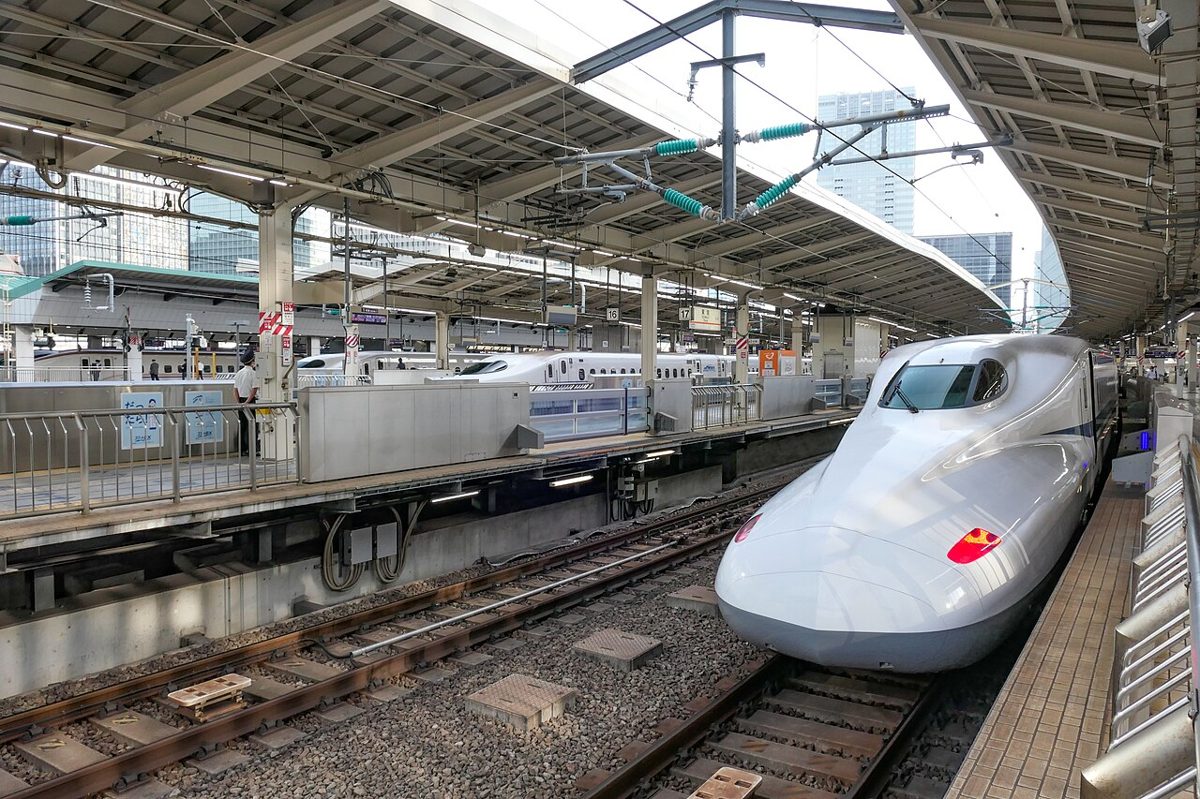
- A shinkansen bullet train at Tokyo Station, where the JR Pass earns its value — Photo: MaedaAkihiko / CC BY-SA 4.0 via Wikimedia Commons via Wikimedia Commons
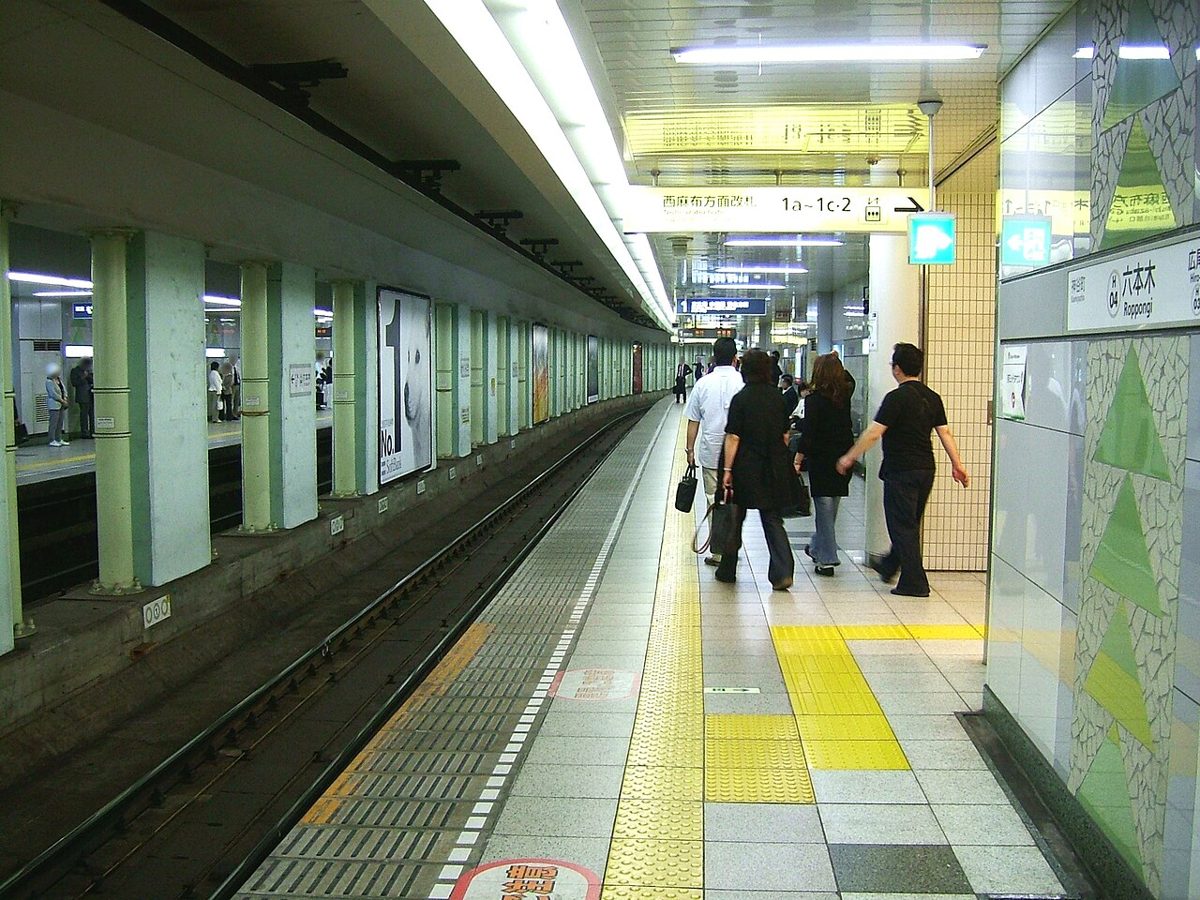
- A Tokyo Metro train, covered by the Tokyo Subway Ticket — Photo: LERK / CC BY 3.0 via Wikimedia Commons via Wikimedia Commons
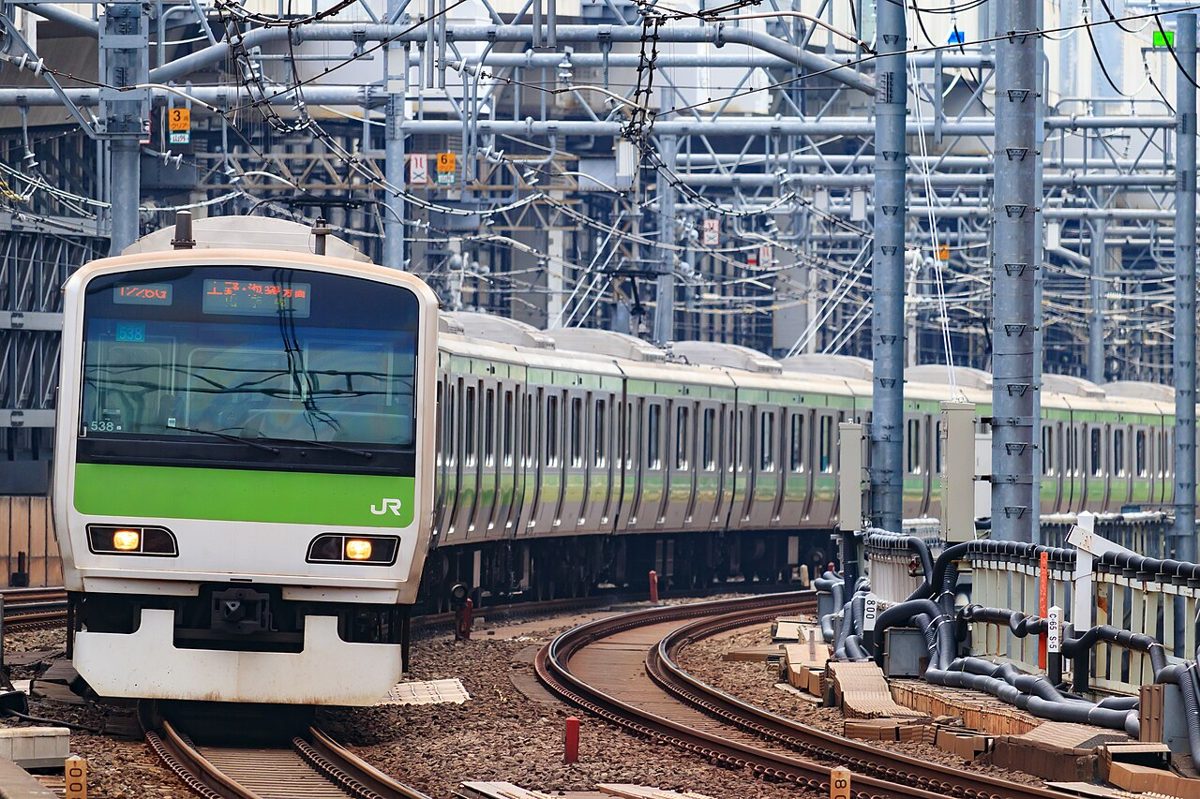
- The JR Yamanote Line, covered by JR passes but not the subway ticket — Photo: yagi-s / CC BY 2.0 via Wikimedia Commons via Wikimedia Commons
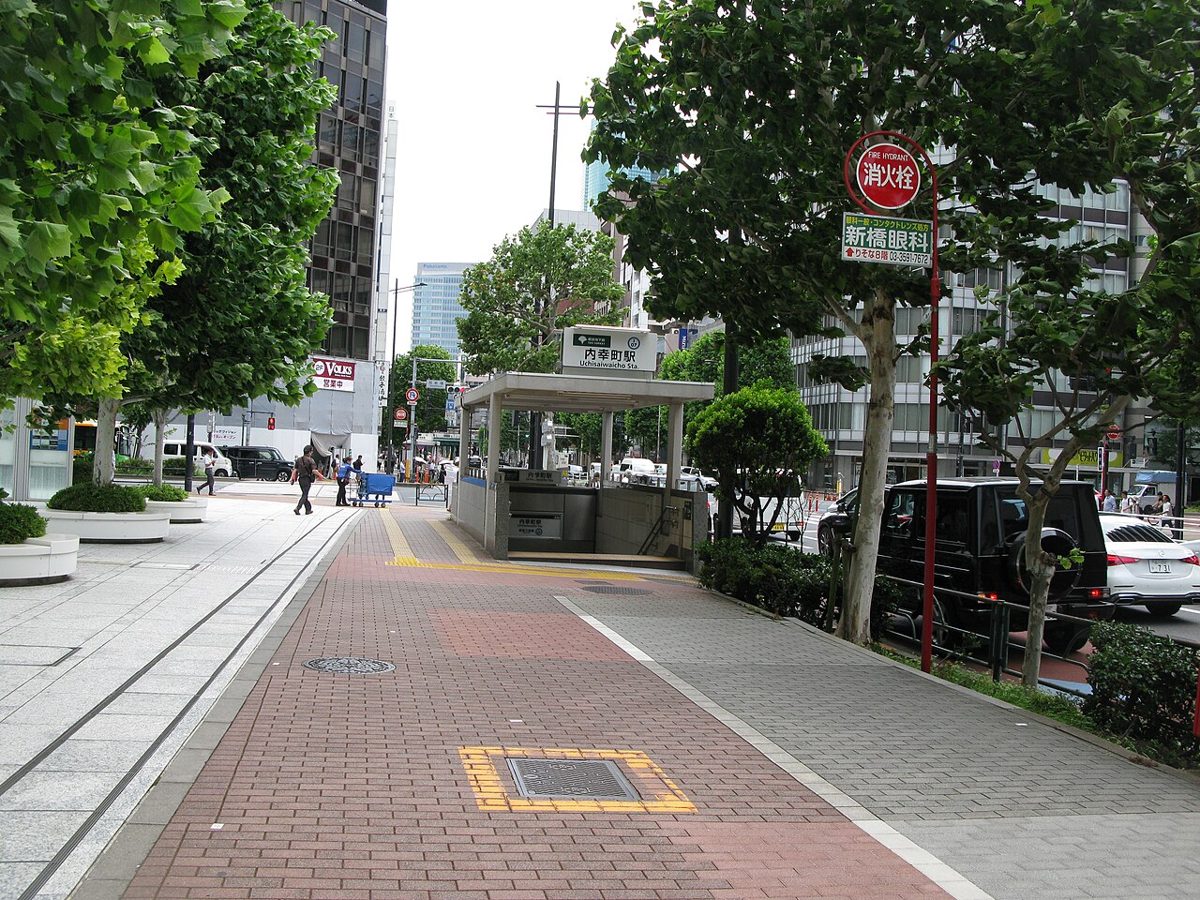
- A Tokyo subway station entrance — Photo: Comessu / CC BY-SA 4.0 via Wikimedia Commons via Wikimedia Commons
- An N700-series shinkansen, the workhorse of the Tokaido line — Photo: Dllu / CC BY-SA 4.0 via Wikimedia Commons via Wikimedia Commons
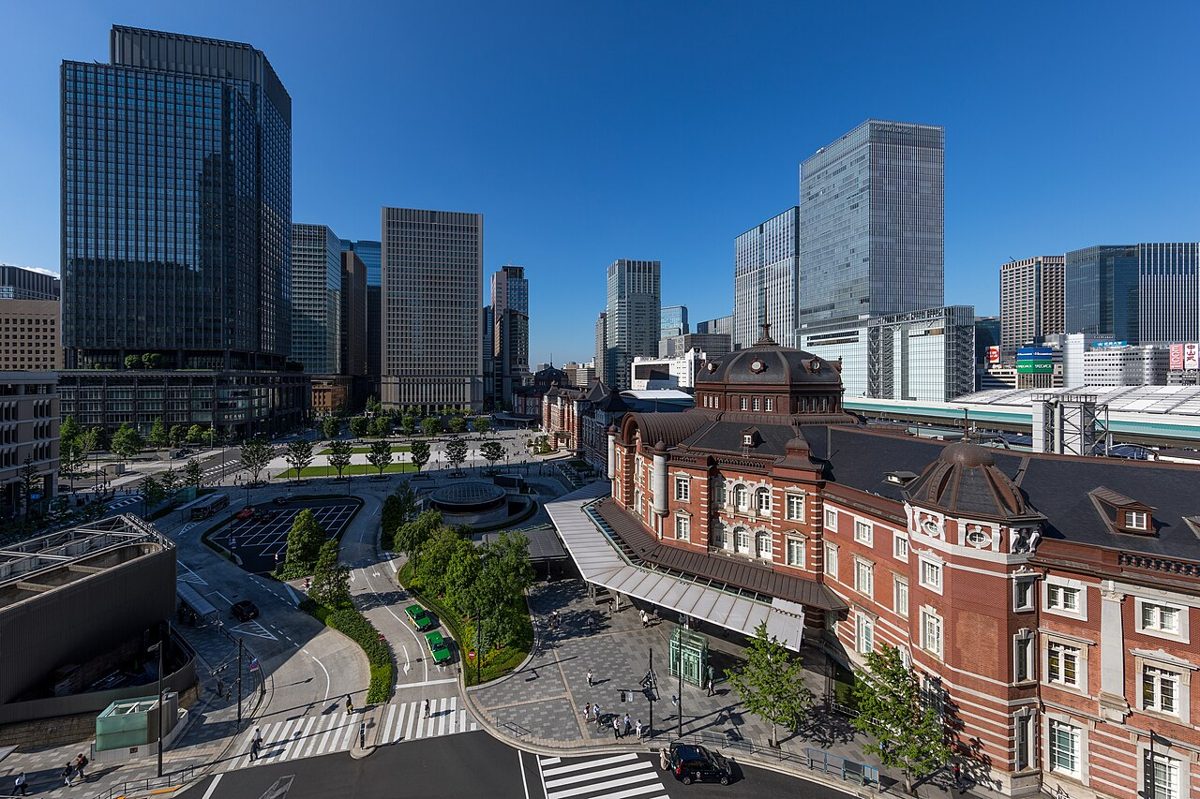
- Tokyo Station’s historic Marunouchi building — Photo: Basile Morin / CC BY-SA 4.0 via Wikimedia Commons via Wikimedia Commons