Tokyo hides a surprising amount of green. This Tokyo parks and gardens guide covers the city’s nine best green spaces, what each costs, when to go, and what makes it worth your time, from the manicured lawns of Shinjuku Gyoen to the bayside tidal pond of Hama-rikyu and the autumn night illuminations of Rikugien. Most charge just 300 to 500 yen, and several are free.
I’ve laid them out so you can match a garden to the season you’re visiting and the neighbourhood you’re in. Each entry has access, price, hours, the best season, and the highlights. This is part of our wider guide to the best things to do in Tokyo; if you only want the no-cost options, see our roundup of free things to do in Tokyo.
Tokyo gardens at a glance
A quick comparison to help you choose. Prices are adult admission; children and Tokyo schoolchildren are often free, and seniors (65+) usually pay half.
| Garden | Admission | Best season | Nearest station | Known for |
|---|---|---|---|---|
| Shinjuku Gyoen | 500 yen | Spring (sakura) | Shinjukugyoenmae | Lawns, cherry blossoms, greenhouse |
| Ueno Park | Free | Spring | Ueno | Museums, zoo, hanami |
| Yoyogi Park | Free | Spring / autumn | Harajuku | Lawns, Sunday scene |
| Imperial Palace East Gardens | Free | Spring / autumn | Otemachi | Edo Castle ruins, history |
| Rikugien | 300 yen | Autumn (night light-up) | Komagome | Edo strolling garden, maples |
| Koishikawa Korakuen | 300 yen | Autumn | Iidabashi | Oldest garden, miniature scenery |
| Hama-rikyu Gardens | 300 yen | Year-round | Shiodome | Tidal pond, matcha tea house |
| Inokashira Park | Free | Spring | Kichijoji | Boats, near Ghibli Museum |
| Showa Kinen Park | 450 yen | Spring / autumn | Tachikawa | Huge, seasonal flower fields |
Shinjuku Gyoen National Garden

- Access 5-minute walk from Shinjukugyoenmae Station (Marunouchi Line), or about 10 minutes from the south/new south exit of Shinjuku Station.
- Admission 500 yen adults, 250 yen students and seniors, free for under-15s.
- Hours 9:00am to 4:30pm in winter, to 6:00pm mid-March to late September, to 7:00pm in midsummer (last entry 30 minutes before close). Closed Mondays (open daily during the late-March to late-April sakura season and Nov 1 to 15) and Dec 29 to Jan 3.
- Best season spring. This is arguably Tokyo’s best cherry-blossom garden because its 1,000-plus trees include late-blooming varieties, stretching the season into late April.
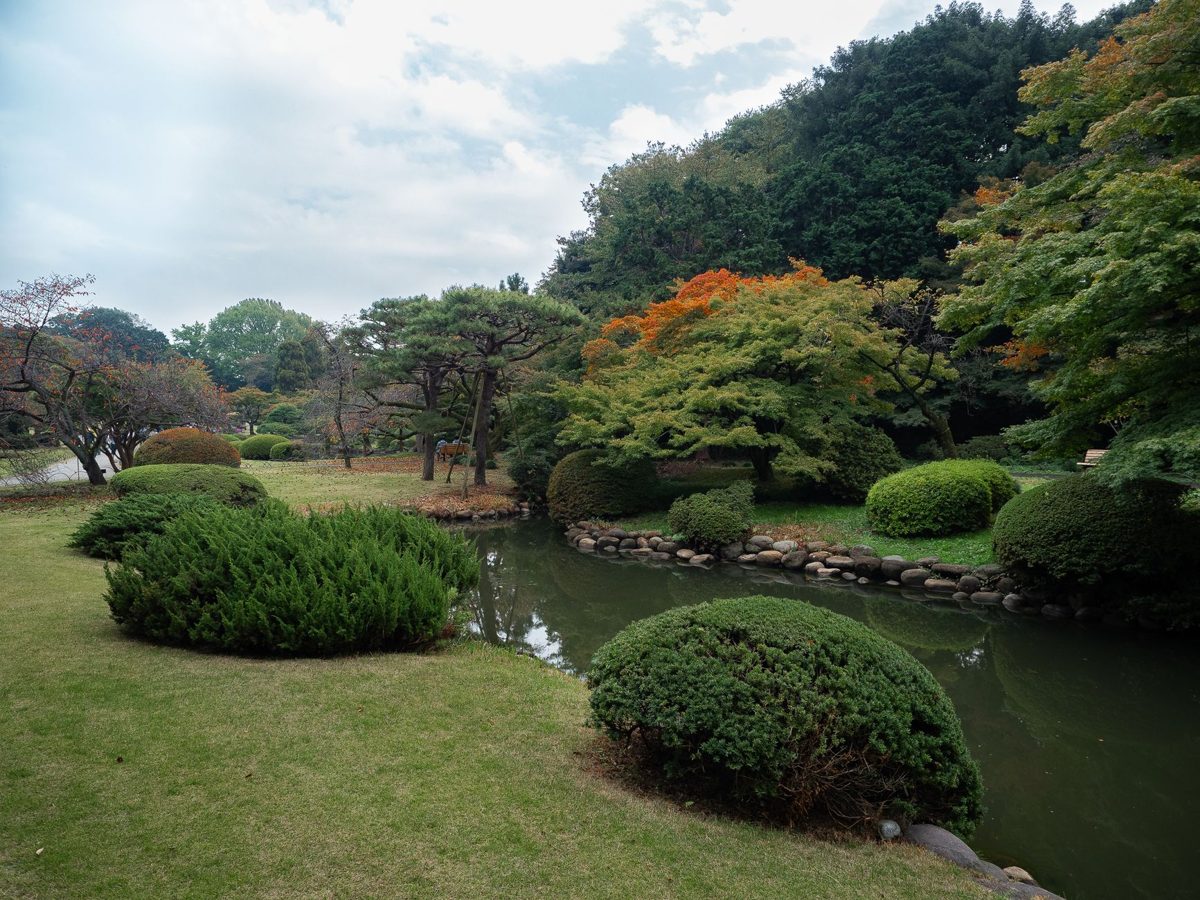
Shinjuku Gyoen blends three garden styles: a wide English landscape lawn (the city’s best picnic spot, though alcohol is banned and big tarps are discouraged), a formal French symmetrical garden, and a classic Japanese strolling garden with ponds and a teahouse. The large greenhouse is a warm, tropical escape in winter. It’s the one paid garden I’d tell a first-timer to prioritise; give it two to three hours.
Ueno Park
- Access right at the park exit of Ueno Station.
- Admission free (museums and Ueno Zoo charge separately).
- Hours roughly 5:00am to 11:00pm.
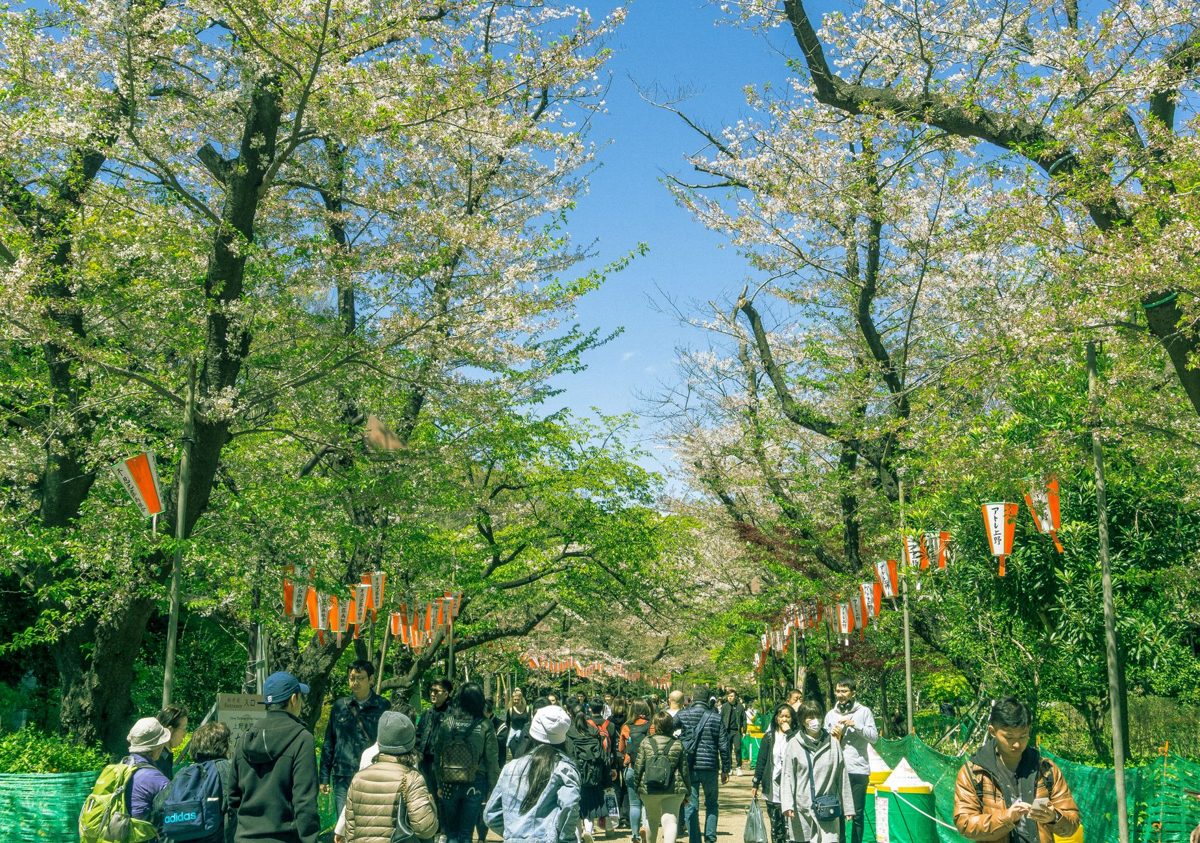
- Best season spring, when 1,000-plus cherry trees line the central path and hanami parties pack the lawns.
Ueno is less a garden than a sprawling cultural park, and that’s its appeal: in one free green space you have the Tokyo National Museum, the National Museum of Nature and Science, several art museums, Ueno Zoo (home to giant pandas), Shinobazu Pond with its summer lotuses, and Toshogu Shrine. It’s an ideal rainy-or-shine day and a great one with children, which we cover in our Tokyo with kids guide. During sakura season it is gloriously crowded; come at 8am for space.
Yoyogi Park
- Access a few minutes from Harajuku Station or Yoyogi-koen Station (Chiyoda Line).
- Admission free.
- Hours always open.
- Best season spring for blossoms, autumn for the golden ginkgo and zelkova avenues.
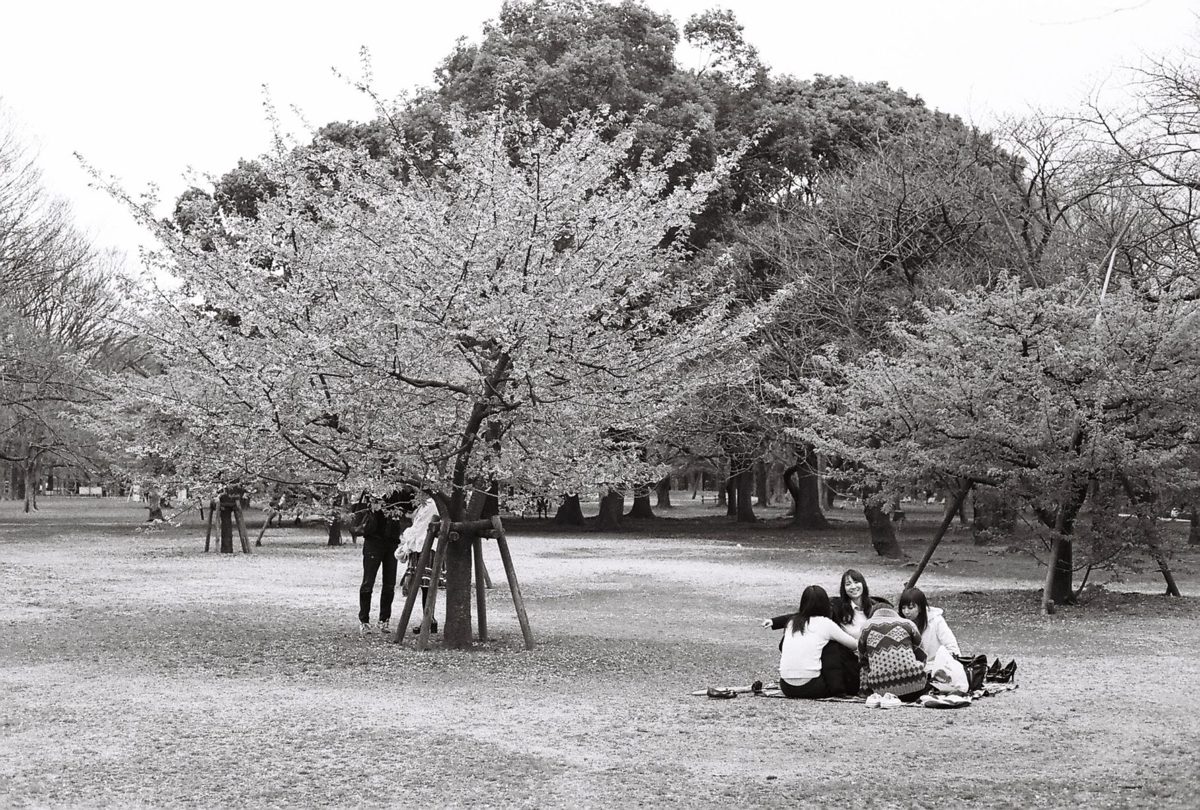
Yoyogi is Tokyo’s most easygoing big park, the place locals come to picnic, jog, cycle, or watch the Sunday cast of buskers, dancers, and rockabilly crews near the Harajuku gate. Unlike the strolling gardens, you can bring a tarp, snacks, and (responsibly) a drink. It sits right beside the forested grounds of Meiji Jingu, so you can pair the two: the solemn shrine forest and the carefree park in a single morning. A free winter illumination lights the zelkova avenue near Shibuya in late November.
Imperial Palace East Gardens (free)
- Access Otemachi or Takebashi stations, a short walk to the Otemon gate.
- Admission free. You may be handed a numbered entry token at the gate to hand back when you leave.
- Hours 9:00am to between 4:00pm and 6:00pm depending on season (last entry 30 minutes before close). Closed Mondays and Fridays, and Dec 28 to Jan 3.
- Best season spring for blossoms and the famous weeping cherries, autumn for maples, early summer for irises.
The East Gardens occupy the former inner defences of Edo Castle, once the largest castle in the world. You can climb the stone foundation of the old keep for a view over the lawns, wander the Ninomaru Japanese garden, and trace the massive moats and gates. It’s free, central, and a genuinely peaceful break from the Marunouchi skyscrapers next door. Allow an hour to ninety minutes.
Rikugien
- Access 7-minute walk from Komagome Station (Yamanote Line).
- Admission 300 yen adults, 150 yen seniors.
- Hours 9:00am to 5:00pm (last entry 4:30pm). During the autumn-colours and spring light-ups, open until 8:30pm (last entry 7:30pm).
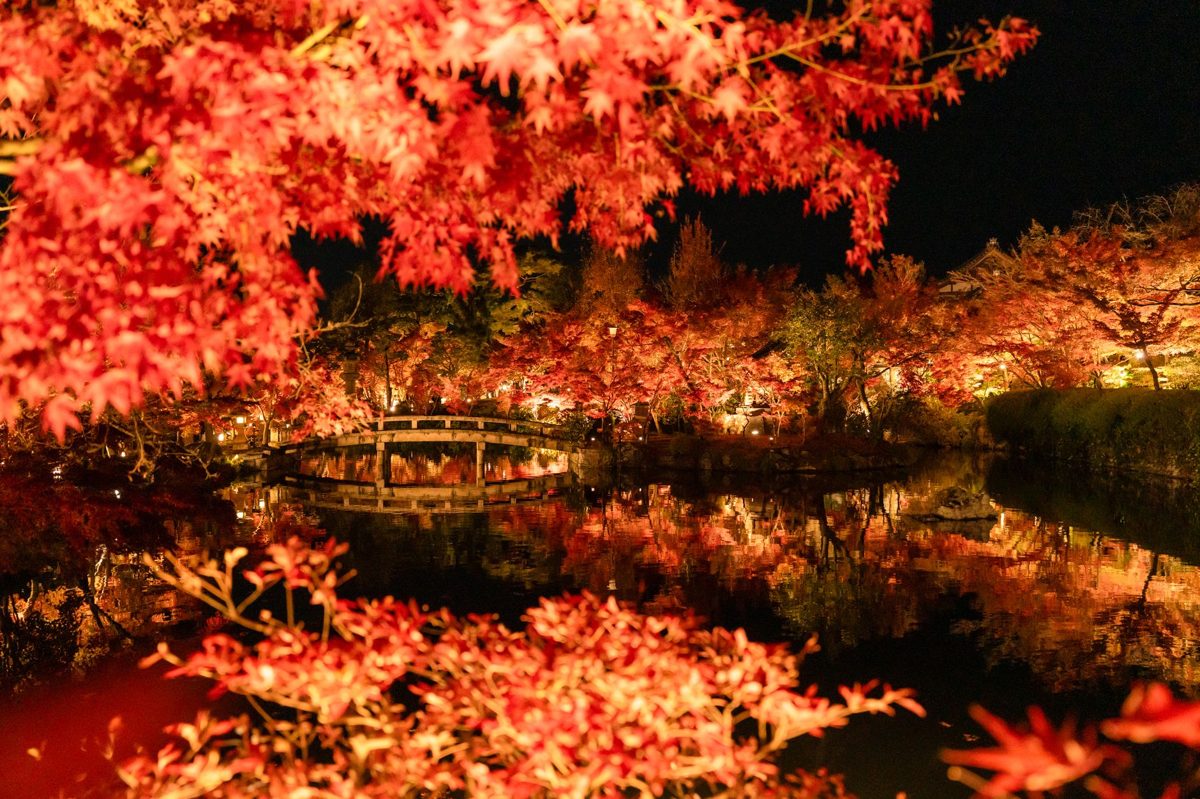
- Best season autumn. Rikugien runs one of Tokyo’s most beautiful evening illuminations when the maples turn, usually late November to early December.
Built around 1700, Rikugien (the garden of the six principles of poetry) is the classic Edo-period strolling garden: a central pond, man-made hills, stone lanterns, and 88 miniature scenes drawn from famous waka poems. It’s lovely by day, but the autumn night light-up, when the red and gold maples reflect in the dark water, is the single most romantic hour in any Tokyo garden. Book nothing; just expect a queue at the gate on peak evenings.
Koishikawa Korakuen
- Access a short walk from Iidabashi or Korakuen stations, beside Tokyo Dome.
- Admission 300 yen adults, 150 yen seniors.
- Hours 9:00am to 5:00pm (last entry 4:30pm).
- Best season autumn for maples, early spring for plum and weeping cherry.
One of Tokyo’s two oldest and finest gardens (designated both a Special Historic Site and Special Place of Scenic Beauty), Koishikawa Korakuen was begun in 1629. It recreates famous Japanese and Chinese landscapes in miniature: a full-moon bridge, a Kyoto-style maple valley, rice paddies, and a vermilion bridge framed by autumn leaves. The contrast of the centuries-old garden against the roller coaster of Tokyo Dome City just outside the wall is pure Tokyo.
Hama-rikyu Gardens
- Access a few minutes from Shiodome or Tsukijishijo stations; you can also arrive by water bus from Asakusa.
- Admission 300 yen adults, 150 yen seniors.
- Hours 9:00am to 5:00pm (last entry 4:30pm).
- Best season year-round, with spring plum and cherry, early-spring rapeseed and autumn cosmos flower fields, and peonies.
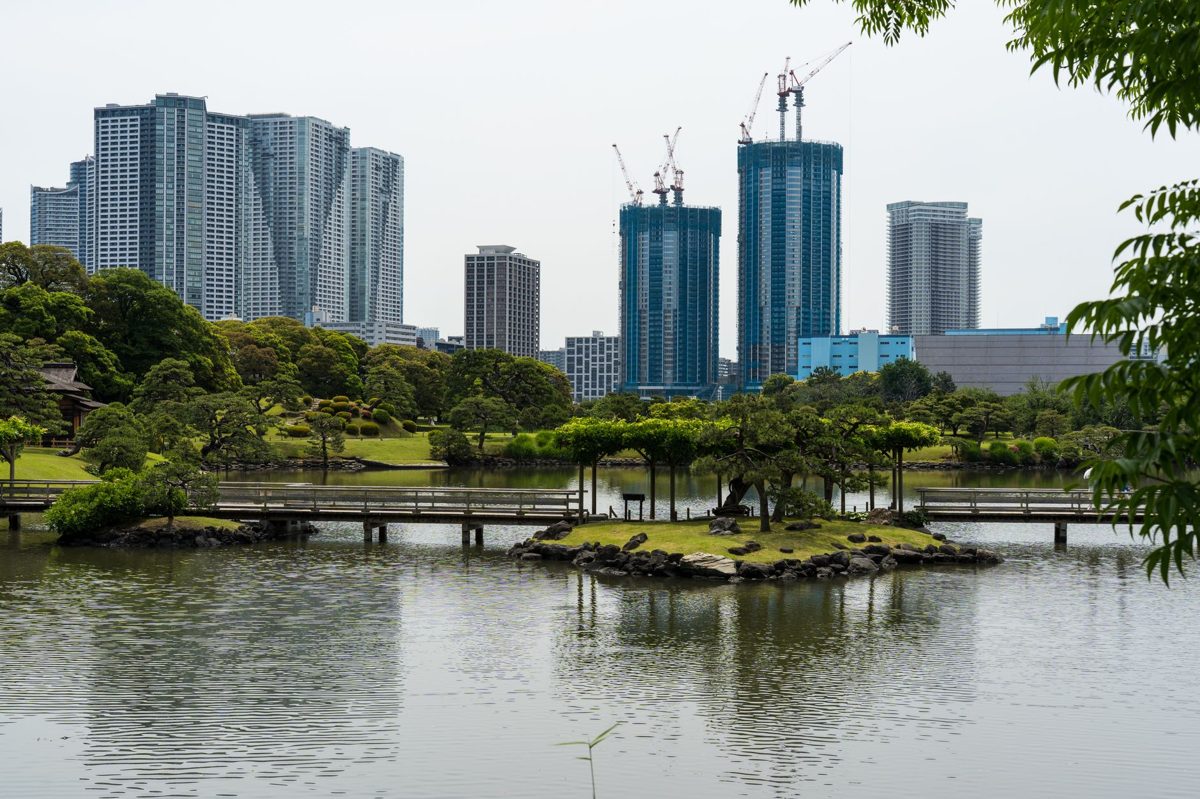
A former feudal lord’s duck-hunting estate on Tokyo Bay, Hama-rikyu is the only garden here with a seawater pond that rises and falls with the tide. Walk out to the Nakajima teahouse on its island and sit on the tatami for a bowl of freshly whisked matcha with a wagashi sweet (about 1,000 yen). The juxtaposition of the 300-year-old pines against the glass towers of Shiodome is the photograph everyone takes. Arriving by the Sumida River cruise from Asakusa makes a great half-day.
Inokashira Park
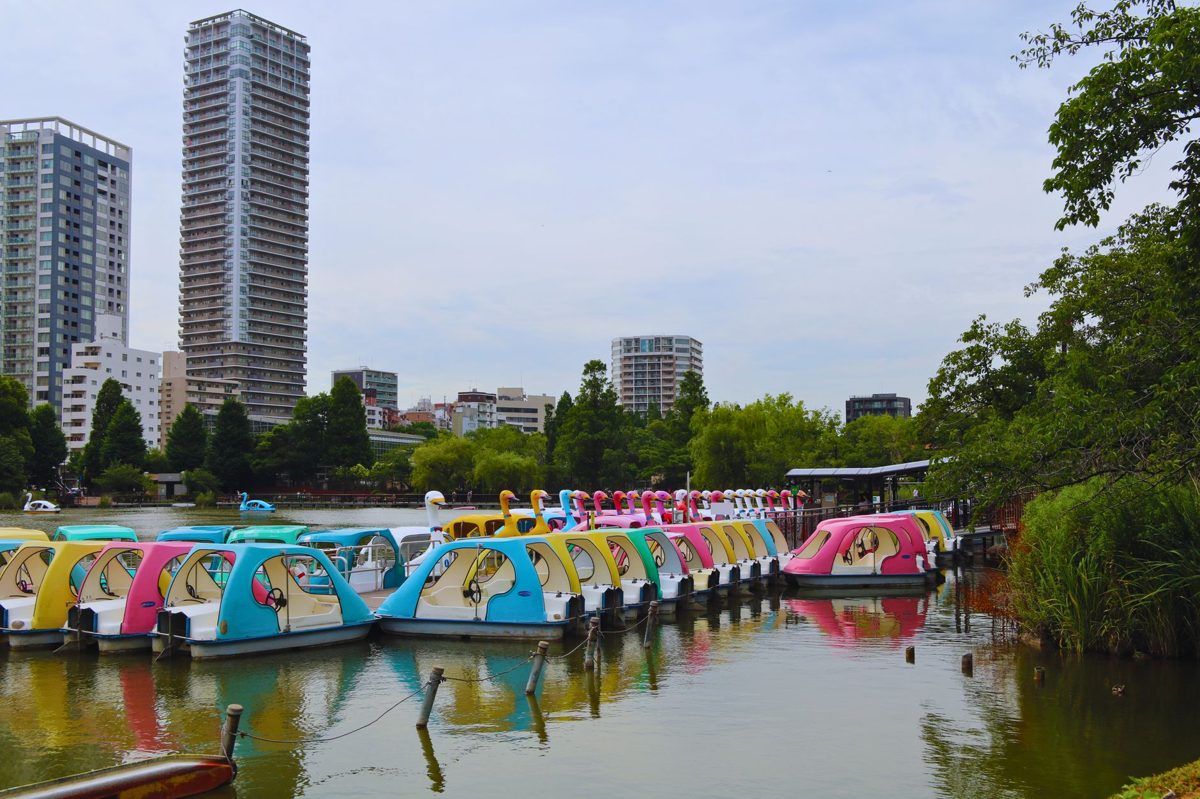
- Access 5-minute walk from Kichijoji Station (or Inokashira-koen Station on the Keio line).
- Admission free (boat rental costs extra).
- Hours always open; the boathouse runs roughly 10:00am to dusk.
- Best season spring, when cherry branches droop right over the pond.
Out in trendy Kichijoji, Inokashira is the local favourite for a relaxed day around a big pond. Rent a swan paddle boat (about 800 yen for 30 minutes) or a rowboat and drift under the cherry blossoms, browse the weekend craft and food stalls, and combine it with the Ghibli Museum, which sits at the park’s edge (book that well ahead). It’s a particularly good outing with kids; see our Tokyo with kids guide for more in this area.
Showa Kinen Park (Showa Memorial Park)
- Access a short walk from Nishi-Tachikawa Station, or about 10 minutes from Tachikawa Station (around 30 minutes from Shinjuku by rapid train).
- Admission 450 yen adults, 210 yen seniors, children cheaper.
- Hours 9:30am to 5:00pm (later on spring and summer weekends).
- Best season spring for 1,500 cherry trees and tulip fields, autumn for the golden ginkgo avenue and cosmos.
This is the giant. Showa Kinen Park is so large (around 165 hectares) that many visitors rent bikes inside to get around. It rewards a half-day with vast seasonal flower fields, a Japanese garden, wide lawns, a boating lake, and plenty of space for children to run. Its Flower Festival typically runs from late March into May. It’s further out than the others, so go when you want a full day in the open rather than a quick stop.
Best parks for cherry blossoms vs autumn foliage
For cherry blossoms (late March to early April)
For sheer numbers and atmosphere, Ueno Park and the Meguro River are unbeatable; for a more relaxed picnic, Yoyogi and Inokashira; for the longest and most refined season, Shinjuku Gyoen with its late-blooming varieties. Chidorigafuchi, the moat beside the Imperial Palace, is the classic boat-and-blossoms shot. For timing, varieties, and forecasts, see our Tokyo cherry blossom guide.
For autumn foliage (mid-November to early December)
Rikugien and Koishikawa Korakuen are the stars, with Rikugien’s evening maple light-up the highlight of the season. The Imperial Palace East Gardens, Showa Kinen Park’s ginkgo avenue, and Meiji Jingu Gaien’s famous golden ginkgo tunnel round out the best. Autumn colours arrive several weeks later in central Tokyo than the mountains, so late November is usually the sweet spot.
Hanami picnic etiquette
Cherry-blossom picnics (hanami) are a beloved Tokyo ritual with a few unwritten rules worth knowing:
- Claim space considerately. In free parks it is fine to lay a tarp, but don’t rope off more than your group needs, and never reserve a spot you won’t use for hours.
- Take your rubbish with you. Bins fill fast or don’t exist; bring a bag and separate burnable from recyclable. Leaving the spot cleaner than you found it is the norm.
- Keep the noise reasonable and wrap up by the posted closing time. Some parks set quiet hours.
- Don’t touch the trees. Never pull branches down or pick blossoms for a photo; the trees are protected and carefully tended.
- Check the alcohol rule. Drinking is welcome in Ueno and Yoyogi but banned in Shinjuku Gyoen and the paid heritage gardens.
- Use a leisure sheet and small folding table from a 100-yen shop, and grab food and drink from the nearest konbini or depachika.
Accessibility and practical tips
- Wheelchair access: Shinjuku Gyoen, Ueno Park, Yoyogi Park, Showa Kinen Park, and the Imperial Palace East Gardens have mostly paved, step-free main routes and accessible toilets. The older heritage gardens (Rikugien, Koishikawa Korakuen, Hama-rikyu) have gravel paths, slopes, and arched bridges that can be harder going, though the main loops are usually manageable.
- Toilets and water: all the listed parks have free public toilets; the bigger ones have rest houses and vending machines.
- Timing: gates often stop admitting visitors 30 minutes before closing, so arrive with time to spare. Mornings are quietest in every garden.
- Weather: the paid strolling gardens are lovely in light rain and far emptier; bring an umbrella rather than skipping them.
- Passes: if you plan to visit several Tokyo Metropolitan gardens (Rikugien, Koishikawa Korakuen, Hama-rikyu, and others), a Garden Passport can save money; ask at any of their ticket windows.
For help slotting these gardens into the right month of your trip, alongside festivals and weather, see our guide to the best time to visit Tokyo.
A garden for every month
Tokyo’s gardens are a year-round attraction, not just a spring one. Here is roughly what is at its best when, so you can pick the right green space for the dates you are travelling:
- February to March plum blossoms at Koishikawa Korakuen, Hama-rikyu, and Yushima Tenjin, plus early rapeseed fields at Hama-rikyu.
- Late March to April the cherry-blossom peak at Ueno, Yoyogi, Shinjuku Gyoen, Inokashira, and Chidorigafuchi; tulips at Showa Kinen Park.
- May to June fresh green maples, wisteria, and the famous irises at Koishikawa Korakuen and the Meiji Jingu inner garden.
- July to August lotus blooms on Ueno’s Shinobazu Pond and cooling greenery; the heat makes shaded gardens and the Shinjuku Gyoen greenhouse welcome.
- September to October cosmos fields at Hama-rikyu and Showa Kinen Park, and the first hints of colour.
- Mid-November to early December the autumn-foliage peak, with evening maple light-ups at Rikugien and Koishikawa Korakuen and golden ginkgo avenues across the city.
Avoiding the crowds
The most famous gardens get genuinely packed at peak times, but a little timing fixes most of it. During the cherry-blossom and autumn-colour peaks, arrive within 30 minutes of opening, when the light is soft and the paths are nearly empty, or come in the last hour before closing. Weekday visits beat weekends everywhere. If Ueno and Shinjuku Gyoen feel overwhelming in sakura season, the lawns of Yoyogi or the quieter heritage gardens like Koishikawa Korakuen spread the crowds out. And do not write off light rain: it thins visitors dramatically and makes the mossy, lantern-lined paths of the older gardens look their best.
How to combine gardens into one day
Tokyo’s gardens cluster geographically, so you can pair two or three without much travel. These routes work whatever the season and keep walking to a minimum.
- Central history loop: the Imperial Palace East Gardens, then a 20-minute walk or one stop to Hama-rikyu Gardens, finishing with the Sumida River cruise to Asakusa. Half a day, heavy on history and bay views.
- West-side green day: Meiji Jingu and Yoyogi Park in the morning from Harajuku, then the train out to Inokashira Park and Kichijoji in the afternoon. Add the Ghibli Museum if you booked ahead.
- North-side garden pair: Rikugien at Komagome and Koishikawa Korakuen near Iidabashi sit a few stops apart on the same side of the loop line, making them an easy autumn double-header (especially good in late November).
- Big-nature escape: dedicate a full day to Showa Kinen Park out at Tachikawa when you want space, flowers, and a bike ride rather than a quick city stop.
If you are building a wider plan, our main things-to-do guide slots these gardens alongside the city’s temples, neighbourhoods, and viewpoints so you do not double back across town.
Gardens by what you want to do
For a quiet tea ceremony moment
Hama-rikyu’s Nakajima teahouse, reached by a long wooden bridge over the tidal pond, is the easiest place to sit on tatami with a bowl of matcha and a seasonal sweet for around 1,000 yen. Rikugien and several other heritage gardens also have teahouses serving matcha, usually for a similar price, and the experience of drinking it while looking out over a 300-year-old landscape is the whole point.
For boating and being on the water
Inokashira Park is the classic choice: rent a swan paddle boat for about 800 yen for 30 minutes, or a cheaper rowboat, and drift under the cherry trees. Chidorigafuchi by the Imperial Palace rents rowboats during the spring blossom season for one of Tokyo’s most photographed scenes, and Ueno’s Shinobazu Pond has pedal and rowboats too. Boats are weather-dependent and queue up fast on warm spring weekends, so go early.
For flowers beyond cherry blossoms
Tokyo’s gardens flower all year if you know where to look. Hama-rikyu has fields of yellow rapeseed in early spring and pink cosmos in autumn, plus a 300-year-old pine. Koishikawa Korakuen and the Imperial Palace gardens have irises in June and plum blossoms in February. Showa Kinen Park runs through tulips, poppies, sunflowers, and cosmos across the seasons, and Nezu Shrine’s azaleas in April are a spectacular non-garden bonus.
Getting around and saving money
- Garden Passport: the Tokyo Metropolitan Parks Association sells a Garden Pass (around 600 yen) covering single entry to nine of its gardens, including Rikugien, Koishikawa Korakuen, and Hama-rikyu, within a set period. If you plan three or more, it pays for itself.
- Free gardens first: if your budget is tight, build around the free options (Ueno, Yoyogi, Inokashira, and the Imperial Palace East Gardens) and pick one or two paid gardens for variety.
- IC card: load a Suica or PASMO (or use a phone) so you can hop between gardens without buying paper tickets each time.
- Cruise combo: the Sumida River water bus that links Asakusa and Hama-rikyu doubles as sightseeing and transport, and your Hama-rikyu admission is separate but cheap.
- Time it right: arrive at opening, leave the most crowded gardens (Shinjuku Gyoen, Ueno) for early morning, and save the heritage gardens for late afternoon light.
For a season-by-season view of when each of these gardens peaks, and how the weather feels month to month, our best time to visit Tokyo guide lines it all up.
Are Tokyo’s gardens worth it?
Comfortably, yes, and the value is remarkable: a 300 to 500 yen ticket buys you a centuries-old designed landscape in the middle of one of the world’s biggest cities, and several of the best green spaces cost nothing at all. If you only do one, make it Shinjuku Gyoen in spring or Rikugien on an autumn evening. If you want a whole relaxed day outdoors, head to Showa Kinen Park or pair Yoyogi with the rest of free Tokyo. Either way, the gardens are the easiest way to slow down between the city’s louder attractions.
One last tip: pace yourself. Two or three gardens in a day is plenty, because the whole appeal of a Tokyo strolling garden is walking it slowly, stopping at the teahouse, and letting the city noise fall away. Trying to tick off all nine in one trip turns a calm pleasure into a checklist. Pick the ones that match your season and your neighbourhood, leave room to simply sit by a pond, and you will come away with the version of Tokyo that most visitors rush straight past.
Frequently Asked Questions
Which is the best garden in Tokyo?
For a first visit, Shinjuku Gyoen is the best all-round choice: it is central, blends Japanese, English, and French styles, has the city’s finest cherry blossoms, and only costs 500 yen. If you want the most atmospheric single experience, time a visit for Rikugien’s autumn maple light-up, and if you want free, the Imperial Palace East Gardens are hard to beat.
How much does it cost to visit Tokyo’s gardens?
Most of Tokyo’s heritage gardens charge a modest 300 yen (Rikugien, Koishikawa Korakuen, Hama-rikyu), while Shinjuku Gyoen is 500 yen and Showa Kinen Park is 450 yen. Several major green spaces, including Ueno Park, Yoyogi Park, Inokashira Park, and the Imperial Palace East Gardens, are completely free.
What is the best time of year to visit Tokyo parks?
Spring (late March to early April) for cherry blossoms and autumn (mid-November to early December) for foliage are the two peak seasons. Spring is best at Shinjuku Gyoen, Ueno, and Inokashira; autumn is best at Rikugien and Koishikawa Korakuen. Hama-rikyu is rewarding in any season thanks to its rotating flower fields.
Can you have a picnic in Tokyo parks?
Yes, in the free parks. Ueno, Yoyogi, Inokashira, and Showa Kinen Park all welcome picnics and tarps, and Ueno and Yoyogi even allow alcohol. The paid heritage gardens (Shinjuku Gyoen, Rikugien, Hama-rikyu, Koishikawa Korakuen) do not allow large tarps or alcohol and are meant for quiet strolling rather than parties.
Are Tokyo’s gardens wheelchair accessible?
The larger modern parks (Shinjuku Gyoen, Ueno, Yoyogi, Showa Kinen, and the Imperial Palace East Gardens) have step-free paved main routes and accessible toilets. The historic gardens such as Rikugien and Koishikawa Korakuen have gravel paths and arched bridges that are trickier, though their main loops are generally passable with assistance.