The best photo spots in Tokyo run from the neon chaos of Shibuya to quiet temple courtyards and cherry-lined rivers — and the difference between a snapshot and a keeper is almost always timing and light. This guide maps the city’s most photogenic locations, and for each one tells you exactly where to stand, when the light is best, and the nearest station, plus phone and camera tips and the etiquette that keeps you out of trouble.
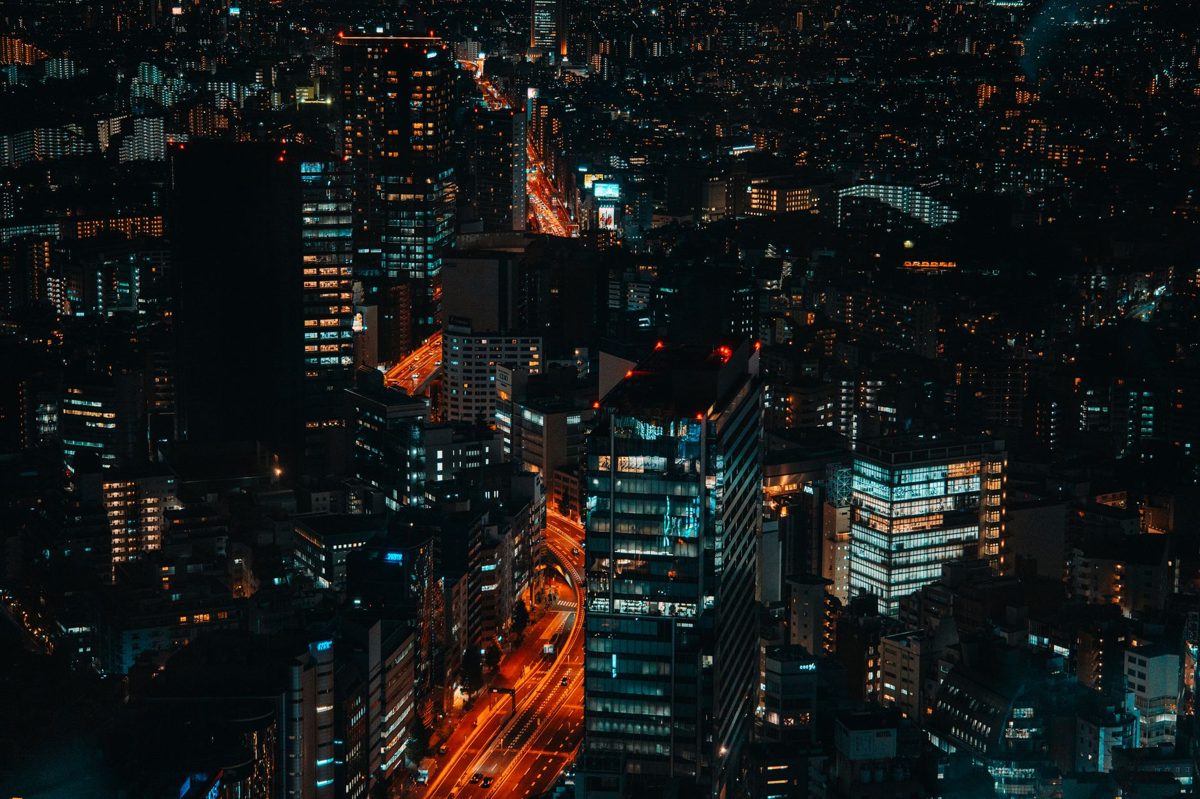
Tokyo photo spots at a glance
Start here, then read the detail below. “Best light” assumes you want the most flattering, least-crowded conditions.
| Spot | What you get | Best light / time | Nearest station |
|---|---|---|---|
| Shibuya Crossing & Shibuya Sky | The neon scramble; city panorama | After dark; just after rain; sunset for the deck | Shibuya (Hachiko exit) |
| teamLab | Glowing immersive digital art | Weekday morning, first slot | Kamiyacho (Borderless) / Shin-Toyosu (Planets) |
| Senso-ji & Kaminarimon | Red lantern, pagoda, old Tokyo | Right at sunrise (empty); or lit at night | Asakusa |
| Tokyo Tower (from Roppongi/Shiba) | The orange tower framed by streets | Blue hour, just after sunset | Akabanebashi / Onarimon |
| Tokyo Skytree | Tallest tower; river reflections | Blue hour from the Sumida riverbank | Tokyo Skytree / Oshiage |
| Meguro River (sakura) | Pastel cherry-blossom tunnel | Late March/early April, blue hour | Naka-Meguro |
| Nezu Museum garden | Bamboo path, stone lanterns, calm | Mid-April azaleas; soft overcast | Omotesando |
| Golden Gai | Tiny lantern-lit bar alleys | After dark when signs glow | Shinjuku / Shinjuku-sanchome |
| Akihabara | Electric-town neon and signage | After dark, weekday | Akihabara |
| Harajuku / Takeshita | Colour, crepes, street fashion | Weekday late morning | Harajuku / Meiji-jingumae |
| Chureito-style Fuji day trip | Pagoda + Mt. Fuji + sakura | Clear morning, spring or autumn | Shimo-Yoshida (day trip) |
Shibuya Crossing and Shibuya Sky
The world’s busiest pedestrian scramble is Tokyo’s signature frame. For the top-down swirl, shoot from the MAG8 rooftop above Shibuya109 or, on a budget, the second-floor Starbucks window above Tsutaya; for the city-wide panorama, ride up to Shibuya Sky’s open-air rooftop. Go after dark when the billboards blaze, and treat a rainy evening as a gift — wet asphalt mirrors all that neon. There is a lot more to it, so we wrote a dedicated Shibuya Crossing guide with every viewpoint and the Shibuya Sky ticket details.
teamLab digital art
Few places photograph like teamLab. At teamLab Planets you wade through a mirrored water room and stand inside a sphere of hanging orchids; at teamLab Borderless the Lamp Forest is a wall-to-wall mirror of colour. Book the first weekday slot so the rooms are near-empty, wear a light top against the dark walls, and kill your flash — it destroys the projections. Our teamLab Tokyo guide breaks down which of the two to choose and what to wear at the watery one.
Senso-ji and Kaminarimon
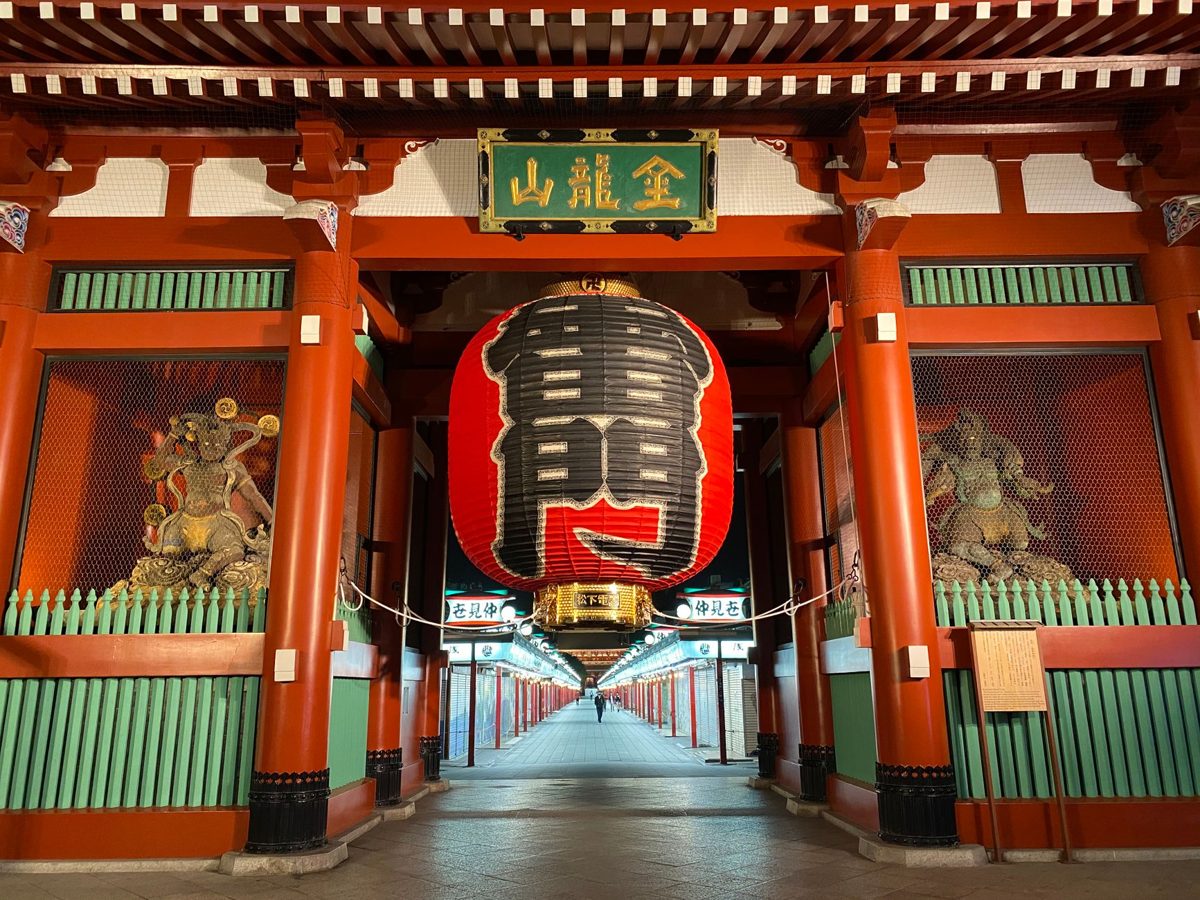
Asakusa’s Senso-ji is the postcard of old Tokyo: the colossal red lantern of the Kaminarimon gate, the shopping lane of Nakamise, and the five-storey pagoda. The catch is crowds — by mid-morning it is shoulder to shoulder. Arrive at sunrise and you can shoot the gate and the empty approach almost alone, with soft warm light on the vermilion. Come back after dark, when the gate and pagoda are floodlit and the day-trippers have gone. For more on the rituals and what each building means, see our guide to Tokyo’s temples and shrines.
Tokyo Tower from Roppongi and Shiba
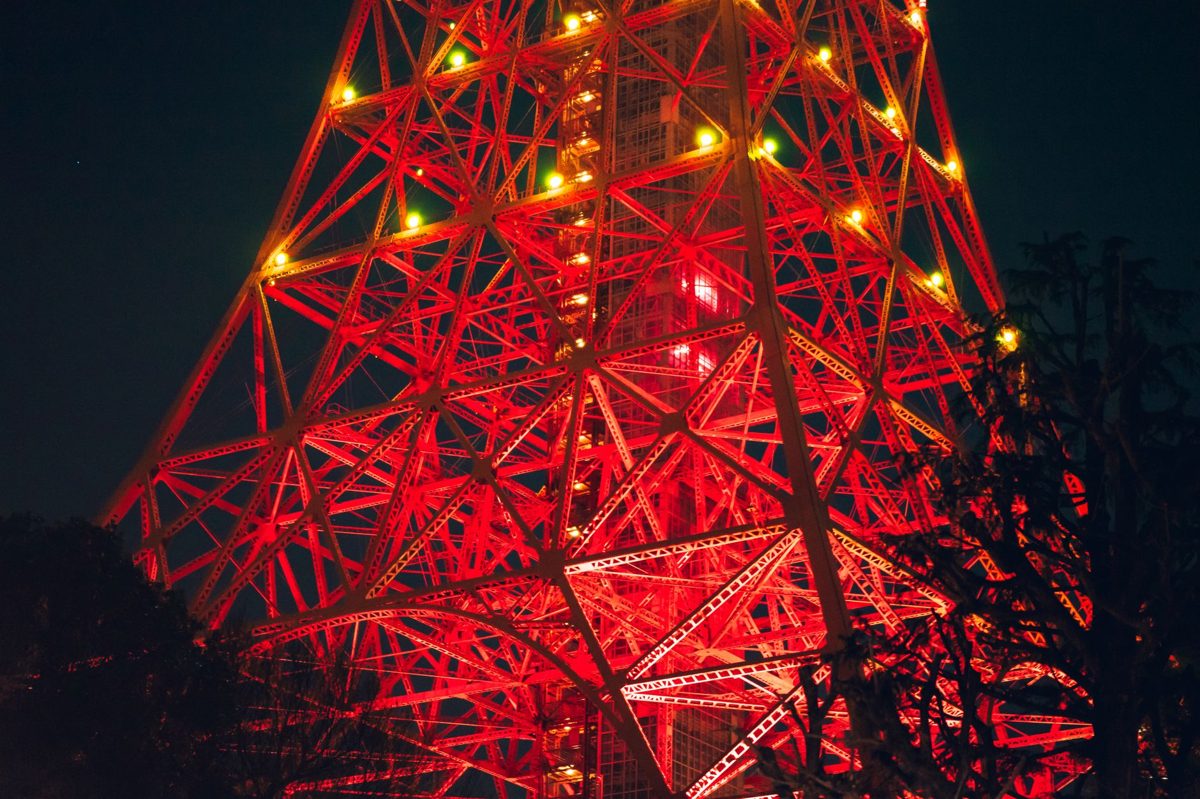
Tokyo Tower is most photogenic not from its base but framed by the city. Two classic angles: from the streets of Roppongi looking down a corridor of buildings, and from Shiba Park or the steps near Zojo-ji temple, where you can line up the temple gate with the tower behind. Shoot at blue hour — the ten or fifteen minutes just after sunset — when the sky goes deep cobalt and the tower’s orange lattice glows hottest. Akabanebashi and Onarimon stations put you closest.
Tokyo Skytree
The tallest structure in Japan, Skytree, looks best from a little distance. Walk the Sumida River promenade near Oshiage and shoot it reflected in the water at blue hour, or find one of the canal bridges where it rises behind a foreground of old shitamachi rooftops. If you are deciding which tower to actually go up, our Skytree vs Tokyo Tower comparison lays out the views and prices side by side.
Meguro River cherry blossom
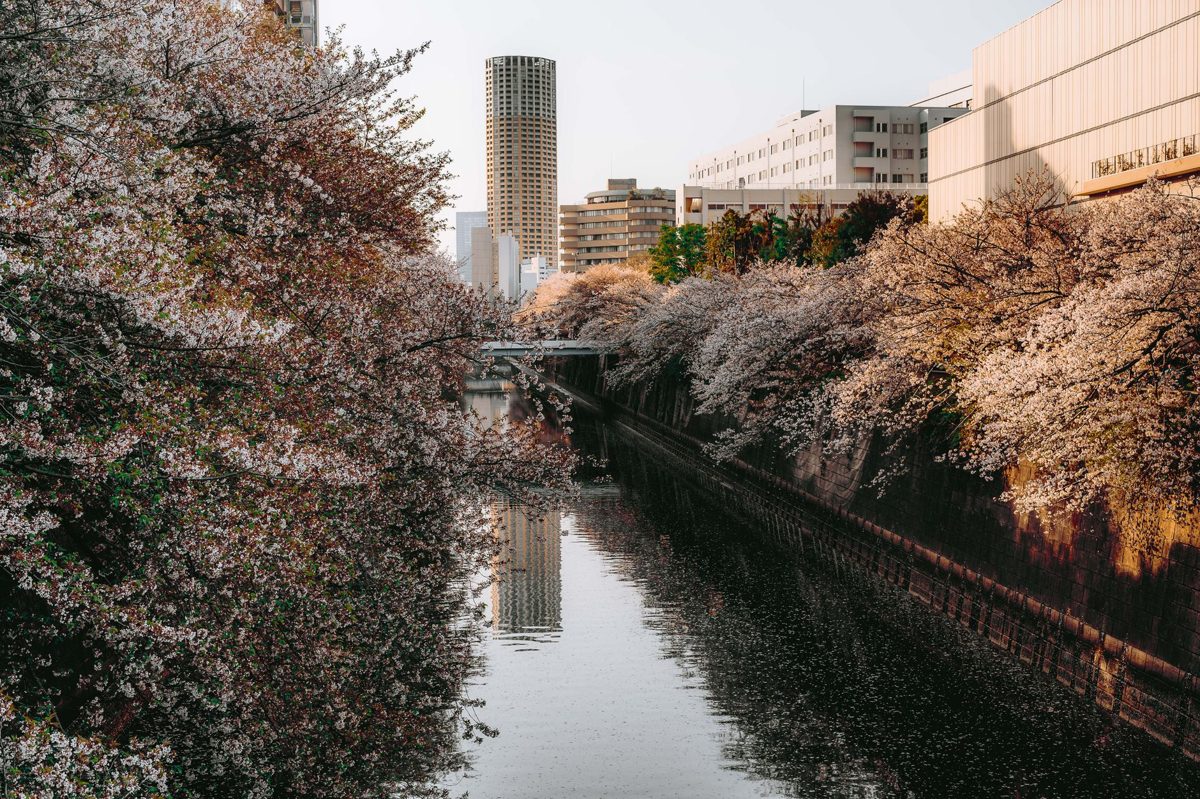
For a couple of weeks in late March and early April, the Meguro River at Naka-Meguro becomes a pale-pink tunnel as hundreds of cherry trees lean over the water from both banks. At dusk the pink lanterns strung along the river switch on and the blossoms glow against the deepening sky — blue hour here is genuinely magical. It is also wildly popular, so go on a weekday and early in the evening. For the full bloom calendar and other sakura spots, see our Tokyo cherry blossom guide.
Nezu Museum garden
A short walk from the boutiques of Omotesando, the Nezu Museum hides a sprawling traditional garden behind its galleries — winding paths, stone lanterns, teahouses and a bamboo-lined approach that feels miles from the city. It photographs beautifully in soft overcast light, and peaks in mid-April when roughly three thousand azalea bushes bloom. You will need a museum ticket to enter the garden, and tripods are generally not allowed, so shoot handheld and slow down.
Golden Gai and the Shinjuku alleys
Golden Gai is a warren of six narrow lanes packed with more than a hundred tiny bars, and after dark the lanterns and hand-painted signs turn it into one of Tokyo’s most atmospheric night frames. Nearby Omoide Yokocho (“Memory Lane”) near Shinjuku’s west side offers the same smoky, red-lantern mood with skewers grilling. Shoot from the mouth of an alley to keep depth, embrace the mixed neon colour, and — importantly — ask before photographing people or inside bars. Many owners don’t mind a wide street shot but do mind a lens in their doorway.

Akihabara neon
Electric Town comes alive after sunset, when the multi-storey signage for electronics, anime and games stacks up into a wall of colour. Stand on the pedestrian bridges and crossings around Akihabara Station for layered neon, and look up — the best frames are often three or four storeys high. A weekday evening is less crowded than the Sunday pedestrian paradise, though that car-free Sunday street is its own kind of shot.
Harajuku and Takeshita Street
Takeshita Street is a 400-metre rush of pastel storefronts, crepe stands and street fashion — loud, colourful and endlessly photogenic. Come on a weekday late morning before the afternoon crush, shoot the candy-coloured shopfronts and the crowd flowing beneath the entrance sign, then duck onto quieter Cat Street for boutiques and murals. It pairs naturally with the calm of Meiji Shrine a few minutes away.

A Chureito-style Mt. Fuji day trip
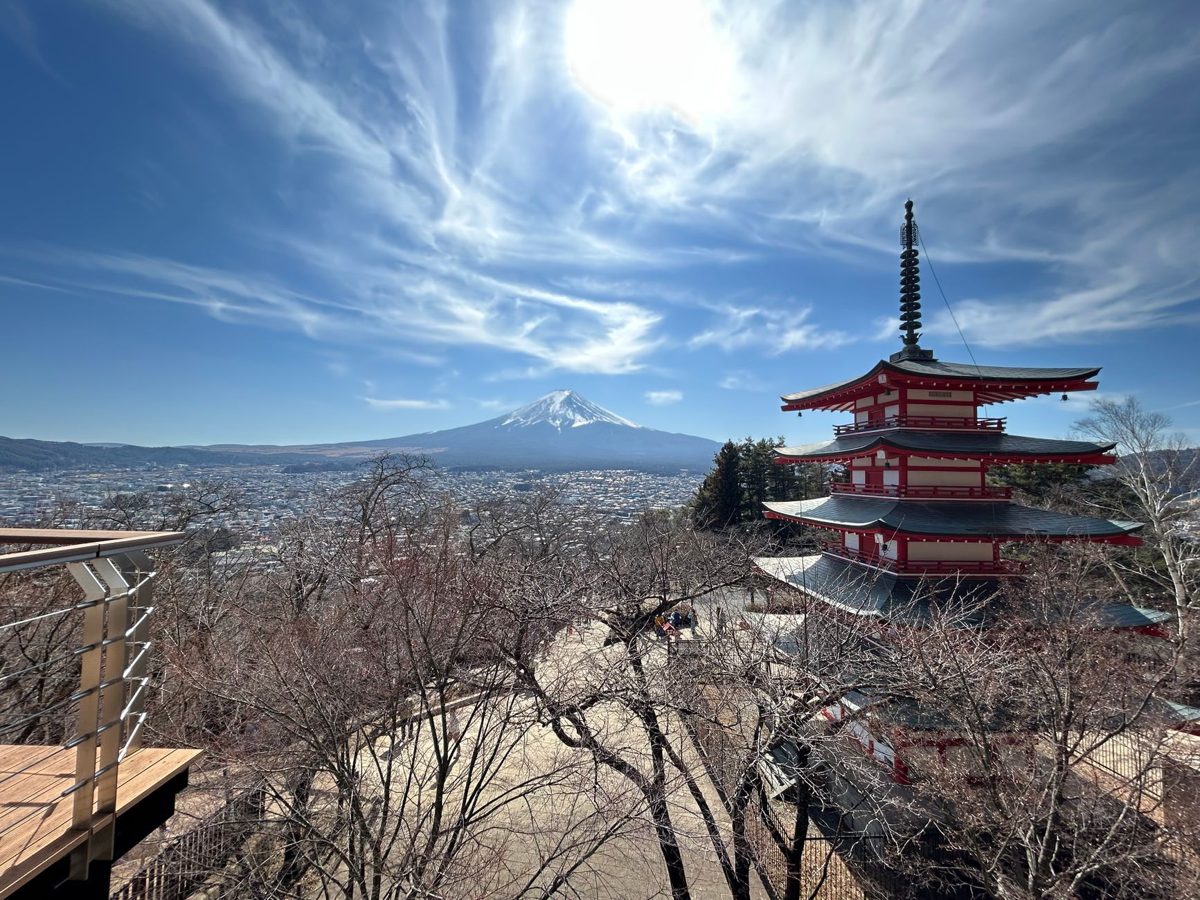
The single most iconic Japan photo — a vermilion five-storey pagoda with cherry blossom in front and Mt. Fuji behind — isn’t actually in Tokyo. It is the Chureito Pagoda at Arakurayama Sengen Park near Fujiyoshida, about two hours out by train via Otsuki. It is worth the day trip on a clear morning in spring (sakura) or autumn (red leaves); climb the roughly 400 steps early, because the small viewing platform fills up. Check the forecast and only go when Fuji is likely to be visible — it hides behind cloud more often than not. It rounds out any list of Tokyo-area photo spots and sits alongside the city’s other showpieces in our roundup of the best things to do in Tokyo.
Phone and camera tips
- Chase blue hour. The ten to twenty minutes after sunset balance the glowing city lights against a still-bright sky — far better than full black night.
- Steady your shot in low light. Brace against a railing or wall, use a 2-second timer, and on a phone switch on Night mode. A small tabletop tripod earns its weight after dark.
- Shoot through clean glass. On observation decks and at the Starbucks window, press the lens flat to the glass and cup a hand around it to kill reflections.
- Mind reflections after rain. Wet streets double your neon; get low and include the puddle.
- Go wide for cityscapes, longer for compression. A longer lens (or 2x/3x phone zoom) stacks Tokyo Tower or Skytree dramatically against the foreground.
- Shoot RAW if you can for the high-contrast neon scenes, and keep ISO in check by resting the camera rather than cranking it.
Etiquette and rules
Tokyo is welcoming to photographers, but a few lines matter — and crossing them has soured locals on tourists in places like the residential lanes near some famous backdrops.
- Never trespass for a shot. Stay off private streets, residential alleys, doorways and rooftops. Several photogenic neighbourhoods (and one well-known Fuji-and-convenience-store corner) have put up barriers because visitors blocked traffic and gardens.
- Ask before photographing people, especially geisha in Kyoto-style districts, shop staff and bar owners. A smile and a gesture at your camera is enough.
- No flash in temples, museums and teamLab, and follow no-photography signs inside shrines and galleries.
- Don’t block the path. Step aside to compose; don’t stand in the middle of a crossing, platform or narrow lane.
- Keep quiet and tidy in residential and sacred spaces. You are a guest in someone’s neighbourhood.
Seasonal picks
- Spring (late Mar—Apr): Meguro River and Chidorigafuchi for sakura; Nezu’s azaleas in mid-April; the Chureito day trip.
- Summer: firework festivals (hanabi) over the Sumida, and lush green temple gardens; shoot neon at night to dodge the heat.
- Autumn (Nov—early Dec): red and gold leaves at Rikugien and the ginkgo avenue at Meiji Jingu Gaien; crisp clear days are best for Fuji.
- Winter: the cleanest air of the year for distant Fuji and sharp skylines, plus city-wide illuminations from late November.
However you plan your route, group your spots by neighbourhood so you are not crossing the city twice — our Tokyo neighborhoods guide shows which districts cluster together and helps you build an efficient day around the light.
More Tokyo photo spots worth the detour
Once you’ve ticked the headliners, these add range to your gallery — classic landmarks, quirky corners and calm gardens.
Tokyo Station, Marunouchi side
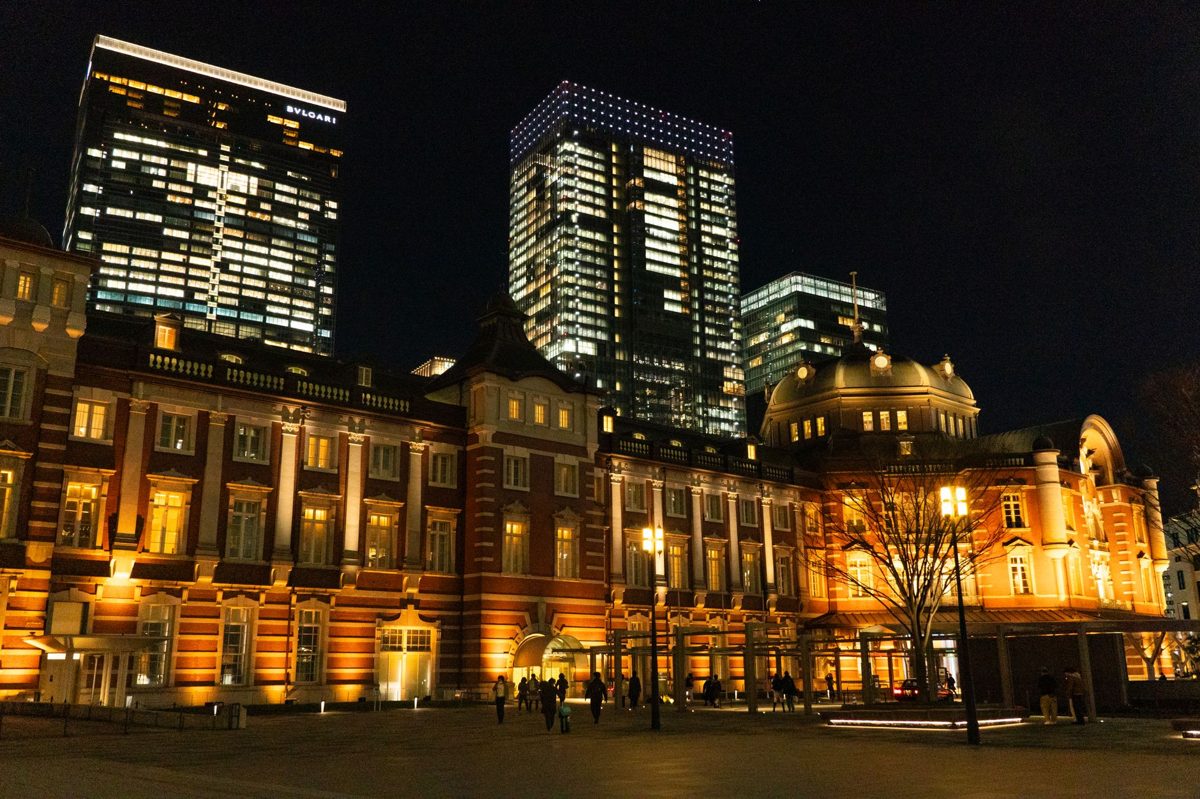
The restored red-brick facade of Tokyo Station’s Marunouchi exit is one of the city’s most elegant night shots. Stand in the plaza directly opposite, or shoot from the glass walkway of the KITTE building’s upper floors for a slightly elevated, symmetrical view down the avenue toward the station. Blue hour, when the brick is warmly lit against a cobalt sky, is the moment. Nearest station: Tokyo (Marunouchi exit).
Chidorigafuchi moat
In sakura season the moat on the northwest side of the Imperial Palace is unforgettable: cherry trees spill over the water and visitors paddle rowboats beneath the blossom. Shoot from the green walkway above for the classic boats-and-blossom frame, ideally early morning or at the evening illumination. Nearest station: Kudanshita. Out of season it’s a peaceful, leafy stroll. See our Tokyo cherry blossom guide for timing.
Shinjuku Gyoen and the gardens
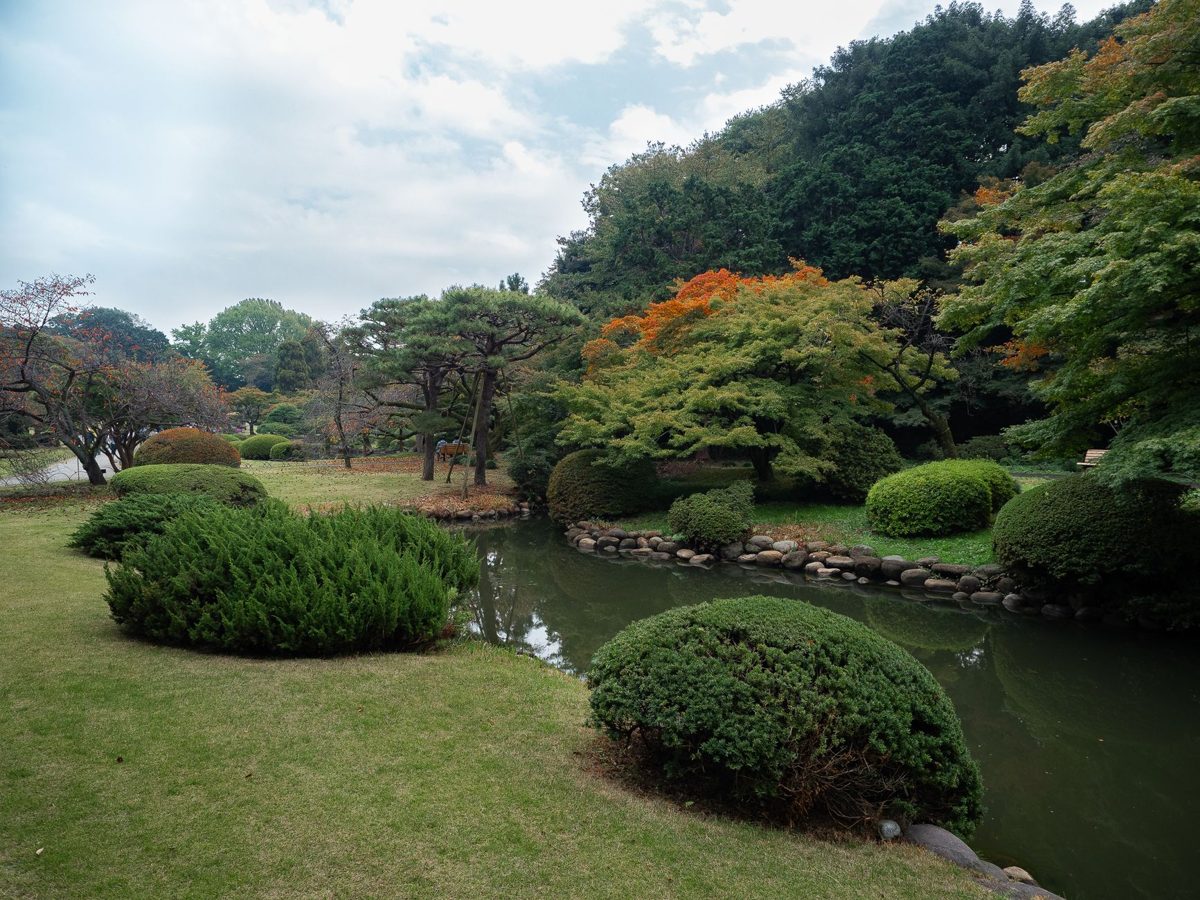
For green calm in the middle of the city, Shinjuku Gyoen offers wide lawns, a traditional Japanese garden, a greenhouse and skyline backdrops — superb for sakura in spring and fiery maples in autumn. Rikugien and Koishikawa Korakuen are smaller, more sculpted classical gardens that photograph beautifully in soft overcast light or at their autumn-leaf illuminations. All charge a small entry fee and most don’t allow tripods, so shoot handheld.
Odaiba and the Rainbow Bridge
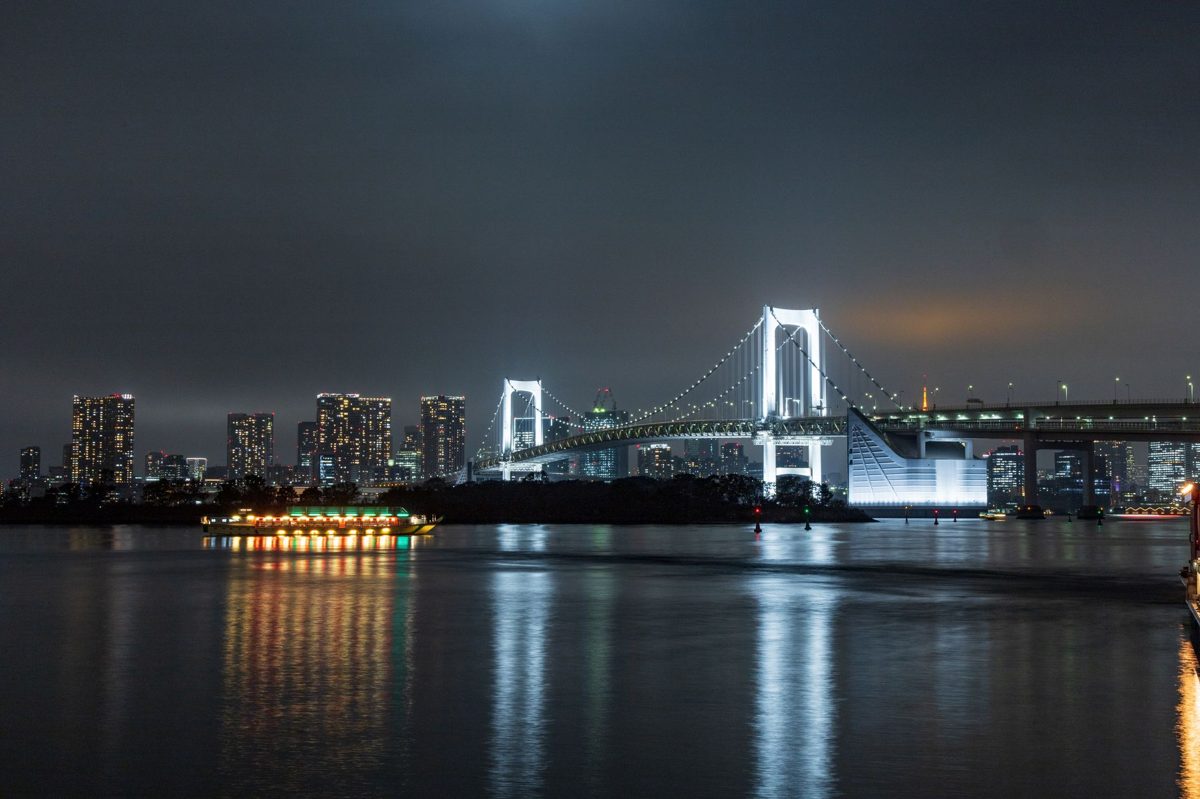
Across the bay, Odaiba gives you a postcard skyline: the Rainbow Bridge strung with lights, the city beyond, and a waterfront promenade to shoot from. Come at blue hour for the bridge reflections, and use a longer lens to compress the skyline. Nearest stations: Odaiba-kaihinkoen or Daiba on the Yurikamome, itself a fun elevated ride over the water.
Quirky corners: Godzilla, cats and old streets
- Kabukicho’s Godzilla head looms over Shinjuku’s Toho building — a fun night frame amid the neon. Nearest station: Shinjuku (east/Kabukicho).
- Gotokuji Temple is the home of the beckoning-cat (maneki-neko); shelves of hundreds of white cat figurines make an irresistible, gently surreal shot. Nearest: Gotokuji (Setagaya line).
- Yanaka Ginza is a nostalgic old-Tokyo shopping street, best in late-afternoon light — the “Yuyake Dandan” staircase at golden hour is the signature. Nearest: Nippori.
- Shimokitazawa offers a low-rise tangle of vintage shops, cafés and murals — street-photography heaven on a relaxed afternoon. Nearest: Shimokitazawa.
Best free observation decks
You don’t always need a paid ticket for a high view. The twin towers of the Tokyo Metropolitan Government Building in Shinjuku have free observation decks at about 200 metres, with Mt. Fuji visible on clear days — the best free panorama in the city. The Bunkyo Civic Center near Korakuen has a free 25th-floor view straight toward Shinjuku and, on a clear day, Fuji. For paid decks, weigh them up in our Skytree vs Tokyo Tower comparison, and remember Shibuya Sky covered above. Several of these viewpoints overlap with the wider city must-dos in our best things to do in Tokyo.
Gear and apps that help
- A pocket tripod or beanbag turns blue-hour and night scenes from blurry to crisp where tripods are allowed (parks and temples usually aren’t, public streets and some decks are).
- A sunrise/sunset and blue-hour app tells you exactly when to be in position; the difference is minutes.
- A weather/Fuji-visibility check saves a wasted day trip — only chase the pagoda-and-Fuji shot when the mountain is forecast clear.
- A portable charger, because Night mode, maps and a long shooting day drain a phone fast.
- A lens cloth — humidity, sea air at Odaiba and pressing your lens to observation glass all smear it.
Building an efficient photo route
Tokyo is huge, so cluster by area and time of day rather than zig-zagging. A sample full day: sunrise at Senso-ji in Asakusa while it’s empty, mid-morning across to Akihabara for daytime detail, afternoon in Harajuku and the calm Nezu Museum garden near Omotesando, then west to Shibuya for the crossing and Shibuya Sky at sunset, finishing with the alleys of Golden Gai after dark in nearby Shinjuku. Group your stops with our Tokyo neighborhoods guide and you’ll spend your time shooting, not riding trains.
Day-trip photo spots beyond Tokyo
If you have a spare day, several iconic backdrops sit within a couple of hours of the city — ideal when you want landscapes and old-Japan scenes the metropolis can’t offer.
- Kamakura: the Great Buddha (Kotoku-in), the hydrangea steps of Hase-dera in June, and the seaside; about an hour by train. Bamboo grove at Hokoku-ji is a quiet gem.
- Kawagoe (“Little Edo”): a preserved street of clay-walled merchant houses and the Bell Tower, all warm tones in late-afternoon light; around 40 minutes from Ikebukuro.
- Enoshima: island shrines, sea caves and a lighthouse observation deck with Fuji views on clear days; pairs with Kamakura.
- Hakone: the red torii of Hakone Shrine standing in Lake Ashi, with Fuji behind on a clear morning — one of Japan’s most photographed scenes; about 90 minutes via the Romancecar.
- Chureito Pagoda / Fujiyoshida: the pagoda-and-Fuji shot covered above, around two hours via Otsuki, best on a clear spring or autumn morning.
For all of these, an early start beats the crowds and gives you the best light, and a clear-weather forecast is essential for anything involving Mt. Fuji.
Best spots for specific kinds of shot
- Portraits: the Floating Flower Garden at teamLab Planets, the bamboo path at the Nezu Museum, and the blossom tunnel at Meguro — soft, wrapping light and clean backdrops.
- Street photography: Shibuya Center Gai, Shimokitazawa, Yanaka Ginza and Ameyoko market in Ueno, where life spills onto the pavement.
- Long exposures: the Sumida riverbank for Skytree light trails and reflections, and Odaiba for the Rainbow Bridge — bring a pocket tripod where permitted.
- Neon and cyberpunk: Shinjuku’s Kabukicho and Golden Gai, plus Akihabara, all after dark.
- Calm and minimal: the classical gardens (Rikugien, Koishikawa Korakuen) and the Imperial Palace East Gardens in soft light.
Drones, permits and a legal note
Don’t fly a drone in central Tokyo. Most of the metropolis is densely populated airspace where recreational drone flight is restricted or banned outright, and parks, temples and stations prohibit them. Commercial shoots, tripods on private property, and anything blocking a public way generally need permission. For ordinary travel photography you’re free to shoot public streets and skylines handheld — just respect the no-photography signs inside shrines, museums and teamLab, and never trespass onto private streets or residential alleys for a shot, which is the one thing that genuinely upsets locals.
Backing up and editing on the road
A long shooting day fills cards and drains batteries fast. Carry a spare battery and a high-capacity card, and back up each evening — to the cloud over hotel wifi, or to a phone or small SSD — so a lost camera doesn’t cost you the trip. For phone shooters, a quick edit in a free app to lift shadows and tame the neon highlights makes Tokyo’s high-contrast night scenes sing; shoot in the brightest raw format your phone allows for the most latitude. Then plan tomorrow’s route by neighbourhood using our Tokyo neighborhoods guide so the light and the locations line up.
Frequently Asked Questions
What is the best photo spot in Tokyo?
There is no single best, but the most iconic is Shibuya Crossing shot from above after dark, ideally just after rain. For a city panorama, Shibuya Sky’s open-air rooftop at sunset is hard to beat. For old Tokyo, Senso-ji’s Kaminarimon gate at sunrise is stunning and nearly empty. Pick by mood: neon, panorama, temple or blossom.
When is the best time of day to photograph Tokyo?
Blue hour — the ten to twenty minutes just after sunset — is the sweet spot for cityscapes, towers and neon, because the lit signs balance a still-bright sky. Sunrise is best for crowded landmarks like Senso-ji, when you get soft light and empty frames. Avoid harsh midday sun for anything but interiors.
Where can I photograph Mt. Fuji near Tokyo?
The classic pagoda-and-Fuji shot is the Chureito Pagoda at Arakurayama Sengen Park near Fujiyoshida, about two hours from Tokyo via Otsuki. Go on a clear morning in spring or autumn and climb the steps early. From Tokyo itself, winter days have the cleanest air for distant Fuji from high observation decks.
Is it rude to take photos in Tokyo?
Photographing public streets and landmarks is fine, but ask before pointing a lens at individuals, shop staff or bar owners, and never enter private streets, residential alleys or gardens for a shot. Turn off flash in temples, shrines, museums and teamLab, and obey no-photography signs. Don’t block paths or crossings while composing.
Can I take good Tokyo photos with just a phone?
Absolutely. Modern phones excel at Tokyo’s neon and blue-hour scenes. Use Night mode, brace the phone on a railing or use a 2-second timer for sharpness, press the lens to glass on observation decks to kill reflections, and shoot just after sunset. A pocket tripod and a portable charger are the only extras worth carrying.