
A traditional Japanese breakfast in Tokyo is a small, balanced spread: a bowl of rice, a piece of grilled fish, miso soup, a rolled omelet, pickles, and usually natto or tofu on the side. You can eat it at a ryokan, a Tsukiji counter, a specialist set-meal shop, or a 24-hour chain for under ¥1,000. There is also a cheaper, more charming option, the morning service at old coffee shops, where one drink comes with toast and an egg. This guide covers what a proper breakfast looks like, where to find each version, and what it costs.
Breakfast is one of the easiest ways to eat like a local here, and one of the most overlooked. Skip the hotel buffet a couple of mornings and you will discover a whole rhythm to how Tokyo starts the day, from salarymen slurping standing soba before work to retirees nursing siphon coffee in a smoky kissaten. For the wider map of what to eat across the city, see our Tokyo food guide; this is the morning chapter.
What Is a Traditional Japanese Breakfast (Washoku)?
The classic washoku (和食, Japanese-style) breakfast is built around the ichiju-sansai idea: one soup, three sides, and rice. It is savory, not sweet, and far more substantial than cereal-and-fruit. A full tray usually includes:
- Steamed white rice (gohan), the center of the meal, often with a raw egg to stir in (tamago kake gohan) or furikake seasoning.
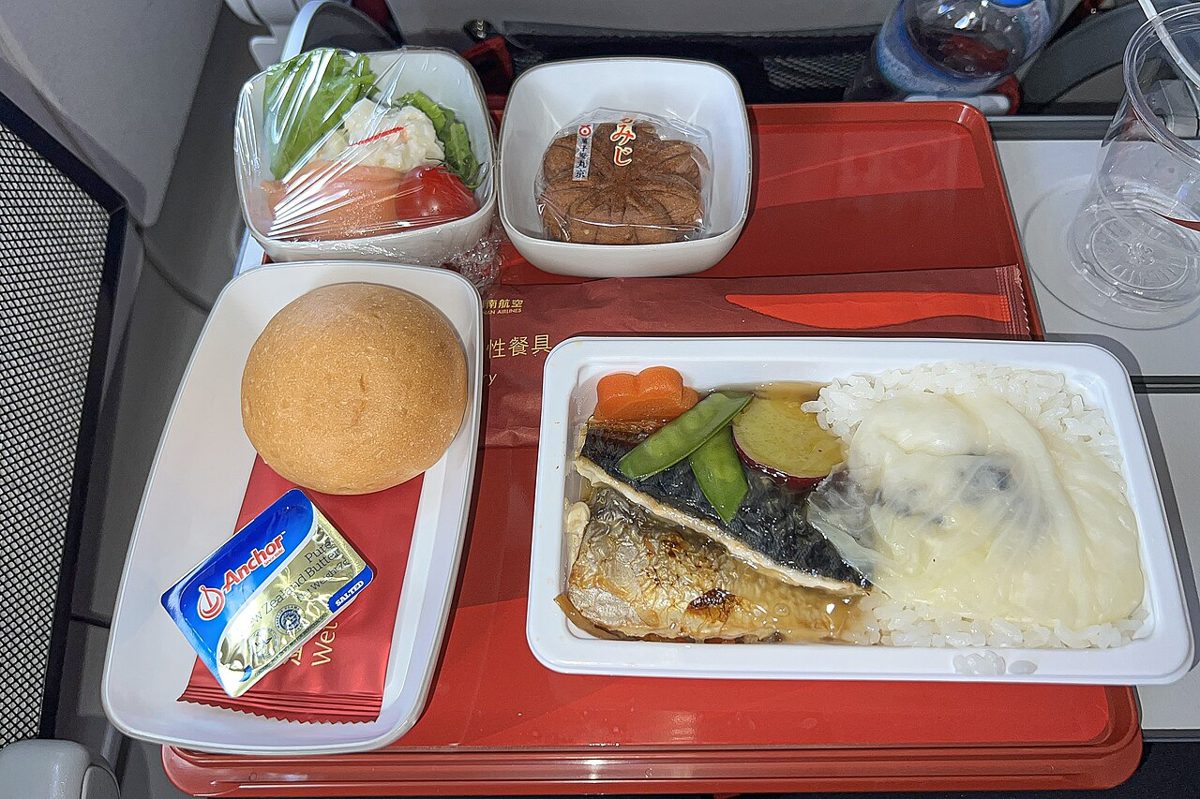
- Grilled fish (yakizakana), most often salted salmon (shio-zake) or mackerel (saba), grilled on the bone and eaten with a squeeze of nothing more than its own oils.
- Miso soup (miso shiru), a warm bowl of dashi and fermented soybean paste with tofu, wakame seaweed, or vegetables.
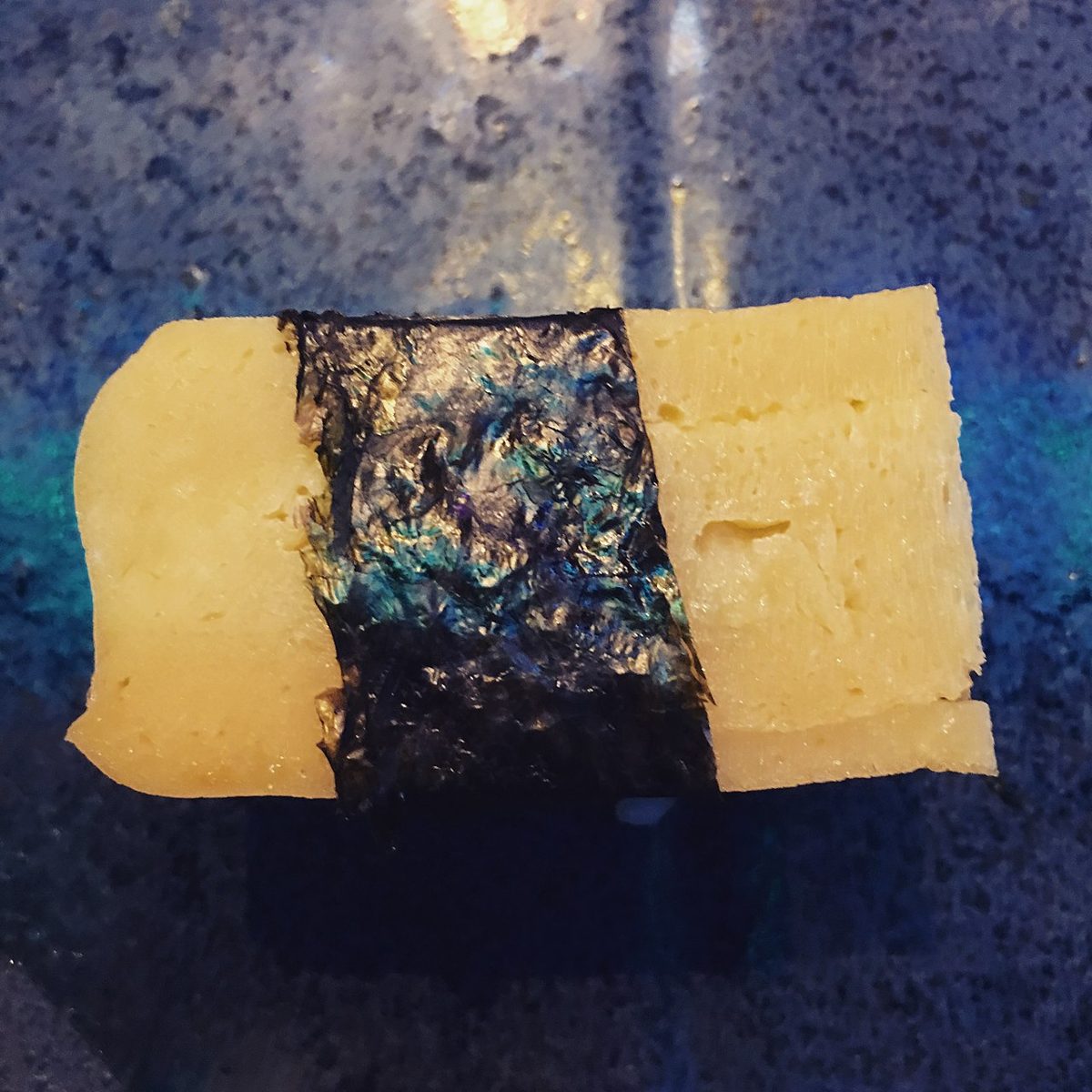
- Tamagoyaki, a sweet-savory rolled omelet cooked in layers in a rectangular pan, served in neat slices.
- Natto, fermented soybeans, sticky and pungent, mixed with soy sauce and mustard and spooned over rice (an acquired taste, and a local badge of honor).
- Tsukemono, Japanese pickles, plus often nori seaweed, a small piece of tofu, or simmered vegetables.
It is a quietly clever meal: protein, fermented foods, vegetables, and slow-release carbs, low in sugar and high in umami. You will rarely eat all of it every day as a local would, but trying the full version at least once is the single best food experience many visitors skip.
Why the meal is built this way
The structure is not random. Dashi, the kelp-and-bonito stock under the miso soup, delivers a savory umami base with almost no fat. The fermented elements, miso and natto, add probiotics and protein. Rice provides slow-burning energy, the grilled fish brings omega-rich protein, and the pickles and seaweed pack in minerals and fiber. It is a breakfast designed to be light on the stomach but to carry you through a long morning, which is exactly why it has survived centuries largely unchanged. Even the temperature contrast, hot rice and soup against cool pickles and tofu, is part of the design.
You will also notice the portions are small and many. That is deliberate: a washoku tray is meant to be grazed, a little of each dish in rotation rather than one big plate. Pace yourself, alternate bites, and finish with the miso soup.

Where to Eat a Proper Japanese Breakfast in Tokyo
The same washoku tray shows up at wildly different price points depending on where you sit. Here is how the options break down.
Ryokan and hotel breakfasts
The most complete traditional breakfast comes at a ryokan, a Japanese inn, where the morning meal is part of the ritual: an elaborate multi-dish tray brought to your room or a tatami dining hall, often with grilled fish cooked at the table on a tiny brazier. A handful of central Tokyo ryokan and many onsen-style inns just outside the city serve this; if you want to plan a night around it, our guide to the best ryokan in Tokyo lays out where to stay. Mid-range and luxury hotels also offer a Japanese-set option alongside the Western buffet, an easy way to try washoku without leaving your accommodation, typically ¥2,500–¥5,000 at a hotel restaurant.
Tsukiji and the markets
For breakfast with a side of fish-market theater, head to the Tsukiji Outer Market, which still buzzes with food stalls and counter restaurants even after the wholesale auctions moved to Toyosu. Many shops open around 5–7am and serve a breakfast-perfect kaisendon (sashimi rice bowl), grilled fish set, or tamagoyaki on a stick. It is touristy now, but the quality is real and the energy is unbeatable at dawn. The serious wholesale action, and the tuna auction, is over at Toyosu; our guide to the Tsukiji and Toyosu markets explains how the two sites differ and when to go to each.
Specialist breakfast and set-meal shops
A growing number of Tokyo shops do nothing but breakfast, beautifully. Shinpachi Shokudo (branches in Shinjuku and elsewhere) serves classic washoku sets from roughly ¥700–¥1,100, with grilled salmon, miso-marinated fish, or mackerel, plus free refills on rice; the fish is grilled to order, so allow a few extra minutes. In Asakusa, Misojyu is a miso-soup specialist pairing inventive bowls with handmade onigiri, with an English ordering board. Risaku in Sendagi is an onigiri cafe where the rice is cooked in a traditional hagama pot and the side dishes are all made by hand. These are the spots to seek out if you want the real thing without a ryokan price tag.
24-hour chains: the budget Japanese breakfast
The smartest cheap move is a teishoku or gyudon chain. Yayoiken traces its name to an 1886 Tokyo restaurant and now serves morning teishoku sets from around ¥410, a grilled-fish or fried-egg set with rice, miso, and pickles, with unlimited rice; many branches run from about 5am. The beef-bowl chains Matsuya and Sukiya open as early as 5am and run breakfast menus until about 11am, with rice-miso-egg sets and grilled-fish options well under ¥1,000. Yudetaro, a soba chain, does a morning soba set that feels more local than a burger. These places have multilingual touch-screen ordering, cashless payment, and are everywhere, the backbone of cheap eats in Tokyo for any meal of the day.
Morning Service: Japan’s Great-Value Coffee-Shop Breakfast
Here is the breakfast tradition most visitors have never heard of, and the one they end up loving most. Morning service (モーニングサービス, moningu sabisu) is a deal at old-school coffee shops where, during a short morning window, you order one drink and a small breakfast comes with it, free or for pocket change.
What is a kissaten, and how morning service works
A kissaten (喷茶店) is a traditional Japanese coffee shop, the kind with dark wood, velvet chairs, hand-dripped or siphon coffee, and a Showa-era hush. Unlike a grab-and-go cafe, it is a place to sit, slow down, and read the paper. The morning service was the affordable ritual that anchored these visits. The tradition is usually traced to 1950s Aichi Prefecture (Ichinomiya, near Nagoya), where shops began throwing in a boiled egg or peanuts with the morning coffee; it spread nationwide, and Nagoya is still its spiritual home. A classic set is thick buttered toast, a boiled egg, and coffee, sometimes with a small salad or a smear of an (sweet red bean paste, as Nagoya’s famous ogura toast).
Where to find morning sets in Tokyo
The best way to find one is to search maps for “kissaten morning set” near you; tiny independents serve the most charming versions. A few reliable bets: in chains, Pronto does a thick-toast set with a boiled egg and salad from around ¥495; Komeda’s Coffee, the Nagoya giant, gives you toast and an egg free with any morning drink; Doutor and Cafe Renoir/Cafe Miyama all run morning sets. Among independents, look for retro shops like Coffee Kan (siphon coffee, Wi-Fi, good for working) or neighborhood kissaten where a buttered-toast-and-egg set runs ¥500–¥700. Sets typically end around 11am, sometimes earlier, so come early. One etiquette note: at small independent kissaten, lingering for hours over a single cup is frowned upon; if you need to work, a chain is the polite choice.

Konbini and Onigiri: The Grab-and-Go Breakfast
On a tight schedule, Tokyo’s convenience stores are a genuinely good breakfast, not a compromise. A 7-Eleven, Lawson, or FamilyMart on practically every corner sells fresh onigiri (rice balls, ¥130–¥250) with fillings like salmon, pickled plum (umeboshi), or tuna-mayo, plus tamago sando (the cult egg-salad sandwich), yogurt, hot oden in winter, and bottled miso soup. The coffee from the machine is genuinely good and costs about ¥120. Konbini breakfasts are a staple of cheap eats in Tokyo and perfect for eating on a shinkansen platform or a park bench. For a slightly more sit-down version, bakery chains and onigiri specialists fill the same niche with a little more polish.
Western, Trendy, and Stand-Up Breakfasts
Not every morning has to be washoku. Tokyo does Western and trend-driven breakfasts as well as any global city, and a few formats are worth knowing about.
Cafes and Western breakfasts
Fashionable areas like Daikanyama, Omotesando, and Shibuya are full of stylish all-day cafes. Hawaiian-style pancake houses such as Eggs 'n Things draw long weekend lines for stacks piled with whipped cream and fruit; bakery-cafes and brunch spots serve eggs benedict, granola, and fresh-baked bread, often on leafy terraces. Belgian and European bakery chains like Le Pain Quotidien turn up across the city for a croissant-and-coffee start. Expect ¥1,200–¥2,500 for a sit-down Western breakfast in these neighborhoods.
Stand-up soba and morning ramen
For a fast, very local breakfast, duck into a stand-up soba or udon counter, usually found inside or just outside major stations and open early for the commuter rush. A hot bowl with a tempura topping costs around ¥400–¥600 and is eaten standing in a few minutes. The newer trend is asa-ra (朝ラ, morning ramen): a lighter, often soy-based bowl served as an early-bird special, with several spots around Tokyo Station leading the way. If you fancy noodles before noon, our best ramen in Tokyo guide flags shops that open early.
Japanese Breakfast in Tokyo: Price & Where-to-Eat Table
| Option | What you get | Price (approx.) | Best for |
|---|---|---|---|
| Ryokan breakfast | Full multi-dish washoku tray, fish grilled at table | included w/ stay | The complete traditional experience |
| Hotel Japanese set | Rice, fish, miso, sides as a set option | ¥2,500–5,000 | Trying washoku without leaving the hotel |
| Tsukiji counters | Kaisendon, grilled fish, tamagoyaki | ¥1,000–3,000 | Atmosphere and fresh seafood at dawn |
| Specialist shops | Classic washoku set, fish grilled to order | ¥700–1,200 | The real thing at a fair price |
| Yayoiken / gyudon chains | Grilled-fish or egg set, unlimited rice | from ~¥410 | Cheap, fast, open from 5am |
| Kissaten morning service | Toast, boiled egg, coffee | ¥495–700 (or free w/ drink) | Retro charm and great value |
| Konbini / onigiri | Rice balls, sandwiches, coffee | ¥300–600 | Grab-and-go on a busy morning |
Tips for Eating Breakfast Like a Local
- Go early. Morning service and many breakfast menus end around 10–11am, and Tsukiji is best at dawn before the crowds and before stalls sell out.
- Try natto once. It is the most divisive item on the tray; stir it hard with the soy and mustard packets to build the texture, then spoon it over rice.
- Slurp the miso, do not drink it like soup with a spoon. Lift the bowl, sip the broth, and use chopsticks for the tofu and seaweed.
- Use the touch screens. Chain set-meal shops have multilingual machines and photo menus, so a no-Japanese breakfast is easy.
- Mind the bill ritual at chains. Many use a ticket machine at the door, buy your set first, then sit down and hand over the ticket.
- Balance the day. A big washoku or morning-ramen breakfast pairs well with a lighter lunch; if you skipped breakfast, the best ramen in Tokyo makes a famous late-morning meal thanks to Tokyo’s growing asa-ra (morning ramen) trend.
Quick Picks: Where to Start by Neighborhood
If you only have a few mornings, here is the fast way to match an area to a breakfast.
- Asakusa & the old town (Shitamachi): the most atmospheric place for traditional breakfast, with miso-soup and onigiri specialists and easy morning access to Senso-ji before the crowds.
- Tsukiji: seafood bowls, grilled fish, and tamagoyaki from dawn; come hungry and early. See the Tsukiji and Toyosu markets guide for hours and how to combine it with Toyosu.
- Shinjuku & Shibuya: the widest mix, washoku set shops, 24-hour chains, pancake houses, and kissaten morning sets all within walking distance of the stations.
- Omotesando & Daikanyama: stylish Western cafes and bakeries for a slower, leafy brunch.
- Anywhere, anytime: a konbini for onigiri and machine coffee, or a gyudon chain for a hot set from 5am.
A few words that help
You can order a Tokyo breakfast with almost no Japanese, but a handful of terms make the menus click: asagohan (breakfast), teishoku (set meal), moningu (the coffee-shop morning set), gohan (rice), miso shiru (miso soup), yakizakana (grilled fish), tamago (egg), and okawari (a refill, free at most set-meal shops). Point at photos, hold up fingers for quantity, and you are set.
Frequently Asked Questions
What does a traditional Japanese breakfast include?
A classic washoku breakfast follows the one-soup-three-sides idea: steamed rice, miso soup, grilled fish (often salmon or mackerel), and small sides such as tamagoyaki (rolled omelet), natto (fermented soybeans), tofu, nori, and tsukemono (pickles). It is savory rather than sweet and quite filling.
Where can I eat a Japanese breakfast in Tokyo on a budget?
The cheapest proper Japanese breakfast is at teishoku and gyudon chains. Yayoiken serves morning sets from around ¥410 with unlimited rice, and Matsuya and Sukiya open from about 5am with rice-miso-egg and grilled-fish sets under ¥1,000. A kissaten morning service (toast, egg, coffee) runs about ¥495–700, and konbini onigiri are ¥130–250 each.
What is morning service in Japan?
Morning service (moningu) is a coffee-shop deal where, during a short morning window, ordering one drink gets you a small breakfast, usually toast and a boiled egg, free or for a small surcharge. It started in 1950s Aichi Prefecture near Nagoya and is now found at kissaten and cafe chains across Tokyo, typically ending around 11am.
What time is breakfast served in Tokyo?
It varies by venue. Gyudon and teishoku chains often open at 5am and serve breakfast until about 11am; kissaten morning sets usually run from opening until 10–11am; Tsukiji Outer Market stalls start around 5–7am. Konbini sell breakfast items 24 hours. Hotel and ryokan breakfasts generally run from about 7–10am.
Do Japanese people eat rice for breakfast every day?
Many do, but not all. The full traditional tray is more of a weekend or ryokan treat for plenty of households; on weekdays, lots of people eat toast, a konbini onigiri, or a quick cafe morning set. As a visitor, it is worth seeking out the complete washoku version at least once.
Whatever your morning looks like, breakfast in Tokyo is a low-cost, high-reward part of the trip. Have the full washoku tray once, chase a kissaten morning set on a slow day, and keep a konbini onigiri in your bag for the early trains. When you are ready to plan the rest of your eating, the Tokyo food guide connects every meal.
What a Japanese Breakfast Costs — and Where to Find One Near You
Breakfast in Tokyo can cost almost nothing or feel like a small event, depending on where you sit down. At the cheap end, a konbini run — an onigiri or two, a tamagoyaki, a carton of cold barley tea — comes in around ¥300–500 and is genuinely good. A set-meal chain like Yayoiken, Matsuya, or Sukiya plates up a proper tray of rice, miso soup, and grilled fish or natto for roughly ¥400–700, often from 5 or 6am. A kissaten “morning service” (a coffee that comes with toast and a boiled egg for the price of the drink) lands around ¥500–900, a craft washoku breakfast at a dedicated restaurant ¥1,200–2,500, a hotel buffet ¥2,000–4,500, and a ryokan breakfast is usually folded into your room rate.
Where you eat depends a lot on where you are staying. Near Tsukiji, the Outer Market serves the city’s best early seafood breakfast from dawn — tamago, grilled fish, and rice bowls — and pairs perfectly with a morning market wander. Around Asakusa you will find old-school spots doing traditional sets near the temple. In Shinjuku, Shibuya, and the big stations, look for the chains and kissaten tucked into side streets and station buildings for a fast, cheap morning set. And almost anywhere, the konbini on the corner has been open all night.
One last tip: many traditional breakfast spots and market stalls stop serving by 9 or 10am, so a proper Japanese breakfast rewards early risers — convenient when jet lag already has you wide awake at 5am. Reserve ahead only at the handful of famous specialist spots; everywhere else is walk-in. And if natto’s sticky, pungent fermentation is not for you, just say so — a good set will happily swap it for a raw egg to slip over hot rice (tamago kake gohan), grilled salmon, or an extra helping of pickles. Vegetarians should know that the dashi in the miso soup and the bonito flakes on the greens are usually fish-based, so ask at the counter if that matters to you.
Photo Credits
- Hero image — Photo: David Lee / CC BY 2.0 via Wikimedia Commons via Wikimedia Commons
- Tamagoyaki — Photo: Missvain / CC BY 4.0 via Wikimedia Commons via Wikimedia Commons
- Grilled fish — Photo: N509FZ / CC BY-SA 4.0 via Wikimedia Commons via Wikimedia Commons
- Kissaten interior — Photo: Eugene Ormandy / CC BY-SA 4.0 via Wikimedia Commons via Wikimedia Commons
- Miso soup — Photo: Brücke-Osteuropa / CC0 via Wikimedia Commons via Wikimedia Commons